Category: Blog

  • Riyadh Coworking Pricing Guide 2026

    Riyadh Coworking Pricing Guide 2026

    Riyadh coworking pricing guide

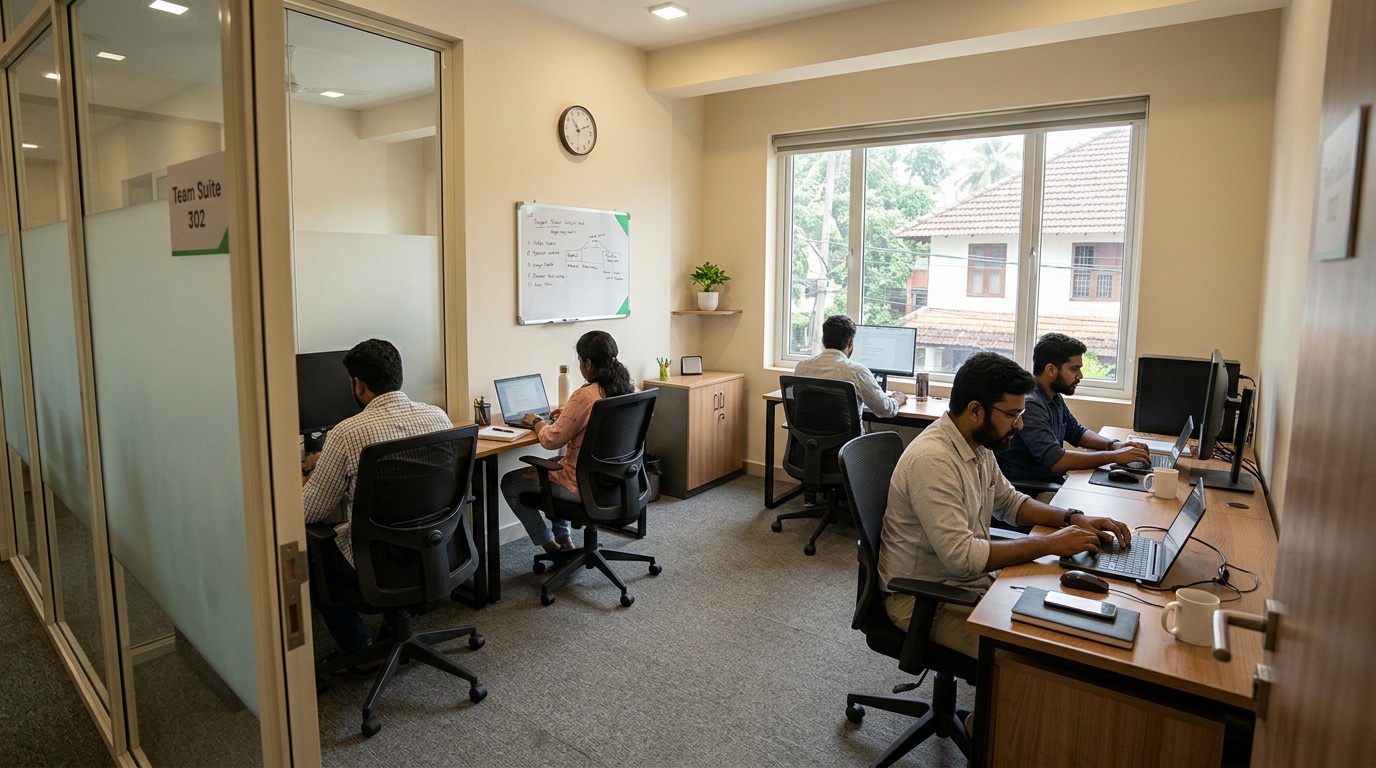
    Every distributed system asks you to manage new failure modes. The same applies to workspace decisions in Riyadh’s expanding coworking market. With more than 200 flexible workspace options across the city, understanding pricing structures becomes essential for making decisions that scale with your business.

    Why Workspace Costs Matter for Your Business

    Traditional office leases in Riyadh’s central business districts demand 12-month commitments starting at SAR 8,000 per month for basic setups. Coworking reduces capital expenditure while providing immediate access to professional environments. The difference? Flexibility without the overhead of furniture, utilities, or maintenance contracts.

    The Core Components of Coworking Pricing

    Riyadh coworking structures typically include three primary elements: base membership fees, usage charges, and service add-ons. Base fees range from SAR 300 for hot desks to SAR 3,500 for private offices. Usage charges cover printing, meeting room bookings, and extended-hours access. Service add-ons include mail handling, phone services, and event space rental.

    Infrastructure Reality: Quality coworking spaces invest 15% to 20% of revenue in technology infrastructure. This translates to reliable internet, backup power systems, and security protocols that would cost individual businesses SAR 2,000 to 5,000 per month to implement independently.

    Understanding Riyadh’s Coworking Market: Key Trends

    Riyadh’s coworking sector shows clear pricing tiers based on location and amenities. King Fahd Road and Olaya District command premium rates due to proximity to financial centers. Emerging areas like Al Nakheel and Al Sahafa offer competitive pricing with modern facilities. The market supports both enterprise-grade solutions and startup-friendly options.

    Platforms like Comspace show how technology streamlines workspace discovery and booking across multiple locations. This approach reduces the complexity of comparing options while maintaining transparent pricing structures.

    Riyadh Coworking Pricing: A Deep Dive into Workspace Types and Their Costs

    Riyadh coworking pricing guide

    Hot Desks: The Flexible Entry Point

    Hot desks in Riyadh typically range from SAR 150 to SAR 400 per day, depending on location and amenities. These shared workstations offer immediate access without long-term commitments, making them ideal for freelancers and remote workers testing different environments. Most providers include Wi-Fi, basic printing, and coffee in the daily rate.

    Monthly hot desk memberships cost between SAR 800 and SAR 2,200, offering significant savings for regular users. Comspace demonstrates how standardized pricing reduces guesswork while maintaining consistent service quality across locations.

    Dedicated Desks: Your Consistent Spot

    Dedicated desks command SAR 1,500 to SAR 3,500 per month in Riyadh’s business districts. You get the same workspace each day, plus personal storage and the ability to leave items overnight. This option suits professionals who need consistency while wanting coworking community benefits.

    Premium dedicated desks in King Abdullah Financial District can reach SAR 4,000 per month, including ergonomic chairs, dual monitors, and priority booking for meeting rooms. The investment makes sense for consultants and entrepreneurs who frequently host client meetings.

    Private Offices: Scalable Solutions for Teams

    Private offices start at SAR 3,000 per month for single-person spaces and scale to SAR 15,000 or more for teams of eight or more. These enclosed spaces provide privacy for sensitive calls while maintaining access to shared amenities like kitchens and event spaces.

    Office Size Monthly Cost (SAR) Typical Includes
    1-2 People 3,000-5,500 Desk, chairs, storage, Wi-Fi
    3-4 People 6,000-9,500 Meeting table, whiteboard, phone booth access
    5-8 People 10,000-15,000 Conference setup, priority support, custom branding

    Meeting Rooms: Booking by the Hour or Day

    Meeting room rates vary from SAR 80 to SAR 300 per hour based on capacity and technology. Basic rooms for 4 to 6 people cost around SAR 80 to SAR 120 per hour, while boardrooms with video conferencing equipment reach SAR 250 to SAR 300 per hour.

    Day rates offer better value for extended sessions, typically priced at 6 to 8 times the hourly rate. Many pricing calculations overlook meeting room frequency, but regular presenters can easily spend SAR 500 to SAR 1,000 per month on room bookings alone.

    Beyond the Desk: Factors That Shape Your Riyadh Coworking Bill

    Location Matters: Neighborhood Premiums in Riyadh

    King Abdullah Financial District commands a 40% to 60% premium over other areas due to proximity to major corporations and government offices. Olaya District follows closely, with rates 25% to 40% above the city average. These locations justify higher costs through networking opportunities and business credibility.

    Emerging areas like the Diplomatic Quarter offer 15% to 25% savings while maintaining professional environments. Infrastructure travels: choose locations your clients and partners can reach easily, without compromising technical reliability.

    Amenities: What’s Included and What Costs Extra?

    Standard packages include Wi-Fi, basic printing, coffee, and cleaning services. Premium amenities like high-speed printing (SAR 2 to SAR 5 per page), locker rentals (SAR 100 to SAR 200 per month), and phone booth access (SAR 50 to SAR 100 per hour) add up quickly.

    Wellness amenities such as gym access, prayer rooms, and concierge services typically increase monthly costs by SAR 200 to SAR 500. Evaluate which amenities you’ll actually use rather than paying for packages that exceed your needs.

    Contract Length: The Power of Commitment

    Monthly contracts offer flexibility but cost 20% to 30% more than annual commitments. Quarterly agreements split the difference, providing 10% to 15% savings over month-to-month rates. Annual contracts unlock the best pricing but require careful evaluation of your space needs.

    Some providers offer hybrid contracts where you commit to a base amount each month but can scale up as needed. This approach works well for growing teams or seasonal businesses that need predictable core costs with expansion flexibility.

    The Hidden Costs of Coworking (and How to Avoid Them)

    Membership Fees vs. Pay-As-You-Go: A Cost Analysis

    Monthly memberships appear straightforward but often include usage caps that trigger overage fees. A SAR 1,200 membership might include only 20 hours of meeting room access, with additional hours costing SAR 150 each. Pay-as-you-go models offer transparency but lack bulk discounts.

    Break-even analysis reveals that light users (under 40 hours per month) save money with daily rates, while regular users benefit from memberships. Track your actual usage for two months before committing to annual contracts that promise savings you won’t realize.

    Understanding Usage-Based Charges: Printing, Events, and More

    Printing costs accumulate rapidly at SAR 2 to SAR 5 per page for color documents. Event space rentals for networking or presentations range from SAR 500 to SAR 2,000 depending on capacity and duration. Guest day passes for clients typically cost SAR 100 to SAR 200 each.

    Administrative fees for mail handling, package receipt, and business registration services add SAR 200 to SAR 400 per month for active businesses. Comspace exemplifies transparent pricing by bundling common services into predictable monthly rates rather than charging per transaction.

    The True Cost of ‘Free’ Amenities

    Free coffee and snacks are built into membership pricing, typically adding SAR 150 to SAR 250 per month to base rates. Unlimited printing sounds appealing but often comes with speed restrictions or quality limitations that force you to pay premium services for important documents.

    Engineering Reality: Systems that scale require clear resource allocation. Unlimited amenities create infrastructure bottlenecks that ultimately cost more than transparent usage-based pricing.

    Comparing Provider Pricing Structures: What to Look For

    Transparent providers list all fees up front with clear usage limits. Red flags include vague terms like “reasonable use” for internet or printing, setup fees exceeding SAR 500, or contracts requiring 60 or more days notice for changes.

    Quality providers offer detailed breakdowns showing exactly what’s included versus what costs extra. This approach eliminates surprises and supports accurate budget forecasting for growing businesses.

    Making the Smart Choice: Optimizing Your Riyadh Coworking Investment

    Riyadh coworking pricing guide

    Calculating Your ROI: Coworking vs. Traditional Office Space

    Traditional office leases in Riyadh require 12-month commitments starting at SAR 200 per square meter per month, plus utilities, internet, and furniture costs. A basic 100-square-meter office totals SAR 25,000 to SAR 35,000 per month, including operating expenses.

    Coworking reduces capital expenditure while providing immediate scalability. A team of six using private office space costs SAR 10,000 to SAR 15,000 per month with services included, representing 40% to 60% savings over traditional leases.

    Using Technology for Cost-Effective Workspace Solutions

    Digital booking platforms reduce membership guesswork by showing real-time availability and exact pricing. Mobile apps let you reserve desks, meeting rooms, and amenities without front desk interaction, reducing operational overhead that providers pass to members.

    Integrated payment systems provide detailed usage analytics, helping you optimize workspace spending based on actual patterns rather than estimated needs. This data-driven approach typically reduces monthly coworking costs by 15% to 25%.

    Frequently Asked Questions

    What is the typical cost for a private office in Riyadh's coworking spaces?

    Private offices in Riyadh start around SAR 3,000 per month for a single person, scaling up to SAR 15,000 or more for teams of eight. This investment provides privacy for sensitive work while maintaining access to shared amenities, ensuring a consistent professional environment without the re-work of setting up a traditional office. The cost varies based on size, location, and included services.

    How much does a hot desk cost in Riyadh?

    Hot desks in Riyadh range from SAR 150 to SAR 400 per day, or SAR 800 to SAR 2,200 for monthly memberships. This flexible option offers immediate access to a professional workspace, including Wi-Fi and basic amenities, preventing the need for individual setup and maintenance. It’s ideal for those needing a reliable spot without long-term commitments.

    What factors influence the pricing of coworking spaces in Riyadh?

    Riyadh coworking pricing is primarily shaped by location, amenities, and contract length. Premium districts like King Fahd Road and Olaya command higher rates due to their proximity to financial centers, offering networking opportunities that prevent missed connections. The quality of infrastructure, like reliable internet and backup power, also significantly impacts the cost.

    How do Riyadh coworking costs compare to traditional office rentals?

    Coworking significantly reduces capital expenditure compared to traditional office leases, which often demand 12-month commitments starting at SAR 8,000 per month. Coworking provides immediate access to professional environments without the overhead of furniture, utilities, or maintenance contracts. This flexibility prevents the re-work and sunk costs associated with traditional setups.

    What is typically included in a standard Riyadh coworking membership?

    Standard coworking packages in Riyadh usually include reliable Wi-Fi, basic printing, coffee, and cleaning services. Quality spaces also invest in backup power systems and security protocols, preventing operational disruptions. Evaluating which amenities you truly need helps avoid paying for services that won’t contribute to your work continuity.

    Are meeting rooms included in Riyadh coworking memberships, or are they an extra cost?

    Meeting rooms are generally considered service add-ons and are booked by the hour or day, not typically included in base memberships. Rates vary from SAR 80 to SAR 300 per hour, depending on capacity and technology. Regular presenters should factor these usage charges into their budget to prevent unexpected costs.

    Which areas in Riyadh offer more competitive coworking pricing?

    While King Fahd Road and Olaya District command premium rates, emerging areas like Al Nakheel and Al Sahafa offer more competitive pricing with modern facilities. The Diplomatic Quarter also provides 15% to 25% savings while maintaining professional environments. Choosing a location that balances cost with accessibility for your clients prevents unnecessary travel and logistical re-work.

    About the Author

    MS

    Mohammad El Shaari

    Mohammad El Shaari

    CTO at Hotdesk

    Mohammad El Shaari is the CTO of Hotdesk, where he leads the engineering team building and scaling a global SaaS platform for on-demand workspace bookings across 80+ countries. A Computer Science graduate from The British University in Egypt, he brings over a decade of hands-on experience in enterprise software, AI, cloud infrastructure, and cybersecurity.

    Before Hotdesk, he served as CTO of Vee Tech, where he led technical delivery for 12+ enterprise clients generating $30M+ in annual revenue, and helped build Egypt’s first innovation lab at Capital International Schools.

    At Hotdesk, Mohammad focuses on building scalable systems that handle real-time availability, global user distribution, and high-throughput transactions. He specializes in scalable system design, cloud-native infrastructure, and building high-performance SaaS platforms that support global user bases.

    He writes about scaling SaaS platforms, backend architecture, mobile engineering, and real-world technical decisions behind building and operating global products.

    Last reviewed: April 16, 2026 by the Hotdesk Team
  • Hybrid Work Policy & Workspace Strategy 2026

    Hybrid Work Policy & Workspace Strategy 2026

    Hybrid work policy / return-to-office workspace strategy

    Why Hybrid Work Policy and Workspace Strategy Are Now Essential

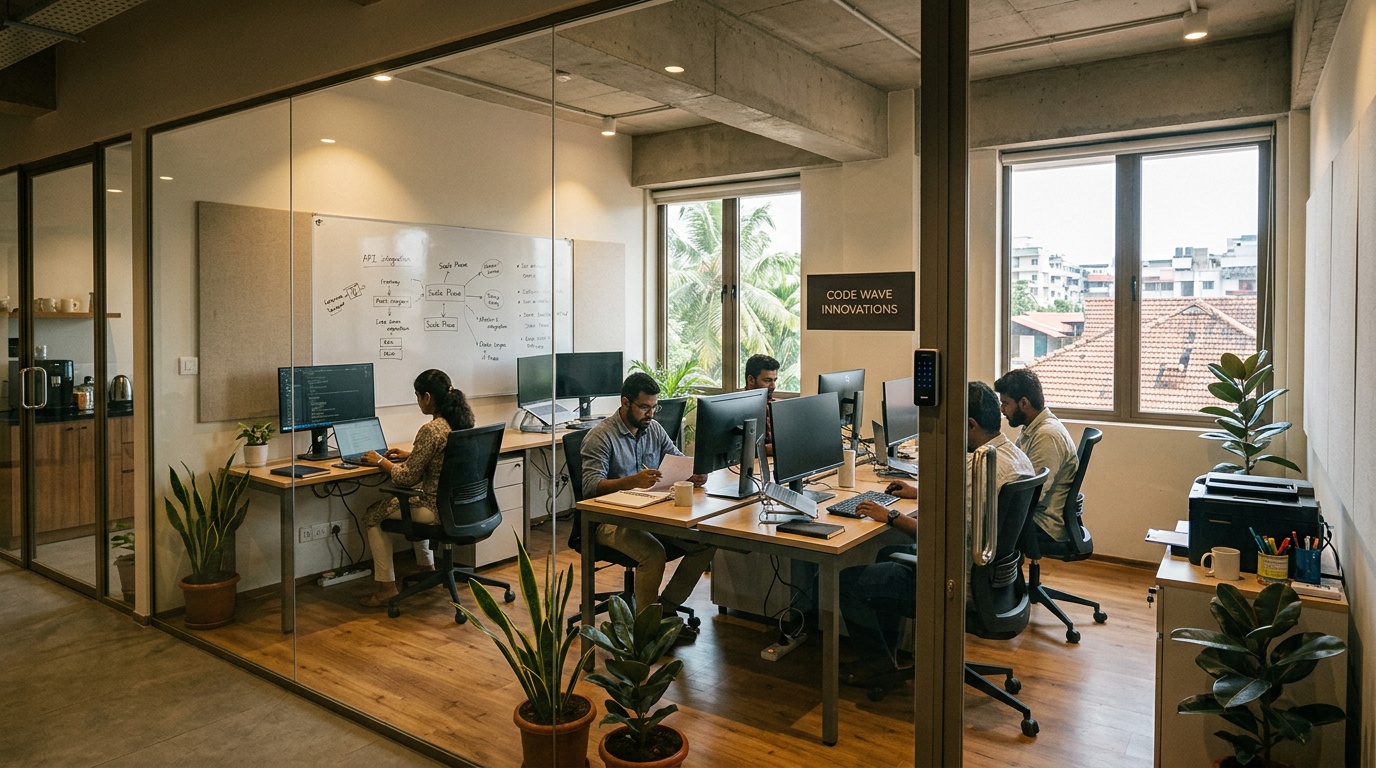
    A hybrid work policy defines when, where, and how employees split time between remote and office work. Your return-to-office workspace strategy determines whether that policy creates continuity or constant reset. The difference lies in infrastructure that travels with your people.

    From Fixed Desks to Flexible Futures

    The old model assumed people stayed put. You had a desk, a routine, a fixed location. Movement was the exception. Now people work across cities, time zones, and office locations without losing their sense of place within your organization.

    This shift isn’t about remote work versus office work. It’s about designing work that doesn’t break when people move. The companies getting this right aren’t just writing flexible policies. They’re building infrastructure that makes flexibility feel stable.

    Three Essential Policy Components

    Your policy needs clear expectations about when presence matters, defined standards for remote work quality, and systems that maintain connection regardless of location. The third element is where most policies fail.

    You can mandate office days and set remote work guidelines, but without consistent workspace access, you’re asking people to restart every time they change locations. Spaces like Comspace represent what works: familiar interfaces, consistent booking processes, and environments that feel intentional rather than improvised.

    Return-to-Office Needs More Than Just an Office

    Return-to-office fails when it means return-to-reset. People come back to find their routines disrupted, their workspace preferences ignored, and their sense of belonging diminished. Your return-to-office workspace strategy should feel like continuation, not interruption.

    “The office” isn’t one place anymore. It’s any professional environment where your people can maintain their standards and connections. This requires platforms that work across locations, booking systems that remember preferences, and spaces that uphold consistent quality standards.

    Building a Connected Hybrid Workspace Strategy

    Hybrid work policy / return-to-office workspace strategy

    What Your People Actually Want

    Your team doesn’t want to learn new systems every time they change locations. They want to walk into any workspace and know how things work. The booking process should feel familiar. Quality standards should be predictable.

    Belonging builds through repeated positive interactions, not grand gestures. When someone can book the same type of workspace in Dubai or London using the same platform, continuity replaces disruption. This isn’t about creating artificial community. It’s about removing the friction that prevents natural connection from forming.

    How Space Supports Your Hybrid Model

    Physical space either supports your hybrid work policy or undermines it. Spaces that work understand that flexibility doesn’t mean chaos. They maintain consistent standards while adapting to different work styles and needs.

    Quality workspaces like Comspace demonstrate this balance: professional environments that feel consistent across locations while respecting local context. Your workspace strategy should prioritize this kind of reliability over novelty or cost savings alone.

    The Hotdesk Advantage

    Hotdesk exists because most booking systems treat each location as a separate problem to solve. Our platform connects professional workspaces across regions, maintaining the same booking experience whether your team is in Cairo, London, or Ho Chi Minh City.

    Key Insight: Consistency Scales

    When your team knows they can find quality workspace anywhere using the same platform, location becomes a choice rather than a constraint. This is how return-to-office workspace strategy becomes a return-to-productivity strategy.

    This approach works because it treats movement as normal rather than exceptional. Policy becomes easier to implement when the infrastructure supports it. People focus on their work instead of figuring out where and how to work.

    Building Scalable Hybrid Infrastructure

    When Technology Disappears

    The best technology disappears. Your team shouldn’t think about booking systems or workspace platforms. They should think about their work. This happens when the underlying infrastructure maintains the same standards and processes across all locations.

    Effective hybrid work policy implementation depends on platforms that remember preferences, maintain booking history, and provide consistent interfaces regardless of geography. When someone books workspace in Ho Chi Minh City after working in London, the process should feel identical.

    Using Real Data to Refine Your Strategy

    Your return-to-office workspace strategy should change based on actual usage patterns, not assumptions about how people work. Track which spaces get booked most frequently, when people prefer collaborative environments versus focused work areas, and how booking patterns shift across different time zones and seasons.

    Key Insight: Usage Data Reveals Preferences

    Real workspace data shows that people book differently based on task type, team composition, and even weather patterns. Use this information to refine your policy rather than relying on generic best practices.

    This data helps optimize space allocation, predict demand, and identify which locations serve your team most effectively. The goal isn’t to control where people work, but to ensure quality options exist where they need them.

    Lessons from Building Across Borders

    Building workspace infrastructure across different markets teaches you what actually matters. Quality standards that work in Cairo must also work in Barcelona. Booking processes that make sense in Dubai should feel intuitive in London.

    Cultural context matters, but the core experience should remain consistent. Each market has different expectations for professional environments, but the fundamental need for reliable, bookable workspace remains constant. Your hybrid strategy should account for these regional differences while maintaining operational consistency.

    Common Challenges and How to Solve Them

    Preventing Two-Tier Systems

    Hybrid work can accidentally create two-tier systems where office-present employees receive different opportunities than those working remotely. Your policy should explicitly address how meetings, project assignments, and informal interactions work across different locations and schedules.

    Equal access to quality workspace becomes part of this equation. When some team members have access to professional environments while others work from improvised spaces, productivity and engagement suffer. Consistent workspace standards help level this playing field.

    Maintaining Culture When People Aren’t Always Together

    Culture forms through repeated interactions, not scheduled team-building events. The challenge in hybrid environments is creating opportunities for these natural interactions to occur, even when people aren’t physically present at the same time.

    Effective Approaches

    • Overlap hours when all team members are available
    • Consistent workspace booking that supports spontaneous collaboration
    • Regular rotation between locations to maintain personal connections
    • Shared workspace standards that feel familiar across locations

    Common Mistakes

    • Forcing artificial collaboration without considering natural work patterns
    • Treating remote and office work as completely separate experiences
    • Ignoring time zone differences in global teams
    • Assuming technology alone can replace in-person interaction

    Optimizing Without Sacrificing Flexibility

    The goal isn’t maximum occupancy. It’s optimal utilization that serves your team’s actual work patterns. This means understanding when people need collaborative space versus focused work environments, and how these needs change throughout project cycles and seasons.

    Your hybrid work policy should allow for this natural variation while maintaining access to quality workspace when needed. Platforms like Hotdesk help by providing usage analytics that inform decisions about space allocation and booking policies without restricting flexibility.

    Movement will continue to accelerate. Companies that build infrastructure supporting this reality, rather than fighting against it, will attract and retain the best people. Your workspace strategy should support continuity, not create friction. The goal is making location a choice rather than a constraint.

    Frequently Asked Questions

    What are the core elements of a good hybrid work policy?

    A strong hybrid work policy has three key elements. It sets clear expectations for when office presence matters and defines quality standards for remote work. Most importantly, it includes systems that keep people connected, no matter their location, ensuring work doesn’t break when they move.

    How many days do employees typically spend in the office under a hybrid model?

    The exact number of days in the office varies greatly among companies. What truly matters is that the hybrid work policy and workspace strategy create stability and continuity, whether people are in the office or working remotely. The goal is to design work that flows seamlessly, not to fixate on a rigid day count.

    Why do some return-to-office strategies struggle?

    Many return-to-office strategies struggle because they feel like a ‘return-to-reset’ for employees. When routines are disrupted and workspace preferences are ignored, people lose their sense of belonging. A successful strategy creates continuity, making the office feel like a natural extension of their work, not an interruption.

    How does consistent workspace access support a hybrid work policy?

    Consistent workspace access is fundamental for a successful hybrid policy. It prevents people from having to restart their work every time they change locations. When booking processes and workspace quality are predictable across different places, it creates a stable, familiar experience that supports continuous productivity.

    What role does technology play in a connected hybrid workspace strategy?

    Technology should provide the quiet infrastructure that makes hybrid work seamless. It should disappear into the background, allowing people to focus on their tasks, not on how to find a workspace. Platforms that offer consistent interfaces and remember preferences across all locations are key to this continuity.

    How can companies foster a sense of belonging in a hybrid environment?

    Belonging in a hybrid environment comes from consistent, positive experiences, not just big events. When employees can reliably access and use professional workspaces with familiar systems, no matter their location, it removes friction. This continuity allows natural connections to form and strengthens their sense of place within the organization.

    What makes a workspace booking system effective for hybrid teams?

    An effective workspace booking system for hybrid teams offers consistency across all locations. It should provide a single, familiar interface and maintain the same quality standards, whether someone is booking in Cairo or London. This approach ensures that movement becomes a choice, not a constraint, and people can focus on their work.

    About the Author

    MK

    Mohamed Khaled

    Mohamed Khaled

    Forbes 30 Under 30

    Founder & CEO at Hotdesk & Co-founder, DESK Token

    Mohamed Khaled is the Founder and CEO of Hotdesk, the on-demand workspace platform providing access to coworking spaces and flexible offices across more than 120 countries.

    He spent nearly a decade at PwC before moving into financial leadership at SWVL, where he led the company’s $1.5 billion Nasdaq listing, the first Unicorn from thr Middle East to go public in the United States.

    A Forbes 30 Under 30 honoree, Mohamed built Hotdesk from a side project into a global platform, leading a team of more than 50 and expanding into international markets, including the acquisition of Spain-based coworking marketplace YADO.

    Also being Co-founder and President of DESK Token, the world’s first asset backed property investment and utility hybrid token, Mohammed is focused on building infrastructure that unlocks underutilized assets – from meeting rooms to private offices and full on buildings – while creating space for the future of work.

    Last reviewed: April 16, 2026 by the Hotdesk Team
  • Set Up Company Saudi Arabia / GCC Expansion 2026

    Set Up Company Saudi Arabia / GCC Expansion 2026

    How to set up a company in Saudi Arabia / GCC expansion

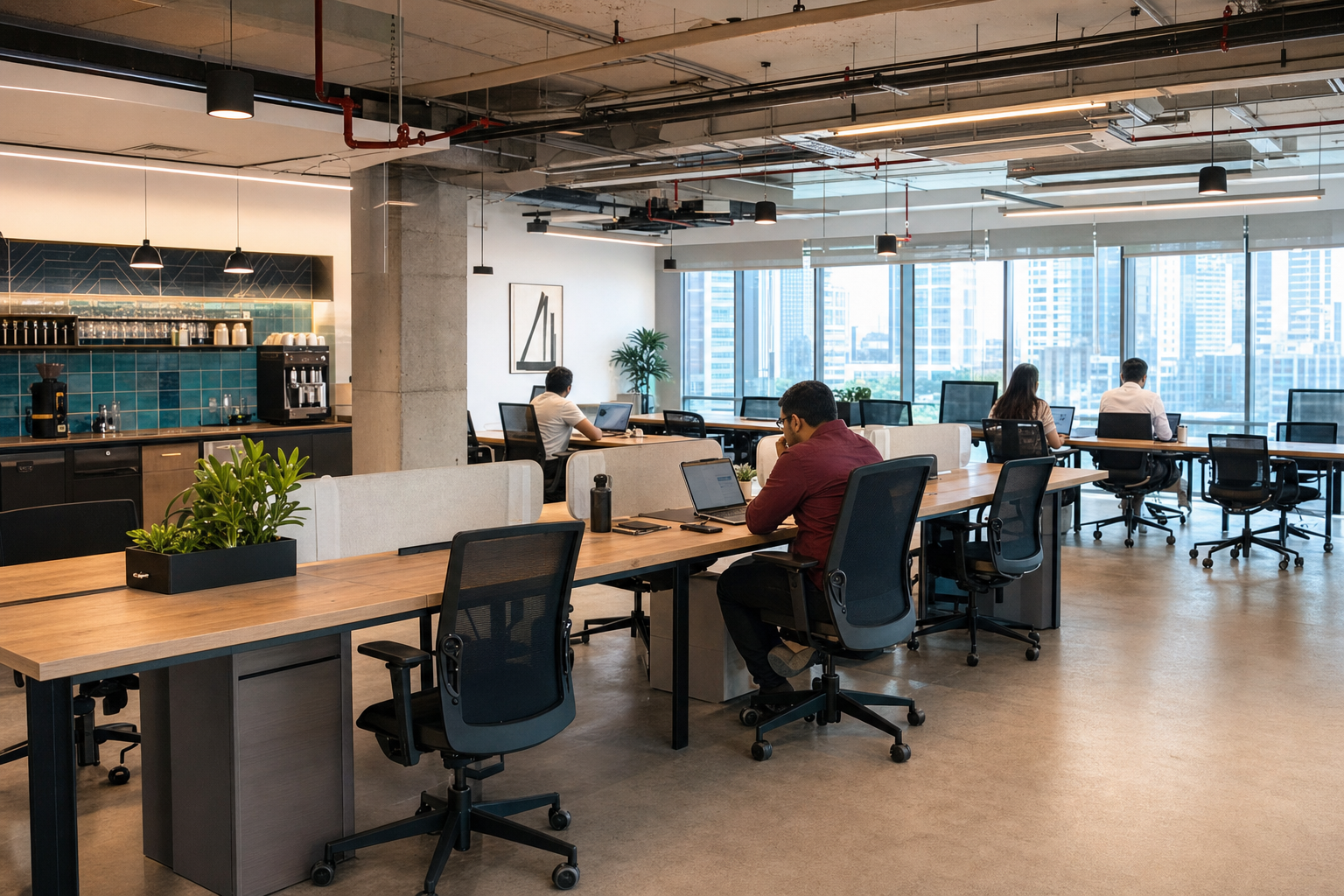
    Setting up a company in Saudi Arabia starts with understanding why now matters. Vision 2030 has transformed the business environment, creating opportunities for GCC nationals that weren’t there five years ago. The process includes choosing your legal structure, securing approvals through MISA, and obtaining commercial registration. Most GCC businesses complete setup within 30-45 days with proper preparation.

    The Growing Momentum of the GCC Market

    The GCC market represents $1.8 trillion in combined GDP, with Saudi Arabia accounting for nearly half. Cross-border business within the region has increased 40% since 2020, driven by digital transformation and regulatory alignment. GCC nationals benefit from streamlined processes that take weeks instead of months.

    Movement between GCC markets is no longer just about opportunity. It’s about continuity. Your business systems, banking relationships, and operating knowledge transfer more smoothly within the region than they did before.

    Vision 2030: A Catalyst for Regional Expansion

    Vision 2030 eliminated 1,200+ bureaucratic procedures and introduced same-day business licensing for many sectors. The Foreign Investment Law now allows 100% foreign ownership in most industries, while the Ministry of Investment (MISA) provides single-window clearance.

    Reality Check: Saudi Arabia processed 180,000+ new business licenses in 2023, with GCC nationals representing 35% of applications. Average processing time dropped from 16 days to 7 days for standard commercial activities.

    Identifying Your Business’s Fit

    Technology, healthcare, logistics, and professional services lead GCC expansion into Saudi Arabia. The NEOM project alone will require 50,000+ businesses across construction, tech, and hospitality by 2030. Financial services and consulting see smoother transitions due to regulatory alignment.

    Your existing GCC operations provide natural advantages. Client relationships, regulatory familiarity, and cultural understanding translate directly. The question isn’t whether to expand, but how quickly you can establish presence while maintaining operational continuity across markets.

    How to set up a company in Saudi Arabia / GCC expansion

    GCC Nationality: Your Gateway to Simplified Setup

    GCC nationals receive the same treatment as Saudi nationals for business formation purposes. This means no sponsorship requirements, no minimum capital thresholds for many sectors, and direct ownership rights. A GCC passport removes steps that other foreign investors must complete.

    The unified GCC framework recognizes business credentials across member states. Professional licenses, banking relationships, and commercial history from the UAE, Kuwait, Bahrain, Qatar, or Oman carry weight in Saudi Arabia’s approval process.

    Limited Liability Companies (LLCs) offer flexibility for GCC nationals. You own 100% of shares, operate across multiple sectors, and scale operations without restructuring. Minimum capital starts at SAR 1,000 for common commercial activities.

    Branch offices work well when extending existing GCC operations. They’re faster to establish but limit activities to the parent company’s scope. Subsidiaries provide operational independence but require more formal governance and higher capital.

    Structure Setup Time Capital Requirement Operational Flexibility
    LLC 7-14 days SAR 1,000+ Broad sector access
    Branch 5-10 days No minimum Parent activities only
    Subsidiary 14-21 days SAR 500,000+ Operational independence

    Parent Company Requirements

    Branch offices require parent company documentation: commercial registration, financial statements from the last two years, and a board resolution authorizing the Saudi branch. Documents need authentication from your home country’s Saudi consulate.

    Parent companies must demonstrate financial stability and relevant business experience. Saudi authorities want evidence that your GCC operations can support the new branch. This includes liquidity indicators and proof of consistent profitability over 24 months.

    The Saudi Expansion Playbook

    Business Name Reservation and Initial Approvals

    Start with name reservation through the Ministry of Commerce platform. The system checks availability against existing registrations in real time. Submit three name options in Arabic and English. Approval takes 24-48 hours for standard commercial names.

    Your proposed name cannot include restricted terms like “Royal” or “National,” or sector-specific terms without proper licensing. Generic business descriptors work best. Once approved, you have 60 days to complete registration before the name reservation expires.

    The MISA Licensing Process

    MISA’s unified platform handles investment licenses for many business activities. Upload your feasibility study, financial projections, and ownership structure documents. The system assigns a case officer who reviews applications within five business days.

    Processing Reality: MISA approves 85% of GCC national applications on first submission. Common rejection reasons include incomplete financial documentation and unclear business activity descriptions. Be specific about your intended operations.

    Securing Your Commercial Registration

    Commercial registration requires your MISA license, a lease agreement for business premises, and capital deposit confirmation. The Ministry of Commerce issues CRs through its digital platform, usually within three business days after complete documentation.

    Your CR number becomes your business identifier across Saudi systems. Banking, VAT registration, and employee visa applications reference this number. Keep multiple certified copies, since some government offices still request original stamped documents.

    Bank Accounts and Essential Compliance

    Saudi banks require your CR, MISA license, and personal identification to open a business account. Many GCC nationals open accounts within one week. Consider banks with regional presence to maintain continuity with existing GCC banking relationships.

    Register for VAT within 30 days if your projected revenue exceeds SAR 375,000 annually. The Zakat, Tax and Customs Authority (ZATCA) processes VAT registration online. Late registration triggers penalties starting at SAR 10,000.

    GCC nationals rarely need local sponsorship, but certain sectors still require Saudi partnership. Real estate development, government contracting, and some retail activities may require majority Saudi ownership. Many professional services and technology businesses operate with full foreign ownership.

    When partnerships are required, structure agreements carefully. Define operating control, profit distribution, and exit mechanisms upfront. Many GCC businesses use flexible workspace arrangements during negotiations to maintain operational independence while building local relationships.

    Strategic Considerations for GCC Expansion

    Budgeting for Expansion

    Government fees total SAR 3,000-8,000 for standard LLC formation. Add legal fees (SAR 10,000-25,000), office setup costs, and working capital needs. Many businesses underestimate ongoing compliance costs, which reach SAR 15,000 annually for accounting, VAT filing, and regulatory updates.

    Currency movements between your home GCC market and Saudi Arabia affect budgets. The riyal’s U.S. dollar peg provides stability, but hedging still makes sense for large transfers. Many banks offer preferential exchange rates for business account holders.

    Timeline Expectations

    Complete company formation takes 15-30 days for well-prepared applications. Government processing accounts for 7-14 days, while document preparation and bank account opening add another week. Rush processing may be available for added fees but rarely saves more than 3-5 days.

    Plan for potential delays during Ramadan, Hajj season, and year-end periods when government offices run reduced schedules. Starting your application during these periods extends timelines by 10-14 days.

    Workspace Infrastructure During Expansion

    Many GCC businesses use flexible workspaces during their Saudi expansion phase. This approach provides immediate operating presence while permanent office arrangements are in progress. Flexible spaces offer meeting rooms, business addresses, and local phone numbers without long-term commitments.

    Spaces like Astrolabs show how flexible infrastructure supports continuity during expansion. You maintain professional operations while evaluating permanent locations, testing market response, and building a local team. This approach reduces risk and speeds up market entry.

    Company formation in Saudi Arabia isn’t just paperwork. It’s an operating setup that keeps your team connected while you move across borders. At Hotdesk, we built our network for that exact continuity: predictable infrastructure, clear terms, and space that supports real work from day one.

    If you’re planning Saudi expansion in 2026, start with the legal structure and licensing path, then design the operating layer: where your team sits, how you receive mail, and how quickly you can meet clients. Those details often decide whether the first 90 days feel stable or chaotic.

    Expansion works best when you treat timing and infrastructure as part of compliance. A correct CR and VAT registration matter. So does choosing a workspace plan that matches your hiring and sales timeline.

    For founders considering Saudi expansion, the best next step is a checklist that ties together MISA licensing, CR issuance, banking, tax registration, and a practical operating base. That’s the difference between registering a company and actually running one.

    Frequently Asked Questions

    How has Vision 2030 made it easier to set up a company in Saudi Arabia?

    Vision 2030 has truly transformed the business environment in Saudi Arabia, making expansion smoother than ever. It has eliminated over 1,200 bureaucratic procedures and introduced same-day business licensing for many sectors. This means your business can establish its presence quickly, maintaining continuity across markets.

    What are the main advantages for GCC nationals expanding their business into Saudi Arabia?

    For GCC nationals, expanding into Saudi Arabia comes with significant advantages, often mirroring the treatment of Saudi nationals. This means simplified business setup, frequently without sponsorship requirements or high minimum capital thresholds. Your existing GCC credentials, banking relationships, and business history can also carry weight, making the transition more seamless.

    Which legal structure is best for a GCC business looking to expand into Saudi Arabia?

    The best legal structure depends on your business goals, but Limited Liability Companies (LLCs) offer great flexibility for GCC nationals, allowing 100% ownership and broad sector access. Branch offices can be faster if you’re extending existing GCC operations directly. Subsidiaries provide more independence but usually require more formal governance.

    What are the typical steps to get a business license and commercial registration in Saudi Arabia?

    Setting up starts with reserving your business name through the Ministry of Commerce, which usually takes 24-48 hours. Next, you’ll go through the Ministry of Investment (MISA) licensing process, submitting your business plans for approval. Finally, securing your Commercial Registration requires your MISA license, a lease for your premises, and capital deposit confirmation.

    How long does it usually take for a GCC national to set up a company in Saudi Arabia?

    With proper preparation, GCC businesses can often complete their company setup in Saudi Arabia within 30-45 days. The average processing time for standard commercial activities has dropped significantly, with MISA approving many GCC national applications on the first submission. This speed allows you to establish your presence and maintain operational continuity quickly.

    Are there specific industries in Saudi Arabia that are particularly open for GCC expansion right now?

    Absolutely, several key sectors are ripe for GCC expansion into Saudi Arabia, reflecting the Kingdom’s growth trajectory. Technology, healthcare, logistics, and professional services are leading the way. Projects like NEOM also create immense demand across construction, tech, and hospitality, offering clear avenues for your business to find its fit.

    What documents does a GCC parent company need to open a branch in Saudi Arabia?

    To open a branch, your GCC parent company will need its commercial registration and financial statements from the last two years. A board resolution authorizing the Saudi branch is also required. These documents typically need authentication from your home country’s Saudi consulate to ensure a smooth setup.

    About the Author

    MK

    Mohamed Khaled

    Mohamed Khaled

    Forbes 30 Under 30

    Founder & CEO at Hotdesk & Co-founder, DESK Token

    Mohamed Khaled is the Founder and CEO of Hotdesk, the on-demand workspace platform providing access to coworking spaces and flexible offices across more than 120 countries.

    He spent nearly a decade at PwC before moving into financial leadership at SWVL, where he led the company’s $1.5 billion Nasdaq listing, the first Unicorn from thr Middle East to go public in the United States.

    A Forbes 30 Under 30 honoree, Mohamed built Hotdesk from a side project into a global platform, leading a team of more than 50 and expanding into international markets, including the acquisition of Spain-based coworking marketplace YADO.

    Also being Co-founder and President of DESK Token, the world’s first asset backed property investment and utility hybrid token, Mohammed is focused on building infrastructure that unlocks underutilized assets – from meeting rooms to private offices and full on buildings – while creating space for the future of work.

    Last reviewed: April 16, 2026 by the Hotdesk Team
  • Dedicated Desk Monthly Cost Dubai 2026 Guide

    Dedicated Desk Monthly Cost Dubai 2026 Guide

    Dedicated desk monthly cost Dubai

    Dedicated Desk Monthly Cost in Dubai: Real Numbers, No Surprises

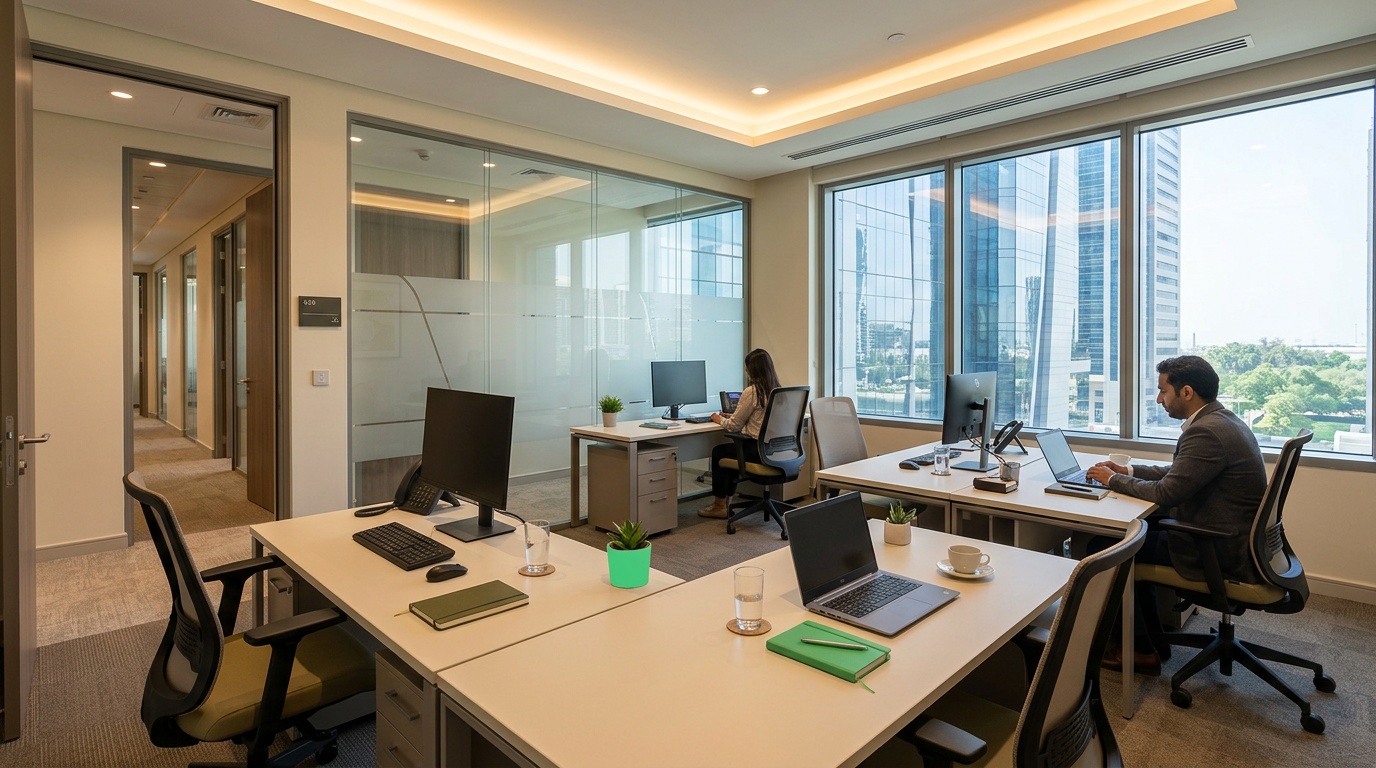
    The dedicated desk monthly cost in Dubai ranges from AED 800 to AED 2,500, depending on location and amenities. Business Bay and DIFC command premium rates around AED 2,000-2,500, while emerging areas like Al Quoz offer options starting at AED 800-1,200. Most packages include high-speed internet, printing access, and meeting room credits.

    Your Desk. Same Spot. Every Day.

    A dedicated desk means the same workspace is yours every day. Unlike hot desks, where you take any open seat, your dedicated space stays consistent. Your monitor setup remains untouched. Personal items stay put. The coffee mug you left yesterday sits exactly where you placed it.

    This consistency matters more than most people realize. Your brain doesn’t waste energy reorienting each morning. You know where everything is. Colleagues know where to find you. It becomes a professional anchor in a flexible work life.

    Dubai’s Dedicated Desk Pricing: Three Clear Tiers

    Budget-friendly options in areas like Deira and Al Quoz start at AED 800-1,200 monthly. Mid-range spaces in Dubai Marina and JLT average AED 1,200-1,800. Premium locations like Regus Marina Gate in prime business districts reach AED 2,000-2,500.

    Price Reality Check

    Most providers quote base rates that don’t include extras like parking (AED 200-400 monthly), locker rental (AED 100-200), or premium meeting room access. Always ask for the all-inclusive monthly cost upfront.

    What Drives Your Monthly Bill

    Location drives the biggest price differences. A dedicated desk in Downtown Dubai costs 60-80% more than an identical setup on the outer edges of Business Bay. Building grade matters too. Class A towers with marble lobbies and valet parking charge premium rates compared to renovated office buildings.

    Desk size and positioning affect rates. Corner positions with natural light cost 15-25% more than interior spots. Larger desks that accommodate dual monitors command higher rates. Some providers offer tiered desk options, letting you match space to budget without compromising on building quality.

    What Your Monthly Rate Actually Covers

    Dedicated desk monthly cost Dubai

    Standard Amenities: What’s Always Included

    Your dedicated desk monthly cost in Dubai typically covers high-speed internet, ergonomic seating, and basic printing allowances. Most providers include 24/7 building access, reception services, and shared kitchen facilities. Premium locations may add concierge services, on-site IT support, and complimentary beverages.

    Meeting room credits form part of most packages. Standard allocations range from 5-15 hours monthly, depending on your desk tier. Phone booths and video-call spaces usually come without additional booking fees, though peak-hour availability varies by location density.

    The Extras That Add Up

    Parking represents the largest surprise expense. Downtown Dubai locations charge AED 300-500 monthly for dedicated parking spots. Locker rentals add AED 150-250 to your bill. Some providers charge setup fees for desk customization or equipment installation.

    Budget Beyond the Base Rate

    Add 20-30% to quoted rates for realistic monthly costs. This covers parking, occasional meeting room overages, and premium printing. Always request itemized pricing before committing.

    Hotdesk Shows All Costs Upfront

    Hotdesk displays all-inclusive pricing without hidden setup fees or surprise parking charges. Each listing clearly states what your monthly rate covers, from internet speeds to meeting room allocations. No confusing tier structures or fine print surprises.

    Why Dedicated Desks Cost More. And Why They’re Worth It

    Your Workspace Becomes an Extension of Your Thinking

    Every new place asks you to reorient. You reset your habits, your routes, and your sense of who’s around. A dedicated desk removes this daily friction. Your workspace becomes an extension of your thinking patterns. The monitor height stays adjusted to your preference. Your notebook sits where muscle memory expects it.

    This consistency compounds over time. Productivity gains come less from the desk itself and more from the mental energy saved on spatial reorientation. Your brain puts attention into actual work instead of environmental adaptation.

    Presence Builds Professional Relationships

    Familiarity builds professional relationships. Colleagues learn your schedule, work style, and availability patterns. Coffee conversations happen naturally when people know where to find you. These interactions don’t require formal introductions. They develop through proximity and repeated presence.

    Your dedicated desk monthly cost in Dubai pays for more than square footage. It secures your place in the daily rhythm of a workspace community, where recognition replaces constant reintroduction.

    Continuity That Travels With You

    Hotdesk exists so workspace continuity travels with you. Whether you need a dedicated desk for three months in Dubai Marina or six months in Business Bay, your booking history and preferences remain consistent. No membership resets, no provider-switching headaches.

    Premium vs. Affordable: Where Costs Differ

    Premium dedicated desks justify higher rates through building prestige, updated technology, and exclusive services. DIFC towers may include concierge services, valet parking, and marble-finished common areas. These amenities push monthly costs above AED 2,000 while supporting client-facing work.

    Affordable options focus on core workspace functionality. You get reliable internet, comfortable seating, and a professional environment without luxury finishes. Meetings still happen in well-equipped rooms. The difference is more about feel than capability.

    District by District: Where to Find Value

    Downtown Dubai commands the highest rates due to metro connectivity and corporate concentration. Business Bay offers similar accessibility with 15-20% lower costs. Dubai Marina provides waterfront appeal at mid-range pricing, while areas like Al Quoz deliver significant savings without sacrificing modern amenities.

    Transportation costs factor into true monthly expenses. A cheaper desk in Deira might require daily taxi rides that exceed the savings from a metro-accessible Marina location.

    Book in Minutes, Not Weeks

    Traditional workspace providers may require membership applications, credit checks, and multi-month commitments before you can secure a dedicated desk. Hotdesk removes these barriers through instant online booking. You can browse available desks, check real-time pricing, and confirm your workspace within minutes.

    This speed matters when project timelines shift or business needs change quickly. Regus Marina Gate fits this approach with immediate availability confirmation and transparent monthly rates.

    Dedicated Desk vs. Other Options: Making the Right Choice

    Dedicated desk monthly cost Dubai

    Dedicated vs. Hot Desk: The Cost-Consistency Trade-off

    Hot desks cost 40-60% less than dedicated options, but they trade consistency for savings. You arrive each morning to find available seating, carry personal items each day, and rebuild your workspace setup repeatedly. This works for occasional use but feels draining for regular office attendance.

    Dedicated Desk Advantages

    • Same workspace daily eliminates setup time
    • Personal storage for equipment and documents
    • Colleagues know where to find you
    • Professional presence for client meetings

    Hot Desk Trade-offs

    • Lower monthly cost appeals to budget-conscious users
    • Variety prevents workspace monotony
    • No commitment to specific seating
    • Access to different building amenities

    When to Choose a Private Office Instead

    Private offices cost 2-3 times more than dedicated desks but provide complete privacy and customization control. Choose a private office when confidentiality requirements call for enclosed space, or when team collaboration needs a room that stays available. Dedicated desks work well for individual contributors who want community without isolation.

    The Hybrid Work Anchor

    Hybrid work patterns make dedicated desks more valuable. When you split time between home and office, a consistent workspace supports relationships and work rhythm. A dedicated desk serves as a professional anchor, available whenever in-person days call for focused work or collaborative meetings.

    This approach treats workspace costs as productivity support rather than overhead. The monthly rate secures a reliable base in Dubai’s business ecosystem, even when remote work makes up part of your week.

    Frequently Asked Questions

    What is the typical monthly cost for a dedicated desk in Dubai?

    The monthly cost for a dedicated desk in Dubai generally ranges from AED 800 to AED 2,500. This provides a consistent workspace without the overhead of a traditional office setup. The price depends heavily on the specific location and the amenities included in your package.

    What is the monthly cost for a dedicated desk in premium areas like DIFC or Business Bay?

    Dedicated desks in prime business districts such as DIFC and Business Bay typically command premium rates, ranging from AED 2,000 to AED 2,500 monthly. These locations often include high-end building amenities and concierge services, reflecting their central position and quality.

    What factors influence the monthly cost of a dedicated desk in Dubai?

    Several factors impact your dedicated desk monthly cost, primarily location, building grade, and desk specifics. Premium areas and Class A towers with better finishes will naturally cost more. Even desk size and positioning, like a corner spot with natural light, can affect the rate.

    What amenities are usually included in a dedicated desk rental in Dubai?

    Most dedicated desk packages in Dubai include high-speed internet, ergonomic seating, and basic printing allowances. You can also expect 24/7 building access, reception services, and shared kitchen facilities. Many providers also offer meeting room credits, typically 5-15 hours monthly.

    Are there any hidden costs associated with a dedicated desk rental in Dubai?

    Yes, it’s important to be aware of potential hidden costs beyond the base rate. Parking can add AED 200-500 monthly, and locker rentals might be an extra AED 100-250. Always ask for an all-inclusive monthly cost upfront to avoid surprises.

    Why choose a dedicated desk over a hot desk in Dubai?

    A dedicated desk offers consistency, providing you with the same workspace every day. This eliminates the need to reorient each morning, saving mental energy and boosting productivity. It also helps build routine and allows colleagues to easily find you, fostering natural professional relationships.

    Where can I find more budget-friendly dedicated desk options in Dubai?

    For more budget-friendly dedicated desk options in Dubai, consider areas like Deira and Al Quoz. Prices in these emerging areas typically start around AED 800-1,200 monthly. These locations still offer essential amenities like high-speed internet and printing access, ensuring continuity without breaking your budget.

    About the Author

    MK

    Mohamed Khaled

    Mohamed Khaled

    Forbes 30 Under 30

    Founder & CEO at Hotdesk & Co-founder, DESK Token

    Mohamed Khaled is the Founder and CEO of Hotdesk, the on-demand workspace platform providing access to coworking spaces and flexible offices across more than 120 countries.

    He spent nearly a decade at PwC before moving into financial leadership at SWVL, where he led the company’s $1.5 billion Nasdaq listing, the first Unicorn from thr Middle East to go public in the United States.

    A Forbes 30 Under 30 honoree, Mohamed built Hotdesk from a side project into a global platform, leading a team of more than 50 and expanding into international markets, including the acquisition of Spain-based coworking marketplace YADO.

    Also being Co-founder and President of DESK Token, the world’s first asset backed property investment and utility hybrid token, Mohammed is focused on building infrastructure that unlocks underutilized assets – from meeting rooms to private offices and full on buildings – while creating space for the future of work.

    Last reviewed: April 16, 2026 by the Hotdesk Team
  • UAE Coworking for Freelancers: Your 2026 Guide

    UAE Coworking for Freelancers: Your 2026 Guide

    Coworking space for freelancers in UAE

    Why Freelancers in the UAE Are Choosing Coworking Spaces Over Traditional Setups

    UAE freelancers are ditching home offices and coffee shops for coworking spaces because they need professional infrastructure without long-term commitments. A Coworking space for freelancers in UAE offers reliable internet, meeting rooms, and business registration support while maintaining the flexibility that defines freelance work.

    The Freelancer’s Dilemma: Isolation vs. Distraction

    Working from home breeds isolation. Coffee shops create distractions.

    Freelancers need the middle ground: environments that support focus without the loneliness of solo work. Studies show remote workers experience 21% higher loneliness rates. Coworking spaces address this by offering structured social interaction without forced collaboration. You control when to engage and when to focus.

    Beyond the Coffee Shop: Professionalism and Infrastructure

    Client calls from Starbucks don’t project authority. Coworking spaces provide professional meeting rooms, reliable connectivity, and business addresses that build credibility with UAE clients.

    The infrastructure travels with you. Book a workspace in Dubai today and Abu Dhabi tomorrow. No setup time. No configuration headaches. Just consistent, professional environments wherever your work takes you.

    The Cost-Benefit Analysis: Flexibility vs. Fixed Leases

    Coworking Advantages

    • Pay only for hours used
    • No utility bills or maintenance
    • Access to premium locations
    • Scale up or down instantly

    Traditional Office Drawbacks

    • 12-month minimum leases
    • Fixed costs during slow periods
    • Setup and furnishing expenses
    • Location lock-in

    Freelancers in Dubai report saving 40% to 60% on workspace costs by using on-demand coworking rather than traditional office leases. The math is simple: pay for productivity, not empty desks.

    Community as a Catalyst for Growth

    Coworking communities generate referrals, partnerships, and skill exchanges. The UAE’s diverse business environment means your desk neighbor might be your next client or collaborator.

    Comspace exemplifies this community approach, connecting freelancers across different industries and experience levels. Better connections lead to better opportunities, which justify the workspace investment.

    The UAE’s Freelancer Workspace Environment: Beyond Just a Desk

    Coworking space for freelancers in UAE

    Defining Your Needs: Hot Desks, Dedicated Spots, and Private Offices

    Hot desks offer maximum flexibility for freelancers who work different hours or locations day to day. You book when needed, pay only for time used, and access any available workspace across the network.

    Dedicated desks provide consistency without the commitment of a private office. Your setup stays in place, but you share common areas and amenities.

    Private offices suit freelancers handling sensitive client data or requiring regular video calls without background noise.

    Essential Amenities: What Actually Boosts Productivity?

    High-speed internet isn’t optional in the UAE’s digital economy. Look for spaces offering 100+ Mbps symmetrical connections with backup systems. Meeting rooms with video conferencing equipment support client presentations professionally.

    Print facilities, secure storage, and 24/7 access matter for deadline-driven work.

    Phone booths reduce call disruptions. Kitchen facilities and parking solve daily logistics that drain focus from billable hours.

    Understanding the On-Demand Advantage: No Membership Fees, Just Access

    Feature Traditional Membership On-Demand Access
    Monthly Commitment Required minimum fees Pay per use only
    Location Flexibility Single location access Network-wide availability
    Booking Window Advance reservations Same-day availability
    Cost Structure Fixed monthly charges Variable based on usage

    On-demand booking removes the membership trap. Freelancers with inconsistent schedules avoid paying for unused days. The model scales with your business: busy months cost more, slow periods cost less.

    The Infrastructure That Travels: Reliability in the UAE’s Digital Hub

    Every distributed system asks you to manage new failure modes. Coworking infrastructure removes these variables by standardizing connectivity, power backup, and technical support across locations.

    Comspace and similar spaces maintain consistent technical standards. Your workflow doesn’t break when you switch locations. The infrastructure travels with you, engineered for scale across the UAE’s business districts.

    Freelancer Visas and Trade Licenses

    UAE freelancer permits require a registered business address and documentation that meets government standards. The process involves obtaining a freelancer permit from designated free zones or through the freelancer visa program launched in 2022.

    Many freelancers choose Dubai’s freelancer permit system, which allows work across multiple clients without sponsorship. Abu Dhabi Global Market offers similar programs. Both require proof of professional qualifications and a registered business address.

    How Coworking Spaces Facilitate Business Registration

    Many Coworking space for freelancers in UAE locations provide registered business addresses for legal compliance. This service removes the need for separate office leases solely to meet licensing requirements.

    Spaces that partner with business setup consultants can streamline the application process. They handle document attestation, provide meeting rooms for government appointments, and maintain the professional address required for permit renewals.

    Legal Address Requirements: Verify that your chosen coworking space offers business registration services and maintains proper licensing for address provision. Not all spaces qualify as registered business addresses under UAE law.

    Location matters for client accessibility and proximity to government offices. Dubai Internet City and Abu Dhabi Global Market locations often provide faster processing due to free zone status and established government relationships.

    Check renewal procedures and long-term address stability. Your freelancer permit links to your registered address, so choosing a space with uncertain tenure creates compliance risks.

    The Long-Term Implications: Scaling Your Freelance Business

    Starting with flexible coworking arrangements allows organic growth without premature office commitments. As your client base expands, you can upgrade from hot desks to dedicated spaces within the same network.

    Comspace and similar providers offer scalable solutions that grow with your business needs. The infrastructure that works for solo freelancing adapts to small-team requirements without forcing complete workflow changes or location switches.

    Maximizing Your Freelance Workflow: Strategic Coworking in Dubai and Abu Dhabi

    Selecting the Right Location: Proximity to Clients and Lifestyle

    Dubai Media City serves creative freelancers due to proximity to agencies and media companies. Dubai International Financial Center suits financial consultants and legal professionals. Abu Dhabi’s business districts offer government contract opportunities.

    Consider transport links and parking availability. Spaces near metro stations reduce commute stress and simplify client-meeting logistics. Downtown locations provide restaurant options for client meals and networking events.

    Budgeting for Success: Hourly, Daily, and Monthly Cost Structures

    Hourly rates range from AED 25 to AED 50 in Dubai, with premium locations commanding higher prices. Daily passes cost AED 100 to AED 200, which often offers better value for full-day work sessions.

    Monthly packages provide discounts but require a usage-commitment check.

    Factor in parking fees, printing costs, and meeting room charges. Some spaces include these amenities, while others charge separately. Calculate total workspace costs against your hourly billing rate to protect profitability.

    The Hidden Value: Networking Opportunities and Skill-Sharing

    Coworking communities generate business through informal conversations and skill exchanges. Marketing freelancers often partner with developers, creating service packages that command higher rates than individual offerings.

    Regular networking events, workshops, and skill-sharing sessions expand your professional network beyond traditional industry boundaries. These connections often yield referrals worth multiples of workspace costs.

    A Day in the Life: The Freelancer’s Coworking Journey

    Book your workspace through the app while commuting. Arrive to find your reserved desk equipped with a monitor, ergonomic chair, and power outlets.

    Morning client calls happen in soundproof phone booths.

    Lunch networking in the communal kitchen leads to project-collaboration discussions. Afternoon deep work benefits from a focused environment and reliable connectivity. Evening wrap-up includes booking the next day’s space based on planned activities.

    The Coworking space for freelancers in UAE model supports this workflow through consistent infrastructure and flexible booking that adapts to changing daily requirements.

    Frequently Asked Questions

    Can I do freelance work while employed in the UAE?

    Ever wonder about expanding your professional scope in the UAE? Freelancing requires obtaining a specific permit, such as those offered by designated free zones or through the 2022 freelancer visa program. These permits allow you to work with multiple clients, ensuring your professional activities are properly registered. This setup helps avoid legal re-work and ensures compliance.

    How much does a coworking space cost for freelancers in Dubai?

    Coworking spaces in Dubai offer a cost-effective alternative to traditional offices, often saving freelancers 40% to 60% on workspace costs. You pay only for the hours or days you use, eliminating fixed monthly leases, utility bills, and maintenance expenses. This on-demand model ensures you pay for productivity, not for empty desks, preventing unnecessary financial drains.

    Is using a coworking space address legal for freelancer registration in the UAE?

    Yes, many coworking space for freelancers in UAE locations provide registered business addresses that meet legal compliance for freelancer permits. This service removes the need for a separate office lease solely for registration purposes. It’s important to verify that your chosen space is properly licensed to provide such an address under UAE law, ensuring your business setup goes smoothly without future complications.

    What are the main benefits of a coworking space for freelancers in the UAE?

    Coworking spaces offer UAE freelancers professional infrastructure, including reliable internet and meeting rooms, without long-term commitments. They combat isolation by providing structured social interaction, fostering a community that can lead to referrals and partnerships. This setup provides consistent, professional environments, preventing the distractions of home or coffee shops and ensuring your workflow remains uninterrupted.

    What types of workspaces can freelancers find in UAE coworking spaces?

    Freelancers in UAE coworking spaces can choose from several options to match their work style. Hot desks offer maximum flexibility, allowing you to book as needed and pay only for time used across a network. Dedicated desks provide a consistent setup without the full commitment of a private office. For sensitive work or frequent video calls, private offices offer a quiet, secure environment, ensuring your focus remains unbroken.

    How do coworking spaces support freelancer business registration in the UAE?

    Coworking spaces significantly simplify business registration for freelancers in the UAE by providing a registered business address, which is a key requirement for permits. Many spaces also partner with business setup consultants who can streamline the application process, handling document attestation and providing meeting rooms for government appointments. This integrated support helps you establish your freelance business efficiently, preventing delays and re-work in the setup phase.

    About the Author

    MS

    Mohammad El Shaari

    Mohammad El Shaari

    CTO at Hotdesk

    Mohammad El Shaari is the CTO of Hotdesk, where he leads the engineering team building and scaling a global SaaS platform for on-demand workspace bookings across 80+ countries. A Computer Science graduate from The British University in Egypt, he brings over a decade of hands-on experience in enterprise software, AI, cloud infrastructure, and cybersecurity.

    Before Hotdesk, he served as CTO of Vee Tech, where he led technical delivery for 12+ enterprise clients generating $30M+ in annual revenue, and helped build Egypt’s first innovation lab at Capital International Schools.

    At Hotdesk, Mohammad focuses on building scalable systems that handle real-time availability, global user distribution, and high-throughput transactions. He specializes in scalable system design, cloud-native infrastructure, and building high-performance SaaS platforms that support global user bases.

    He writes about scaling SaaS platforms, backend architecture, mobile engineering, and real-world technical decisions behind building and operating global products.

    Last reviewed: April 16, 2026 by the Hotdesk Team
  • Best Business Bay Coworking Spaces 2026

    Best Business Bay Coworking Spaces 2026

    Best coworking spaces in Business Bay

    The Business Bay Advantage: Why Professionals Choose This Dubai Hub

    Business Bay delivers what other districts promise but don’t quite achieve: financial credibility without workspace rigidity. The area houses best coworking spaces in Business Bay because it was built for movement. Flexible workspace infrastructure meets Dubai’s business energy. Spaces like Comspace let you book instantly without membership commitments.

    Dubai’s Premier Business District: An Overview

    Business Bay sits where old Dubai meets new ambition. Over 240 commercial towers rise along Sheikh Zayed Road, housing regional headquarters alongside the startups that challenge them. Unlike older business districts that feel carved in stone, this area was designed for people who move.

    Wide pedestrian bridges connect towers to metro stations. Mixed-use developments mean you’re never hunting for a coffee shop or bank. The infrastructure assumes movement is normal, not exceptional.

    Why Business Bay Works for Flexible Work

    High-speed fiber runs through every building. Backup power systems prevent the interruptions that kill momentum. The Business Bay Metro Station puts both airports within 45 minutes of your desk.

    But the real advantage is density. The concentration of coworking spaces gives you options without forcing trade-offs. Need silence for deep work? Available. Want energy for collaboration? Also available. Choice without crossing the city.

    Mohamed’s Take

    Business Bay works because it doesn’t ask you to choose between professional credibility and workspace flexibility. You get both. When clients visit, they see Dubai’s business center. When you work, you get the tools and environment that help you focus.

    Connecting to the City’s Pulse

    Ten minutes to Dubai Mall’s networking events. Fifteen to Emirates Towers meetings. Walking distance to Canal Walk restaurants. When your day involves multiple stops, proximity stops being convenient and starts being strategic.

    The water taxi reaches Dubai Marina in 25 minutes. Metro to Jumeirah Lakes Towers: 20 minutes. When you use Comspace and similar flexible spaces, this connectivity becomes part of your workspace strategy, not just a nice-to-have.

    Finding Your Continuity: Business Bay’s Top Coworking Spaces

    Best coworking spaces in Business Bay

    Spaces That Understand What You Actually Need

    The strongest coworking options in Business Bay provide consistency, not just access. Reliable internet. Professional environments. An atmosphere where work happens. Quality varies significantly. Your daily productivity depends on choosing right.

    Space Type Best For Key Features Booking Method
    Premium Towers Client meetings Reception, branded spaces Monthly membership
    Flexible Hubs Project work Instant access, variety Hourly or daily rates
    Startup Centers Growing teams Collaboration tools, events Team packages

    For Freelancers: Focus Without Friction

    Freelancers need spaces that support deep work without distractions. Dedicated quiet zones. Reliable power outlets at every seat. Professional phone booths for calls. Strong spaces provide these basics consistently, so you focus on client work rather than workspace logistics.

    For Startups: Scaling Without Commitment Traps

    Startup teams benefit from spaces that scale with unpredictable growth. Two desks today, maybe a private office next month. Flexible booking systems and multiple room types support this pattern without forcing long-term commitments you can’t predict.

    For Remote Teams: One Location, Multiple Work Modes

    Remote teams need spaces that handle video calls, team meetings, and individual work within the same location. The strongest Business Bay options offer meeting rooms with professional backgrounds, reliable audio equipment, and booking systems that reserve space for your entire team without complex negotiations.

    Beyond the Desk: What Actually Matters in Business Bay Coworking

    The Foundation: Internet That Works When You Need It

    Business Bay’s fiber infrastructure supports speeds up to 1 GB, but individual spaces vary in delivery. Professional spaces provide dedicated business lines with backup connections. This redundancy matters when client calls or project deadlines depend on consistent connectivity.

    Technical Reality Check

    Upload speeds matter as much as download speeds for video calls and file sharing. Test both during your first visit. Consistent upload speeds around 50 Mbps keep video calls smooth during peak hours.

    Productivity Infrastructure: Rooms, Equipment, Support

    Meeting rooms in Business Bay coworking spaces typically include presentation screens, whiteboards, and video conferencing equipment. Professional spaces maintain these properly. Working markers, clean screens, reliable booking systems. On-site staff handle technical issues quickly, preventing meeting delays.

    The Human Element: Comfort That Supports Longer Sessions

    Quality kitchen facilities and break areas affect your daily experience more than flashy perks. Well-maintained coffee machines. Clean refrigerators. Comfortable seating that supports longer work sessions. Some Business Bay spaces include wellness rooms for calls or short breaks.

    The Cost of Continuity: Pricing and Flexibility in Business Bay

    Understanding Membership Models: From Hourly to Annual

    Business Bay coworking spaces typically charge AED 50-150 per day or AED 800-2,500 per month. Premium locations command higher rates but include stronger amenities and better locations. Hourly rates work for occasional use. Monthly memberships suit regular users who need consistent access.

    Hotdesk Advantage: Booking Without Barriers

    Traditional coworking requires membership commitments and setup fees. Hotdesk removes both barriers, letting you book Business Bay’s top coworking spaces instantly without monthly obligations. This flexibility supports project-based work and travel schedules that don’t fit standard membership models.

    Frequently Asked Questions

    Why is Business Bay considered a top location for coworking in Dubai?

    Business Bay stands out because it blends Dubai’s financial energy with modern, flexible workspace options. It offers the infrastructure and connectivity professionals need, without sacrificing a sense of belonging or continuity. This district allows you to present a strong business image while working in an environment that truly supports your focus.

    What specific infrastructure benefits do Business Bay coworking spaces offer?

    Business Bay provides high-speed fiber internet in every building, often with backup power systems to prevent interruptions. Its Metro Station connects you quickly to both airports, meaning your work isn’t tied down. This setup ensures you have the tools and environment that help you focus, making continuity possible wherever you are.

    How does Business Bay's location benefit professionals using coworking spaces?

    Being positioned between Downtown Dubai and DIFC means you’re always close to key business and networking opportunities. You can reach Dubai Mall events or meetings at Emirates Towers in minutes, and even use water taxis to connect to Dubai Marina. This proximity makes your daily movement efficient, integrating your workspace strategy with the city’s pulse.

    Are there coworking options in Business Bay tailored for different work styles, like freelancers or startups?

    Absolutely. Business Bay’s density of coworking spaces means you have options for every need. Freelancers can find quiet zones for deep work, while startups benefit from scalable solutions that grow with their teams. Remote teams also find professional settings with meeting rooms equipped for seamless video calls.

    What are the typical amenities I can expect in a quality Business Bay coworking space?

    Quality coworking spaces in Business Bay offer high-speed internet, often with dedicated business lines and backup connections. You’ll find well-equipped meeting rooms, printing services, and on-site support staff. Many also include clean kitchen facilities, comfortable lounges, and sometimes even wellness rooms for breaks.

    What should I know about internet speeds when choosing a coworking space in Business Bay?

    While Business Bay’s fiber infrastructure supports speeds up to 1 GB, it’s important to check both download and upload speeds at individual spaces. Consistent upload speeds, around 50 Mbps, are key for smooth video calls and file sharing, especially during peak hours. This ensures your client calls and project deadlines remain uninterrupted.

    How are coworking spaces in Business Bay typically priced?

    Coworking spaces in Business Bay generally cost AED 50-150 per day or AED 800-2,500 per month. You’ll find various membership models, including hourly rates for occasional use and monthly options for consistent access. Premium locations might have higher rates, but they often come with stronger amenities and prime positions.

    About the Author

    MK

    Mohamed Khaled

    Mohamed Khaled

    Forbes 30 Under 30

    Founder & CEO at Hotdesk & Co-founder, DESK Token

    Mohamed Khaled is the Founder and CEO of Hotdesk, the on-demand workspace platform providing access to coworking spaces and flexible offices across more than 120 countries.

    He spent nearly a decade at PwC before moving into financial leadership at SWVL, where he led the company’s $1.5 billion Nasdaq listing, the first Unicorn from thr Middle East to go public in the United States.

    A Forbes 30 Under 30 honoree, Mohamed built Hotdesk from a side project into a global platform, leading a team of more than 50 and expanding into international markets, including the acquisition of Spain-based coworking marketplace YADO.

    Also being Co-founder and President of DESK Token, the world’s first asset backed property investment and utility hybrid token, Mohammed is focused on building infrastructure that unlocks underutilized assets – from meeting rooms to private offices and full on buildings – while creating space for the future of work.

    Last reviewed: April 16, 2026 by the Hotdesk Team
  • Best Coworking Spaces in DIFC 2026

    Best Coworking Spaces in DIFC 2026

    Best coworking spaces in DIFC

    DIFC: More Than Just a Financial Hub. Your Next Workspace Destination

    The best coworking spaces in DIFC combine premium locations with flexible membership options. Top choices include WeWork DIFC for enterprise teams, The Hive for startups, and spaces accessible through Hotdesk’s platform for instant booking without long-term commitments.

    Why DIFC Is the Business Address of Choice

    Dubai International Financial Centre has its own regulatory framework, attracting 5,000+ companies from 100+ countries. This density means finance meets technology where law intersects with innovation.

    The infrastructure covers 110 acres with direct metro connectivity and proximity to Dubai International Airport. For distributed teams, this means reliable internet backbone and meeting facilities that work across time zones.

    The Unique Workspace Environment: Beyond the Boardroom

    DIFC houses the Dubai Financial Market, Central Bank of the UAE, and regional headquarters for Goldman Sachs, BlackRock, and Standard Chartered. Coworking here puts you near decision-makers and deal flow.

    The Gate District adds retail and dining within walking distance. Your workspace becomes part of a complete business environment, not an isolated office building.

    Understanding the DIFC Advantage for Workspace Seekers

    DIFC’s regulatory status means English common law applies, making contracts simpler for international businesses. The authority issues its own business licenses, streamlining operations for companies serving regional markets.

    Coworking spaces here understand compliance requirements. They provide meeting rooms equipped for client presentations and infrastructure that meets financial sector standards. Platforms like Hotdesk connect you to these spaces without membership delays.

    Best coworking spaces in DIFC

    Types of Workspaces Available: From Hot Desks to Private Suites

    DIFC coworking spaces offer four primary configurations: hot desks starting at AED 150 per day, dedicated desks from AED 1,200 per month, private offices for 2-10 people, and executive suites with meeting room access. Hot desks work for consultants and freelancers who need flexibility. Dedicated desks suit teams requiring consistent setup with dual monitors and storage.

    Private offices provide sound isolation for client calls and confidential work. Executive suites include reception services and branded meeting rooms. Essential for client-facing businesses in the financial sector.

    Essential Amenities for Peak Productivity in DIFC

    Enterprise-grade internet delivers 100+ Mbps symmetrical speeds, supporting video conferences and cloud applications. Meeting rooms feature 4K displays, wireless presentation systems, and acoustic treatment for client presentations.

    Business centers provide printing, scanning, and document-binding services. Kitchen facilities stock premium coffee and healthy snacks. Some locations offer concierge services for restaurant reservations and transportation coordination.

    Membership Models: Finding Your Flexible Fit

    Model Best For Access Level Commitment
    Hourly Occasional meetings Workspace only None
    Daily Project-based work Full amenities Single day
    Monthly Regular remote work 24/7 access 30 days minimum
    Annual Established teams Priority booking 12 months

    The Hotdesk Advantage: Instant Booking, No Membership Hurdles

    Traditional coworking often requires membership applications, credit checks, and deposit payments before access. Hotdesk removes this friction with instant booking through verified payment systems.

    Book workspace 30 minutes before arrival or schedule weeks ahead. No membership fees, no contracts, and no waiting for approval. Pay per use with transparent pricing that includes amenities and services.

    Spotlight on DIFC’s Top Coworking Spaces: Tailored for Your Success

    The Innovator’s Haven: Spaces for Startups and Tech Teams

    The Hive DIFC targets early-stage companies with flexible desk configurations and collaborative zones. Their open floor plan supports rapid team scaling, while soundproof phone booths handle investor calls. Monthly rates start at AED 800 per person with 24/7 access.

    Impact Hub Dubai focuses on social enterprises and sustainable businesses. They provide mentorship programs, funding connections, and workshops for growth-stage companies. Technical infrastructure includes high-speed fiber and backup power systems.

    The Prestige Player: Coworking for Established Firms and Enterprises

    WeWork DIFC offers premium locations with marble lobbies, executive meeting rooms, and dedicated account management. Their enterprise packages include custom branding options and priority booking across global locations. Rates reflect the premium positioning at AED 2,500+ per month per desk.

    Regus Business Centre provides traditional office environments within DIFC’s core buildings. They offer virtual office services, mail handling, and receptionist support for companies requiring formal business addresses without full-time presence.

    The Freelancer’s Launchpad: Affordable and Flexible Options

    Workhaus Dubai delivers cost-effective workspace with essential amenities. Hot desks cost AED 120 per day, including internet, coffee, and meeting room access. Their community includes graphic designers, consultants, and digital marketers working with regional clients.

    Hotdesk connects freelancers to multiple DIFC locations through a single platform. Book workspace by the hour without membership requirements. Transparent pricing includes utilities and services, eliminating hidden fees common with traditional providers.

    DIFC’s Niche Workspaces: Catering to Specific Industries

    FinTech Hive by DIFC specifically serves financial technology companies. Members gain access to regulatory sandboxes, banking partnerships, and compliance expertise. The space includes secure development environments and testing laboratories for payment systems.

    Legal coworking spaces like LawPavilion provide libraries, document review rooms, and client consultation areas. These spaces understand attorney-client privilege requirements and offer secure file storage systems meeting legal industry standards.

    Beyond the Desk: Unlocking DIFC’s Network and Growth Opportunities

    The Power of Proximity: Networking within DIFC’s Business Community

    DIFC’s density creates organic networking opportunities. Elevator conversations connect startups with potential investors. Shared coffee areas facilitate introductions between complementary businesses. The top coworking spaces actively organize networking events and member mixers.

    Proximity to major financial institutions means direct access to decision-makers. A casual lunch conversation can lead to partnership discussions or client referrals. This ecosystem effect multiplies the value of your workspace investment.

    Accessing DIFC’s Resources: Events, Seminars, and Innovation Hubs

    DIFC Authority hosts regular seminars on regulatory updates, market trends, and business development. Coworking members receive priority invitations to these exclusive events. Topics cover blockchain regulations, sustainable finance, and cross-border trade.

    The Mohammed bin Rashid Innovation Fund works within DIFC, providing funding opportunities for technology companies. Coworking spaces often partner with these initiatives, giving members early access to application processes and mentorship programs.

    DIFC as a Strategic Gateway: Expanding Your Reach

    DIFC’s time zone bridges Asian and European markets, making it ideal for companies serving multiple regions. Coworking spaces accommodate early morning calls with Singapore and late afternoon meetings with London. This positioning advantage supports business expansion strategies.

    The regulatory framework helps expansion into regional markets. Companies established in DIFC can access preferential trade agreements and banking relationships across the Middle East and Africa. Your workspace choice becomes part of a broader growth strategy, not just a place to sit.

    Frequently Asked Questions

    Why should I choose DIFC for my coworking space?

    DIFC offers a unique ecosystem with its own regulatory framework, attracting over 5,000 international companies. This concentration means you’re operating where finance meets technology, ensuring a stable environment for business growth. Choosing DIFC means avoiding the re-work of navigating complex international regulations, as English common law applies and business licenses are streamlined.

    What kinds of coworking spaces can I find in DIFC?

    DIFC coworking spaces provide various configurations to prevent operational bottlenecks. You can find hot desks for daily flexibility, dedicated desks for consistent setups, and private offices for focused work. Executive suites are also available, offering premium services for client-facing operations.

    What amenities come with coworking spaces in DIFC?

    DIFC coworking spaces ensure continuous operation with enterprise-grade internet, delivering 100+ Mbps symmetrical speeds for reliable video conferences. Meeting rooms are equipped with 4K displays and wireless presentation systems, preventing technical glitches during important presentations. You also get business center services and kitchen facilities, so your team can focus on work without interruption.

    Can I book a coworking space in DIFC without a membership?

    Yes, platforms like Comspace allow instant booking of DIFC coworking spaces without the need for membership applications or long-term contracts. This means you can secure a workspace 30 minutes before arrival or schedule weeks ahead, ensuring immediate access without administrative delays. You pay per use with transparent pricing, avoiding hidden fees and preventing re-work on billing issues.

    Which coworking spaces in DIFC are good for startups?

    For startups and tech teams, The Hive DIFC provides flexible desk configurations and collaborative zones that support rapid team scaling without reconfiguring your entire setup. Impact Hub Dubai also offers mentorship and funding connections, alongside high-speed fiber and backup power systems to ensure your operations never stop.

    Are there coworking options in DIFC for established firms and enterprises?

    Absolutely. WeWork DIFC offers premium locations with executive meeting rooms and dedicated account management, ensuring a consistent, high-standard experience across global operations. Regus Business Centre provides traditional office environments and virtual office services, giving established firms the formal presence they need without the overhead of a full-time physical office.

    How does DIFC's regulatory environment benefit businesses using coworking spaces?

    DIFC’s regulatory status means English common law applies, simplifying contracts for international businesses and preventing legal re-work. The authority issues its own business licenses, streamlining operations for companies serving regional markets. Coworking spaces here understand these compliance requirements, providing infrastructure that meets financial sector standards from day one.

    About the Author

    MS

    Mohammad El Shaari

    Mohammad El Shaari

    CTO at Hotdesk

    Mohammad El Shaari is the CTO of Hotdesk, where he leads the engineering team building and scaling a global SaaS platform for on-demand workspace bookings across 80+ countries. A Computer Science graduate from The British University in Egypt, he brings over a decade of hands-on experience in enterprise software, AI, cloud infrastructure, and cybersecurity.

    Before Hotdesk, he served as CTO of Vee Tech, where he led technical delivery for 12+ enterprise clients generating $30M+ in annual revenue, and helped build Egypt’s first innovation lab at Capital International Schools.

    At Hotdesk, Mohammad focuses on building scalable systems that handle real-time availability, global user distribution, and high-throughput transactions. He specializes in scalable system design, cloud-native infrastructure, and building high-performance SaaS platforms that support global user bases.

    He writes about scaling SaaS platforms, backend architecture, mobile engineering, and real-world technical decisions behind building and operating global products.

    Last reviewed: April 16, 2026 by the Hotdesk Team
  • Flex Space vs. Lease: Which is Best for Your Biz?

    Flex Space vs. Lease: Which is Best for Your Biz?

    Flexible office space vs traditional lease

    Decoding the Workspace Dilemma: Flexible Space vs. Traditional Lease

    Every distributed system asks you to manage new failure modes. The same principle applies when choosing between flexible office space vs traditional lease options. Your workspace decision impacts everything from cash flow to team productivity, yet most businesses focus only on monthly rent figures.

    Defining the Terms: What’s Truly Different?

    Traditional leases lock you into 3-10 year commitments with fixed square footage. You handle fit-out costs, utilities, maintenance, and dilapidations. Flexible office spaces operate on month-to-month or short-term agreements with all-inclusive pricing.

    The technical difference runs deeper than contract length. Traditional leases require you to build infrastructure from scratch. Flexible spaces provide pre-engineered systems that already scale across locations.

    The Core Distinction: Commitment and Control

    Traditional leases give you complete control over space design but demand significant upfront capital. Flexible spaces trade some customization for immediate operational capability. Think build vs. buy in software architecture.

    Factor Traditional Lease Flexible Space
    Contract Length 3-10 years Month-to-month
    Setup Time 3-6 months Same day
    Upfront Costs $50-$200 per sq ft First month + deposit
    Scaling Speed Months to years Days to weeks

    Your team gets consistent WiFi speeds, meeting room booking systems, and support across locations. Traditional leases require rebuilding these systems from zero.

    Spaces like Comspace demonstrate this principle. Teams access the same operational standards whether they’re in Ho Chi Minh City or expanding to other markets.

    The choice isn’t just about space. It’s about systems that work at 10x scale without requiring you to engineer the underlying platform.

    Unpacking the True Cost: Beyond Rent and Security Deposits

    Flexible office space vs traditional lease

    The Hidden Expenses of Traditional Leases: Fit-Out, Dilapidations, and More

    Traditional leases carry costs that often surface after signing. Fit-out expenses average $50-$200 per square foot before your team can start working. Dilapidations clauses require you to restore the space to its original condition at lease end, often costing 20-30% of total rent paid.

    Business rates, utilities, insurance, and maintenance fall entirely on your budget. A 5,000 sq ft office in a major city can generate $3,000-$8,000 monthly in these ancillary costs alone.

    Many businesses underestimate total occupancy costs by 40-60%. That’s not just a planning error. It’s a systemic problem with how traditional lease economics work.

    All-Inclusive Pricing in Flexible Spaces: What’s Covered?

    Flexible workspace pricing models operate on different principles. WiFi, utilities, cleaning, security, meeting rooms, and support staff are bundled into predictable monthly rates.

    This approach reduces budget surprises and administrative overhead. Your finance team handles one invoice instead of managing multiple vendor relationships. Comspace follows this model with transparent pricing that covers operational infrastructure.

    Calculating Total Cost of Ownership: A Fairer Comparison

    Traditional lease total cost includes rent plus fit-out depreciation, utilities, maintenance, insurance, and exit costs. A $30/sq ft lease can become $45-$65/sq ft when accounting for all expenses over the lease term.

    Flexible spaces quote all-inclusive rates that reflect true occupancy costs. What appears more expensive per square foot can deliver better value when calculated properly.

    The key metric? Cost per productive employee, not cost per square foot.

    The Financial Agility of Flexible Space

    Cash flow predictability matters more than headline rent rates. Traditional leases demand significant capital upfront with no guarantee of business success in that location. Flexible spaces preserve capital for core business operations.

    Engineering Insight: Systems over announcements applies to workspace economics. Engineered cost structures that scale with your business outperform fixed overhead models in dynamic markets.

    This financial flexibility becomes an operational advantage when expanding to new markets or adjusting team size based on project demands.

    Adapting at Speed: Scalability and Agility in Modern Business

    The Rigidity Trap: Why Traditional Leases Hinder Growth

    Traditional leases create artificial constraints on business evolution. When your team grows from 15 to 45 people, you can’t simply add desks. You need new lease negotiations, additional fit-out costs, and months of planning.

    This delay kills momentum during growth phases.

    The reverse problem hits just as hard. Market downturns or project completions can leave you paying for empty space without a clean exit. Traditional lease structures assume linear growth patterns that don’t match modern business reality.

    Flexible Space: Growing and Shrinking with Your Business

    Need 20 more dedicated desks next month? Done. A project ends and team size drops by 30%? Adjust your footprint accordingly.

    This isn’t just convenience. It’s operational efficiency. Your workspace costs track actual headcount rather than projected headcount from three years ago. Capital stays focused on business growth instead of real estate speculation.

    Enterprise Agility: Project-Based Needs Met Instantly

    Large enterprises increasingly operate through project teams that form and dissolve based on market opportunities. Traditional office allocation can’t match this pace.

    Teams can establish a presence in new markets within days, test demand, and scale accordingly. This speed advantage compounds when competing for time-sensitive opportunities or responding to client requests for local presence.

    Infrastructure Insight: What works at 10x requires systems that scale without manual intervention. Flexible workspace infrastructure scales automatically with your operational needs.

    Beyond the Four Walls: Culture, Collaboration, and Connectivity

    Impact on Company Culture: Traditional vs. Evolving Workplaces

    Traditional offices can create territorial thinking. Teams claim specific areas, departments build silos, and innovation suffers from predictable interactions.

    Flexible spaces encourage cross-pollination between different companies and industries sharing the same environment. This exposure can accelerate learning and partnership opportunities.

    Your sales team might discover new approaches by observing how other businesses handle client relationships in shared spaces.

    The Global Access Advantage: Connecting Your Distributed Teams

    Modern teams don’t work from single locations. Your developers might be in Berlin, sales in Singapore, and operations in Denver. Traditional leases provide access to one building.

    Flexible space networks provide access to professional workspace wherever your team operates.

    This global connectivity becomes a competitive advantage. Team members maintain professional standards and reliable infrastructure regardless of location. No more video calls from coffee shops or home offices with poor acoustics.

    Consistent Standards Across Locations

    When your workspace solution provides consistent standards across locations, your traveling team members face less friction. The same booking systems, reliable WiFi performance, and familiar operational procedures matter more than individual office aesthetics.

    Your team focuses on work instead of figuring out how to connect to different systems in each location.

    Making the Strategic Choice: When Each Model Shines

    Flexible office space vs traditional lease

    When a Traditional Lease Might Still Make Sense

    Traditional leases work for businesses with predictable, long-term space requirements and sufficient capital for upfront investment. Manufacturing companies, established law firms, or medical practices with specialized equipment needs might benefit from full customization control.

    If your business operates in a single location for decades with minimal headcount variation, traditional lease economics can work in your favor.

    The Clear Advantages for Today’s Businesses

    Most modern businesses benefit from flexible workspace models. Technology companies, consulting firms, startups, and project-based organizations need workspace that adapts to changing requirements.

    The speed advantage alone can justify the decision. Launch a new market presence in days instead of months. Scale teams up or down based on actual demand.

    Preserve capital for core business operations instead of real estate speculation.

    Flexible Space Pros

    • Immediate deployment capability
    • Predictable all-inclusive pricing
    • Global network access
    • Capital preservation for core business

    Flexible Space Cons

    • Limited customization options
    • Shared environment considerations
    • Higher per-square-foot rates

    Hotdesk: Your Partner in Workspace Agility

    Hotdesk connects businesses with flexible workspace solutions that scale with operational needs. Our platform provides access to professional environments across 80+ countries with consistent infrastructure standards.

    Whether you need immediate workspace deployment or global team connectivity, engineered solutions outperform traditional real estate approaches for modern business requirements.

    Frequently Asked Questions

    What is the primary difference in contract length between flexible office space and a traditional lease?

    Traditional leases lock you into 3-10 year commitments with fixed square footage. Flexible office spaces operate on month-to-month or short-term agreements. This distinction affects how quickly you can adapt your workspace without re-work.

    How do the upfront costs for flexible office space compare to a traditional lease?

    Traditional leases demand significant upfront capital for fit-out expenses, often $50-$200 per square foot. Flexible spaces typically only require the first month’s payment and a deposit, preserving capital for core business operations. This reflects a more engineered cost structure.

    What hidden costs should businesses consider with a traditional office lease?

    Beyond rent, traditional leases involve fit-out costs, dilapidations clauses, business rates, utilities, insurance, and maintenance. These ancillary costs can add 40-60% to total occupancy expenses, often surprising businesses. An engineered financial system avoids these unexpected charges.

    How does flexible office space provide better scalability for a growing or shrinking business?

    Traditional leases create rigidity, making it difficult to add or remove desks quickly. Flexible spaces allow businesses to adjust their footprint within days or weeks, aligning workspace costs with actual headcount. This operational efficiency is built into the system, avoiding re-work when scaling.

    What kind of operational infrastructure is typically included in flexible office spaces?

    Flexible spaces provide pre-engineered systems, including consistent WiFi, meeting room booking systems, cleaning, and security. This means your team gets the same operational standards across locations without needing to rebuild infrastructure from scratch. It ensures continuity and avoids re-work.

    Can flexible office spaces support the needs of large enterprises with project-based teams?

    Yes, flexible spaces are designed for enterprise agility, allowing immediate workspace deployment for project teams. This enables businesses to establish a presence in new markets within days, testing demand and scaling as needed. It’s about having systems that work at scale without re-engineering.

    How does the total cost of ownership differ when comparing flexible office space to a traditional lease?

    Traditional lease total cost includes rent, fit-out depreciation, utilities, maintenance, and exit costs, making a $30/sq ft lease potentially $45-$65/sq ft. Flexible spaces offer all-inclusive rates that reflect the true occupancy costs, providing a more transparent and engineered financial model. The key is cost per productive employee.

    About the Author

    MS

    Mohammad El Shaari

    Mohammad El Shaari

    CTO at Hotdesk

    Mohammad El Shaari is the CTO of Hotdesk, where he leads the engineering team building and scaling a global SaaS platform for on-demand workspace bookings across 80+ countries. A Computer Science graduate from The British University in Egypt, he brings over a decade of hands-on experience in enterprise software, AI, cloud infrastructure, and cybersecurity.

    Before Hotdesk, he served as CTO of Vee Tech, where he led technical delivery for 12+ enterprise clients generating $30M+ in annual revenue, and helped build Egypt’s first innovation lab at Capital International Schools.

    At Hotdesk, Mohammad focuses on building scalable systems that handle real-time availability, global user distribution, and high-throughput transactions. He specializes in scalable system design, cloud-native infrastructure, and building high-performance SaaS platforms that support global user bases.

    He writes about scaling SaaS platforms, backend architecture, mobile engineering, and real-world technical decisions behind building and operating global products.

    Last reviewed: April 16, 2026 by the Hotdesk Team
  • UAE Company Registration: Virtual Office Guide

    UAE Company Registration: Virtual Office Guide

    Virtual office for UAE company registration

    Understanding Virtual Offices for UAE Company Registration: Your Business Anchor Point

    A virtual office provides a legally recognized business address without requiring physical space. You get mail handling, call answering, and meeting room access while maintaining the professional presence needed for mainland or free zone registration. It’s the foundation that lets your business operate from anywhere while staying compliant.

    What Exactly Is a Virtual Office in the UAE?

    A virtual office gives you everything needed for UAE business registration except physical workspace. You receive a commercial address, mail forwarding services, and professional call handling. The UAE government recognizes these addresses for company formation, making them legally equivalent to traditional office leases.

    Your business gets an anchor point. While your team works from coffee shops, coworking spaces, or home offices, the virtual office maintains the consistency that clients and regulators expect.

    Legally Recognized Business Address

    The primary role is providing an address that satisfies government requirements. This address appears on your trade license, bank documents, and official correspondence. The Department of Economic Development accepts virtual office addresses for mainland companies, while free zones have their own approved providers.

    Your address becomes your official business location. Mail arrives there, government inspectors can visit if needed, and clients see a professional UAE address on your communications.

    Essential Services for Professional Operations

    Virtual offices include services that support day-to-day operations. Mail gets collected, sorted, and forwarded to your actual location. Calls are answered professionally using your company name. Meeting rooms become available when you need face-to-face client meetings.

    Some providers offer additional services like document notarization, visa processing support, and local phone numbers. These extras can streamline operations without requiring permanent office space.

    How Virtual Offices Support Business Continuity

    Most businesses treat location as fixed, but modern companies move between markets, pivot strategies, and scale across borders. A virtual office creates stability while your business evolves. Your address stays consistent even as your team works from different cities or your operations expand into new territories.

    This continuity matters more than most realize. Clients recognize your address, banking relationships remain stable, and regulatory correspondence reaches you reliably. When change is constant, your virtual office becomes the thread that connects where you were to where you’re going.

    Virtual office for UAE company registration

    Yes, the UAE permits virtual office addresses for company registration in both mainland and free zone jurisdictions. The Department of Economic Development recognizes virtual offices as legitimate business addresses, provided they meet specific criteria. Your provider must hold proper licensing and maintain physical premises where mail can be received and government inspections conducted.

    The requirement is substance over form. Your virtual office must be a real location with actual services, not just a mailbox. Regulators can visit, correspondence must be properly handled, and the address needs to appear consistently on all official documents.

    Mainland vs. Free Zone Registration Requirements

    Mainland registration through DED accepts virtual offices from approved providers who maintain commercial licenses in the emirate. You’ll need an Ejari certificate showing your virtual office as a legitimate commercial space. Free zones operate differently, with each zone maintaining its own list of acceptable providers.

    Free zone virtual offices often include additional services like visa processing and banking introductions. Mainland virtual offices focus on address provision and basic business services. Choose based on your business activity and growth plans, not just cost.

    Understanding Ejari and Tawtheeq

    Ejari registration proves your virtual office lease is legitimate and registered with Dubai Land Department. Your provider should handle this process, but you should verify that proper Ejari documentation is included. Tawtheeq serves a similar function in Abu Dhabi, validating your commercial address for business registration.

    These systems protect against address fraud and ensure your business location is traceable. When selecting a provider, confirm they manage Ejari or Tawtheeq registration as part of the service package.

    Choosing Your Virtual Office Provider

    Price matters, but service quality determines whether your virtual office actually supports your business. Look for providers with established track records, proper licensing, and responsive customer service. Professional workspace providers maintain standards that carry across markets, offering consistency as you operate in the UAE or expand internationally.

    Evaluate mail handling speed, call answering quality, and meeting room availability. Your virtual office provider becomes an extension of your business operations. Choose partners who understand that your success depends on their reliability.

    Virtual Office Services: Building Business Continuity and Credibility

    Mail Handling and Forwarding

    Professional mail handling goes beyond simple forwarding. Your provider receives official correspondence, sorts urgent items, and digitizes documents for immediate access. Government notices, bank statements, and client communications reach you wherever you’re working.

    Quality providers scan important documents within 24 hours and maintain secure digital archives. This system keeps your business running smoothly whether you’re traveling between emirates or managing operations from multiple countries.

    Professional Call Answering

    Your virtual office phone number becomes your business lifeline. Trained receptionists answer calls using your company name, take detailed messages, and transfer urgent calls to your mobile. This professional touch builds credibility with clients who expect immediate responses.

    Advanced call handling includes appointment scheduling, basic customer service, and multilingual support. Your business maintains a local presence even when your team operates across time zones.

    Meeting Rooms and Flexible Workspace Access

    Virtual office packages often include meeting room credits and workspace access. When client meetings require face-to-face interaction, you can book professional spaces at your virtual office location. This flexibility supports relationship building without long-term office commitments.

    Some providers offer reciprocal access to workspace networks, letting you work professionally in multiple cities. Established workspace networks provide consistent quality across locations, supporting businesses that operate internationally.

    How Hotdesk Connects Your Virtual Office to Global Infrastructure

    The best virtual office setup connects to a broader workspace ecosystem. Instead of being limited to one location, your business address becomes the hub of a flexible work setup. You can book meeting rooms, day offices, or coworking spaces across the region while keeping your registered address consistent.

    This integration means your UAE business registration can support operations anywhere. Your team can work from Dubai today, Abu Dhabi tomorrow, and internationally next month, all while maintaining the same professional address and communication systems. Continuity travels with you.

    Frequently Asked Questions

    Is a virtual office legal for company registration in the UAE?

    Yes, a virtual office for UAE company registration is fully legal. Both mainland and free zone authorities, including the Department of Economic Development, accept these addresses for company formation. It’s about having a recognized business anchor point, allowing your operations to stay compliant while you work from anywhere.

    How do I set up a virtual office in Dubai for my company?

    To set up a virtual office for your UAE company registration, you begin by selecting a licensed provider in Dubai. They will provide a legitimate commercial address and manage the necessary Ejari registration. This establishes your official business location, giving your company the stability it needs for operations.

    Will banks in the UAE accept a virtual address for company accounts?

    Yes, banks in the UAE generally accept virtual office addresses for company registration and opening bank accounts. The address provided by your virtual office is a legally recognized commercial address that appears on your trade license and official documents. This consistency helps maintain stable banking relationships for your business.

    What is the cost of a virtual company license in Dubai?

    The cost of a virtual company license in Dubai varies depending on the provider and the services included. While price is a factor, it’s important to consider the quality of services like mail handling and call answering. Choosing a provider that truly supports your business continuity is more important than just the lowest price.

    What services does a virtual office provide beyond just an address?

    Beyond providing a legally recognized address, a virtual office for UAE company registration offers essential services. These typically include professional mail handling and forwarding, call answering using your company name, and access to meeting rooms when needed. These services create a professional presence and support your day-to-day operations.

    Are there different virtual office requirements for mainland vs. free zone registration?

    Yes, there are differences in virtual office requirements for mainland and free zone company registration in the UAE. Mainland companies require an Ejari certificate from approved providers. Free zones, conversely, have their own specific lists of acceptable virtual office providers, often including additional services tailored to their regulations.

    What is Ejari, and why is it important for a virtual office in Dubai?

    Ejari is a registration system in Dubai that validates your virtual office lease as legitimate and officially registered with the Dubai Land Department. It’s important because it proves your commercial address is real and traceable, satisfying government requirements for company registration. Your virtual office provider typically manages this process to ensure compliance.

    About the Author

    MK

    Mohamed Khaled

    Mohamed Khaled

    Forbes 30 Under 30

    Founder & CEO at Hotdesk & Co-founder, DESK Token

    Mohamed Khaled is the Founder and CEO of Hotdesk, the on-demand workspace platform providing access to coworking spaces and flexible offices across more than 120 countries.

    He spent nearly a decade at PwC before moving into financial leadership at SWVL, where he led the company’s $1.5 billion Nasdaq listing, the first Unicorn from thr Middle East to go public in the United States.

    A Forbes 30 Under 30 honoree, Mohamed built Hotdesk from a side project into a global platform, leading a team of more than 50 and expanding into international markets, including the acquisition of Spain-based coworking marketplace YADO.

    Also being Co-founder and President of DESK Token, the world’s first asset backed property investment and utility hybrid token, Mohammed is focused on building infrastructure that unlocks underutilized assets – from meeting rooms to private offices and full on buildings – while creating space for the future of work.

    Last reviewed: April 16, 2026 by the Hotdesk Team
  • Dubai Hot Desk Price 2026: Your Guide

    Dubai Hot Desk Price 2026: Your Guide

    Hot desk price in Dubai 2026

    Dubai’s Hot Desk Market: What to Expect in 2026

    Hot desk price in Dubai 2026 ranges from AED 25-80 per hour, AED 120-350 per day, and AED 1,200-4,500 per month. Business Bay commands premium rates, while emerging districts offer better value.

    Understanding the Hot Desk Concept

    Hot desking eliminates fixed seating assignments. You book workspace on demand, accessing professional environments without long-term commitments. Infrastructure travels with your workflow, not geography that constrains it.

    The system works through reservation platforms that manage desk availability across multiple locations. You select workspace based on immediate needs. Client meetings, project deadlines, or collaboration requirements.

    How Dubai’s Workspace Market Evolved

    Dubai’s coworking sector grew 340% between 2019-2024. Freelancer growth and corporate cost optimization drove this expansion. Government entrepreneurship initiatives accelerated adoption across business districts.

    Traditional office leases average AED 85-150 per square foot annually. Hot desking cuts overhead by 60-75% for teams under 15 people. Regus Marina Gate exemplifies this shift. Enterprise-grade facilities without fixed commitments.

    Why 2026 Changes Everything

    Dubai’s Expo 2020 infrastructure investments mature by 2026, expanding workspace supply in emerging districts. New metro extensions reduce commute friction, making previously remote areas viable for business operations.

    Increased supply typically moderates pricing growth. Hot desk price in Dubai 2026 reflects this balance between expanded capacity and sustained demand from the UAE’s diversifying economy.

    Dubai Hot Desk Pricing: What You’ll Actually Pay

    Hot desk price in Dubai 2026

    Hourly Rates: When You Need Quick Access

    Hourly rates span AED 25-80 across Dubai. Business Bay averages AED 65-80 per hour, while Al Quoz offers AED 25-40 rates. Basic amenities. WiFi, printing access, reception services. Are included. For premium Business Bay experience, try Servcorp Al Habtoor Business Tower.

    Peak hours (9 AM-2 PM) add 15-25% to base rates. Book after 4 PM for 20-30% savings.

    Daily Passes: Extended Work Sessions

    Daily rates average AED 120-350. DIFC locations charge AED 280-350, reflecting premium infrastructure and business district access. Suburban areas offer AED 120-180 options with comparable facilities.

    Most daily passes include meeting room credits (1-2 hours), kitchen access, and networking event invitations. Perfect for project sprints or client presentation days.

    Monthly Plans: Best Value for Regular Users

    Monthly subscriptions range from AED 1,200-4,500. Regus Marina Gate offers monthly packages starting at AED 2,800, including 24/7 access and global network privileges.

    Duration Business Bay JLT/Internet City Emerging Areas
    Hourly AED 65-80 AED 45-60 AED 25-40
    Daily AED 280-350 AED 200-280 AED 120-180
    Monthly AED 3,500-4,500 AED 2,200-3,200 AED 1,200-2,000

    What Drives Your Costs

    Location determines 60-70% of pricing variation. Metro access adds AED 200-400 monthly. Parking availability increases costs by AED 150-300 per month. Provider infrastructure quality accounts for the rest.

    High-speed internet (500+ Mbps), ergonomic furniture, and 24/7 security justify higher rates. Hot desk price in Dubai 2026 reflects these infrastructure investments. Established providers maintain pricing power through proven reliability.

    Getting More Than You Pay For

    Standard Package Inclusions

    Standard packages include high-speed WiFi, printing credits (50-100 pages monthly), and basic reception services. Premium tiers add meeting room access, mail handling, and phone booth reservations. Some providers include coffee, tea, and kitchen facilities.

    Business-grade packages feature dedicated storage lockers, priority booking, and guest pass allocations. These additions justify 30-40% price premiums over basic desk access.

    Hidden Costs to Watch

    Setup fees range from AED 100-500. Usually waived for monthly commitments. Printing overages cost AED 0.25-0.50 per page. Meeting rooms beyond included hours average AED 80-150 hourly. Central location parking adds AED 15-25 daily.

    Monthly plans require 30-day notice. Some providers charge early termination fees equivalent to 50% of remaining contract value.

    ROI for Growing Businesses

    Hot desking eliminates AED 8,000-15,000 in monthly office setup costs for new businesses. Professional addresses boost client confidence, especially for consulting and financial services. On-demand meeting rooms support client presentations without venue rentals. Check out professional hot desk solutions in Dubai.

    Cost Comparison: Traditional office lease (AED 12,000 monthly) vs. hot desk subscription (AED 2,500 monthly) saves AED 114,000 annually for solo entrepreneurs and small teams.

    Choosing Reliable Providers

    Network uptime above 99.5% separates professional providers from budget options. Technical issue response should stay under 15 minutes during business hours. Reliable booking systems prevent productivity disruptions when securing workspace on short notice.

    What works at scale? Regus Marina Gate maintains enterprise-grade infrastructure standards across its global network. Hot desk price in Dubai 2026 reflects these reliability investments. Established providers command premiums for proven service quality.

    Business Bay & DIFC: Premium Districts

    Business Bay hot desks average AED 3,800-4,500 monthly. Proximity to major banks and consulting firms drives premium rates. DIFC locations command similar pricing with added regulatory benefits for financial services companies. Both areas offer the highest concentration of networking opportunities.

    JLT & Internet City: Tech Hub Balance

    Jumeirah Lakes Towers and Internet City balance cost with connectivity. Monthly rates average AED 2,200-3,200. These locations attract tech startups and digital agencies, creating collaborative environments at moderate pricing. Options like OBC JLT suit growing teams. Metro access keeps commutes under 30 minutes from most residential areas.

    Emerging Districts: Value Plays

    Al Quoz, Barsha Heights, and Dubai South offer hot desk access from AED 1,200-2,000 monthly. These areas provide modern facilities at significant savings despite longer commutes. New metro extensions planned through 2026 will improve accessibility.

    Hot desk price in Dubai 2026 benefits from this geographic expansion, offering more options across budget ranges without compromising professional standards.

    Frequently Asked Questions

    How much does a hot desk cost in Dubai for 2026?

    For 2026, hot desk prices in Dubai are projected to range from AED 25-80 hourly, AED 120-350 daily, and AED 1,200-4,500 monthly. These prices ensure you always have access to a professional workspace without the re-work of setting up a traditional office.

    What are the typical hot desk prices from leading providers in Dubai?

    Established providers like Regus Marina Gate offer monthly packages starting around AED 2,800, including 24/7 access. For premium locations such as Business Bay, you can expect hourly rates of AED 65-80 or daily rates of AED 280-350 from top-tier services like Servcorp Al Habtoor Business Tower. This ensures consistent, high-quality infrastructure.

    What is the cost of a coworking space in Dubai?

    The cost for a hot desk within a coworking space in Dubai varies based on duration and location. Hourly rates are AED 25-80, daily passes are AED 120-350, and monthly subscriptions are AED 1,200-4,500. This flexible model prevents the overhead of fixed office commitments, ensuring operational continuity.

    How much does a flexi desk cost in Dubai's DIFC?

    In the DIFC, a flexi desk, typically offered as a daily pass, costs between AED 280-350. These rates reflect access to premium infrastructure and a central business district location. Choosing a reliable provider here means avoiding disruptions to your workflow.

    What factors determine the price of a hot desk in Dubai?

    Hot desk pricing in Dubai depends primarily on location, amenities, and the provider’s infrastructure quality. Metro accessibility and parking can add to costs, while high-speed internet and ergonomic furniture justify higher rates. Understanding these factors helps you secure a workspace that consistently meets your needs.

    Can I save money by booking a hot desk off-peak?

    Yes, booking hot desks during off-peak hours, typically after 4 PM, can deliver 20-30% savings on base rates. This allows for cost-effective workspace access without compromising on professional environment quality. It is a smart way to manage your operational budget efficiently.

    What is included in a standard hot desk package in Dubai?

    Standard hot desk packages usually include high-speed WiFi, printing credits, and basic reception services. Premium tiers might add meeting room access, mail handling, and kitchen facilities. These inclusions ensure your workflow remains uninterrupted, providing all necessary tools.

    About the Author

    MS

    Mohammad El Shaari

    Mohammad El Shaari

    CTO at Hotdesk

    Mohammad El Shaari is the CTO of Hotdesk, where he leads the engineering team building and scaling a global SaaS platform for on-demand workspace bookings across 80+ countries. A Computer Science graduate from The British University in Egypt, he brings over a decade of hands-on experience in enterprise software, AI, cloud infrastructure, and cybersecurity.

    Before Hotdesk, he served as CTO of Vee Tech, where he led technical delivery for 12+ enterprise clients generating $30M+ in annual revenue, and helped build Egypt’s first innovation lab at Capital International Schools.

    At Hotdesk, Mohammad focuses on building scalable systems that handle real-time availability, global user distribution, and high-throughput transactions. He specializes in scalable system design, cloud-native infrastructure, and building high-performance SaaS platforms that support global user bases.

    He writes about scaling SaaS platforms, backend architecture, mobile engineering, and real-world technical decisions behind building and operating global products.

    Last reviewed: April 16, 2026 by the Hotdesk Team