Category: Blog

  • Hot Desk vs. Dedicated Desk vs. Office: Guide 2026

    Hot Desk vs. Dedicated Desk vs. Office: Guide 2026

    Hot desk vs dedicated desk vs private office

    Hot Desk vs Dedicated Desk vs Private Office: Which Workspace Fits Your Team?

    Defining the Workspace Trinity

    Every distributed system asks you to manage new failure modes. The same applies to choosing workspace types: Hot desk vs dedicated desk vs private office. Each option reflects a different balance of flexibility, consistency, and control.

    Hot desks operate on a first-come, first-served basis. You book a workspace for the day, work, then leave. No permanent setup and no assigned spot. Dedicated desks give you a fixed location that you can customize and use each day. Private offices provide enclosed spaces with doors, walls, and full privacy.

    Hot Desk: Infrastructure That Travels

    Hot desking works like cloud computing for physical space. You access resources when needed without maintaining your own infrastructure. This model works well for professionals who travel often or prefer changing environments to support creative work.

    The Office Bcn exemplifies this approach, offering workspace access without long-term commitments. You can also find a flexible hot desk in Ho Chi Minh City through Hotdesk.

    Cost: $15-$40 per day in major markets. No contracts, but limited predictability.

    Dedicated Desk: What Works at 10x

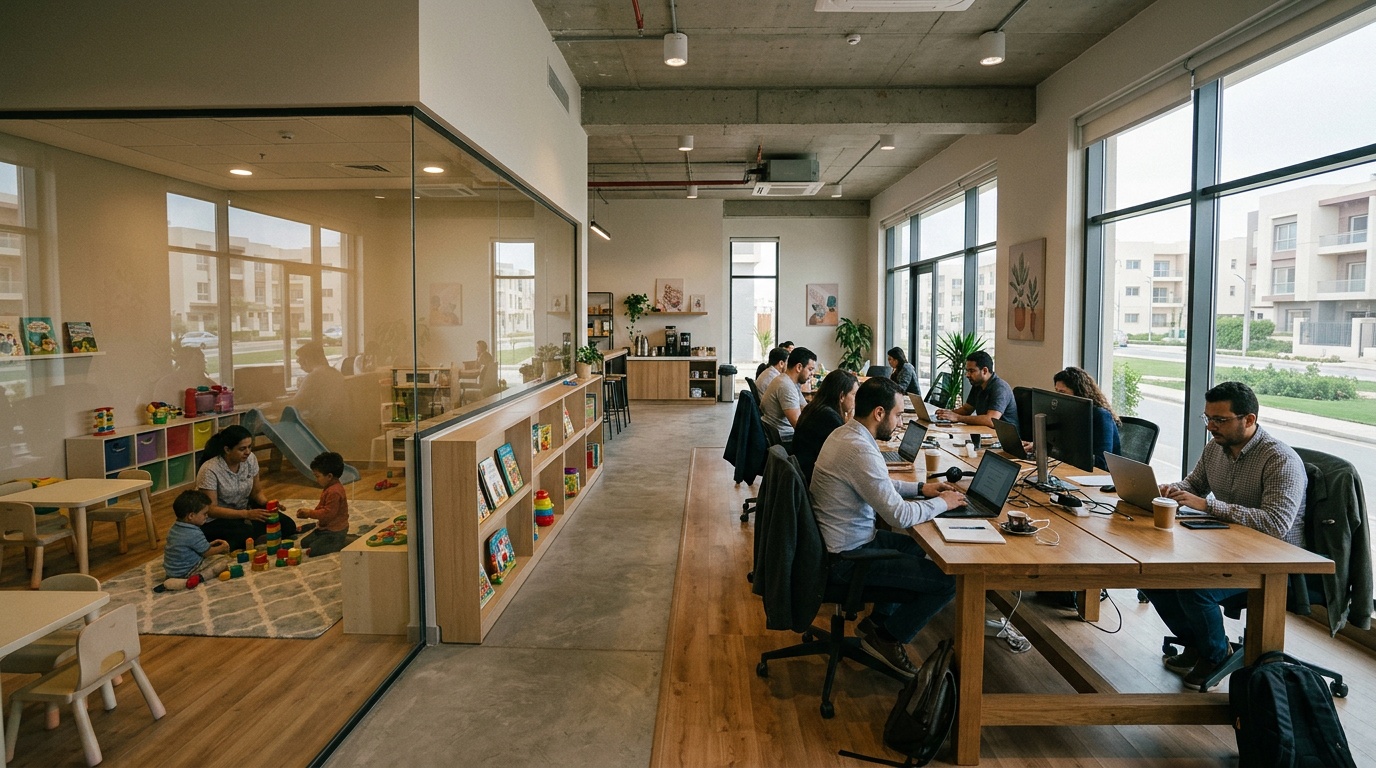
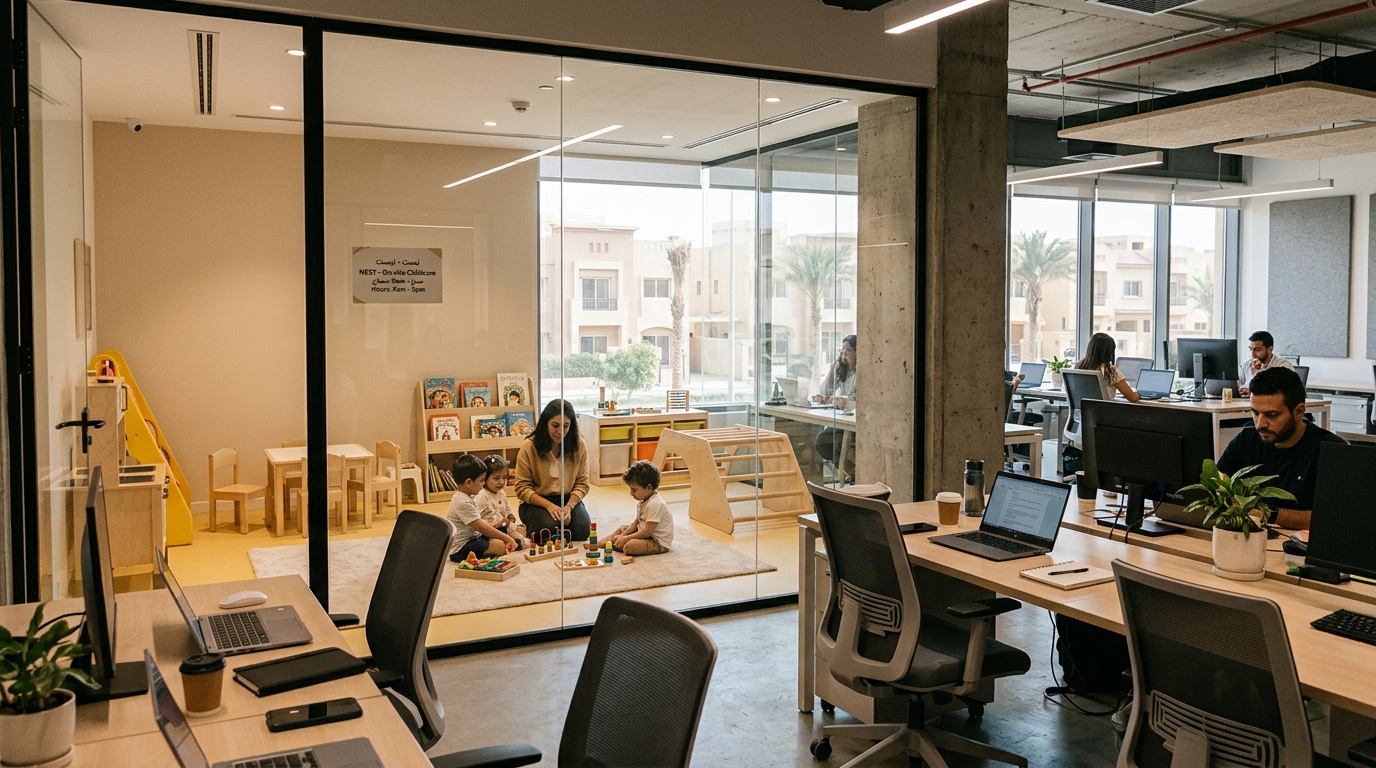
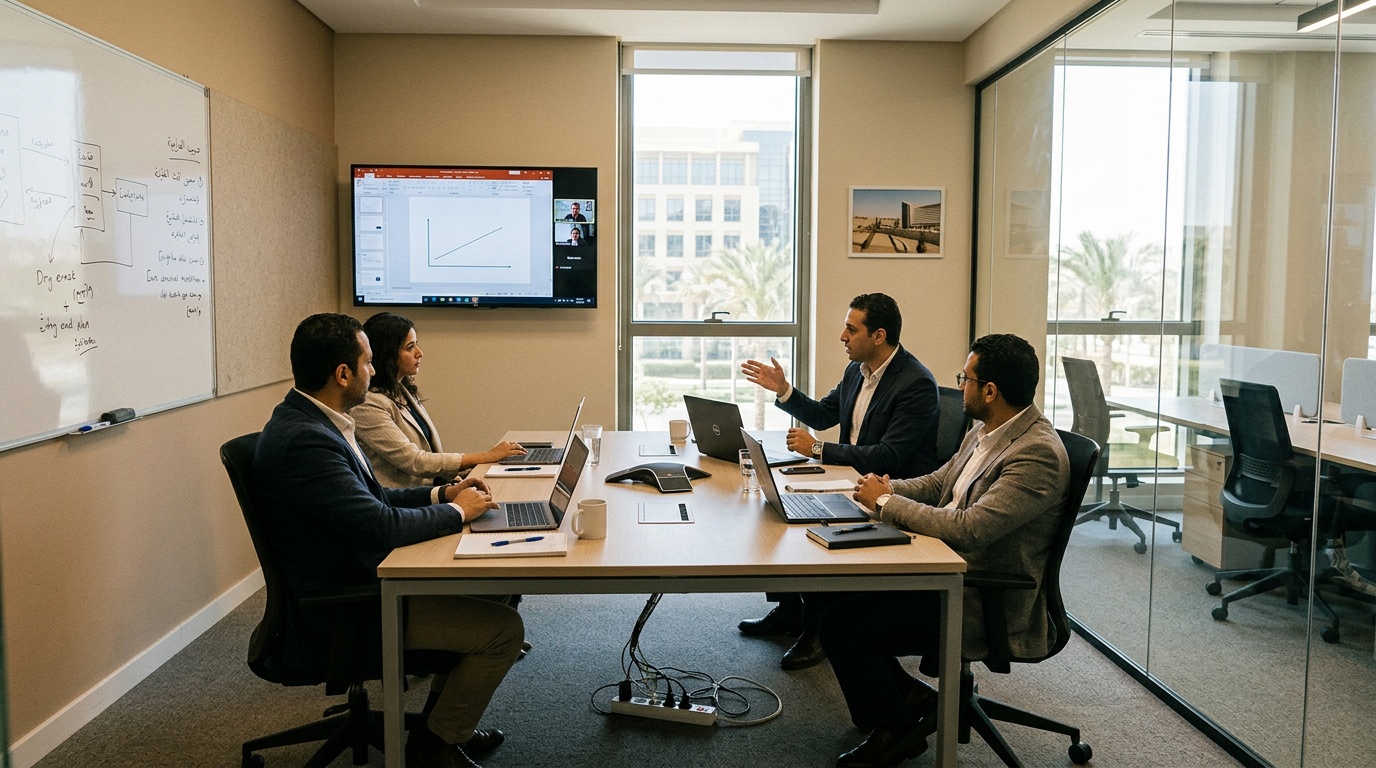
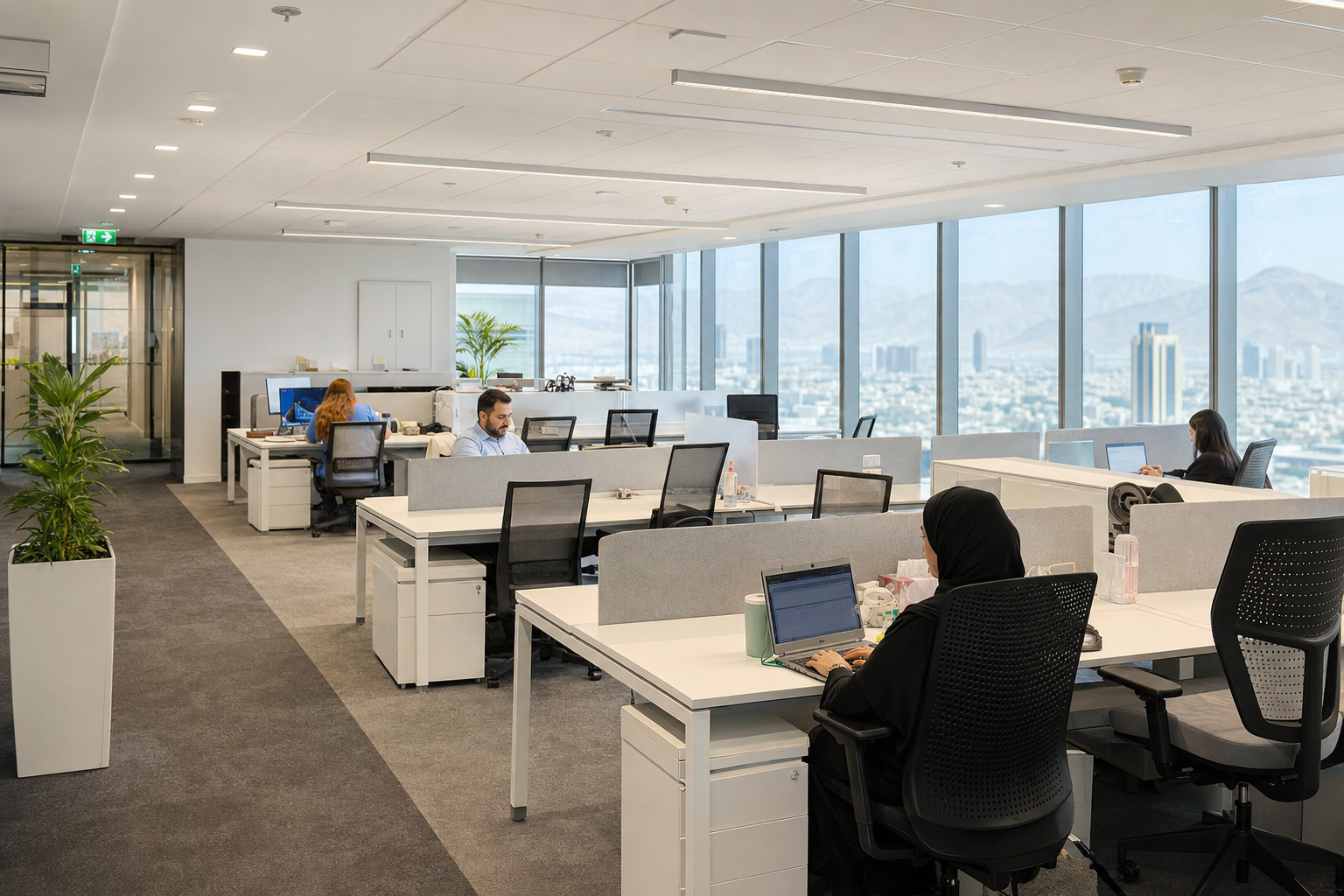
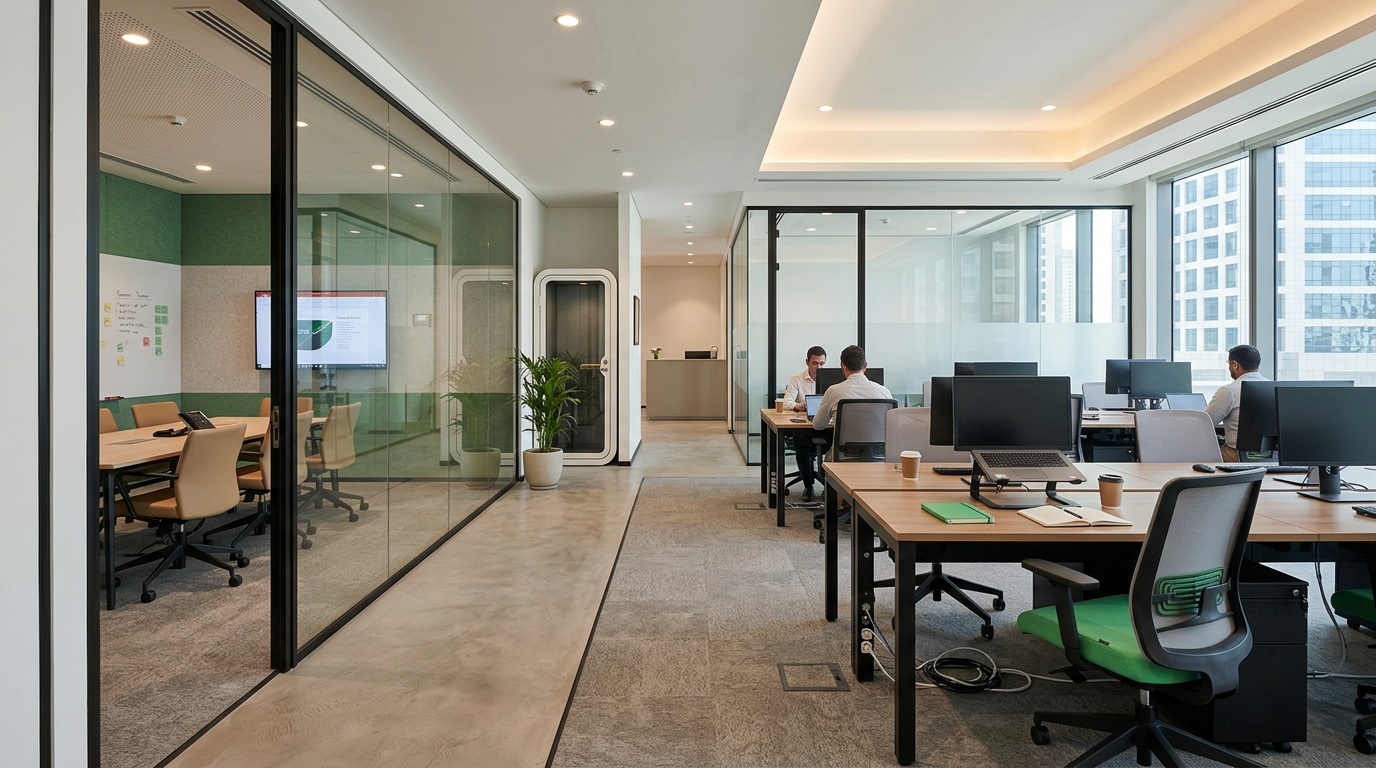
    Dedicated desks provide a stable setup that fits your routine. You get the same location each day while still sharing amenities like meeting rooms and kitchens. Your monitor, keyboard, and personal items stay put. No daily reconfiguration required.

    This option suits professionals who need consistency but don’t require full privacy. Dedicated desks in Dubai let you maintain your personalized workspace.

    Cost: $200-$600 per month with 1-3 month commitments.

    Private Office: Systems Over Announcements

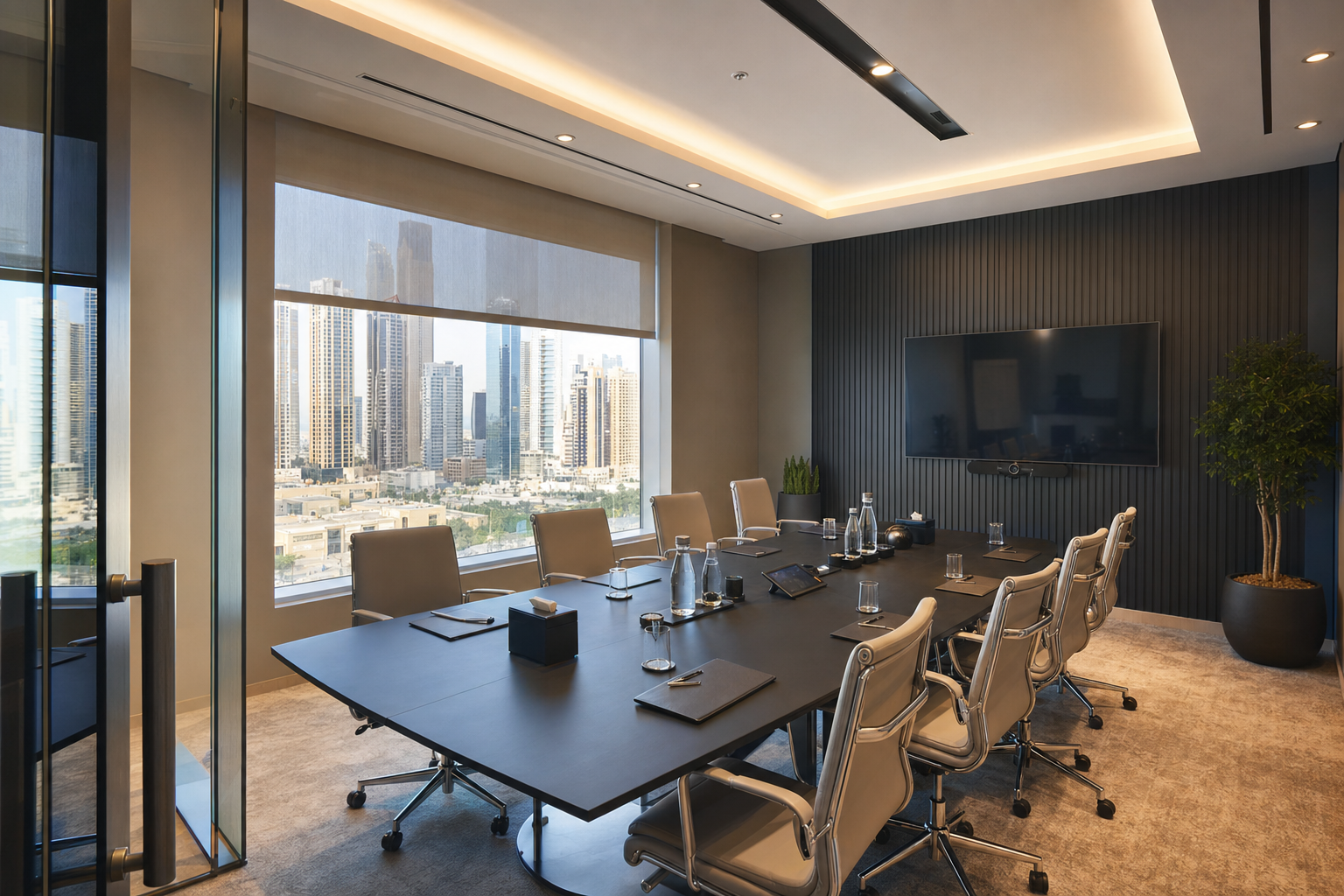
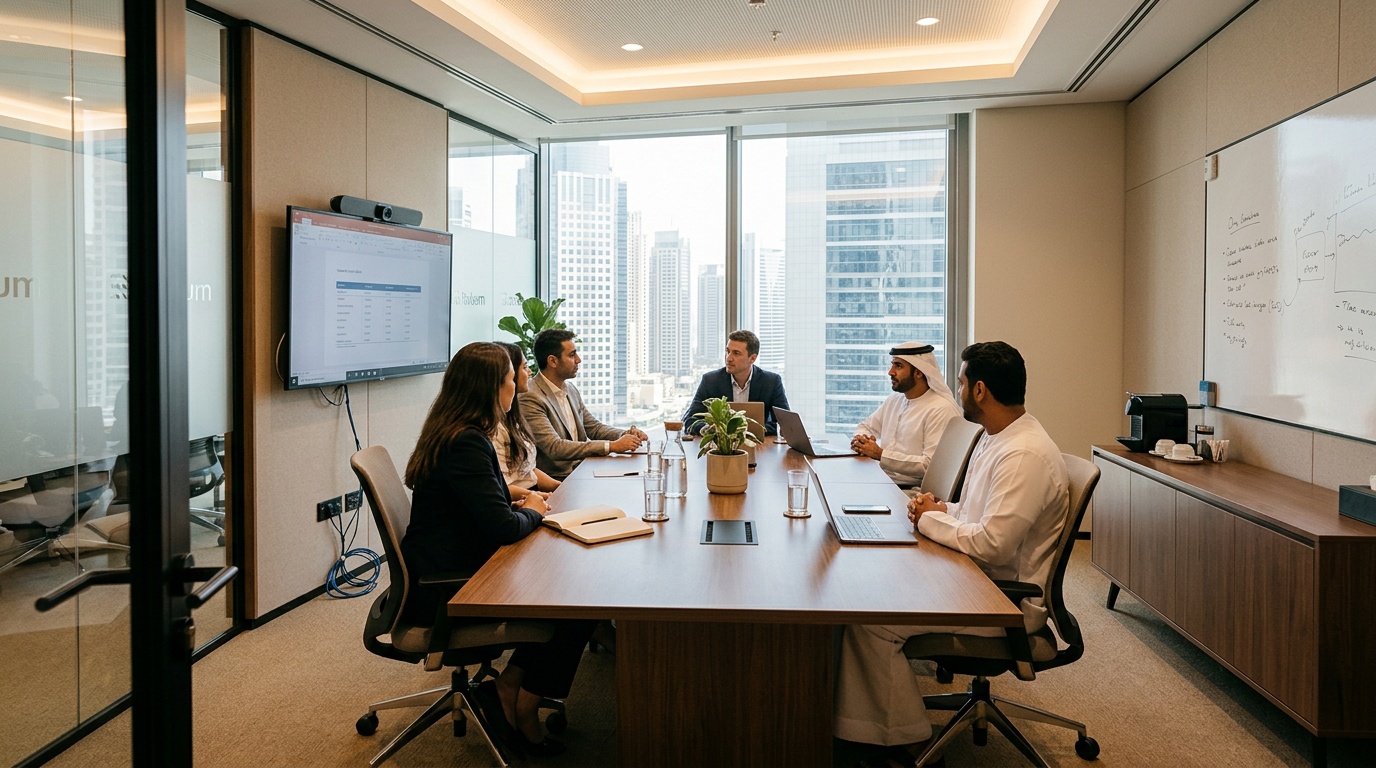
    Private offices provide maximum control and privacy. You get four walls, a door, and autonomy over your environment. This option suits teams handling sensitive information or leaders who require confidential meeting space.

    The trade-off? Higher costs and fewer casual networking opportunities than open configurations. Consider a private office in Riyadh for your team’s exclusive needs.

    Cost: $800-$3,000+ per month depending on location and size.

    Core Differences: Functionality, Privacy, and Commitment

    Hot desk vs dedicated desk vs private office

    Access Patterns

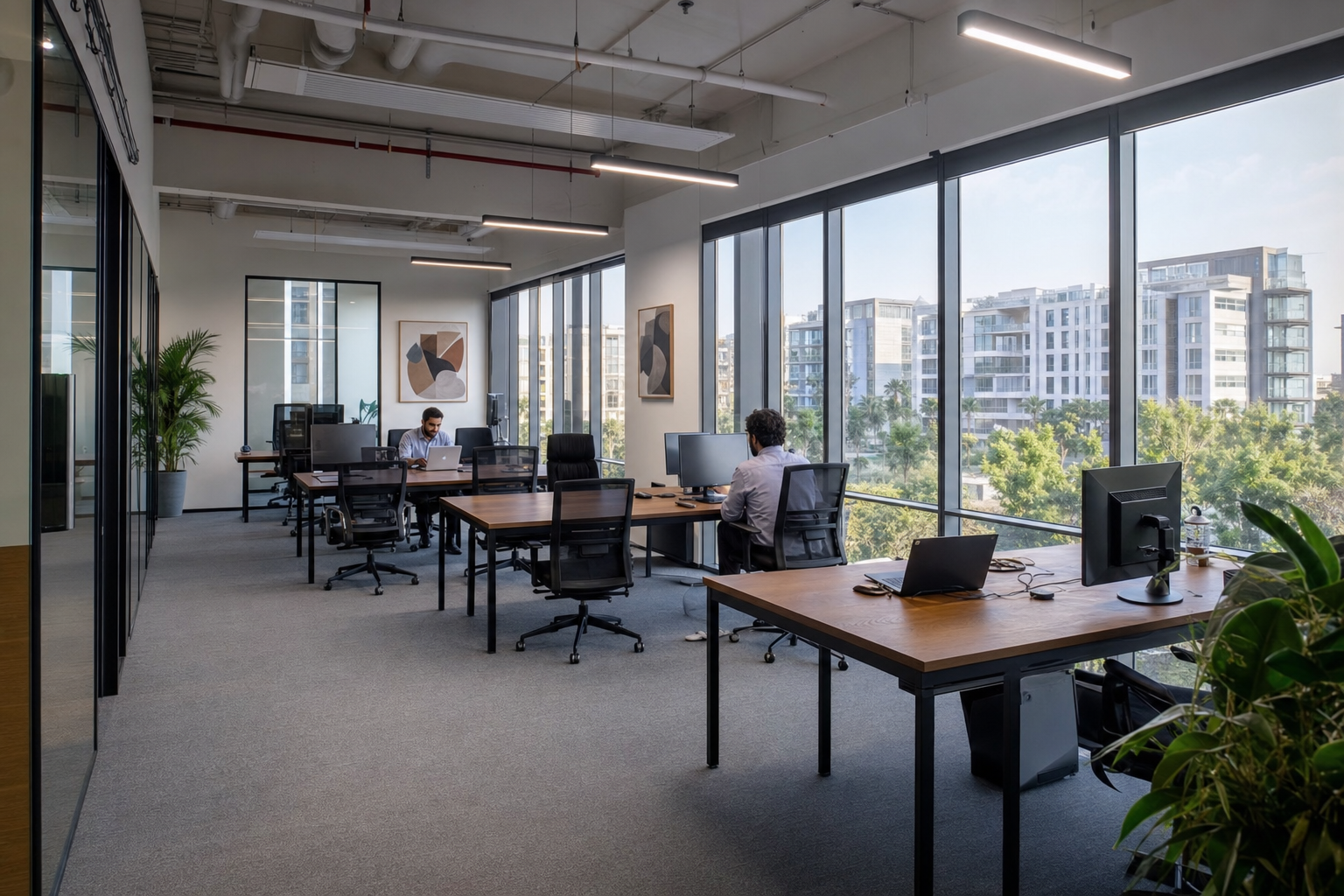
    **Hot desks** operate on first-come, first-served access. You book daily or hourly slots without guarantees of the same spot. This model fits schedules that change often or work that requires space only occasionally.

    **Dedicated desks** lock in your location. The same physical space, the same monitor height, the same notebook placement. You pay whether you show up or not.

    **Private offices** control both space and schedule. Most require 3-12 month commitments. You decide who enters and when.

    Privacy: From Open to Enclosed

    Workspace Type Visual Privacy Audio Privacy Storage Security
    Hot Desk Open floor plan Shared ambient noise Daily pack-up required
    Dedicated Desk Assigned but visible Shared ambient noise Locked drawer or cabinet
    Private Office Four walls and a door Sound isolation Full room security

    Privacy affects more than comfort. Client calls, financial reviews, and strategic planning require different isolation levels. These choices often depend on confidentiality requirements rather than personal preference.

    Setup Control

    **Hot desks** reset daily. You adapt to whichever monitor, chair, and lighting are available. Equipment standards vary by operator.

    **Dedicated desks** allow personal optimization. Dual monitors, standing desk converters, and task lighting become worthwhile investments. Your workspace supports your work style.

    **Private offices** allow full customization. Whiteboards, client-facing furniture, and branded elements create a professional environment that extends your company presence.

    Decision Framework: Match Usage to Infrastructure

    Freelancers: Optimize for Variable Demand

    Freelancers need flexibility that matches project cycles. Hot desking works here. You pay only when you need space, switch locations based on client meetings, and avoid monthly commitments when work becomes unpredictable.

    Budget around $25-$40 per day for hot desking versus $200-$400 per month for dedicated desks. The math is simple: if you work three days each week, hot desking costs less. Daily workspace needs make dedicated desks more economical.

    Find a suitable hot desk in London that fits your flexible schedule.

    Startups: Build Culture While Managing Cash

    Early-stage teams often do best with dedicated desks. They support day-to-day collaboration while keeping costs predictable. Team members benefit from consistent proximity for fast iteration.

    Consider a dedicated desk in Maidenhead for your growing startup team.

    Scale with hybrid approaches: dedicated desks for core team members, hot desk passes for contractors. This optimizes culture building and financial flexibility as headcount fluctuates.

    Remote Workers: Reliability Over Novelty

    Remote workers seeking alternatives to home offices often choose hot desking for variety and networking. The key? Find spaces with reliable infrastructure and well-run communities.

    The Office Bcn provides consistent Wi-Fi performance and professional environment without long-term commitment. Infrastructure reliability beats marketing claims.

    Enterprise Teams: Privacy and Scale

    Enterprise teams often need private offices when handling sensitive information or running frequent video conferences. Privacy reduces distractions and supports stronger security practices.

    Choose private offices when your team exceeds eight people or when client confidentiality requires enclosed space.

    Choose based on work patterns, team dynamics, and budget constraints. Match the choice to actual usage patterns, not aspirational habits.

    Frequently Asked Questions

    What is the difference between a hot desk and a dedicated desk?

    A hot desk operates on a first-come, first-served basis, requiring you to set up and pack up daily. A dedicated desk provides a fixed location that you can customize and use each day. The dedicated option offers consistency, meaning your personalized setup remains, removing the need for daily reconfiguration.

    What are the common types of office workspaces?

    The common types of office workspaces are hot desks, dedicated desks, and private offices. Each option balances flexibility, consistency, and control differently. Hot desks offer ultimate flexibility, dedicated desks provide a consistent spot, and private offices give maximum privacy and control.

    What are the drawbacks of hot desking?

    Hot desking requires you to pack up your items daily, with no guarantee of the same spot or setup. This lack of consistency means you constantly adapt to different equipment, hindering personalization and ergonomic comfort. For frequent users, hot desking can also become more expensive than dedicated options over time.

    Is hot desking more cost-effective than a dedicated desk?

    Hot desking costs $15-$40 per day, without long-term contracts, offering flexibility. Dedicated desks typically cost $200-$600 per month with commitments of 1-3 months. If you need space only occasionally, hot desking can be less expensive, but for usage eight or more days per month, a dedicated desk usually offers better value due to its consistent monthly rate.

    Why choose a private office for your team?

    A private office provides maximum control and privacy with four walls and a door. This option suits teams handling sensitive information or leaders who require confidential meeting space. It allows full customization, creating a professional environment that extends your company presence and supports team culture.

    How do privacy levels differ across workspace options?

    Hot desks offer an open floor plan with shared ambient noise, requiring daily pack-up for security. Dedicated desks are assigned but visible, also with shared ambient noise, though they often include locked storage. Private offices provide sound isolation, four walls, a door, and full room security, offering the highest level of confidentiality for client calls or strategic planning.

    About the Author

    MS

    Mohammad El Shaari

    Mohammad El Shaari

    CTO at Hotdesk

    Mohammad El Shaari is the CTO of Hotdesk, where he leads the engineering team building and scaling a global SaaS platform for on-demand workspace bookings across 80+ countries. A Computer Science graduate from The British University in Egypt, he brings over a decade of hands-on experience in enterprise software, AI, cloud infrastructure, and cybersecurity.

    Before Hotdesk, he served as CTO of Vee Tech, where he led technical delivery for 12+ enterprise clients generating $30M+ in annual revenue, and helped build Egypt’s first innovation lab at Capital International Schools.

    At Hotdesk, Mohammad focuses on building scalable systems that handle real-time availability, global user distribution, and high-throughput transactions. He specializes in scalable system design, cloud-native infrastructure, and building high-performance SaaS platforms that support global user bases.

    He writes about scaling SaaS platforms, backend architecture, mobile engineering, and real-world technical decisions behind building and operating global products.

    Last reviewed: April 16, 2026 by the Hotdesk Team
  • Coworking Dubai Cost Per Month 2026 Guide

    Coworking Dubai Cost Per Month 2026 Guide

    Coworking space cost Dubai per month

    Understanding Coworking Space Costs in Dubai: What to Expect Monthly

    Coworking space cost Dubai per month ranges from AED 800 for hot desks to AED 3,500 for dedicated desks, with location and amenities driving most price variation. Premium zones such as DIFC and Downtown command 30% to 40% higher rates than emerging areas.

    The Dubai Coworking Scene: A Snapshot

    Dubai’s workspace market follows the city’s business patterns. Financial districts price at premium levels, while creative neighborhoods like Al Quoz offer accessible options. The market spans from corporate-style spaces to community-focused hubs, each serving different work styles and budgets. Explore coworking spaces in Dubai to find your fit.

    Pricing operates on tiered membership models that scale based on access level and included services. Location, building quality, and operating hours directly affect monthly rates.

    What Drives Monthly Costs

    Geographic positioning creates the largest cost differences. DIFC and Business Bay command top rates due to proximity to major corporations and transportation links. Areas like Jumeirah Lakes Towers offer middle-ground pricing with strong connectivity.

    Space type and booking flexibility create the next pricing tier. Hot desks provide the most economical entry point, while dedicated desks and private offices cost more. Access hours matter too. 24/7 spaces typically cost 20% to 30% more than standard business-hours options.

    Breaking Down the Price Range

    Hot desk memberships start around AED 800 per month in outer areas, reaching AED 1,200 in prime locations. Dedicated desks range from AED 1,500 to AED 2,200, depending on location and included storage. Private offices begin at AED 2,500 for single-person spaces, scaling to AED 3,500 in premium locations.

    Day passes offer flexibility at AED 75 to AED 150 per visit. Hourly rates hover between AED 25 and AED 50. These work well for occasional use but become expensive for regular work patterns.

    Beyond the Desk: What’s Included in Dubai Memberships

    Coworking space cost Dubai per month

    Core Inclusions: Desks, Wi-Fi, and Basic Amenities

    Most Dubai coworking spaces include workspace essentials in their monthly fees. High-speed internet typically reaches 100+ Mbps, with backup connections supporting consistent connectivity. Basic furniture includes ergonomic chairs, adjustable desks, and adequate lighting. Climate control maintains comfortable temperatures year-round, while security systems support 24/7 access in premium locations.

    Storage solutions vary significantly. Some spaces offer personal lockers at AED 50 to AED 100 per month, while others include storage in base packages. Reception services, mail handling, and basic administrative support round out the foundational offerings.

    Meeting Rooms and Private Office Value

    Meeting room access represents substantial value within monthly memberships. Standard packages typically include 2 to 5 hours of conference room time, with additional hours priced at AED 75 to AED 150 per hour. These spaces feature presentation equipment, whiteboards, and video conferencing capabilities.

    Private office upgrades start around AED 2,500 per month for single-person spaces, scaling to AED 8,000+ for team rooms. The premium buys exclusive access, personalized setup options, and improved privacy for sensitive work. Comspace shows how flexible private-office booking reduces long-term commitments while maintaining professional standards.

    Daily Services: Coffee, Printing, and Events

    Complimentary beverages and snacks add AED 200 to AED 400 per month in equivalent value. Premium locations offer barista-quality coffee, fresh fruit, and light meals throughout the day. Printing and scanning services typically allow 50 to 100 pages per month before additional charges apply.

    Networking events, workshops, and skill-building sessions create professional development opportunities. These gatherings can support connections between members, though the value depends on consistent attendance and professional relevance.

    The Hotdesk Advantage: Flexibility Without Hidden Fees

    Traditional memberships lock members into a single location with predetermined amenities. Hotdesk allows access to diverse spaces across Dubai without multiple membership fees. Members can match daily needs to the right environment while keeping one booking flow and payment method.

    This reduces the common frustration of paying for amenities that don’t get used while still providing access to specialized spaces when needed. Partner spaces maintain their distinct character while participating in a broader network that supports movement across the city.

    The True Cost of Flexibility: Different Membership Models

    Hot Desks vs. Dedicated Desks: Price and Usage

    Hot desks offer the lowest entry point at AED 800 to AED 1,500 per month, but availability isn’t guaranteed during peak hours. Members arrive each morning to find open seating, which works well for flexible schedules but creates uncertainty during deadline-heavy periods.

    Dedicated desks remove this uncertainty at AED 1,200 to AED 2,200 per month, providing a consistent workstation with personal storage and setup options. The cost difference buys reliability rather than luxury. Dedicated desk members can leave materials overnight, customize their work area, and maintain a steady routine.

    Private Offices: When You Need Solitude

    Private offices start around AED 2,500 per month for single-person spaces, reaching AED 12,000+ for team configurations. These rates include exclusive access, personalized branding options, and improved security for sensitive work. The premium buys guaranteed availability, noise control, and a professional setting for client meetings.

    Compared with traditional office leases that require 12-month commitments plus utilities, furniture, and internet setup, private office memberships offer immediate occupancy with bundled services. The ability to scale up or down month to month provides real operating advantages for growing businesses.

    Membership Type Monthly Cost (AED) Best For Availability
    Hot Desk 800-1,500 Flexible schedules First-come basis
    Dedicated Desk 1,200-2,200 Regular routines Guaranteed
    Private Office 2,500-12,000 Teams, confidential work Exclusive access

    On-Demand Access: Hour-by-Hour and Day Passes

    Hourly rates between AED 25 and AED 50 suit occasional use but become expensive for regular work patterns. A typical 8-hour day costs AED 200 to AED 400, making monthly memberships more economical after 3 to 4 visits. Day passes at AED 75 to AED 150 offer a middle ground for weekly users who need predictable access without a monthly commitment.

    This pricing structure covers the operating reality of running professional spaces. The premium for flexibility covers unpredictable usage patterns and the added administration required for short-term access.

    What Your Monthly Payment Covers

    Inclusions That Shape Monthly Value

    Most Dubai coworking spaces bundle essential infrastructure into monthly rates. High-speed internet, ergonomic seating, and climate control form the foundation. These basics account for a significant share of the monthly bill, driven by fit-out costs, building service charges, and business district expectations.

    Power outlets, lighting, and secure access are standard across price tiers. Quality varies. Newer developments in DIFC and Business Bay often offer stronger technical specs than older facilities in Deira or Karama.

    Meeting Rooms and Phone Booths

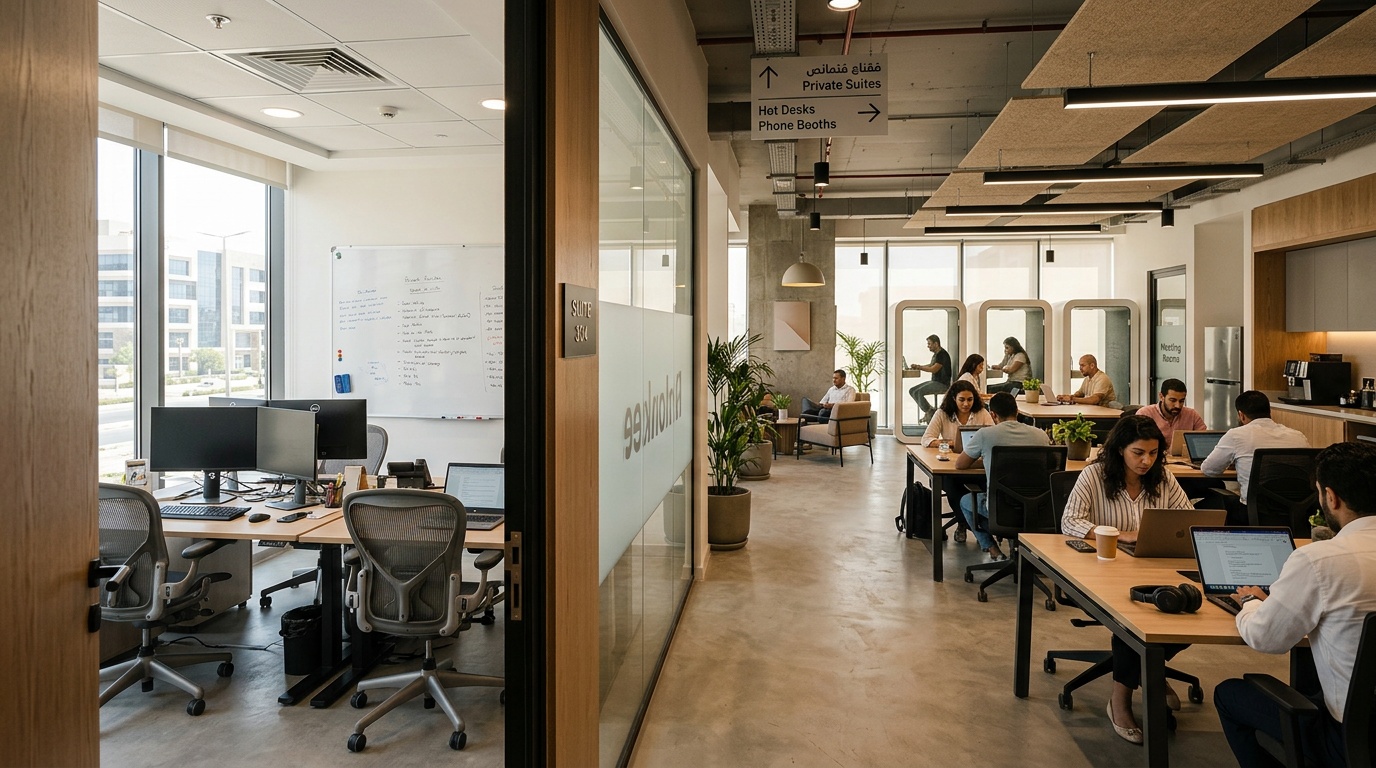
    Meeting room access often determines whether a membership delivers real value. Many spaces include 2 to 4 hours of conference room time per month, with extra hours priced at AED 50 to AED 150 per hour. Private phone booths and quiet zones can add daily usability without separate fees.

    Comspace shows how thoughtful allocation of shared areas improves member value. Private office upgrades typically cost 2 to 3 times the hot desk rate and include dedicated storage and personalization options.

    Daily Perks and Programming

    Complimentary beverages and basic printing are common in the mid-tier segment. Premium locations may add barista service, healthier snacks, and occasional equipment loans. These details influence day-to-day satisfaction, especially for members who work from the space most days of the month.

    Programming varies widely. Well-curated sessions create useful connections and learning. Poorly planned events feel like calendar filler.

    How to Think About Price Across Dubai

    When comparing options, separate sticker price from what your payment covers. Evaluate against your actual usage: meeting rooms, call privacy, commute time, and whether you need a fixed desk or can rotate.

    If location flexibility matters, Hotdesk reduces duplication by helping you book the right space on the days that matter, without paying for a single address every day.

    Frequently Asked Questions

    How much does a coworking space cost in Dubai per month?

    From my experience building Hotdesk, I know that coworking space costs in Dubai per month typically range from AED 800 for a hot desk to around AED 3,500 for a dedicated desk or a single-person private office. These prices vary based on location, amenities, and the type of workspace you choose.

    What factors determine the monthly price of a coworking space in Dubai?

    The monthly price for a coworking space in Dubai is primarily driven by its geographic positioning, with premium zones like DIFC commanding higher rates. The type of space, whether it’s a hot desk, dedicated desk, or private office, also plays a big part. Additionally, access hours, such as 24/7 availability, can increase the cost by 20% to 30%.

    What's included in a typical Dubai coworking membership?

    When you choose a coworking membership in Dubai, you can expect core inclusions like high-speed Wi-Fi, ergonomic furniture, and climate control. Many spaces also offer reception services, mail handling, and a few hours of meeting room access. Complimentary beverages and printing allowances are common additions that support your daily work.

    What is the price difference between hot desks and dedicated desks in Dubai?

    Hot desks offer the most economical entry point for coworking in Dubai, typically costing between AED 800 and AED 1,500 per month. Dedicated desks, which provide a consistent workstation and personal storage, usually range from AED 1,200 to AED 2,200 monthly. The difference reflects the reliability and personal setup options a dedicated space provides.

    Are private offices available in Dubai coworking spaces, and what do they cost?

    Yes, private offices are definitely an option within Dubai’s coworking spaces for those needing more solitude and privacy. A single-person private office typically starts around AED 2,500 per month, reaching AED 3,500 in premium locations. Larger team offices can scale up significantly, offering exclusive access and personalized setups.

    Do premium locations in Dubai affect coworking space costs significantly?

    Absolutely, premium locations like DIFC and Downtown Dubai significantly impact coworking space costs, often commanding 30% to 40% higher rates. These areas are priced at a premium due to their proximity to major corporations and essential transportation links. Choosing a location like Jumeirah Lakes Towers can offer a middle-ground option with strong connectivity.

    About the Author

    MK

    Mohamed Khaled

    Mohamed Khaled

    Forbes 30 Under 30

    Founder & CEO at Hotdesk & Co-founder, DESK Token

    Mohamed Khaled is the Founder and CEO of Hotdesk, the on-demand workspace platform providing access to coworking spaces and flexible offices across more than 120 countries.

    He spent nearly a decade at PwC before moving into financial leadership at SWVL, where he led the company’s $1.5 billion Nasdaq listing, the first Unicorn from thr Middle East to go public in the United States.

    A Forbes 30 Under 30 honoree, Mohamed built Hotdesk from a side project into a global platform, leading a team of more than 50 and expanding into international markets, including the acquisition of Spain-based coworking marketplace YADO.

    Also being Co-founder and President of DESK Token, the world’s first asset backed property investment and utility hybrid token, Mohammed is focused on building infrastructure that unlocks underutilized assets – from meeting rooms to private offices and full on buildings – while creating space for the future of work.

    Last reviewed: April 16, 2026 by the Hotdesk Team
  • DIFC vs Business Bay: Office Rental Cost 2026

    DIFC vs Business Bay: Office Rental Cost 2026

    Private office rental cost DIFC vs Business Bay

    Private Office Costs in Dubai: DIFC vs Business Bay

    Why Location Costs More Than Rent

    Private office rental cost DIFC vs Business Bay reflects two different approaches to business presence in Dubai. DIFC commands premium rates because it houses Goldman Sachs, Standard Chartered, and 500+ financial institutions within a regulated environment. Business Bay offers broader industry access at lower costs, mixing commercial towers with residential and retail spaces across 4.1 square kilometers.

    The choice matters because each district signals different priorities. DIFC builds credibility through financial sector concentration and regulatory prestige. Business Bay creates flexibility through transport connectivity and mixed-use development. Your monthly expenses and daily operations change depending on which environment fits your actual needs.

    Two Districts, Different Rules

    DIFC operates as Dubai’s financial free zone with its own court system based on English common law. Deutsche Bank and regional headquarters cluster within its 110-acre footprint because the regulatory framework supports international financial services. Business Bay spans three metro stations along Dubai Creek, where tech startups work alongside marketing agencies and consulting firms.

    Where DIFC specializes in financial services, Business Bay accommodates diverse industries. This difference shapes everything from licensing costs to after-hours networking opportunities.

    Rental Rates: The 30-40% Cost Gap

    Private office rental cost DIFC vs Business Bay

    Per Square Foot Breakdown

    DIFC private offices range from AED 120-200 per square foot annually, with premium towers like ICD Brookfield Place reaching AED 250. Business Bay typically costs AED 80-150 per square foot, with pricing tied to building age and Sheikh Zayed Road proximity. A 1,000 sq ft office costs approximately AED 150,000-200,000 annually in DIFC versus AED 100,000-150,000 in Business Bay.

    Total Occupancy Reality: Add fit-out costs of AED 200-400 per sq ft and parking at AED 2,000-4,000 monthly per space. Service charges run AED 15-25 per sq ft annually in both districts.

    What Drives the Premium

    Floor level and building specifications affect pricing more than location alone. DIFC’s regulatory requirements drive Grade A construction standards, while Business Bay’s mixed zoning allows wider variation in building quality. Newer developments in both areas command higher rates, but DIFC maintains consistent premium positioning.

    Parking allocation follows similar patterns. Typically one to three spaces per 1,000 sq ft. The premium reflects demand concentration rather than actual infrastructure differences between districts.

    Address Impact: When Location Signals Intent

    DIFC Credibility in Financial Circles

    DIFC addresses carry weight during investor presentations and compliance discussions. Asset managers, private equity firms, and fintech companies choose the district because the regulatory framework supports international client credibility. Meeting rooms overlooking Dubai’s financial district can reinforce professional positioning when it matters.

    The Rag Global Business Hub offers DIFC access without long lease commitments, letting teams test whether the address premium translates into measurable business outcomes.

    Business Bay Flexibility Across Industries

    Tech startups, marketing agencies, and consulting firms often find Business Bay aligns with their operational pace. Restaurants and evening activity create networking beyond standard hours. Canal views and mixed-use development add visual appeal without financial district formality.

    Industry Fit: DIFC suits regulated industries needing compliance frameworks. Business Bay fits growth-stage companies valuing networking and operational flexibility over sector positioning.

    Licensing and Infrastructure Considerations

    DIFC operates specialized licensing for financial services, costing AED 50,000-150,000 depending on activity scope. Business Bay uses mainland licensing through Dubai Economy, typically AED 15,000-40,000 while allowing broader UAE market access. These regulatory expenses should factor into total occupancy planning.

    Transport and Building Standards

    Business Bay offers three metro stations compared with DIFC’s single stop. DIFC buildings typically feature higher-grade elevators, lobby finishes, and security systems as standard. Business Bay varies widely in infrastructure quality across different developments.

    Flexible workspace options like Rag Global Business Hub deliver premium infrastructure access without long lease terms, helping teams balance cost and quality across both districts.

    Which District Fits Your Stage

    Private office rental cost DIFC vs Business Bay

    Early-Stage Financial Services

    Fintech companies often choose DIFC despite budget constraints because the regulatory framework supports Series A funding and compliance approvals. A 500 sq ft private office costs AED 75,000-100,000 annually in DIFC versus AED 50,000-75,000 in Business Bay. The premium can strengthen signaling during investor meetings.

    Flexible workspace access through Rag Global Business Hub lets startups validate whether the address premium creates measurable business outcomes before committing to three-year leases.

    Growing Tech Teams

    Established tech companies with 20-50 employees often prioritize Business Bay for operational efficiency. Lower rental costs free budget for hiring and technology. The mixed-use environment supports team events and client hosting without excessive formality.

    Cost Efficiency: Business Bay saves 30-40% compared to DIFC, freeing capital for growth while maintaining a professional presence.

    Hybrid Work Patterns

    Companies using hybrid schedules often need flexibility rather than fixed space. Traditional leases in either district can create underused offices when teams work remotely. Flexible workspace options provide access to professional offices across both districts without long commitments.

    This approach eliminates the need for permanent location choices. Teams can select the right setting for investor meetings, client work, or project phases based on daily requirements.

    Continuity in Your Workspace Strategy

    Private office rental cost DIFC vs Business Bay represents one input in workspace strategy. The right choice should match business stage, industry requirements, and growth trajectory. DIFC fits companies needing financial-sector credibility and regulatory positioning. Business Bay suits diverse industries prioritizing cost control and operational flexibility.

    Flexible workspace access to both districts protects continuity as needs change and teams grow. That model prevents locking your company into single-location decisions before you understand what works.

    Frequently Asked Questions

    How much does a private office typically cost in Dubai?

    Private office rental costs in Dubai vary significantly by district. In DIFC, you can expect to pay AED 120-200 per square foot annually, with premium spaces reaching AED 250. Business Bay often ranges from AED 80-150 per square foot, making it generally more competitive.

    Which Dubai district, DIFC or Business Bay, offers more competitive private office rental pricing?

    Business Bay generally offers more competitive pricing for private offices compared to DIFC. The article indicates a 30-40% cost difference, with Business Bay rates often falling between AED 80-150 per square foot annually. This contrasts with DIFC’s premium rates, which reflect its financial free zone status.

    What are the key differences between DIFC and Business Bay for businesses seeking private office space?

    DIFC is Dubai’s financial free zone, attracting institutions like Goldman Sachs with its strict regulatory framework and premium positioning. Business Bay is a mixed-use district along Dubai Creek, offering broader industry appeal and operational flexibility. Your choice depends on whether you prioritize financial sector alignment or a more diverse business setting.

    What are the typical licensing cost differences for setting up an office in DIFC versus Business Bay?

    Licensing costs differ significantly between the two districts. Setting up in DIFC, a financial free zone, typically costs AED 50,000-150,000 due to specialized financial services licensing. Business Bay, using mainland licensing through Dubai Economy, often costs AED 15,000-40,000, allowing broader UAE market access.

    Does the type of business influence whether DIFC or Business Bay is a better fit for office rental?

    Absolutely. DIFC is ideal for regulated financial industries, asset managers, and fintech companies seeking credibility with international clients. Business Bay suits a wider mix of industries, including tech startups, marketing agencies, and consulting firms that value networking and operational flexibility. It’s about aligning your business needs with the district’s core proposition.

    Beyond rent, what other costs should I consider when renting an office in DIFC or Business Bay?

    Beyond the base rent, consider fit-out costs, which can range from AED 200-400 per square foot in both areas. Parking allocation can add AED 2,000-4,000 per month per space. Additionally, service charges, covering maintenance and utilities, typically range from AED 15-25 per square foot annually in both districts.

    About the Author

    MK

    Mohamed Khaled

    Mohamed Khaled

    Forbes 30 Under 30

    Founder & CEO at Hotdesk & Co-founder, DESK Token

    Mohamed Khaled is the Founder and CEO of Hotdesk, the on-demand workspace platform providing access to coworking spaces and flexible offices across more than 120 countries.

    He spent nearly a decade at PwC before moving into financial leadership at SWVL, where he led the company’s $1.5 billion Nasdaq listing, the first Unicorn from thr Middle East to go public in the United States.

    A Forbes 30 Under 30 honoree, Mohamed built Hotdesk from a side project into a global platform, leading a team of more than 50 and expanding into international markets, including the acquisition of Spain-based coworking marketplace YADO.

    Also being Co-founder and President of DESK Token, the world’s first asset backed property investment and utility hybrid token, Mohammed is focused on building infrastructure that unlocks underutilized assets – from meeting rooms to private offices and full on buildings – while creating space for the future of work.

    Last reviewed: April 16, 2026 by the Hotdesk Team
  • Dubai vs Riyadh vs Cairo: Coworking Cost Comparison 2026

    Dubai vs Riyadh vs Cairo: Coworking Cost Comparison 2026

    Coworking cost comparison Dubai vs Riyadh vs Cairo

    Decoding Coworking Costs: Dubai vs. Riyadh vs. Cairo

    The Core Question: What Is Your Workspace Budget?

    Every distributed system asks you to manage new failure modes. The same applies to workspace selection across Middle Eastern business hubs. Your Coworking cost comparison Dubai vs Riyadh vs Cairo starts with understanding that infrastructure travels, not just your laptop.

    Dubai commands premium rates due to established business infrastructure and international connectivity. Riyadh offers competitive pricing as part of Vision 2030’s push for economic diversification. Cairo delivers maximum value through lower operating costs and growing tech ecosystem support.

    Dubai’s Premium Coworking Scene

    Dubai’s coworking spaces reflect the city’s position as a regional business hub. Hot desks range from AED 80-150 per day, with dedicated desks averaging AED 1,200-2,500 per month. Private offices start at AED 4,000 for single-person setups.

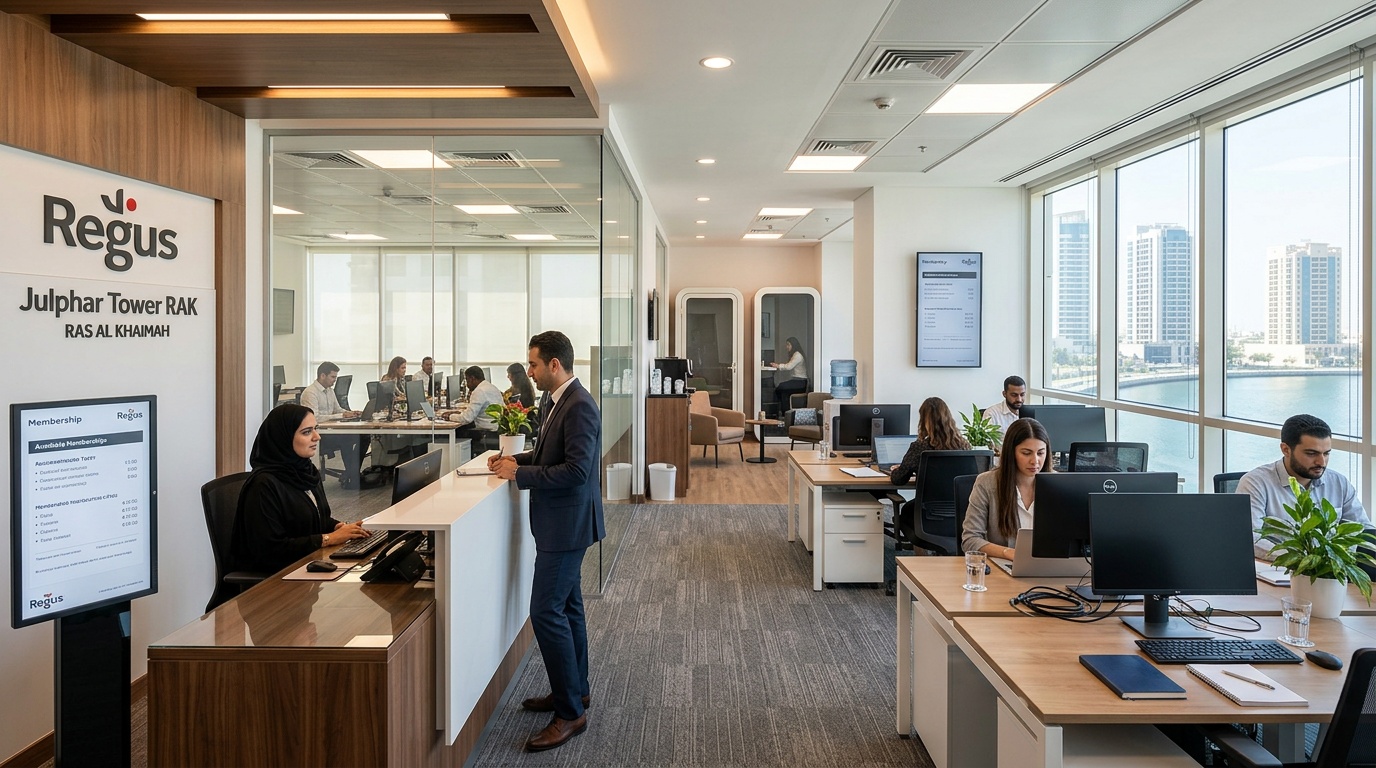
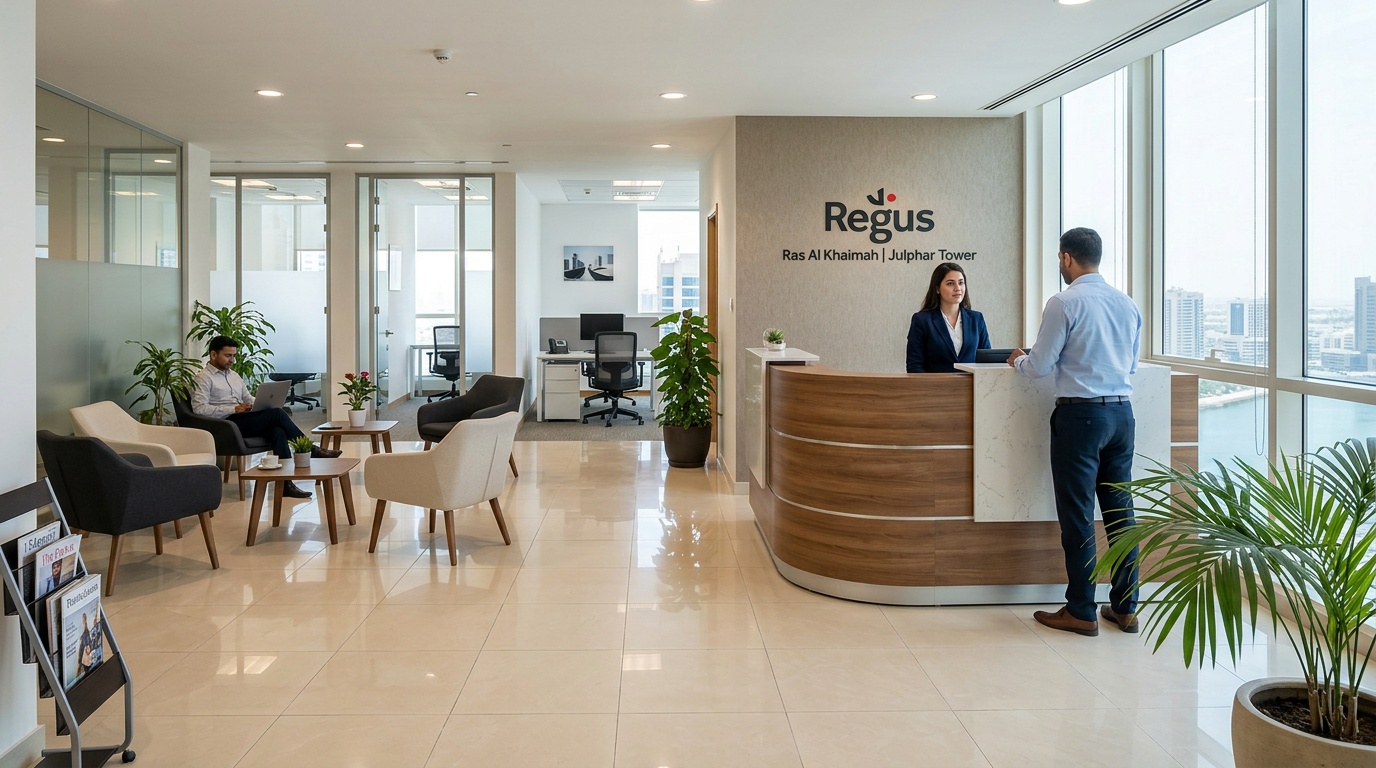
    Premium locations in DIFC and Business Bay, such as Regus Marina Gate, command higher rates but deliver enterprise-grade connectivity and proximity to financial institutions. Areas like Al Quoz and Dubai South offer 30-40% cost savings while maintaining professional standards.

    Riyadh’s Emerging Workspace Market

    Riyadh’s coworking market is expanding rapidly, driven by government initiatives and startup growth. Daily hot desk rates typically range from SAR 60-120, with monthly dedicated desks priced between SAR 800-1,800. Private offices average SAR 2,500-4,500 per month.

    King Abdullah Financial District and Olaya locations carry premium pricing. For instance, Servcorp Al Faisaliah Coworking offers premium options. Emerging districts like Prince Mohammed bin Abdulaziz and Al Malqa offer competitive alternatives with modern facilities at 25-35% lower costs.

    Cairo’s Value-Driven Coworking Options

    Cairo presents the most cost-effective option among these three cities. Hot desks range from EGP 200-400 per day, dedicated desks cost EGP 2,000-4,000 per month, and private offices start around EGP 6,000-12,000.

    New Cairo and Maadi offer modern facilities with international standards. Downtown Cairo provides character and connectivity at budget-friendly rates. Espaces Maadi shows the type of flexible booking that removes traditional membership commitments across these markets.

    Direct Cost Breakdown: Hot Desks, Dedicated Desks, and Private Offices

    Coworking cost comparison Dubai vs Riyadh vs Cairo

    The Hot Desk Reality: Flexibility and Price Points

    Hot desks in Dubai typically run $25-40 per day. Business Bay and DIFC command top rates, while areas like Al Quoz offer more accessible pricing.

    Riyadh sits at $15-25 per day. King Abdullah Financial District spaces cost more than suburban locations.

    Cairo delivers the strongest value proposition at $8-15 per day. Appeals to cost-conscious professionals and startups alike.

    Dubai charges 2-3x more than Cairo for similar hot desk access. But pricing alone doesn’t tell the complete story. Dubai spaces often include premium amenities like concierge services and high-speed fiber, while Cairo focuses on workspace essentials at competitive rates.

    Dedicated Desks: Your Permanent Spot at a Price

    City Monthly Dedicated Desk Included Amenities Storage Options
    Dubai $400-800 24/7 access, meeting room credits, premium Wi-Fi Locker and drawer space
    Riyadh $250-450 Business-hours access, basic meeting rooms Personal locker included
    Cairo $150-300 Standard Wi-Fi, shared facilities Limited storage available

    Private Offices: Scalability and Cost Implications

    Private office pricing reveals the starkest differences in this comparison. Dubai’s two-person offices start at $1,200 per month in prime locations, scaling to $3,000+ for six-person setups. Riyadh offers mid-range pricing at $600-1,800 for comparable spaces, while Cairo delivers exceptional value with two-person offices starting at $300 per month.

    Infrastructure quality varies significantly across these price points. Dubai offices feature enterprise-grade internet, premium furnishings, and professional reception services. Riyadh spaces provide solid business infrastructure with growing amenity offerings. Cairo focuses on functional workspace delivery with basic but reliable services that meet most business requirements.

    Systems over announcements. The data shows clear cost tiers, but the infrastructure quality scales accordingly.

    The Hotdesk Advantage: Smart Workspace Booking Across Borders

    Global Workspace Options Made Simple

    Every distributed system asks you to manage new failure modes. Traditional coworking memberships lock you into single locations or force complex partnerships between operators. Hotdesk removes this friction by connecting you directly to verified spaces across Dubai, Riyadh, Cairo, and 80+ countries.

    The platform aggregates real-time availability and pricing data. You see actual costs upfront, compare amenities side by side, and book instantly without membership negotiations. Infrastructure travels with your workflow, not the other way around.

    No Membership Fees, Just Instant Access

    Traditional coworking models demand monthly commitments even when you only need occasional flexibility. Hotdesk operates on pure on-demand booking. Pay only for the workspace hours you actually use.

    This matters when comparing costs across these three cities. A Dubai membership might cost $400 per month, but you only need three days. Hotdesk lets you book those specific days at competitive hourly rates without the membership overhead.

    Smart. Efficient. Engineered for scale.

    How Hotdesk Empowers Your Workspace Strategy

    Cost control: Book spaces like Astrolabs and similar quality venues across all three cities through one platform. Compare real-time pricing without membership pressure.

    The system tracks your usage patterns and suggests optimal booking strategies. If you frequently work in Dubai’s DIFC but occasionally need Cairo offices, Hotdesk can show cost-effective combinations rather than forcing multiple memberships.

    Enterprise teams get centralized billing and usage analytics. You can track exactly what workspace spending delivers across different markets.

    Finding the Right Fit: From Freelancer to Enterprise

    Freelancers benefit from true flexibility. Book a premium Dubai space for client meetings, then switch to cost-effective Cairo options for focused work. No membership juggling required.

    Growing companies use Hotdesk to test markets before committing to long-term leases. Try Riyadh spaces for three months, measure team productivity, then decide on a permanent presence.

    Comspace exemplifies the quality standards Hotdesk maintains. Every listed space meets reliability requirements for professional work, whether you’re comparing costs in premium Dubai districts or value-focused Cairo options.

    What works at 10x? Systems that adapt to your workflow instead of demanding you adapt to theirs.

    Frequently Asked Questions

    Is Riyadh or Dubai cheaper for coworking?

    Riyadh generally offers more cost-effective coworking options compared to Dubai. Dubai’s established business infrastructure leads to premium rates, while Riyadh’s market provides competitive pricing, driven by its Vision 2030 initiatives. Hot desks in Riyadh are typically $15-25 per day, while Dubai’s range from $25-40.

    How much does a workspace cost in Dubai?

    Workspace costs in Dubai vary based on the type and location. Hot desks typically range from AED 80-150 per day, reflecting the city’s premium positioning. Dedicated desks average AED 1,200-2,500 per month, and private offices for two people start around AED 4,000 per month in prime areas.

    Which city offers better value for coworking, Dubai, Riyadh, or Cairo?

    Cairo presents the most cost-effective option for coworking among the three cities. It delivers maximum value through lower operating costs, with hot desks at $8-15 per day and private offices starting around $300 per month. Dubai offers premium amenities at higher prices, while Riyadh provides a mid-range option.

    Why are coworking costs different in Dubai, Riyadh, and Cairo?

    Coworking costs differ across Dubai, Riyadh, and Cairo due to their distinct economic structures and infrastructure development. Dubai’s status as an established business hub leads to premium rates, while Riyadh’s Vision 2030 initiatives support competitive pricing. Cairo provides maximum value thanks to its lower operating costs and growing tech ecosystem.

    What kind of amenities can I expect with a dedicated desk in each city?

    Dedicated desks in Dubai typically include 24/7 access, meeting room credits, and premium Wi-Fi, along with locker space. Riyadh offers business-hours access with basic meeting rooms and personal lockers. Cairo provides standard Wi-Fi and shared facilities, often with limited storage available.

    How does Hotdesk help manage coworking costs across these cities?

    Hotdesk simplifies managing coworking costs by offering on-demand booking across Dubai, Riyadh, and Cairo without membership fees. The platform aggregates real-time pricing and availability, allowing you to pay only for the workspace hours you use. This approach helps control costs by avoiding traditional membership commitments and overhead.

    About the Author

    MS

    Mohammad El Shaari

    Mohammad El Shaari

    CTO at Hotdesk

    Mohammad El Shaari is the CTO of Hotdesk, where he leads the engineering team building and scaling a global SaaS platform for on-demand workspace bookings across 80+ countries. A Computer Science graduate from The British University in Egypt, he brings over a decade of hands-on experience in enterprise software, AI, cloud infrastructure, and cybersecurity.

    Before Hotdesk, he served as CTO of Vee Tech, where he led technical delivery for 12+ enterprise clients generating $30M+ in annual revenue, and helped build Egypt’s first innovation lab at Capital International Schools.

    At Hotdesk, Mohammad focuses on building scalable systems that handle real-time availability, global user distribution, and high-throughput transactions. He specializes in scalable system design, cloud-native infrastructure, and building high-performance SaaS platforms that support global user bases.

    He writes about scaling SaaS platforms, backend architecture, mobile engineering, and real-world technical decisions behind building and operating global products.

    Last reviewed: April 16, 2026 by the Hotdesk Team
  • Meeting Room Rental Dubai: Your Guide

    Meeting Room Rental Dubai: Your Guide

    Meeting room rental Dubai

    Finding Meeting Rooms in Dubai: Infrastructure That Works

    Meeting room rental Dubai options range from tech-enabled conference spaces in DIFC to flexible boardrooms in Business Bay. Hourly rates start at AED 100, scaling to AED 500 based on location, capacity, and tech requirements. Book through platforms like Hotdesk for instant access to verified spaces across 80+ countries.

    Why Dubai Demands Flexible Meeting Spaces

    Every distributed system asks you to manage new failure modes. Dubai’s business ecosystem operates the same way.

    With 65% of companies adopting hybrid work models and international partnerships driving 40% of local business growth, static office setups create bottlenecks. Traditional lease commitments force you into 12-month contracts for spaces you might use twice monthly. On-demand meeting spaces solve this by providing infrastructure that travels with your business needs.

    Meeting Room Types: Pick Your Setup

    Dubai’s meeting spaces fall into four categories:

    Executive boardrooms accommodate 8 to 16 people with premium AV systems and catering support. Standard conference rooms handle 4 to 12 participants with basic presentation tech. Collaborative spaces offer flexible layouts for workshops and brainstorming sessions.

    Private phone booths support quick calls and video conferences.

    Choose based on participant count, technology requirements, and meeting duration rather than aesthetic preferences. Each type serves specific meeting objectives.

    The Hotdesk Advantage: Instant Access Without Friction

    Systems over announcements: Regus Marina Gate exemplifies engineered reliability. Located in Dubai Marina, this space provides 24/7 access, enterprise-grade WiFi (100+ Mbps), and meeting rooms equipped with 4K displays and wireless presentation systems. Book instantly through Hotdesk’s platform spanning 2,500+ verified workspaces.

    Infrastructure travels when booking systems eliminate friction. Hotdesk connects you to meeting spaces without requiring separate vendor relationships or payment processing. One platform, verified spaces, and a consistent experience across locations.

    What works at 10x: real-time availability, instant confirmation, and standardized amenities.

    Meeting room rental Dubai

    Technical Requirements for Productive Meetings

    Meeting room success depends on technical infrastructure, not marketing promises.

    Baseline requirements include enterprise-grade WiFi (minimum 50 Mbps per participant), wireless presentation systems compatible with all device types, and backup power systems that prevent mid-meeting failures. Climate control maintains 22 to 24°C with individual zone adjustment. Ergonomic seating supports two-hour sessions without discomfort.

    On-site technical support responds within five minutes for equipment issues. These specifications determine meeting productivity more than room aesthetics.

    Location Strategy: Dubai’s Premier Business Hubs

    District Client Access Parking Hourly Rate Range
    DIFC Metro + Taxi Hub Premium Valet AED 300 to 500
    Business Bay Metro Direct Self-Park Available AED 200 to 400
    Dubai Marina Metro + Tram Mall Integration AED 150 to 350
    Jumeirah Lakes Car Dependent Free Parking AED 100 to 250

    Choose location based on participant convenience and meeting objectives. DIFC serves international clients expecting premium environments. Marina locations like Regus Marina Gate balance accessibility with professional standards. Business Bay offers metro connectivity for local teams.

    Matching Space to Objective

    Board presentations require capacity for 12+ people with dual-screen setups and catering facilities. Client pitches need four- to eight-person rooms with premium furniture and controlled acoustics.

    Team workshops demand flexible furniture arrangements and wall-mounted whiteboards. Video conferences require dedicated lighting and camera positioning.

    Room size calculations: Allow 2.5 square meters per person for comfort. Add 30% space for presentation equipment and movement. Book 15-minute buffer periods between meetings to prevent scheduling conflicts.

    Meeting Room Costs in Dubai: What Drives Pricing

    Four Variables That Shape Your Investment

    Meeting room pricing operates on four variables. Room capacity drives base rates: four-person spaces start at AED 100 per hour, while 16-person boardrooms reach AED 500 per hour.

    Duration affects unit costs, with daily rates offering 20% to 30% savings over hourly bookings. Premium amenities add AED 50 to 150 per hour: catering setup, advanced AV systems, and dedicated support staff. Peak hours (9 AM to 5 PM) command full rates, while evening slots (6 PM to 10 PM) offer 25% discounts.

    Pricing Models: Hourly vs. Daily vs. Packages

    Hourly bookings provide maximum flexibility with two-hour minimum requirements. Daily rates (eight-hour blocks) reduce costs by 25% to 35% compared to hourly calculations.

    Weekly packages deliver 40% savings but require advance payment and limited cancellation windows. Package deals bundle meeting room access with workspace credits and administrative support.

    Calculate total usage before committing to packages that might exceed actual needs.

    The ROI: Renting vs. Leasing

    Engineered for scale: Annual office lease costs in Dubai Marina average AED 120 per square foot. A 200-square-foot meeting room costs AED 24,000 per year, plus utilities, maintenance, and equipment. On-demand rentals eliminate these fixed costs while providing professional environments when needed.

    Productivity metrics show 35% faster decision-making in professional meeting environments compared to improvised spaces. Reduced setup time and technical support availability prevent meeting delays that cost AED 200 to 500 per hour in participant wages.

    Hidden Costs to Watch

    Traditional providers charge separately for basic amenities: WiFi access (AED 25 per hour), presentation equipment (AED 50 per session), and cleaning fees (AED 75 per booking). Cancellation penalties can reach 50% of booking value within 24 hours.

    Hotdesk includes these services in transparent pricing without surprise charges. Real-time booking confirmation prevents double-booking fees. Standardized amenities across all locations eliminate equipment compatibility issues that create additional costs.

    Frequently Asked Questions

    Why should businesses consider meeting room rental in Dubai instead of traditional office spaces?

    Dubai’s business environment, with its hybrid work models and international partnerships, often makes static office setups inefficient. Meeting room rental Dubai services provide infrastructure that adapts to your business needs, eliminating the fixed costs and bottlenecks of long-term leases. This approach ensures your operational flow remains uninterrupted, avoiding the re-work associated with inflexible commitments.

    What essential features should I look for in a meeting room rental in Dubai to ensure productivity?

    For productive meeting room rental in Dubai, prioritize technical infrastructure over aesthetics. Look for enterprise-grade WiFi (minimum 50 Mbps per participant), wireless presentation systems compatible with all devices, and backup power to prevent disruptions. Climate control, ergonomic seating, and on-site technical support that responds quickly are also key to maintaining meeting continuity.

    How do the costs for meeting room rental in Dubai typically vary?

    Meeting room rental Dubai pricing depends on four main variables: room capacity, duration, amenities, and time of day. Smaller rooms start around AED 100 per hour, while larger boardrooms can reach AED 500 per hour. Daily rates often offer savings over hourly bookings, and premium amenities or peak hours will adjust the total cost.

    Which areas in Dubai are popular for meeting room rentals and what are their advantages?

    Key areas for meeting room rental in Dubai include DIFC for premium environments and international clients, Business Bay for metro connectivity and local teams, and Dubai Marina for a balance of accessibility and professional standards. Jumeirah Lakes offers more car-dependent options with free parking. Choosing the right location ensures seamless access for participants, preventing operational friction.

    How can I select the right type of meeting room for my specific business objective?

    Match the meeting room type to your objective to avoid re-work and ensure efficiency. Board presentations require larger rooms with dual screens and catering. Client pitches benefit from smaller rooms with premium furniture and controlled acoustics. For team workshops, seek flexible layouts and whiteboards, while video conferences need dedicated lighting and camera setups.

    What benefits does using a platform like Hotdesk offer for booking meeting rooms in Dubai?

    Hotdesk simplifies meeting room rental in Dubai by providing instant access to over 2,500 verified workspaces globally. It eliminates the need for separate vendor relationships and payment processing, offering a consistent experience across locations. This system ensures real-time availability and instant confirmation, allowing your business infrastructure to travel without friction.

    About the Author

    MS

    Mohammad El Shaari

    Mohammad El Shaari

    CTO at Hotdesk

    Mohammad El Shaari is the CTO of Hotdesk, where he leads the engineering team building and scaling a global SaaS platform for on-demand workspace bookings across 80+ countries. A Computer Science graduate from The British University in Egypt, he brings over a decade of hands-on experience in enterprise software, AI, cloud infrastructure, and cybersecurity.

    Before Hotdesk, he served as CTO of Vee Tech, where he led technical delivery for 12+ enterprise clients generating $30M+ in annual revenue, and helped build Egypt’s first innovation lab at Capital International Schools.

    At Hotdesk, Mohammad focuses on building scalable systems that handle real-time availability, global user distribution, and high-throughput transactions. He specializes in scalable system design, cloud-native infrastructure, and building high-performance SaaS platforms that support global user bases.

    He writes about scaling SaaS platforms, backend architecture, mobile engineering, and real-world technical decisions behind building and operating global products.

    Last reviewed: April 16, 2026 by the Hotdesk Team
  • Quiet Dubai Coworking for Solo Freelancers 2026

    Quiet Dubai Coworking for Solo Freelancers 2026

    Best coworking space for a solo freelancer needing a quiet environment in Dubai

    Finding Your Quiet Haven: The Solo Freelancer’s Guide to Dubai’s Best Coworking Spaces

    The best coworking space for a solo freelancer needing a quiet environment in Dubai features dedicated silent zones, reliable high-speed internet, and minimal foot traffic during peak hours. Look for spaces with soundproofing, private pods, or library-style quiet areas where phone calls are restricted and conversations happen elsewhere.

    Why Solo Work Demands Different Infrastructure

    Solo freelancers face unique challenges in open coworking environments. Unlike team-based workers who thrive on collaboration, independent professionals need sustained focus periods for deep work. Constant interruptions, background chatter, and networking events fragment concentration. Often reducing output by 40% according to workplace studies.

    Dubai’s coworking scene has evolved beyond the traditional open-plan model. The city now offers spaces designed specifically for quiet work, recognizing that access isn’t enough. Continuity matters.

    What Makes a Coworking Space Actually Quiet

    True quiet isn’t just about low noise levels. It’s about predictable sound patterns, minimal visual distractions, and clear behavioral expectations. Effective quiet zones use soft furnishings to absorb sound, position desks away from high-traffic areas, and maintain consistent lighting.

    More importantly, they enforce these standards. Spaces that actively manage their quiet policies consistently outperform those that only designate “quiet areas” without oversight.

    The Focus Factor: Spaces with enforced quiet policies create predictable work environments where interruptions are minimized. Look for locations where staff maintain the environment, not just post signs about it.

    How Hotdesk Solves the Workspace Lottery

    Hotdesk’s platform lets you filter for quiet environments before booking. You can preview typical noise levels, desk positioning, and nearby amenities through detailed space profiles. This removes the guesswork. You know what you’re getting before you arrive.

    The booking system shows real-time availability for dedicated quiet zones, private booths, and library-style areas across Dubai. You can secure your preferred spot hours or days in advance. No more showing up to discover the quiet section is full or doesn’t actually exist.

    Dubai’s Quiet Coworking Gems: Top Spots for Focused Freelancers

    Best coworking space for a solo freelancer needing a quiet environment in Dubai

    Dubai’s coworking scene includes specialized quiet zones designed for solo professionals. These spaces prioritize sustained concentration over networking energy, offering environments where deep work thrives without constant interruption.

    Acoustically Treated Rooms That Actually Work

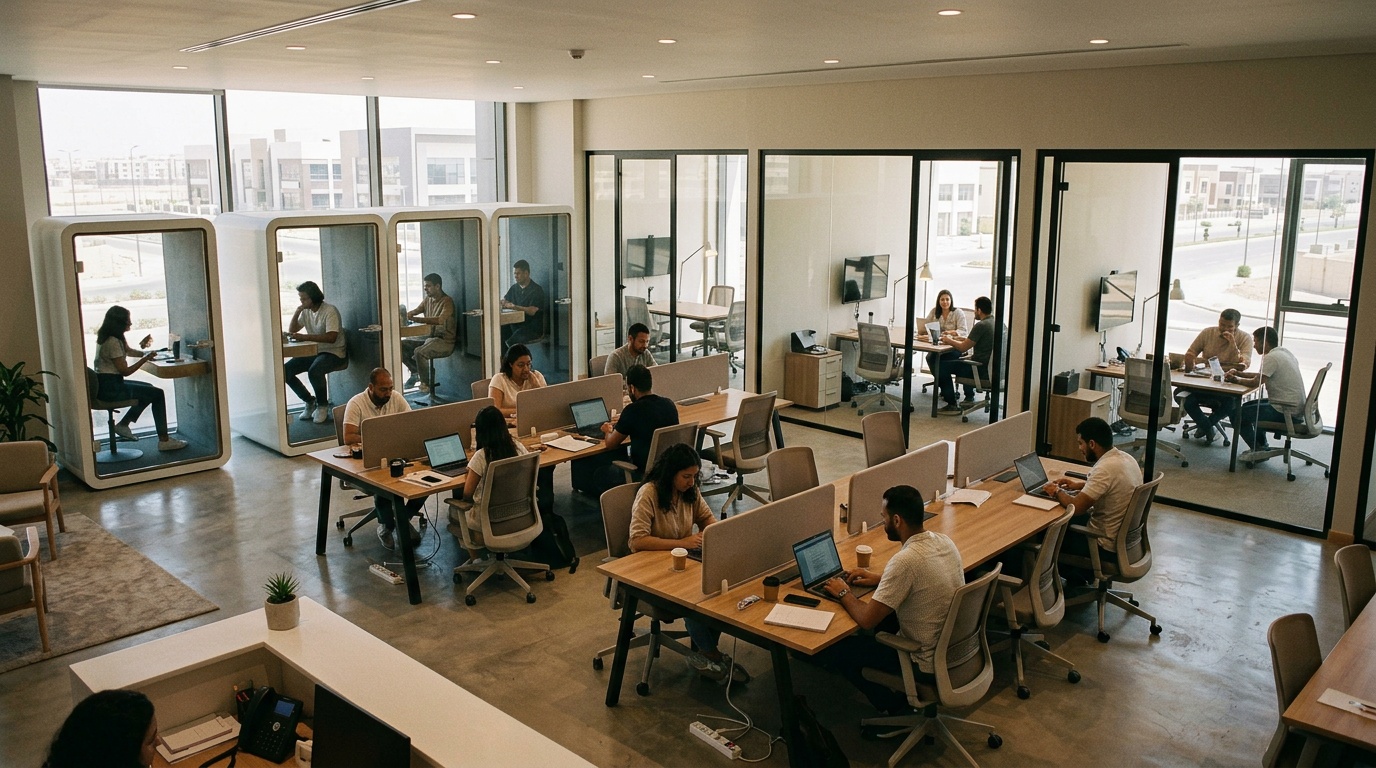
    Several Dubai locations feature acoustically treated rooms with sound-absorbing materials and controlled entry. These zones limit capacity to maintain low noise levels and often include individual phone booths for calls. Comspace offers private work pods that reduce ambient noise while providing essential workspace amenities.

    The best of these spaces don’t just reduce sound. They eliminate the unpredictability that breaks focus.

    Time-Based Quiet Policies That Work

    Some coworking spaces implement strict quiet hours, turning open areas into library-style environments during peak focus times. These locations enforce no-phone zones and restrict conversations to designated areas between 9 a.m. and 5 p.m.

    Private pods within these spaces offer individual control over lighting and temperature. You’re not just getting quiet. You’re getting control over your environment.

    Minimalist Design That Supports Deep Work

    Clean, uncluttered designs with abundant natural light create calm environments for extended work sessions. These spaces feature simple furniture arrangements, minimal visual distractions, and strategic positioning away from high-traffic corridors.

    Natural lighting combined with simplified aesthetics reduces cognitive load. Your brain isn’t processing unnecessary visual information while you’re trying to focus on your actual work.

    Booking Strategy: The best coworking space for a solo freelancer needing a quiet environment in Dubai often fills up by mid-morning. Reserve your spot the night before to secure your preferred desk placement within quiet zones.

    Beyond Quiet: What Solo Freelancers Actually Need

    Internet That Doesn’t Break Your Flow

    Consistent connectivity prevents the frustration of dropped connections that shatter concentration. The best spaces offer dedicated bandwidth for quiet zones. Typically 50+ Mbps download speeds with backup connections. Some provide Ethernet ports at individual desks for extra stability.

    When you’re deep in work, the last thing you need is your connection dropping mid-task.

    Physical Setup for Long Sessions

    Adjustable desk heights, quality seating, and proper monitor positioning reduce physical fatigue during long work sessions. Natural light exposure helps regulate your circadian rhythms and reduces eye strain compared to artificial lighting alone.

    Strong spaces combine both elements. They might also offer individual desk lamps for task-specific illumination when needed.

    Isolation vs. Managed Openness

    Soundproofed rooms offer stronger acoustic isolation but can feel confined during extended use. Quiet zones within open spaces provide visual connection to the broader environment while maintaining low noise levels through clear policies and thoughtful layout.

    Consider your work style. Do you need complete isolation, or does managed openness work better for you?

    Why Enforcement Matters More Than Rules

    Spaces with enforced quiet policies create predictable work environments where interruptions are minimized. These locations designate specific areas for phone calls, restrict food consumption to break areas, and limit networking activities to scheduled times.

    Clear signage helps, but staff enforcement keeps expectations consistent. Rules without enforcement are just suggestions.

    How Hotdesk Removes the Workspace Uncertainty

    Hotdesk’s search filters let you specify noise level preferences, desk positioning, and amenity requirements before browsing available spaces. You can filter by “quiet zones only,” “private booths,” or “library-style” environments to see locations that match your concentration needs.

    No more guessing whether a space will work for your focus requirements.

    Reserve Your Focus Environment in Minutes

    The booking process takes under two minutes from search to confirmation. You can view desk location details for quiet zones, check nearby amenities, and secure your preferred spot immediately. Mobile booking lets you reserve spaces while traveling, ensuring your workspace is ready when you arrive.

    Continuity Insight: Every new place asks you to reorient. You reset your habits, your routes, and your sense of who’s around. Hotdesk exists so that reset isn’t the default.

    Pricing That Fits Project-Based Work

    Hourly rates start around AED 25 for quiet-zone access, while daily passes range from AED 80 to 150 depending on location and amenities. Monthly memberships provide consistent access to preferred quiet spaces across Dubai.

    This flexibility supports project-based schedules without long-term commitments that might not fit freelance income patterns.

    Building Consistency in an Uncertain World

    Best coworking space for a solo freelancer needing a quiet environment in Dubai

    The Hidden Cost of Starting Over Daily

    Solo professionals lose momentum when they must adapt to new environments each day. The cognitive load of processing unfamiliar surroundings, locating resources, and establishing routines drains mental energy that should go to your actual work.

    Consistent workspace access reduces the cost of that daily reset. You arrive, you know where everything is, you start working.

    Presence Without Interruption

    Movement shouldn’t cost you a sense of belonging. The right infrastructure makes continuity possible, wherever you are. This philosophy shapes how quiet spaces operate within the Hotdesk network. Creating familiar experiences across locations while protecting the focus you need for deep work.

    When evaluating the best coworking space for a solo freelancer needing a quiet environment in Dubai, check three things: (1) enforced quiet policy, (2) seating physically separated from walkthrough traffic, and (3) booking predictability. Those factors matter more than décor or lengthy amenity lists.

    When you want consistency across your week, use Hotdesk to return to the same type of setup in different neighborhoods. That repeatability often transforms a decent workspace into the best coworking space for a solo freelancer needing a quiet environment in Dubai for your specific needs.

    Frequently Asked Questions

    Where can a solo freelancer find peace and quiet for deep work in Dubai?

    Solo freelancers needing a quiet environment in Dubai should look for coworking spaces with dedicated silent zones, soundproofing, and strict quiet policies. These spaces are designed to support sustained focus without constant interruptions. Hotdesk’s platform helps you filter for these specific quiet environments.

    Are all coworking spaces in Dubai quiet enough for focused work?

    Not all coworking spaces are equally quiet, as many prioritize networking. Dubai’s scene has evolved to offer spaces specifically designed for deep work, featuring private pods, library-style quiet areas, and enforced no-phone zones. We built Hotdesk to help you find the right environment that matches your focus requirements.

    What features should I look for in a quiet coworking space in Dubai?

    A truly quiet coworking space for deep work offers predictable sound patterns, minimal visual distractions, and clear behavioral expectations. Look for soundproofing, soft furnishings to absorb sound, desks away from high-traffic areas, and consistent enforcement of quiet policies by staff. Dedicated quiet zones are key.

    What amenities are important for a solo freelancer needing a quiet coworking space?

    Beyond quiet, essential amenities include reliable high-speed internet, typically 50+ Mbps, to prevent concentration breaks. Ergonomic comfort with adjustable desks and quality seating, plus natural light, also supports sustained work sessions. These elements reduce physical fatigue and eye strain.

    How can I easily book a quiet coworking space in Dubai?

    Platforms like Hotdesk allow you to filter for quiet environments, preview typical noise levels, and secure dedicated quiet zones or private booths in advance. Booking your spot the night before helps ensure you get your preferred desk placement within these sought-after areas. My goal is to make finding your ideal workspace simple.

    How much does a coworking space cost in Dubai?

    The cost of a coworking space in Dubai varies depending on the location, the specific amenities offered, and the type of membership, whether daily, weekly, or monthly. Hotdesk’s platform shows real-time availability and pricing for different quiet zones and private pods, allowing you to choose what fits your budget.

    About the Author

    MK

    Mohamed Khaled

    Mohamed Khaled

    Forbes 30 Under 30

    Founder & CEO at Hotdesk & Co-founder, DESK Token

    Mohamed Khaled is the Founder and CEO of Hotdesk, the on-demand workspace platform providing access to coworking spaces and flexible offices across more than 120 countries.

    He spent nearly a decade at PwC before moving into financial leadership at SWVL, where he led the company’s $1.5 billion Nasdaq listing, the first Unicorn from thr Middle East to go public in the United States.

    A Forbes 30 Under 30 honoree, Mohamed built Hotdesk from a side project into a global platform, leading a team of more than 50 and expanding into international markets, including the acquisition of Spain-based coworking marketplace YADO.

    Also being Co-founder and President of DESK Token, the world’s first asset backed property investment and utility hybrid token, Mohammed is focused on building infrastructure that unlocks underutilized assets – from meeting rooms to private offices and full on buildings – while creating space for the future of work.

    Last reviewed: April 16, 2026 by the Hotdesk Team
  • Global Coworking: 80+ Countries for Teams 2026

    Global Coworking: 80+ Countries for Teams 2026

    Best global coworking booking platforms covering 80+ countries for distributed teams 2026

    Why Distributed Teams Need Global Coworking Booking Platforms

    Every distributed system asks you to manage new failure modes. When your team spans continents, workspace access becomes one of those failure modes. Your developer in São Paulo needs a reliable internet connection. Your sales manager in Singapore requires a professional meeting room. Your designer in Stockholm wants a creative environment.

    Traditional office leases cannot scale across 80+ countries.

    The Best global coworking booking platforms covering 80+ countries for distributed teams 2026 solve this infrastructure problem. Instead of managing dozens of local contracts, you get one system that travels with your team.

    The Workspace Challenge at Scale

    Remote work created a new engineering challenge: workspace reliability at scale. Companies that once managed one office now coordinate workspaces across time zones. Each location needs consistent standards, predictable availability, and integrated billing.

    Traditional solutions break down quickly. Local coworking memberships create fragmented experiences. Corporate housing costs too much and offers zero flexibility. Hotel business centers lack professional amenities.

    Teams need infrastructure that works at 10x scale.

    The Operational Overhead Problem

    Managing global workspace access manually creates massive operational overhead. Different booking systems, varying payment methods, and inconsistent quality standards drain productivity. Your team spends time solving workspace logistics instead of building products.

    Quality varies dramatically between markets. A “premium” coworking space in one city might lack basic amenities that are standard elsewhere. Teams need predictable experiences regardless of location.

    The Aggregator Solution

    Global booking platforms aggregate workspace inventory into single interfaces. One login provides access to thousands of locations. Centralized billing eliminates expense report complexity. Standardized quality metrics ensure consistent experiences.

    Infrastructure travels: The best platforms don’t just book spaces; they extend your company’s workspace infrastructure globally. Teams get consistent tools, reliable connectivity, and predictable environments anywhere they work.

    Platforms like Comspace demonstrate this approach. Instead of rebuilding workspace access in each market, you use existing infrastructure that’s engineered for scale.

    Identifying Top Global Platforms for 2026

    Best global coworking booking platforms covering 80+ countries for distributed teams 2026

    Technical Infrastructure Requirements

    Geographic coverage alone doesn’t guarantee reliability. The best global coworking booking platforms covering 80+ countries combine extensive reach with solid technical infrastructure. Real-time inventory synchronization prevents double bookings. API-first architecture enables enterprise integrations. Sub-100 ms response times maintain productivity during peak booking periods.

    Quality control systems matter more than raw location counts. Platforms that manually verify each workspace deliver consistent experiences. Automated quality scoring based on user feedback identifies underperforming locations before they impact your team.

    Geographic Distribution Analysis

    Geographic distribution reveals platform maturity. Established networks span developed and emerging markets equally. WeWork covers 38 countries but concentrates in premium markets. Regus operates in 120 countries with deeper penetration in secondary cities. Hotdesk’s network spans 80+ countries with verified quality standards across all locations.

    Market depth varies significantly between platforms. Some prioritize capital cities; others include regional business centers. Teams working across diverse markets need platforms that maintain consistent availability regardless of location tier.

    Enterprise User Experience Design

    Interface design impacts adoption rates across global teams. Single sign-on integration reduces friction for enterprise users. Mobile-first booking accommodates teams working across time zones. Offline booking capabilities handle connectivity issues in emerging markets.

    Feature Enterprise Platforms Consumer Platforms Hotdesk Network
    Booking Window Same day to 6 months 24 to 48 hours in advance Instant to 12 months
    Payment Methods Corporate cards, invoicing Credit cards only Flexible billing options
    Cancellation Policy 2-hour minimum notice 24-hour notice required 30-minute notice accepted

    Booking Latency and Flexibility

    Booking latency affects team productivity. Instant confirmation systems use real-time inventory management. Platforms with manual approval processes create delays that disrupt workflows.

    Cancellation policies reveal platform confidence in their inventory management. Flexible cancellation terms indicate accurate real-time availability tracking. Restrictive policies suggest inventory management challenges that platforms pass to users.

    Core Features for Distributed Teams

    Unified Financial Management

    Enterprise finance teams need consolidated workspace spending data. Individual bookings across dozens of platforms create accounting complexity. Leading global coworking platforms provide unified billing with detailed usage analytics.

    Cost allocation becomes straightforward when all workspace expenses flow through one system. Department-level reporting shows actual workspace utilization patterns. Teams can optimize spending based on real usage data rather than estimated needs.

    Inventory Management at Scale

    Inventory synchronization prevents booking failures. Platforms with 30-second refresh rates maintain accuracy during high-demand periods. Technical reliability beats marketing claims about smooth experiences.

    Booking confirmation latency affects team planning. Sub-second confirmation enables last-minute workspace changes. Teams working across time zones need systems that respond immediately regardless of local market hours.

    Data-Driven Workspace Optimization

    Usage patterns reveal optimization opportunities. Analytics showing peak booking times, preferred workspace types, and geographic distribution guide strategic decisions. Teams can identify underutilized markets and reallocate resources accordingly.

    What works at 10x: Platforms that provide workspace utilization metrics enable data-driven expansion decisions. Instead of guessing which markets need more capacity, teams can analyze actual booking patterns and user preferences.

    Two-Sided Platform Benefits

    Platform quality depends on operator success. Hotdesk’s dual-sided approach supports both workspace seekers and providers. The host platform gives operators inventory management tools, revenue optimization features, and integration capabilities that maintain network quality standards.

    Operator tools directly impact user experience. When workspace providers have efficient management systems, they can focus on service quality rather than administrative overhead. This creates better experiences for distributed teams booking through the platform.

    Building Reliable Global Networks

    Operator Success Models

    Successful platforms create value for workspace operators, not just users. Revenue sharing models align platform and operator incentives. Marketing reach helps operators fill capacity during off-peak periods. Technical infrastructure reduces operator overhead while improving service delivery.

    Operator retention affects network stability. Platforms with high operator churn create inconsistent user experiences. Long-term partnerships between platforms and workspace providers build the reliable infrastructure distributed teams require.

    Coordination at Scale

    Global networks face complex coordination challenges. Time zone differences affect real-time inventory updates. Local payment preferences vary by market. Regulatory requirements change across jurisdictions.

    Engineered for scale: platforms that solve these challenges create competitive advantages. Automated inventory synchronization handles time zone complexity. Multi-currency support accommodates local preferences. Compliance frameworks adapt to regional requirements without compromising user experience.

    Hotdesk’s Infrastructure Approach

    Infrastructure travels when both sides of the marketplace have proper tools. Hotdesk’s host platform provides operators with booking management, payment processing, and customer communication tools. This integrated approach maintains service quality across the entire network.

    Continuity over reset applies to operator relationships. Rather than treating workspace providers as interchangeable inventory, Hotdesk builds long-term partnerships. This approach creates stable networks that distributed teams can depend on for consistent experiences.

    Building Future-Ready Workspace Strategy

    Best global coworking booking platforms covering 80+ countries for distributed teams 2026

    Flexibility Over Fixed Commitments

    Market conditions change faster than lease agreements. Global booking platforms provide flexibility that traditional office contracts cannot match. Teams can expand into new markets without capital commitments. Economic downturns require immediate capacity adjustments that only flexible workspace networks can accommodate.

    Dynamic Cost Optimization

    Pay-per-use models align costs with actual needs. Traditional office leases require capacity planning based on peak usage. Global platforms let teams scale workspace consumption dynamically. This approach reduces fixed costs while maintaining access to professional environments worldwide.

    Standardized Global Experience

    Employee satisfaction depends on predictable workspace quality. The best global coworking booking platforms covering 80+ countries maintain consistent standards across all locations. Teams get reliable internet, professional meeting rooms, and productive environments regardless of which market they’re working in.

    Systems over announcements: Platforms that prioritize technical infrastructure and operator success create the reliable experiences distributed teams need. Marketing promises fade, but engineering discipline builds lasting competitive advantages.

    Frequently Asked Questions

    Why do distributed teams need global coworking booking platforms?

    Distributed teams face workspace access issues across continents, which can become a failure mode. Global coworking booking platforms provide a single system to manage workspace infrastructure, preventing the need for dozens of local contracts. This ensures team members always have reliable, professional environments without operational re-work.

    How do global coworking booking platforms simplify workspace management?

    These platforms aggregate thousands of workspaces into one interface, simplifying access and eliminating fragmented experiences. They offer centralized billing and standardized quality, removing varied payment methods and inconsistent standards. This allows teams to focus on building products, not solving workspace logistics.

    What criteria define a top global coworking booking platform?

    Top global coworking booking platforms combine extensive geographic reach with strong technical infrastructure. This includes real-time inventory synchronization, API-first architecture for enterprise integrations, and sub-100 ms response times. Quality control systems, like manual verification and automated user feedback scoring, also ensure consistent experiences across all locations.

    How do these platforms ensure consistent quality across different countries?

    Global coworking booking platforms standardize quality metrics and implement verification processes. Some platforms manually verify each workspace, while others use automated quality scoring based on user feedback. This ensures teams receive predictable, professional experiences regardless of their location, avoiding the disruption of inconsistent amenities.

    What features beyond booking do global coworking platforms offer?

    Beyond booking, these platforms provide centralized billing with detailed usage analytics, simplifying expense management for finance teams. They also offer real-time availability and instant reservations, preventing booking failures and ensuring consistent access to workspaces. This extends your company’s workspace infrastructure globally.

    Can global coworking platforms handle instant bookings and flexible cancellations?

    Yes, the best global coworking booking platforms prioritize instant confirmation systems that use real-time inventory management. This prevents delays that disrupt workflows and maintains team productivity. Flexible cancellation policies also indicate accurate real-time availability tracking, offering teams greater adaptability.

    About the Author

    MS

    Mohammad El Shaari

    Mohammad El Shaari

    CTO at Hotdesk

    Mohammad El Shaari is the CTO of Hotdesk, where he leads the engineering team building and scaling a global SaaS platform for on-demand workspace bookings across 80+ countries. A Computer Science graduate from The British University in Egypt, he brings over a decade of hands-on experience in enterprise software, AI, cloud infrastructure, and cybersecurity.

    Before Hotdesk, he served as CTO of Vee Tech, where he led technical delivery for 12+ enterprise clients generating $30M+ in annual revenue, and helped build Egypt’s first innovation lab at Capital International Schools.

    At Hotdesk, Mohammad focuses on building scalable systems that handle real-time availability, global user distribution, and high-throughput transactions. He specializes in scalable system design, cloud-native infrastructure, and building high-performance SaaS platforms that support global user bases.

    He writes about scaling SaaS platforms, backend architecture, mobile engineering, and real-world technical decisions behind building and operating global products.

    Last reviewed: April 16, 2026 by the Hotdesk Team
  • Riyadh Office: Private vs. Coworking | Hotdesk

    Riyadh Office: Private vs. Coworking | Hotdesk

    private office vs shared coworking space in Riyadh

    Private Office vs Shared Coworking Space in Riyadh: Which Works Best for Your Business?

    Understanding Your Workspace Needs: Private Office vs. Shared Coworking in Riyadh

    Defining the Core Differences: Privacy and Purpose

    The private office vs shared coworking space in Riyadh decision starts with how your team actually works. Private offices give you enclosed environments where you control conversations, workflow, and daily rhythms. Shared coworking spaces provide open access to desks, meeting rooms, and common areas alongside other professionals.

    This isn’t just about square footage. It’s about what your business needs to maintain momentum. Some teams require uninterrupted focus sessions. Others thrive on the energy that comes from shared presence.

    Why Familiarity Matters in a Growing City

    Every new workspace asks you to reorient. You learn the coffee machine, figure out Wi-Fi access, find the quiet corners. With a private office, this happens once. With flexible coworking through platforms like Comspace, you access multiple locations while keeping your preferences consistent.

    Riyadh’s business districts are expanding rapidly, from King Abdullah Financial District to Olaya. Having consistent workspace access across these areas means you don’t start over each time your location needs shift.

    Riyadh’s Business Reality

    Key Insight: Vision 2030 initiatives are drawing international companies and local startups to Riyadh. This creates demand for both established private offices and flexible coworking options that adapt to fast growth.

    The city’s workspace market reflects this reality. Established firms often choose private offices in premium towers for client meetings and team stability. Growing companies and remote professionals increasingly opt for coworking spaces that offer professional environments without long-term commitments.

    The Case for a Private Office in Riyadh: Control, Focus, and Brand Identity

    private office vs shared coworking space in Riyadh

    Private offices support uninterrupted work. Your team gets space to think clearly without outside distractions. In Riyadh’s competitive business environment, this means longer focus sessions, confidential client calls, and planning meetings that require privacy.

    Security and Confidentiality: Protecting Sensitive Information

    Financial firms, legal practices, and consulting companies handling sensitive client information often need private offices for practical reasons. When conversations involve proprietary data, merger discussions, or client strategy, shared spaces introduce avoidable risk. Private offices in Riyadh’s business districts offer controlled access, secure storage, and confidential meeting spaces.

    Your Brand in Physical Form

    Brand Consistency: Private offices let companies create environments that reflect their culture and values. From wall colors to furniture choices, each element can reinforce brand identity when clients visit.

    Your workspace communicates before you speak. Private offices let you control that message, from reception design to meeting-room setup. This matters for client-facing businesses where first impressions influence outcomes.

    Stronger Internal Rhythms

    Teams that choose private offices in the private office vs shared coworking space in Riyadh decision often build stronger internal routines. Shared territory creates natural touchpoints throughout the day. Team members coordinate quickly, share updates, and stay aware of progress without scheduling meetings for every small alignment.

    Private offices also let companies set their own operating rhythms. Some teams work best with morning standups; others prefer afternoon check-ins. You control the protocol.

    The Appeal of Shared Coworking Spaces in Riyadh: Flexibility, Community, and Cost Control

    Shared coworking works when businesses need access quickly without long-term commitments. Riyadh’s startup ecosystem and international companies setting up regional operations often use coworking to test a market, scale a team, or maintain presence while planning longer-term moves.

    The Power of Proximity

    Coworking spaces create natural interaction points. Coffee breaks, shared meeting rooms, and common areas lead to conversations that become partnerships, referrals, and knowledge exchange. This happens without staged networking events or scheduled introductions.

    People working on similar challenges share insights informally. A marketing consultant might catch a useful approach in passing. A founder may connect with a potential advisor through day-to-day proximity.

    Scalability That Matches Growth

    Growth Flexibility: Coworking spaces let teams expand from two desks to ten without changing buildings. Many providers allow month-to-month adjustments to match hiring cycles and project demands.

    In the private office vs shared coworking space in Riyadh comparison, scalability often drives the choice for growing companies. Private offices can involve lease renegotiations and moves. Coworking adjusts capacity within the same environment, supporting continuity while needs change.

    Lower Overhead

    Shared coworking reduces overhead that private offices often carry. Teams avoid separate utility setup, furniture procurement, and maintenance contracts. Many spaces are ready on day one, with costs that track more closely to usage.

    This works for businesses with variable income or seasonal operations. Rather than paying for unused space during slower periods, members adjust their commitment based on current needs.

    Bridging the Gap: How Hotdesk Offers Continuity in Riyadh’s Workspace Market

    Switching between private offices and coworking has traditionally meant starting over with new providers, new booking systems, and unfamiliar environments. Hotdesk reduces that friction by giving access to both workspace types through one platform.

    Your preferences, booking history, and professional connections move with you. Whether you need a private office for quarterly planning or a coworking desk for day-to-day execution, the transition happens with less administrative overhead.

    Consistent Access Across Markets

    Riyadh professionals often travel to Dubai, Abu Dhabi, and other international markets. Hotdesk’s network keeps workspace access consistent across locations, reducing the friction that can come with business travel.

    Continuity Advantage: The same booking system, quality expectations, and support structure follow you from Riyadh to London to Cairo, supporting steady operations across cities.

    A Practical Approach to Workspace Selection

    Rather than forcing a single answer to private office vs shared coworking space in Riyadh, Hotdesk is built for the reality that needs change. The platform supports both options, letting project type, team size, and business stage guide the decision.

    Find a space that already knows you’re coming.

    Frequently Asked Questions

    What are the main differences between a private office and a shared coworking space in Riyadh?

    Private offices provide enclosed, controlled environments for focused work and team stability. Shared coworking spaces offer open access to desks and common areas, fostering interaction and flexibility. The choice reflects your team’s work style and business stage.

    Is a shared coworking space more cost-effective than a private office in Riyadh?

    Yes, shared coworking spaces often reduce overhead costs, as they typically include utilities, furniture, and maintenance. Businesses can avoid separate setup expenses, making them ready for use on day one. This approach helps maximize your budget in Riyadh.

    How does a private office support brand identity and confidentiality for businesses in Riyadh?

    Private offices allow companies to customize their environment, reinforcing brand identity for clients and visitors. They also provide a secure setting for confidential discussions, protecting sensitive client information and proprietary data. This control is essential for many professional services.

    What benefits do shared coworking spaces offer for flexibility and community in Riyadh?

    Shared coworking spaces offer quick access without long-term commitments, allowing businesses to adapt rapidly to changing needs. They naturally foster community through shared areas, leading to informal networking and knowledge exchange. This supports growth and new connections.

    How does Riyadh's Vision 2030 influence workspace choices?

    Riyadh’s Vision 2030 initiatives are attracting many international companies and local startups, increasing demand for diverse workspaces. This influx creates a need for both established private offices and flexible coworking options that can adapt to rapid growth. The city’s market reflects this duality.

    How do shared coworking spaces help businesses scale their operations in Riyadh?

    Coworking spaces offer scalability on demand, allowing teams to expand or contract their workspace capacity without changing locations. Many providers offer month-to-month adjustments, matching hiring cycles and project demands. This supports continuity as your business grows in Riyadh.

    Can a private office improve team cohesion compared to other workspace options?

    Yes, private offices can foster stronger internal routines and faster collaboration among team members. Shared territory creates natural touchpoints throughout the day, enabling quick coordination and updates without constant scheduling. This helps cultivate a shared sense of purpose.

    About the Author

    MK

    Mohamed Khaled

    Mohamed Khaled

    Forbes 30 Under 30

    Founder & CEO at Hotdesk & Co-founder, DESK Token

    Mohamed Khaled is the Founder and CEO of Hotdesk, the on-demand workspace platform providing access to coworking spaces and flexible offices across more than 120 countries.

    He spent nearly a decade at PwC before moving into financial leadership at SWVL, where he led the company’s $1.5 billion Nasdaq listing, the first Unicorn from thr Middle East to go public in the United States.

    A Forbes 30 Under 30 honoree, Mohamed built Hotdesk from a side project into a global platform, leading a team of more than 50 and expanding into international markets, including the acquisition of Spain-based coworking marketplace YADO.

    Also being Co-founder and President of DESK Token, the world’s first asset backed property investment and utility hybrid token, Mohammed is focused on building infrastructure that unlocks underutilized assets – from meeting rooms to private offices and full on buildings – while creating space for the future of work.

    Last reviewed: April 16, 2026 by the Hotdesk Team
  • Dubai Meeting Rooms: Book Private Spaces Fast 2026

    Dubai Meeting Rooms: Book Private Spaces Fast 2026

    Best platforms for booking a private meeting room in Dubai on short notice 2026

    The Urgent Need: Why Dubai Businesses Book Private Meeting Rooms at the Last Minute

    The Pace of Business in Dubai

    Dubai operates on compressed timelines. Deal negotiations accelerate from weeks to hours. Client meetings materialize with 30-minute notice. Traditional office booking systems, designed for predictable schedules, break down when your next partnership depends on securing space immediately.

    The city’s position as a global business hub means time zones collide. A Singapore investor lands at 2 PM, needs to meet by 4 PM, and your conference room is occupied until tomorrow. This isn’t poor planning. It’s international commerce moving at network speed.

    When “Now” Is the Only Option: Critical Scenarios

    Emergency client calls require immediate face-to-face resolution. Regulatory meetings surface without warning. Team crisis sessions cannot wait for next week’s availability. Investment presentations get moved up 48 hours, demanding professional space that reflects your company’s standards.

    Consider the merger discussion that shifts from a video call to an in-person meeting within hours. Or the compliance audit that requires secure, private space by end of business. These scenarios demand infrastructure that responds to urgency without compromising quality.

    The Mathematics of Delay

    A postponed client presentation can shift $2M contracts to competitors. Regulatory deadlines don’t accommodate booking availability. International stakeholders won’t reschedule around your space constraints.

    The math is clear: losing a deal because you couldn’t secure appropriate meeting space costs far more than premium last-minute booking rates. Systems over announcements means having platforms ready when opportunity strikes.

    Critical Timing Factor

    In Dubai’s business environment, platforms must deliver confirmation within 15 minutes, not 24 hours.

    Strategic Advantage of External Venues

    Your office conference room sends one message. A premium meeting space in DIFC or Downtown Dubai sends another. External venues provide neutral ground for sensitive negotiations and signal investment in the relationship.

    Professional meeting spaces offer technical infrastructure your office might lack: enterprise-grade video conferencing, simultaneous interpretation capabilities, and backup power systems. When stakes are high, environmental variables must be controlled and predictable.

    Dubai’s Workspace Platforms: Technical Infrastructure for Instant Bookings

    Best platforms for booking a private meeting room in Dubai on short notice 2026

    Every distributed system forces new failure modes. When you need a meeting room in Dubai within hours, platform reliability determines whether your client meeting happens or falls apart. Engineering beats marketing promises.

    Hotdesk: UAE-Native Infrastructure

    Infrastructure travels. Hotdesk operates across 80+ countries with sub-15-minute confirmation times because the platform was built for distributed teams from day one. In Dubai, the system maintains 94% availability for same-day bookings across business districts including DIFC and Business Bay.

    The technical advantage is real-time inventory sync with local operators, preventing double-bookings and reducing last-minute cancellations. When you book through Hotdesk, space gets reserved immediately. Not held for manual confirmation.

    Platform Architecture: What Enables “Short Notice Ready”?

    Platform Feature Hotdesk Traditional Providers Hotel Business Centers
    Confirmation Time Under 15 minutes 2-24 hours Subject to availability
    Real-time Inventory API-integrated Manual updates Phone-based
    Cancellation Policy 2-hour notice 24-48 hours Same-day charges
    Payment Processing Instant digital Invoice-based Front desk only

    Systems over announcements. Effective platforms stand out through technical execution, not feature lists. This approach prioritizes infrastructure designed for immediate deployment rather than complex negotiations.

    Technical Requirements: Essential Features for Last-Minute Success

    What works at 10x scale shows itself under pressure. When booking meeting rooms on short notice, technical infrastructure becomes the difference between professional success and embarrassing failure. The features that matter aren’t amenities. They’re reliability signals.

    Connectivity and AV: The Engineering Standards

    Bandwidth specifications tell the real story. Professional meeting spaces in Dubai should guarantee minimum 100 Mbps symmetric internet with redundant connections. AV systems should support plug-and-play compatibility with laptops, not proprietary adapters that fail during presentations.

    The engineering standard includes 4K display capability, wireless screen sharing, and backup connectivity options. When systems work without local IT support, meetings start on time.

    Cost Architecture: Hourly Models and Hidden Traps

    Transparent Pricing Models

    • All-inclusive hourly rates that include AV equipment
    • No setup fees for standard configurations
    • Clear cancellation policies with digital confirmations
    • Real-time pricing based on actual availability

    Hidden Cost Traps

    • Equipment rental fees added at checkout
    • Minimum duration requirements during peak hours
    • Service charges for same-day reservations
    • Cleaning fees for standard meeting usage

    Engineered for scale means predictable costs. Effective platforms show total cost upfront, including taxes and fees, before payment details are requested.

    Booking Protocol: Securing Dubai Meeting Rooms in Minutes

    When you need space within the hour, the booking process becomes a technical challenge requiring precise execution. Effective platforms remove friction through automated workflows, not manual intervention.

    The 5-Minute Booking Protocol

    Execution Checklist

    1. Filter by availability window: Set time requirements first to eliminate unavailable options.
    2. Verify technical specs: Confirm AV capabilities match presentation needs.
    3. Check location accessibility: Validate parking and metro proximity for attendees.
    4. Review total cost breakdown: Confirm no added fees appear at checkout.
    5. Secure instant confirmation: Get digital receipt with access details, not pending status.

    From Search to Confirmation: The Hotdesk Architecture

    Hotdesk’s booking system processes payment and space allocation simultaneously, generating access credentials within minutes of confirmation. No phone calls, no email chains, no manual verification steps.

    The technical advantage shows in edge cases: when your original selection becomes unavailable during checkout, the system suggests alternatives within your parameters instead of forcing a restart.

    Market Evolution: On-Demand Workspace Infrastructure in Dubai

    Best platforms for booking a private meeting room in Dubai on short notice 2026

    Dubai’s infrastructure expansion accelerates flexible workspace adoption. The city’s role as a global business hub drives demand for meeting spaces accommodating international teams across time zones, not only local office hours.

    Economic Shift: From Fixed Leases to Demand-Based Access

    Real estate costs in prime Dubai locations reach AED 150+ per square foot annually. Companies find that booking meeting rooms on demand costs about 60% less than maintaining dedicated conference facilities for occasional use.

    The economics favor flexibility when occupancy patterns shift. Remote teams need meeting spaces sporadically, making fixed office leases inefficient for actual usage patterns.

    Operator Integration: Enabling Global Access

    Engineered for scale means local operators connect to global booking systems. Dubai workspace providers using platforms like Hotdesk can reach international demand while maintaining operational control of physical spaces.

    This model creates value for both sides: instant access for users and optimized utilization for operators. The system scales across markets without requiring separate infrastructure investments.

    Frequently Asked Questions

    Ever need a professional presence without the overhead?

    While our focus is on securing physical private meeting rooms in Dubai, many businesses pair this with virtual office services. This allows you to maintain a business address and communication channels, ensuring continuity even when you’re not physically present. It’s about having the right infrastructure ready.

    How can I rent a private meeting room in Dubai?

    Renting a private meeting room in Dubai, especially on short notice, requires platforms built for speed and reliability. Services like Hotdesk offer real-time inventory and sub-15-minute confirmation times across key business districts. This eliminates the re-work of manual bookings and ensures your space is secured immediately.

    How much does a professional meeting space cost in Dubai?

    The cost of a professional meeting space in Dubai varies based on location, duration, and included amenities. Platforms designed for short notice bookings, like Hotdesk, provide transparent, all-inclusive hourly rates upfront, avoiding hidden fees. Remember, the cost of a lost deal due to unavailable space far exceeds any room rental fee, making reliable booking an investment in continuity.

    How do I book a meeting room using internal systems like Outlook for external needs?

    While Outlook is effective for managing internal schedules, it’s not designed for securing external private meeting rooms in Dubai on short notice. For urgent client meetings or presentations, you need platforms with real-time inventory and instant confirmation. Relying on traditional internal systems for external, last-minute needs often leads to delays and re-work.

    Why is booking a private meeting room on short notice so important in Dubai?

    Dubai’s business environment operates at network speed, where deals and client meetings materialize with minimal warning. Booking a private meeting room on short notice is critical because delays can cost millions in lost contracts or missed regulatory deadlines. Having systems ready for immediate deployment prevents re-work and ensures business continuity.

    About the Author

    MS

    Mohammad El Shaari

    Mohammad El Shaari

    CTO at Hotdesk

    Mohammad El Shaari is the CTO of Hotdesk, where he leads the engineering team building and scaling a global SaaS platform for on-demand workspace bookings across 80+ countries. A Computer Science graduate from The British University in Egypt, he brings over a decade of hands-on experience in enterprise software, AI, cloud infrastructure, and cybersecurity.

    Before Hotdesk, he served as CTO of Vee Tech, where he led technical delivery for 12+ enterprise clients generating $30M+ in annual revenue, and helped build Egypt’s first innovation lab at Capital International Schools.

    At Hotdesk, Mohammad focuses on building scalable systems that handle real-time availability, global user distribution, and high-throughput transactions. He specializes in scalable system design, cloud-native infrastructure, and building high-performance SaaS platforms that support global user bases.

    He writes about scaling SaaS platforms, backend architecture, mobile engineering, and real-world technical decisions behind building and operating global products.

    Last reviewed: April 16, 2026 by the Hotdesk Team
  • Best No-Contract Coworking Platforms 2026

    Best No-Contract Coworking Platforms 2026

    Best coworking booking platforms with no contract or commitment required 2026

    The Real Cost of Commitment: Why No-Contract Coworking Is the Future of Work

    Traditional coworking memberships ask you to commit before you know what you need. Monthly fees pile up whether you use the space or not. Annual contracts lock you into locations that might not serve your evolving work patterns. The best coworking booking platforms with no contract or commitment required 2026 solve this by letting you pay for presence, not promises.

    The Unseen Costs of Traditional Memberships

    The math rarely works. A $300 monthly membership becomes $3,600 annually, even if you only need workspace twice a week. When projects shift or travel plans change, you still pay for empty desks. No-contract platforms flip this model. You book when you need space, where you need it.

    People move between cities, projects, and work phases. Most systems treat this as an exception. Flexible booking recognizes movement as normal. When you can access quality workspace in Dubai one week and London the next, your productivity doesn’t reset with your location.

    The Real Shift: No-contract coworking isn’t about avoiding commitment. It’s about committing to your work, not your workspace. When booking becomes instant and payment becomes precise, you optimize for output, not occupancy.

    Matching Your Space to Your Needs

    Different tasks need different environments. Client calls require quiet booths. Creative sessions benefit from collaborative areas. Deep work demands distraction-free zones. Contract-free platforms let you match your space to your needs each day, rather than accepting whichever desk your membership provides.

    Best coworking booking platforms with no contract or commitment required 2026

    The strongest platforms share common traits: instant booking, transparent pricing, and global reach. They understand that modern work doesn’t follow membership calendars. These platforms treat flexibility as infrastructure, not an add-on feature.

    Hotdesk: Global Access, Zero Commitment

    Hotdesk operates across MENA, Europe, and beyond with a simple premise: book what you need, when you need it. No monthly minimums. No annual contracts. The platform connects you to vetted spaces in more than 50 cities, from Cairo to Barcelona. When your project moves, your workspace access moves with you.

    Platform Comparison: Key Players in the On-Demand Market

    Platform Booking Window Payment Model Geographic Coverage Key Differentiator
    Hotdesk Instant to 30 days Per hour/day 50+ cities globally No contracts, consistent experience
    Breather Same day Hourly rates North America focused Private spaces by the hour
    Spacious Real-time Dynamic pricing Major U.S. cities Restaurant and cafe integration

    What Makes a Platform Truly Flexible

    Real flexibility means more than avoiding contracts. Look for instant booking confirmation, transparent pricing with no hidden fees, and quality standards across listed spaces. The platform should handle payments smoothly and provide consistent amenities across locations. Most importantly, confirm that the platform operates where you actually work. Not only where it plans to expand.

    Building Presence Without Commitment

    Strong platforms deliver more than workspace access. They create conditions where professional presence builds naturally, without forced community or long-term commitments. This approach respects how modern work actually happens.

    How Consistency Works Without Contracts

    Booking workspace on demand doesn’t mean starting fresh every time. Strong platforms remember your preferences, track usage patterns, and connect you with familiar environments across locations. When you book Comspace repeatedly, the staff recognizes you. When you use Hotdesk in multiple cities, your profile travels with you. Presence builds through consistency of experience, not contract length.

    From Mobile to Networked

    Flexible booking solves the networking paradox for mobile professionals. Traditional memberships tie you to one location. Hot desking can lack continuity. Contract-free platforms with global reach let you maintain professional relationships across cities while building new ones locally. Your network expands geographically without losing depth in any single market.

    Founder Perspective: “Every new place asks you to reorient. You reset your habits, your routes, your sense of who’s around. The reset shouldn’t be the default. Movement shouldn’t cost you belonging.”

    Why Operators Choose Flexibility

    Workspace operators benefit from contract-free models too. They fill unused capacity during off-peak hours, attract international professionals who bring diverse perspectives, and reduce administrative overhead tied to long-term contracts. Flexible booking creates win-win scenarios: operators improve utilization while users access premium spaces without premium commitments.

    Securing Your Ideal Workspace Strategy

    Moving to contract-free coworking requires strategic thinking, not just tactical booking. Success comes from knowing how to maximize flexibility while building sustainable work patterns.

    Finding Your Fit: A Step-by-Step Guide

    Start by mapping your actual workspace needs over the past three months. How often did you need quiet focus time versus collaborative space? Which days required client-ready environments? Test different platforms in your primary work city first. Book single sessions at several spaces to assess quality standards and booking flow before relying on a platform for important meetings.

    Planning for Future Workspace Needs

    Flexibility doesn’t mean unpredictability. Successful users develop booking rhythms that balance spontaneity with reliability. They identify go-to spaces in each city they frequent while staying open to new locations. They track spending patterns to keep per-use costs below traditional membership fees.

    When to Choose On-Demand Over Membership

    Choose contract-free booking when your location changes monthly, your workspace needs vary by project, or your membership utilization falls below 60%. Stick with memberships only if you use the same desk more than four days per week in a single location. Many professionals use a hybrid approach: one primary membership plus flexible booking for travel and overflow needs.

    Frequently Asked Questions

    Which platforms compete with traditional coworking models like WeWork for flexible users?

    Traditional models like WeWork ask for commitments, but the best coworking booking platforms with no contract or commitment required offer a different path. Platforms like Hotdesk focus on instant, pay-as-you-go access to vetted spaces globally. This allows you to commit to your work and output, not a fixed location or occupancy agreement.

    Do no-contract coworking booking platforms offer free options?

    Generally, platforms like Hotdesk operate on a transparent pay-per-use model, charging by the hour or day for workspace. This means you only pay for the specific time you actually use the space. The value comes from accessing quality facilities without any upfront fees or monthly minimums, ensuring you pay for presence, not promises.

    Can coworking spaces be profitable when offering no-contract options?

    Absolutely. Flexible booking platforms help coworking space operators fill unused capacity, especially during off-peak hours. This model attracts a wider range of professionals, including international users, leading to better utilization and reduced administrative work. It creates a beneficial situation for both operators and users, optimizing for output.

    What terms describe flexible workspace options like those offered by no-contract platforms?

    These are often called “on-demand workspaces,” “flexible workspaces,” or “no-contract coworking spaces.” Platforms like Hotdesk connect you to these spaces, allowing you to book instantly by the hour or day. It is about accessing professional environments without the burden of long-term agreements, supporting your work rhythm wherever you are.

    How do no-contract coworking platforms differ from traditional providers like Regus or WeWork?

    Traditional providers like Regus and WeWork often require monthly or annual commitments, locking you into specific terms. No-contract platforms, such as Hotdesk, allow you to book and pay only for the time you need, without any long-term agreements. This approach gives you complete freedom to adapt your workspace to your evolving needs and locations, ensuring continuity.

    What should I look for in the best coworking booking platforms with no contract?

    The best platforms offer instant booking confirmation, transparent pricing without hidden fees, and consistent quality across their listed spaces. They should also provide smooth payment processing and operate in the cities where you actually work. Hotdesk, for example, focuses on these core elements to ensure a seamless experience and support your professional presence.

    About the Author

    MK

    Mohamed Khaled

    Mohamed Khaled

    Forbes 30 Under 30

    Founder & CEO at Hotdesk & Co-founder, DESK Token

    Mohamed Khaled is the Founder and CEO of Hotdesk, the on-demand workspace platform providing access to coworking spaces and flexible offices across more than 120 countries.

    He spent nearly a decade at PwC before moving into financial leadership at SWVL, where he led the company’s $1.5 billion Nasdaq listing, the first Unicorn from thr Middle East to go public in the United States.

    A Forbes 30 Under 30 honoree, Mohamed built Hotdesk from a side project into a global platform, leading a team of more than 50 and expanding into international markets, including the acquisition of Spain-based coworking marketplace YADO.

    Also being Co-founder and President of DESK Token, the world’s first asset backed property investment and utility hybrid token, Mohammed is focused on building infrastructure that unlocks underutilized assets – from meeting rooms to private offices and full on buildings – while creating space for the future of work.

    Last reviewed: April 16, 2026 by the Hotdesk Team