
How to set up a company in Saudi Arabia / GCC expansion
Why Saudi Arabia Is Your Next Strategic Move
Setting up a company in Saudi Arabia starts with understanding why now matters. Vision 2030 has transformed the business environment, creating opportunities for GCC nationals that weren’t there five years ago. The process includes choosing your legal structure, securing approvals through MISA, and obtaining commercial registration. Most GCC businesses complete setup within 30-45 days with proper preparation.
The Growing Momentum of the GCC Market
The GCC market represents $1.8 trillion in combined GDP, with Saudi Arabia accounting for nearly half. Cross-border business within the region has increased 40% since 2020, driven by digital transformation and regulatory alignment. GCC nationals benefit from streamlined processes that take weeks instead of months.
Movement between GCC markets is no longer just about opportunity. It’s about continuity. Your business systems, banking relationships, and operating knowledge transfer more smoothly within the region than they did before.
Vision 2030: A Catalyst for Regional Expansion
Vision 2030 eliminated 1,200+ bureaucratic procedures and introduced same-day business licensing for many sectors. The Foreign Investment Law now allows 100% foreign ownership in most industries, while the Ministry of Investment (MISA) provides single-window clearance.
Reality Check: Saudi Arabia processed 180,000+ new business licenses in 2023, with GCC nationals representing 35% of applications. Average processing time dropped from 16 days to 7 days for standard commercial activities.
Identifying Your Business’s Fit
Technology, healthcare, logistics, and professional services lead GCC expansion into Saudi Arabia. The NEOM project alone will require 50,000+ businesses across construction, tech, and hospitality by 2030. Financial services and consulting see smoother transitions due to regulatory alignment.
Your existing GCC operations provide natural advantages. Client relationships, regulatory familiarity, and cultural understanding translate directly. The question isn’t whether to expand, but how quickly you can establish presence while maintaining operational continuity across markets.
GCC Nationals in Saudi Arabia: Your Eligibility and Legal Options
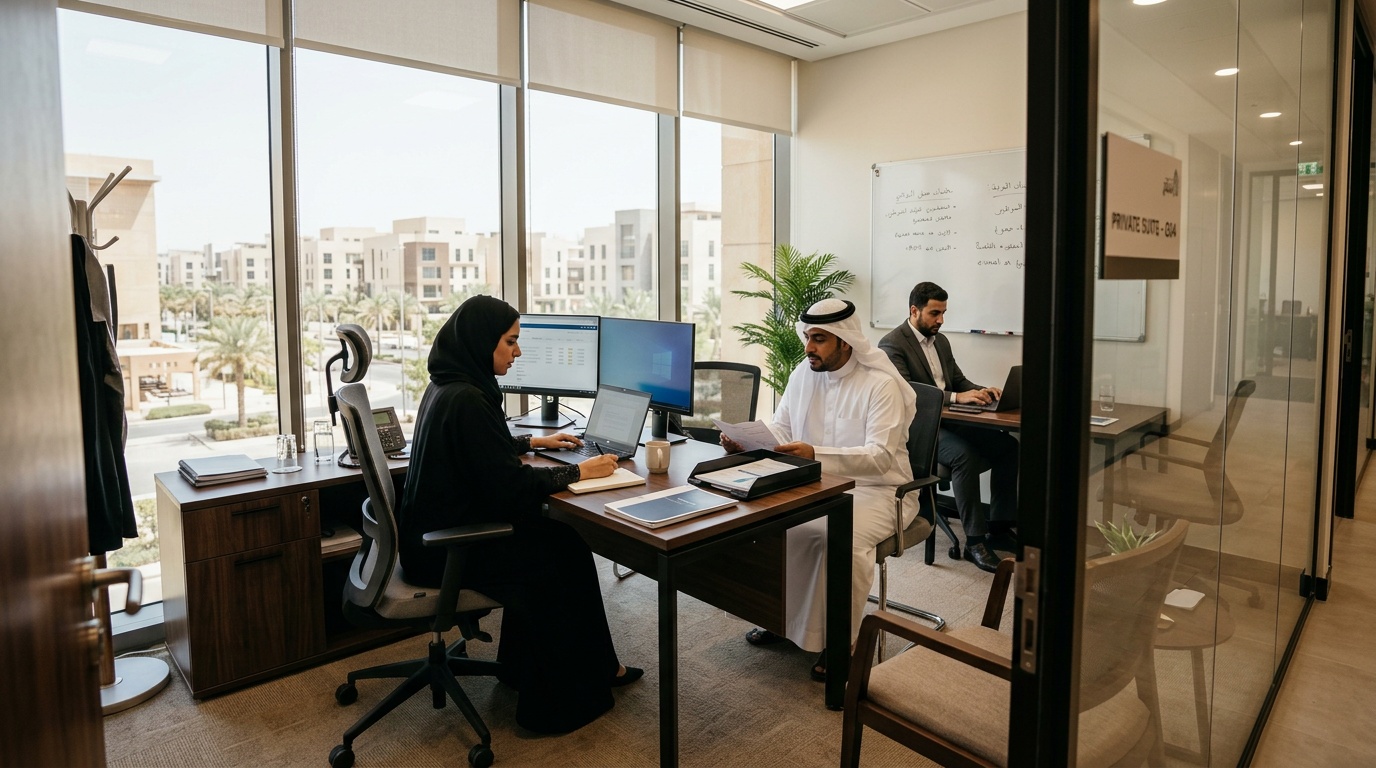
GCC Nationality: Your Gateway to Simplified Setup
GCC nationals receive the same treatment as Saudi nationals for business formation purposes. This means no sponsorship requirements, no minimum capital thresholds for many sectors, and direct ownership rights. A GCC passport removes steps that other foreign investors must complete.
The unified GCC framework recognizes business credentials across member states. Professional licenses, banking relationships, and commercial history from the UAE, Kuwait, Bahrain, Qatar, or Oman carry weight in Saudi Arabia’s approval process.
Choosing the Right Legal Structure
Limited Liability Companies (LLCs) offer flexibility for GCC nationals. You own 100% of shares, operate across multiple sectors, and scale operations without restructuring. Minimum capital starts at SAR 1,000 for common commercial activities.
Branch offices work well when extending existing GCC operations. They’re faster to establish but limit activities to the parent company’s scope. Subsidiaries provide operational independence but require more formal governance and higher capital.
Structure Comparison for GCC Investors
| Structure | Setup Time | Capital Requirement | Operational Flexibility |
|---|---|---|---|
| LLC | 7-14 days | SAR 1,000+ | Broad sector access |
| Branch | 5-10 days | No minimum | Parent activities only |
| Subsidiary | 14-21 days | SAR 500,000+ | Operational independence |
Parent Company Requirements
Branch offices require parent company documentation: commercial registration, financial statements from the last two years, and a board resolution authorizing the Saudi branch. Documents need authentication from your home country’s Saudi consulate.
Parent companies must demonstrate financial stability and relevant business experience. Saudi authorities want evidence that your GCC operations can support the new branch. This includes liquidity indicators and proof of consistent profitability over 24 months.
The Saudi Expansion Playbook
Business Name Reservation and Initial Approvals
Start with name reservation through the Ministry of Commerce platform. The system checks availability against existing registrations in real time. Submit three name options in Arabic and English. Approval takes 24-48 hours for standard commercial names.
Your proposed name cannot include restricted terms like “Royal” or “National,” or sector-specific terms without proper licensing. Generic business descriptors work best. Once approved, you have 60 days to complete registration before the name reservation expires.
The MISA Licensing Process
MISA’s unified platform handles investment licenses for many business activities. Upload your feasibility study, financial projections, and ownership structure documents. The system assigns a case officer who reviews applications within five business days.
Processing Reality: MISA approves 85% of GCC national applications on first submission. Common rejection reasons include incomplete financial documentation and unclear business activity descriptions. Be specific about your intended operations.
Securing Your Commercial Registration
Commercial registration requires your MISA license, a lease agreement for business premises, and capital deposit confirmation. The Ministry of Commerce issues CRs through its digital platform, usually within three business days after complete documentation.
Your CR number becomes your business identifier across Saudi systems. Banking, VAT registration, and employee visa applications reference this number. Keep multiple certified copies, since some government offices still request original stamped documents.
Bank Accounts and Essential Compliance
Saudi banks require your CR, MISA license, and personal identification to open a business account. Many GCC nationals open accounts within one week. Consider banks with regional presence to maintain continuity with existing GCC banking relationships.
Register for VAT within 30 days if your projected revenue exceeds SAR 375,000 annually. The Zakat, Tax and Customs Authority (ZATCA) processes VAT registration online. Late registration triggers penalties starting at SAR 10,000.
Local Partnerships and Sponsorship
GCC nationals rarely need local sponsorship, but certain sectors still require Saudi partnership. Real estate development, government contracting, and some retail activities may require majority Saudi ownership. Many professional services and technology businesses operate with full foreign ownership.
When partnerships are required, structure agreements carefully. Define operating control, profit distribution, and exit mechanisms upfront. Many GCC businesses use flexible workspace arrangements during negotiations to maintain operational independence while building local relationships.
Strategic Considerations for GCC Expansion
Budgeting for Expansion
Government fees total SAR 3,000-8,000 for standard LLC formation. Add legal fees (SAR 10,000-25,000), office setup costs, and working capital needs. Many businesses underestimate ongoing compliance costs, which reach SAR 15,000 annually for accounting, VAT filing, and regulatory updates.
Currency movements between your home GCC market and Saudi Arabia affect budgets. The riyal’s U.S. dollar peg provides stability, but hedging still makes sense for large transfers. Many banks offer preferential exchange rates for business account holders.
Timeline Expectations
Complete company formation takes 15-30 days for well-prepared applications. Government processing accounts for 7-14 days, while document preparation and bank account opening add another week. Rush processing may be available for added fees but rarely saves more than 3-5 days.
Plan for potential delays during Ramadan, Hajj season, and year-end periods when government offices run reduced schedules. Starting your application during these periods extends timelines by 10-14 days.
Workspace Infrastructure During Expansion
Many GCC businesses use flexible workspaces during their Saudi expansion phase. This approach provides immediate operating presence while permanent office arrangements are in progress. Flexible spaces offer meeting rooms, business addresses, and local phone numbers without long-term commitments.
Spaces like Astrolabs show how flexible infrastructure supports continuity during expansion. You maintain professional operations while evaluating permanent locations, testing market response, and building a local team. This approach reduces risk and speeds up market entry.
Company formation in Saudi Arabia isn’t just paperwork. It’s an operating setup that keeps your team connected while you move across borders. At Hotdesk, we built our network for that exact continuity: predictable infrastructure, clear terms, and space that supports real work from day one.
If you’re planning Saudi expansion in 2026, start with the legal structure and licensing path, then design the operating layer: where your team sits, how you receive mail, and how quickly you can meet clients. Those details often decide whether the first 90 days feel stable or chaotic.
Expansion works best when you treat timing and infrastructure as part of compliance. A correct CR and VAT registration matter. So does choosing a workspace plan that matches your hiring and sales timeline.
For founders considering Saudi expansion, the best next step is a checklist that ties together MISA licensing, CR issuance, banking, tax registration, and a practical operating base. That’s the difference between registering a company and actually running one.
Frequently Asked Questions
How has Vision 2030 made it easier to set up a company in Saudi Arabia?
Vision 2030 has truly transformed the business environment in Saudi Arabia, making expansion smoother than ever. It has eliminated over 1,200 bureaucratic procedures and introduced same-day business licensing for many sectors. This means your business can establish its presence quickly, maintaining continuity across markets.
What are the main advantages for GCC nationals expanding their business into Saudi Arabia?
For GCC nationals, expanding into Saudi Arabia comes with significant advantages, often mirroring the treatment of Saudi nationals. This means simplified business setup, frequently without sponsorship requirements or high minimum capital thresholds. Your existing GCC credentials, banking relationships, and business history can also carry weight, making the transition more seamless.
Which legal structure is best for a GCC business looking to expand into Saudi Arabia?
The best legal structure depends on your business goals, but Limited Liability Companies (LLCs) offer great flexibility for GCC nationals, allowing 100% ownership and broad sector access. Branch offices can be faster if you’re extending existing GCC operations directly. Subsidiaries provide more independence but usually require more formal governance.
What are the typical steps to get a business license and commercial registration in Saudi Arabia?
Setting up starts with reserving your business name through the Ministry of Commerce, which usually takes 24-48 hours. Next, you’ll go through the Ministry of Investment (MISA) licensing process, submitting your business plans for approval. Finally, securing your Commercial Registration requires your MISA license, a lease for your premises, and capital deposit confirmation.
How long does it usually take for a GCC national to set up a company in Saudi Arabia?
With proper preparation, GCC businesses can often complete their company setup in Saudi Arabia within 30-45 days. The average processing time for standard commercial activities has dropped significantly, with MISA approving many GCC national applications on the first submission. This speed allows you to establish your presence and maintain operational continuity quickly.
Are there specific industries in Saudi Arabia that are particularly open for GCC expansion right now?
Absolutely, several key sectors are ripe for GCC expansion into Saudi Arabia, reflecting the Kingdom’s growth trajectory. Technology, healthcare, logistics, and professional services are leading the way. Projects like NEOM also create immense demand across construction, tech, and hospitality, offering clear avenues for your business to find its fit.
What documents does a GCC parent company need to open a branch in Saudi Arabia?
To open a branch, your GCC parent company will need its commercial registration and financial statements from the last two years. A board resolution authorizing the Saudi branch is also required. These documents typically need authentication from your home country’s Saudi consulate to ensure a smooth setup.
Leave a Reply