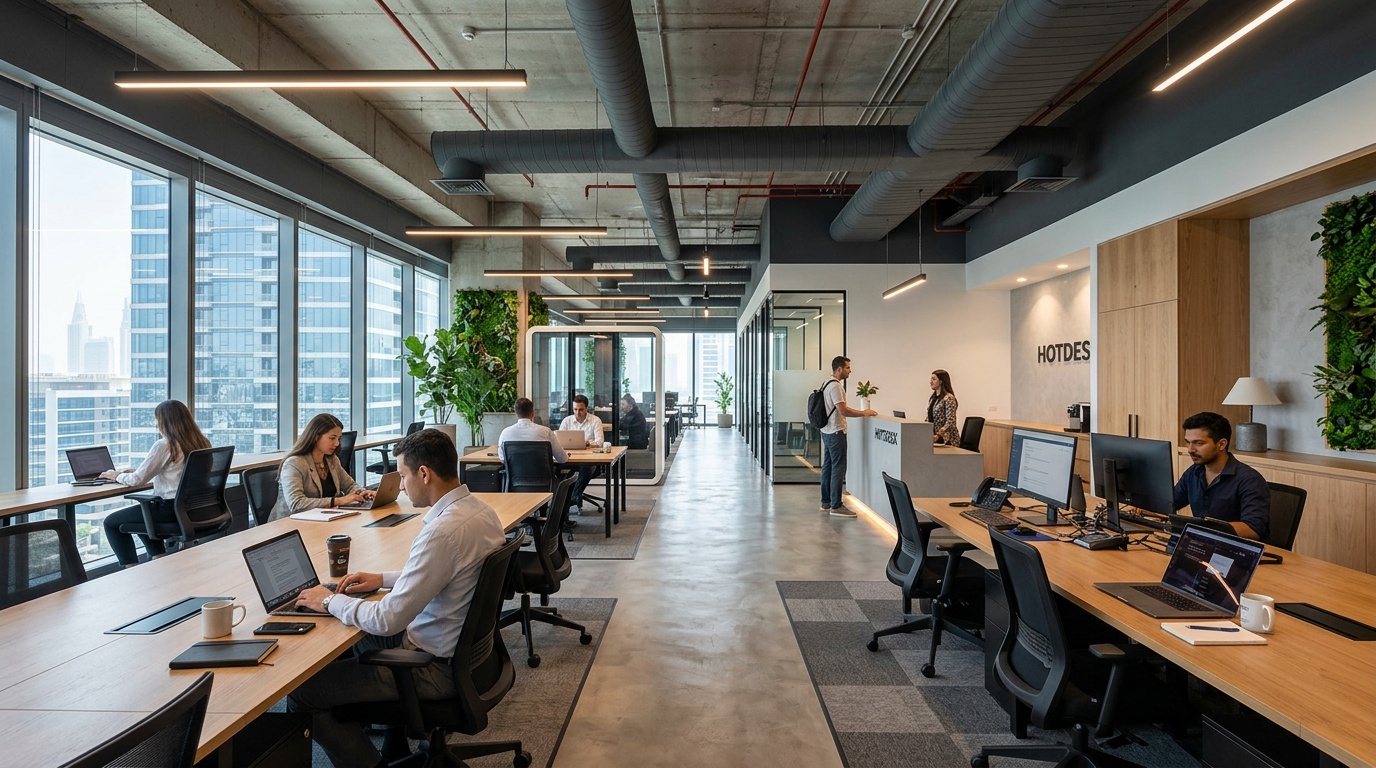
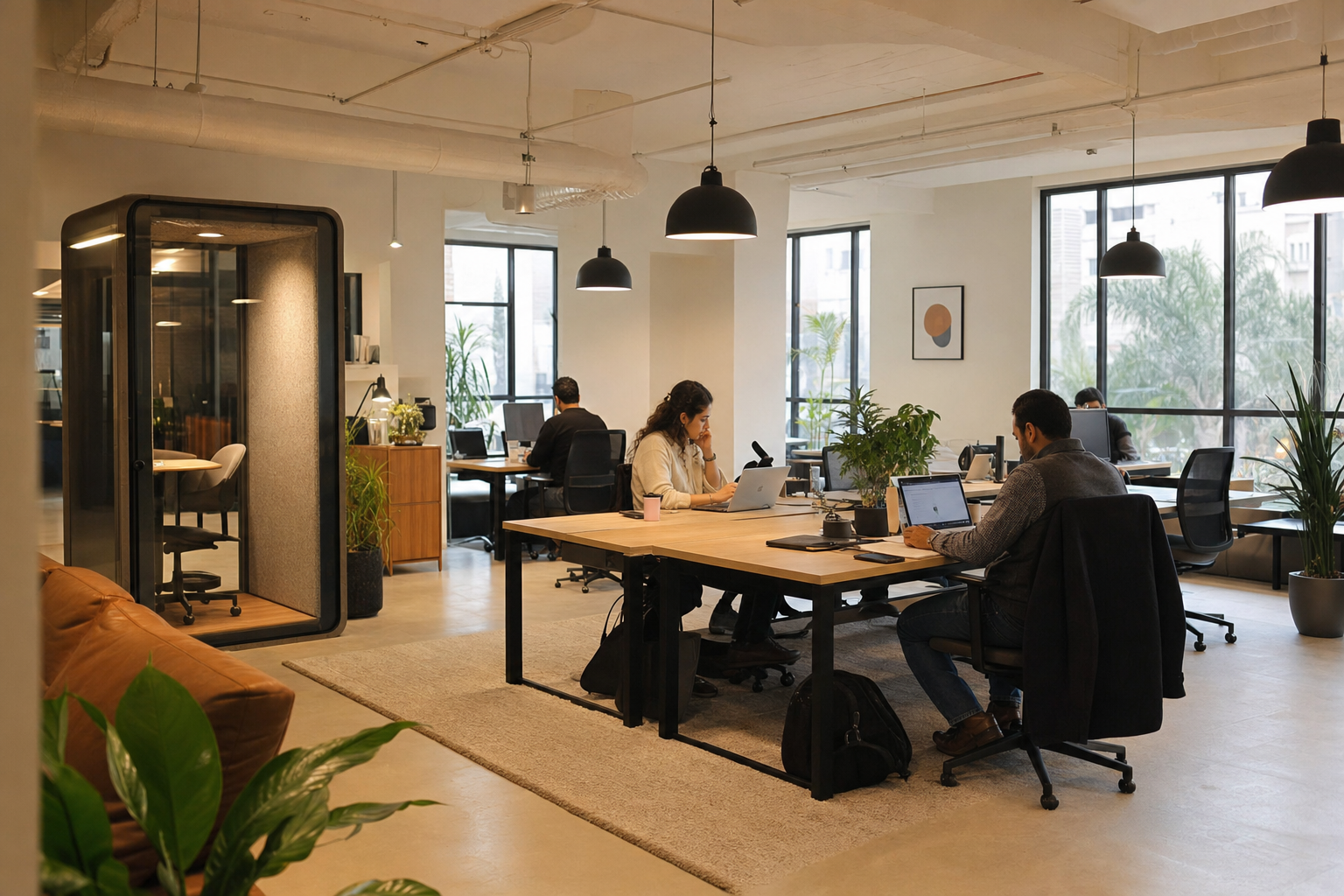
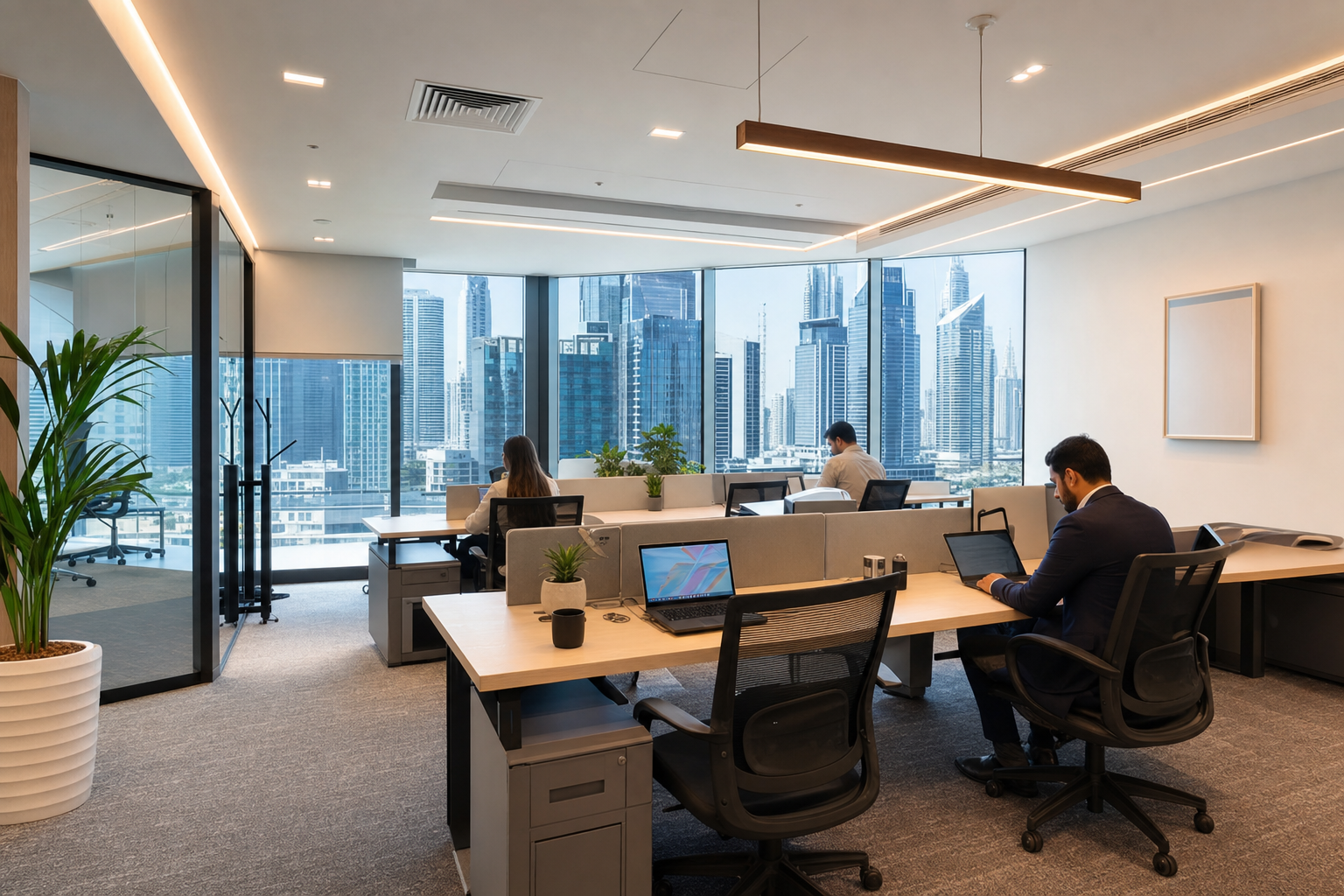
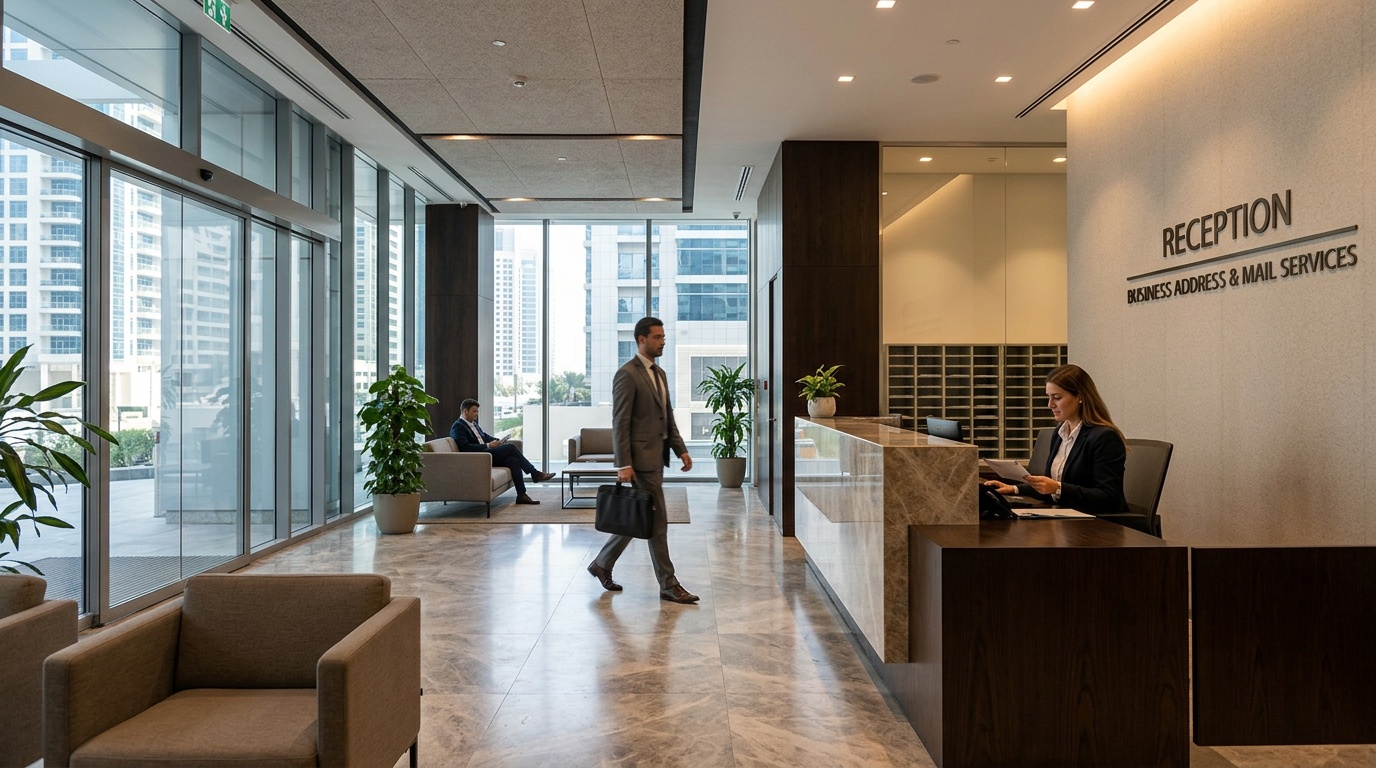
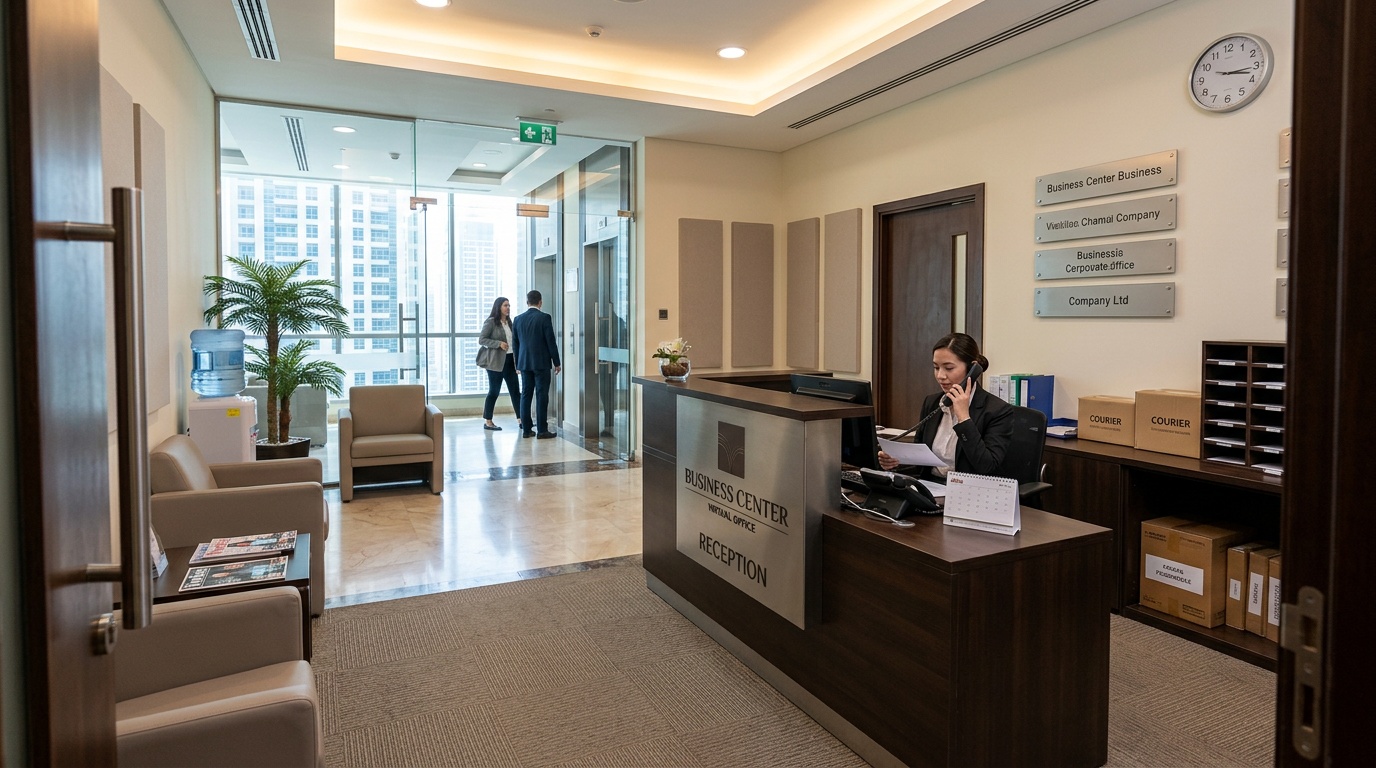
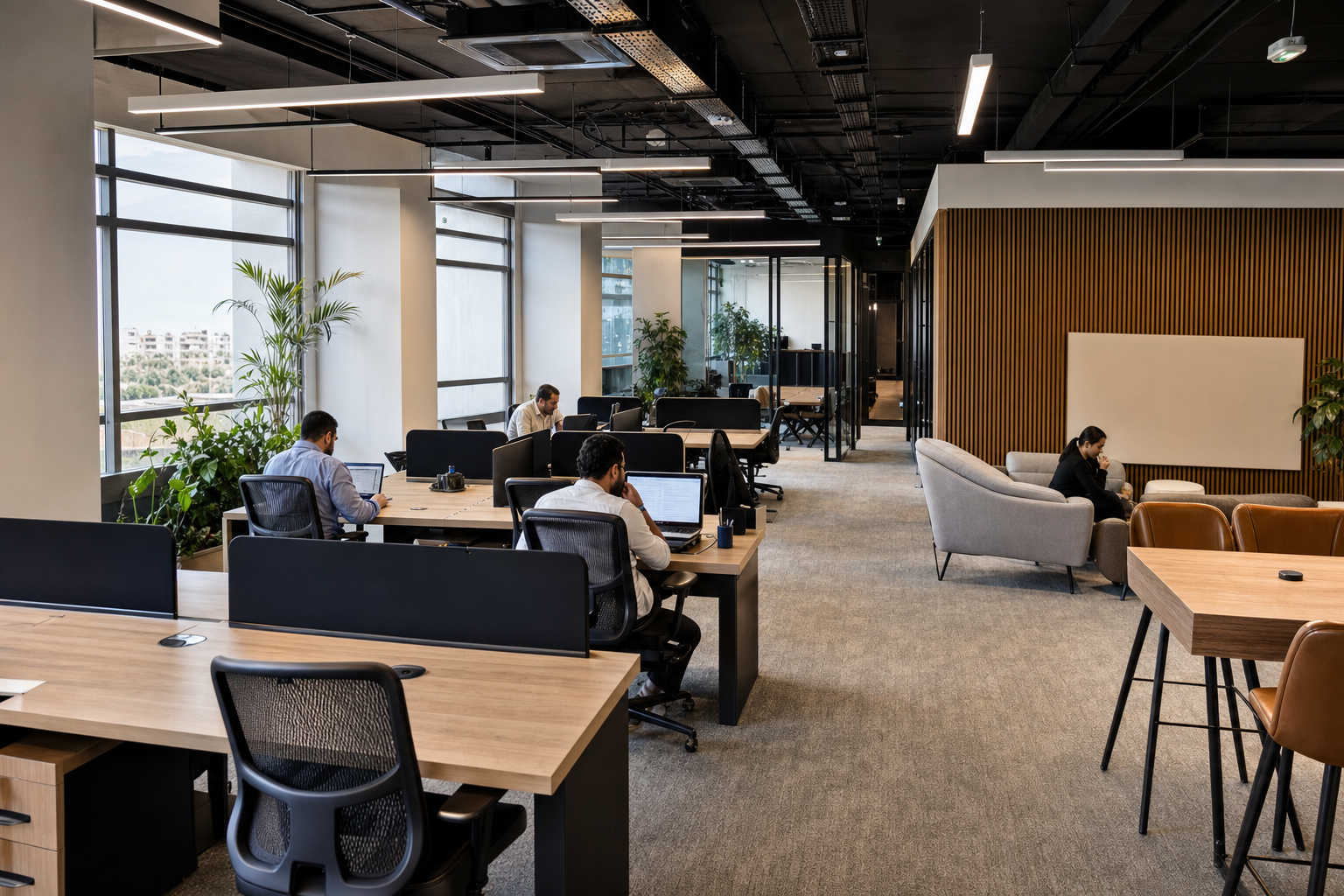
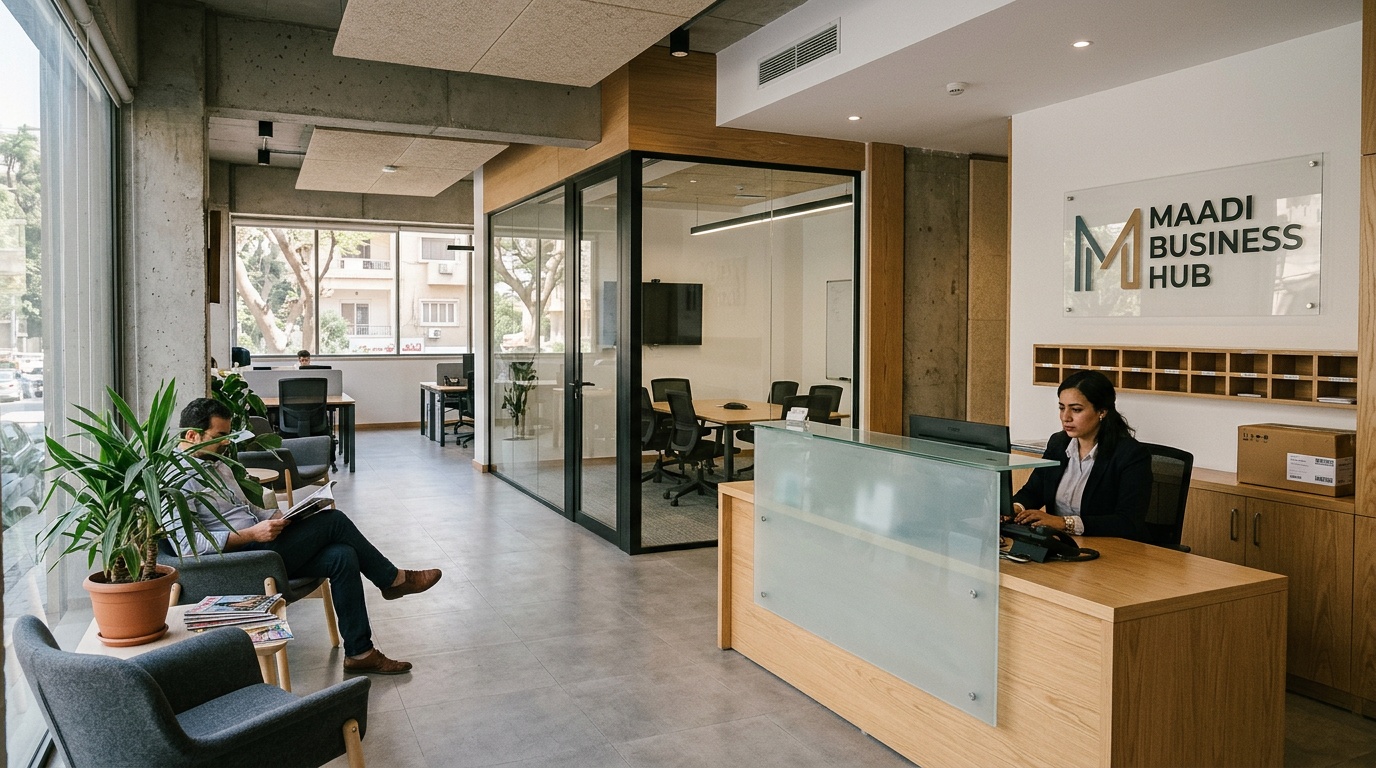
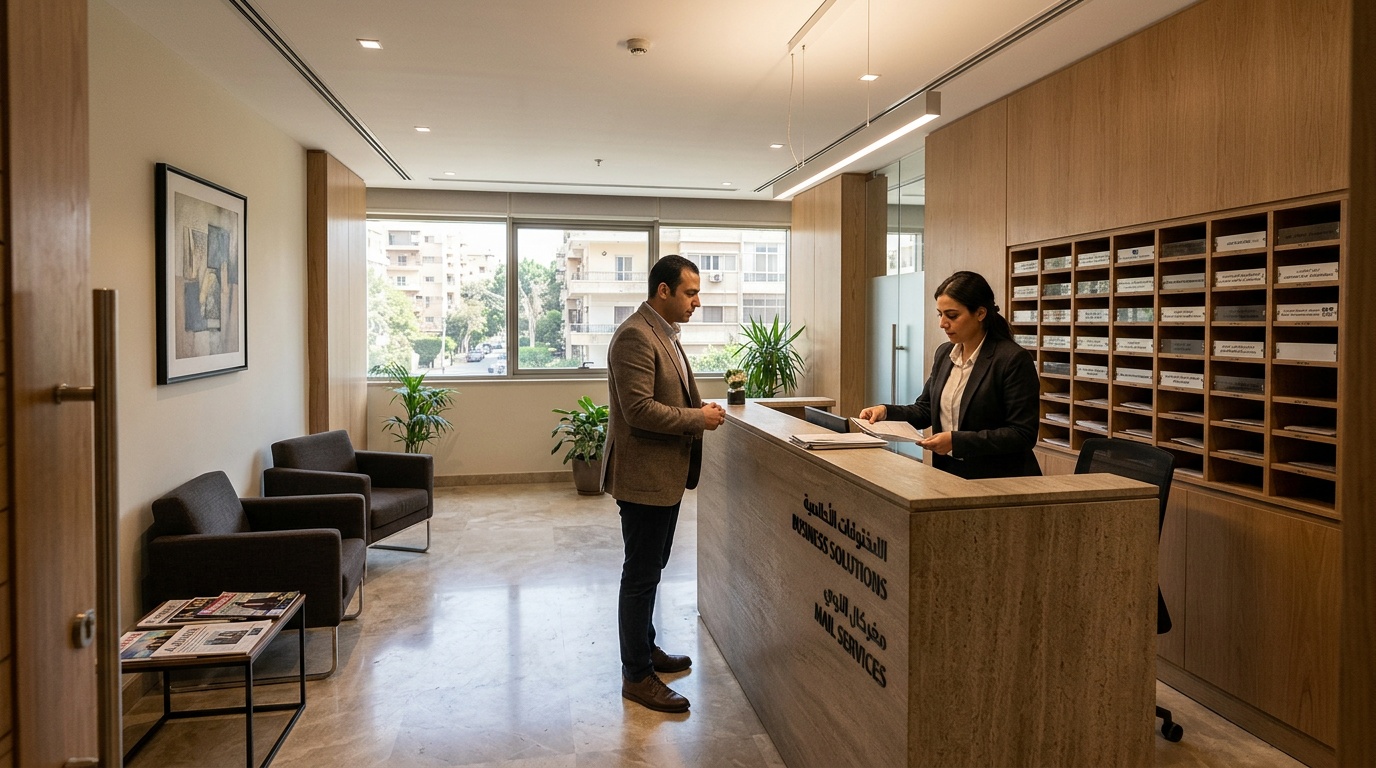
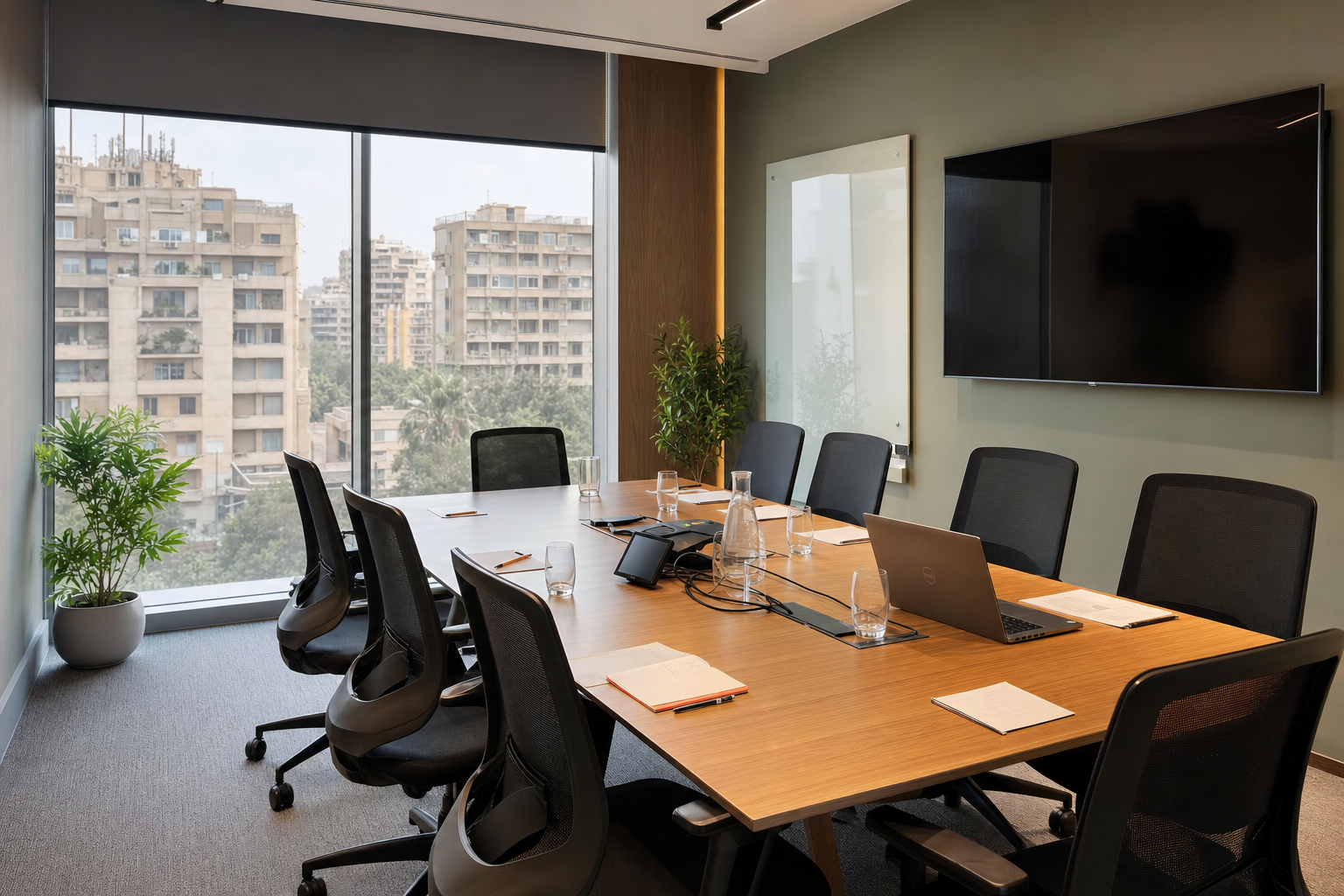
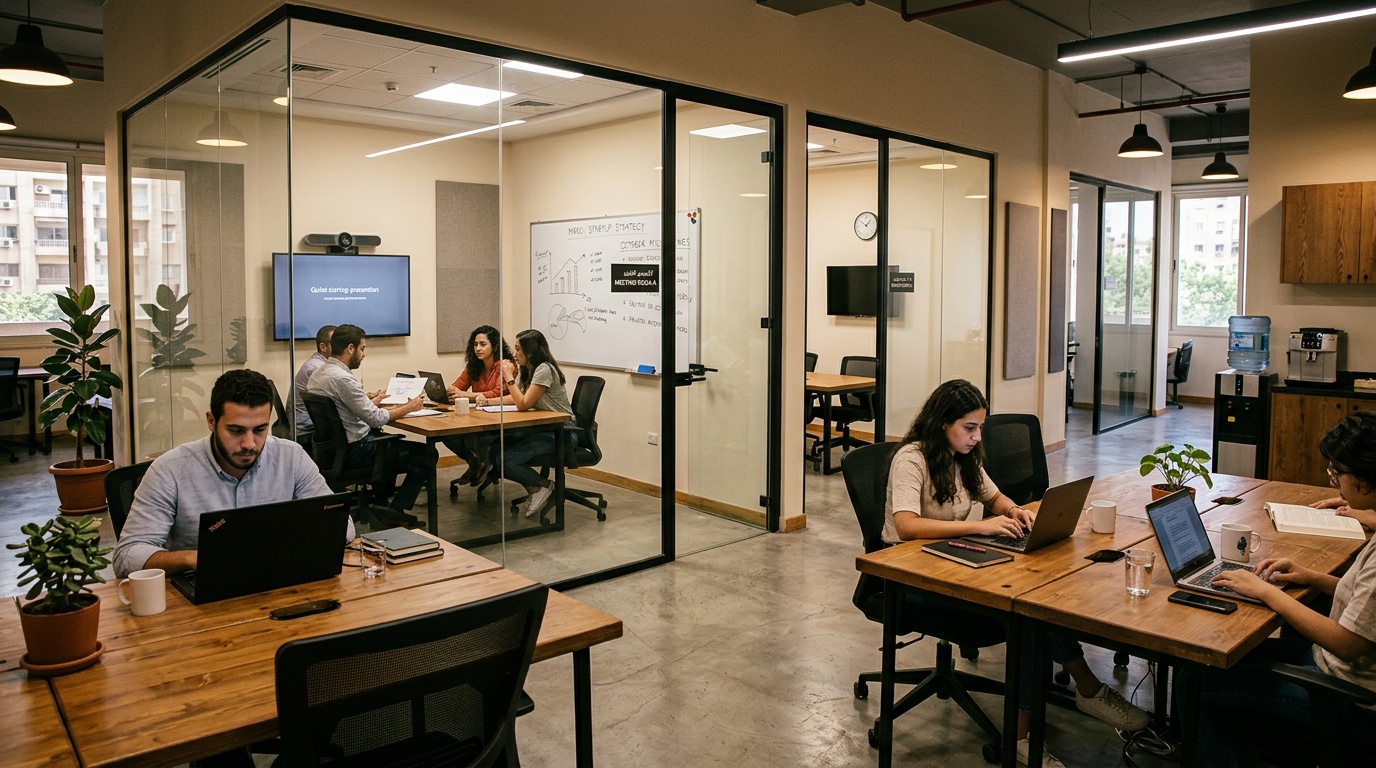
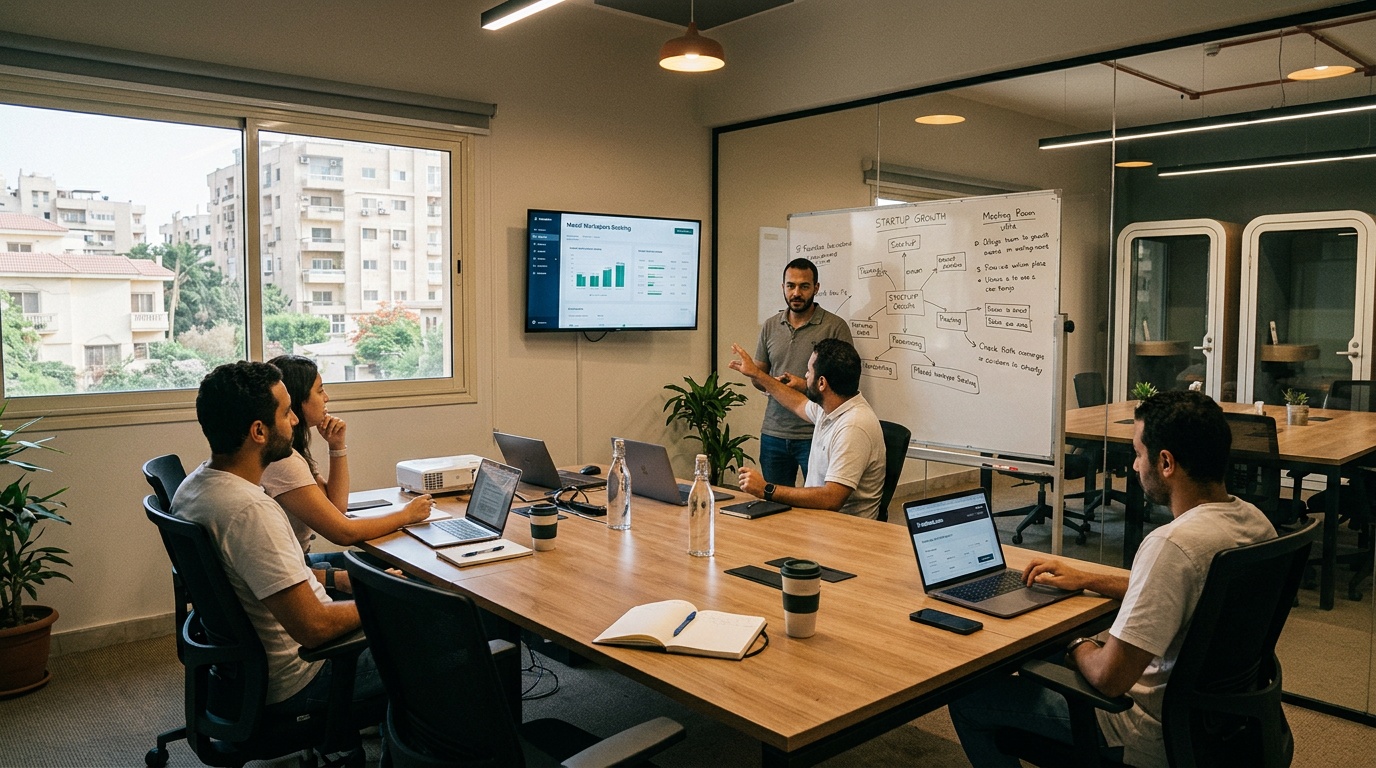
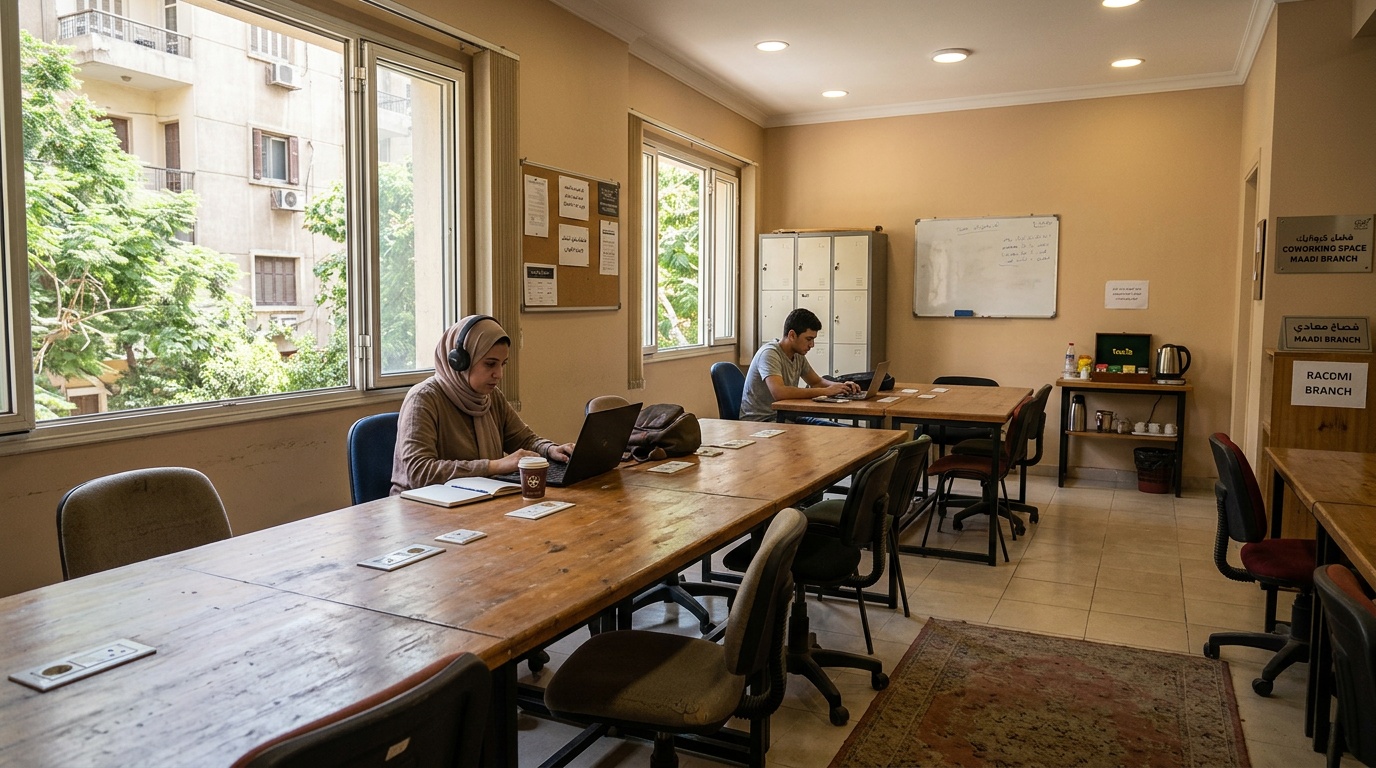
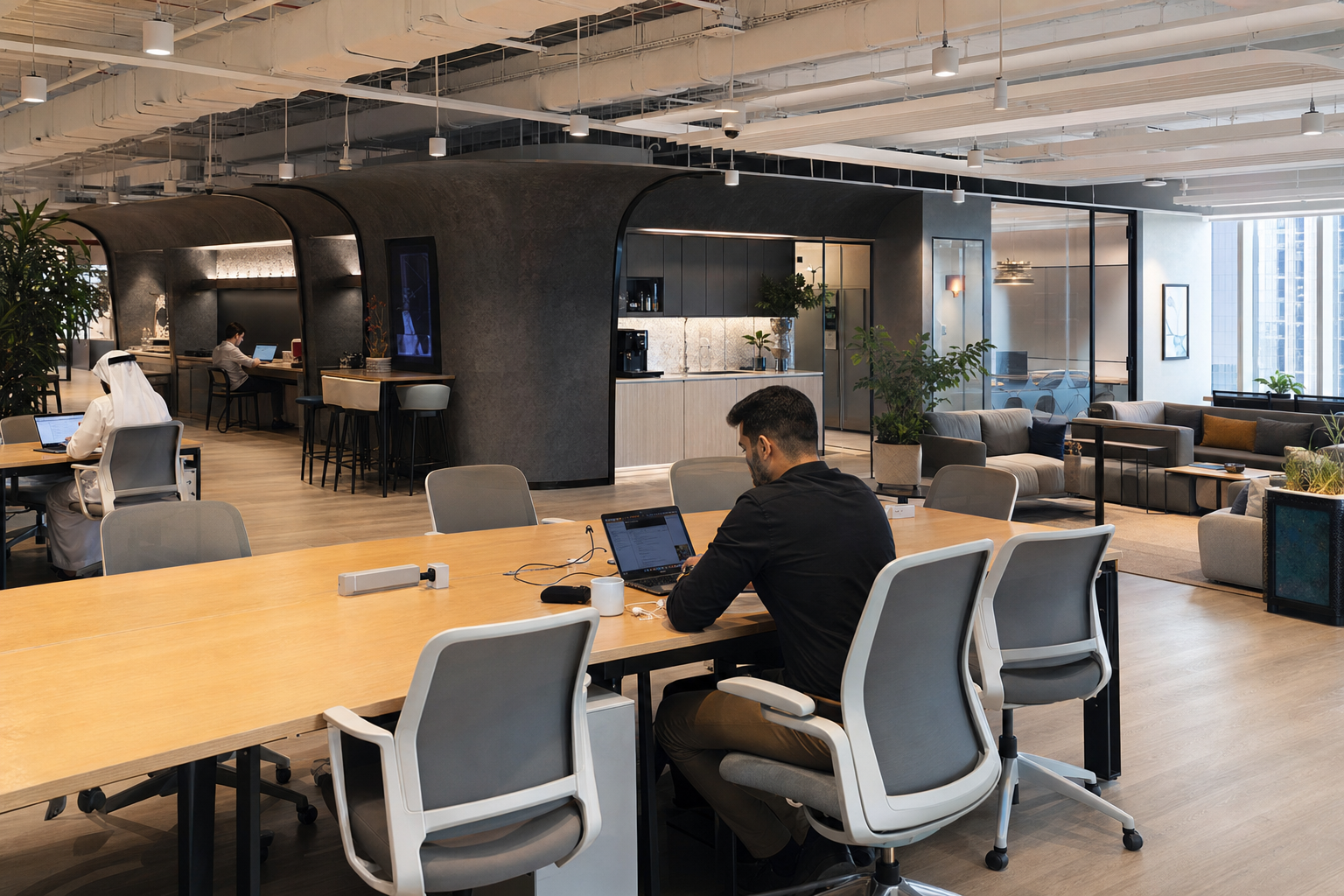
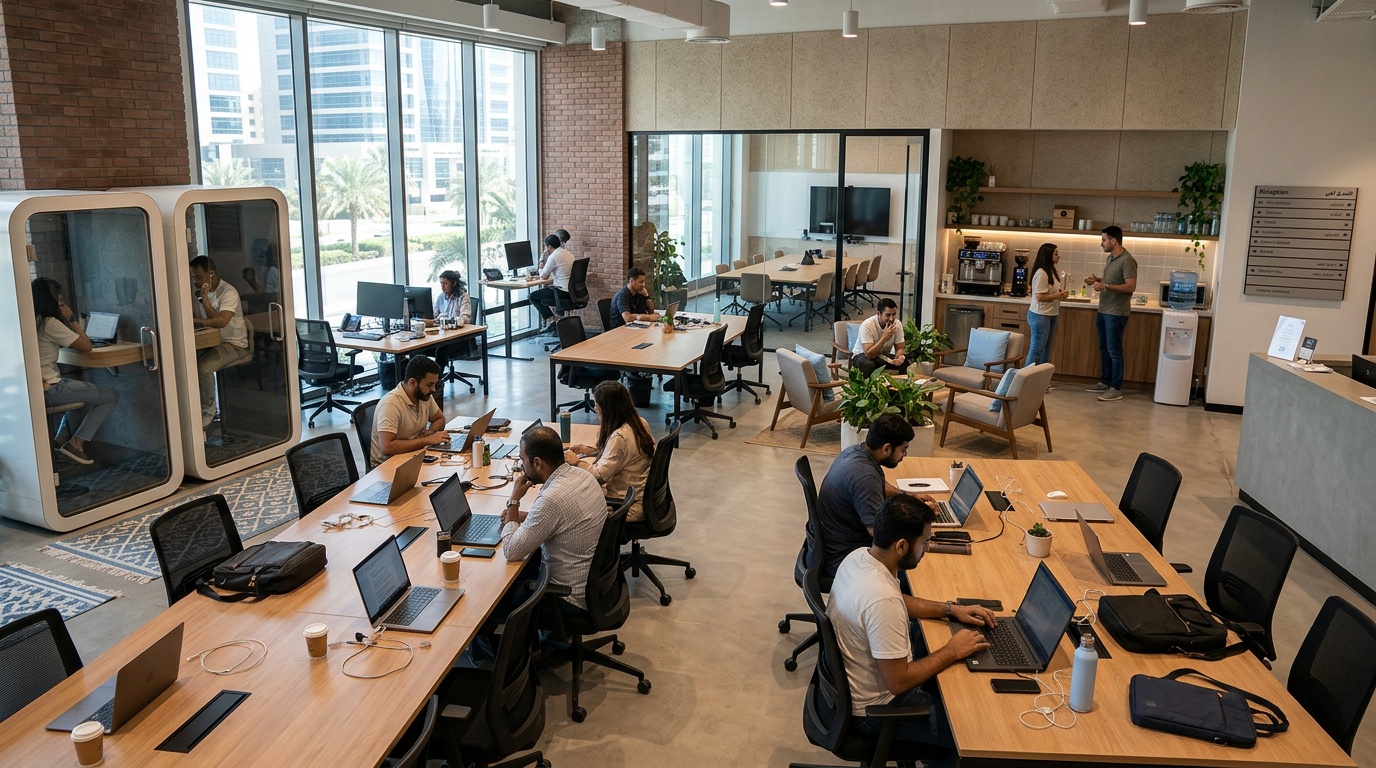
The nature of business is evolving, and with it, the way we connect and collaborate. For many, the traditional office no longer defines the boundaries of productivity. Whether you’re a startup founder building a remote team, a consultant meeting clients, or an enterprise planning a regional gathering, finding the right space to gather is paramount. Abu Dhabi, a global hub for commerce and innovation, offers a diverse array of options for professional meetings and conferences. Yet, navigating this selection can feel complex, especially when real-time availability and clear pricing are hard to come by.
Key Takeaways
Professional gatherings now happen far beyond the walls of a conventional office, driven by teams that operate across cities and time zones.
Abu Dhabi has positioned itself as a premier destination for business meetings, offering spaces suited to everything from intimate client consultations to large-scale corporate events.
Securing the right conference room often becomes frustrating when providers lack transparent pricing and immediate booking confirmation.
Hotdesk addresses this gap by giving professionals a streamlined way to discover and reserve meeting spaces that match their specific requirements.
At Hotdesk, we understand that access to functional, well-equipped spaces shouldn’t be a hurdle. It should be as fluid as your business operations. This guide aims to cut through the noise, providing a clear view of what truly matters when searching for conference rooms in Abu Dhabi, so you can secure the perfect environment for your next important discussion or team alignment without unnecessary friction.
Finding Conference Rooms in Abu Dhabi: What Actually Matters
Key Insight
The primary challenge in securing meeting spaces isn’t the availability of venues, but the opacity around pricing and booking processes. Many high-value options still rely on manual inquiries, creating delays and uncertainty. The most effective approach involves prioritizing venues that offer transparent, upfront pricing and instant booking capabilities, allowing for swift decision-making and commitment.
When searching for conference rooms in Abu Dhabi, the core friction point for many professionals is the difficulty in obtaining immediate, accurate information. You might find a stunning venue online, but then face a lengthy process of filling out inquiry forms or making phone calls, only to wait days for a quote or confirmation. This delay can derail project timelines and create unnecessary stress, particularly when you need to book a space quickly for an important client presentation or an urgent team strategy session.
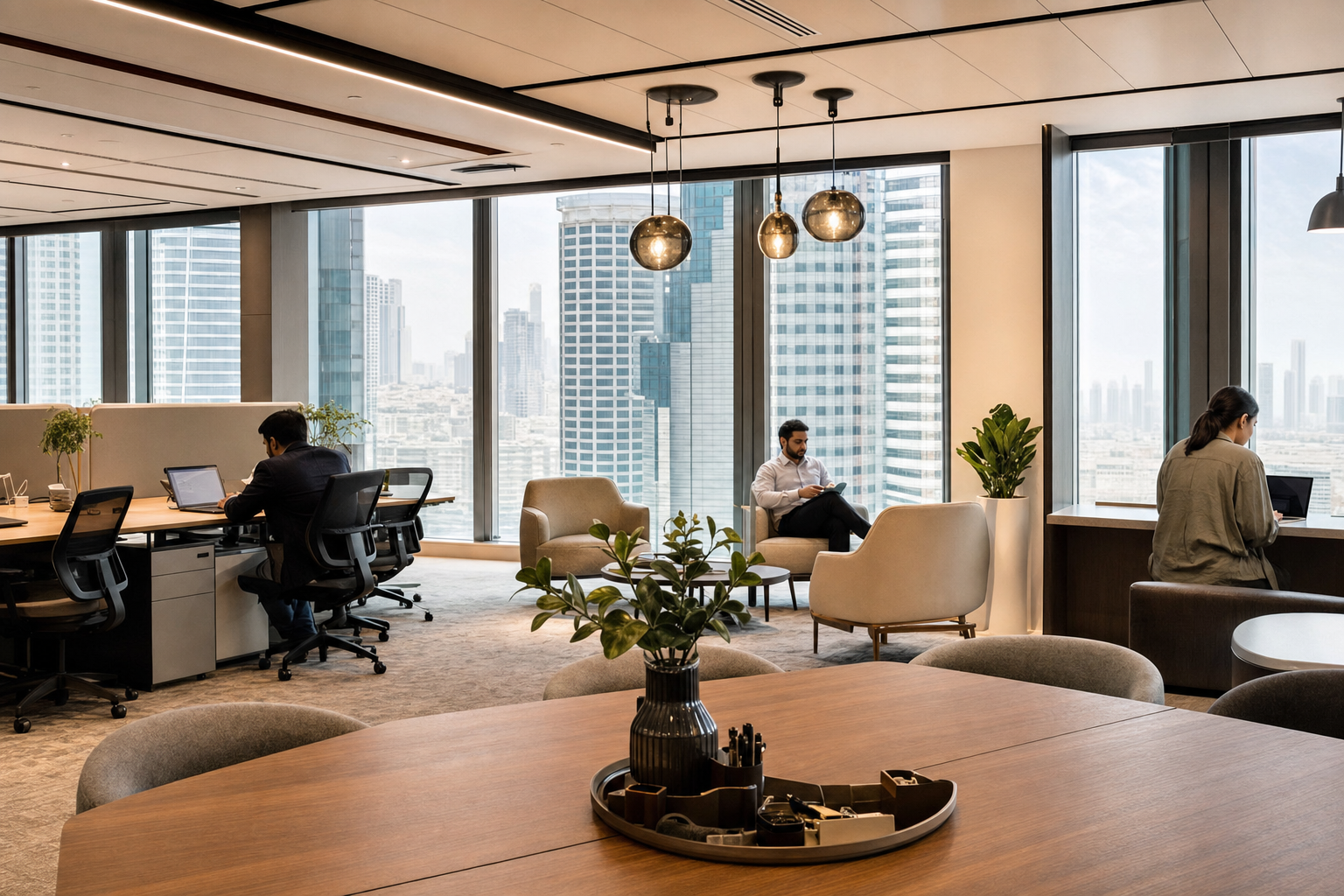
The traditional offerings fall into broad categories: the established luxury of hotel ballrooms, the flexible, often tech-enabled environments of coworking spaces, and the purpose-built, large-scale capacities of dedicated conference centers. Each serves distinct needs, from intimate executive board meetings to major industry symposiums. Understanding these differences is the first step, but the real value lies in identifying venues that streamline the booking experience, offering instant access to bookable slots and clear, predictable costs, moving beyond the outdated model of opaque pricing and manual outreach.
Types of Conference Rooms in Abu Dhabi: Hotels, Coworking, and Dedicated Centers
Abu Dhabi presents a rich variety of options for professional gatherings, each catering to different scales, budgets, and service expectations. Hotels, for example, often provide a premium, full-service experience. Venues like the W Abu Dhabi. Yas Island, with its extensive event rooms totaling 4,840 sq m and capacity for up to 2,000 guests, or the Grand Hyatt Abu Dhabi, featuring a 1,000 sq m ballroom, represent the pinnacle of event hosting. These spaces are ideal for large conferences, banquets, and events where comprehensive catering, AV support, and dedicated event management are essential. Yet, booking often requires direct inquiry, and pricing is typically tailored to the event’s specifics, making them less suited for ad-hoc hourly needs.
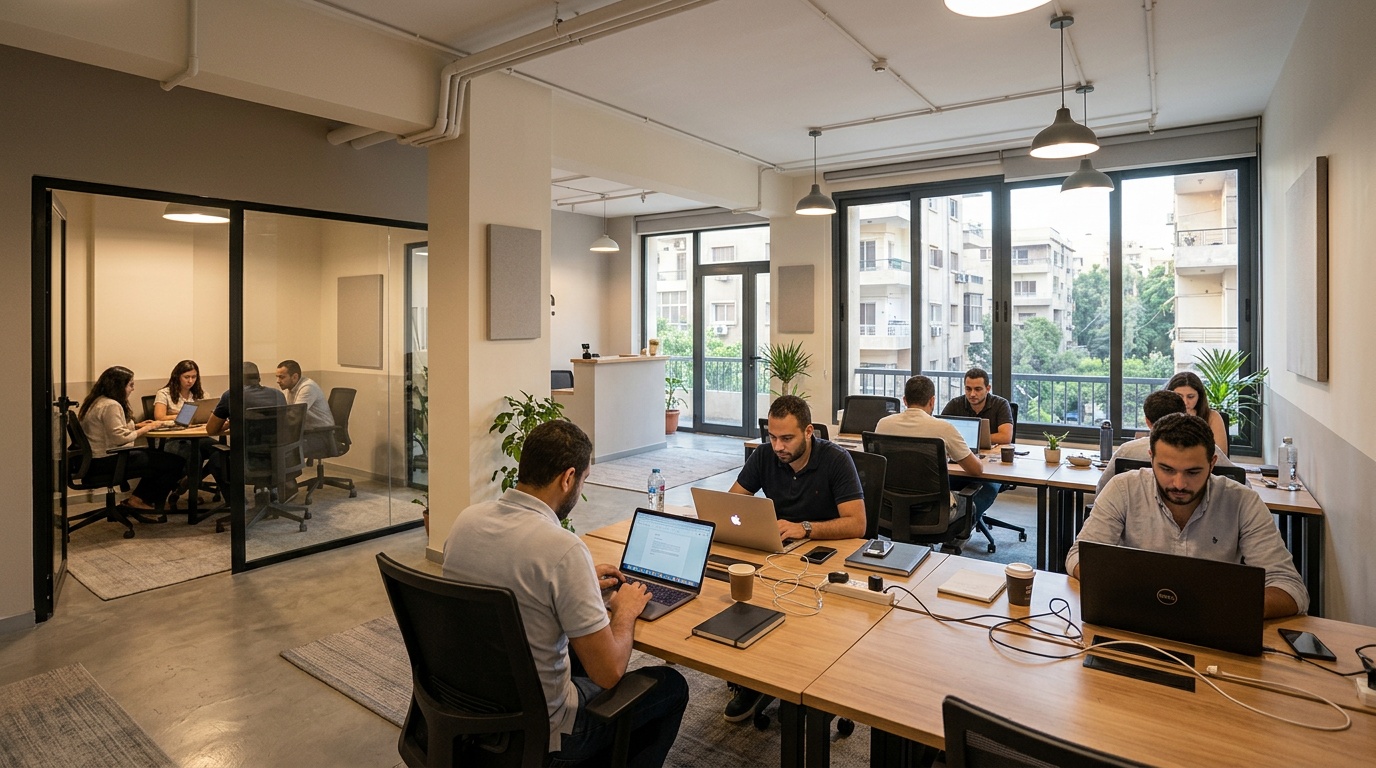
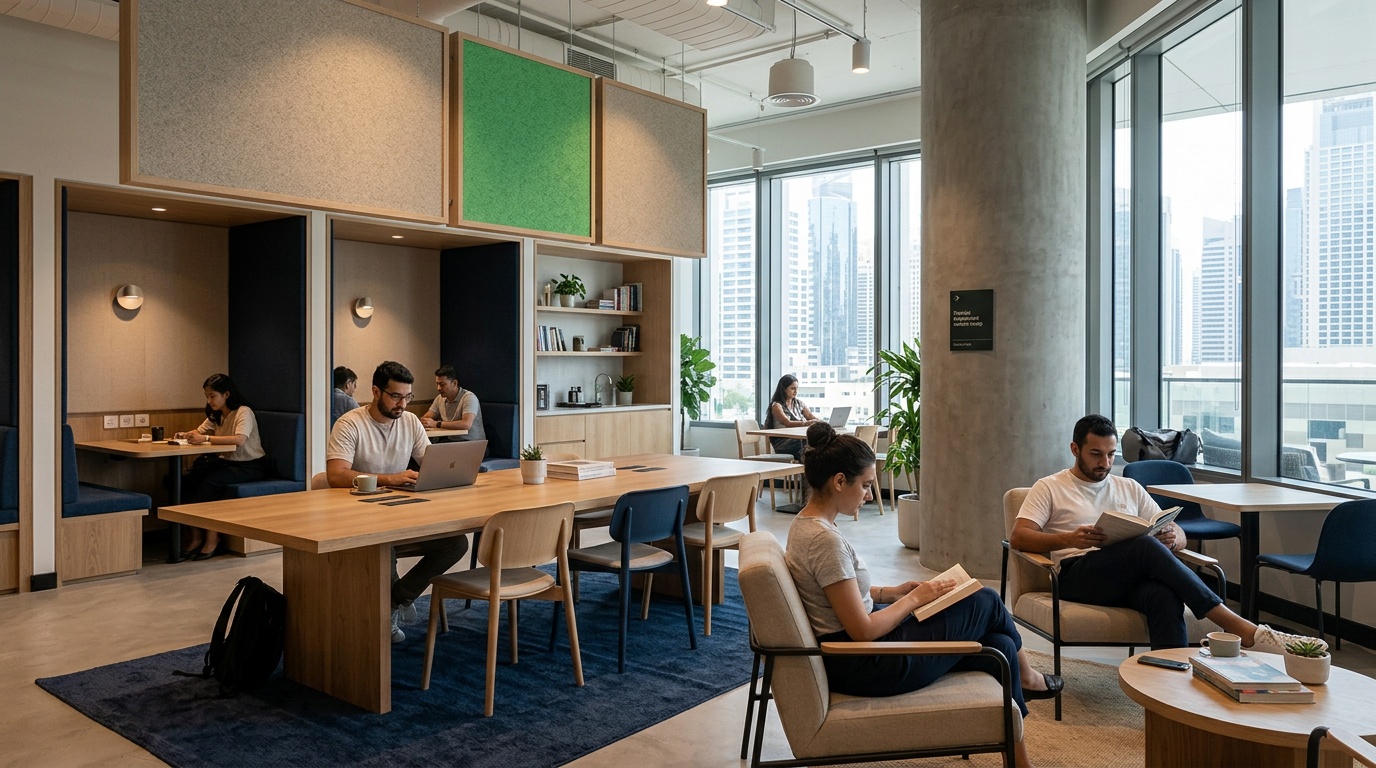
Coworking spaces offer a contrasting, yet equally valuable, proposition for businesses seeking flexibility. Brands like Regus provide meeting rooms starting from AED 59/hour up to AED 235/hour for premium options, demonstrating a clear hourly rate structure that appeals to smaller teams or individuals needing a professional setting for a few hours. Hotdesk, operating numerous spaces globally and within Abu Dhabi, exemplifies this model, offering instant booking for meeting rooms and conference facilities through its platform. These spaces are perfect for team meetings, client consultations, or workshops where quick, convenient access and a modern, professional atmosphere are key, often supporting hybrid and virtual meeting requirements with integrated technology.
Dedicated conference centers and university venues round out the offerings, focusing on purpose-built infrastructure designed for scale and specific event types. These locations are often equipped to handle large delegations, training programs, or academic conferences, providing ample space and specialized facilities. While they might not always offer the same level of personalized service as a hotel, their strength lies in their capacity and focus on facilitating large-scale events efficiently. Consider Bab Al Qasr Hotel, with nearly 3,000 sq m of event space and over 15 meeting rooms, which bridges the gap between hotel luxury and dedicated event infrastructure. Each type of venue serves a unique purpose, and selecting the right one depends on the specific demands of your meeting, from participant numbers and duration to required amenities and budget considerations.
Venue Type
Typical Use Case
Pros
Cons
Pricing Structure
Booking Method
Hotel Ballrooms & Event Spaces
Large conferences, galas, corporate events, retreats
Purpose-built facilities, high capacity, specialized AV equipment, focused environment
Less flexible for small groups, can feel institutional, may require external catering or AV providers
Package rates, per-person fees, custom quotes based on space and duration
Inquiry form, direct contact, sometimes online booking for smaller rooms
Conference Room Locations by District: Where to Book
When seeking the ideal setting for your next business meeting or conference in Abu Dhabi, the specific district can significantly influence accessibility, atmosphere, and convenience. Each area offers a distinct character, catering to different types of professionals and events. Understanding these geographical nuances helps in selecting a venue that aligns not just with your meeting’s objectives, but also with the logistical needs of your attendees, whether they are arriving from within the city or from afar. Hotdesk data indicates that proximity to transportation hubs and other business centers is a key consideration for many users.
For large-scale events and gatherings connected to the entertainment and leisure sectors, Yas Island stands out. This dynamic district hosts numerous venues capable of accommodating significant numbers. Consider the W Abu Dhabi. Yas Island, which offers extensive event spaces totaling 4,840 sq m, with the largest capacity for up to 2,000 guests, making it suitable for major conferences and corporate functions. Its location near the airport and major transport links also makes it a convenient choice for international attendees, providing a blend of business facilities and leisure opportunities.
The heart of Abu Dhabi’s corporate and financial activity is found in Al Maryah Island and Downtown. These areas are home to many multinational corporations and feature numerous business hotels that provide sophisticated meeting rooms. Venues here are typically geared towards executive meetings, board presentations, and business-to-business discussions. Hotels like the Four Seasons Abu Dhabi at Al Maryah Island offer premium meeting spaces designed for professional engagements. The concentration of businesses means that booking a room in these districts often places you within walking distance or a short drive from your company’s headquarters or your clients’ offices.
Along the picturesque coastline, the Corniche and Al Raha Beach areas offer a different appeal. These districts provide waterfront settings that can lend a more relaxed yet professional atmosphere to your meetings. While offering beautiful views, many venues here also cater to a range of needs, from intimate boardrooms to larger event spaces. Crowne Plaza Yas Island, for example, provides 5 modern meeting rooms and can host banquets for 600, situated in a location that balances accessibility with scenic surroundings. These areas are good for companies looking for a balance between professional requirements and a pleasant environment.
Beyond traditional hotels and dedicated centers, Abu Dhabi is seeing a rise in emerging coworking clusters. These hubs are often home to smaller, more agile operators that provide flexible meeting solutions. Spaces like those managed by operators such as OfficeSquare and Aster, alongside Hotdesk’s own network, offer a variety of meeting rooms, from small huddle spaces to larger rooms suitable for team workshops. These locations are increasingly found in business districts and offer a more modern, tech-enabled environment, often with instant booking options. They represent a growing segment for professionals seeking adaptable and cost-effective meeting solutions outside the established hotel framework, providing accessible options for teams needing flexible workspace solutions.
Pricing and Booking: What Conference Rooms Cost in Abu Dhabi
Understanding the financial commitment and the booking process is paramount when securing conference rooms in Abu Dhabi. The cost structure can vary significantly based on the venue type, duration, and included amenities. Many professionals find that the lack of transparent pricing is a major hurdle, often requiring multiple phone calls and email exchanges to get a clear picture. Hotdesk aims to simplify this by providing clear pricing and instant booking for its network, ensuring you know exactly what to expect before you commit.
Hourly rates are common for smaller meeting rooms, particularly in coworking spaces, offering maximum flexibility for short engagements. For example, Regus meeting rooms in Abu Dhabi can range from AED 59/hour for basic options up to AED 235/hour for more premium setups, as noted by their offerings. Half-day and full-day rates are typically available for larger spaces or when longer sessions are planned, often providing a slight discount compared to the sum of hourly rates. Hotels and dedicated conference centers usually operate on these longer-term bookings, with prices often starting from AED 1,000-2,000 for a half-day and AED 2,000-4,000+ for a full day, depending on the scale and services included. For larger events, custom packages are standard.
The booking experience itself is another critical differentiator. While some venues, particularly within the coworking sector and platforms like Hotdesk, offer instant online booking, many higher-end hotels and dedicated convention centers still rely on traditional inquiry forms or direct contact. This means you might see a room that looks perfect, but you’ll need to submit a request and wait for a representative to respond with availability and a quote. This process can add days to your planning timeline, which is impractical for urgent needs. Venues offering instant confirmation, like many available through the Hotdesk platform, streamline this process significantly, allowing you to secure your space in minutes.
Beyond the base rental fee, it is essential to inquire about potential hidden costs. Audio-visual equipment, such as projectors, screens, microphones, and sound systems, often incurs separate charges. Catering services, from coffee breaks to full meals, are typically additional. Be sure to ask about setup and teardown fees, especially if you require custom room configurations. Service charges, taxes, and potential fees for Wi-Fi usage or additional staff support should also be clarified upfront. For example, a venue might quote a room rate but not include the cost of a technician for AV support, which can add substantially to the final bill. Always request a detailed breakdown of all potential expenses to avoid surprises when settling your invoice.
What is the main difficulty when booking conference rooms in Abu Dhabi?
The primary challenge in securing conference rooms in Abu Dhabi is often the opacity around pricing and booking processes. Many venues require manual inquiries, leading to delays and uncertainty, which can disrupt your business continuity. Prioritizing spaces with transparent, upfront pricing and instant booking capabilities is key to a smoother experience.
What are the main types of venues for professional meetings in Abu Dhabi?
Abu Dhabi offers several types of venues for professional meetings, including luxury hotel ballrooms for large events, flexible coworking spaces for smaller teams, and dedicated conference centers built for scale. Each type caters to different needs regarding capacity, service level, and booking flexibility.
How do coworking spaces compare to hotels for meeting room rentals in Abu Dhabi?
Coworking spaces in Abu Dhabi provide flexible, often tech-enabled environments with clear hourly rates, making them cost-effective for short bookings and spontaneous needs. Hotels offer a more premium, full-service experience suitable for larger events, but typically involve inquiry-based booking and tailored pricing, less ideal for ad-hoc hourly requirements.
What factors should I consider when choosing a conference room in Abu Dhabi?
When selecting a conference room in Abu Dhabi, consider your participant numbers, the required duration, necessary amenities like AV equipment, and your budget. The ease of booking and clarity of pricing are also important for ensuring your operational continuity and making swift decisions.
Why is instant booking important for finding meeting spaces in Abu Dhabi?
Instant booking for meeting spaces in Abu Dhabi is important because it allows for swift decision-making and commitment, fitting the fluid nature of modern business operations. It cuts through the delays associated with manual inquiries, ensuring you can secure the perfect environment without unnecessary friction.
Are there affordable options for short-term meeting room rentals in Abu Dhabi?
Yes, coworking spaces in Abu Dhabi offer affordable options for short-term meeting room rentals, often with transparent hourly rates starting from around AED 59. These spaces are designed for flexibility, providing professional settings for team meetings or client consultations without long-term commitments.
Mohamed Khaled is the Founder and CEO of Hotdesk, the on-demand workspace platform providing access to coworking spaces and flexible offices across more than 120 countries.
He spent nearly a decade at PwC before moving into financial leadership at SWVL, where he led the company’s $1.5 billion Nasdaq listing, the first Unicorn from thr Middle East to go public in the United States.
A Forbes 30 Under 30 honoree, Mohamed built Hotdesk from a side project into a global platform, leading a team of more than 50 and expanding into international markets, including the acquisition of Spain-based coworking marketplace YADO.
Also being Co-founder and President of DESK Token, the world’s first asset backed property investment and utility hybrid token, Mohammed is focused on building infrastructure that unlocks underutilized assets – from meeting rooms to private offices and full on buildings – while creating space for the future of work.
Are there any industry expert reviews for coworking spaces in Maadi, Egypt?
Ever wonder about the failure modes inherent in distributed systems? When seeking a workspace, the challenge isn’t just finding a desk; it’s ensuring the environment supports your work consistently, day after day. This means looking beyond surface-level descriptions to understand the underlying infrastructure of a coworking space. Its reliability, its connectivity, and its ability to adapt to your evolving needs. For professionals in Maadi, Egypt, this often leads to a specific question: Are there any industry expert reviews for coworking spaces in Maadi, Egypt? The honest answer requires a closer look at what constitutes an “expert review” in this sector and where to find credible insights.
Key Takeaways
The search for an expert review of a coworking space is really a search for reliable infrastructure that supports consistent work.
Most industry expert reviews for coworking spaces in Maadi are not widely available, so professionals must rely on their own criteria.
Evaluating a coworking space requires looking past marketing descriptions and examining the underlying connectivity and adaptability.
A credible expert review in this sector should focus on the technical stability and operational continuity of the workspace.
Understanding the failure modes of distributed systems helps professionals ask the right questions when choosing a coworking space.
Direct, independent industry expert reviews for coworking spaces specifically in Maadi, Egypt, are notably scarce. While general business publications might touch on coworking trends, deep dives into individual Maadi locations by recognized industry analysts are uncommon. This gap means professionals must rely on a combination of aggregated user feedback, directory listings, and their own evaluation frameworks to make informed decisions about where to work.
The Short Answer: Expert Reviews for Maadi Coworking Spaces Are Sparse. Here’s What Exists
When we talk about “industry expert reviews,” we typically mean assessments from seasoned analysts, dedicated coworking journalists, or recognized advisory firms that offer objective, in-depth evaluations of specific locations. These reviews often examine operational efficiency, market positioning, and future viability. Metrics that go beyond user experience. For many global cities, such resources exist. However, for specific neighborhoods like Maadi in Cairo, this level of granular, expert analysis remains largely absent. The infrastructure of professional review sites has not yet fully extended to cover every local coworking market with this depth.
What Counts as an ‘Industry Expert Review’ in Coworking
An industry expert review in the coworking sector goes beyond simple star ratings or anecdotal user comments. It involves a professional assessment of factors like the space’s management, its pricing strategies relative to market value, the quality of its technological infrastructure (Wi-Fi, security, AV equipment), its community management approach, and its long-term business sustainability. These reviews are often commissioned or undertaken by entities that track the flex-work market globally or regionally. Without this specialized lens, what often passes for a review is aggregated user sentiment or basic directory information, which serves a different purpose.
For professionals seeking to understand the nuances of a coworking space, distinguishing between a user testimonial and a formal expert analysis is key. While user feedback offers valuable practical insights into daily operations and atmosphere, expert reviews provide a more strategic, objective perspective on a space’s operational integrity and market standing. The absence of the latter in Maadi necessitates a different approach to due diligence.
Current Sources: Google, Coworker, Arab Places, and Local Directories
While dedicated expert reviews are scarce, several platforms offer valuable user-generated content and directory listings for Maadi’s coworking options. Google Maps provides user reviews and ratings, offering a broad overview of member satisfaction based on real experiences. Platforms like Coworker.com often feature space profiles with user comments and photos, giving a visual and qualitative sense of the environment. Additionally, local directories such as Arab Places list many such businesses, though typically without in-depth review capabilities.
These sources are essential for understanding the day-to-day realities of using a space. They highlight aspects like the friendliness of staff, the reliability of the internet connection, and the general atmosphere. For example, MQR Spaces in Maadi is listed on Coworker.com, providing some user feedback and visual context. These aggregated user opinions, while not formal expert reviews, form the primary body of available external feedback for many Maadi coworking spaces, and are important for anyone evaluating their options.
The primary reason for the scarcity of independent expert reviews for coworking spaces in Maadi points to market maturity and data accessibility. Global coworking markets that are more established and have a higher density of spaces often attract the attention of market research firms and industry analysts. These entities need sufficient data points. Multiple operators, significant transaction volumes, and a clear market trajectory. To conduct meaningful comparative analysis. Maadi, while growing, may not yet represent a market large or distinct enough to warrant dedicated, in-depth expert reports from international bodies.
Furthermore, the aggregation of data for such reviews requires consistent reporting standards and access to operator information, which can be challenging to secure across different regions and business models. This means that while general trends in coworking are widely covered, specific neighborhood-level analyses, especially in emerging markets or specific districts, often lag behind. Professionals seeking these insights must therefore adapt, relying on the best available user-generated data and developing their own evaluation criteria.
Maadi’s Coworking Environment: The Spaces You Should Know
Maadi, a district known for its leafy streets and established residential character, has seen a steady increase in professional services and, consequently, a growing demand for flexible workspaces. Understanding the key players in this market is the first step for any professional or business looking for an office solution outside the traditional corporate setting. These spaces cater to a range of needs, from individual freelancers requiring a quiet desk to small teams needing dedicated office areas. Identifying the established operators and the newer, niche contenders provides a foundational overview of what Maadi offers.
The presence of well-known international brands alongside local innovators signifies a maturing coworking ecosystem. Each offers a different approach to workspace design, community building, and service provision. For example, large operators often bring a consistent global standard, while smaller, local spaces might offer more tailored community experiences or unique design aesthetics. This diversity means that professionals can find a space that aligns with their specific work style and business needs.
MQR Spaces, Regus Maadi Club, and Spaces Maadi 55: The Established Operators
Within Maadi’s coworking scene, several names represent the more established operators, often backed by significant international networks. Regus, operating at the Maadi Club, is a prime example, offering a globally recognized brand with consistent service standards and a network of locations worldwide. Their presence signifies a reliable option for professionals who value brand familiarity and extensive global access. Spaces Maadi 55, also part of the IWG group (which includes Regus), extends this offering with a focus on design-led environments and community building, aiming to attract a more creative and entrepreneurial clientele.
MQR Spaces is another notable operator in Maadi. While perhaps not as globally ubiquitous as Regus, it functions as a significant local provider. These established operators typically offer a range of services, from hot desks and dedicated desks to private offices, and often provide amenities like meeting rooms, business lounges, and reliable internet. Their operational models are engineered for scale, providing a stable and predictable work environment for users, which is a key consideration for businesses prioritizing continuity.
The Nest, Kapitalize, and Espaces: Niche and Growing Options
Beyond the larger, globally recognized brands, Maadi is also home to more niche and emerging coworking spaces that cater to specific professional communities or offer unique value propositions. Spaces like The Nest, Kapitalize, and Espaces often focus on creating a more intimate community feel, fostering collaboration among members from similar industries or with shared interests. These venues might differentiate themselves through specialized amenities, unique interior designs, or highly curated networking events.
These growing options represent the dynamic evolution of the coworking market, where operators seek to carve out distinct identities. For example, Kapitalize might focus on providing an environment tailored for startups and tech entrepreneurs, offering resources and networking opportunities relevant to that sector. Espaces could emphasize a particular aesthetic or a strong focus on wellness and work-life balance. These spaces are often architected for flexibility and community connection, offering an alternative to the more standardized offerings of larger chains.
Location and Accessibility: Metro, Main Roads, and Parking Availability
The practicalities of reaching a workspace are as important as the amenities it offers. Maadi’s coworking spaces benefit from the district’s strategic location within Cairo. Many are situated near major thoroughfares, facilitating easier commutes for those driving. Proximity to the Maadi metro station is also a significant advantage, offering an alternative for workers who prefer public transportation, reducing reliance on private vehicles and potential traffic congestion. This accessibility ensures that professionals can maintain their daily routines without undue travel stress.
When evaluating a coworking space, understanding its accessibility is paramount. Factors like the availability and cost of parking, the ease of access from main roads, and the nearest public transport links directly impact daily work life. For example, a space located directly on a metro line offers predictable travel times, a critical component for maintaining work continuity. Similarly, ample parking or nearby parking facilities can significantly reduce pre-work friction, ensuring that your focus remains on productivity rather than logistical challenges. These infrastructural considerations are fundamental to a functional workspace.
Space Name
Operator Type
Primary Location Feature
Target Audience
Regus Maadi Club
International Chain (IWG)
Established Club Setting
Corporate, Professionals, Global Travelers
Spaces Maadi 55
International Chain (IWG)
Modern Design Focus
Entrepreneurs, Creatives, Startups
MQR Spaces
Local Provider
Central Maadi Access
SMEs, Freelancers, Local Businesses
The Nest
Niche/Independent
Community-Centric
Freelancers, Creatives, Community Seekers
Kapitalize
Niche/Independent
Startup/Tech Focused
Startups, Tech Professionals, Innovators
Espaces
Niche/Independent
Unique Atmosphere/Amenities
Professionals Seeking Specific Environment
Become Your Own Expert: A Framework for Evaluating Maadi Coworking Spaces
The absence of formal industry expert reviews for coworking spaces in Maadi, Egypt, places the onus on the professional to become their own evaluator. This shift requires a structured approach, moving beyond subjective first impressions to a methodical assessment of a space’s operational integrity and suitability for your work. By developing a personal framework, you can critically analyze the factors that truly impact productivity and continuity, ensuring your chosen workspace supports rather than hinders your professional goals. This proactive evaluation is essential for making an informed decision.
Every distributed system asks you to manage new failure modes. When seeking a workspace, the challenge isn’t just finding a desk; it’s ensuring that the environment supports your work consistently, day after day. This means looking beyond surface-level descriptions to understand the underlying infrastructure of a coworking space. Its reliability, its connectivity, and its ability to adapt to your evolving needs. For professionals in Maadi, Egypt, this often leads to a specific question: Are there any industry expert reviews for coworking spaces in Maadi, Egypt? The honest answer requires a closer look at what constitutes an “expert review” in this sector and where to find credible insights.
Connectivity Grade: Measuring Internet Reliability Before You Commit
For any professional, reliable internet connectivity is non-negotiable. It forms the backbone of modern work, enabling communication, data access, and collaboration across distances. When evaluating a Maadi coworking space, you must assess its internet infrastructure with precision. This means looking beyond a simple “Wi-Fi available” claim. Inquire about the type of connection (fiber optic is preferred), the bandwidth capacity, and whether the network is shared or dedicated for private offices. Understanding the service level agreements (SLAs) the space has with its internet provider can offer insight into their commitment to uptime and speed.
During a tour or trial, actively test the connection. Measure download and upload speeds using tools like Speedtest.net. Note the latency, which is critical for real-time applications like video conferencing. A space engineered for scale will have redundancy measures in place, such as backup internet lines, to ensure continuity even if one connection fails. A low latency (under 50ms) and consistent download/upload speeds (e.g., 50 Mbps+) are benchmarks that indicate a serious commitment to supporting professional needs. This level of detail is what separates a functional workspace from one that truly supports productivity.
Community and Noise: Assessing Work Environment Quality
The atmosphere of a coworking space profoundly impacts focus and collaboration. Beyond the physical setup, consider the community dynamics and noise levels. Is the environment conducive to deep work, or is it constantly buzzing with activity? Observe the general noise floor during peak hours. Are there designated quiet zones, private call booths, or is the entire space open plan? The right balance depends on your work style, but clarity on these aspects is essential.
A well-managed coworking space fosters a positive community without overwhelming its members. Inquire about member demographics, networking events, and how the community manager facilitates connections. For example, a space catering primarily to creatives might have a different energy than one focused on corporate professionals. Understanding the intended community helps you gauge if it aligns with your professional network and work preferences. This careful assessment ensures the space’s social infrastructure supports your professional growth and daily comfort.
Pricing Transparency: Comparing Hot Desks, Dedicated Desks, and Private Offices
Financial clarity is paramount when selecting a workspace. Coworking pricing can vary significantly based on the type of space, amenities included, and contract terms. Understand the distinction between hot desks (flexible seating), dedicated desks (a reserved spot), and private offices. Each tier offers different levels of privacy, access, and cost. It’s important to get a clear breakdown of what each package includes, such as hours of access, meeting room credits, printing allowances, and any potential setup fees. Transparency here prevents unexpected charges later.
The average desk price in Maadi can range, with sources like Office Hub indicating figures around EGP 394 per month for coworking, while other sites like Coworkingers suggest starting prices from EGP 1,400 per month for flexible options. Regus Maadi Club, for example, lists starting prices at $129 USD per month. These figures highlight the need for direct inquiry. Always ask for a detailed price list and compare it against the services offered. Consider the long-term commitment; some spaces offer discounts for longer contracts, but ensure the terms include flexibility if your needs change. This precise cost-benefit analysis is key to choosing a space that fits your budget and operational requirements.
Flexibility and Access: 24/7 Availability, Booking Terms, and Exit Clauses
The core appeal of coworking often lies in its flexibility, but this needs to be thoroughly examined. What are the hours of operation? Do they offer 24/7 access, or are there strict business hours? For some, the ability to work late or on weekends is critical for maintaining continuity, especially when dealing with different time zones or project deadlines. Beyond daily access, scrutinize the booking terms for meeting rooms, event spaces, or dedicated desks. Are these included, or do they incur additional charges?
Equally important are the contract terms and exit clauses. Are you locked into a long-term lease, or are there month-to-month options? What is the required notice period for termination? Spaces engineered for adaptability will offer clear, fair terms that respect the evolving needs of professionals. Avoid contracts with hidden penalties or excessively long commitment periods unless absolutely necessary for your business planning. Understanding these clauses ensures you are not trapped in an unsuitable workspace, preserving your operational agility.
Workspace Evaluation Checklist
Criterion
Key Questions to Ask / What to Measure
Ideal Metrics/Indicators
Connectivity
What is the internet provider? What is the bandwidth? Is there a backup?
Fiber optic, 50+ Mbps download/upload, < 50ms latency, backup line
Environment
What is the noise level? Are there quiet zones/call booths? What is the community like?
Low ambient noise, dedicated quiet areas, active community manager
Pricing
What is included in hot desk/dedicated desk/office plans? Are there hidden fees?
Transparent pricing, clear inclusions (meeting rooms, printing), no setup fees
Access & Terms
What are the access hours? What is the notice period for cancellation?
Maadi Coworking Comparison: Pricing, Amenities, and Ratings Side by Side
As the search for the ideal workspace in Maadi continues, a direct comparison of available options becomes indispensable. While independent expert reviews are scarce, aggregating publicly available data on pricing, amenities, and user feedback offers a clear path to understanding the offerings of Maadi’s coworking spaces. This data allows professionals to move beyond generalized claims and make decisions based on concrete facts. Comparing these elements side-by-side helps illuminate which spaces best align with specific professional needs and budgets.
The goal is to provide a clear, data-driven overview that helps you select a workspace that offers both value and functionality. By assessing what different spaces charge, what features they offer, and what their current users say, you can build a comprehensive picture. This analytical approach is important because, as previously discussed, the question of Are there any industry expert reviews for coworking spaces in Maadi, Egypt? often yields a sparse response, necessitating this type of comparative research.
Price Ranges Across Maadi: What Hot Desks, Dedicated Desks, and Private Offices Actually Cost
Understanding the cost structure is foundational when comparing coworking spaces. In Maadi, pricing varies based on the type of workspace and the operator. For hot desks, which offer the most flexibility, prices can start from approximately EGP 1,400 per month, as indicated by Coworkingers. These are typically for flexible, unassigned seating. Dedicated desks, offering a permanent workspace, usually command a higher price point. For example, Regus Maadi Club lists coworking options starting at $129 USD per month, which translates to roughly EGP 6,200 at current exchange rates, suggesting a premium offering.
Private offices, designed for teams or individuals requiring maximum privacy and security, represent the highest investment. While specific figures for Maadi are not always readily published, these can range significantly upwards from the cost of dedicated desks. Office Hub data suggests an average desk price in Maadi around EGP 394 per month, which might reflect a broader market average or specific types of arrangements not immediately apparent. It is critical to directly contact each space for their most current pricing sheets for hot desks, dedicated desks, and private offices, as these figures can change and often depend on contract length and specific inclusions.
Amenity Matrix: WiFi, Meeting Rooms, Kitchens, Parking, and 24/7 Access
Beyond price, the amenities provided are key differentiators. Reliable WiFi is a universal expectation, but its quality can vary. Spaces like MQR Spaces, listed on Coworker.com, often feature user comments that can shed light on internet performance. Meeting rooms are another critical amenity; their availability, size, and booking system (e.g., included credits, hourly rates) significantly impact workflow. Many spaces offer kitchens with basic facilities like coffee makers and microwaves, contributing to day-to-day convenience.
Consider access policies: 24/7 access is a significant advantage for professionals with non-traditional work hours. Parking availability or proximity to public transport, such as the Maadi metro station, also falls under essential amenities for accessibility. For those who frequently host clients or internal meetings, the number and capacity of meeting rooms are paramount. A comprehensive amenity matrix helps ensure the chosen space meets all your functional requirements, supporting your work continuity and overall professional experience.
Aggregated User Ratings from Google, Coworker, and Arab Places
While formal expert reviews are limited, user-generated ratings provide valuable qualitative insights. Google Maps often compiles reviews for spaces like Regus Maadi Club and MQR Spaces, offering a broad consensus on member satisfaction. Platforms such as Coworker.com are dedicated to coworking reviews and can provide more detailed feedback, including photos and specific comments on atmosphere, management, and amenities. Arab Places lists numerous coworking spaces in Cairo, though typically with less emphasis on detailed user reviews.
Aggregating these ratings helps form a picture of a space’s real-world performance. Look for consistent themes in positive reviews, such as excellent internet reliability, a supportive community, or responsive management. Conversely, recurring negative feedback on noise, connectivity issues, or hidden fees should be a red flag. For example, a space with an average rating of 4.5 stars on Google, supported by specific positive comments on its quiet environment and fast internet, carries more weight than one with mixed or low scores. This collective user experience serves as a proxy for the in-depth analysis that might otherwise be sought from industry experts.
Maadi Coworking Snapshot (Illustrative Data)
Space Name
Approx. Hot Desk Price (Monthly EGP)
Key Amenities
Avg. User Rating (Example Sources)
Notes
MQR Spaces
Contact for details
WiFi, Meeting Rooms, Kitchenette
4.2/5 (Coworker, Google)
User reviews often mention good community feel.
Regus Maadi Club
~$129 USD (~EGP 6,200)
WiFi, Business Lounge, Meeting Rooms, Parking
4.0/5 (Google)
Global brand, reliable infrastructure.
Spaces Maadi 55
Contact for details
Designer interiors, WiFi, Networking Events
4.3/5 (Google)
Focus on creative environment.
The Nest
Contact for details
WiFi, Focused work zones
4.5/5 (Google)
Niche, community-focused.
Kapitalize
From EGP 1,400 (Coworkingers)
WiFi, Meeting Rooms, Event Space
4.1/5 (Google)
Startup-oriented, flexible packages.
Note: Pricing and ratings are approximate and based on publicly available data at the time of writing. Always confirm directly with the workspace provider.
For example, if your priority is affordability and flexibility, spaces starting around EGP 1,400 might be appealing, but you must verify what amenities are included. If consistent global standards and networking opportunities are paramount, Regus Maadi Club or Spaces Maadi 55 could be stronger contenders, despite a higher entry price. The aggregated user ratings from sources like Google and Coworker.com serve as a critical filter, highlighting spaces that consistently deliver a positive member experience. This comparative approach, grounded in available data, helps you make an informed decision for your workspace needs in Maadi, Egypt. This rigorous comparison is a testament to the engineering discipline required for effective workspace selection.
Booking and Next Steps: How to Test a Maadi Workspace Before Committing
After thoroughly evaluating your options, the most important step is experiencing a workspace firsthand. The absence of extensive industry expert reviews for coworking spaces in Maadi, Egypt, means your personal assessment carries significant weight. Utilizing trial periods and structured tours allows you to bridge the gap between research and reality, ensuring the space truly supports your productivity and operational needs. This practical approach is key to making a decision that offers continuity and avoids future re-work.
Day Passes and Trial Options: Low-Risk Ways to Evaluate
The most effective way to gauge a coworking space’s suitability is through direct experience. Many Maadi spaces offer day passes or short-term trial periods, providing a low-risk opportunity to test the environment under real working conditions. This is your chance to apply the evaluation framework discussed earlier. You can measure internet speeds, assess noise levels during peak hours, and observe the general atmosphere. Experiencing the space for a full workday reveals practicalities that marketing materials can’t convey, ensuring the infrastructure aligns with your expectations.
These trial periods are essential for any professional seeking to understand the daily operational flow of a coworking venue. They allow you to verify claims about connectivity, comfort, and community. For example, using a day pass at a space like Coworking Naubostik (though located elsewhere, it exemplifies the type of flexible booking experience we advocate for) helps you validate the actual performance of amenities and services before committing to a longer contract.
What to Ask Operators During a Tour
When you visit a workspace, direct questions to the space manager are invaluable. Beyond the basics, inquire about the internet’s redundancy measures and Service Level Agreements (SLAs) to ensure consistent connectivity. Ask about the typical noise levels during peak hours and the availability of private call booths or quiet zones. Understanding the community management approach can reveal whether networking opportunities are actively fostered or left to chance. Clarify the exact inclusions in your chosen membership tier. Meeting room credits, printing allowances, and any potential hidden fees are important details.
Importantly, ask about the flexibility of the contract terms. What is the notice period for cancellation? Are there options for scaling up or down your space needs? For example, if you’re considering a dedicated desk, ask about the process for switching to a private office if your team grows. Probing these questions ensures you understand the operational reality and contractual obligations, aligning with the principle of continuity over reset. This structured inquiry method is what separates informed decisions from mere assumptions.
Workspace Tour Checklist: Key Questions
Category
Questions to Ask
Connectivity
What is the internet provider and type (fiber)? What is the typical download/upload speed? Is there a backup connection?
Environment
What are the designated quiet zones? What is the policy on noise levels? How is community engagement managed?
Pricing & Terms
What is included in the monthly fee? What are the meeting room booking policies? What is the contract duration and cancellation notice period?
Amenities
Are there 24/7 access options? What parking facilities are available? What are the kitchen amenities?
Using Hotdesk to Book Coworking in Maadi Without Membership Fees
Navigating the options and securing a workspace shouldn’t require lengthy commitments or membership hurdles. Platforms like Hotdesk are designed to simplify this process, offering a direct pathway to book various coworking spaces, including those in Maadi, without the need for traditional, restrictive memberships. Our system focuses on providing access to spaces that meet high standards of reliability and connectivity, ensuring that what works at 10x scale is available to you. This approach prioritizes your flexibility and immediate needs.
By integrating with a wide network of professional workspaces, Hotdesk allows you to book desks or offices in seconds, often with transparent pricing and clear terms. This means you can easily trial different locations, secure a space for a specific project, or find a regular spot without being locked into long-term contracts. This model embodies the principle of connection without complexity, putting the power of choice and agility directly into your hands. It’s about ensuring that when you need a workspace, the system facilitates access efficiently, letting you focus on your work, not the booking process.
Ever wonder about industry expert reviews for coworking spaces in Maadi, Egypt?
Direct, independent industry expert reviews for coworking spaces specifically in Maadi, Egypt, are notably scarce. While general business publications may cover coworking trends, deep dives into individual Maadi locations by recognized analysts are uncommon. Professionals often rely on user feedback and directory listings for insights.
What makes a review an 'industry expert review' for coworking spaces?
An industry expert review assesses factors like management, pricing, technological infrastructure, community approach, and long-term business sustainability. These are professional evaluations, often by market research firms or dedicated journalists, that go beyond user experience metrics. They provide a strategic perspective on operational integrity and market standing.
Where can I find feedback on coworking spaces in Maadi, Egypt?
Since expert reviews are scarce, look to aggregated user feedback and directory listings for Maadi’s coworking options. Platforms like Google Maps offer user reviews and ratings based on real experiences. Coworker.com and local directories such as Arab Places also provide space profiles and member comments.
Why are independent expert reviews rare for Maadi coworking spaces?
The scarcity stems from market maturity and data accessibility, as larger, more established markets attract analyst attention. Maadi may not yet represent a market large or distinct enough for dedicated, in-depth reports from international bodies. Consistent reporting standards and operator data access can also be challenging to secure regionally.
Why do coworking spaces sometimes fail?
Coworking spaces can fail due to inherent issues in their operational infrastructure and business model. Challenges include inconsistent reliability, poor connectivity, or an inability to adapt to evolving member needs. Failure often arises when the space cannot consistently support its users’ work requirements day after day.
What are the downsides of using a coworking space?
Potential downsides include a lack of consistent privacy or quiet for focused work, depending on the space’s design and community. Shared resources might also lead to occasional issues with internet speed or availability. It’s important to evaluate if the environment supports your specific work continuity needs.
Mohammad El Shaari is the CTO of Hotdesk, where he leads the engineering team building and scaling a global SaaS platform for on-demand workspace bookings across 80+ countries. A Computer Science graduate from The British University in Egypt, he brings over a decade of hands-on experience in enterprise software, AI, cloud infrastructure, and cybersecurity.
Before Hotdesk, he served as CTO of Vee Tech, where he led technical delivery for 12+ enterprise clients generating $30M+ in annual revenue, and helped build Egypt’s first innovation lab at Capital International Schools.
At Hotdesk, Mohammad focuses on building scalable systems that handle real-time availability, global user distribution, and high-throughput transactions. He specializes in scalable system design, cloud-native infrastructure, and building high-performance SaaS platforms that support global user bases.
He writes about scaling SaaS platforms, backend architecture, mobile engineering, and real-world technical decisions behind building and operating global products.
The standard chartered tower dubai stands as a prominent feature in Downtown Dubai’s skyline, offering a blend of strategic location and modern design. Serving as the regional headquarters for Standard Chartered Bank, this 18-floor Grade A office tower provides an environment that balances business prestige with modern sustainability. For professionals seeking workspace in this fast-growing district, understanding the building’s layout, accessibility, and architectural credentials sets the foundation for an informed choice.
Key Takeaways
The tower occupies a strategic position in Downtown Dubai, making it a practical choice for business professionals.
Grade A office facilities span 18 floors with sustainability features integrated into the design.
Standard Chartered Bank operates its regional headquarters from this location, signaling the building’s corporate caliber.
Evaluating the building’s layout and accessibility helps professionals determine if it meets their workspace needs.
Alongside its prime urban setting, the tower integrates sustainability and efficiency, making it a model for future-ready office spaces. This guide outlines key aspects of the tower’s location and design, followed by a detailed look at workspace options and amenities that support diverse professional needs.
Inside Standard Chartered Tower Dubai: Location and Design
Prime Downtown Dubai Location and Transit Access
The standard chartered tower dubai is situated in the Hadaeq Mohammed Bin Rashid district, a key business hub adjacent to landmarks such as Dubai Mall and Burj Khalifa. This central placement offers convenient access to major roads like Sheikh Zayed Road, making it reachable within 20 minutes from Dubai International Airport. Its proximity to public transit routes, taxis, and metro stations ensures smooth connectivity for commuting professionals. Such a location supports integration into Dubai’s dynamic business ecosystem without sacrificing convenience.
Architecture and Sustainability: A LEED Platinum Landmark
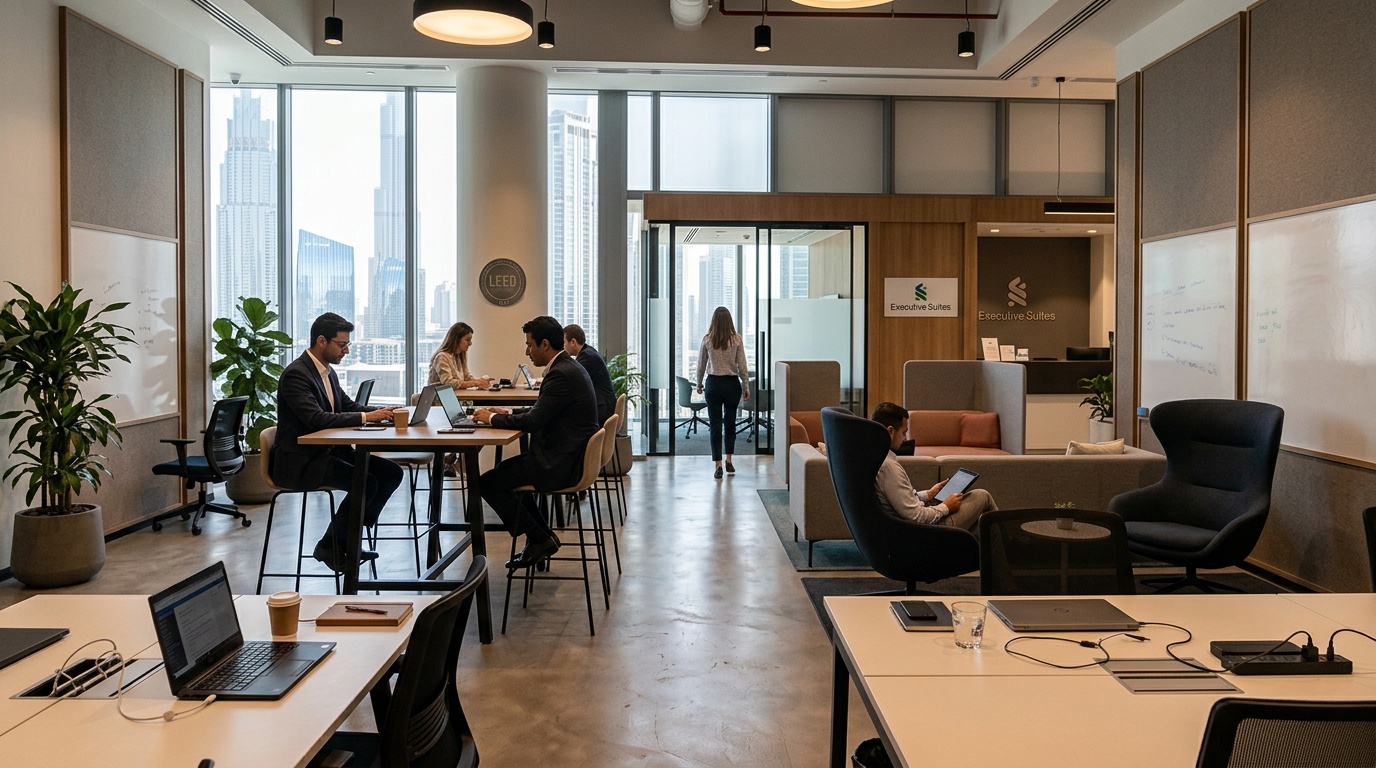
Completed in 2013 by Multiplex for GRDI and Standard Chartered, the tower exemplifies Grade A building standards. The structure was designed with sustainability at its core, achieving LEED Gold certification for its shell and core, and LEED Platinum for its interior fit-out, reflecting advanced environmental practices. According to ENGIE Solutions, the building achieves approximately 13% operational energy savings and 10% chilled water savings compared to conventional office towers. These efficiencies result from optimized HVAC systems, energy-conscious lighting, and water-saving fixtures, which reduce operating costs and ecological impact, positioning the tower as a forward-thinking workplace choice.
13% operational energy savings, 10% chilled water savings (ENGIE Solutions)
Strategic location near Dubai Mall and Burj Khalifa
20-minute commute from Dubai International Airport
Developed by Multiplex, completed in 2013
Workspace Options and Building Amenities
Traditional Leases vs. On-Demand Coworking Spaces
The standard chartered tower dubai accommodates a range of workspace preferences, from long-term traditional leases to flexible, on-demand coworking options. Traditional leases provide dedicated office units suitable for established teams requiring privacy and branding control. These spaces often come with customizable interiors and longer lease commitments, which may not suit all startups or transient professionals.
For those seeking agility, coworking spaces and hot desks within the tower offer scalable solutions without the burden of long-term contracts. This model appeals to freelancers, remote workers, and business travelers who need access to a professional environment by the hour or day. Booking desks or meeting rooms on demand enables users to maintain productivity while avoiding upfront deposits or hidden fees common in traditional leasing.
Building Facilities and Everyday Conveniences
Supporting these workspace options, the tower provides a comprehensive suite of amenities designed for comfort and efficiency. Secure parking accommodates staff and visitors, while 24/7 security systems ensure a safe environment. Elevators and well-maintained common areas support smooth daily operations. Retail outlets within or nearby the building offer dining and essential services, further reducing time spent away from work.
In addition to in-house facilities, some users may consider alternative nearby workspaces such as Servcorp Almas Tower, which delivers flexible office solutions with a focus on premium amenities and global connectivity. Mentioning Servcorp Almas Tower here highlights an excellent option for professionals who value high-end coworking environments within Dubai’s central business districts.
Pros
Flexible workspace options: traditional offices and on-demand desks
Secure parking and 24/7 building security
Retail and dining options nearby
LEED-certified sustainable building
Close proximity to major transit routes and airport
Cons
Traditional leases require longer commitments
Premium location may come with higher pricing
Limited coworking spaces compared to dedicated coworking hubs
For those prioritizing flexibility without membership constraints, the standard chartered tower dubai represents a balance of prestige and practicality. Its range of workspace types and building amenities cater to the modern professional who values both location and operational efficiency. Along with nearby options like Servcorp Almas Tower, it contributes to a diverse ecosystem of work environments in Downtown Dubai.
How to Book Flexible Workspace Without a Membership
Navigating the modern professional world often means seeking spaces that adapt to your needs, not the other way around. Traditional office leases, with their long-term commitments and extensive paperwork, can feel like a significant hurdle, especially for startups, freelancers, or businesses that prioritize agility. The standard chartered tower dubai, much like other premium locations, offers solutions that move beyond these outdated models. Hotdesk provides a pathway to access these high-quality workspaces on demand, ensuring you secure a professional environment precisely when and where you need it, without being tied down by rigid contracts or mandatory memberships.
The core principle is simple: access should be immediate and frictionless. This approach aligns with the reality that work is no longer confined to a single desk or office. Whether you need a quiet spot for focused work, a private office for client meetings, or a collaborative area for team sessions, the ability to book these resources instantly, based on actual usage, liberates professionals from unnecessary overhead and administrative burdens. It’s about enabling productivity and presence, wherever your work takes you, supported by transparent terms and straightforward booking processes.
Transparent Pricing: Day Passes vs. Private Offices
Understanding the cost of workspace is fundamental, particularly when flexibility is key. At locations like the standard chartered tower dubai, available through platforms like Hotdesk, pricing structures are designed to reflect actual use. Day passes offer an economical way to access a workspace for a single day, ideal for business travelers or remote workers needing a professional base for a short period. This option typically covers access to common areas or a dedicated hot desk, providing connectivity and a productive atmosphere without a long-term commitment.
For professionals or teams requiring more dedicated space, private offices are also available on flexible terms. Instead of multi-year leases, these can often be booked by the month or even by the day, depending on availability and provider. Pricing for private offices is usually calculated per person, per day or month, encompassing not just the physical space but also services like internet, utilities, and reception support. This contrasts with traditional leases where costs are fixed and often include significant upfront expenses like security deposits and fit-out charges. Hotdesk simplifies this by presenting clear, upfront pricing for various options, allowing users to compare and select the most suitable arrangement without hidden fees.
Step-by-Step Guide to Booking a Desk or Meeting Room
Securing a workspace at a prestigious address like the standard chartered tower dubai is designed to be straightforward, removing the complexities often associated with traditional office rentals. The process begins with identifying your specific needs: whether it’s a single hot desk for a day, a private office for a week, or a meeting room for an afternoon. Hotdesk’s platform simplifies this search, allowing you to filter by location, type of space, and desired dates.
Once you have identified your preferred workspace or meeting room, the booking process is typically completed in just a few steps. First, select the exact space and duration required. You will then see a clear breakdown of the costs involved, with no unexpected charges. After confirming your selection, you proceed to a secure payment gateway. Upon successful transaction, you will receive immediate confirmation, usually via email, containing all necessary details for accessing the space, including building entry instructions and any specific desk or room assignments. This immediate confirmation and access are central to Hotdesk’s mission of providing continuity and convenience, ensuring professionals can transition into their workspace with minimal delay. For a premium experience, consider the Servcorp Almas Tower, which offers a similar streamlined booking process for sophisticated office environments.
Booking Your Workspace: A Simple Process
Search & Select: Visit the Hotdesk platform and enter your desired location (e.g., Standard Chartered Tower Dubai) or browse available spaces. Specify the type of workspace (hot desk, private office, meeting room) and your required dates/times.
Review Options & Pricing: Browse the available spaces, viewing details about amenities and capacity. Clear pricing will be displayed for your selected duration, whether it’s a day pass, hourly meeting room rental, or a monthly office booking.
Confirm & Pay: Add your chosen space to your cart and proceed to checkout. Securely complete the payment using your preferred method.
Receive Instant Confirmation: Once payment is verified, you will receive an instant booking confirmation via email. This confirmation includes all practical information needed for your visit.
Access Your Workspace: Follow the instructions in your confirmation to access the building and your reserved workspace.
The Downtown Dubai Work Ecosystem: Beyond the Office
Navigating the Local Business and Financial Network
Downtown Dubai is one of the most active commercial hubs in the city, with the standard chartered tower dubai strategically positioned within the Hadaeq Mohammed Bin Rashid district. This location places professionals at the heart of a diverse financial and business ecosystem, surrounded by major corporate headquarters, luxury hotels, and key retail destinations like Dubai Mall. The area attracts an international workforce, creating a dynamic environment where global finance, technology, and commerce converge.
For professionals working in the tower, this means easy access to a network of influential companies and service providers. Banks, legal firms, and consulting agencies populate the district, enabling efficient partnership formation and client engagement without long commutes. The location also supports multiple modes of transportation, including metro access and main arterial roads, which facilitate meetings across Dubai’s business districts.
First-Hand Tips for Working in the Area
Working in and around the standard chartered tower dubai offers both convenience and opportunities, but there are practical considerations that can improve daily productivity. For example, securing parking early is advisable, as demand in Downtown Dubai peaks during business hours. Public transit is a reliable alternative, with nearby metro stations providing easy access without traffic delays.
Lunchtime options range from casual cafes to upscale restaurants within walking distance, allowing for flexible breaks that suit different preferences and schedules. Nearby green spaces and pedestrian-friendly sidewalks offer moments of respite, which can improve focus throughout the day. Additionally, professionals often benefit from exploring flexible workspace options nearby, such as the Servcorp Almas Tower, which provides premium coworking environments with improved amenities and global connectivity. Booking a desk there can offer an alternative when seeking a change of scenery or additional facilities.
Finally, staying connected with local business events and networking sessions in Downtown Dubai can open doors to new collaborations. The area hosts regular forums and workshops that cater to diverse industries, providing a platform for knowledge sharing and relationship building. These activities complement the professional infrastructure of the standard chartered tower dubai, making it more than just a workplace but a gateway to Dubai’s broader economic community.
Frequently Asked Questions About Standard Chartered Tower
Is Standard Chartered Tower LEED certified?
Yes, the standard chartered tower dubai holds LEED certifications that recognize its commitment to sustainability. The building achieved LEED Gold certification for its shell and core construction and LEED Platinum certification for its interior fit-out. These certifications reflect the tower’s advanced environmental design, including energy-efficient HVAC systems, water-saving fixtures, and sustainable materials. ENGIE Solutions reports that the building realizes approximately 13% savings in operational energy and 10% savings in chilled water usage compared to conventional office buildings, making it a top choice for eco-conscious businesses. Multiplex served as the main contractor for the project, completed in 2013.
Can I rent a hot desk at Standard Chartered Tower without a membership?
Yes, it is possible to rent a hot desk at the standard chartered tower dubai without committing to a membership. Flexible workspace providers, including platforms like Hotdesk, offer day passes and on-demand desk bookings that eliminate the need for long-term contracts or membership fees. Users can book workspace instantly for the duration they require, which suits freelancers, remote workers, and business travelers seeking a professional environment without the traditional leasing restrictions. This approach delivers convenience and cost transparency, allowing professionals to maintain continuity as their work location changes.
Where exactly is Standard Chartered Tower located?
The standard chartered tower dubai is located in the Hadaeq Mohammed Bin Rashid district within Downtown Dubai, adjacent to landmarks such as Dubai Mall and Burj Khalifa. Its official address is P.O. Box 999 Dubai, Emaar Square. The tower benefits from proximity to Sheikh Zayed Road, providing quick access to Dubai International Airport, approximately 20 minutes away. This central location integrates the building into Dubai’s core business district, making it easily accessible via metro, taxi, and major road networks.
The Standard Chartered Tower Dubai is an 18-floor Grade A office building in Downtown Dubai that serves as the regional headquarters for Standard Chartered Bank. It features LEED Gold certification for its shell and core and LEED Platinum for its interior fit-out, with energy savings of 13% and chilled water savings of 10%.
Where is the Standard Chartered Tower Dubai located?
The Standard Chartered Tower Dubai is located in the Hadaeq Mohammed Bin Rashid district of Downtown Dubai, near landmarks like Dubai Mall and Burj Khalifa. It offers easy access to Sheikh Zayed Road and is a 20-minute drive from Dubai International Airport.
What workspace options are available at Standard Chartered Tower Dubai?
The Standard Chartered Tower Dubai offers both traditional long-term leases and on-demand coworking spaces. Professionals can book hot desks or meeting rooms by the hour or day without long-term commitments, making it suitable for freelancers, remote workers, and business travelers.
What amenities does the Standard Chartered Tower Dubai provide?
The Standard Chartered Tower Dubai provides secure parking, 24/7 security, elevators, and well-maintained common areas. Retail outlets and dining options are available nearby, supporting daily convenience for tenants and visitors.
How can I book flexible workspace at Standard Chartered Tower Dubai without a membership?
You can book flexible workspace at Standard Chartered Tower Dubai through platforms like Hotdesk, which allows on-demand access to desks and meeting rooms. This avoids the need for long-term leases or membership fees, giving you professional space exactly when you need it.
Is the Standard Chartered Tower Dubai a sustainable building?
Yes, the Standard Chartered Tower Dubai is a sustainable building with LEED Gold certification for its shell and core and LEED Platinum for its interior fit-out. It achieves 13% operational energy savings and 10% chilled water savings compared to conventional office towers.
Who developed the Standard Chartered Tower Dubai?
The Standard Chartered Tower Dubai was developed by Multiplex for GRDI and Standard Chartered, and it was completed in 2013. The building was designed with sustainability as a core feature.
Mohamed Khaled is the Founder and CEO of Hotdesk, the on-demand workspace platform providing access to coworking spaces and flexible offices across more than 120 countries.
He spent nearly a decade at PwC before moving into financial leadership at SWVL, where he led the company’s $1.5 billion Nasdaq listing, the first Unicorn from thr Middle East to go public in the United States.
A Forbes 30 Under 30 honoree, Mohamed built Hotdesk from a side project into a global platform, leading a team of more than 50 and expanding into international markets, including the acquisition of Spain-based coworking marketplace YADO.
Also being Co-founder and President of DESK Token, the world’s first asset backed property investment and utility hybrid token, Mohammed is focused on building infrastructure that unlocks underutilized assets – from meeting rooms to private offices and full on buildings – while creating space for the future of work.
Finding a space that blends convenience, lifestyle, and accessibility is a challenge many face when relocating or seeking a new home base. The appeal of a “one central” development lies in its promise to bring together these elements within a singular, integrated environment. Whether you are looking for a residence, workspace, or retail options, understanding what defines such a development can guide your search and decision-making process.
Key Takeaways
A well-designed central development brings living, working, and leisure together so you spend less time commuting and more time doing what matters.
When evaluating a new home base, look for environments that support your full routine rather than just one aspect of it.
The best locations remove friction from your day by placing essential services, workspaces, and amenities within easy reach.
Knowing what to look for in an integrated community gives you a clear framework for choosing where to settle.
“One central” communities are not just about location; they represent a living concept that aligns with modern urban demands for flexibility, ease, and continuity. This article unpacks the defining features of these developments, focusing on residential designs and the lifestyle amenities that support low-maintenance, dynamic living.
What Defines a “One Central” Development?
Residential Floor Plans and Quick Move-In Homes
At the heart of any “one central” development are its residential offerings. These spaces are designed to accommodate a variety of lifestyles with thoughtfully planned floor plans that emphasize efficiency and comfort. From studios to multi-bedroom apartments, the layouts often maximize natural light and incorporate open-concept living to foster a sense of spaciousness despite urban density.
One hallmark of these developments is the availability of quick move-in homes, catering to residents who value speed and flexibility in securing housing. This approach suits professionals, students, and families who need to settle without lengthy waits. For example, “One Central Chicago” features an array of ready-to-occupy units, streamlining the transition process and reducing the friction typically associated with moving. These homes come equipped with modern fixtures and finishes that require minimal setup, allowing occupants to focus on what matters beyond the front door.
Additionally, these residential units often integrate smart home technology and energy-efficient appliances, reflecting growing demands for sustainability and convenience. This combination ensures residents enjoy both the comfort of contemporary living and the practicality of adaptable spaces that work with their routines.
Dining, Retail, and Low-Maintenance Living
The lifestyle aspect of a “one central” development extends well beyond the apartment walls. These communities intentionally cluster dining options, retail stores, and essential services within walking distance, creating an ecosystem where daily needs are met without extensive travel. This model supports a low-maintenance lifestyle, freeing residents from the demands of long commutes or complicated errands.
Retail spaces within these developments often feature a curated mix of local boutiques, grocery outlets, and wellness centers, fostering a practical yet lively environment. Dining options range from casual cafes to more refined eateries, presenting residents with variety and convenience. This arrangement encourages a rhythm of life where work, leisure, and home smoothly intersect.
Low-maintenance living is further supported by on-site amenities like laundry facilities, cleaning services, and secure package handling. In some developments, integrated technology platforms allow residents to manage bookings, service requests, and community updates through a central portal, improving ease of use. This infrastructure aligns with the expectations of modern urban residents who prioritize time and simplicity.
For those focused on maintaining productivity while staying connected, workspaces such as Central Working White City provide an ideal complement. This workspace exemplifies the one central philosophy by offering flexible access to professional environments that support continuity regardless of location. Users benefit from a consistent experience that balances professional needs with the lifestyle advantages of a one central development.
In these environments, the integration of residential, retail, and workspace components is not accidental but intentional, designed to reduce friction and build familiarity. Residents gain access to essential services and social opportunities without the disruption of extensive travel or multiple memberships. This continuity supports a smoother daily experience, whether one is settling into new surroundings or maintaining established routines.
In essence, a “one central” development is characterized by its comprehensive approach to urban living: flexible, ready-to-occupy homes paired with accessible amenities that promote a low-maintenance lifestyle. The inclusion of curated retail and dining, alongside workspaces like Central Working White City, ensures residents enjoy a balanced environment where movement does not mean starting over but continuing forward with ease and consistency.
Synthesizing the One Central Experience
The appeal of a one central development lies not only in its individual components but in the way those elements connect to form a cohesive urban experience. These developments are crafted to support a lifestyle that values immediate access to essentials, smooth transitions between work and home, and the freedom to move without losing continuity. Unlike traditional neighborhoods segmented by function or geography, one central developments blend residential, retail, and professional spaces deliberately, minimizing the disruption commonly associated with relocation or daily commuting.
One central apartments, such as those in One Central Chicago or One Central Albuquerque, provide more than just a place to live. They represent a foundation for ongoing engagement with the surrounding environment. Quick move-in homes paired with modern technology reduce barriers to entry, enabling residents to maintain momentum in their personal and professional lives without the usual downtime. This design philosophy acknowledges that moving is not an exception but a normal part of modern urban life, and it prioritizes continuity over reset.
Retail and dining options integrated within these developments further support this continuity by reducing the need to shift daily routines drastically. When essentials and conveniences are clustered within walking distance, residents can preserve time and energy for meaningful activities. This proximity fosters a subtle familiarity, where regular interactions and repeated visits build a quiet recognition that feels like belonging without requiring explicit social contracts. The presence of amenities like secure package handling and on-site services adds layers of ease that help sustain this rhythm.
Professional workspaces such as Central Working White City exemplify the one central approach by offering flexible environments that uphold productivity across locations. The ability to access a consistent workspace without geographic constraints is invaluable for professionals who move between cities or juggle multiple projects. Central Working White City provides reliable infrastructure, quiet zones, and networking opportunities that align with the expectations of today’s mobile workforce. This workspace goes beyond a desk rental; it acts as a steady anchor point that travels with the user, reinforcing the continuity central to the one central concept.
Recommendations for Finding Your One Central Space
Selecting a one central development requires evaluating how well the community’s design supports your lifestyle and work patterns. Consider the range and availability of residential options, especially the presence of quick move-in apartments that allow flexibility and reduce transition time. Look for layouts that maximize natural light and incorporate modern conveniences, which contribute to comfort and long-term satisfaction.
Investigate the surrounding retail and dining landscape. A well-curated mix of grocery stores, cafes, and wellness centers within walking distance is essential for a low-maintenance lifestyle. The more your daily needs align with the amenities on-site or nearby, the less you will need to disrupt your routine or spend time commuting. Pay attention to additional services like laundry, cleaning, and package handling, which can significantly reduce everyday friction.
When work flexibility is a priority, prioritize developments that include or are near professional workspaces like Central Working White City. Access to a trusted co-working environment with flexible terms and reliable infrastructure ensures that your professional life maintains continuity, regardless of location. The ability to log in and settle into a productive setting without reset provides a critical advantage in managing work-life balance.
If you are considering specific locations such as One Central Chicago or One Central CMich, research how the development integrates with broader transit options and local services. Efficient connections to transport hubs and cultural venues extend the practical benefits of a one central community beyond its immediate footprint, allowing for a richer urban experience without compromising accessibility.
Future Considerations for One Central Developments
As urban living continues to evolve, the one central model will likely expand to incorporate even more technology-driven conveniences and sustainability measures. Smart-home integration and energy-efficient designs are already features in many one central apartments, but future developments may further improve these aspects with AI-driven building management, personalized environment controls, and renewable energy sourcing. Such advances will deepen the alignment between resident needs and environmental impact, improving both comfort and responsibility.
The rise of hybrid work also suggests that professional workspaces within these communities will grow in importance. Spaces like Central Working White City will likely evolve to offer more tailored experiences, from private phone booths to team collaboration zones, reflecting diverse work styles. Their role as stable nodes of productivity that move with the individual will remain central to supporting a mobile workforce.
Additionally, the social fabric of one central developments may shift subtly. While belonging is never declared, the increased use of integrated digital platforms for service management and resident communication will foster a quieter, more organic recognition between neighbors. This technology can help maintain continuity by keeping residents informed and connected without imposing social obligations.
Developers and planners should also anticipate a growing demand for accessibility and inclusivity, ensuring that one central spaces cater to diverse populations, including families, older adults, and people with varying mobility needs. This broadening of focus will reinforce the concept’s fundamental promise: to ease transitions rather than complicate them.
Key Insights on One Central Developments
One central developments prioritize continuity by merging residential, retail, and workspaces into a single ecosystem.
Quick move-in apartments reduce friction in relocation, supporting flexible lifestyles.
Nearby amenities encourage low-maintenance living and preserve daily routines.
Workspaces like Central Working White City offer consistent professional environments that travel with residents.
Future trends point toward greater technological integration and inclusivity to maintain ease of living amid urban complexity.
Ultimately, a one central development promises more than a location; it offers a framework for living and working that respects the realities of modern mobility. By focusing on ready access, integrated services, and professional continuity, these spaces provide a foundation for residents to move forward without interruption. Choosing a development that embodies these principles can transform relocation from a reset into a smooth evolution, saving time and preserving the subtle comforts that make a place feel like home.
Frequently Asked Questions
What is a one central development?
A one central development is a community that combines residential, retail, dining, and workspace options in one location. It is designed to provide convenience and a low-maintenance lifestyle where daily needs are met within walking distance. This approach supports modern urban living with flexibility and ease.
What types of floor plans are available in one central developments?
One central developments offer a range of floor plans from studios to multi-bedroom apartments. These layouts maximize natural light and use open-concept designs to create a sense of spaciousness. Quick move-in homes are often available for residents who need to settle in without delays.
How do quick move-in homes work in a one central community?
Quick move-in homes in a one central community are units ready for immediate occupancy. They come with modern fixtures and finishes that require minimal setup. This option suits professionals, students, and families who need to relocate quickly and avoid lengthy leasing processes.
What lifestyle amenities do one central developments provide?
One central developments provide dining options, retail stores, and essential services within walking distance. They also offer on-site amenities like laundry facilities, cleaning services, and secure package handling. This setup supports a low-maintenance lifestyle where residents can focus on work and leisure without long commutes.
How does a workspace like Central Working White City fit into a one central development?
Central Working White City is a workspace that aligns with the one central philosophy by offering flexible access to professional environments. It allows residents to maintain productivity and continuity regardless of location. This integration of workspace with residential and retail components reduces the need for separate memberships or travel.
Who benefits most from living in a one central development?
Professionals, students, and families benefit most from one central developments because of the convenience and flexibility they offer. The combination of quick move-in homes, nearby amenities, and integrated workspaces reduces daily friction. This environment supports a balanced lifestyle where movement does not mean starting over.
What makes one central developments different from traditional apartment complexes?
One central developments differ by intentionally clustering residential, retail, dining, and workspace components in one area. Traditional complexes often lack this integration, requiring residents to travel for services. The one central model focuses on continuity and low-maintenance living, with everything needed within walking distance.
Mohamed Khaled is the Founder and CEO of Hotdesk, the on-demand workspace platform providing access to coworking spaces and flexible offices across more than 120 countries.
He spent nearly a decade at PwC before moving into financial leadership at SWVL, where he led the company’s $1.5 billion Nasdaq listing, the first Unicorn from thr Middle East to go public in the United States.
A Forbes 30 Under 30 honoree, Mohamed built Hotdesk from a side project into a global platform, leading a team of more than 50 and expanding into international markets, including the acquisition of Spain-based coworking marketplace YADO.
Also being Co-founder and President of DESK Token, the world’s first asset backed property investment and utility hybrid token, Mohammed is focused on building infrastructure that unlocks underutilized assets – from meeting rooms to private offices and full on buildings – while creating space for the future of work.
What do Cairo business professionals recommend for flexible workspaces in Maadi?
Ever wonder about the failure modes inherent in distributed systems? When professionals in Cairo seek a productive environment outside the traditional office, they are not just looking for a desk; they are seeking a reliable extension of their workflow. This means systems that travel with the user, not places that demand constant reconfiguration. For those operating in Egypt’s dynamic capital, understanding where to find this continuity is paramount.
Key Takeaways
Workspaces in Maadi should act as a stable extension of your existing workflow, not a new environment that forces you to adapt each time you arrive.
The true measure of a productive space is how little it interrupts your established routines, letting you pick up where you left off without reconfiguration overhead.
Professionals in Cairo value locations that minimize the friction of switching between settings, preserving focus and continuity across their workday.
Consistent network reliability and familiar layouts reduce the mental cost of shifting between home, office, and a flexible workspace in Maadi.
Selecting a workspace with predictable infrastructure keeps your attention on the task, not on troubleshooting setups or relearning the environment.
What do Cairo business professionals recommend for flexible workspaces in Maadi? The answer lies in understanding the district’s unique blend of accessibility, infrastructure, and professional culture. It’s about finding locations that offer connection without complexity, where engineering discipline prioritizes uptime and efficiency over mere marketing claims. This guide cuts through the noise to highlight what truly works at 10x.
Why Maadi Is Cairo’s Go-To District for Flexible Work
The Commute Advantage: Metro Access and the Ring Road
Maadi’s strategic location addresses a primary pain point for Cairo’s professionals: the commute. Unlike more central but congested areas, Maadi offers direct access to key transportation arteries. The Cairo Metro’s Line 1 provides a reliable, albeit busy, connection, allowing professionals to bypass road traffic entirely. For those relying on private vehicles, the proximity to the Ring Road is a significant advantage, facilitating quicker journeys to and from various parts of Greater Cairo, including business hubs in Nasr City and Mohandessin.
This logistical advantage means less time spent in transit and more time dedicated to productive work. The reduction in travel friction is not a minor amenity; it is a foundational element for consistent output. For businesses and individuals prioritizing operational continuity, Maadi’s accessibility offers a tangible benefit, ensuring that your workday begins and ends with efficiency, not frustration.
Why Consultants, Freelancers, and Startups Cluster in Maadi
Maadi has cultivated a distinct ecosystem that attracts a specific type of professional: the independent, the agile, and the growth-minded. Consultants appreciate the professional setting for client meetings without the overhead of a permanent office. Freelancers find community and necessary amenities, avoiding the isolation of working from home. For startups, Maadi offers a balance between affordability and a conducive environment for innovation and team collaboration, often within walking distance of cafes and essential services.
This concentration of talent fosters a culture of shared learning and opportunity. The district’s appeal extends beyond mere convenience; it is about belonging to a professional community that values flexibility and forward-thinking. This is precisely the environment that enables systems over announcements, where practical solutions for modern work thrive.
Maadi’s Professional Appeal
Maadi’s appeal to consultants, freelancers, and startups stems from its unique blend of accessibility and a proactive professional culture. The district provides the necessary infrastructure and community support for independent professionals and emerging businesses, making it a practical choice for those who require flexibility and efficiency in their daily operations. This concentration of talent drives a dynamic local economy and makes it a prime location for flexible workspaces.
The Top Flexible Workspaces in Maadi Recommended by Local Professionals
BeeZone, MQR Spaces, and Kapitalize: Local Favorites
Within Maadi, several coworking spaces have earned a reputation for reliability and functionality among local professionals. BeeZone, for example, is often cited for its community focus and adaptable desk arrangements, catering well to freelancers seeking both quiet concentration and networking opportunities. MQR Spaces, known for its modern design, provides a professional backdrop suitable for client interactions and team projects. Kapitalize, situated conveniently near Kattameya (a short 15-minute drive), is recognized for its business-centric approach and well-equipped facilities, making it a practical choice for those needing direct access to business amenities.
These spaces are frequently recommended not for flashy marketing, but for their consistent delivery of essential services. They understand that what works at 10x is about dependable internet, functional meeting rooms, and an environment conducive to deep work. Their popularity among Cairo business professionals is a testament to their operational integrity and capacity to support diverse professional needs without unnecessary complexity.
Corporate Options: Regus and Spaces in Maadi
For larger teams or professionals requiring a more established corporate presence, well-known international operators like Regus and Spaces offer solutions in Maadi. Regus, with its presence at the Maadi Club, provides a range of services including private offices and coworking day passes. Spaces, another brand under the IWG umbrella, similarly offers flexible office solutions and coworking areas designed for a modern business environment. These providers often ensure a baseline level of infrastructure, including internet redundancy and power backup, which is important for maintaining continuity.
When evaluating these options, professionals often look beyond the brand name to the specific operational capabilities. Are the meeting rooms equipped with reliable AV systems? Is there a clear policy on internet uptime and power continuity? These are the engineering questions that matter. For example, while many spaces offer private offices, the underlying infrastructure for connectivity and power is what defines true reliability. For professionals prioritizing consistent performance, understanding these technical specifications is key. For those looking for a high-quality workspace in a different region, Ascendris Business Bay offers a comparable standard in Dubai, demonstrating global consistency in workspace quality.
Workspace Pricing and Options in Maadi: Hourly, Daily, and Monthly Rates
The traditional office model often demands significant upfront investment and long-term commitments, creating a barrier for many professionals and startups. In Maadi, the flexible workspace market offers a compelling alternative, breaking down these financial hurdles. Instead of signing multi-year leases for underutilized space, professionals can access environments tailored to their immediate needs. This approach fundamentally shifts the cost structure from a fixed overhead to a variable, operational expense, aligning spending directly with actual usage and productivity.
When considering options, understanding the pricing tiers is essential. More realistic figures for dedicated desk space in Maadi, based on market data, can range from E£22,838 to E£28,238 per month, as reported by Office-Hub. These figures highlight the spectrum of investment required, from ad-hoc usage to consistent, dedicated resources.
Comparing the Cost of Hot Desks, Dedicated Desks, and Private Offices
The choice between a hot desk, a dedicated desk, and a private office directly impacts both cost and flexibility. Hot desks offer the most freedom, allowing professionals to work from any available spot in a common area. This is ideal for freelancers or those who only need occasional workspace access, providing significant cost savings. Dedicated desks offer a compromise, providing a personal workspace that is always available without the commitment of a full private office. This is a popular choice for consultants and small teams who need a consistent base.
Private offices, naturally, command the highest price point. These are best suited for established teams or businesses requiring a secure, private environment for sensitive work or frequent client meetings. While monthly rates for dedicated desks in Maadi can fall within the E£22,838 to E£28,238 range, private offices will exceed this considerably. The financial benefit of on-demand booking through platforms becomes clear when comparing these figures against the overhead of traditional leases, especially when factoring in utilities, maintenance, and furniture. This flexibility ensures that professionals can scale their workspace needs precisely as their business evolves.
Hidden Costs to Watch For When Booking a Workspace
While flexible workspaces aim to simplify costs, it is important to scrutinize the fine print. Beyond the advertised daily or monthly rates, professionals should look for potential additional charges. Common areas for unexpected expenses include printing and scanning services, meeting room bookings (which may have hourly limits or extra fees), premium internet access, and even access to amenities like coffee or dedicated phone booths. Some providers might also impose long-term membership fees or require significant deposits, even for flexible plans.
Understanding what is included in the base price is paramount. For example, while a workspace might advertise internet access, the actual speed, reliability, and whether it is shared or dedicated can vary significantly. Similarly, meeting room AV equipment should be assessed for functionality, not just presence. Asking direct questions about power backup systems and internet redundancy can prevent costly disruptions. For professionals seeking reliable solutions, understanding these potential hidden costs ensures that the quoted price accurately reflects the total expenditure for a productive workday. This thorough evaluation is key to determining what do Cairo business professionals recommend for flexible workspaces in Maadi, ensuring value and operational continuity.
Understanding Maadi Workspace Costs
Maadi offers flexible workspace pricing that contrasts sharply with traditional office leases. While average monthly desk costs can range from E£22,838 to E£28,238, professionals must be vigilant about potential hidden costs such as printing, meeting room surcharges, and premium amenities. Careful comparison of hot desk, dedicated desk, and private office options, alongside a clear understanding of all included services versus extra charges, is essential for making an informed decision and maximizing value.
Evaluating Infrastructure: Technical Requirements for a Reliable Workday
When professionals in Cairo seek a productive environment outside the traditional office, they are not just looking for a desk; they are seeking a reliable extension of their workflow. This means systems that travel with the user, not places that demand constant reconfiguration. For those operating in Egypt’s dynamic capital, understanding where to find this continuity is paramount. The true measure of a workspace’s value lies not in its decor, but in its underlying infrastructure. The engineering discipline that ensures continuous operation.
What do Cairo business professionals recommend for flexible workspaces in Maadi? The answer lies in understanding the district’s unique blend of accessibility, infrastructure, and professional culture. It’s about finding locations that offer connection without complexity, where engineering discipline prioritizes uptime and efficiency over mere marketing claims. For example, when evaluating options like Ascendris Business Bay in Dubai, the focus remains on the foundational technical capabilities that ensure a smooth working experience, a standard we expect to find replicated locally.
Internet Redundancy and Power Backup in Cairo Workspaces
In a city like Cairo, where power fluctuations and internet outages can disrupt workflows, the presence of strong infrastructure is non-negotiable. A professional seeking a workspace must inquire about internet redundancy. Does the provider have multiple internet service providers (ISPs) to switch to automatically if one fails? What is the average latency, and what are the typical download/upload speeds? These metrics are more telling than vague descriptions of “high-speed internet.” For critical tasks, understanding the network’s resilience is key to maintaining continuity.
Equally important is power backup. Reliable coworking spaces are equipped with uninterruptible power supplies (UPS) for essential equipment and often have generators to maintain operations during city-wide outages. This is not about luxury; it is about fundamental reliability. The principle of ensuring power continuity was always a prerequisite for mission-critical systems. Professionals should ask about the capacity and testing schedule of backup generators. Systems that are engineered for scale and uptime are those that truly support productivity, preventing costly downtime and ensuring that work infrastructure travels with the user, not the other way around.
Meeting Room AV Equipment: What Actually Works
The effectiveness of a meeting room hinges on its audiovisual (AV) capabilities, but many spaces fall short of practical standards. Beyond simply having a screen or projector, professionals need to assess the reliability and ease of use of the AV equipment. Are the displays compatible with common devices via HDMI or wireless casting? Is the sound system clear and free of distortion? These are the engineering questions that determine whether a meeting flows smoothly or devolves into technical troubleshooting.
When asking about meeting room facilities, probe for details on the specific hardware brands and their support protocols. For example, are the conference cameras high-definition and capable of wide-angle views? Is there a dedicated IT support contact available during business hours to assist with any technical glitches? The presence of advanced AV systems is meaningless if they are not consistently functional or if users struggle to operate them. This focus on precise execution ensures that the technology serves the purpose, rather than becoming an obstacle. For professionals who depend on smooth client interactions, verifying AV functionality is as important as checking internet speeds.
Infrastructure You Can Count On
For professionals in Cairo, reliable infrastructure is the bedrock of productivity in flexible workspaces. This means scrutinizing internet redundancy and power backup systems. Providers should ideally have multiple ISPs and generators to ensure continuous operation. Furthermore, meeting room AV equipment must be assessed for practicality and reliability, not just presence. Asking specific questions about hardware, connectivity, and support ensures that the workspace functions as a dependable extension of your professional capabilities, aligning with the principle of continuity over reset.
How to Access Maadi Workspaces Without Membership Lock-in
The traditional office model often demands significant upfront investment and long-term commitments, creating a barrier for many professionals and startups. In Maadi, the flexible workspace market offers a compelling alternative, breaking down these financial hurdles. Instead of signing multi-year leases for underutilized space, professionals can access environments tailored to their immediate needs. This approach fundamentally shifts the cost structure from a fixed overhead to a variable, operational expense, aligning spending directly with actual usage and productivity.
What do Cairo business professionals recommend for flexible workspaces in Maadi? The answer increasingly lies in platforms that eliminate the need for rigid memberships. These systems are engineered for scale and flexibility, allowing users to secure professional environments precisely when required. This methodology ensures that your workspace infrastructure travels with you, adapting to your project demands rather than dictating them. It’s about precise execution of your workday, not being locked into a system that doesn’t fit.
Booking On-Demand Spaces via Aggregators
Aggregator platforms represent a significant evolution in workspace access, fundamentally altering how professionals secure their work environments. These services act as a central hub, consolidating listings from various coworking spaces and offering a unified booking experience. For professionals in Cairo, this means gaining access to a wide array of options in Maadi without the need to engage directly with each individual provider or commit to long-term contracts. The process is designed for efficiency, mirroring the operational continuity that many seek.
By using an aggregator, you can compare availability, amenities, and pricing across multiple locations in seconds. This direct access to on-demand booking is particularly beneficial for consultants who might need a professional meeting space for a client presentation tomorrow, or for freelancers who require a quiet spot for focused work for just a few hours. The underlying technology ensures that what works at 10x is not just the space itself, but the system that connects you to it reliably and without friction. This is the essence of connection without complexity. Engineering discipline applied to finding your workspace.
Consider the example of Ascendris Business Bay. While located in Dubai, the principle of accessing such a premium workspace through a streamlined, on-demand platform is precisely what aggregators bring to Maadi. They remove the administrative burden, allowing professionals to focus on their core tasks. This approach aligns with the CTO’s perspective on building systems that simplify user interaction while delivering strong functionality. It’s about ensuring that your work environment is an extension of your capabilities, readily available when and where you need it.
FAQ: What to Know Before You Book in Maadi
What are the typical booking windows for flexible workspaces in Maadi?
Booking windows can vary significantly. While some providers may offer same-day bookings for hot desks or meeting rooms, others might require 24-48 hours’ notice, especially for private offices or larger team spaces. Aggregator platforms typically display real-time availability, allowing you to see what can be booked immediately versus what requires advance reservation. Understanding these windows is key to planning your work schedule effectively.
Are there additional fees beyond the advertised workspace rates?
Yes, it is common for flexible workspaces to have additional charges. These often include printing and scanning services, usage of meeting room AV equipment beyond a certain allowance, premium high-speed internet if not standard, and sometimes even consumables like coffee or tea. Always clarify what is included in the base rate and what incurs extra costs before confirming your booking to avoid unexpected expenses, ensuring precise execution of your budget.
What kind of identification is usually required when booking a workspace?
Most reputable coworking spaces and booking platforms will require a form of identification to ensure security and accountability. This typically includes a government-issued ID (like a national ID or passport) and may also require a business card or proof of employment, especially for accessing private offices or for longer-term bookings. This practice helps maintain a professional and secure environment for all users.
Can I book a workspace for a client meeting in Maadi?
Absolutely. Many flexible workspaces in Maadi are specifically designed to accommodate client meetings. They offer professional meeting rooms equipped with necessary AV technology and a polished environment. Using booking platforms allows you to quickly secure a suitable space that presents a professional image, ensuring your client interactions are productive and impressive without the commitment of a permanent office.
How do I handle cancellations or changes to my booking?
Cancellation and change policies are set by individual workspace providers but are usually clearly communicated through the booking platform. Generally, there are time limits for free cancellations or modifications. Bookings made very close to the start time may be non-refundable. It is advisable to review these policies carefully before booking, particularly if your schedule is subject to frequent changes, to understand the terms of continuity for your booking.
Which flexible workspaces in Maadi do Cairo professionals recommend?
Cairo professionals recommend BeeZone, MQR Spaces, and Kapitalize as top local favorites for flexible workspaces in Maadi. BeeZone offers community-focused desk arrangements for freelancers, MQR Spaces provides a modern design suitable for client meetings, and Kapitalize near Kattameya delivers business-centric facilities. These spaces earn recommendations through consistent internet, functional meeting rooms, and environments that support deep work.
Why is Maadi a popular district for flexible workspaces in Cairo?
Maadi is popular for flexible workspaces because of its strategic location with direct access to the Cairo Metro’s Line 1 and the Ring Road. This reduces commute time from congested areas, allowing professionals to spend more time on productive work. The district also attracts a cluster of consultants, freelancers, and startups who value professional community and walkable amenities.
What types of professionals use flexible workspaces in Maadi?
Consultants, freelancers, and startups are the primary professionals using flexible workspaces in Maadi. Consultants appreciate the professional setting for client meetings without permanent office overhead, freelancers avoid home isolation while finding community, and startups gain affordable space for innovation and team collaboration. This concentration of talent fosters shared learning and practical solutions.
How does Maadi's location benefit professionals working from flexible spaces?
Maadi’s location benefits professionals by offering direct access to the Cairo Metro’s Line 1, bypassing road traffic entirely, and proximity to the Ring Road for quicker travel to business hubs like Nasr City and Mohandessin. This logistical advantage reduces travel friction, making the workday start and end with efficiency. For businesses prioritizing operational continuity, this accessibility is a foundational element for consistent output.
What corporate flexible workspace options are available in Maadi?
Corporate flexible workspace options in Maadi include Regus at the Maadi Club and Spaces, both under the IWG umbrella. These providers offer private offices, coworking day passes, and often include internet redundancy and power backup. Professionals evaluate these spaces by checking meeting room AV systems and policies on uptime and power continuity, not just brand names.
Why do coworking spaces fail?
Coworking spaces fail when they prioritize marketing claims over infrastructure reliability. Spaces that lack dependable internet, functional meeting rooms, and power backup cannot support the continuity professionals need. Successful spaces focus on operational integrity, ensuring systems that travel with the user rather than demanding constant reconfiguration.
Mohammad El Shaari is the CTO of Hotdesk, where he leads the engineering team building and scaling a global SaaS platform for on-demand workspace bookings across 80+ countries. A Computer Science graduate from The British University in Egypt, he brings over a decade of hands-on experience in enterprise software, AI, cloud infrastructure, and cybersecurity.
Before Hotdesk, he served as CTO of Vee Tech, where he led technical delivery for 12+ enterprise clients generating $30M+ in annual revenue, and helped build Egypt’s first innovation lab at Capital International Schools.
At Hotdesk, Mohammad focuses on building scalable systems that handle real-time availability, global user distribution, and high-throughput transactions. He specializes in scalable system design, cloud-native infrastructure, and building high-performance SaaS platforms that support global user bases.
He writes about scaling SaaS platforms, backend architecture, mobile engineering, and real-world technical decisions behind building and operating global products.
Starting or expanding a business in Dubai offers incredible opportunities, driven by a dynamic economy and forward-thinking regulations. Yet, the practicalities of establishing a physical presence can often feel like a significant hurdle, especially when managing budgets or prioritizing flexibility. Many entrepreneurs find themselves navigating a complex system, trying to balance the need for a legitimate business address and essential services with the desire to avoid the overhead of a traditional office lease. This is where the concept of a virtual office emerges, promising a streamlined solution to a common challenge.
What exactly constitutes a virtual office, and how does it differ from a physical workspace? Understanding the core components is key to making an informed decision that aligns with your business needs and financial strategy. It’s about more than just a mailing address; it’s about building a foundation for your operations that respects your movement and your budget.
What a Virtual Office in Dubai Actually Includes (and What It Doesn’t)
A virtual office in Dubai provides the essential infrastructure for a business to operate legally and professionally without the need for a dedicated physical space. At its core, the service typically bundles three fundamental components: a reputable business address, professional mail handling, and a dedicated phone answering service. The business address lends credibility, allowing you to register your company and use it on marketing materials. Mail handling ensures that important correspondence reaches you promptly, often with options for forwarding or scanning. The call answering service, staffed by professionals, manages incoming calls, forwards messages, and can even take bookings or inquiries, presenting a polished image to clients and partners.
Beyond these foundational services, many providers offer optional add-ons designed to enhance your operational capabilities. These might include access to professional meeting rooms for client consultations or team gatherings, coworking space passes for days you need a change of scenery or a more collaborative environment, and secretarial or administrative support for specific tasks. These flexible additions allow you to scale your services as needed, ensuring you only pay for what you use, which is a departure from the fixed costs of a traditional office.
It is important to distinguish what a virtual office package does not provide. It does not include a dedicated physical desk, a private office suite, or direct access to utilities like electricity, internet, or water that are part of a leased premises. Furthermore, while a virtual office provides the registered address required for many business licenses, it typically does not encompass the comprehensive legal compliance paperwork or the physical space verification required for certain types of licenses, such as an Ejari registration for a physical tenancy. Understanding these exclusions is critical to setting realistic expectations and avoiding misunderstandings about the scope of service. For instance, while a provider might list a business address, they do not grant you the right to work from that location for extended periods without specific arrangements for meeting rooms or coworking access.
Pros
Professional business address for credibility and registration.
Efficient mail handling and forwarding services.
Dedicated phone answering service for professional communication.
Flexible add-ons like meeting rooms and coworking access.
Cost-effective compared to traditional office rental.
Cons
No dedicated physical workspace or private office.
Utilities and dedicated internet access are not included.
May not cover all legal compliance paperwork directly.
Physical presence is limited to booked meeting rooms or coworking.
The True Cost of a Cheap Virtual Office in Dubai
When seeking the cheapest virtual office in Dubai, it’s easy to be drawn to advertised prices that seem remarkably low, often ranging from AED 200 to AED 500 per month. Providers like Deira Business Center have listed prices as low as approximately AED 292 per month (AED 3,500 per year), while others such as Regus and Spider Business Center offer packages starting around AED 375 per month, with Spider Business Center sometimes including Ejari. Servcorp also presents competitive offers, sometimes including a first month free on their virtual office packages. These figures can be attractive for startups and small businesses aiming to minimize initial expenses. However, focusing solely on the monthly subscription price can lead to overlooking a crucial aspect: the fine print and potential hidden fees.
The cost of a virtual office often extends beyond the base package. Many providers charge additional fees for services that might seem standard. For example, mail forwarding can incur separate postage and handling charges, which can accumulate quickly if you receive a high volume of mail. Call credits for the answering service are often pre-paid and must be topped up, with unused credits sometimes expiring. Contract termination fees can also be substantial if you need to end your agreement early. It is essential to scrutinize the terms and conditions for any extra charges related to package upgrades, administrative tasks, or the usage of included amenities like meeting rooms, which may have hourly rates or booking limitations.
The notion of a “free virtual address in Dubai” is another area where expectations often diverge from reality. While some promotions might offer a complimentary address for a limited period or as part of a larger package, it is rare to find a truly free service that provides ongoing, legitimate business address registration and mail handling. What is often implied by “free” is either a very basic service with significant limitations, or the address is bundled into a more expensive service. For example, many free zone virtual office plans, which offer more comprehensive setup support, typically range from AED 5,000 to AED 15,000 per year, a significant jump from the advertised low-cost options. Always clarify precisely what is included in any offer that promises a free virtual address to ensure it meets your legal and operational requirements. For businesses needing a solid foundation without breaking the bank, options like Am Office Space offer clarity on their service inclusions and pricing structures, helping to avoid unexpected costs.
Provider
Starting Price (Approx. Monthly)
Ejari Included?
Key Potential Extra Fees
Notes
Deira Business Center
AED 292 (AED 3,500/year)
Sometimes
Mail forwarding charges, setup fees
One of the lowest annual rates found.
Regus
AED 375
Rarely (typically extra)
Mail handling, call answering credits, meeting room usage
Global presence, wide range of services.
Spider Business Center
AED 375
Often Included
Add-on services, higher-tier packages
Known for including Ejari in some packages.
Servcorp
Varies (First month free often offered)
Rarely (typically extra)
Mail forwarding, call answering, meeting room access
Premium locations and services.
General Free Zone Virtual Office
AED 417+ (AED 5,000+/year)
N/A (Specific Free Zone rules apply)
License fees, registration costs, admin charges
More comprehensive business setup support.
Ejari Compliance without the Premium Price Tag
Establishing a business in Dubai necessitates adherence to local regulations, and among the most significant is the Ejari system. Ejari, meaning “my rent” in Arabic, is the official registration system for all tenancy contracts in Dubai, mandated by the Real Estate Regulatory Agency (RERA). While primarily associated with residential and commercial leases, it plays a critical role for businesses utilizing virtual office spaces that require a registered address for their trade license. For many entrepreneurs, the thought of Ejari compliance might suggest substantial costs, perhaps necessitating a full physical office. However, this is a misconception. A legitimate virtual office provider can offer Ejari-compliant addresses at prices that remain accessible for startups and small businesses, often well under the AED 500 monthly mark.
The requirement for an Ejari-registered address is directly tied to obtaining or renewing certain business licenses, particularly those issued by the Department of Economic Development (DED) for mainland companies. Without this registration, your business license may not be considered valid, impacting your ability to operate legally, open bank accounts, or sponsor visas. Many providers offering a basic virtual office in Dubai may not include Ejari registration in their standard packages, or they might charge a significant premium for it. It is essential to differentiate between a simple business address and an address that is officially registered with Ejari. Providers who facilitate this often have specific agreements with landlords or own suitable commercial properties that allow for such registration, ensuring your business setup meets all governmental prerequisites.
Securing an Ejari-registered address for under AED 500 per month is achievable by carefully selecting a provider that specializes in this service. Companies like Spider Business Center, for example, have advertised virtual office packages starting around AED 375 per month that specifically include Ejari. This allows businesses to gain a credible, registered address without the financial burden of a physical office lease. The key is to look beyond just the monthly fee and confirm that Ejari registration is explicitly stated and included, or available as a clearly priced add-on. Always verify the provider’s offerings and their Ejari compliance procedures to ensure your business is set up on solid, legal ground from the outset.
How to Verify Ejari Eligibility Before Signing
Confirm Ejari Inclusion: Directly ask potential virtual office providers if their service includes Ejari registration for your specific business type (mainland or free zone).
Request a Sample Ejari Certificate: Ask to see a sample Ejari certificate or proof of Ejari registration from the provider to understand the format and details.
Check Location Suitability: Ensure the address provided is in a commercial zone approved by RERA for virtual office Ejari registration. Not all business addresses qualify.
Understand Contract Terms: Review the virtual office contract for any clauses related to Ejari, including renewal fees, validity period, and responsibilities for contract updates.
Consult with a Business Setup Consultant: If you are unsure, consult with a Dubai-based business setup consultant. They can verify the provider’s legitimacy and the suitability of the Ejari registration process for your specific business license requirements.
Many entrepreneurs are confused about whether their chosen virtual office provider can facilitate Ejari registration. The typical scenario involves the virtual office provider acting as the landlord or authorized agent for the business. They will issue a tenancy contract (which is the basis for the Ejari registration) for the business address. This contract, along with other required documents from the business owner (like passport copies and trade license details), is then submitted to Ejari by the provider or a designated agent. It is important to understand that the Ejari registration is for the *address* as a tenancy contract, not for the physical space you might access occasionally. This distinction is crucial for compliance. For instance, if you are looking for a cost-effective business address solution, focusing on providers that explicitly mention Ejari compliance, such as those offering packages around the AED 300-500 monthly range, is a smart strategy. These providers often understand the nuances of DED requirements and can guide you through the process, saving you considerable time and potential headaches compared to attempting it independently or with a provider unfamiliar with Ejari.
Month-to-Month vs Annual Plans: Which Saves You More?
When evaluating virtual office providers in Dubai, a key decision point often revolves around the payment structure: month-to-month flexibility versus an annual commitment. Each option presents distinct advantages and disadvantages that can significantly impact your business’s cash flow and operational agility. Month-to-month plans typically offer greater freedom, allowing businesses to scale their services up or down with relative ease, which is ideal for startups or companies experiencing rapid growth or seasonal fluctuations. However, this flexibility often comes at a higher per-month cost, frequently ranging from AED 300 to AED 700, depending on the provider and the included services. This higher recurring expense can add up over time, making it a less budget-friendly option for businesses seeking long-term cost optimization.
Conversely, opting for an annual plan usually unlocks substantial discounts, often ranging from 15% to 30% off the total cost compared to paying monthly. This makes annual commitments particularly attractive for established businesses or those with stable operational needs who can commit to a full year of service. The savings are tangible, providing a predictable budget line item and reducing the overall expenditure on your business address and essential services. For example, a provider offering a virtual office for AED 500 per month on a monthly basis might reduce that to AED 350-425 per month if you commit to a full year. This translates to significant savings over twelve months, freeing up capital that can be reinvested into other areas of the business.
The choice between these plans depends heavily on your business stage and financial strategy. For a startup just testing the market or a business with unpredictable revenue streams, the month-to-month option provides a safety net against long-term financial commitments. You can easily adjust your plan or terminate services if your needs change. However, if your business model is stable and you have a clear projection for the next year, the annual plan offers superior value. Consider the total cost calculation for a startup’s first year: a AED 500 monthly plan would cost AED 6,000 annually. If an annual plan offers a 20% discount, the cost drops to AED 4,800. This AED 1,200 saving can be substantial for a new venture. It is also worth noting that some providers, like Servcorp, may offer introductory incentives such as the first month free on annual packages, further sweetening the deal for those willing to commit. When evaluating providers, always ask for both monthly and annual pricing to make an informed decision that best suits your financial planning.
Virtual Office Plan Comparison: Monthly vs. Annual
Feature
Month-to-Month Plan
Annual Plan
Monthly Cost (Est. AED)
300. 700
210. 560 (after discount)
Total Annual Cost (Est. AED)
3,600. 8,400
2,520. 6,720
Flexibility
High: Easy to scale or cancel
Low: Commitment required for the year
Savings Potential
Lower
Higher (15-30% discount typical)
Best For
Startups, businesses with fluctuating needs, testing services
Established businesses, stable operations, long-term cost optimization
Example Scenario
A new e-commerce business testing the Dubai market.
A consulting firm needing a consistent, professional address for client engagements.
Choosing the Right Virtual Office for Your Business: A Practical Checklist
Selecting the ideal virtual office in Dubai is a decision that impacts your brand’s perception, operational efficiency, and financial health. With numerous providers offering a range of services and pricing structures, it’s easy to feel overwhelmed. However, by focusing on a few key criteria, you can systematically evaluate your options and find a solution that truly supports your business objectives. This structured approach ensures you move beyond attractive marketing claims to uncover the provider that offers genuine value, transparency, and the necessary compliance for your operations in this dynamic market.
Key Criteria for Selection
When assessing potential virtual office providers, prioritize cost transparency above all else. Look beyond the advertised monthly fee and scrutinize the entire pricing structure. Understand what services are bundled, what incurs extra charges, and if there are any setup fees, mail forwarding costs, or call credit top-ups. A provider that is upfront about all potential expenses, including any administrative fees or charges for accessing meeting rooms, builds trust and prevents budget surprises. For instance, a seemingly cheap virtual office in Dubai might become expensive quickly if every mail forwarding action or phone call is billed separately.
Ejari compliance is non-negotiable for many businesses operating in Dubai, especially mainland companies requiring a registered address for their trade license. Ensure that any provider you consider explicitly offers Ejari registration as part of their package or as a clearly priced, accessible add-on. Without this, your chosen business address may not meet regulatory requirements, leading to significant legal complications. Research providers like Spider Business Center, which have noted Ejari inclusion in their offerings, to understand how this essential service is integrated. The mail forwarding policy is another critical detail; understand the frequency of forwarding, the associated postage costs, and whether options like scanning and emailing documents are available. This impacts how quickly you receive important business communications.
The prestige of a business address can significantly influence client perception. While a prime location in Downtown Dubai or Business Bay might seem appealing, it often comes with a premium price tag. Evaluate your needs realistically. Does your business require a high-profile address to attract international clients, or is a functional, compliant address sufficient? Many providers offer a range of address options, allowing you to balance the desire for prestige with budget constraints. For example, a startup might initially opt for a more economical but still reputable address, with plans to upgrade later if needed. Understanding these criteria helps narrow down choices to providers that align with both your operational needs and your brand’s image.
Testing the Waters: Low-Commitment Options
Before committing to a long-term contract, take advantage of flexibility offered by some providers. Many virtual office services allow for month-to-month agreements, offering a low-risk way to trial their services. This approach is particularly beneficial for new businesses or those uncertain about their exact requirements. During this initial period, pay close attention to the responsiveness of the customer support team, the accuracy and speed of mail handling, and the clarity of billing statements. It’s also an excellent opportunity to test the quality of any included call-answering services by having a colleague or friend make a test call.
Some providers may even offer free trials or introductory periods, such as Servcorp’s first month free. While these offers are often tied to longer commitments, they still provide a valuable opportunity to experience the service firsthand without immediate financial outlay. During your trial or initial month, actively use the services available. If meeting rooms are part of your package, book one to assess its facilities and booking process. If mail forwarding is included, send yourself a test package to gauge the turnaround time. This hands-on experience is invaluable for discerning between advertised capabilities and actual performance, helping you make a confident decision about whether the provider meets your expectations before you are locked into a more significant commitment.
Case Study: Smart Savings for ‘Innovate Solutions’
Innovate Solutions, a burgeoning tech startup in Dubai focused on developing AI-driven marketing tools, initially opted for a premium virtual office package in a sought-after business district. Their primary driver was the prestige of the address and the promise of comprehensive support. They paid approximately AED 1,000 per month for a package that included a prime business address, dedicated receptionist services, and generous meeting room credits. While the address certainly looked good on their letterhead and initial client meetings were impressive, the recurring high cost began to strain their limited startup budget. They found that while the receptionist was polite, the service was not always proactive, and they rarely used the full extent of their allocated meeting room hours.
After six months, the founders of Innovate Solutions decided to re-evaluate their spending. They conducted thorough research, focusing on providers offering Ejari compliance and transparent pricing. They discovered that by switching to a more budget-friendly virtual office provider for around AED 400 per month, they could still secure a respectable business address in a well-regarded commercial area, maintain Ejari compliance, and get efficient mail handling. The key was understanding that the ‘premium’ services they initially paid for were largely unnecessary for their current operational phase. Their new provider offered excellent mail scanning services, which were more practical for their remote team, and a pay-as-you-go model for meeting room bookings, which proved far more cost-effective.
The transition was smooth. They retained their company registration and continued to receive mail without interruption. The cost savings of over AED 600 per month were significant, allowing Innovate Solutions to reallocate those funds into product development and marketing campaigns. This case illustrates that a cheaper virtual office option doesn’t necessarily mean a loss of functionality or professionalism. It requires careful evaluation of actual needs versus perceived necessities. By prioritizing cost transparency, Ejari compliance, and practical mail services, Innovate Solutions successfully reduced their overhead without compromising their business operations or their credibility. For businesses looking for similar efficiencies, exploring options that clearly define their service inclusions, much like what can be found with solutions such as Am Office Space, offers a pathway to significant savings and operational clarity. Their commitment to outlining service packages helps other businesses make informed choices, similar to the smart move made by Innovate Solutions.
Which Maadi coworking space should I choose if I need a professional address for my business?
Establishing a credible business presence is foundational, whether you are a local startup testing the market or an international firm expanding into Egypt. A professional address lends legitimacy, assuring clients and partners that your operations are stable and accessible. When physical office space is not yet a requirement, or when you prioritize flexibility, the question becomes: Which Maadi coworking space should I choose if I need a professional address for my business?
Key Takeaways
A professional business address in Maadi signals stability and accessibility, which builds trust with clients and partners from day one.
Coworking spaces let you establish a credible presence without committing to a full office, making them a smart choice for testing the market or scaling flexibly.
Choose a coworking provider with reliable infrastructure to avoid the cost and disruption of changing your business address later.
The right Maadi location balances professional image with easy access for your team and clients, supporting long-term operational continuity.
This is not just about receiving mail; it is about how your business is perceived and its ability to meet regulatory requirements. We are looking at spaces engineered for reliability, offering the continuity your business needs without demanding constant reconfiguration. Let us break down the options in Maadi that provide this essential service.
Which Maadi coworking spaces offer a professional business address?
Securing a professional business address is a strategic move for companies seeking to establish credibility and meet registration needs without the overhead of a dedicated office. In Maadi, several coworking facilities provide this important service, differentiating themselves through support for business registration and mail handling. Understanding which spaces offer this, and the specifics of their service, is key to making an informed decision.
Independent spaces with business address support: MQR, Cozy, The District
Several independent coworking hubs in Maadi focus on providing essential business services alongside workspace. MQR Spaces Maadi, for example, is noted for its professional environment suitable for client meetings and administrative functions. Similarly, Cozy and The District offer dedicated business address packages, often including mail forwarding and reception services. These spaces are typically managed by local teams who understand the nuances of the Egyptian business community, offering a more personalized approach to virtual office solutions.
The advantage of these independent operators often lies in their flexibility and direct management. They can adapt their offerings more readily to specific business needs. When evaluating them, consider the specifics of their mail handling policies: how often is mail processed, what are the forwarding options, and is there a dedicated point of contact for administrative queries? This level of detail ensures the address service supports your operational flow, rather than creating new points of friction.
Global operators in Maadi: Regus, Spaces, HQ Business Center
International coworking brands also have a significant presence in Maadi, offering business address services as part of their broader portfolio. Regus, with multiple locations including near Maadi Club, provides virtual office solutions that come with a recognized business address. Spaces Maadi, situated conveniently near the Maadi Post Office, emphasizes accessibility and a modern work environment, often incorporating business address services into their membership tiers. HQ Business Center is another global player known for maintaining consistent service standards across its network, including offering registered addresses.
These global operators bring a standardized level of service and infrastructure. Their business address offerings are typically integrated into comprehensive packages that may include access to business lounges or discounted rates on meeting rooms. For businesses that anticipate international expansion or value a globally recognized brand name associated with their address, these options present a compelling case. The infrastructure these companies build is engineered for scale, ensuring a degree of reliability and consistency.
How to verify whether a coworking address is acceptable for your registration
Using a coworking space’s address for official business registration is a critical step that requires careful verification. The primary authority for business registration in Egypt is the Commercial Registry, alongside the tax authority. Not all coworking addresses are automatically accepted; the space must typically be able to provide a formal rental agreement or a certificate of use for the specific address you intend to register. This document serves as proof that your business has a legitimate operational base, even if it is virtual.
It is essential to engage directly with the coworking provider about their policies regarding business registration. Ask specific questions: Do they explicitly permit using their address for company registration? What documentation will they provide to support your application with the Commercial Registry? Some spaces may have restrictions based on the type of business or require a commitment to a specific membership level. Consulting with a local business registration expert or legal advisor familiar with Egyptian regulations is always recommended to ensure full compliance and avoid potential rejection of your registration.
Coworking Space
Business Address Service Available?
Mail Handling
Registration Support
Notes
MQR Spaces Maadi
Yes
Forwarding/Collection Options
Typically requires formal agreement
Independent, local management.
Cozy
Yes
Package acceptance, forwarding
Inquire directly for specifics
Focus on community and flexibility.
The District
Yes
Mail notification and forwarding
Documentation provided upon request
Professional environment.
Regus (Maadi locations)
Yes (Virtual Office)
Mail forwarding, notification
Standard documentation provided
Global operator, multiple sites.
Spaces (Maadi)
Yes
Mail and package handling
Check specific terms for registration
Near Maadi Post Office, good logistics.
HQ Business Center (Maadi)
Yes
Mail and package services
Support for registration typically offered
Consistent international standards.
How much does a business address in Maadi cost per month?
The cost of a professional business address in Maadi can vary significantly, depending on the type of service chosen and the provider’s specific offerings. It is not just about the monthly fee; understanding what is included and what might incur additional charges is essential for accurate budgeting. This ensures you are not surprised by hidden costs and can make a selection that aligns with your financial strategy and operational needs.
Virtual office pricing vs. hot desk vs. dedicated desk vs. private office
A dedicated virtual office package, which provides a business address and mail handling without physical workspace access, is typically the most economical option. Prices can start as low as EGP 1,400 per month, as seen with some providers in the area, providing a registered address and mail services. For those who need occasional workspace, a hot desk membership might include a business address as part of a broader package. This offers more flexibility if you plan to use the coworking space physically a few days a month.
Dedicated desks and private offices inherently include the use of the location’s address. While these offer full workspace access, the cost is considerably higher. A dedicated desk might range from $100-$200 per month, and private offices can be significantly more, depending on size and amenities. The key distinction for a business address-only service is that it isolates the address component, making it a more cost-effective solution for businesses that do not require daily physical access to a workspace but need a legitimate, professional mailing and registration address.
Hidden costs: mail handling fees, deposit, contract length penalties
Beyond the advertised monthly rate for a business address, several potential costs can accumulate. Mail handling fees are common; while some packages include a set number of mail collections or forwarding requests, exceeding this limit may incur per-item charges. Fees for mail forwarding, especially for larger packages or international shipments, can also add up. It is important to clarify the policy on package acceptance, as some providers may charge for receiving parcels.
Deposits are often required, particularly for virtual office services, to cover potential unpaid fees or damages. Contract length penalties are another area to scrutinize; many providers offer lower monthly rates for longer commitments (e.g., 6 or 12 months). If you need to terminate the agreement early, you could face significant penalties. Always read the fine print regarding cancellation policies and any potential charges for early termination.
Real-time pricing snapshot from Hotdesk for Maadi locations
Hotdesk aggregates real-time pricing and availability, offering a clear view of costs for business addresses in Maadi. While exact figures fluctuate based on provider promotions and current demand, you can typically find virtual office plans starting around EGP 1,400 per month. For example, a provider like Coworking Naubostik, while located in Barcelona, exemplifies the type of flexible, modern workspace solutions that Hotdesk partners with globally, offering various tiers that could include business address services. In Maadi specifically, users can compare plans from multiple operators side-by-side on the Hotdesk platform.
When browsing on Hotdesk, pay close attention to the details of each business address package. Some may include a generous number of mail forwarding requests per month, while others might offer more basic mail reception. The platform allows you to filter by services included, so you can quickly identify options that meet your needs for mail handling and registration support. This direct comparison helps eliminate guesswork and ensures transparency in pricing, aligning with our commitment to infrastructure that travels with you, not against you.
Key Insight
When selecting a business address from a coworking space, verify its acceptance for official registration with Egyptian authorities. Ensure the operator can provide a formal rental agreement or certificate of usage and understand all mail handling fees and contract terms to avoid unexpected costs.
Step by step: How to register your business in Egypt using a coworking address
Registering your business in Egypt requires navigating specific legal and administrative processes. When using a coworking space’s address, understanding the regulatory framework is paramount. This is not about finding a mailing drop; it is about ensuring your business has a legally recognized operational base. Systems over announcements are key here, meaning the actual documentation and acceptance by authorities are what matter most.
The Commercial Registry and the tax authority are the primary bodies governing business registration in Egypt. They require verifiable proof of a business’s physical presence, even if that presence is virtual. The coworking space must be able to provide official documentation that satisfies these entities. This process demands precision and adherence to established procedures to avoid delays or outright rejection.
Legal caveats: which coworking addresses are accepted by the Commercial Registry and tax authority
Not every coworking address is automatically permissible for official business registration in Egypt. The Commercial Registry and the tax authority require that the address provided be linked to a formal contractual agreement, such as a lease or a service agreement, that clearly outlines the use of the premises for business purposes. This document serves as evidence that your company has a legitimate operational footprint, even if it is a virtual one.
Providers offering business address services must be willing and legally able to furnish the necessary documentation. This typically includes a formal rental agreement or a certificate of usage for the specific address you intend to register. It is critical to confirm with the coworking operator upfront if they offer these specific documents and if their address is recognized by the relevant Egyptian governmental bodies. This verification step prevents future complications and ensures your registration proceeds smoothly.
Documents you need from the coworking operator (rental agreement, proof of reservation)
To successfully register your business using a coworking address, you will need specific documentation from the provider. The most important is a formal rental agreement or a service contract. This document must clearly state your company’s name, the registered address, the duration of the agreement, and the services included, such as mail handling. It acts as your proof of a physical connection to the location.
Beyond a rental agreement, some authorities might request a proof of reservation or a letter of authorization from the coworking space. This confirms that the space is aware of and consents to your business registration at their address. It is also wise to obtain a copy of the coworking space’s own registration or business license. Gathering these documents systematically ensures you meet all prerequisites for registration and demonstrates a clear operational setup, reflecting systems engineered for scale and compliance.
Common pitfalls and why some coworking addresses get rejected
Several common issues can lead to the rejection of a coworking address for business registration. One primary pitfall is when the coworking space does not provide the legally required documentation, such as a formal rental agreement that meets the Commercial Registry’s standards. Some operators may only offer informal arrangements or basic mail forwarding without the necessary contractual backing for registration purposes.
Another frequent problem arises when the coworking space’s address is not deemed suitable for registration by the authorities. This can occur if the space is primarily residential, if it has zoning restrictions, or if the operator has had previous issues with registrations. Additionally, failure to clearly define the scope of services in the agreement. Specifically regarding the use of the address for official registration. Can cause rejection. It is always advisable to consult with a local legal expert or business registration consultant to navigate these complexities and ensure your chosen address meets all legal requirements for your specific business needs. This diligence is part of making sure your infrastructure travels with you, not against you.
Key Insight
When securing a professional address for business registration in Egypt, prioritize coworking spaces that can provide a formal rental agreement or certificate of usage. Verify acceptance with the Commercial Registry and tax authority, and understand that a clear, documented relationship is essential to avoid registration pitfalls. This careful selection process is critical for establishing your business’s legitimate presence.
What to look for in a Maadi coworking address beyond the price
Selecting a professional business address involves more than just the monthly fee. While cost is a factor, the true value of a coworking address lies in its reliability, the services it supports, and how it reflects on your company’s image. Systems engineered for scale mean looking beyond the surface to understand the operational infrastructure that keeps your business connected and credible. We must consider the nuances that ensure your chosen address facilitates your business operations, rather than creating new points of friction.
When evaluating options, think about the continuity your business requires. Does the provider offer the dependable services needed to maintain your company’s professional standing? This involves examining the tangible support systems in place, from mail handling to client reception, and how these align with your business’s unique operational flow. The goal is to find an address that travels with you, supporting your growth without demanding constant reconfiguration.
Mail handling and package acceptance policies compared
Effective mail handling is a cornerstone of a reliable business address service. Providers differ significantly in how they manage incoming correspondence. Some offer simple mail collection and forwarding, while others provide more advanced services like package acceptance, digital scanning of mail, and even secure shredding. When comparing, ask about the frequency of mail processing, the cost structure for forwarding services (especially for larger items or international shipments), and whether there are limits on the number of forwarding requests per month.
The capacity to accept packages is also a key differentiator. For businesses that receive supplies, client gifts, or important documents via courier, a space that can handle packages is essential. Some operators may charge extra for package reception or have strict size limitations. Understanding these policies upfront prevents unexpected charges and ensures that your mail and deliveries are managed efficiently, maintaining the continuity of your business communications without disruption. This level of detail is critical for what works at 10x.
Meeting rooms and client reception: does the address feel professional?
The perception of professionalism is directly tied to the environment where your clients or partners might be received, even if it is just for a meeting. A business address often implies a physical presence, and if you plan to meet clients at or near the location, its appearance and facilities matter. Look for spaces that offer well-appointed meeting rooms, professional reception services, and a welcoming atmosphere. These elements contribute to a positive first impression and reinforce your company’s credibility.
Consider the availability and booking process for meeting rooms. Are they easily accessible, well-equipped with necessary technology (like projectors or video conferencing), and do they project the image you want for your business? A professional reception desk that can greet visitors and handle basic inquiries can also be invaluable. This level of service transforms a simple address into a functional extension of your business operations, ensuring that client-facing interactions are smooth and reflect positively on your brand. This is about connection without complexity.
Location accessibility: Metro, parking, and the ‘prestige’ factor in Maadi
The physical location of a coworking space in Maadi offers more than just an address; it impacts accessibility for you, your team, and potential visitors. Proximity to public transportation, such as the Maadi metro station, is a significant advantage for those relying on public transit. Similarly, adequate parking facilities can be a major convenience for team members or clients who drive. Easy access contributes to a more fluid operational workflow.
Beyond practicalities, the ‘prestige’ factor of a Maadi address can play a role in business perception. Certain areas within Maadi might be perceived as more established or commercially significant, lending an air of authority to your business. While subjective, this can influence client confidence. Evaluating accessibility and the general profile of the neighborhood helps ensure your chosen business address aligns with your company’s strategic positioning and operational requirements, reflecting infrastructure chosen for scale and impact.
Pros and Cons of Maadi Coworking Addresses
Pros
Professional image for clients and registration.
Cost-effective alternative to a physical office.
Mail handling and forwarding services streamline operations.
Access to meeting rooms for client interactions.
Convenient locations in Maadi with transit/parking options.
Cons
Potential for hidden fees in mail handling or package acceptance.
Limited physical workspace access if not part of a broader membership.
Dependence on the operator’s reliability for mail and reception.
Some addresses may not be suitable for all types of business registration.
The ‘prestige’ factor can vary significantly by specific location within Maadi.
Which Maadi coworking space fits your business type (freelance, startup, enterprise)?
Choosing the right coworking space for a professional business address depends heavily on your business’s specific needs and structure. What works for a sole freelance consultant might not be ideal for a rapidly growing startup or an established enterprise looking to expand its presence. Understanding your operational requirements is the first step in matching your business to a space that offers the right continuity and connection without complexity.
The key is to align the coworking provider’s offerings with your usage patterns, client-facing needs, and legal structure. This ensures you are not overpaying for services you do not need, nor are you compromising on essential support. Precise execution means selecting a solution that is engineered for your scale, providing the foundational elements for your business to operate effectively from a Maadi address.
Your decision criteria should start with how often you anticipate needing physical access to the space, if at all. A freelancer working remotely might only require mail handling and an occasional meeting room. A startup might need a more robust package that includes a dedicated desk and regular access for a small team, alongside a professional business address. For larger enterprises, the address might be for registration or a satellite presence, with minimal physical usage anticipated.
Consider your client-facing needs. If you frequently host clients or partners, the professionalism of the reception and meeting facilities associated with the address becomes paramount. Your business’s legal structure also plays a role; different entities may have varying requirements for registered addresses. For instance, the Commercial Registry’s acceptance criteria can influence which providers are suitable. These factors help define the minimum requirements for your chosen business address service, ensuring it supports your company’s growth trajectory.
One‑page decision flowchart: “What type of Maadi membership do you need?”
To simplify the selection process, imagine a straightforward decision flowchart. Start with the primary need: a professional business address. If your only requirement is mail handling and registration, a virtual office plan is likely sufficient. If you anticipate needing occasional workspace, consider a hot desk membership that includes an address. For more frequent physical access and a dedicated spot, a dedicated desk or private office membership will offer the address as part of a comprehensive workspace solution.
The flowchart then guides you to evaluate ancillary services: Do you need regular meeting room access? How important is a staffed reception for visitors? What are the mail forwarding requirements? By answering these questions, you can narrow down the options to spaces that offer the specific blend of services and address functionality required for your business type. This methodical approach ensures you select infrastructure that travels with you, not against you.
Real user excerpts: freelancers, small teams, overseas founders
Freelancers often seek a professional address to legitimize their solo ventures and manage correspondence efficiently. “I needed an address that looked established for my graphic design business, but I work from home most days. A virtual office in Maadi was perfect for mail and the occasional client meeting,” shares one user. This highlights the need for cost-effective solutions that provide credibility without demanding physical office space.
For small teams, the need often extends to team collaboration and a consistent operational base. “As a startup, having a recognized business address in Maadi helps us appear more established to potential investors and clients. We also use the meeting rooms weekly,” explains a team lead. Overseas founders might use a Maadi address as their entry point into the Egyptian market, valuing the administrative support and registered presence. “Setting up our Egyptian branch was much simpler with a local address and support services handling our mail,” notes an international founder. These real-world scenarios underscore the diverse requirements met by professional business addresses.
Your business type dictates the ideal Maadi coworking address solution. Freelancers may prioritize cost-effective virtual offices for mail and registration, while startups and enterprises might require integrated packages offering workspace access, meeting facilities, and a strong professional image. Carefully assess your usage frequency, client interaction needs, and legal requirements to select the membership that best supports your company’s operational continuity.
Can you use a coworking space as a business address?
A coworking space functions as a valid business address when the provider supplies a formal rental agreement or certificate of use for Commercial Registry registration. Many Maadi coworking facilities structure their virtual office packages to include this exact documentation, ensuring your company meets Egyptian regulatory requirements without leasing physical square footage. This setup maintains operational continuity while eliminating the administrative burden of managing a traditional lease.
What is the best address to use for a business?
The best address to use for a business is a verified professional address located in a recognized commercial district like Maadi, Cairo. This location provides immediate credibility with clients and satisfies the Commercial Registry requirement for a legitimate operational base. Selecting a space with reliable mail handling and consistent administrative support prevents registration delays and keeps your company profile stable.
Does IRS accept virtual address for business?
The IRS accepts a virtual address for US-based businesses when the provider supplies a legitimate lease agreement and handles mail professionally. For companies registering in Egypt, the Commercial Registry requires the same documentation, making a Maadi coworking space a valid option when it provides a formal certificate of use. This standardized verification process ensures your business profile remains compliant across different jurisdictions.
How to choose the right coworking space?
You choose the right coworking space by verifying that the provider explicitly permits Commercial Registry registration and supplies the necessary rental documentation. Evaluate their mail processing frequency, forwarding options, and dedicated administrative contacts to ensure the infrastructure supports your daily operations without creating rework. Prioritizing spaces with consistent service standards and local regulatory knowledge prevents registration rejections and maintains long-term business continuity.
Does a Maadi coworking space offer registration support?
A Maadi coworking space offers registration support when it provides a formal rental agreement or certificate of use required by the Commercial Registry. Independent hubs like MQR and The District, alongside global operators such as Regus and Spaces, structure their virtual office tiers to include this exact documentation. Confirming these administrative capabilities upfront guarantees your business meets Egyptian compliance standards without unexpected delays.
Mohammad El Shaari is the CTO of Hotdesk, where he leads the engineering team building and scaling a global SaaS platform for on-demand workspace bookings across 80+ countries. A Computer Science graduate from The British University in Egypt, he brings over a decade of hands-on experience in enterprise software, AI, cloud infrastructure, and cybersecurity.
Before Hotdesk, he served as CTO of Vee Tech, where he led technical delivery for 12+ enterprise clients generating $30M+ in annual revenue, and helped build Egypt’s first innovation lab at Capital International Schools.
At Hotdesk, Mohammad focuses on building scalable systems that handle real-time availability, global user distribution, and high-throughput transactions. He specializes in scalable system design, cloud-native infrastructure, and building high-performance SaaS platforms that support global user bases.
He writes about scaling SaaS platforms, backend architecture, mobile engineering, and real-world technical decisions behind building and operating global products.
For a small startup in Maadi, the right meeting space isn’t just a room; it’s a strategic asset. It’s where initial impressions are formed, important deals are struck, and the future of your venture takes shape. Professionalism, reliability, and a sense of established presence can significantly influence client perception and investor confidence, especially in the early stages when every interaction carries immense weight. Securing a client-ready environment on demand transforms a potential logistical hurdle into a clear advantage, allowing your team to focus on what truly matters: closing business and driving growth.
The friction of constantly needing to find a suitable place to meet, or worse, trying to make a makeshift office presentable, can distract from core objectives. This is where understanding the value of continuous, professional workspace access becomes clear. It’s not about having an office; it’s about having the right environment available precisely when required, without the overhead or commitment of a permanent setup. This approach supports agility and ensures your startup always presents its best face, regardless of its current physical footprint.
A professional meeting room is more than just four walls; it’s a tool for credibility and growth.
Why Client-Ready Space Matters for Early Teams
In the competitive startup arena, first impressions are paramount. A small team often lacks the established reputation of larger corporations, making the physical space where meetings occur critically important. Presenting clients or investors in a polished, professional setting signals stability, attention to detail, and a serious commitment to business. This client-ready space demonstrates that your startup operates with a level of professionalism that instills confidence. It’s about creating an environment where conversations can flow without distraction, and where your team can concentrate on articulating their vision and value proposition effectively. For early-stage ventures, this capability is not a luxury; it’s a necessity for building trust and securing partnerships.
The Cost of Resetting Your Workspace Setup
Constantly reorienting your workspace or trying to adapt an unsuitable location for client meetings incurs significant hidden costs for small startups. The time spent searching for available rooms, the administrative effort to book them, and the potential embarrassment of an unprofessional setting all detract from productive work. Furthermore, the expense of setting up a dedicated meeting space, only to have it underutilized, strains limited budgets. This constant cycle of setup and teardown, or the compromise of using less-than-ideal environments, represents a drain on both financial resources and team morale. It’s a friction that can be avoided by adopting a more flexible, on-demand approach to professional meeting facilities.
Key Takeaway: For startups, investing in flexible access to professional meeting spaces prevents costly downtime and ensures consistent client presentation.
Continuous Presence Over Temporary Desks
While temporary desks offer flexibility for individual work, the need for consistent, professional meeting facilities is a different requirement for startups. The ability to book a well-equipped meeting room whenever a client visit is scheduled, or an important team strategy session is due, provides a sense of continuity that temporary desks alone cannot offer. This approach ensures that regardless of where your team members might be working on a given day, they have reliable access to a professional environment for collaborative or client-facing activities. It supports the idea that movement shouldn’t disrupt your business’s ability to present itself professionally, creating a stable foundation for client interactions and internal planning.
Comparing Maadi Workspace Providers for Startup Needs
Maadi offers a range of workspace options, but not all are equally suited for the specific demands of a growing startup. Evaluating providers requires looking beyond basic desk availability to focus on the meeting room infrastructure that facilitates client engagement and team collaboration. Understanding the nuances of space capacity, technological provisions, and the reliability of the operator ensures that your choice directly supports your business objectives. For a small startup needing meeting rooms, the question “What coworking space in Maadi is ideal for a small startup needing meeting rooms?” demands a focused comparison of providers based on these critical criteria.
Space Inventory and Meeting Room Capacities
When a startup seeks a coworking space in Maadi, the available meeting room inventory is a primary consideration. Some locations might offer only one or two small rooms, which can quickly become a bottleneck for a growing team. For example, MQR Maadi is noted for having four meeting rooms and a training room, suggesting a more substantial capacity for bookings. Conversely, smaller hubs might focus more on hot desks and private offices, with limited options for larger group meetings. It’s essential to ascertain the number of rooms available, their typical capacities (e.g., seating 4, 8, or 12 people), and whether these align with your projected client and team meeting needs. This inventory dictates your ability to secure space when required.
Technology and Soundproofing Standards
The technological capabilities and acoustic integrity of meeting rooms are non-negotiable for professional engagements. Startups often require high-speed internet, reliable projectors or large displays for presentations, and clear audio for video conferencing. A space like Regus, which operates in Maadi, often provides these amenities, with daily meeting room prices starting around EGP 150 at some locations, indicating a baseline of professional equipment. Equally important is soundproofing; private discussions about sensitive company information or client negotiations must remain confidential. A lack of adequate soundproofing can undermine professionalism and trust. Therefore, assessing the tech stack and the acoustic privacy offered is as important as the room’s size.
Operator Credibility and Service Consistency
The reputation and operational consistency of a workspace provider significantly impact the user experience. For a startup, partnering with a credible operator means fewer surprises and a more predictable service delivery. Hotdesk, for example, facilitates access to spaces like HQ Space and Meccano Coworking Space in Maadi, drawing on its network of over 2,500 spaces globally. This broad presence implies a standardized approach to quality and service. Operators with a track record, perhaps including established names or those with a strong online presence and positive reviews, tend to offer more reliable amenities, better support staff, and a more professional environment overall. Verifying the operator’s standing and their commitment to consistent service quality is key to avoiding disruptions.
Good for teams needing dedicated local options with multiple rooms.
Reliable, professional, but can be more costly or rigid.
Exceptional flexibility and choice across Maadi and beyond.
Pricing Models and Booking Flexibility
For a small startup, financial agility is as important as strategic vision. Traditional office leases or long-term coworking memberships often demand significant upfront investment and lock companies into commitments that can become burdensome as circumstances change. This is where understanding the pricing models and booking flexibility offered by workspaces in Maadi becomes paramount. Startups need environments that adapt to their growth trajectory, not dictate it. The cost of a meeting room, for example, should reflect its utility and availability, not a fixed, long-term obligation. Evaluating these models helps identify solutions that align with an asset-light operational strategy.
Hourly Versus Monthly Commitments
The choice between hourly bookings and monthly commitments fundamentally shapes a startup’s financial planning and operational flexibility. Monthly memberships, while sometimes offering a slight per-unit discount, tie up capital and require a predictable, consistent need for space. For a startup that experiences fluctuating demand for meeting rooms. Perhaps hosting clients only a few times a month or needing ad-hoc team sessions. This model can lead to paying for unused capacity. On the other hand, hourly booking offers granular control, allowing a startup to pay only for the time a meeting room is actively in use. This pay-as-you-go approach is ideal for managing variable needs and preserving cash flow, ensuring that resources are deployed precisely where and when they are most effective.
Hidden Costs in Traditional Serviced Offices
Many traditional serviced offices present an attractive facade of all-inclusive services, but a closer examination often reveals a host of hidden costs that can inflate budgets for small startups. Beyond the advertised monthly fee, one might encounter charges for Wi-Fi usage, printing, coffee, or even basic administrative support. Meeting room bookings in these environments can also come with restrictive policies or additional fees for exceeding a certain time limit, or for using specific AV equipment. The initial EGP 150 per day quoted by some providers like Regus might seem reasonable, but these ancillary charges can quickly add up, making accurate budgeting challenging. For startups operating on tight margins, these unexpected expenses can be a significant drain, underscoring the need for transparent pricing.
Pricing & Flexibility Comparison
Pros
On-Demand Booking: Pay only for actual usage, ideal for variable needs.
Cost Efficiency: Avoids fixed monthly costs for underutilized space.
Cash Flow Management: Preserves capital by reducing upfront and long-term commitments.
Scalability: Easily adjust space needs as the startup grows or faces seasonal lulls.
Transparency: Clear hourly rates simplify budgeting and expense tracking.
Cons
Potential for Higher Per-Use Cost: Frequent, long bookings might exceed monthly membership fees.
Availability: Popular slots might require advance booking, though platforms like Hotdesk streamline this.
Membership Benefits: May miss out on exclusive member perks offered by some traditional coworking spaces.
The On-Demand Advantage for Asset-Light Teams
The operational philosophy of many modern startups centers on being asset-light. Minimizing fixed assets and overhead to maintain maximum flexibility and speed. In this context, the on-demand model for workspace solutions, particularly meeting rooms, offers a distinct advantage. It aligns perfectly with the need to scale operations up or down rapidly without being encumbered by long-term leases or underutilized infrastructure. Platforms that facilitate instant booking, such as Hotdesk, empower startups to secure professional meeting spaces in seconds, across various locations in Maadi like HQ Space or Meccano Coworking Space. This immediate access means a startup can confidently schedule client meetings or critical team sessions without the administrative delays or financial risks associated with traditional office arrangements, ensuring continuity and a professional image at all times.
This approach allows founders to focus their energy and capital on core business development, product innovation, and customer acquisition, rather than managing physical office space. The ability to secure a client-ready environment precisely when needed, without the burden of ownership or long-term contracts, is a strategic enabler for agile businesses. It ensures that every interaction, from an initial client pitch to an internal brainstorming session, takes place in a professional setting that reflects the startup’s ambition and dedication. The question “What coworking space in Maadi is ideal for a small startup needing meeting rooms?” finds a clear answer in the flexibility and efficiency of on-demand solutions.
From Search to Signature Meeting: A Maadi Booking Walkthrough
Navigating the process of securing a professional meeting space can often feel like another task on an already overloaded startup founder’s plate. However, with the right tools and understanding, this process can transform from a point of friction into a streamlined experience that supports your business objectives. For a small startup in Maadi needing meeting rooms, the journey from realizing the need to hosting a successful client meeting is now more accessible than ever. This walkthrough outlines how to efficiently find, book, and utilize a workspace, ensuring that your team always presents a polished and professional image, reinforcing your credibility with every interaction.
Filtering for Startup Requirements
The initial step in finding the ideal coworking space in Maadi for your startup involves identifying specific needs that go beyond just square footage. For client meetings, this means focusing on professional aesthetics, reliable technology, and appropriate capacity. When using a platform like Hotdesk, you can filter search results based on these critical criteria. Look for options that clearly list amenities such as high-speed internet, AV equipment, and soundproofing. Consider the typical size of your client meetings. Whether you need a small huddle room for 4 people or a larger space for up to 10. Some providers, like MQR Maadi, offer multiple meeting rooms and a training room, indicating a diverse inventory to choose from. By specifying these requirements upfront, you narrow down your search to spaces that genuinely support your business interactions, rather than just offering generic desk space.
Reserving and Accessing the Space
Once you’ve identified suitable options, the reservation and access process should be as frictionless as possible. Modern booking platforms are designed for speed and ease. For example, Hotdesk enables booking in seconds, allowing you to secure a meeting room at spaces like HQ Space or Meccano Coworking Space with just a few clicks. Upon booking confirmation, you typically receive details regarding access, which might include a digital pass, a code, or instructions to check in at a reception desk. The goal is to minimize administrative overhead. A startup founder should not have to spend valuable time on complex booking forms or lengthy confirmation procedures. The system should confirm availability instantly and provide clear, actionable instructions for entry, ensuring that your team can arrive and transition into their meeting without delay or confusion.
Your Quick Guide to Booking a Maadi Meeting Room
Define Needs: Determine capacity, required tech (Wi-Fi, projector), and desired location within Maadi.
Search & Filter: Use a platform like Hotdesk to search for Maadi spaces. Filter by meeting room availability, size, and amenities.
Review Options: Compare listed spaces, checking details on room features and operator reputation. Look for providers with clear pricing.
Book Instantly: Select your preferred time slot and book the meeting room directly through the platform.
Access Space: Follow provided instructions for entry, whether it’s a code, keycard, or reception check-in.
Conduct Meeting: Utilize the professional environment for your client or team session.
Review & Repeat: Provide feedback if possible, and save preferred spaces for future bookings.
Smooth Handoff and Follow-Up
The experience doesn’t end when the meeting concludes. A truly effective workspace solution facilitates a smooth transition for both the team and any subsequent users. This includes ensuring that any necessary follow-up actions. Like sending meeting minutes or sharing documents. Can be done efficiently from the same professional environment or a connected workspace. For startups, this smooth handoff means that the momentum gained during the meeting is not lost due to logistical challenges. It also implies that the workspace provider maintains the space impeccably, ensuring it’s ready for the next user. This consistency, from booking to departure, reinforces the reliability of the service and contributes to the overall positive impression your startup makes. It’s this end-to-end experience that truly defines the value of a well-chosen coworking space in Maadi for a small startup needing meeting rooms.
The continuous presence of professional infrastructure, managed through intuitive platforms, allows startups to operate with the confidence that their external image is consistently maintained. Whether it’s a quick review of action items immediately after a client departs or preparing for the next scheduled session, the availability of connected services and a well-kept environment is key. This operational ease frees up founders to concentrate on strategic growth, knowing that their physical representation is handled with professionalism and care, supporting their ambition to build and scale effectively.
Questions Founders Ask About Maadi Workspace Bookings
Founders and startup leaders in Maadi often navigate a unique set of challenges when it comes to securing professional meeting spaces. The need for client-ready environments that project credibility, combined with the financial realities of a lean operation, drives many common questions. Understanding the specifics of room availability, pricing structures, available technology, and convenient access is key to making informed decisions that support business growth. This section addresses frequently asked questions to provide clarity for small startups seeking the ideal coworking space in Maadi for their meeting room needs.
Meeting Room Sizes and Capacities Available in Maadi
Startups often require a range of meeting room sizes, from intimate spaces for one-on-one client discussions to larger rooms for team strategy sessions or group presentations. In Maadi, providers like MQR Maadi offer a specific inventory, including four meeting rooms and a training room, suggesting a capacity for various group sizes. While exact capacities can vary, typical offerings in Maadi spaces range from small rooms accommodating 4-6 people to larger boardrooms that can host 10-12. For very small teams or individual calls, many coworking spaces also provide private phone booths or small huddle rooms, which are essential for confidential conversations or quick virtual meetings. The primary keyword, “What coworking space in Maadi is ideal for a small startup needing meeting rooms?”, is best answered by assessing which locations offer this necessary flexibility in room dimensions and guest capacity.
Pricing Ranges for Hourly and Daily Bookings
Understanding the cost structure is paramount for startups managing tight budgets. In Maadi, pricing for meeting rooms can differ significantly based on the provider and the duration of the booking. For instance, some providers may offer daily rates, with Regus listing meeting room prices starting around EGP 150 per day in certain locations, though day offices can be considerably more at EGP 1,490 per person per day. For more granular needs, hourly booking options are increasingly available, offering a pay-as-you-go model that avoids long-term commitments. While specific hourly rates are not always publicly listed and can depend on the room’s size and amenities, this flexible approach is invaluable for startups needing occasional access to professional spaces without the overhead of a fixed monthly membership. Hotdesk facilitates access to such on-demand bookings across various Maadi venues.
Technology and Equipment Included in Standard Rooms
The technology and equipment within a meeting room directly impact the professionalism and efficiency of any business gathering. Startups typically require reliable high-speed Wi-Fi, presentation capabilities such as projectors or large screens, and audio-visual equipment for video conferencing. Many coworking spaces in Maadi aim to meet these demands. While specific offerings vary, standard amenities often include essential AV tools and robust internet connectivity. For founders asking “What coworking space in Maadi is ideal for a small startup needing meeting rooms?”, it’s important to confirm if the space includes features like whiteboards, conference phones, or seamless connectivity for laptops. Spaces accessible through platforms like Hotdesk are generally vetted to ensure they meet a baseline of professional standards for technology and equipment, supporting productive client interactions.
Location and Accessibility Factors for Client Visits
Client perception is heavily influenced by the ease with which they can reach your meeting location. Maadi is a well-established district with good transport links, making it a convenient choice. When evaluating coworking spaces, consider their proximity to major roads, public transportation hubs, and available parking. For startups, choosing a location that is easily accessible for clients arriving from different parts of Cairo or Giza is a significant advantage. Spaces like those found via Hotdesk in Maadi, such as HQ Space or Meccano Coworking Space Zahraa Al Maadi, are situated in areas that balance professional atmosphere with practical accessibility. This ensures that your startup can host visitors without causing them undue travel stress, reinforcing a positive impression from the outset.
For a startup aiming to grow, the ability to consistently secure professional meeting spaces without administrative complexity is a significant operational advantage. Whether you are looking for a quiet space for a private call or a well-equipped room for a client presentation, understanding these common questions helps pinpoint the ideal solution. The availability of flexible booking options and reliable amenities in Maadi’s coworking scene means that founders can focus on their core business, confident that their workspace needs are met efficiently. This continuous access to professional environments supports the ambition of building a successful venture, wherever your work takes you.
While comparing various options, it’s worth noting the breadth of services available. For example, the Spanish workspace, Coworking Naubostik, demonstrates a similar commitment to providing accessible, high-quality workspaces, even if located internationally. This global perspective highlights the evolving accessibility of professional environments for mobile entrepreneurs. Similarly, Hotdesk connects users to diverse spaces, ensuring that founders can find what they need, whether it’s in Maadi or elsewhere.
Best coworking space in Maadi for a solo freelancer on a budget.
The reality for many freelancers and remote professionals today is movement. It is not just about finding a place to work; it is about maintaining your rhythm, your focus, and your sense of belonging, no matter the location of your work. For those based in or considering Cairo, the district of Maadi offers a unique blend of accessibility, charm, and affordability that makes it a compelling choice for the budget-conscious solo professional. It is a place where the infrastructure supports your workflow without demanding a premium, allowing you to concentrate on what truly matters: your business.
Key Takeaways
Maadi stands out as a district where solo professionals can build their work routine without straining their finances.
Freelancers need more than just a desk, they need an environment that preserves their focus and sense of connection to a community.
Affordable coworking infrastructure in Maadi allows independent workers to direct their energy toward growing their business rather than worrying about overhead costs.
The combination of accessibility and character makes this Cairo neighborhood a practical base for remote professionals seeking stability amid constant movement.
When you are building a freelance career, every decision about your workspace impacts your productivity and your peace of mind. You need environments that are not only functional but also conducive to deep work, offering reliable services and a comfortable atmosphere. Maadi presents an attractive proposition, balancing the needs of a modern remote worker with the practicalities of budget management. This guide explores why Maadi stands out and highlights some of the best budget-friendly coworking options available.
Why Maadi Is a Smart Base for the Solo Freelancer
Location and Accessibility
Maadi’s appeal begins with its strategic location and straightforward accessibility, key factors for any solo freelancer managing their time effectively. The district is well-served by Cairo’s public transportation network, most notably the Maadi station on Metro Line 1. This direct connection to the city center and other essential areas means you can easily reach clients, partners, or other business hubs without relying solely on personal transport. For those who drive, while traffic is a Cairo constant, Maadi offers pockets of street parking and dedicated lots near commercial areas, often more manageable than in the hyper-central districts. The neighborhood’s design also encourages walkability; once you are in the vicinity of your chosen workspace or a local amenity, you can often accomplish errands or grab lunch on foot, saving time and reducing transit friction.
Neighborhood Vibe
Beyond pure logistics, Maadi offers a distinct quality of life that supports a balanced freelance routine. It is known for its leafy streets, a more relaxed pace compared to downtown Cairo, and a pleasant atmosphere that makes working outside the home feel less like a compromise and more like a choice. The abundance of cafes provides informal meeting spots or change-of-scenery work locations, often equipped with decent Wi-Fi and the essential coffee-fueled energy. Restaurants cater to a variety of tastes and budgets, facilitating client lunches or simply a well-deserved break. Additionally, Maadi boasts several green spaces and parks, offering opportunities for fresh air, a mental reset, or even a change of pace for calls or light work outdoors when the weather permits. This blend of urban convenience and relaxed ambiance contributes to a more sustainable and enjoyable work-life integration.
The Expat and Remote Worker Presence
Maadi has long been a favored residential area for expatriates and international professionals, and this demographic naturally extends to its remote working community. This presence has fostered an environment that is generally more accustomed to international standards and diverse needs, including reliable infrastructure and a variety of amenities that cater to those working remotely. You will find a community that understands the requirements of modern work, from consistent internet access to quiet zones. This can also translate into a more diverse network of fellow freelancers and professionals, offering potential for informal connections and a sense of shared experience. The expat influence contributes to a neighborhood that feels welcoming and equipped for a globalized workforce, making it easier for solo freelancers to find their footing and feel connected.
5 Budget-Friendly Coworking Spaces in Maadi: A Side-by-Side Comparison
Finding the best coworking space in Maadi for a solo freelancer on a budget requires looking beyond just the monthly price tag. It is about understanding the value offered through amenities, location, and flexibility. While Maadi offers a range of options, several stand out for their affordability and suitability for independent professionals. We have identified spaces that provide essential services without demanding high membership fees. These options often cater specifically to the needs of individuals who require a professional environment for focused work, client meetings, or simply a dedicated space away from home distractions. Below, we break down some of the leading choices, detailing what they offer to help you make an informed decision about your next workspace.
Our research indicates that typical hot desk prices in Maadi range from approximately EGP 1,400 to EGP 2,500 per month. Day passes are also readily available, generally falling between EGP 150 and EGP 300, offering flexibility for those who do not need a full-time dedicated spot. When evaluating these spaces, consider not only the price but also the specific features that align with your daily work demands. Reliable Wi-Fi speed is paramount for video calls and large file transfers, while convenient hours of operation ensure you can work when you are most productive. Amenities like printing facilities, quiet zones, and comfortable seating arrangements further contribute to the overall value proposition. Some spaces might offer lower monthly rates, but they may charge extra for essential services like meeting room usage or high-speed internet, which can quickly increase your overall expenditure.
Workspace Name
Address
Price (Approx. Monthly Hot Desk)
WiFi Speed
Hours
Key Amenities
MQR Spaces Maadi
Various locations in Maadi
Starting EGP 1,500
Reliable
Standard Business Hours
High-speed internet, meeting rooms, printing
Ebda3 Capital Maadi
Various locations in Maadi
Starting EGP 1,600
Fast
Standard Business Hours
Modern design, quiet zones, communal areas
Regus Maadi
Various locations in Maadi
Varies (Inquire for specifics)
High-speed
Standard Business Hours
Professional environment, business lounge, meeting rooms
Makanak Office (Zahraa Maadi)
Zahraa Maadi
Competitive Pricing (Inquire)
Good
Standard Business Hours
Convenient location, basic amenities
Local Cafes (e.g., Starbucks, Cilantro)
Multiple branches across Maadi
Cost of F&B (approx. EGP 150-300/day for extended use)
Variable (can be inconsistent)
Morning to Evening
Coffee, snacks, informal seating
When considering the best coworking space in Maadi for a solo freelancer on a budget, remember that ‘budget-friendly’ does not mean sacrificing essential functionality. Spaces like MQR Spaces and Ebda3 Capital are often cited for offering solid value, providing reliable internet and a professional atmosphere starting around EGP 1,500-1,600 monthly for a hot desk. While Regus offers a global standard, its pricing can sometimes be higher, making it less ideal for the strictest budgets unless specific promotions are available. For the absolute lowest daily cost, using cafes can work, but the inconsistency of Wi-Fi and the lack of dedicated professional amenities mean they are best suited for very occasional use or tasks that do not demand high bandwidth or absolute quiet. A platform like Hotdesk can help you discover and book these diverse options, often with transparent pricing and no long-term commitments, ensuring you always find a space that fits your needs and your wallet.
How to Choose the Right Workspace for Your Freelance Routine
Selecting the ideal coworking space is more than a logistical decision; it is a strategic choice that directly impacts your productivity, well-being, and professional output. For solo freelancers, especially those mindful of their budget, the criteria for choosing a workspace extend beyond basic amenities. It involves a deep understanding of your personal work habits, the non-negotiable features that support your tasks, and the overall environment that fosters focus and efficiency. This section guides you through the essential considerations to ensure you find a space that truly aligns with your freelance routine, helping you make informed choices without overspending.
When searching for the best coworking space in Maadi for a solo freelancer on a budget, pay close attention to how each option supports your unique workflow. Are you someone who thrives in quiet, focused environments, or do you benefit from a bit of background buzz and the opportunity for spontaneous interaction? Understanding this fundamental aspect of your work style is the first step in filtering potential locations. A space that feels too quiet might stifle your energy, while one that is too loud could shatter your concentration. Recognizing your preference helps narrow down options to those that genuinely support, rather than hinder, your daily productivity.
Assessing Your Work Style: Quiet Focus vs. Social Buzz
Your personal work style is the bedrock upon which the perfect workspace is built. If your freelance work demands deep concentration, analysis, or extensive writing, a quiet zone or a private desk setup becomes paramount. Look for spaces that explicitly offer soundproof areas, designated quiet rooms, or layouts designed to minimize distractions. Conversely, if your work involves collaboration, client calls, or you simply draw energy from a more dynamic atmosphere, a space with a communal feel, open-plan seating, and active common areas might be more suitable. Some freelancers thrive on the ‘third place’ energy of a cafe, while others need the structured silence of a library; identifying your preference ensures you select a coworking environment that complements your natural productivity rhythm, rather than fighting against it.
Consider the balance you seek. Many modern coworking spaces offer a mix, providing both quiet zones and more social common areas. This flexibility can be invaluable. You might use a quiet booth for intensive tasks and then move to a communal table for a brainstorming session or a quick chat. Evaluating the noise levels and the general ‘vibe’ of a space during a visit or by reading reviews is essential. A space known for frequent networking events might be excellent for some, but disruptive for others needing uninterrupted focus. The key is to match the environment’s energy to your own, ensuring that your chosen workspace supports, rather than detracts from, your ability to perform at your best.
Must-Have Amenities: Reliable WiFi, Power Outlets, Printing
Beyond the atmosphere, practical amenities are non-negotiable for any solo freelancer. Foremost among these is reliable, high-speed internet. In the current digital economy, slow or spotty Wi-Fi can halt your workflow entirely, impacting deadlines and client satisfaction. When assessing a space, inquire about their internet provider, speed test results if available, and redundancy measures. Equally important are readily accessible power outlets. Constantly searching for a place to charge your laptop or phone is a frustrating distraction. Ensure that desks and common areas are equipped with sufficient outlets, preferably with both standard and USB ports. For many freelancers, printing capabilities are also a necessity, whether for contracts, reports, or client materials. Check if printing services are included, what the cost per page is, and the type of machines available.
These core amenities form the functional backbone of your workday. Without them, even the most appealing environment becomes impractical. For example, MQR Spaces Maadi and Ebda3 Capital Maadi are often noted for their commitment to providing dependable infrastructure, which is a significant draw for professionals who cannot afford downtime. When touring a space, do not hesitate to perform a quick speed test on your phone or ask about their network security. Similarly, observe the placement and availability of power outlets. These details, though seemingly small, contribute significantly to the overall experience and can differentiate a truly productive workspace from one that merely offers a desk. For the best coworking space in Maadi for a solo freelancer on a budget, these foundational services must be consistently excellent.
Hours of Operation and 24/7 Access
The traditional 9-to-5 workday does not always align with the flexible nature of freelance careers. Some freelancers are early birds who prefer to start their day before dawn, while others are night owls who find their peak productivity late in the evening. Consequently, understanding the operating hours of a coworking space is critical. Standard business hours, typically from 8 or 9 AM to 6 PM, might suffice for many, but for those with irregular schedules, this can be a limiting factor. It is worth investigating whether a space offers extended hours, weekend access, or even 24/7 availability, as this can significantly influence your ability to work when inspiration strikes or when deadlines loom, irrespective of the clock.
While 24/7 access might seem like an ideal perk, it is important to weigh this against your actual needs and budget. Spaces offering round-the-clock access often come at a premium. For many solo freelancers, particularly those on a budget, standard business hours coupled with a willingness to use cafes or home offices during off-peak times can be a more economical approach. Yet, if your work demands constant availability or you frequently travel across time zones, exploring options that provide extended or 24/7 access, even if it means a slightly higher monthly fee, could be a worthwhile investment. Always clarify what ‘access’ entails. Does it mean full access to all facilities, or just entry to a desk area?
Trial Visits and Day Passes: Test Before You Commit
Committing to a monthly membership without experiencing the space firsthand can be a risky proposition. Fortunately, most reputable coworking facilities offer trial visits or day passes, allowing you to test drive the environment before making a long-term commitment. This is an invaluable opportunity to assess everything from the Wi-Fi speed and noise levels to the comfort of the seating and the general atmosphere. Day passes, typically ranging from EGP 150 to EGP 300 in Maadi, are an excellent way to gauge if a space meets your needs without financial obligation. They are particularly useful if your work schedule is inconsistent or if you plan to use different spaces throughout the month for variety.
For the budget-conscious freelancer, strategically utilizing day passes can be a smart way to access professional workspaces only when necessary. Instead of paying for a full month, you can book a day pass for specific projects that require a dedicated office environment or for important client meetings. This approach offers maximum flexibility and cost control. For example, if you are looking for the best coworking space in Maadi for a solo freelancer on a budget, you might purchase a few day passes from different locations to find your favorite before considering a monthly plan. This experiential approach ensures you invest in a workspace that genuinely fits your professional life and financial expectations, avoiding the disappointment of a commitment that does not deliver.
Community and Networking: What to Expect (and Not to Expect)
While the primary draw for many freelancers is access to a professional workspace, the potential for community and networking is often a significant secondary benefit. Coworking spaces can foster a sense of belonging, offering opportunities to connect with other professionals, share insights, and even discover new collaborations or clients. Yet, setting realistic expectations is necessary. Not all spaces are designed with community-building as a central focus, and the ‘vibe’ can vary greatly. Some spaces actively host networking events, workshops, and social gatherings, while others are more geared towards independent work with minimal interaction. Assess the space’s approach to community: does it align with your desire for connection, or do you prefer a more solitary experience?
For the solo freelancer, the ideal community is one that feels supportive without being intrusive. You might seek out spaces where conversations are common in designated areas, or where members are generally open to introductions. On the other hand, if your focus is purely on deep work, you will want to ensure that any social buzz does not bleed into quiet zones. Remember that the community is made up of individuals; your experience can depend on who else is using the space at any given time. While spaces like Coworking Naubostik in Barcelona focus on a specific community feel, in Maadi, the diversity of spaces means you can find environments ranging from highly social to strictly functional. Consider what level of interaction truly benefits your freelance business and personal well-being.
Workspace Evaluation Checklist
Pros
Reliable, high-speed Wi-Fi tested and confirmed
Ample accessible power outlets (standard and USB)
Dedicated quiet zones or soundproof areas
Flexible membership options (day passes, monthly)
Convenient operating hours matching your work schedule
Clean and well-maintained facilities
Supportive and professional atmosphere
Proximity to public transport or parking
Opportunities for relevant networking (if desired)
Cost-effective pricing with transparent fee structures
Cons
Inconsistent or slow internet connectivity
Lack of sufficient power outlets
Excessive noise or distractions in work areas
Rigid, long-term contracts with penalties
Limited operating hours that conflict with your work schedule
Unpleasant or poorly maintained environment
High hidden fees for basic amenities (printing, meeting rooms)
Difficult access or inconvenient location
Overly aggressive or unwelcome networking demands
Membership costs that exceed your budget for the value offered
Why is Maadi a smart choice for solo freelancers on a budget?
Maadi offers a compelling mix of accessibility, a relaxed neighborhood atmosphere, and affordability that suits budget-conscious solo professionals. Its strategic location with good public transport links and a pleasant environment supports a productive work routine without demanding premium prices.
What are the typical costs for coworking spaces in Maadi?
For solo freelancers in Maadi, monthly hot desk prices typically fall between EGP 1,400 and EGP 2,500. Day passes are also available, generally costing between EGP 150 and EGP 300, providing flexibility for varied work needs.
How does Maadi's location benefit a solo freelancer?
Maadi’s strategic location is a significant advantage for solo freelancers managing their time effectively. It’s well-connected by Cairo’s public transport, particularly Metro Line 1, allowing easy access to the city center and other essential areas without constant reliance on personal transport.
What kind of neighborhood vibe does Maadi offer for remote work?
Maadi provides a distinct, more relaxed pace compared to downtown Cairo, known for its leafy streets and pleasant atmosphere. This environment makes working outside the home feel like a deliberate choice, supported by numerous cafes and green spaces for breaks or informal work.
What key features should a solo freelancer look for in a Maadi coworking space?
When choosing a coworking space in Maadi, prioritize reliable Wi-Fi speed for smooth online operations and convenient hours that match your productivity peaks. Look for essential amenities like printing facilities, quiet zones, and comfortable seating to ensure your work environment supports deep focus.
Does Maadi have a community that understands remote work needs?
Yes, Maadi has a notable presence of expatriates and international professionals, fostering an environment accustomed to diverse needs and reliable infrastructure for remote workers. This community understands the requirements of modern work, from consistent internet access to dedicated quiet areas.
Mohamed Khaled is the Founder and CEO of Hotdesk, the on-demand workspace platform providing access to coworking spaces and flexible offices across more than 120 countries.
He spent nearly a decade at PwC before moving into financial leadership at SWVL, where he led the company’s $1.5 billion Nasdaq listing, the first Unicorn from thr Middle East to go public in the United States.
A Forbes 30 Under 30 honoree, Mohamed built Hotdesk from a side project into a global platform, leading a team of more than 50 and expanding into international markets, including the acquisition of Spain-based coworking marketplace YADO.
Also being Co-founder and President of DESK Token, the world’s first asset backed property investment and utility hybrid token, Mohammed is focused on building infrastructure that unlocks underutilized assets – from meeting rooms to private offices and full on buildings – while creating space for the future of work.
Unpacking Coworking Costs in Abu Dhabi: Beyond the Monthly Membership
When considering a coworking space in Abu Dhabi, the initial focus often lands on monthly membership fees. While these provide a baseline understanding, the true value and flexibility of coworking lie beyond fixed, long-term commitments. For many professionals, especially freelancers or those with fluctuating workloads, the ability to access workspace on demand is paramount. This is where hourly and daily booking options shine, offering a pay-as-you-go model that aligns perfectly with flexible working needs.
Key Takeaways
Monthly membership fees alone do not capture the full picture of coworking value in Abu Dhabi.
On-demand hourly and daily bookings let professionals pay only for the time they actually use.
Flexible access models serve freelancers and variable-workload teams better than long-term commitments.
True workspace flexibility means matching your booking pattern to your actual working rhythm.
Hourly and daily access transforms the concept of a coworking space into a utility rather than a fixed overhead. Need a quiet spot for a few hours to finalize a proposal? Or perhaps a professional setting for a client meeting that lasts half a day? These granular booking options mean you only pay for the time you actually spend working in the space. This level of flexibility is a significant departure from traditional office leases and even some restrictive coworking plans, ensuring cost-efficiency and adaptability for individuals and small teams.
Monthly memberships themselves come in various tiers, each catering to different levels of access and amenity usage. From basic hot desk access, where you can choose any available seat, to dedicated desks offering a consistent personal workspace, and private offices for teams requiring more privacy and security, the options are diverse. Understanding what each tier includes. Such as the number of hours included for meeting room bookings, printing credits, or access to specific community events. Is key to selecting a plan that maximizes your investment and supports your work style.
Comparing pricing structures across different providers requires looking beyond the headline monthly figure. Some spaces might offer lower monthly rates but charge extra for essential amenities like high-speed internet or meeting rooms. Others bundle services, potentially increasing the upfront cost but offering better value if you utilize all included features. A transparent comparison involves examining per-hour rates for on-demand access, the cost of dedicated desks versus hot desks, and the inclusions within various membership levels. This clarity helps in identifying the most cost-effective option for your specific requirements.
It is essential to be aware of potential hidden costs that can inflate the overall expense of coworking. These might include charges for exceeding meeting room time limits, excessive printing, or premium amenities not covered by a standard membership. Some providers may also have long-term contract obligations or hefty setup fees. At Hotdesk, our platform is engineered to present clear, upfront pricing for every coworking space listed. We focus on providing real-time availability and transparent costs, aiming to eliminate surprise charges and ensure that booking a workspace is as straightforward and predictable as possible, allowing users to focus on their work, not on managing unexpected expenses.
Understanding Your Investment: A Pricing Snapshot
When evaluating coworking costs, consider the total expenditure relative to the value derived. For instance, while a monthly membership might seem high, its cost per day can be significantly lower than ad-hoc hourly bookings if you work from the space five days a week. Conversely, for sporadic use, hourly or daily passes offer unmatched financial agility. The presence of features like dedicated desks versus shared hot desks also influences pricing, alongside the availability and cost of meeting rooms and other facilities.
Example Comparison Points:
Hourly Rate: Cost for 1-3 hours of access.
Day Pass Rate: Cost for full-day access.
Hot Desk Monthly: Unassigned desk access for a month.
Dedicated Desk Monthly: Assigned desk access for a month.
Private Office Monthly: For teams, includes dedicated space.
Meeting Room Hours: Included or charged separately.
Additional Services: Printing, mail handling, premium internet.
Essential Amenities and How to Choose Your Ideal Abu Dhabi Space
Selecting the right coworking space in Abu Dhabi goes beyond just location and price; it hinges on the amenities that support your productivity and workflow. High-speed, reliable WiFi is non-negotiable. It’s the backbone of modern work. Equally important are well-equipped meeting rooms, available on demand, offering professional settings for client interactions or team collaboration. Access to printing, scanning, and copying facilities also ensures that day-to-day operational needs are met without requiring external services.
Beyond these core requirements, specific workspace features can significantly boost efficiency and comfort. Soundproof phone booths or private nooks are invaluable for taking confidential calls or focusing intensely without distraction. Comfortable lounge areas provide informal spaces for breaks, casual meetings, or a change of scenery. A well-equipped kitchen with complimentary coffee and tea can make a difference in daily comfort and team morale. These elements contribute to an environment that fosters both concentration and connection.
The scope of amenities extends beyond the immediate workspace. Consider practicalities like accessible parking, especially if you commute by car, or proximity to public transport links. For those seeking professional growth, regular networking events and a strong community atmosphere can be as valuable as the physical space. These opportunities foster collaboration, provide learning experiences, and can lead to new business prospects. A coworking space that actively cultivates a supportive community offers a distinct advantage over a solitary workspace.
From an infrastructure perspective, what stays working is paramount. As CTO, I’ve seen firsthand how unreliable connectivity or power issues can derail productivity and damage client trust. When evaluating a potential coworking space, I look for signs of engineered reliability: redundant internet connections, stable power backup systems, and well-maintained IT infrastructure. These are not always visible but are critical indicators of a workspace that understands the demands of professional operations. Systems over announcements. Knowing the underlying infrastructure is sound. Provides true peace of mind.
Choosing an Abu Dhabi coworking space that aligns with your workflow and goals involves a personal assessment. Are you a freelancer needing quiet focus, a startup requiring collaborative space, or an enterprise seeking flexible overflow capacity? Match the available amenities and community culture to your specific needs. For instance, if client meetings are frequent, prioritize spaces with professional reception services and ample meeting rooms. If deep work is your priority, seek out locations offering quiet zones and private offices. Hotdesk helps clarify these options, presenting detailed information so you can make an informed decision based on what truly works for your business.
Choosing Your Workspace: Key Considerations
Pros
Reliable Infrastructure: Consistent internet, power, and IT support are foundational.
Community & Networking: Events and a supportive atmosphere foster growth.
Convenient Location: Easy access via transport or with parking availability.
Cons
Inconsistent WiFi: Poor connectivity disrupts work and client interactions.
Limited Amenities: Lack of meeting rooms or private spaces hinders collaboration and focus.
Hidden Fees: Unexpected charges for services or usage.
Lack of Community: A sterile environment can feel isolating and offer fewer networking chances.
Rigid Contracts: Long-term commitments that do not suit flexible work styles.
Instant Access: Booking Your Abu Dhabi Coworking Space with Hotdesk
The Hotdesk Advantage: Global Inventory, Local Access
What distinguishes Hotdesk in the crowded market of coworking space abu dhabi options is its engineered approach to instant access and flexibility. Unlike traditional platforms that require lengthy membership signups or lock users into fixed contracts, Hotdesk offers a global inventory of workspaces that users can reserve on demand. This model suits Abu Dhabi’s dynamic professionals who need workspace solutions without the overhead of long-term commitments.
Hotdesk’s platform includes a curated selection of spaces that meet strict reliability criteria, prioritizing stable internet, professional environments, and transparent pricing. Access extends beyond Abu Dhabi to over 80 countries, providing consistent workspace experiences that “travel” with the user rather than forcing them to reconfigure setups each time. This infrastructure-first mindset ensures that what works at scale also works locally, reducing downtime and administrative friction.
How to Find and Book in Seconds (No Membership Required)
Booking through Hotdesk is designed for speed and certainty. Users can filter options by location, amenities, and time slots, then reserve a desk, office, or meeting room instantly without creating a binding membership. This pay-as-you-go model eliminates the uncertainty and delay common in coworking space abu dhabi searches, where availability can shift rapidly and hidden fees often emerge.
Search results update in real time, showing only immediately bookable spaces. This reduces wasted time and eliminates guesswork. For example, a freelancer needing a quiet spot near Al Maryah Island for a few hours can pinpoint availability and confirm a booking within moments. This immediacy supports workflows that demand both flexibility and reliability.
Real-Time Availability and Pricing at Your Fingertips
Hotdesk’s platform delivers up-to-date availability and transparent pricing directly to users, addressing a common pain point in Abu Dhabi’s coworking market. Many providers list static rates without clarifying what is included or excluding surcharges for essentials like high-speed internet or meeting room use. Hotdesk integrates pricing details with availability data, allowing users to compare total costs for hourly, daily, or monthly access instantly.
For instance, users can immediately see how Coworking Naubostik, a standout workspace listed on Hotdesk, structures its pricing and what amenities are included. This eliminates surprise fees and supports informed decision-making based on concrete cost-benefit analysis rather than marketing claims.
Supporting Workspace Operators: The Host Platform
Hotdesk’s Host Platform empowers workspace operators, including those in Abu Dhabi, to manage their inventory dynamically and connect with a broader customer base. This collaboration improves space utilization and financial performance while maintaining service quality. Operators can update availability, adjust pricing, and manage bookings efficiently, ensuring that users encounter accurate information at every touchpoint.
Such operational discipline aligns with Hotdesk’s philosophy that infrastructure must travel reliably with the user. This approach benefits both workspace providers and users by reducing overhead, increasing transparency, and maintaining consistent service standards across locations.
Why Instant Booking Matters in Abu Dhabi’s Market
With over 50 coworking spaces estimated across Abu Dhabi, many offer the flexibility to book on short notice, but few provide instant confirmation and transparent pricing in one place. Hotdesk addresses this gap by combining engineered infrastructure standards with immediate availability, optimized for professionals who cannot afford delays or hidden costs.
As Abu Dhabi continues its growth as a startup hub, platforms like Hotdesk reduce friction in workspace selection, enabling freelancers, startups, and enterprises to focus on productivity without reconfiguration or excessive commitments. This approach aligns with the city’s evolving work culture and demand for agile, cost-effective solutions.
What is the average cost of a coworking space in Abu Dhabi?
The average cost of a coworking space in Abu Dhabi varies by booking type and membership level. Hourly rates typically range from AED 20 to AED 50, day passes from AED 60 to AED 150, and monthly hot desks from AED 800 to AED 2,000. Dedicated desks and private offices cost more, often including bundled amenities like meeting room credits.
How do hourly and daily passes work for coworking spaces in Abu Dhabi?
Hourly and daily passes for coworking spaces in Abu Dhabi let you pay only for the time you use, making them ideal for freelancers or occasional visitors. You book a slot through a platform like Hotdesk, get access to shared spaces and WiFi, and can leave when your session ends. This pay-as-you-go model avoids long-term commitments and aligns with fluctuating work schedules.
Are there hidden fees in Abu Dhabi coworking memberships?
Hidden fees in Abu Dhabi coworking memberships can include charges for exceeding meeting room time limits, excessive printing, or premium amenities not covered by the base plan. Some providers also impose setup fees or long-term contract penalties. Hotdesk focuses on transparent upfront pricing to eliminate surprise charges and keep costs predictable.
What amenities are typically included in Abu Dhabi coworking spaces?
Abu Dhabi coworking spaces typically include high-speed WiFi, meeting rooms, printing facilities, phone booths, lounge areas, and a kitchen with free coffee. Parking and proximity to public transport are common practical extras. Many spaces also host networking events that add professional value beyond just the physical workspace.
How do I choose between a hot desk and a dedicated desk in Abu Dhabi?
Choosing between a hot desk and a dedicated desk in Abu Dhabi depends on your need for consistency. A hot desk offers flexibility at a lower monthly cost, letting you sit anywhere available each day. A dedicated desk guarantees the same spot every time, which supports stable workflow and easier equipment setup. Evaluate your daily routine and budget to pick the right option.
Can I book a meeting room on demand in Abu Dhabi coworking spaces?
Yes, meeting rooms in Abu Dhabi coworking spaces are often bookable on demand through online platforms or at the front desk. Many monthly memberships include a set number of hours for room usage, while hourly or daily pass users can pay per booking. This flexibility lets you maintain a professional setting for client meetings without a long-term commitment.
Is parking available at coworking spaces in Abu Dhabi?
Parking availability at coworking spaces in Abu Dhabi varies by location, with many business centers in urban areas offering dedicated lots or valet service. Some include parking in the membership fee, while others charge a daily or monthly rate. Always confirm parking arrangements when evaluating a space, especially if you commute by car frequently.
Mohammad El Shaari is the CTO of Hotdesk, where he leads the engineering team building and scaling a global SaaS platform for on-demand workspace bookings across 80+ countries. A Computer Science graduate from The British University in Egypt, he brings over a decade of hands-on experience in enterprise software, AI, cloud infrastructure, and cybersecurity.
Before Hotdesk, he served as CTO of Vee Tech, where he led technical delivery for 12+ enterprise clients generating $30M+ in annual revenue, and helped build Egypt’s first innovation lab at Capital International Schools.
At Hotdesk, Mohammad focuses on building scalable systems that handle real-time availability, global user distribution, and high-throughput transactions. He specializes in scalable system design, cloud-native infrastructure, and building high-performance SaaS platforms that support global user bases.
He writes about scaling SaaS platforms, backend architecture, mobile engineering, and real-world technical decisions behind building and operating global products.