
addressing the global skills gap through remote hiring
The modern workforce is characterized by unprecedented mobility and a constant evolution of required skills. Yet, traditional hiring models often remain tethered to geographic proximity, creating a disconnect that limits potential for both employers and talent. This disconnect isn’t just a logistical hurdle; it represents a significant bottleneck in innovation and growth. We’re seeing a clear need for new approaches that acknowledge this reality, enabling companies to build stronger, more capable teams by looking beyond their immediate vicinity. This exploration into addressing the global skills gap through remote hiring begins with understanding the fundamental mismatch at play.
Key Takeaways
- Traditional hiring models restrict potential by prioritizing geographic proximity over actual skill requirements.
- Companies must look beyond their immediate vicinity to build stronger and more capable teams.
- Adopting new approaches to talent acquisition is necessary to overcome bottlenecks in innovation and growth.
At Hotdesk, we’ve observed this friction firsthand. The belief that movement should not cost you a sense of belonging, or impede continuity, drives our mission. When talent is abundant but geographically dispersed, the challenge becomes how to connect effectively. It’s about building bridges, not walls, and recognizing that the right infrastructure can make continuity possible, wherever you are. This guide delves into how companies can strategically overcome these challenges.
Understanding the Global Skills Gap as a Geographic Mismatch
The term “skills gap” is often discussed as a deficit in knowledge or training. But, a more accurate view, especially in today’s interconnected world, is that it’s frequently a geographic mismatch. Companies struggle to find the specific expertise they need not because the talent doesn’t exist, but because it resides in locations far from their operational centers. This structural issue means that even when a company knows exactly what skills it requires, its search is artificially constrained by the limitations of local talent pools.
Key factors driving the modern skills gap
Several forces are accelerating the recognition of skills gaps. Rapid technological advancement, particularly in areas like artificial intelligence and automation, means that skill requirements are in constant flux. What was a specialized skill yesterday might be standard today, and obsolete tomorrow. This pace of change outstrips many traditional training programs. Research from McKinsey indicates that 87% of businesses either know they have skill gaps or anticipate them, highlighting the widespread awareness of this challenge. Also, only about 40% of employees feel their company provides adequate upskilling opportunities, suggesting a gap in how organizations are preparing their current workforce for future needs.
This dynamic environment necessitates agility. Companies must be able to identify emerging skill needs and acquire them rapidly. The traditional model of waiting for internal training to catch up or relying solely on local recruitment is becoming increasingly untenable. The sheer volume of people worldwide in roles perfectly suited for remote work. Estimated by Lightcast to be 153 million, yet only 18% currently remote. Underscores the untapped potential available when geographic barriers are removed.
The limitations of local talent markets
Relying exclusively on local talent markets presents inherent limitations. Even in major metropolitan areas, the concentration of specific, niche skills can be sparse. For highly specialized roles, the available candidate pool might be exceptionally small, leading to extended hiring timelines, increased competition for talent, and ultimately, higher compensation demands. This scarcity can stifle innovation and slow project delivery.
Moreover, local markets may not reflect the diversity of thought and experience that a global talent pool can offer. A brain drain effect can also occur, where highly skilled individuals leave certain regions in search of better opportunities, further depleting local expertise. The financial sector, for example, faces significant potential revenue loss. Korn Ferry estimates $1.3 trillion by 2030. Due to skill gaps. By looking beyond immediate geographic boundaries, companies can access a far richer and more diverse selection of qualified candidates, mitigating the risks associated with restricted local hiring.
How Remote Hiring Expands Access to Specialized Talent
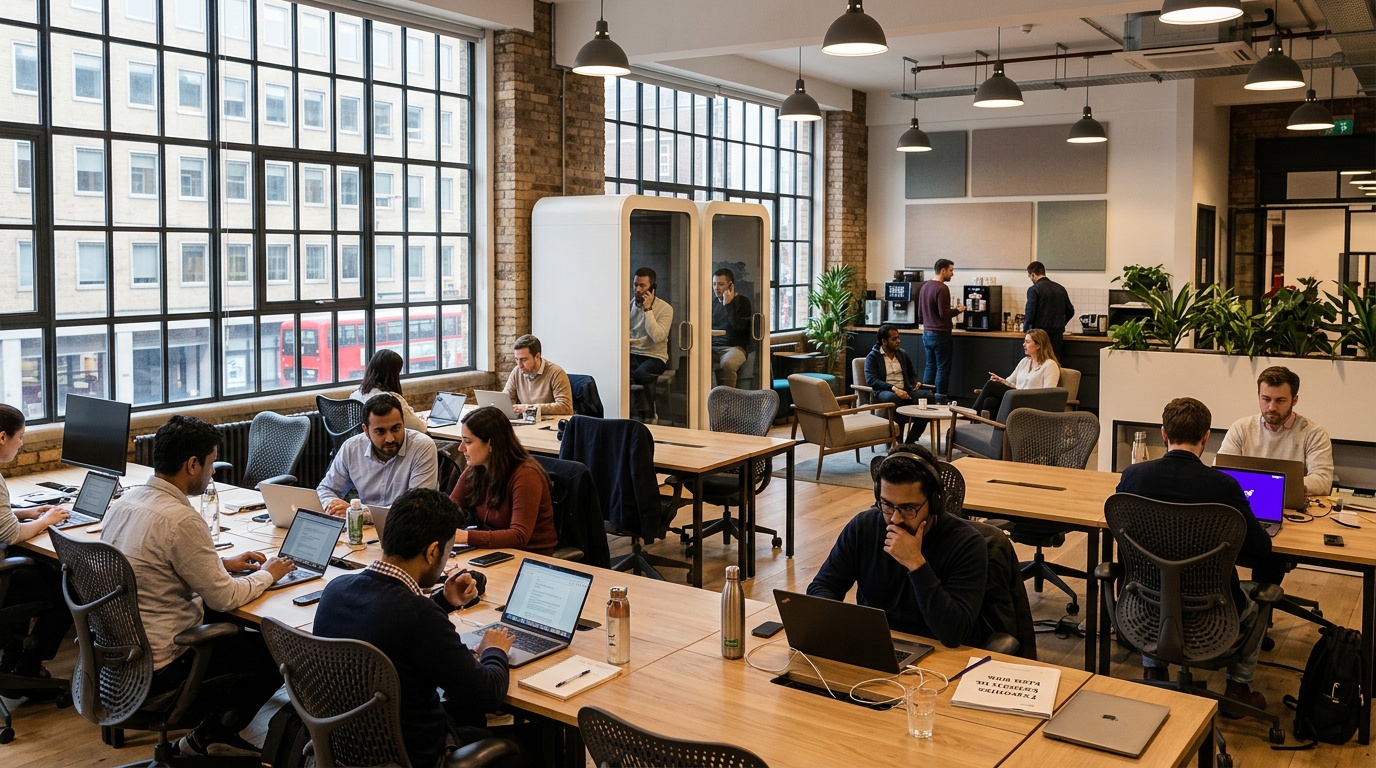
The most direct benefit of embracing remote hiring is the dramatic expansion of the talent pool. When companies are no longer constrained by the geographic proximity of potential employees, they gain access to a global reservoir of skills. This is particularly impactful for specialized or niche roles where finding qualified candidates locally can be a significant challenge. The ability to source talent from anywhere in the world means companies can find the precise expertise needed, rather than settling for the closest available match, thereby improving the quality of their workforce and the caliber of their output.
Comparing local and global hiring outcomes
When comparing hiring outcomes, the differences between a local-only approach and a global remote hiring strategy are stark. Local hiring often leads to a narrower selection of candidates, potentially increasing time-to-hire and the risk of a suboptimal fit. Companies might find themselves competing fiercely for a limited number of individuals, driving up salary expectations without necessarily finding the best match for the role’s specific requirements. This can also lead to a less diverse team, missing out on varied perspectives that foster innovation.
In contrast, global remote hiring opens up a vast pool of candidates. This allows companies to identify individuals with highly specific skill sets, potentially at more competitive compensation rates depending on the region. For example, a tech startup in Silicon Valley might find exceptional software engineers in Eastern Europe or Asia, who possess the required technical proficiency and a different approach to problem-solving. This broad access not only helps in finding the right skills but also contributes to building more diverse and globally-minded teams. For businesses looking at addressing the global skills gap through remote hiring, this expanded reach is foundational.
Using data to match skills across borders
Effective global remote hiring relies on data-driven strategies to bridge the gap between skills needed and talent available. Companies can use analytics platforms and recruitment software to identify regions with concentrations of specific skills, analyze market compensation rates, and assess candidate qualifications against job requirements. This data allows for precise targeting, moving beyond broad searches to pinpoint ideal candidates worldwide. For example, if a company requires expertise in a specific AI framework, data can reveal which countries or even cities have a high density of developers proficient in that technology.
Also, data can help illuminate not just current skills but also potential for growth and upskilling. By analyzing trends in the job market and employee development, companies can identify individuals or regions where emerging skills are rapidly developing. This proactive approach allows businesses to not only fill immediate needs but also build a pipeline for future expertise. For companies that value continuity and anticipate future skill demands, understanding these data points is key. It is in places like the Rag Global Business Hub in Dubai, a strategic location, that businesses can establish a physical anchor for their globally distributed teams, facilitating better collaboration and management.
| Feature | Local Hiring | Global Remote Hiring |
|---|---|---|
| Talent Pool Size | Limited by geographic proximity | Vast, global access to diverse skills |
| Access to Specialized Skills | Often scarce, leading to long searches | High availability for niche and advanced expertise |
| Time-to-Hire | Can be lengthy due to limited candidates | Potentially faster with targeted global search |
| Cost of Talent | Can be high in competitive local markets | Potentially more competitive, regional variations |
| Team Diversity | Reflects local demographics | Offers broader cultural and experiential diversity |
| Innovation Potential | Limited by homogenous perspectives | Enhanced by varied viewpoints and problem-solving approaches |
The Physical Infrastructure Behind Successful Remote Teams
While the digital infrastructure for remote work. Like cloud services and communication platforms. Is widely discussed, the physical infrastructure often receives less attention. Yet, for remote hiring to truly succeed in addressing the global skills gap through remote hiring, reliable physical spaces are paramount. Companies can’t simply expect employees scattered across different cities or countries to perform optimally from whatever space they find themselves in. Providing a consistent, professional environment is key to productivity, employee well-being, and maintaining a sense of continuity.
The reality for many remote workers is a patchwork of temporary solutions. Home offices can be prone to distractions, lack professional amenities, or be insufficient for focused deep work. This is where on-demand workspaces become more than just a convenience; they are a fundamental component of a successful remote work strategy. They offer a dedicated place for focused tasks, client calls, and collaborative sessions, mitigating the inherent limitations of a purely home-based setup. These spaces provide the necessary professional backdrop that supports a company’s brand and operational standards, regardless of an employee’s physical location.
Addressing Home Office Limitations and Connectivity Issues
Home environments, while offering comfort, frequently present significant challenges to consistent productivity. Distractions from family, pets, or household chores can disrupt focus, while inadequate ergonomic setups can lead to physical discomfort and long-term health issues. Also, home internet connectivity can be unreliable, prone to outages, or simply too slow for bandwidth-intensive tasks like video conferencing or large file transfers. These limitations not only impact individual output but can also degrade the quality of team collaboration and client interactions.
Beyond connectivity, the psychological separation between work and personal life can blur when the office is also the home. This lack of distinct physical space can lead to burnout and reduce an employee’s ability to mentally switch off. Providing access to professional workspaces offers a tangible solution, creating a clear boundary that helps employees compartmentalize their work life, improve focus, and maintain high performance standards. It ensures that the physical environment supports, rather than hinders, the work being done.
How On-Demand Workspaces Enable Continuity
On-demand workspaces are instrumental in fostering continuity for remote employees, a core principle for modern work. Unlike traditional offices that require long-term leases and fixed commitments, flexible workspace solutions allow companies and their employees to access professional environments as needed. This adaptability is particularly beneficial for individuals who travel frequently for projects or personal reasons, ensuring they always have a reliable place to work. It means that movement between locations does not necessitate a reset of their work environment or a loss of access to professional resources.
For companies, offering a network of on-demand workspaces means providing their distributed workforce with a consistent experience. This includes access to high-speed internet, meeting rooms, printing facilities, and a professional atmosphere conducive to focused work. For example, a business traveler needing to join an important client call can quickly find and book a private office or meeting room through a platform. This ensures that work continues uninterrupted, maintaining client confidence and team cohesion. A prime example of such a facility is the Rag Global Business Hub, which provides a professional anchor point for global teams needing consistent access to quality workspace infrastructure.
Strategies for Integrating and Upskilling Global Workers
Successfully addressing the global skills gap through remote hiring involves more than just finding talent; it requires integrating and nurturing that talent effectively. As teams become more distributed, deliberate strategies for onboarding, cross-cultural understanding, and continuous development are essential. These elements ensure that remote employees feel connected, supported, and equipped to grow within the organization, fostering a cohesive and productive global workforce.
The dynamic nature of technology and business demands means that skills must constantly evolve. Companies that prioritize upskilling and reskilling their global workforce are better positioned to adapt to market changes and maintain a competitive edge. By investing in the continuous development of their remote employees, organizations can not only fill immediate skill needs but also build a resilient, adaptable team capable of tackling future challenges. This proactive approach to talent development is a hallmark of forward-thinking companies.
Cross-cultural onboarding in distributed teams
Onboarding new employees in a remote, global context presents unique challenges, particularly concerning cultural nuances. What might be standard practice or communication style in one country can be perceived differently elsewhere. Effective cross-cultural onboarding requires sensitivity and a structured approach. This includes clearly communicating company values, workflows, and expectations, while also acknowledging and respecting diverse cultural backgrounds. Training materials should be accessible and translated where necessary, and new hires should be paired with mentors or buddies who can help them navigate not only company processes but also the implicit cultural norms of the team.
Building a sense of belonging without physical proximity means actively fostering connections. This can involve virtual social events, dedicated communication channels for informal interaction, and encouraging team members to share aspects of their local culture. For example, a company might organize a virtual “culture exchange” session where employees from different regions present on local customs or holidays. This not only helps new hires feel more integrated but also educates the entire team, promoting empathy and understanding. When employees feel recognized and valued for their unique perspectives, they are more likely to contribute fully and remain engaged with the organization.
Building continuous learning into remote work
Skills gaps are not static; they evolve with technological advancements and market shifts. So, continuous learning must be an integral part of the remote work experience. Companies should implement programs that offer ongoing training, development opportunities, and access to resources for skill enhancement. This can include online courses, workshops, virtual conferences, and mentorship programs tailored for a distributed workforce. Research indicates that blended remote training over several weeks, combined with mentor feedback, is an effective method for skill development, as seen in practices by companies like Remotely Talents.
Additionally, fostering a culture where learning is encouraged and rewarded is paramount. This means providing employees with dedicated time for learning, recognizing their efforts in acquiring new skills, and creating pathways for them to apply their newly acquired knowledge. For companies operating globally, this also means understanding that learning needs may vary by region and role. A company might offer access to a platform like the Rag Global Business Hub, which can serve as a physical location for team meetups or training sessions, reinforcing learning and team connection. Empowering remote workers with continuous learning opportunities directly combats skill obsolescence and strengthens the overall capability of the workforce.
Key Considerations for Global Remote Team Integration and Upskilling
Pros
- Access to a wider pool of specialized skills globally.
- Increased employee engagement and retention through continuous development.
- Enhanced team diversity, bringing varied perspectives and problem-solving approaches.
- Development of cross-cultural competence within the organization.
- Improved adaptability to market changes through ongoing skill acquisition.
- Creation of a flexible and resilient workforce structure.
Cons
- Potential for communication challenges across different time zones and cultures.
- Higher initial investment in technology and training infrastructure.
- Risk of employees feeling disconnected without deliberate integration efforts.
- Complexity in managing different legal and compliance requirements across regions.
- Ensuring equitable access to development opportunities for all remote employees.
- Maintaining a consistent company culture across diverse geographic locations.
Starting Your Global Hiring Journey: A Foundational Checklist

Addressing the global skills gap through remote hiring requires deliberate groundwork to ensure smooth execution and sustainable growth. Companies venturing into global recruitment face unique challenges that demand a clear framework prioritizing compliance, payroll management, and employee support. This foundational checklist offers practical steps for organizations ready to expand their workforce beyond borders while maintaining operational clarity and employee engagement.
Navigating Compliance and Global Payroll
Compliance is among the foremost considerations when hiring internationally. Each country has distinct labor laws, tax regulations, and employment standards. Ignoring these complexities can lead to costly penalties or legal disputes. To mitigate risks, companies often partner with Employer of Record (EOR) services or global payroll providers that specialize in local compliance. These services handle contracts, tax withholdings, benefits, and statutory requirements on behalf of the employer.
Implementing an EOR solution simplifies onboarding by centralizing administrative responsibilities, allowing HR teams to focus on talent integration and performance. It also reduces time-to-hire, as the compliance aspect is managed by experts familiar with jurisdiction-specific nuances. For example, when a company hires a developer based in the UAE, an EOR ensures that visa sponsorship, social security contributions, and employment contracts adhere to local laws, streamlining what would otherwise be a complex process.
Payroll management must accommodate multiple currencies, payment cycles, and tax filings. Automated global payroll platforms enable accurate, timely compensation while maintaining transparency for both employer and employee. Leveraging such platforms aligns financial operations with compliance, reducing errors and administrative overhead. This is essential when scaling remote teams across diverse regions, where manual payroll management can quickly become untenable.
Equipping Remote Workers for Success
Beyond legal and financial logistics, companies must equip remote employees with the right tools and environments to thrive. A common obstacle in remote hiring is the lack of consistent workspace infrastructure, which can hinder productivity and disconnect employees from organizational culture. Addressing this early sets the stage for continuity and engagement.
Providing access to flexible workspaces like the Rag Global Business Hub offers a reliable, professional setting for remote workers. These spaces are designed to meet the needs of global teams, including high-speed internet, meeting rooms, and quiet areas that support focused work. Employees can book desks or offices on-demand, ensuring they have a consistent environment whether working locally or while traveling.
Equipping teams with standardized communication and collaboration tools is equally important. Cloud-based platforms for project management, video conferencing, and file sharing ensure smooth interaction regardless of location or time zone. Establishing clear guidelines on availability, workflows, and expectations fosters alignment and reduces friction in distributed work.
Investing in remote onboarding programs tailored to the global context further supports employee success. Comprehensive orientation covering company culture, role clarity, and technical training helps new hires integrate swiftly and confidently. Pairing newcomers with mentors or buddies offers ongoing support and accelerates social connection, which is often challenging in remote settings.
To maintain continuity, companies should consider hybrid workspace models combining remote flexibility with physical touchpoints. Facilities like the Rag Global Business Hub serve as hubs where distributed teams can meet periodically, engage in training sessions, or collaborate in person. This balance mitigates the isolation sometimes experienced by remote workers and reinforces a sense of belonging without forcing relocation.
References
Frequently Asked Questions
Why do companies struggle to find qualified candidates in their local area?
Companies struggle locally because the skills gap is frequently a geographic mismatch rather than a knowledge deficit. Even in major metropolitan areas, specific niche expertise can be sparse, forcing extended hiring timelines and increased competition. The talent exists globally, but opportunity has historically been concentrated in specific regions.
How many workers globally could do their jobs remotely?
Approximately 153 million people worldwide are in roles perfectly suited for remote work, according to Lightcast data. Yet only 18% of these positions currently operate remotely. This gap reveals the massive untapped potential available to companies willing to look beyond geographic boundaries when building their teams.
What percentage of businesses report having skill gaps?
McKinsey research indicates that 87% of businesses either know they have skill gaps or anticipate them in the near future. This widespread awareness reflects how rapid technological advancement, particularly in artificial intelligence and automation, has outpaced traditional training programs. Companies must identify emerging skill needs and acquire them rapidly to remain competitive.
How much revenue could skill gaps cost the financial sector by 2030?
The financial sector faces potential revenue loss of $1.3 trillion by 2030 due to skill gaps, according to Korn Ferry estimates. This staggering figure underscores why companies cannot afford to rely solely on local recruitment or wait for internal training to catch up with evolving requirements. The cost of inaction far exceeds the investment needed to access global talent.
Why is relying exclusively on local talent risky for specialized roles?
Relying on local markets creates artificial constraints because the available candidate pool for niche skills can be exceptionally small, even in major cities. This scarcity leads to extended hiring timelines, fierce competition for limited individuals, and inflated compensation demands without guaranteeing the best fit for the role. Companies may settle for the closest available match rather than the ideal candidate.
How does hiring remotely improve workforce diversity?
Remote hiring naturally improves workforce diversity by opening access to candidates from different regions, backgrounds, and perspectives that local markets cannot offer. When companies source talent globally, they build teams with varied experiences and viewpoints that foster innovation and creative problem-solving. Local markets often reflect a narrow demographic and cognitive range.
Do remote workers feel less connected to their companies?
Remote workers do not have to feel less connected when companies build the right infrastructure to support continuity and belonging. At Hotdesk, we believe movement should never cost you a sense of belonging, and the proper systems make this possible wherever your team operates. The key is intentional design of how distributed teams collaborate and stay integrated.
Leave a Reply