
addressing remote work burnout signs and solutions
The nature of work has fundamentally shifted. For many, the traditional office has been replaced by a home desk, a favorite coffee shop, or a quiet corner anywhere inspiration strikes. This freedom offers unparalleled flexibility, but it also introduces new challenges. One significant concern emerging from this distributed model is remote work burnout. It’s a quiet drain, often creeping up unnoticed, impacting productivity, well-being, and overall job satisfaction. Understanding and addressing remote work burnout signs and solutions is no longer optional; it’s essential for sustained success and personal health.
Key Takeaways
- Burnout in distributed work environments often builds quietly, making early recognition a priority for long-term success.
- The freedom to work from anywhere should support your well-being rather than quietly erode it over time.
- Spotting warning signs early helps protect both your professional output and your personal health.
- Sustainable work habits matter far more than short bursts of maximum productivity.
- Having access to the right work environments can help prevent exhaustion before it takes hold.
As someone who has navigated the complexities of building and scaling businesses across different geographies, I’ve seen firsthand how the lines between work and life can blur when your workspace is always within reach. This isn’t about the tools we use, but the environment we create and the boundaries we maintain. This guide aims to shed light on what remote work burnout truly looks like, why it affects us differently, and how we can proactively manage it.
Recognizing Remote Work Burnout: Signs and Symptoms
What Sets Remote Burnout Apart
Burnout, as classified by the World Health Organization, is an occupational phenomenon stemming from chronic workplace stress that has not been successfully managed. While the core experience of exhaustion, cynicism, and reduced efficacy can manifest anywhere, remote work introduces unique catalysts. The absence of a physical commute, the constant digital connectivity, and the lack of distinct office cues can make it harder to switch off, leading to a different texture of exhaustion. This often involves a sense of being perpetually “on,” even when not actively working, blurring the lines between professional duties and personal time to an extent rarely seen in traditional office settings. Identifying these subtle shifts is the first step toward addressing remote work burnout signs and solutions.
Key Insight
Remote burnout is not just about working too much; it’s about the erosion of boundaries and the constant pressure to be available, leading to a unique form of exhaustion that impacts mental and physical health. The lack of clear separation between work and personal life amplifies these effects.
Physical, Emotional, and Behavioral Indicators
The signs of burnout can be varied and often manifest across multiple dimensions. Physically, individuals may experience persistent fatigue, sleep disturbances, headaches, or changes in appetite. Emotionally, common indicators include increased irritability, feelings of detachment, cynicism towards work, a sense of helplessness, and a significant drop in motivation. Behaviorally, employees might show signs of procrastination, withdrawal from colleagues, reduced performance, increased errors, or a tendency to isolate themselves. For example, a remote worker might find themselves dreading their daily tasks, snapping at family members more frequently, or struggling to concentrate on even simple assignments, all pointing towards the insidious creep of burnout.
It’s important to recognize that these symptoms can be subtle. For example, 38% of remote employees report feeling pressured to work more hours, a statistic from Vacation Tracker that highlights the often unspoken expectations contributing to exhaustion. Similarly, 61% of remote workers struggle to disconnect after hours, as reported by Vacation Tracker, illustrating a widespread difficulty in establishing work-life separation. These statistics underscore the pervasive nature of the challenge, suggesting that the constant accessibility inherent in remote work can easily lead to chronic stress and, subsequently, burnout.
Why Remote Workers Experience Burnout Differently

The Blurring of Personal and Professional Life
One of the most significant factors distinguishing remote burnout is the erosion of clear boundaries between personal and professional life. Without the physical transition of a commute, the workday can easily bleed into evenings and weekends. This lack of separation means that home, which should be a sanctuary, becomes an extension of the office. Consequently, employees may find themselves checking emails during family time or working late into the night simply because their workspace is always accessible. This constant cognitive load prevents true rest and recovery, making it harder to recharge and increasing susceptibility to burnout. The absence of distinct physical spaces for work and relaxation creates a persistent mental hum of professional obligation.
Isolation and the Always-On Culture
Remote work, while offering flexibility, can foster a sense of isolation. The spontaneous interactions, casual chats, and shared camaraderie of an office environment are often lost, leading to feelings of loneliness. Research indicates that remote employees are 98% more likely to suffer severe work loneliness compared to their in-office counterparts, according to Vacation Tracker. This isolation can diminish feelings of belonging and support, making it harder to cope with workplace stressors. Coupled with an “always-on” culture, where immediate responses are expected regardless of the time, this isolation intensifies the pressure. The expectation to be constantly available can lead to overworking; on average, remote workers put in about 3 extra hours per day compared to office workers, as noted by MyHours, further contributing to exhaustion and the erosion of personal time.
This combination of isolation and the pressure to remain constantly connected creates a challenging environment. When employees feel disconnected from their colleagues and simultaneously pressured to be always accessible, the psychological toll can be substantial. The lack of informal social support mechanisms, which are common in physical workplaces, means that managing stress becomes a more individual effort. This can lead to a cycle where feeling overwhelmed or lonely prompts more work to compensate, paradoxically increasing stress and deepening the feeling of being trapped. Understanding these specific challenges is key to addressing remote work burnout signs and solutions effectively.
How Physical Workspace Separation Resets Boundaries
The home office, while convenient, often becomes a mental trap. The constant proximity to work can erode the natural separation between professional duties and personal life. When your laptop is always within reach, the temptation to check emails during downtime or extend work hours becomes immense. This lack of a physical boundary prevents genuine disconnection, making it difficult for the mind to switch off and recharge. The result is a persistent state of low-level stress that fuels burnout. Establishing a clear physical separation is not merely about changing scenery; it’s about creating an infrastructure that supports mental compartmentalization and promotes well-being.
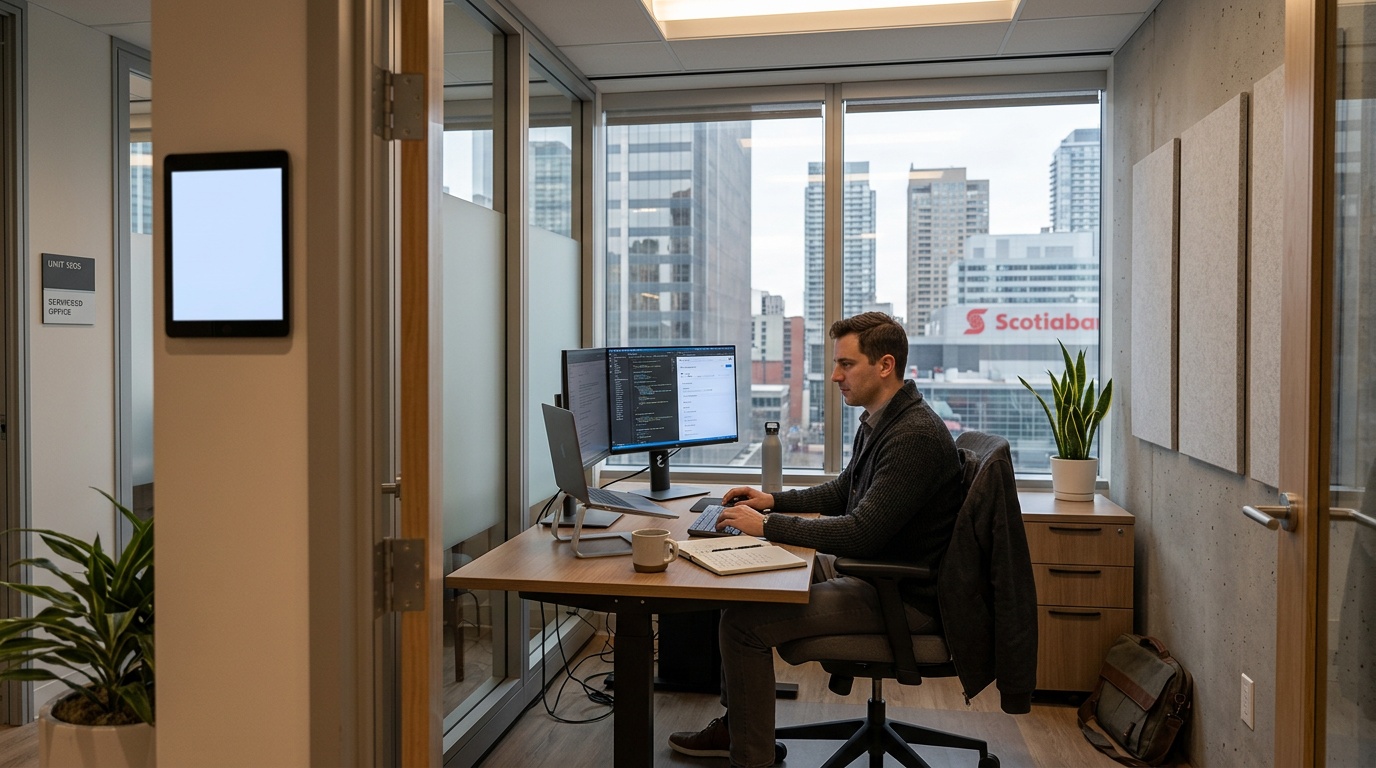
To combat this, professionals can actively seek out environments that signal a distinct shift away from home. This means moving beyond the familiar four walls of the apartment or house. A dedicated workspace outside the home acts as a powerful psychological cue, signaling that it’s time to focus on work. This separation helps employees compartmentalize their thoughts, improving focus during work hours and allowing for complete relaxation afterward. By creating this intentional divide, individuals can start to reclaim their personal time and reduce the chronic stress associated with an always-on work culture, a key step in addressing remote work burnout signs and solutions.
Moving Beyond the Home Office
The home office, while offering flexibility, inadvertently can become a source of burnout due to the pervasive blurring of personal and professional boundaries. When your workspace is also your living room or kitchen, the mental cues that signal “work time” versus “rest time” become muddled. This constant overlap requires significant mental effort to navigate, leading to fatigue. For remote workers experiencing burnout, the simple act of leaving home to work elsewhere can be transformative. It reinstates a physical transition, much like a commute, that helps demarcate the workday. This external shift can significantly reduce the feeling of being perpetually tied to one’s job.
Consider the impact this has on routine. Without a dedicated external workspace, remote employees often find their days lacking structure. A coffee shop might offer a temporary change, but it may not provide the professional environment or consistent amenities needed for deep work. This is where an on-demand workspace becomes an essential tool. It offers a professional setting, free from home distractions, and provides a tangible reason to step away from personal responsibilities. This physical relocation helps to reset mental states, allowing individuals to engage more fully with their tasks while at work and to disconnect more completely when they return home.
Building Routine Through Flexible Workspaces
The absence of a structured office environment can lead to a loss of routine, which is a common contributor to remote work burnout. When days lack a clear beginning and end, marked by physical transitions, it becomes easier for work hours to expand indefinitely. Flexible workspaces offer a solution by providing a predictable, professional destination. Committing to working at a coworking space each day, for example, establishes a new daily ritual. This ritual can include the time spent traveling to the workspace, the act of setting up at a desk, and the process of packing up ultimately. Each of these steps reinforces the separation of work and personal life.
A prime example of this benefit can be found in spaces like the Work Lounge Coworking Space. By choosing to work from such a location, professionals gain more than just a desk; they gain a structured environment that encourages focus and discipline. This intentional choice to work outside the home fosters a sense of normalcy and continuity, even when working remotely. The presence of other professionals, a dedicated work atmosphere, and the simple act of physically moving to a new location can all help to rebuild a sense of routine, combat isolation, and provide the necessary mental space to prevent and recover from burnout. This structured approach to work is fundamental to addressing remote work burnout signs and solutions effectively.
Comparing Workspace Environments for Burnout Prevention
| Feature | Home Office | Flexible Workspace (e.g., Work Lounge Coworking Space) |
|---|---|---|
| Boundary Setting | Difficult; home space is often shared with personal life. | Clear separation; distinct physical location signals work time. |
| Routine & Structure | Prone to inconsistency; work hours can blur easily. | Encourages consistent daily routines and dedicated work periods. |
| Distractions | High potential for household interruptions (family, chores). | Professionally managed environment minimizes distractions. |
| Social Connection | Limited; can lead to isolation and loneliness. | Opportunities for casual interaction and professional networking. |
| Mental Shift | Challenging; home is associated with relaxation and personal tasks. | Facilitates a mental shift into “work mode” upon arrival. |
| Sense of Continuity | Can feel disconnected without external anchors. | Provides a stable, familiar point of presence across locations. |
Key Insight
Physical separation from the home environment is a powerful, often overlooked, strategy for preventing remote work burnout. It reinforces mental boundaries, establishes routine, and reduces the constant cognitive load associated with an always-on work culture.
Shared Responsibilities: Individual and Organizational Solutions
Addressing remote work burnout signs and solutions requires a dual approach, acknowledging that both individual employees and their organizations play critical roles. While employees must take ownership of their well-being and establish personal boundaries, companies have a responsibility to create an environment that supports sustainable work practices. This shared discipline is essential for fostering a culture where burnout is prevented rather than merely managed. Without this collaborative effort, individual strategies can falter, and organizational efforts may feel disconnected from the daily realities of remote workers.
The World Health Organization has even classified burnout as an occupational phenomenon, underscoring its systemic nature. This means that while individual resilience is important, the underlying structures and expectations of the workplace are equally, if not more, influential. Companies that proactively implement supportive policies and foster a healthy work culture are better equipped to mitigate burnout, ensuring that their teams remain productive, engaged, and healthy over the long term. This partnership is fundamental to navigating the complexities of modern work.
What Employees Can Do to Regain Balance
Individuals experiencing or seeking to prevent burnout must actively implement strategies to reclaim their time and energy. This begins with setting clear boundaries, both in terms of working hours and availability. It’s important to define start and end times for the workday and to communicate these clearly to colleagues and managers. Using technology mindfully is also key; this might involve disabling work notifications on personal devices outside of work hours or scheduling focused work blocks to minimize distractions. Prioritizing self-care, including regular exercise, sufficient sleep, and engaging in hobbies, is non-negotiable for maintaining mental and physical resilience.
For example, a remote worker might schedule a dedicated 30-minute walk each day, much like one might take a lunch break. This physical activity serves as a mental reset and combats the sedentary nature of remote work. Learning to say “no” to non-essential tasks or requests that fall outside of one’s capacity is another important skill. Also, actively seeking social connection, even if remotely, can combat feelings of isolation. This could involve scheduling virtual coffee breaks with colleagues or participating in online professional communities. These proactive individual steps are foundational to managing stress and preventing the onset of burnout, contributing to effective addressing remote work burnout signs and solutions.
How Companies Can Build Supportive Infrastructure
Organizations have a significant role to play in creating an environment that prevents burnout. This starts with fostering a culture that values work-life balance and discourages an “always-on” mentality. Leaders should model healthy work habits, such as taking breaks and disconnecting after hours, and encourage their teams to do the same. Clear expectations regarding response times and availability are also important; for example, establishing guidelines that remote employees are not expected to respond to emails or messages outside of their designated working hours. Providing resources for mental health support, such as access to counseling services or mindfulness training, can offer employees valuable tools for managing stress.
Companies can also invest in the right infrastructure. This includes ensuring employees have the necessary tools and technology to work efficiently, but also considering how physical workspace options can support well-being. Offering access to flexible workspaces, like the Work Lounge Coworking Space, allows employees to create physical separation from home, fostering better routines and reducing isolation. Implementing policies that encourage regular breaks and paid time off, and ensuring workloads are manageable, are important. As Vacation Tracker reports, 38% of remote employees feel pressured to work more hours, highlighting the need for companies to actively monitor workloads and set realistic expectations. By prioritizing employee well-being through supportive policies and infrastructure, companies can build more resilient and productive teams.
Individual vs. Organizational Burnout Prevention Strategies
| Strategy Type | Individual Actions | Organizational Actions |
|---|---|---|
| Boundary Setting | Define work hours, disable notifications, communicate availability. | Establish clear expectations for response times, discourage after-hours work. |
| Routine & Structure | Create daily schedules, plan breaks, use external workspaces. | Promote structured workdays, encourage regular breaks, offer flexible workspace stipends. |
| Workload Management | Prioritize tasks, learn to say “no,” delegate when possible. | Ensure realistic workloads, monitor team capacity, provide project management tools. |
| Well-being & Self-Care | Exercise, sleep, hobbies, mindfulness, seek social connection. | Offer mental health resources, promote healthy habits, encourage PTO. |
| Environment | Optimize home workspace, use external professional spaces. | Provide technology, consider hybrid/remote work policies, support diverse work settings. |
Key Insight
Preventing remote work burnout is a shared responsibility. Employees must cultivate personal discipline and self-care, while organizations must foster a supportive culture and provide the necessary infrastructure and policies to enable sustainable work practices.
Assessing the Risk: A Remote Work Burnout Checklist
Warning Signs to Watch For
Recognizing early warning signs is essential in addressing remote work burnout signs and solutions before the condition deepens. Remote workers frequently face unique challenges that can cause these signs to develop subtly. Key indicators include persistent exhaustion that does not improve with rest, difficulty concentrating, and decreased motivation for tasks once enjoyed. Emotional shifts such as irritability, detachment from colleagues or work, and feelings of helplessness also signal rising burnout risk. Behaviorally, watch for procrastination, missing deadlines, or withdrawing from team interactions.
Physical symptoms are equally important: frequent headaches, sleep disturbances, or changes in appetite can all be manifestations of stress that goes unchecked. According to a Vacation Tracker report, 38% of remote employees feel pressured to work longer hours, which can exacerbate these symptoms. Additionally, 61% struggle to disconnect from work after hours, making rest elusive. If these signs are persistent and worsening, they indicate a growing risk of burnout that must be addressed immediately.
Workplace isolation is another red flag. Remote employees are nearly twice as likely to suffer from severe work loneliness compared to in-office staff, as noted by Vacation Tracker. This isolation can magnify emotional exhaustion and reduce resilience. If you or your team members express a sense of disconnection or struggle with communication, these symptoms warrant attention and proactive steps.
Immediate Steps to Take
Once warning signs are identified, taking swift and deliberate action is critical. Begin by establishing clear boundaries between work and personal time. This often means defining a daily schedule with explicit start and end times, and communicating these boundaries to colleagues and managers. Turning off work notifications after hours helps reinforce this separation, allowing mental recovery.
Physical workspace separation plays a key role. Moving beyond the home office to a professional environment can reset mental boundaries and improve focus. Spaces like the Work Lounge Coworking Space offer a dedicated setting that supports routine and reduces distractions. This structured environment can help reestablish a work-life rhythm and foster a sense of normalcy, which is often disrupted in remote setups.
In addition to environmental changes, prioritize self-care activities that replenish energy and reduce stress. Regular exercise, adequate sleep, and mindfulness practices provide a foundation for resilience. Encouraging social connection, whether through virtual meetups or in-person coworking environments, can mitigate feelings of isolation. Seeking professional support, such as counseling or coaching, is advisable if symptoms persist or worsen.
For managers, monitoring workloads and encouraging realistic expectations is important. The pressure to work extended hours, reported by over a third of remote employees, can be reduced through clear policies and regular check-ins. Offering access to flexible workspace options like the Work Lounge Coworking Space not only supports boundary-setting but also signals organizational commitment to employee well-being. Together, these steps form a practical framework that helps teams detect burnout early and respond effectively.
Pros
- Early detection reduces long-term health impacts
- Clear boundaries improve work-life balance
- Physical workspace separation reinforces mental focus
- Structured routines combat isolation and fatigue
- Organizational support builds sustained resilience
Cons
- Ignoring signs leads to worsening burnout
- Delayed action can impair productivity and morale
- Resistance to routine or physical workspace changes may occur
- Lack of organizational support can undermine individual efforts
References
Frequently Asked Questions
What are the common signs of remote work burnout?
Common signs of remote work burnout include persistent fatigue, sleep disturbances, increased irritability, cynicism toward work, and a drop in motivation. Physical indicators like headaches and behavioral changes such as procrastination or withdrawing from colleagues are also key symptoms. Spotting these early allows you to take action before burnout deepens.
How does remote work burnout differ from traditional office burnout?
Remote work burnout differs because it stems from blurred boundaries and constant digital connectivity rather than just workload. The lack of a physical commute and clear office cues makes it harder to switch off, creating a sense of being perpetually “on.” This often leads to exhaustion that mixes professional stress with personal time erosion.
Why do remote workers struggle to disconnect after hours?
Remote workers struggle to disconnect because home becomes an extension of the office, with no physical transition to signal the end of the workday. The always-accessible workspace and expectation of immediate responses make it easy to check emails during family time. According to reports, 61% of remote employees find it hard to unplug, which fuels burnout.
How does isolation increase the risk of burnout for remote employees?
Isolation increases burnout risk by removing informal social support that helps manage stress. Remote employees are 98% more likely to suffer severe work loneliness than office workers, which diminishes belonging and coping ability. Without spontaneous interactions, the pressure to stay constantly connected becomes harder to handle alone.
What practical solutions can help address remote work burnout?
Practical solutions for remote work burnout include setting clear work hours, creating a dedicated workspace separate from relaxation areas, and scheduling regular breaks. Actively disconnecting after work and fostering virtual social connections with colleagues can also reduce isolation. The goal is to rebuild boundaries that remote work naturally erases.
How can remote workers set better boundaries between work and personal life?
Remote workers can set better boundaries by defining start and end times for work and sticking to them, even without a commute. Using separate devices or profiles for work and personal use helps signal when the workday is over. Avoiding email or chat notifications during evenings and weekends is essential for true recovery.
Leave a Reply