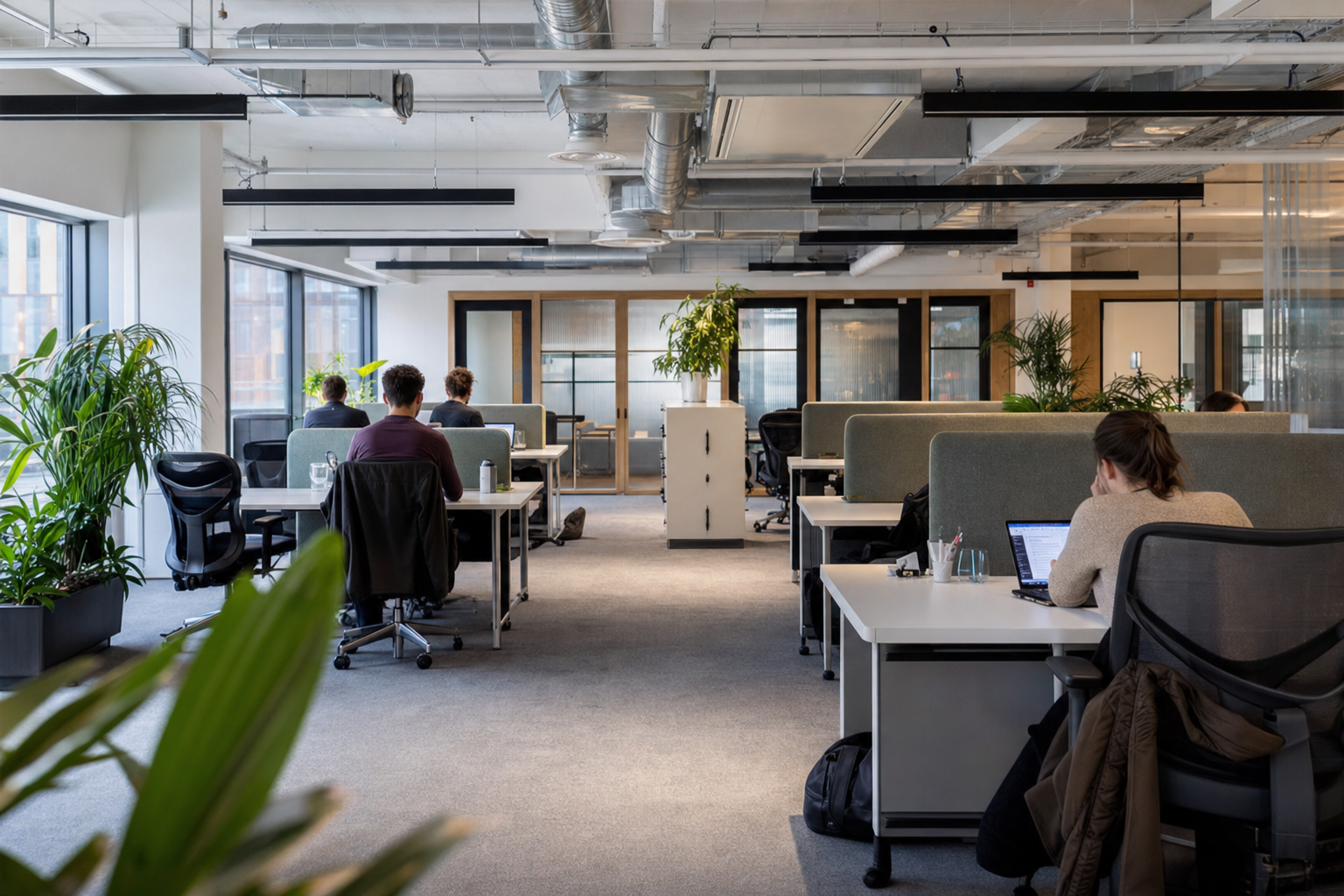
addressing introvert needs in a hot desking environment
Hot desking offers flexibility and cost savings by allowing employees to choose different workspaces daily. This approach suits dynamic teams and organizations aiming to optimize office space. Yet, this fluidity often challenges introverted individuals whose work preferences and comfort depend on consistent, controlled environments. Understanding the nuances of addressing introvert needs in a hot desking environment is essential to creating spaces that support diverse personalities while maintaining productivity and well-being.
Key Takeaways
- Hot desking provides financial and operational benefits but may disrupt the focus of employees who prefer stable surroundings.
- Organizations must design workspaces that accommodate different personality types to ensure everyone remains productive.
- Supporting introverted staff requires intentional strategies that balance open flexibility with personal comfort zones.
- Recognizing individual work styles allows companies to foster a culture of inclusion without sacrificing the advantages of agile environments.
Introverts, who make up about half of the workforce according to mobtc.co.uk, typically prefer quieter, less stimulating surroundings to focus best. Hot desking’s open, shifting layouts can disrupt their sense of control and privacy, potentially reducing comfort and output. By addressing introvert needs in a hot desking environment, employers and workspace designers can reduce friction and foster a more inclusive atmosphere where all workers thrive without sacrificing flexibility.
What is addressing introvert needs in a hot desking environment?
Addressing introvert needs in a hot desking environment means designing and managing shared workspaces to accommodate introverted individuals’ preferences for privacy, quiet, and predictability, even within a flexible seating system. It involves more than just providing desks: it requires creating conditions where introverts can find refuge from noise, limit unwanted social interactions, and establish a sense of personal space despite the transient nature of hot desking.
Introverts often find open benching and communal spaces overwhelming. Research from the Scarlet Thinking blog highlights how open office layouts boost focus and happiness for extroverts but can hinder introverts’ concentration. Noise levels in many offices contribute to dissatisfaction, with 60-70% of workers reporting discontent with workplace noise, according to an industry report. Introducing quiet zones, soundproof booths, or designated focus areas provides introverts with options to retreat when needed.
Moreover, addressing these needs includes establishing clear etiquette and boundaries around desk use and interactions. Introverts often experience stress when colleagues invade their temporary workspace or demand unplanned social engagement. Providing tools such as desk reservation systems, visual cues for “do not disturb,” and private booking options helps introverts manage their environment actively. This approach reduces the emotional cost of starting over each day in an unfamiliar spot and supports sustained focus and well-being.
Benefits of addressing introvert needs in a hot desking environment
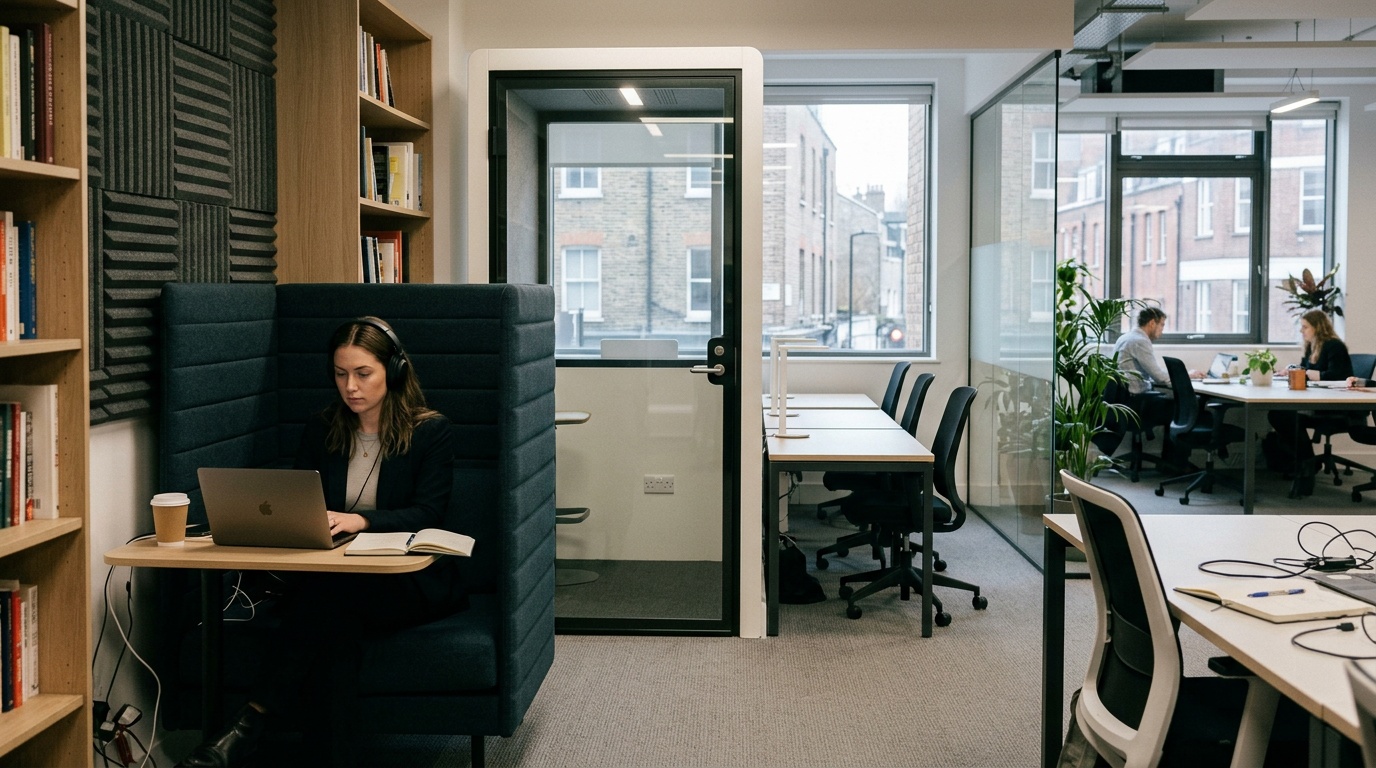
Recognizing and accommodating introvert needs within hot desking environments improves productivity, job satisfaction, and employee retention. When introverts have access to quiet, controlled spaces, they can focus more deeply and maintain energy throughout the day. Studies show that 70% of employees believe their productivity would increase with more quiet zones available, underscoring the demand for such accommodations in open offices.
In practice, addressing introvert needs reduces stress and sensory overload. Hot desking often leads to unpredictable noise and social demands, which can quickly exhaust introverted workers. By providing dedicated quiet areas and privacy options, companies support mental well-being and reduce burnout risk. This thoughtful design signals respect for diverse work styles, fostering a more balanced workplace culture.
Another benefit is lower employee turnover. While hot desking can cut real estate costs by up to 30%, it may increase turnover among introverted staff if their needs go unmet. Introverts often find repeated resets in seating disruptive to their routine and comfort, leading to disengagement. Implementing strategies that address these challenges, such as stable seating choices or personalized workspace elements, encourages longer tenure and loyalty.
Finally, addressing introvert needs nurtures a subtle sense of belonging without forcing interaction. Introverts build connection through familiarity and repeated presence rather than overt socializing. Providing spaces that allow introverts to work alongside others without mandatory engagement creates a respectful atmosphere. This balance promotes collaboration and quiet coexistence, helping introverts feel acknowledged without pressure.
Key Insight: Designing hot desking environments with introverts in mind is not about creating exclusive zones but offering flexible choices that reduce cognitive fatigue, preserve personal boundaries, and maintain continuity. This approach benefits the entire workforce by improving overall comfort and productivity.
How to Choose Addressing Introvert Needs in a Hot Desking Environment
Choosing the right approach for addressing introvert needs in a hot desking environment requires deliberate evaluation of workspace design, policies, and amenities to ensure introverted employees can maintain focus, privacy, and comfort. Because hot desking inherently involves shared space and rotation, the key lies in balancing flexibility with options that respect personal boundaries and minimize sensory overload. Start by assessing whether the workspace includes distinct quiet zones or private areas. These can be soundproof booths, phone rooms, or sections with minimal foot traffic and low noise levels. Research indicates that 70% of employees would be more productive with access to quiet space, making this a foundational component for introvert-friendly environments (Union Hall TX).
Another important factor is the availability of tools that help introverts signal their need for limited interaction without appearing unapproachable. Desk reservation systems that allow pre-booking of preferred spots give introverted individuals control over where they sit, reducing anxiety about unpredictability. Visual cues such as “do not disturb” flags or subtle signs can communicate boundaries politely. Employers should look for solutions that integrate these features in a manner that respects user autonomy and makes it easy to maintain personal space in a bustling environment.
Consider how the layout affects sensory inputs. Open benching and high-traffic corridors expose workers to continuous noise and movement, which studies show reduce focus and happiness among introverts (Scarlet Thinking). Spaces that include partitions, natural barriers, or plants can create psychological distance and soften distractions. When evaluating options, prioritize environments that offer a mix of open areas for collaboration alongside tucked-away zones for deep work. This variety enables introverts to choose settings that match their current workflow and energy levels.
Beyond physical space, organizational culture and policies play a critical role in successfully addressing introvert needs in a hot desking environment. Employers should promote etiquette guidelines that discourage unsolicited interruptions and respect personal belongings. Clear communication about shared desk use, including protocols for cleaning and personal item storage, prevents boundary violations that introverts particularly find stressful. Platforms that support digital check-ins for desk occupancy further reduce misunderstandings and help maintain order.
Evaluating technology integration is also important. Noise-canceling headphones or access to quiet rooms equipped with white noise machines can help introverts manage auditory distractions. Likewise, apps or platforms that allow asynchronous communication reduce the pressure to engage in spontaneous conversations. When choosing a hot desking setup, prioritize those that recognize these needs and incorporate tools supporting sensory management and controlled social interaction.
Pros and Cons of Hot Desking Solutions for Introverts
Pros
- Flexible seating accommodates changing work styles and tasks
- Quiet zones and private rooms offer refuge from noise and interruptions
- Desk reservation systems improve control over workspace choice
- Visual signals enable polite boundary setting
- Technology integration supports sensory management and focused work
Cons
- Open layouts may expose introverts to frequent distractions
- Inconsistent seating can disrupt routine and comfort
- Potential for boundary violations if etiquette is not enforced
- Insufficient quiet zones reduce effectiveness for introverted workers
- Technology tools require adoption and may not suit all users equally
To conclude, choosing how to address introvert needs in a hot desking environment means focusing on a combination of spatial design, policy, and technology that collectively reduce cognitive load and social friction. Prioritize workspaces that provide options for privacy, control over seating, and mechanisms to manage interruptions gracefully. This approach respects the unique ways introverts engage with their surroundings and helps maintain continuity in their work experience despite the inherent fluidity of hot desking.
Remember that introverts represent about half of the workforce, making it essential to integrate their preferences into office planning rather than treating their needs as exceptions (mobtc.co.uk). Thoughtful attention to these factors not only improves individual well-being but also improves overall productivity and reduces turnover, creating an environment where flexibility does not come at the expense of comfort and focus.
References
Frequently Asked Questions
Is hot desking bad for introverts, or can it work?
Hot desking can be challenging for introverts due to its inherent unpredictability and noise, but it is not inherently unsuitable. Success depends on how well the environment accommodates introvert preferences. Providing quiet zones, private workspaces, and tools for controlling interruptions allows introverted workers to retain focus and comfort. Research indicates that 60-70% of office workers dislike excessive noise, and 70% say quiet spaces boost productivity (Union Hall TX). When these needs are met, hot desking can offer flexibility without sacrificing well-being.
How do I stop colleagues from using my assigned desk in a hot desking environment?
In hot desking setups, desks are often unassigned to encourage flexibility. To maintain personal space, some workplaces offer desk reservation systems that allow booking a specific spot in advance. Using clear visual signals like “do not disturb” flags or personalized desk markers helps communicate boundaries politely. Employers should establish clear policies about respecting others’ spaces and belongings. When these measures are combined, introverts can better protect their temporary workstations and reduce stress from boundary violations.
Where can I find quiet space to work in a hot desking office?
Quiet spaces are essential refuges for introverts in open-plan or hot desking environments. Many offices include designated quiet zones, soundproof booths, or small meeting rooms intended for focused tasks. When selecting a workspace, look for areas away from high-traffic corridors and communal hubs. Some companies provide noise-canceling headphones or white noise machines as well. If quiet spaces are not clearly marked, employees should request their creation or advocate for policies that designate such zones to support concentration and reduce sensory overload.
How do I signal that I don’t want to be interrupted without being rude?
Nonverbal cues can communicate a need for solitude without seeming unapproachable. Visual signals like desk flags, headphones, or closed laptop screens indicate that a person prefers not to be disturbed. Many modern workspaces use digital “do not disturb” statuses integrated with desk booking apps, allowing coworkers to recognize when someone is focused. Establishing shared etiquette, such as limiting spontaneous drop-ins and respecting these signals, creates a respectful environment where introverts can maintain boundaries gracefully.
What should employers do to support introverts in a hot desking setup?
Employers need to design spaces and policies that acknowledge introvert needs as part of routine workplace planning. This includes providing quiet zones, private rooms, and seating options that minimize distractions. Implementing desk reservation systems and clear etiquette guidelines prevents boundary violations and reduces social friction. Training leaders to recognize diverse work styles fosters a culture that respects autonomy and mental well-being. Offering tools for sensory management, such as noise-canceling headphones or white noise, further supports introverts’ productivity and comfort.
Can addressing introvert needs in a hot desking environment reduce turnover?
Yes, thoughtful accommodation of introverts’ preferences can improve retention. Studies show hot desking may increase turnover among introverted employees if their needs go unmet, due to repeated disruptions of routine and privacy loss. By integrating quiet spaces, stable seating options, and clear boundaries, organizations reduce cognitive fatigue and emotional stress. This supportive approach encourages introverts to remain engaged and loyal, resulting in a healthier workplace and decreased recruitment costs.
Leave a Reply