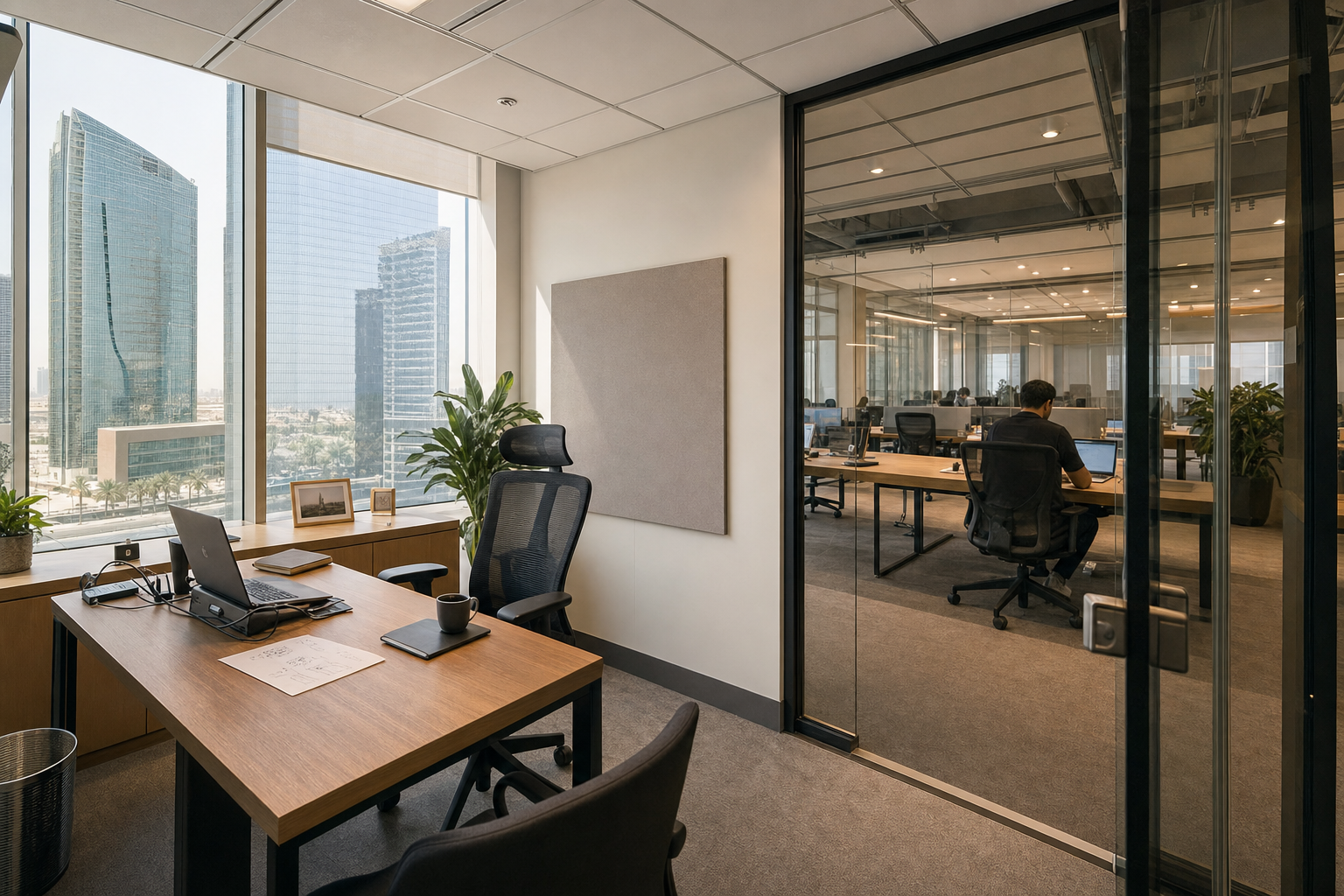
Comparing private offices vs. meeting rooms for small teams in Riyadh
Riyadh: Private Office vs. Meeting Room for Small Teams
Understanding the Core Differences
The core distinction drives everything else. A private office gives your team walls, a door, storage, and control over setup. Meeting rooms are shared professional spaces you book hourly or daily.
For small teams in Riyadh, this choice affects collaboration patterns, budget allocation, and how clients see you. It’s not just about square footage. It’s about how your team operates and scales.
Private Office Characteristics
- Enclosed space with dedicated access
- Consistent team presence
- Customizable layout and equipment
- Higher base cost, lower per-use expense
Meeting Room Characteristics
- Bookable shared environment
- Hourly or daily access options
- Professional setting without commitment
- Lower upfront cost, variable usage
When Private Offices Deliver More Value
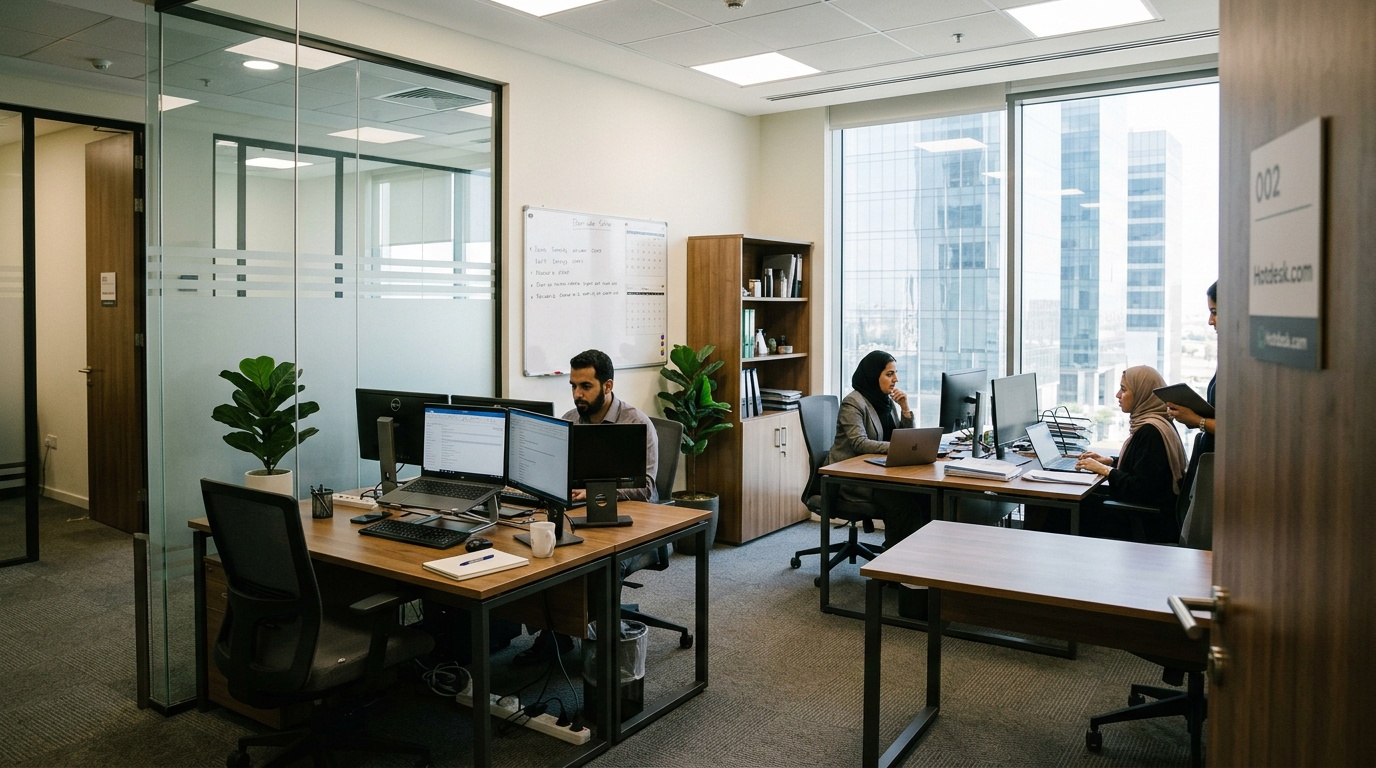
Long-term stability builds team cohesion. A private office in Riyadh’s business district strengthens culture and shared identity. Client meetings happen in controlled environments where confidentiality stays protected.
Deep focus work demands uninterrupted time blocks. Private offices cut external disruptions.
Scalability Considerations: Growing into Your Workspace
Does your workspace choice support growth or constrain it? Private offices typically offer reserved capacity. Teams can expand within familiar surroundings rather than relocating entirely. You negotiate additional space instead of starting over.
This preserves team dynamics and institutional knowledge. No re-learning building protocols. No hunting for new parking spots.
Why Meeting Rooms Work for Project-Based Teams
Meeting rooms serve specific purposes without long-term commitment. Need space for client presentations? Book it. Brainstorming sessions? Reserve it. Candidate interviews? Available today.
You get professional infrastructure on demand.
Matching Space Type to Work Type
Project-based work requires spaces that match variable demand. A meeting room hosts product demos today, training sessions tomorrow. This adaptability matters when managing diverse engagements across different timelines.
Cost-Effectiveness for Occasional Use
Hourly rates eliminate paying for unused square footage. Teams paying only for time occupied achieve better unit economics when space requirements stay intermittent. The math favors meeting rooms when utilization falls below 40% of available hours.
The Hybrid Model: Infrastructure That Travels
Modern teams blend home offices, coworking facilities, and bookable meeting rooms. This approach optimizes cost by matching space type to task type. Focus work happens remotely while collaborative sessions use professional environments.
Regus Al Hamra Tower exemplifies this flexibility. Dedicated desks and meeting spaces through one platform. No separate negotiations.
Riyadh’s Workspace Cost Analysis
Financial decisions need concrete numbers. Private offices command monthly fees covering dedicated square footage. Meeting rooms price by hour or day. Hidden costs include minimum booking durations, equipment surcharges, and service fees.
Breaking Down the Numbers
Meeting room rates in Riyadh range from SAR 150-500 per hour depending on location and amenities. Private office memberships start around SAR 3,000 monthly for basic configurations. Premium locations command higher rates regardless of format.
Beyond Direct Costs
A client presentation in a professional setting may justify premium pricing through deal value captured. But paying for empty office space during remote-heavy weeks is waste.
Calculate the productivity multiplier first. Then decide.
Beyond Square Footage: What Actually Matters
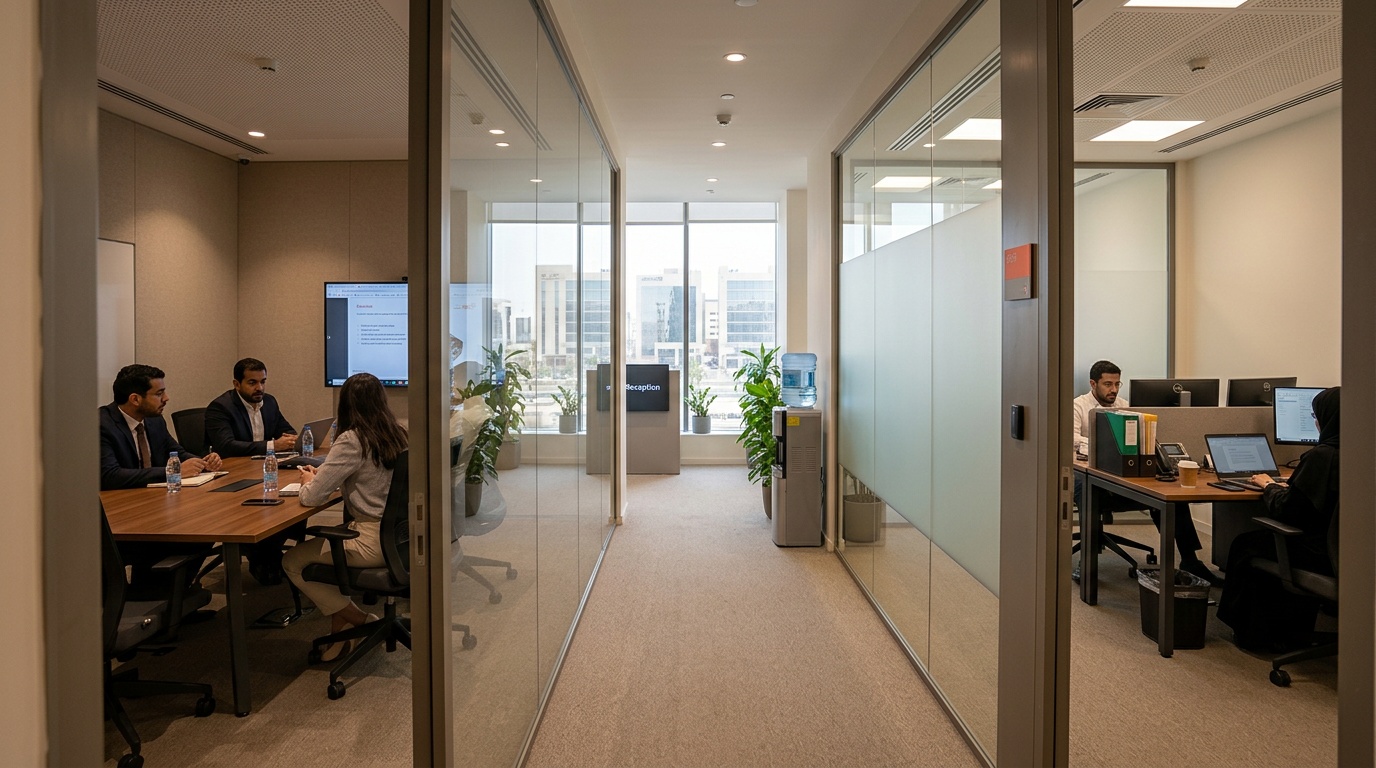
Workspace value extends beyond floor plans. High-speed connectivity, printing capabilities, and refreshment services factor into effective cost calculations. Reception services handle visitors professionally without adding HR overhead.
Essential Amenities for Small Team Success
- Enterprise-grade Wi-Fi with redundant connectivity
- Professional printing and scanning equipment
- Refreshment facilities or catering options
- Reception services for visitor management
- Technical support availability
- 24/7 access permissions
Infrastructure Travels
Ever had to redo your setup because the space failed you? Reliable infrastructure should move with your team, not trap it in one location. Platforms that aggregate multiple properties across cities protect against localized disruptions.
When one venue has issues, alternatives remain accessible. No renegotiation required.
Adapting as Your Team Evolves
Teams of five face different constraints than teams of fifteen. Include explicit review triggers in workspace agreements. Quarterly assessments show whether current arrangements match actual utilization patterns.
Flexibility prevents forced moves during high-growth phases.
Making the Final Call
Small teams in Riyadh face a choice that’s rarely binary. The decision between dedicated space and bookable rooms shapes daily operations, client perception, and long-term scalability.
The answer depends on how your team actually works.
Private Office vs. Meeting Room Decision Framework
Private Office Advantages
- Dedicated space builds team culture and institutional memory
- Confidential discussions happen without scheduling constraints
- Consistent environment reduces daily friction and setup time
- Professional address can improve client confidence
Meeting Room Advantages
- Pay only for time occupied, reducing idle space costs
- Professional settings available on demand
- No long-term commitment constraining organizational agility
- Access to premium facilities without capital investment
The Decision Matrix
Choose private offices when your team shares daily routines, handles sensitive information, or builds client relationships requiring consistent professional presence.
Choose meeting rooms when work centers on projects, client engagements vary in frequency, or the team operates remotely most days.
A hybrid approach works for many teams. Base dedicated space supports core operations while on-demand meeting rooms cover external-facing sessions.
What Works at 10x
Platforms that aggregate multiple properties let teams adjust the mix as circumstances change. Neither option wins universally. The best strategy matches workspace type to workload type.
Systems over announcements. That’s what scales.
Building Review Triggers
Workspace needs evolve with team size, project mix, and business direction. Establish explicit review points in any agreement.
Quarterly assessments of space utilization show whether current arrangements match actual patterns. Annual reviews assess whether the overall approach still serves organizational direction.
Emerging Trends in Riyadh’s Workspace Environment
Riyadh continues developing as a business hub. New districts and facilities expand options for small teams. Technology integration in workspaces is accelerating. Booking systems, access control, and collaboration tools become standard expectations.
Sustainability considerations increasingly influence workspace decisions. Energy-efficient buildings, waste reduction programs, and responsible sourcing matter to organizations tracking their environmental footprint.
Comparing private offices vs. meeting rooms for small teams in Riyadh comes down to utilization and risk: pay for consistency when it prevents re-work, pay for flexibility when demand is uneven.
Validate the decision against how your team worked in the last 90 days. Set review triggers so the setup can change without disruption.
Frequently Asked Questions
How does choosing a private office over a meeting room impact a small team's culture in Riyadh?
A private office builds a consistent environment, strengthening team cohesion and shared identity. It provides a stable base where your team can consistently operate, reducing the need to constantly adapt to new surroundings. This continuity helps foster a stronger internal culture.
For project-based work in Riyadh, are meeting rooms a better fit than private offices?
Ever had to redo your setup because the space failed you? Meeting rooms offer agility for project-based work, providing professional infrastructure on demand without long-term commitment. They allow teams to match space type to variable project requirements, paying only for the time occupied.
What are the hidden costs associated with workspaces for small teams in Riyadh?
Beyond hourly or monthly rates, hidden costs can include minimum booking durations, equipment surcharges, and service fees. It is important to deconstruct these costs to understand the true unit economics of your workspace. Always account for these variables to avoid unexpected expenses.
How can a small team in Riyadh ensure their workspace supports future growth?
Scalability means your workspace should support growth without forcing a complete reset. Private offices often offer reserved capacity, allowing teams to expand within familiar surroundings by negotiating additional space. For meeting rooms, look for platforms that aggregate multiple properties, providing alternatives if one venue has issues.
What amenities should small teams prioritize when selecting a workspace in Riyadh?
Ever had to redo your setup because the space failed you? Prioritize amenities that ensure operational continuity, like enterprise-grade Wi-Fi with redundant connectivity and reliable printing. Reception services and technical support also prevent your team from wasting time on non-core tasks.
Is a hybrid workspace model practical for small teams in Riyadh, combining remote work with dedicated spaces?
Yes, a hybrid model is very practical for small teams in Riyadh. It optimizes cost by matching the space type to the task type, allowing focus work to happen remotely. Collaborative sessions can then reserve professional environments only when needed, avoiding payment for unused square footage.
When should a small team in Riyadh prioritize stability over flexibility in their workspace choice?
Prioritize stability when your team values long-term presence, confidentiality, and culture building. A private office provides a consistent, controlled environment that strengthens team identity and reduces external disruptions. This choice supports deep focus work and polished client interactions over time.
Leave a Reply