Author: hotdesk

  • Adapting IT Support for Hybrid Employees: A Guide

    Adapting IT Support for Hybrid Employees: A Guide

    adapting it support for hybrid employees

    The way we work has fundamentally changed. For many, the office is no longer the sole epicenter of productivity. This shift, accelerated by recent global events and evolving employee expectations, brings new complexities to how organizations operate, particularly concerning technology and employee support. IT departments, historically centered around a physical headquarters, now face the challenge of supporting a workforce that is distributed across homes, coffee shops, and coworking spaces. Adapting IT support for hybrid employees isn’t just about offering remote access; it’s about ensuring continuity, security, and equitable experience, no matter where work happens.

    Key Takeaways

    • IT support must shift from a headquarters-centric model to one that serves employees wherever they work.
    • Hybrid work requires IT to ensure consistent security and access across home offices, coworking spaces, and coffee shops.
    • Equitable IT support means all employees, regardless of location, receive the same level of service and responsiveness.
    • Adapting IT support is not just about enabling remote access but about building infrastructure for smooth continuity.

    As Mohamed Khaled, Hotdesk’s founder, often observes, people move more than systems expect. The friction arises not just from logistical hurdles but from the social and emotional cost of starting over in every new environment. This is the core insight driving the need for modern IT support strategies: creating a consistent, reliable infrastructure that travels with the employee, fostering a sense of belonging and enabling performance without requiring a reset of essential services.

    What Hybrid Work Demands From Modern IT Support

    The traditional IT support model, built for a singular, centralized office, is no longer sufficient. When employees are spread across various locations, the familiar help desk console in a dedicated IT room doesn’t cover the full scope of needs. This new reality requires a strategic reorientation, moving from a geographically bound service to a distributed, accessible, and proactive support framework. The assumption that IT issues can be resolved by walking down the hall or by a technician physically present at a desk is obsolete. Instead, IT teams must consider how to deliver consistent service and support without the physical proximity that once defined it. This necessitates a fundamental rethinking of processes, tools, and team structures to meet the demands of a flexible workforce.

    Key Takeaway: Adapting IT support for hybrid employees means shifting from a location-centric model to a user-centric one, prioritizing consistent access, security, and responsiveness regardless of an employee’s physical location.

    From Centralized Help Desk to Distributed Support

    For years, IT support operated on a hub-and-spoke model, with a central help desk serving employees within the office. This approach relied on physical presence for troubleshooting, hardware deployment, and direct user interaction. Still, with the widespread adoption of hybrid and remote work, this model faces significant limitations. Employees working from home or other remote locations cannot easily access physical support, leading to longer resolution times and frustration. The challenge lies in extending support capabilities beyond the office walls, ensuring that an employee’s experience with IT services remains consistent, whether they are at their kitchen table or in a designated workspace.

    This transition requires IT teams to embrace tools and methodologies that enable remote troubleshooting, virtual assistance, and the proactive management of devices and software. The focus shifts from reacting to issues within a controlled environment to anticipating and resolving problems in diverse, often less controlled, settings. Successfully bridging the gap between centralized expertise and distributed users is paramount for maintaining productivity and employee satisfaction in a hybrid work setup.

    The Core Questions IT Teams Must Answer

    To effectively support a hybrid workforce, IT departments must confront several fundamental questions about their strategy and capabilities. Foremost among these is: How can we guarantee the same level of service and responsiveness for remote employees as for those in the office? This question probes the equity of support delivery. Another critical inquiry is about security: How do we maintain cybersecurity when our network perimeter is no longer defined by the office walls but by numerous home networks and public Wi-Fi hotspots? The complexity of device management also surfaces: How do we efficiently provision, manage, and secure a diverse fleet of devices, including personal ones, used by employees across various locations?

    IT teams need to ask: What communication and collaboration tools are essential for enabling teamwork among a dispersed workforce, and how can we ensure they are integrated and supported effectively? Finally, considering the shift towards flexible work, teams must ask: How can we equip employees with the knowledge and resources they need to resolve common issues independently, thereby reducing the burden on the central IT team? Addressing these questions forms the bedrock of a successful strategy for adapting IT support for hybrid employees.

    Building the Technology Foundation for Hybrid IT

    Building the Technology Foundation for Hybrid IT

    Establishing a resilient and effective IT support system for a hybrid workforce hinges on a solid technology foundation. This involves selecting and implementing tools and platforms designed for distributed environments, moving beyond legacy systems that were built with a physical office in mind. The goal is to create an infrastructure that supports communication, efficient task management, secure access, and proactive problem-solving, regardless of user location. Investing in the right technological components directly impacts an organization’s ability to maintain productivity, protect sensitive data, and ensure a positive employee experience in this new era of work. Without this foundational layer, attempts to adapt IT support will likely fall short, leading to inefficiencies and security vulnerabilities.

    Cloud-Based ITSM Tools for Distributed Teams

    The backbone of modern IT support, especially for hybrid environments, is a cloud-based IT Service Management (ITSM) platform. These systems centralize incident management, request fulfillment, problem management, and asset tracking, making them accessible from anywhere. Unlike on-premise solutions that might require VPN access or have limited reach, cloud ITSM tools offer universal accessibility for IT staff and employees alike. This ensures that ticket submissions, updates, and resolutions can occur in real-time, irrespective of an employee’s geographic location or time zone. Such platforms provide the necessary structure to manage workflows, track service level agreements (SLAs), and maintain an organized record of IT activities, which is particularly important when support is not physically co-located with the user.

    Key functionalities within cloud ITSM solutions include automated ticket routing, knowledge base integration, and self-service portals. Automated routing ensures that issues are directed to the appropriate support personnel swiftly, minimizing delays. A comprehensive knowledge base empowers employees to find answers to common questions independently, reducing the volume of routine tickets. This self-service capability is indispensable for hybrid teams, as it allows users to resolve issues without direct IT intervention, fostering autonomy and efficiency. Gartner notes that companies investing in modern IT support tools can see a significant reduction in employee downtime, a direct benefit of these cloud-based systems. The scalability and flexibility of ITSM platforms in the cloud are essential for organizations whose workforce composition fluctuates or expands across diverse locations.

    Unified Communications and Collaboration Platforms

    Effective communication is the lifeblood of any organization, but for hybrid teams, it requires specialized platforms that bridge physical distances. Unified Communications and Collaboration (UCC) tools integrate various communication channels. Such as instant messaging, video conferencing, voice calls, and file sharing. Into a single, cohesive experience. Platforms like Microsoft Teams, Slack, or Zoom are no longer just communication tools; they are components of the IT support infrastructure. They enable IT teams to interact with employees instantly, conduct remote troubleshooting sessions via screen sharing, and foster a sense of connection that combats the isolation of remote work. The ability to conduct quick huddles, complex video calls, or simple text-based queries from anywhere is fundamental to keeping distributed teams aligned and productive.

    These UCC platforms also serve as conduits for IT support delivery. IT personnel can use them to disseminate important updates, provide instant assistance, or guide users through complex procedures. A support agent can initiate a video call with a user to visually diagnose a hardware issue or walk them through software configuration steps. Also, integrations between UCC platforms and ITSM tools can streamline workflows, allowing users to submit IT requests directly from their chat interface or receive notifications about ticket status. This integration reduces context-switching for employees and ensures that IT support is readily accessible within the tools they use daily, making it easier to keep hybrid employees connected and supported.

    Device Management and Remote Onboarding

    Managing a fleet of devices for a hybrid workforce presents a significant challenge, especially when endpoints are no longer confined to the office. Organizations must adopt device management strategies that encompass provisioning, configuration, security patching, and ongoing maintenance for laptops, smartphones, and other peripherals used by employees at home or in other remote locations. Mobile Device Management (MDM) and Unified Endpoint Management (UEM) solutions are critical here. These technologies allow IT administrators to remotely manage, secure, and deploy applications to devices, regardless of their physical location. This capability is essential for ensuring that all company-issued devices comply with security policies and are equipped with the necessary software to perform their functions effectively.

    Remote onboarding is another area where effective device management is paramount. Traditionally, new employees would receive their equipment and setup assistance in person. In a hybrid model, this process must be streamlined for remote hires. This might involve shipping pre-configured devices directly to employees’ homes, coupled with digital onboarding portals that guide them through initial setup, software installation, and access to company resources. The process needs to be intuitive and supported by clear documentation or virtual IT assistance to ensure a smooth transition. A UEM solution can automate the deployment of essential security software and company applications upon the device’s first connection to the network, greatly simplifying the remote onboarding experience and reducing the strain on IT support resources.

    Cybersecurity Across Every Location

    The expansion of the workforce beyond the traditional office perimeter dramatically expands the attack surface for cyber threats. Adapting IT support for hybrid employees necessitates a comprehensive cybersecurity strategy that doesn’t assume a secure, controlled network environment. Employees working from home may use less secure Wi-Fi networks, share devices with family members, or be more susceptible to phishing attacks due to a different work context. Securing these distributed endpoints and the data they access is a top priority. Implementing multi-factor authentication (MFA) for all critical applications is a baseline requirement, adding an essential layer of security beyond simple passwords.

    Beyond MFA, organizations must deploy endpoint detection and response (EDR) solutions on all devices, whether company-issued or personal (if BYOD policies are in place). EDR tools provide advanced threat detection, investigation, and response capabilities directly on the endpoint. Virtual Private Networks (VPNs) or secure access service edge (SASE) solutions are also indispensable for encrypting traffic and securing connections to company resources. Regular security awareness training tailored to the risks of remote work is equally important. This training should cover topics such as identifying phishing attempts, securing home networks, and understanding data protection protocols. By embedding security into the fabric of hybrid work support, organizations can significantly mitigate the risks associated with a dispersed workforce.

    Key Technology Components for Hybrid IT Support
    Category Core Functionality Benefit for Hybrid Teams Considerations
    Cloud ITSM Platforms
    (e.g., ServiceNow, Jira Service Management)
    Incident, request, asset management; knowledge base; automated ticketing; SLA tracking. Centralized support operations accessible from anywhere; improved resolution times; self-service options reduce IT burden. Integration capabilities; user-friendliness for employees; scalability; cost structure.
    Unified Communications & Collaboration (UCC)
    (e.g., Microsoft Teams, Slack, Zoom)
    Instant messaging, video conferencing, voice calls, file sharing, presence indicators. Facilitates real-time communication and collaboration; enables remote troubleshooting and user support; fosters team connection. Integration with other tools; user adoption; security features; platform reliability.
    Endpoint Management (MDM/UEM)
    (e.g., Intune, Workspace ONE)
    Remote device provisioning, configuration, security policy enforcement, application deployment, inventory management. Ensures device security and compliance across distributed locations; simplifies remote onboarding and device updates; centralizes control. Compatibility with device types; policy management flexibility; reporting capabilities; cost.
    Cybersecurity Tools
    (e.g., MFA, EDR, VPN/SASE)
    Multi-factor authentication, endpoint threat detection, secure network access, data encryption. Protects distributed endpoints and data; mitigates risks from unsecured networks; maintains compliance. Ease of deployment; user experience impact; threat intelligence quality; vendor support.

    Scaling IT Support Strategically Without Scaling Cost

    Automation as a Scaling Lever

    Automation plays a significant role in adapting IT support for hybrid employees by reducing repetitive tasks and streamlining workflows. Common issues such as password resets, software updates, or routine troubleshooting can be handled through automated systems like AI-powered chatbots and self-service portals. This not only accelerates resolution times but also frees up IT staff to focus on complex problems that require human intervention. As companies scale across locations, automation ensures that support remains consistent without the need to proportionally increase headcount or overhead.

    Beyond ticket handling, automation tools can proactively monitor system health and user activity, triggering alerts before issues impact employees. This shift from reactive to proactive support reduces downtime and improves user satisfaction. Gartner’s research highlights that enterprises adopting automation in their IT service management see a 30% reduction in employee downtime, which translates directly to better productivity and lower operational costs.

    Cost Management and Budgeting for Hybrid IT

    Managing costs while adapting IT support for hybrid employees requires a strategic approach to budgeting that accounts for fluctuating workforce needs. Unlike traditional fixed office setups, hybrid workforces often vary in size and distribution, meaning IT expenditures must be flexible and scalable. Organizations should prioritize investments in cloud-based infrastructure, which offers pay-as-you-go models and avoids upfront capital expenses on hardware and software licenses.

    Additionally, careful vendor selection and contract negotiation can secure favorable terms for device procurement, software subscriptions, and security solutions. Tracking support metrics such as ticket volume per location and average resolution time helps identify inefficiencies and justify budget adjustments. By aligning IT spending with actual usage patterns and employee distribution, companies avoid unnecessary overhead and optimize resource allocation. This approach reinforces IT support as a value driver rather than a cost center.

    Training Employees on Hybrid Tools and Security Practices

    Training is a critical component of adapting IT support for hybrid employees, directly impacting both security posture and service demand. Educating employees on the effective use of collaboration platforms, device management tools, and security protocols reduces the frequency of avoidable support requests. Well-informed users can address minor issues independently, easing the burden on IT teams and maintaining workflow continuity.

    Security training tailored for remote and hybrid work environments is equally important. Employees must understand risks related to unsecured networks, phishing attacks, and data protection best practices. Regular awareness programs, combined with accessible online resources, establish a culture of vigilance. This proactive stance helps prevent breaches and minimizes costly incidents. Ultimately, investing in comprehensive training supports a sustainable hybrid IT support model that balances employee empowerment with organizational security needs.

    Key Insight: Effective scaling of IT support for hybrid employees hinges on automation to reduce repetitive workloads, flexible budgeting aligned with workforce dynamics, and targeted training that empowers users while safeguarding the organization.

    Frequently Asked Questions

    What is the biggest challenge in adapting IT support for hybrid employees?

    The biggest challenge in adapting IT support for hybrid employees is moving from a location-centric model to a user-centric one. Traditional IT support was built for a single office where issues could be resolved by walking down the hall. Now IT teams must guarantee consistent service, security, and responsiveness whether an employee works from home, a coffee shop, or a coworking space.

    How does hybrid work change the role of the IT help desk?

    Hybrid work forces the IT help desk to shift from a centralized hub-and-spoke model to a distributed support framework. Employees no longer have physical access to technicians for troubleshooting or hardware deployment. IT teams must adopt remote troubleshooting tools and virtual assistance capabilities to deliver consistent service across all locations.

    What technology foundation is needed for hybrid IT support?

    A cloud-based IT Service Management (ITSM) platform is the backbone for hybrid IT support. These systems centralize incident management, request fulfillment, and asset tracking for distributed teams. The goal is creating infrastructure that supports communication, secure access, and proactive problem-solving regardless of where employees work.

    How can IT teams guarantee the same support quality for remote and office employees?

    IT teams can guarantee equal support quality by adopting tools and methodologies designed for distributed environments. Cloud-based ITSM platforms enable remote troubleshooting, virtual assistance, and proactive device management. This creates consistent experiences whether an employee is at a kitchen table or in a designated workspace.

    What security questions do hybrid IT teams need to answer?

    Hybrid IT teams must ask how to maintain cybersecurity when the network perimeter extends beyond office walls to home networks and public Wi-Fi. They also need to address how to provision, manage, and secure diverse devices including personal ones used by employees. These questions form the basis of a successful hybrid support strategy.

    How does a hybrid work model affect employee productivity?

    A hybrid work model affects productivity directly through the quality of IT support employees receive. Friction arises from logistical hurdles and the social cost of starting over in every new environment. Creating consistent infrastructure that travels with the employee helps maintain performance without requiring a reset of essential services.

    What does a user-centric IT support model look like for hybrid teams?

    A user-centric IT support model prioritizes consistent access and responsiveness over physical proximity. It shifts from reacting to issues in a controlled office to anticipating problems in diverse, less controlled settings. The focus is on equipping employees with resources for independent troubleshooting while maintaining centralized expertise for complex needs.

    About the Author

    MK

    Mohamed Khaled

    Forbes 30 Under 30

    Founder & CEO at Hotdesk & Co-founder, DESK Token

    Mohamed Khaled is the Founder and CEO of Hotdesk, the on-demand workspace platform providing access to coworking spaces and flexible offices across more than 120 countries.

    He spent nearly a decade at PwC before moving into financial leadership at SWVL, where he led the company’s $1.5 billion Nasdaq listing, the first Unicorn from thr Middle East to go public in the United States.

    A Forbes 30 Under 30 honoree, Mohamed built Hotdesk from a side project into a global platform, leading a team of more than 50 and expanding into international markets, including the acquisition of Spain-based coworking marketplace YADO.

    Also being Co-founder and President of DESK Token, the world’s first asset backed property investment and utility hybrid token, Mohammed is focused on building infrastructure that unlocks underutilized assets – from meeting rooms to private offices and full on buildings – while creating space for the future of work.
    Last reviewed: July 16, 2026 by the Hotdesk Team
  • Which Dubai Coworking Spaces Offer 24/7 Access?

    Which Dubai Coworking Spaces Offer 24/7 Access?

    Which Dubai coworking spaces offer 24/7 access for entrepreneurs?

    For entrepreneurs and startups in Dubai, the workday often extends far beyond the conventional 9-to-5. Whether you’re a night owl perfecting a pitch deck, an early riser preparing for international calls, or simply seeking a quiet space when the city buzzes loudest, reliable 24/7 access to a professional workspace isn’t a luxury. It’s a necessity. Every distributed system asks you to manage new failure modes, and a workspace that limits your hours introduces its own set of operational challenges, particularly when important work needs to be done outside standard business times. Identifying which Dubai coworking spaces offer this round-the-clock availability is key to maintaining productivity and ensuring your business operations don’t hit a wall at closing time.

    Key Takeaways

    • Treating workspace access like system uptime means evaluating every coworking provider against your actual working hours, not their default schedule.
    • A workspace that shuts its doors at night becomes a single point of failure for teams operating across multiple time zones.
    • Dubai offers several round-the-clock options, and choosing the right one depends on matching facility features to your specific operational rhythm.
    • Consistent access to professional infrastructure prevents productivity bottlenecks that emerge when standard business hours end.

    This guide focuses on identifying coworking environments in Dubai that cater to the always-on demands of the modern entrepreneur. We’ll look beyond mere surface-level amenities to understand the underlying infrastructure that makes 24/7 access truly functional, reliable, and secure. For founders operating in a global hub like Dubai, where timing and flexibility can dictate success, knowing where to plug in at any hour is foundational.

    Which Dubai Coworking Spaces Offer 24/7 Access for Entrepreneurs?

    When entrepreneurs need to work outside typical business hours, the question arises: Which Dubai coworking spaces offer 24/7 access for entrepreneurs? Access to a dedicated workspace around the clock is essential for founders who operate on flexible schedules or need to connect with global teams across different time zones. Fortunately, Dubai offers a range of options, from established international chains to local innovators, designed to meet this demand. These spaces understand that business continuity means providing a productive environment when inspiration strikes or deadlines loom, not just between 9 AM and 5 PM.

    Major Global Operators: WeWork, Regus, and Servcorp

    Global coworking giants like WeWork, Regus (now part of IWG), and Servcorp are prominent players in Dubai, offering extensive networks and a consistent service model. Many of their locations provide 24/7 access, often tied to specific membership tiers or dedicated desk packages. WeWork, for example, typically offers members access to their buildings and amenities around the clock, facilitated by key card entry systems. Regus, known for its business lounge concept, also provides 24/7 access at many of its centers, catering to business travelers and remote professionals who require flexibility.

    Servcorp, focusing on premium serviced offices and virtual office solutions, similarly extends 24/7 access to its members, emphasizing secure, professional environments. These global operators often boast prime locations and a wide array of services, making them a go-to for many seeking reliable, round-the-clock workspace. But, the specific access policies can vary by location and membership type, so it’s always best to confirm details directly with the provider.

    Local Alternatives: Astrolabs, Nook, and The Bureau

    Beyond the international brands, Dubai hosts several highly regarded local coworking spaces that also cater to the 24/7 entrepreneur. Astrolabs, a well-established player in the Dubai tech and startup scene, offers dedicated desks and office spaces with 24/7 access to its members, fostering a community-driven environment. They provide a professional setting equipped for serious work, understanding the needs of ambitious startups.

    Nook and The Bureau are other notable local options. Nook, often praised for its community feel and flexible offerings, provides 24/7 access options for its members, allowing them to work when it suits them best. The Bureau Dubai, located in a prestigious business district, also offers flexible access, including round-the-clock availability for certain membership plans, ensuring that entrepreneurs have a professional base at all hours. These local spaces often provide a more tailored experience and a strong sense of community.

    Availability Reality: Guaranteed Desks vs. First-Come Access

    Understanding how 24/7 access is implemented is important for entrepreneurs. While many spaces advertise round-the-clock availability, the nature of this access can differ significantly. Guaranteed desks or dedicated office spaces usually come with a personal key or access card, ensuring you can enter the building and your designated area at any time. This offers the highest level of reliability and security for those who need a permanent or semi-permanent workspace.

    Conversely, some flexible or hot-desking memberships might offer 24/7 access to the building but operate on a first-come, first-served basis for unassigned desks. This means while you can get into the facility, securing a specific workspace might depend on availability, especially during unusual hours. For entrepreneurs prioritizing certainty, especially when needing a quiet spot for deep work, confirming whether access guarantees a specific desk or just entry to the premises is a key consideration. Many platforms, like Coworking Naubostik, provide detailed access policies for their listed spaces, helping users make informed decisions.

    For entrepreneurs seeking 24/7 access in Dubai, options range from global providers like WeWork and Regus to local hubs such as Astrolabs and Nook. The reality of this access often depends on membership type: dedicated desks typically offer guaranteed, secure entry, while hot desks may be first-come, first-served within the building. Always verify the specific access policies and desk availability guarantees when choosing a coworking space for round-the-clock operations.

    Notable Dubai Coworking Spaces with 24/7 Access (Illustrative)
    Operator Typical 24/7 Access Model Key Features Primary Focus
    WeWork Key card access for members (building & specific floors) Global network, diverse community, modern amenities Flexible office solutions, community events
    Regus (IWG) Business lounge access or office access via card Extensive business centers, meeting rooms, professional environment Flexible workspaces, virtual offices
    Servcorp Secure access to private offices and coworking areas Premium serviced offices, IT infrastructure, global presence Corporate solutions, serviced offices
    Astrolabs Dedicated desk members often have 24/7 access Tech-focused community, networking events, professional setup Startup ecosystem, tech innovation
    Nook Membership-dependent, often includes 24/7 access for certain plans Community-oriented, flexible terms, various workspace types Creative professionals, freelancers
    The Bureau Dubai Specific membership plans include full access Prestigious address, professional services, flexible terms Established businesses, professional services

    Evaluating 24/7 Infrastructure: What Entrepreneurs Actually Need

    Evaluating 24/7 Infrastructure: What Entrepreneurs Actually Need

    When considering a coworking space for round-the-clock operations, the definition of “24/7 access” extends far beyond simply unlocking the front door. As CTOs, we look at the underlying systems that ensure continuity and reliability, framing true workspace availability as the absence of re-work caused by infrastructure failures. For an entrepreneur, this means evaluating not just the hours, but the quality and dependability of the environment that travels with you, no matter the time of day or night. What stays working is more important than what’s new.

    Technical Reliability: Connectivity That Travels With You

    The most fundamental requirement for any 24/7 workspace is consistent, high-speed internet connectivity. For entrepreneurs, this isn’t about browsing speed; it’s about maintaining uninterrupted video conferences with international clients, uploading large project files, or accessing cloud-based business applications without lag or dropped connections. This means looking beyond advertised Wi-Fi speeds to understand the redundancy of the network infrastructure. Are there backup internet lines in case of an outage? What is the typical latency and throughput experienced during peak and off-peak hours? Systems engineered for scale ensure that connectivity remains a constant, not a variable, regardless of when you log in.

    Beyond internet, reliable power is non-negotiable. Consider if the space has a backup generator system to ensure that power outages. Which can occur unexpectedly. Do not disrupt your work. HVAC systems also play a role; a workspace that becomes uncomfortably hot or cold during off-hours is not conducive to productive work. These are not mere amenities but components of an operational infrastructure designed for continuous use and reliability, ensuring your workspace supports, rather than hinders, your efforts.

    Physical Security and Building Access Systems

    Operating at any hour necessitates a strong security framework. Entrepreneurs need assurance that their equipment and personal belongings are safe, and that they can access the space securely. This involves looking at the access control system itself. Does it rely on key cards, mobile apps, or biometric scanners? How is access logged and audited? A well-engineered access system ensures that only authorized individuals can enter the premises, providing peace of mind during late-night or early-morning work sessions.

    Also, consider the building’s overall security measures. Are there surveillance cameras in common areas and entry points? Is there on-site security personnel, even during off-peak hours? The physical integrity of the workspace is as important as its digital infrastructure. For example, spaces like Coworking Naubostik, while not in Dubai, illustrate how dedicated spaces prioritize secure entry and a safe working atmosphere, a principle that must extend to any 24/7 facility.

    The Credibility Curve: Business Addresses and Meeting Rooms

    While 24/7 access is about personal productivity, the perception of your business also matters. Many entrepreneurs require a professional business address for company registration, mail handling, and client meetings. Coworking spaces offering 24/7 access often provide these services, but it’s important to be clear what’s included. Can you receive mail at any hour? Are meeting rooms available for booking around the clock, and what is their capacity and technological setup? These elements contribute to the credibility of your operation, allowing you to host clients or partners professionally, even if your primary work happens at unconventional times.

    The availability of well-equipped meeting rooms is particularly important for entrepreneurs who need to conduct formal discussions or presentations. Ensuring these spaces are accessible and functional 24/7, complete with reliable AV equipment and comfortable seating, transforms the coworking space from a mere desk into a comprehensive business operational center. This integrated approach to workspace infrastructure is what truly supports entrepreneurial ambition, providing the necessary tools and environment for growth at any hour.

    Pros of 24/7 Coworking Infrastructure

    • Unrestricted work hours for maximum flexibility.
    • Enhanced productivity during off-peak, less distracting times.
    • Reliable connectivity and power for uninterrupted workflow.
    • Secure access and surveillance for peace of mind.
    • Professional business address and meeting room options.
    • Supports global team coordination across time zones.

    Cons of 24/7 Coworking Infrastructure

    • Potential for higher membership costs.
    • Variable desk availability if only building access is provided.
    • May lack on-site support staff during late hours.
    • Security can vary; requires careful evaluation of building systems.
    • Limited access to certain amenities not designed for 24/7 operation (e.g., reception services).

    The Workspace Roadmap: Matching 24/7 Access to Your Business Stage

    Pre-Revenue & Validation: Minimizing Overhead

    For entrepreneurs in the pre-revenue stage, controlling cash flow is paramount. Committing to long-term coworking contracts with high monthly fees can strain limited budgets before the business model is validated. At this point, flexible workspace options that offer 24/7 access on demand provide valuable cost control without sacrificing productivity. Using platforms like Hotdesk, founders can book professional workspaces only when needed, avoiding fixed overhead and reducing financial risk.

    Such on-demand access also supports iterative work schedules, allowing entrepreneurs to use quiet off-peak hours for deep focus or international video calls. This flexibility aligns with the reality that early-stage validation often requires bursts of intense activity interspersed with intermittent downtime. A workspace like Coworking Naubostik exemplifies this model by offering 24/7 access plans that accommodate variable usage patterns, letting startups preserve capital while maintaining a professional setting.

    Early-Stage Startups: Scaling Without Friction

    Once a startup progresses beyond validation and begins scaling, the workspace needs evolve. Reliability, predictability, and consistency become important to support growing teams and client engagements. At this stage, dedicated desks or small private offices with guaranteed 24/7 access reduce uncertainty and eliminate the risk of losing workspace during important working hours. This continuity is essential to avoid the “re-work” of constantly relocating or adjusting to changing environments, which can disrupt momentum.

    Scalable coworking environments that integrate flexible membership tiers allow startups to add seats or upgrade access without administrative delays. Maintaining round-the-clock availability ensures that founders and their teams can operate across global time zones without logistical constraints. The productivity gains from accessing a consistent professional environment during off-peak times can be significant for entrepreneurs in Dubai’s coworking market.

    Cost-Saving Strategies: Pay-As-You-Go vs. Monthly Plans

    Choosing between pay-as-you-go and monthly coworking plans depends on the startup’s operational rhythm and cash flow status. Pay-as-you-go models offer maximum flexibility, allowing entrepreneurs to book 24/7 access for specific hours or days without committing to recurring fees. This approach is ideal for teams with fluctuating schedules or those testing market demand, preventing wasted expense on unused desk time.

    Conversely, monthly plans often provide cost advantages for regular users, offering lower rates per hour and additional perks like reserved desks, meeting room credits, or mail handling services. Startups with steady workflows may find monthly subscriptions provide budget predictability and administrative simplicity. Platforms that transparently display pricing and access terms, such as Hotdesk’s listings, enable entrepreneurs to match workspace commitments with actual usage patterns, minimizing financial leakage.

    Entrepreneurs asking Which Dubai coworking spaces offer 24/7 access for entrepreneurs? should consider not only the availability but also how workspace access aligns with their business lifecycle and financial realities. Early flexibility reduces risk, while scalable, guaranteed access supports growth without operational friction. Selecting a coworking space with transparent policies and adaptable plans ensures that infrastructure travels with the entrepreneur’s evolving needs, rather than forcing resets or downtime.

    In particular, Coworking Naubostik offers a model that accommodates both ends of the startup spectrum: from pay-as-you-go 24/7 access for validation phases to dedicated desks for scaling teams. This flexibility exemplifies how workspace solutions can avoid re-work, providing continuity and connection without complexity, which are essential for startups aiming to work anywhere at any hour.

    Dubai Neighborhoods With Reliable 24/7 Workspace Access

    For entrepreneurs navigating the dynamic business environment of Dubai, the physical location of a 24/7 coworking space can significantly impact daily operations and client perception. Proximity to key business districts not only influences commute times but also affects accessibility for partners and potential clients. Understanding where these round-the-clock facilities are concentrated helps founders make strategic choices that support their operational flow and professional image.

    Business Bay and Downtown Dubai

    Business Bay and Downtown Dubai represent the city’s core commercial and financial hubs. These areas are home to a high concentration of professional services firms, corporate headquarters, and upscale residential towers. Coworking spaces situated here benefit from excellent transport links, including metro access, and are often located within prestigious office buildings. For entrepreneurs needing a 24/7 workspace, these districts offer convenience for late-night work sessions, especially if they live nearby or need to meet with clients who frequent these central zones.

    The presence of numerous established businesses in Business Bay and Downtown Dubai means that coworking spaces here are typically engineered for scale and reliability, often featuring strong infrastructure to support continuous operation. Parking can be a consideration, though many spaces offer valet services or are integrated into larger developments with ample parking facilities. Client perception is also a factor; a business address in these prime locations lends immediate credibility.

    Jumeirah Lakes Towers (JLT) and Dubai Internet City (DIC)

    Moving further afield, Jumeirah Lakes Towers (JLT) and Dubai Internet City (DIC) cater to different, yet equally significant, entrepreneurial ecosystems. JLT, known for its mixed-use development with numerous residential and commercial towers, offers a more community-focused atmosphere with many coworking options. Its accessibility via Sheikh Zayed Road and the Dubai Metro makes it a convenient choice for those working or living in the surrounding areas.

    Dubai Internet City (DIC), as its name suggests, is a technology park designed to foster innovation and digital businesses. Coworking spaces within or near DIC are naturally inclined towards supporting tech startups and entrepreneurs who often require flexible, round-the-clock access for project development and global collaboration. These areas provide a strong network of tech companies and a more campus-like environment, which can be ideal for specific industries. Many spaces here are equipped with high-speed internet and are accustomed to supporting businesses operating outside standard hours, ensuring connectivity that travels with your work.

    When considering Which Dubai coworking spaces offer 24/7 access for entrepreneurs?, the geographical placement is as important as the access policy. Business Bay and Downtown Dubai offer a central, prestigious location, while JLT and DIC provide access to specialized business communities. Both types of locations typically host facilities that understand the need for continuous operation, providing entrepreneurs with reliable infrastructure regardless of the hour.

    References

    Frequently Asked Questions About Round-the-Clock Coworking

    Frequently Asked Questions About Round-the-Clock Coworking

    Are there hidden costs associated with 24/7 access?

    While many coworking spaces advertise 24/7 access, it’s essential to scrutinize membership plans for potential hidden fees. Often, round-the-clock access is tied to specific, higher-tier membership packages, such as dedicated desks or private offices, rather than basic hot-desking options. Review your contract carefully to understand if 24/7 access is standard for your chosen plan or if it incurs an additional surcharge. Some spaces might also limit access to certain zones or require a separate key card deposit. Transparency in pricing is key; always ask for a detailed breakdown of all fees before committing, ensuring the infrastructure you need doesn’t come with unexpected charges.

    Can I use a 24/7 coworking space for company visa eligibility?

    In Dubai, securing a professional business address through a coworking space can often be a requirement for company formation and obtaining necessary visas. Many reputable coworking providers offer registered business address services, which typically include mail handling. Still, the eligibility for visa sponsorship through a coworking space depends heavily on the specific license type, the chosen economic zone (free zone or mainland), and the coworking provider’s partnership with government entities. It is imperative to confirm directly with the coworking space and relevant authorities whether their 24/7 access plans and business address services meet the criteria for visa eligibility. This ensures your workspace choice aligns with your legal and operational requirements.

    How does on-demand booking compare to traditional monthly contracts?

    On-demand booking, often facilitated through platforms like Hotdesk, offers unparalleled flexibility. Entrepreneurs can reserve 24/7 access to workspaces for specific hours or days, paying only for what they use. This model is ideal for startups with fluctuating needs, those validating business ideas, or individuals who work best during off-peak hours and require access without long-term financial commitment. It minimizes overhead and allows for adaptation to changing work patterns. Traditional monthly contracts, conversely, typically offer a fixed workspace (like a dedicated desk or office) for a set fee, often providing cost savings for consistent, full-time users and sometimes including additional benefits or priority access. While monthly contracts offer predictability, on-demand booking provides agility, ensuring your workspace infrastructure travels with your immediate needs.

    Key Considerations for 24/7 Coworking

    • Membership Tiers: Verify if 24/7 access is standard or an add-on cost.
    • Visa Requirements: Confirm if the space’s business address service supports company formation and visa eligibility.
    • Flexibility vs. Predictability: On-demand booking offers agility, while monthly contracts suit steady users.
    • Infrastructure Reliability: Ensure consistent power, internet, and security, especially during off-peak hours.
    • Location Impact: Choose a neighborhood that aligns with your business needs and client accessibility.

    For entrepreneurs asking Which Dubai coworking spaces offer 24/7 access for entrepreneurs?, understanding these varying factors ensures a productive and cost-effective workspace solution.

    Frequently Asked Questions

    Ever need a workspace outside standard business hours in Dubai?

    Entrepreneurs in Dubai often require 24/7 access to coworking spaces to manage global calls or meet deadlines at any hour. This round-the-clock availability is foundational for maintaining productivity without interruption. Identifying spaces that offer this ensures your business operations don’t face limitations when inspiration strikes or demands arise outside typical work times.

    Which major global coworking brands offer 24/7 access in Dubai?

    Global operators like WeWork, Regus, and Servcorp commonly provide 24/7 access to their Dubai locations. WeWork typically uses key card entry for members, while Regus offers it at many centers, catering to flexible schedules. Servcorp also extends this access, emphasizing secure, professional environments for its members.

    Are there local Dubai coworking spaces with 24/7 access?

    Yes, local Dubai coworking spaces like Astrolabs, Nook, and The Bureau also offer 24/7 access options for entrepreneurs. Astrolabs provides this for its dedicated desk and office members, fostering a community. Nook and The Bureau similarly offer round-the-clock availability on certain membership plans, providing tailored experiences.

    How does 24/7 access differ between dedicated desks and hot desks?

    Guaranteed desks or dedicated offices usually come with personal key card access, ensuring entry to the building and your specific space at any time. Conversely, some hot-desking memberships might grant 24/7 building access but offer unassigned desks on a first-come, first-served basis, meaning workspace availability can vary.

    Does a Regus coworking membership grant access to all their Dubai locations?

    Regus, now part of IWG, often provides access to its business lounges and coworking facilities across multiple locations with certain membership tiers. But, the specifics of 24/7 access and cross-location privileges can vary by membership type and individual center policies, so direct confirmation is always recommended.

    What should entrepreneurs verify before choosing a 24/7 coworking space in Dubai?

    Entrepreneurs should verify the exact nature of the 24/7 access, confirming if it guarantees a specific desk or just entry to the premises. It is also important to understand the security measures in place and confirm that the access policy aligns with their need for reliable, uninterrupted workspace availability at any hour.

    About the Author

    MS

    Mohammad El Shaari

    CTO at Hotdesk

    Mohammad El Shaari is the CTO of Hotdesk, where he leads the engineering team building and scaling a global SaaS platform for on-demand workspace bookings across 80+ countries. A Computer Science graduate from The British University in Egypt, he brings over a decade of hands-on experience in enterprise software, AI, cloud infrastructure, and cybersecurity.

    Before Hotdesk, he served as CTO of Vee Tech, where he led technical delivery for 12+ enterprise clients generating $30M+ in annual revenue, and helped build Egypt’s first innovation lab at Capital International Schools.

    At Hotdesk, Mohammad focuses on building scalable systems that handle real-time availability, global user distribution, and high-throughput transactions. He specializes in scalable system design, cloud-native infrastructure, and building high-performance SaaS platforms that support global user bases.

    He writes about scaling SaaS platforms, backend architecture, mobile engineering, and real-world technical decisions behind building and operating global products.

    Last reviewed: July 16, 2026 by the Hotdesk Team
  • Your Guide to Active Sitting Balance Balls and Ergonomic Stools

    Your Guide to Active Sitting Balance Balls and Ergonomic Stools

    active sitting balance balls and ergonomic stools

    The way we work is constantly evolving, and so is the way we sit. For decades, the standard office chair has been the default, often leading to discomfort, reduced energy, and long-term health concerns. But a shift is underway. People are seeking more dynamic ways to engage with their workspaces, recognizing that movement isn’t just a break from work. It’s a component of productive, healthy work. This evolution brings forward a set of tools designed to redefine our sedentary habits: active sitting balance balls and ergonomic stools. These aren’t just furniture; they are catalysts for a more engaged and healthier workday, offering a path toward better posture, increased focus, and a more connected physical experience, no matter where you choose to work.

    Key Takeaways

    • Active sitting tools like balance balls and ergonomic stools keep your body engaged throughout the workday, reducing the health risks of prolonged sitting.
    • Choosing dynamic seating over a standard office chair can improve your posture and focus, making your work more productive and comfortable.
    • The move toward active sitting reflects a growing understanding that movement is an essential part of work, not just something you do during breaks.
    • Balance balls and ergonomic stools change your workspace into a more physically connected environment, helping you maintain energy and concentration wherever you work.

    Understanding active sitting is the first step toward changing your workday. It’s about moving beyond the static posture of traditional chairs and embracing a more engaged way of being at your desk. This approach acknowledges that our bodies are designed for movement, not prolonged stillness. By incorporating tools like balance balls and ergonomic stools, we encourage subtle, ongoing adjustments that keep our muscles engaged and our minds alert. This guide explores how this shift can fundamentally alter your work experience, leading to tangible benefits for both physical well-being and cognitive performance.

    Key Takeaway

    Active sitting encourages micro-movements that combat the negative effects of prolonged static posture, leading to improved core strength, better focus, and increased energy throughout the workday.

    How Active Sitting Changes the Way You Work

    The distinction between active and passive sitting is fundamental to understanding the benefits of dynamic seating. Passive sitting, the kind most of us associate with traditional office chairs, involves a static posture where the body is largely supported by the chair. This can lead to muscle fatigue, poor circulation, and a general sense of lethargy. Active sitting, conversely, requires constant, subtle adjustments from your body. This means your muscles, particularly those in your core and back, are continuously engaged to maintain balance and stability. This engagement is not strenuous; rather, it mimics the natural, dynamic movements we experience when standing or walking, promoting better spinal alignment and reducing the strain typically placed on the lower back during prolonged seated periods.

    This constant, low-level physical engagement translates directly into improved core strength and posture. When you sit on a balance ball or a wobble stool, your body instinctively works to keep you upright and stable. This process activates the deep abdominal and back muscles, often referred to as the ‘core’. Over time, this consistent activation builds strength and endurance in these key muscle groups, which are essential for supporting the spine and maintaining good posture. Studies, such as one published in the Journal of Physical Therapy Science, have indicated that using balance ball chairs can lead to significant improvements in trunk muscle activation, a key indicator of core strength and stability. This makes active sitting not just a seating choice, but a subtle, integrated fitness regimen.

    Beyond physical benefits, active sitting plays a significant role in sustaining blood flow and steady focus. When you sit passively, circulation can become restricted, particularly in the legs, leading to a feeling of sluggishness and reduced cognitive function. The micro-movements inherent in active sitting help to keep blood circulating more freely throughout the body, including to the brain. This improved blood flow delivers more oxygen and nutrients, which can sharpen focus, improve concentration, and boost overall mental alertness. Research suggests that active sitting can lead to improved concentration, with users reporting up to a 15% improvement in their ability to focus, according to sources like Wobblez. This sustained energy and improved cognitive function are invaluable for complex tasks and long work sessions, making active sitting a powerful tool for productivity.

    The Science Behind Active Sitting

    Visual representation showing:

    • Passive Sitting: Static posture, minimal muscle engagement, reduced blood flow, potential for slouching.
    • Active Sitting: Dynamic posture, constant micro-adjustments, core muscle activation, improved circulation, better spinal alignment.
    • Benefits: Increased calorie burn (up to 30% more than standard chairs), improved posture, reduced back pain (over 80% of office workers experience it), improved focus.

    Comparing Balance Balls, Ergonomic Stools, and Wobble Discs

    Comparing Balance Balls, Ergonomic Stools, and Wobble Discs

    When exploring active sitting options, balance balls, ergonomic stools, and wobble discs each offer a distinct approach to dynamic seating. Balance balls, essentially large exercise balls, provide a full range of motion, encouraging constant adjustment and significant core engagement. Their primary advantage is the unlimited movement they permit, which can feel very natural for some users. Still, they typically lack back support and can be less stable, especially for users not accustomed to active sitting. Ergonomic stools, often referred to as wobble stools, offer a more controlled form of active sitting. They usually feature a fixed base with a slightly rounded or articulating seat that allows for tilting and rocking, promoting core engagement while providing a more stable platform than a full ball. Wobble discs, on the other hand, are typically flat discs placed on top of an existing chair or seat. They provide a less intense form of active sitting, primarily allowing for subtle side-to-side or front-to-back tilting, offering a gentle introduction to dynamic movement without requiring significant core strength or balance.

    Height adjustability and desk alignment are important considerations for any seating choice, especially when integrating with standard desk heights or adjustable standing desks. Traditional balance balls come in fixed sizes, meaning users must select a ball that corresponds to their height to achieve proper desk alignment. If the ball is too high or too low, it can lead to discomfort and poor posture. Ergonomic stools, particularly wobble stools, often come with adjustable height mechanisms, similar to standard office chairs. This allows users to fine-tune the seat height to perfectly match their desk, ensuring their arms are at a comfortable angle for typing and their feet are flat on the floor. This adjustability is a significant advantage for users who work at desks of varying heights or who frequently switch between sitting and standing. Wobble discs typically offer a fixed height increase but can be stacked or combined with other risers, though this can sometimes compromise stability.

    Material durability and weight capacity are essential for ensuring the longevity and safety of any active seating solution. Balance balls are typically made from durable, anti-burst PVC or similar materials designed to withstand significant pressure. Still, they are susceptible to punctures from sharp objects and can degrade over time with exposure to heat or sunlight. Most balance balls have a weight capacity of around 250-300 pounds. Ergonomic stools and wobble discs often feature a sturdy base made from metal or reinforced plastic, with seats upholstered in fabric, leather, or vinyl. Their weight capacities are generally quite high, often exceeding 300 pounds, and their construction tends to be more resilient against wear and tear than a simple ball. Wobble discs, made from dense foam or durable plastic, also typically have high weight limits and are quite resilient, though the surface they sit on can affect their stability.

    Features Comparison: Balance Balls vs. Ergonomic Stools vs. Wobble Discs

    Feature Balance Ball Ergonomic Stool (Wobble Stool) Wobble Disc
    Core Engagement High (constant stabilization) Moderate to High (controlled tilting) Low to Moderate (gentle rocking)
    Posture Support Self-supported, requires active effort Promotes upright posture, some may offer slight back support options Relies on user’s existing chair for main support
    Height Adjustability Fixed (based on ball size) Typically Adjustable Fixed height increase
    Desk Alignment Requires careful ball size selection Easily adjustable to match desk height Can be less precise, may require desk adjustment
    Portability Moderate (can be deflated for travel) Moderate (often swivel base) High (compact and lightweight)
    Durability Good, but susceptible to punctures/degradation High (sturdy base and seat construction) High (dense foam or plastic)
    Weight Capacity ~250-300 lbs ~300+ lbs ~300+ lbs
    Ideal User Those seeking maximum core workout, comfortable with less structure Users wanting balanced active sitting with stability and adjustability Beginners to active sitting, or those seeking minor movement cues

    Designing Active Workspaces for Movement and Continuity

    As the nature of work becomes more fluid, so too must our physical environments. The concept of a fixed workstation is giving way to adaptable spaces that support diverse working styles and the reality of people moving between locations. Incorporating active sitting tools like balance balls and ergonomic stools is not merely about individual comfort; it’s about designing workspaces that foster continuity and adaptability for everyone. For hot desks and shared office environments, this means selecting furniture that is not only ergonomic but also easily managed and conducive to a variety of users and tasks. The goal is to create an environment where productivity and well-being are supported, regardless of where someone chooses to sit or how long they stay.

    Selecting active seating for hot desks and shared offices requires a thoughtful approach that balances user needs with operational efficiency. In these flexible settings, durability and ease of maintenance are paramount. Ergonomic stools, with their often more compact design and sturdier build compared to full balance balls, can be a practical choice. They offer a degree of core engagement without demanding the same level of space or constant repositioning as a large exercise ball. When choosing for shared spaces, consider models with adjustable heights that can accommodate a wide range of users, ensuring a comfortable fit for different body types. The aim is to provide options that are intuitive to use and contribute positively to the overall workspace atmosphere, making it easy for individuals to find a comfortable and productive spot.

    For nomadic and remote workers, the portability of active seating solutions becomes a significant factor in maintaining work continuity. While a full balance ball might be cumbersome to transport, compact wobble stools or even specialized portable balance discs offer viable alternatives. These options allow individuals to bring a dynamic seating element with them, whether they are moving between a home office, a co-working space, or a temporary workspace while traveling. The ability to maintain a consistent, ergonomic setup, even on the go, directly supports the Hotdesk philosophy of continuity. Ensuring that your work environment travels with you, reducing the friction associated with constant relocation and supporting sustained focus and physical comfort.

    Workspace Integration Checklist for Active Seating

    • Assess Desk Heights: Ensure chosen stools or balls are compatible with existing desk heights or adjustable standing desks.
    • Consider User Range: Prioritize adjustable-height options to accommodate diverse user statures in shared spaces.
    • Evaluate Portability: For mobile workers, look for lightweight, foldable, or compact designs that are easy to transport.
    • Durability & Maintenance: Select materials that are easy to clean and can withstand frequent use in busy environments.
    • Space Requirements: Determine how much floor space each active seating option requires and if it fits within the layout.
    • Safety Features: Check for non-slip bases on stools and anti-burst ratings on balance balls for user security.
    • Aesthetics: Choose designs that complement the overall office decor, promoting a modern and inviting atmosphere.
    • User Training: Plan for brief introductions or guides on how to use active seating correctly and safely.

    The materials used in modern ergonomic furniture are increasingly reflecting a global concern for sustainability, and active seating is no exception. Many manufacturers are now offering balance balls and ergonomic stools made from recycled or eco-friendly materials. Look for products constructed with durable, non-toxic plastics, natural rubber, or recycled fabrics. This not only reduces environmental impact but also aligns with the values of many modern professionals and organizations. Opting for sustainable options means investing in furniture that supports both personal well-being and the health of the planet, contributing to a more responsible and conscious approach to workspace design. This consideration is particularly important for businesses aiming to create environmentally aware and forward-thinking work environments.

    A Practical Guide to Transitioning to Active Sitting

    Making the switch to active sitting is a positive step toward a healthier and more dynamic workday, but it requires a thoughtful approach to ensure comfort and maximize benefits. The initial phase involves selecting the right equipment that fits your body and workspace, followed by a gradual integration into your daily routine. Understanding how to size your balance ball or ergonomic stool correctly is the foundational step. For balance balls, the general guideline is to choose a size where your knees are at a 90-degree angle or slightly lower when your feet are flat on the floor and the ball is inflated. Many manufacturers provide sizing charts based on user height. Ergonomic stools, especially wobble stools, often feature adjustable height mechanisms, allowing for precise calibration to match your desk height, ensuring your forearms are parallel to the floor while typing. Correct sizing prevents strain and ensures that the active seating supports good posture from the outset.

    Building tolerance for active sitting is key to a successful transition. Your body, accustomed to passive sitting, needs time to adapt to the increased muscle engagement. It’s not recommended to sit on a balance ball or wobble stool for an entire workday immediately. Instead, begin by incorporating it for short periods, perhaps 30-60 minutes at a time, interspersed with breaks or periods on a traditional chair. Gradually increase the duration as you feel more comfortable and your core muscles gain strength. Many users find that after a few weeks, they can comfortably sit on their active seating for longer stretches. Listening to your body and avoiding overexertion are critical to prevent fatigue or discomfort. This gradual approach ensures that active sitting becomes a sustainable part of your work habits.

    Your Transition Plan to Active Sitting

    1. Select Your Equipment: Based on your needs and workspace, choose a balance ball, ergonomic stool, or wobble disc.
    2. Inflate/Adjust Correctly: For balls, inflate to the recommended firmness for your height. For stools, adjust the height so your elbows are at desk level and feet are flat.
    3. Start Small: Begin with 30-60 minute sessions of active sitting each day.
    4. Alternate Positions: Switch between your active seating and a traditional chair or standing desk throughout the day.
    5. Listen to Your Body: Pay attention to any discomfort or fatigue. If you feel strain, reduce the duration or take a longer break.
    6. Gradually Increase Time: As your core strength improves and you feel more comfortable, slowly extend your active sitting periods.
    7. Maintain Good Posture: Sit tall, engage your core subtly, and ensure your feet are grounded.
    8. Stay Hydrated: Remember to take breaks for water and movement, which complements the benefits of active sitting.

    Safety considerations and proper workspace setup are essential for making the most of your active sitting experience. Ensure that your balance ball or stool is placed on a stable, non-slip surface. If using a balance ball, make sure it is fully inflated and has an anti-burst rating, especially if you have pets or children who might interact with it. Position your equipment at the correct height relative to your desk to promote neutral wrist and arm posture, preventing strain. Clear the area around your seating to avoid tripping hazards. For those transitioning, particularly if they have pre-existing back conditions, consulting with a physical therapist or ergonomic specialist can provide personalized guidance. The goal is to create a safe, supportive, and productive work zone that encourages movement and improves your overall well-being.

    Frequently Asked Questions About Active Sitting Transition

    How long should I aim to sit on an active seat each day?
    Begin with 30-60 minute intervals and gradually increase as your body adapts. Many users find they can comfortably sit for several hours daily after a few weeks, alternating with other seating options.
    What if I feel tired or sore when using an active seat?
    This is normal as your muscles engage differently. Reduce the duration of your active sitting sessions and ensure you are not slouching. If pain persists, consult an ergonomic specialist or healthcare provider.
    Can active sitting help with lower back pain?
    Yes, active sitting can help alleviate lower back pain by strengthening core muscles that support the spine and promoting better posture. Still, it’s not a substitute for medical advice if you have chronic pain.
    What is the difference between a balance ball and a wobble stool for active sitting?
    Balance balls offer a full range of motion but require significant balance. Wobble stools provide a more controlled tilt and often a stable base, offering core engagement with less demand on balance, making them a good option for many users.

    Integrating Dynamic Seating with Standing Desks

    Integrating Dynamic Seating with Standing Desks

    Pairing stools with adjustable desk heights

    Active sitting balance balls and ergonomic stools complement adjustable standing desks by introducing movement and flexibility into the workspace. When paired with a height-adjustable desk, these seating options allow users to alternate naturally between sitting and standing, fostering more dynamic postures throughout the day. Ergonomic stools with height-adjustment features enable precise alignment with the desk surface, ensuring the elbows remain at a comfortable 90-degree angle and the wrists stay neutral during typing or writing tasks. This alignment reduces strain on the shoulders and forearms, which is a common complaint among desk workers.

    Balance balls, while typically fixed in size, can be selected to match the user’s seated height relative to the desk. For those using standing desks with variable heights, it’s advisable to pair the ball with a desk that can be locked at a consistent sitting height when in use, preventing awkward positioning. The inherent instability of balance balls encourages continuous micro-movements, which activate core muscles and promote better posture even during seated phases. This activation can counteract the static nature of prolonged sitting and contribute to reduced lower back discomfort, a concern affecting over 80% of office workers according to the American Chiropractic Association.

    Creating a balanced physical workspace

    Constructing a workspace that integrates active sitting balance balls and ergonomic stools with standing desks requires thoughtful consideration of ergonomics and user behavior. The goal is to create a fluid environment where users can transition effortlessly between postures, maintaining comfort and productivity throughout the day. A balanced setup involves placing the standing desk at adjustable heights that accommodate both standing and seated positions, ensuring the screen and keyboard remain within ergonomic reach in every posture. This prevents strain on the neck and wrists, which often results from poor desk height or monitor placement.

    Incorporating active seating options encourages continuous engagement of stabilizing muscles even during seated periods. This reduces the risk of muscular fatigue and promotes sustained blood flow, which is linked to improved concentration and mental alertness. Such setups align with findings from studies showing that active sitting can improve trunk muscle activation by about 25%, contributing to better spinal support and posture. Additionally, the quiet movement encouraged by active seating fosters an environment where users remain physically and mentally alert without distraction.

    Workspace design should also take into account flooring and space requirements. Non-slip mats or surfaces improve stability for balance balls and wobble stools, reducing the risk of slips or falls. Adequate clearance around the desk area supports safe movement and easy transitions between sitting and standing positions. For organizations, selecting durable materials for these seating solutions ensures they withstand frequent use, especially in shared workspaces or hot-desking environments. By combining adjustable desks with active sitting balance balls and ergonomic stools, users gain a versatile setup that supports movement, reduces discomfort, and maintains productivity.

    Key Insight

    Integrating active sitting balance balls and ergonomic stools with adjustable standing desks creates a dynamic workstation that supports continuous movement, improves posture, and sustains focus by facilitating smooth transitions between sitting and standing.

    References

    Frequently Asked Questions

    What is active sitting and how does it differ from traditional sitting?

    Active sitting is a dynamic way of sitting that requires constant micro-movements to keep your body engaged, unlike traditional passive sitting where your body is largely supported by the chair. This ongoing engagement activates your core and back muscles, promoting better posture and circulation. Traditional chairs often lead to muscle fatigue and reduced energy, while active sitting tools like balance balls and ergonomic stools encourage natural movement throughout the day.

    How do balance balls and ergonomic stools improve core strength?

    Balance balls and ergonomic stools improve core strength by requiring your body to make subtle adjustments to maintain stability, which continuously activates your deep abdominal and back muscles. Over time, this consistent engagement builds endurance in the muscles that support your spine. Research shows that using balance ball chairs can significantly increase trunk muscle activation, making active sitting a gentle, integrated way to strengthen your core while working.

    Can active sitting help with focus and concentration during work?

    Active sitting can help with focus and concentration by improving blood flow to the brain through the micro-movements it encourages. Better circulation delivers more oxygen and nutrients, which can sharpen mental alertness and sustain attention. Some users report up to a 15% improvement in their ability to concentrate when using active sitting tools like ergonomic stools, making them a practical choice for long work sessions.

    What are the main differences between a balance ball and an ergonomic stool?

    Balance balls offer a full range of motion and significant core engagement but lack back support and can be less stable for beginners. Ergonomic stools, often called wobble stools, provide a more controlled tilt and rock with a fixed base, making them a more stable option while still promoting core activation. Wobble discs offer a gentler introduction to active sitting by sitting on top of an existing chair, allowing subtle tilting without requiring much balance.

    Are balance balls or ergonomic stools better for people with back pain?

    Ergonomic stools are generally better for people with back pain because they offer a more stable platform with controlled movement, reducing the risk of losing balance. Balance balls can still be helpful but require more core strength and coordination, so they may not suit everyone with existing back issues. Both options encourage better spinal alignment and reduce the strain of prolonged sitting, but starting with a stool or disc is often safer.

    How does active sitting affect blood flow and energy levels?

    Active sitting improves blood flow by keeping your legs and lower body in motion through subtle adjustments, which prevents the restricted circulation common in static chairs. This better circulation delivers more oxygen throughout your body, helping to maintain steady energy levels and reduce feelings of sluggishness. The micro-movements also keep your muscles engaged, which can help you feel more alert and less fatigued during long workdays.

    Should I use a wobble disc on my existing chair or get a separate stool?

    A wobble disc is a good starting point if you want to try active sitting without replacing your current chair, as it provides gentle tilting and a low-intensity introduction to dynamic movement. A separate ergonomic stool offers a more active experience with greater range of motion and core engagement, but it requires more balance and may need height adjustment. Your choice depends on how much movement you want and whether you prefer a gradual transition or a full shift to active sitting.

    About the Author

    MK

    Mohamed Khaled

    Forbes 30 Under 30

    Founder & CEO at Hotdesk & Co-founder, DESK Token

    Mohamed Khaled is the Founder and CEO of Hotdesk, the on-demand workspace platform providing access to coworking spaces and flexible offices across more than 120 countries.

    He spent nearly a decade at PwC before moving into financial leadership at SWVL, where he led the company’s $1.5 billion Nasdaq listing, the first Unicorn from thr Middle East to go public in the United States.

    A Forbes 30 Under 30 honoree, Mohamed built Hotdesk from a side project into a global platform, leading a team of more than 50 and expanding into international markets, including the acquisition of Spain-based coworking marketplace YADO.

    Also being Co-founder and President of DESK Token, the world’s first asset backed property investment and utility hybrid token, Mohammed is focused on building infrastructure that unlocks underutilized assets – from meeting rooms to private offices and full on buildings – while creating space for the future of work.
    Last reviewed: July 15, 2026 by the Hotdesk Team
  • Best Dubai Coworking for Freelancers

    Best Dubai Coworking for Freelancers

    Best coworking space in Dubai with high-speed internet for freelancers?

    Finding the right coworking environment in Dubai involves more than just a desk and chair. For freelancers, reliable internet connectivity stands as a non-negotiable factor. The city’s dynamic freelance scene demands workspaces that support high-speed data transfer, stable connections, and flexible access to accommodate diverse schedules and projects. This article focuses on the best coworking space in Dubai with high-speed internet for freelancers, dissecting what makes these spaces suitable for independent professionals who rely heavily on consistent online access.

    Key Takeaways

    • Freelancers in Dubai need coworking spaces where internet reliability is built into the infrastructure, not an afterthought.
    • High-speed data transfer and stable connections are the baseline for productive work, eliminating the need for constant reconnection.
    • Flexible access to these workspaces supports the varied schedules of independent professionals without compromising network performance.
    • The best coworking spaces treat internet connectivity as a core utility, ensuring freelancers can focus on their projects rather than troubleshooting.

    With over 200 coworking venues across Dubai as of 2025, freelancers face a complex selection process. Prioritizing infrastructure that travels with the user rather than requiring constant re-setup or troubleshooting is essential. This guide sheds light on the critical elements that differentiate coworking spaces based on their internet capabilities and overall suitability for freelancers.

    What is Best coworking space in Dubai with high-speed internet for freelancers?

    Every distributed system asks you to manage new failure modes, and coworking spaces are no exception. For freelancers in Dubai, the best coworking space with high-speed internet is defined by infrastructure designed to minimize disruptions and maximize uptime. This means dedicated fiber-optic connections, symmetrical bandwidth for uploads and downloads, and network setups engineered for scale. According to a 2024 freelancer survey, 70% ranked high-speed internet as their top requirement, underscoring that connectivity is the backbone of daily productivity.

    Dubai’s coworking market offers a broad spectrum of options, from global operators like WeWork, which reports fiber speeds up to 500 Mbps symmetrically across its 12+ locations, to hybrid models such as WrkBay that pair café culture with coworking, delivering speeds up to 500 Mbps as well. Despite the abundance, many freelancers report inconsistent performance in casual venues like cafés or home offices, leading to wasted time and frustration. The best spaces address these issues by providing infrastructure that “travels” with the freelancer. Meaning network performance remains stable regardless of location within the workspace.

    One example outside Dubai but relevant in understanding quality is Coworking Naubostik. This location exemplifies an engineered environment with fiber-optic internet, redundant routing, and proactive monitoring that ensures what works at 10x scale remains reliable. Though located in Barcelona, its model offers insights into infrastructure standards that freelancers should expect from top-tier coworking spaces in Dubai.

    Benefits of Best coworking space in Dubai with high-speed internet for freelancers?

    Benefits of Best coworking space in Dubai with high-speed internet for freelancers?

    Choosing the best coworking space with high-speed internet in Dubai yields practical advantages that go beyond access to a desk. First, reliable connectivity reduces rework and downtime. Freelancers depend on smooth video calls, rapid file transfers, and cloud-based collaboration. Interruptions due to unstable internet compromise deadlines and client relationships. A coworking space engineered for scale, with redundant internet sources and enterprise-grade networking equipment, minimizes these risk factors.

    Second, these spaces facilitate connection without complexity. Spaces that prioritize straightforward, consistent network access remove the need for freelancers to configure VPNs, troubleshoot Wi-Fi issues, or switch between unstable networks. This results in a work environment where infrastructure travels with the user, not the other way around. Consequently, freelancers can maintain focus on their projects without IT distractions.

    Third, coworking spaces with high-speed internet enable flexible work patterns. For freelancers juggling multiple projects or clients, the ability to book spaces on-demand or secure hot desks with guaranteed bandwidth supports dynamic workflows. This flexibility contrasts with long-term leases that lock freelancers into fixed locations and costs. Facilities like The Bureau offer day passes starting at AED 100, providing affordable access with assured internet speeds.

    Moreover, coworking spaces often foster community and collaboration opportunities, which are improved when infrastructure supports high-quality communication tools. Fast, stable internet ensures smooth video conferencing and real-time collaboration, critical for freelancers who rely on remote teams or clients. This connectivity also opens access to global networks, reinforcing Dubai’s position as a hub for international freelancers.

    Lastly, the cost-to-performance ratio is a significant benefit. While average hot desk prices in Dubai range between AED 800 and 1,500 per month, the investment secures a professional environment with minimal distractions and superior internet. The trade-off between price and productivity gains is quantifiable; freelancers save time and reduce stress caused by connectivity failures.

    In closing, the best coworking space in Dubai with high-speed internet for freelancers offers infrastructure designed for continuity over reset, connection without complexity, and precise execution. This combination enables freelancers to maintain a professional edge in a competitive market.

    How to Choose Best coworking space in Dubai with high-speed internet for freelancers?

    Selecting the ideal coworking space in Dubai requires a methodical approach, especially when high-speed internet is paramount. Every distributed system asks you to manage new failure modes, and a coworking network is no different. For freelancers, this means looking beyond surface-level amenities to the underlying infrastructure. Consider the network architecture: is it built on enterprise-grade hardware with redundant fiber-optic connections, or is it relying on shared broadband that can degrade under load? Systems over announcements guide your decision; focus on what consistently performs, not just what’s advertised.

    The primary keyword, “Best coworking space in Dubai with high-speed internet for freelancers?”, becomes your guiding star. When evaluating options, ask direct questions about their internet service. What is the advertised download and upload speed, and is it symmetrical? Are these speeds guaranteed, or are they best-effort? Many spaces boast impressive numbers, but actual performance can vary. A 2024 freelancer survey indicated that 70% of independent professionals rank high-speed internet as their top requirement, underscoring its critical role in productivity and client satisfaction.

    For example, understand the network’s resilience. Does the space offer multiple internet service providers (ISPs) to ensure continuity if one fails? Are there dedicated networks for members, separate from guest Wi-Fi, to prevent congestion? While many spaces offer Wi-Fi, few detail their redundancy protocols. Spaces engineered for scale, like those we architect at Hotdesk, prioritize these technical details to ensure what works at 10x capacity remains reliable. This focus on continuity over reset means less time spent troubleshooting and more time focused on work.

    Consider the physical environment and its impact on your workflow. Beyond internet speed, think about noise levels, the availability of private call booths, and ergonomic seating. These factors contribute to a productive atmosphere, but they are secondary to consistent connectivity. A professional environment is essential, but it’s amplified by the assurance that your connection won’t drop during a critical client presentation. The average cost for a hot desk in Dubai ranges from AED 800 to AED 1,500 per month, a significant investment that must deliver on its core promise of reliable connectivity.

    When comparing providers, look for transparency regarding their network. For example, WeWork Dubai operates over 12 locations and reports fiber speeds up to 500 Mbps, a concrete metric. Similarly, WrkBay highlights speeds up to 500 Mbps. Spaces like The Bureau offer day passes starting at AED 100, providing a tangible entry point for testing their internet quality. Evaluating these specific data points helps move past vague marketing claims to concrete performance indicators. Freelancers need infrastructure that truly travels with them, adapting to their project needs without demanding constant reconfiguration.

    Evaluating Internet Infrastructure and Performance

    Assessing the internet infrastructure of a coworking space is an engineering discipline, not just a marketing exercise. The best coworking space in Dubai with high-speed internet for freelancers will clearly articulate its network capabilities. This includes detailing the type of connection (e.g., fiber optic), the provider(s), and the guaranteed speeds. For many freelancers, symmetrical bandwidth. Where upload and download speeds are equal. Is as important as download speed, particularly for video conferencing and uploading large files. A provider that offers 500 Mbps symmetrical fiber, as some WeWork locations do, demonstrates a commitment to high-performance connectivity.

    Beyond advertised speeds, inquire about network management. Are there dedicated VLANs for members to ensure isolation and security? What are the peak usage hours, and how does the space manage traffic to maintain stability? Proactive monitoring and load balancing are key indicators of a professionally managed network. Hotdesk, having architected infrastructure for over 80 countries, understands that systems designed for scale and reliability are what truly support distributed workforces. This means looking for spaces that have implemented these engineering principles.

    Consider available bandwidth per user. While a total bandwidth of 1 Gbps might sound impressive, if shared among 200 users, the per-user allocation could be insufficient. Spaces that offer dedicated bandwidth tiers or clearly manage user density provide a more predictable online experience. When evaluating options, remember that the goal is continuity over reset. This translates to a workspace where your connection remains stable, allowing you to execute tasks precisely without unexpected interruptions, whether you are in Dubai or any other global hub.

    Comparing Features and Value for Freelancers

    When comparing coworking spaces, the “value” extends beyond the monthly fee. For freelancers, the ability to book on-demand, as offered by services like The Bureau with day passes starting at AED 100, provides flexibility that traditional leases do not. This model allows freelancers to pay only for the time and resources they need, aligning with variable project demands. When assessing these options, always cross-reference the advertised internet speeds with actual user feedback or reviews, if available, to gauge real-world performance.

    A qualitative comparison table can highlight tangible differences. For example, metrics like guaranteed Mbps, presence of private call booths, and network redundancy are far more informative than generic descriptions. While Hotdesk hosts over 2,500 workspaces globally, including 150+ in Dubai, our focus is on ensuring each listed space meets stringent connectivity and operational standards. This approach helps freelancers identify venues that are truly engineered for scale and reliability, offering connection without complexity.

    It is also worth considering the community and support offered. While not directly related to internet speed, a supportive environment can indirectly boost productivity. Still, the core requirement remains: reliable, accessible, and fast internet. Spaces that actively manage their network infrastructure to deliver consistent performance are the ones that truly support the demanding workflow of a freelancer. Remember that what works at 10x capacity is a solid indicator of a space’s ability to handle your individual needs reliably.

    Key Insight: Infrastructure Travels

    The most effective coworking spaces for freelancers are those where the essential infrastructure, particularly high-speed internet, is designed to be reliable and consistent, regardless of the specific desk or time of day. This principle of “infrastructure travels” means you can expect dependable connectivity, mirroring the flexibility and global access that freelancers seek. Focus on spaces that demonstrate this through specific technical details and verifiable performance metrics, rather than vague promises.

    Feature Criteria for Evaluation Why It Matters for Freelancers
    Internet Speed & Reliability Advertised vs. Guaranteed Mbps (Download/Upload), Symmetrical speeds, Network uptime Directly impacts productivity, client calls, file transfers, and reduces costly downtime. 70% of freelancers prioritize this.
    Network Architecture Dedicated fiber optic vs. shared broadband, Redundant ISPs, VLANs for security Ensures stable performance during peak hours and provides data security, preventing disruptions.
    Connectivity Options Availability of wired Ethernet ports, Wi-Fi signal strength and coverage Offers flexibility for different devices and ensures a strong connection across the entire workspace.
    Cost & Flexibility Monthly hot desk rates (AED 800-1,500 avg.), Day pass availability (e.g., AED 100 at The Bureau), Membership tiers Aligns workspace costs with project-based income and allows testing of services before commitment.
    Workspace Environment Noise levels, Private call booths, Ergonomic furniture, Natural light Contributes to focus and well-being, but is secondary to reliable internet for core work tasks.
    Operator Reputation & Transparency Years in operation, Number of locations (e.g., WeWork’s 12+ in Dubai), Clear reporting on speeds Indicates stability and a track record of providing quality services. Transparency builds trust.

    When you encounter a space like Coworking Naubostik, even if it is not in Dubai, its model can serve as a benchmark. Look for similar commitments to fiber-optic infrastructure, proactive network management, and a focus on delivering consistent, high-speed internet. These are the hallmarks of a coworking space engineered for the demands of modern freelancing, ensuring your connection is always stable and fast, supporting precise execution in all your endeavors.

    References

    Frequently Asked Questions

    When selecting the best coworking space in Dubai with high-speed internet for freelancers, several practical questions arise. Addressing these clarifies expectations and assists in making informed choices aligned with professional needs.

    Which coworking spaces in Dubai provide the most reliable high-speed internet for freelancers?

    Spaces operated by established global brands, such as WeWork, report symmetrical fiber connections reaching up to 500 Mbps across their 12+ Dubai locations. Local operators like WrkBay also offer speeds up to 500 Mbps, combining café ambiance with coworking. Freelancers seeking consistent performance should prioritize venues with dedicated fiber-optic infrastructure and redundant internet service providers to ensure continuity during peak hours or outages.

    What is the typical internet speed in Dubai coworking spaces, and how important is it?

    Freelancer surveys conducted in 2024 highlight that 70% rank internet speed as their top priority. Typical advertised speeds range from 100 Mbps to 500 Mbps, with symmetrical upload and download rates being preferred for activities such as video conferencing and large file transfers. The actual per-user bandwidth depends on network management and user density, making it essential to inquire about dedicated bandwidth tiers and peak usage policies when evaluating spaces.

    Are there coworking spaces in Dubai with dedicated high-speed fiber connections?

    Yes, many premium coworking spaces in Dubai are built on dedicated fiber-optic lines. This includes international chains and select local venues that invest in enterprise-grade network architecture, featuring redundant fiber links and isolated VLANs to prevent congestion and security risks. Such infrastructure supports stable connections regardless of the number of simultaneous users, reflecting the principle that infrastructure travels with the freelancer rather than requiring constant adjustment.

    Can freelancers book coworking spaces on-demand without committing to long-term memberships?

    Flexible booking options are widely available in Dubai’s coworking market. For example, The Bureau offers day passes starting at AED 100, allowing freelancers to access high-speed internet without a monthly commitment. This model suits project-based workflows and avoids the inflexibility of long-term leases. Many spaces also provide hourly or weekly access, accommodating varying schedules and budgets while maintaining reliable connectivity.

    How can freelancers compare internet speeds and reliability across different coworking spaces?

    Comparing internet speeds requires examining both advertised metrics and user feedback. Key factors include symmetrical upload/download speeds, guaranteed bandwidth, network uptime guarantees, and the presence of redundant ISPs. Checking third-party reviews on platforms like Google Maps or Coworker.com can provide real-world insights into connection stability. Testing a space with a day pass before committing is advisable to verify that the infrastructure meets precise execution standards.

    What distinguishes Coworking Naubostik in terms of internet infrastructure?

    Coworking Naubostik exemplifies a space engineered for scale with fiber-optic internet, redundant routing, and proactive monitoring. While located in Barcelona, its model reflects the standards freelancers should expect in Dubai’s top coworking environments. It prioritizes symmetrical bandwidth and network reliability to reduce downtime and support complex workflows, making it a recommended benchmark for those seeking the best coworking space in Dubai with high-speed internet for freelancers.

    In practice, choosing a coworking space with the right combination of technical infrastructure, flexibility, and verified performance enables freelancers to focus on their work without interruptions. Prioritizing these factors aligns with the demands of modern freelancing in Dubai’s competitive market.

  • The Complete Guide to active listening techniques for video conferences

    The Complete Guide to active listening techniques for video conferences

    active listening techniques for video conferences

    Video conferences have become a staple of modern work, connecting teams across cities, countries, and continents. Yet, despite their convenience, they present unique challenges for communication. Active listening techniques for video conferences address these challenges by helping participants stay engaged, understand each other clearly, and reduce misunderstandings that arise from the digital divide. These techniques are not about simply hearing words but about fully processing and responding to messages in a way that builds trust and clarity.

    Key Takeaways

    • Active listening goes beyond simply hearing words to fully processing and responding to what others communicate during virtual meetings.
    • Remote conversations create unique barriers that demand intentional effort to maintain focus and genuine understanding.
    • Practicing focused listening during video calls helps prevent the miscommunication that stems from digital interactions.
    • Trust and clarity emerge naturally when participants commit to being fully present in online conversations.

    Adopting active listening in video calls means shifting focus from passive reception to deliberate engagement. Unlike in-person meetings, where body language and subtle cues fill gaps, video calls limit nonverbal signals, making conscious listening essential. Professionals who master these techniques improve collaboration, reduce meeting fatigue, and foster a sense of connection despite physical distance.

    What is active listening techniques for video conferences?

    Active listening techniques for video conferences encompass a set of deliberate behaviors and strategies designed to ensure full attention, comprehension, and thoughtful response during virtual meetings. Unlike traditional listening, which can be passive, active listening requires conscious effort to avoid distractions, confirm understanding, and demonstrate engagement despite the constraints of video technology.

    Video conferencing limits many natural cues we rely on, such as posture shifts, peripheral glances, or subtle facial expressions. Research shows nonverbal communication accounts for over half of our message interpretation, yet much of this is lost on screen. Active listening techniques compensate by emphasizing verbal affirmations, intentional eye contact, and focused body language within the camera frame. This prevents the common pitfall of multitasking. Which can reduce comprehension by up to 50%, according to research from Asana. By guiding participants toward mindful presence.

    Key elements include maintaining eye contact by looking into the camera, using verbal nods such as “I see” or “That makes sense,” and avoiding interruptions. These approaches create a virtual environment where speakers feel heard and participants retain more information. Leaders who integrate these techniques are perceived as more effective and trustworthy, as highlighted by the Center for Creative Leadership. Practicing active listening on video calls is a skill that requires adaptation but rewards with stronger connections and clearer communication.

    Benefits of active listening techniques for video conferences

    Benefits of active listening techniques for video conferences

    Implementing active listening techniques during video conferences delivers several tangible benefits, directly impacting productivity, team cohesion, and individual focus. First, these techniques reduce misunderstandings by ensuring that messages are fully received and clarified. When participants confirm what they hear and respond thoughtfully, the chances of miscommunication drop significantly, which saves time and frustration down the line.

    Another major benefit is improved engagement. The feeling of being heard increases motivation and encourages participation. When people use verbal affirmations and maintain attentive postures, speakers gain confidence, leading to more open and effective discussions. This is particularly important in remote settings where physical distance can easily cause feelings of isolation or detachment.

    Active listening also combats the widespread issue of Zoom fatigue, which affects about 70% of workers. By focusing attention and reducing distractions, participants maintain higher energy levels and mental clarity throughout calls. This focus supports better information retention and decision-making. It also helps prevent multitasking, which studies show can cut comprehension nearly in half.

    Finally, applying these techniques fosters trust and builds stronger professional relationships. Leaders who listen actively are seen as more approachable and reliable. This trust translates into better collaboration and smoother problem-solving. Consistent active listening creates a cycle where team members feel valued and are more willing to contribute ideas and feedback.

    From practical experience, teams that have adopted active listening strategies report fewer follow-up clarifications and more efficient meetings. Encouraging small changes. Like turning off notifications, looking at the camera to simulate eye contact, and using short verbal acknowledgments. Can transform the virtual meeting experience, making it feel as natural and connected as face-to-face conversations.

    How to Choose Active Listening Techniques for Video Conferences

    Selecting the right active listening techniques for video conferences involves assessing your personal communication style, the nature of your team’s virtual interactions, and the specific challenges you face. It’s not a one-size-fits-all approach; rather, it’s about identifying strategies that best support comprehension and engagement in your unique remote or hybrid setting. Consider the primary goal: to ensure messages are not just heard, but understood and retained, fostering a sense of connection and trust despite physical distance.

    When evaluating techniques, think about how they align with your daily workflow and the tools you use. The goal is to integrate these practices naturally, so they don’t feel like an added burden but rather an improvement to existing communication patterns. If your team struggles with frequent interruptions or a lack of clarity on action items, you might prioritize techniques that encourage thoughtful pauses and confirmation. Research from CCL indicates that leaders who listen actively are perceived as more effective and build greater trust, making this choice a direct investment in team dynamics and leadership presence.

    One of the first considerations should be how you plan to demonstrate engagement. In video calls, non-verbal cues are limited. While Albert Mehrabian’s rule suggests non-verbal communication is significant, much of it is lost on screen. You need to be more deliberate. Think about how you can signal attentiveness through your camera presence. Should you look directly at the camera to simulate eye contact, or focus on the speaker’s video feed? The consensus often leans towards looking at the camera when speaking and glancing at the screen when listening, a subtle adjustment that can make a significant difference in how present you appear to others.

    Another key area is managing distractions and maintaining focus. A common challenge is the temptation to multitask, which studies suggest can reduce comprehension by as much as 50%. When choosing techniques, prioritize those that actively pull you back into the conversation. This might involve consciously turning off notifications on your computer and phone during meetings, closing unnecessary tabs, or even adopting a practice of jotting down key points as they are spoken. Asana’s research on active listening highlights how multitasking severely impacts information absorption, so selecting strategies that combat this is paramount for effective participation.

    Verbal cues are also essential components to consider. Since much of the non-verbal feedback loop is diminished, verbal affirmations become more important. Techniques such as using short phrases like “I understand,” “That makes sense,” or “Go on” can confirm you are listening without interrupting the speaker’s flow. These are particularly useful in managing long pauses or during periods of lag, where silence can be misinterpreted. The key is to use them judiciously, ensuring they add to the conversation rather than detract from it. Experts like Allison Shapira, a communication coach, often advise on using these verbal affirmations to signal active engagement during virtual calls, helping to bridge the gap created by digital distance.

    When selecting active listening techniques for video conferences, it’s also wise to consider the context of communication. Are these high-stakes decision-making meetings, or more informal brainstorming sessions? For critical discussions, techniques that involve summarizing and paraphrasing to confirm understanding are invaluable. After a colleague presents an idea, you might say, “So, if I understand correctly, you’re proposing X because of Y?” This not only confirms your comprehension but also provides an opportunity for immediate correction if there’s any misunderstanding. This approach helps prevent the issues that arise from misinterpretation, which can snowball into larger problems.

    Addressing the common issue of “Zoom fatigue,” which affects a significant portion of workers, is a practical aspect of choosing techniques. Techniques that promote brief, focused engagement can help alleviate this. Instead of passive listening for extended periods, actively participating through thoughtful questions or brief confirmations can keep your mind more engaged and less susceptible to burnout. This mindful presence is a core principle of active listening, transforming potentially draining meetings into productive exchanges. By consciously choosing and practicing these methods, individuals can significantly improve their communication effectiveness on video, ensuring that every virtual interaction is as clear and connected as possible.

    The selection process should also involve an element of self-awareness. What are your personal listening habits? Are you prone to interrupting, or do you tend to zone out? Identifying your own tendencies is the first step toward improvement. If you find yourself frequently interrupting, you might choose to focus on techniques that encourage waiting for a pause or using a non-verbal cue, like raising a hand icon, before speaking. If you struggle with focus, techniques that involve active note-taking or summarizing can be particularly beneficial. The aim is to build a toolkit of strategies that address your specific needs and improve your overall ability to connect and comprehend during virtual meetings.

    Choosing What Works for You

    The most effective active listening techniques for video conferences are those that you can consistently implement in your daily work. Start by experimenting with one or two simple strategies, such as looking at the camera more often or practicing verbal affirmations. As you become more comfortable, gradually incorporate additional techniques. Remember that consistency is key; regular practice will make these behaviors second nature, leading to more meaningful and productive virtual interactions for you and your team.

    References

    Frequently Asked Questions

    Active listening techniques for video conferences raise several practical questions as professionals adapt to remote communication. One common concern is how to show engagement when muted. Since verbal feedback isn’t possible in this state, you can use nonverbal cues such as nodding, smiling, or raising your eyebrows within the camera frame. These actions signal attention without interrupting the speaker. Additionally, chat messages or quick emoji reactions offer subtle acknowledgments that you are following the conversation closely.

    Another frequent question is whether to look at the camera or the screen. The general recommendation is to look at the camera when speaking to simulate direct eye contact, which builds connection and trust. When listening, it is more natural to watch the speaker’s video feed on the screen, allowing you to catch facial expressions and gestures essential for comprehension. This balance helps maintain presence without seeming distracted or disengaged.

    Multitasking during video meetings often undermines active listening. To avoid this, create a distraction-free environment by turning off notifications and closing unrelated applications. Setting a clear intention to focus solely on the meeting can also improve attention. Jotting down key points helps anchor your concentration and aids retention. Research from Asana highlights that multitasking can reduce comprehension by up to 50%, emphasizing the need for dedicated focus during calls.

    Verbal cues remain important for signaling attentiveness in virtual calls. Using brief affirmations like “I see,” “That makes sense,” or “Go on” encourages speakers without interrupting their flow. These phrases are especially useful during silent moments or lag, which can feel awkward or cause participants to doubt engagement. Communication coach Allison Shapira advises using such affirmations sparingly and naturally to maintain a smooth interaction.

    Handling long pauses or technical lag requires patience and clarity. When silence occurs, resist the urge to fill gaps hastily. Instead, use verbal cues or a gentle prompt such as, “Are you still there?” to check in. This approach respects the speaker’s space while clarifying any connection issues. It also prevents misunderstandings that arise from unintended interruptions during delays.

    Many remote workers struggle with feeling disconnected from colleagues during video calls. Active listening techniques help bridge this gap by fostering a sense of recognition and respect. Consistent use of these strategies builds familiarity and trust over time, which supports smoother collaboration and reduces the emotional friction of physical distance.

    Remember, active listening is a skill that grows with practice. Being intentional about your presence on video calls strengthens relationships and improves meeting outcomes. The benefits extend beyond the conversation itself, influencing team cohesion and overall productivity in remote and hybrid work environments.

  • Private Office vs Hot Desk: Dubai Coworking Guide

    Private Office vs Hot Desk: Dubai Coworking Guide

    What's the difference between a private office and a hot desk in a Dubai coworking space?

    Every distributed system asks you to manage new failure modes. When considering where and how your team works, this complexity escalates. The choice between a private office and a hot desk in a coworking space isn’t merely about where you place your laptop; it’s an infrastructure decision that impacts productivity, security, and operational continuity. Understanding the foundational differences is the first step in engineering an effective workspace solution, especially in dynamic markets like Dubai.

    Key Takeaways

    • Choosing between a private office and a hot desk is an infrastructure decision that directly affects your team’s productivity and security, not just where you sit.
    • Every workspace setup introduces new failure modes you need to manage, similar to how distributed systems require careful planning for reliability.
    • In a dynamic market like Dubai, the wrong workspace choice can break operational continuity and force you to rework your entire setup.
    • Understanding the foundational differences between private offices and hot desks helps you engineer a workspace that avoids costly disruptions.

    What’s the difference between a private office and a hot desk in a Dubai coworking space? At its core, it’s about dedicated resources versus shared access. We engineer solutions that travel with the user, minimizing the friction of setup and reconfiguration. This distinction is paramount for businesses seeking reliable, scalable environments. Let’s break down the infrastructure of each.

    Defining the Workspace Infrastructure: Private Offices vs. Hot Desks

    A private office within a Dubai coworking space offers a dedicated, enclosed environment for individuals or teams. Think of it as your company’s physical anchor point within a larger managed facility. This space is exclusively yours for the duration of your agreement, providing a consistent location for your operations. It’s not just a room; it’s an extension of your business’s infrastructure, designed for focused work and team cohesion, free from the transient nature of shared areas.

    In contrast, a hot desk represents a flexible, unassigned workspace within a coworking facility. Users can occupy any available desk on a first-come, first-served basis. This model prioritizes agility and cost-efficiency, allowing professionals to access workspace amenities without the commitment of a dedicated station. It’s infrastructure that truly travels, enabling work from virtually any available spot within the designated coworking zone.

    What exactly is a private office in a Dubai coworking space?

    A private office in a Dubai coworking space is a fully enclosed, lockable unit designed for exclusive use by a single company or team. It provides a consistent and secure environment, allowing for personalization and the permanent setup of equipment. This dedicated space is engineered for scale, accommodating teams from two to twenty or more, ensuring that your operational footprint is stable and accessible whenever needed.

    Unlike shared areas, a private office offers predictable acoustics, enhanced privacy for confidential calls or meetings, and a stable base for your team. It’s the infrastructure choice for entities prioritizing continuity over the constant need for reconfiguration, ensuring that work systems remain intact and accessible without daily setup.

    What exactly is a hot desk?

    A hot desk is an unassigned workspace within a coworking environment. When you book a hot desk, you are granted access to any available workstation in the common areas. This model emphasizes flexibility and immediate access, allowing professionals to work from different locations within the coworking space each day. It’s the epitome of infrastructure that travels, fitting your work needs into a portable setup.

    The primary benefit of a hot desk lies in its adaptability. It’s an ideal solution for freelancers, remote workers, or hybrid teams who don’t require a permanent physical presence or constant equipment setup. This approach removes the complexity of managing fixed office space, offering a ready-to-use station whenever and wherever you need it.

    Key Insight: Workspace as Infrastructure

    Framing workspace choices as infrastructure decisions highlights the importance of reliability and continuity. A private office is dedicated infrastructure, while a hot desk is shared, mobile infrastructure. Both serve distinct operational needs, but understanding this distinction guides the selection process towards optimal system performance.

    Side-by-Side Feature Comparison

    Feature Private Office Hot Desk
    Assigned Space Yes, dedicated and lockable No, unassigned, first-come, first-served
    Privacy Level High (enclosed, soundproofed options) Low (open-plan shared areas)
    Customization Allowed (personal items, branding) Not allowed (no personal items overnight)
    Team Size Suitability Small to large teams (2-20+ people) Individual workers, very small teams
    Equipment Storage Secure, permanent setup possible None; requires daily setup/teardown
    Cost Per User Higher (includes dedicated space) Lower (shared resource cost)
    Operational Continuity High (stable environment) Lower (requires daily adaptation)
    Networking Potential More contained within the team Higher potential with diverse users

    Dubai Pricing Data: The Real Cost of Private Offices and Hot Desks

    Dubai Pricing Data: The Real Cost of Private Offices and Hot Desks

    Understanding the financial implications is critical when evaluating workspace infrastructure. In Dubai, the cost structure for private offices and hot desks varies significantly, influenced by location, amenities, and the specific operator’s model. While marketing might simplify these costs, a precise analysis reveals the true operational expense, helping businesses make informed decisions based on tangible metrics rather than vague promises.

    Our data from the Hotdesk platform and industry analysis indicates that private offices in prime Dubai locations typically start from around 6,500 AED per month. This figure reflects the dedicated infrastructure, security, and private amenities provided. Conversely, hot desk access in Dubai coworking spaces can begin as low as 950 AED per month, offering a gateway to professional workspace at a fraction of the cost. This disparity underscores the fundamental difference in resource allocation and service provision.

    Average monthly rates for hot desks and private offices

    Analyzing market rates provides a clear picture of investment required for each workspace type. Hot desks in Dubai coworking spaces commonly range from approximately 950 AED to 2,000 AED per month, depending on the provider and included services. This price point grants access to shared facilities and a flexible working environment.

    For private offices, the investment is substantially higher, reflecting the dedicated nature of the space. Rates for small private offices in Dubai typically begin around 6,500 AED per month and can extend upwards of 15,000 AED or more for larger configurations or premium locations. This price reflects the provision of exclusive, secure, and fully equipped infrastructure for a business’s operational needs.

    Location pricing differences: Downtown, Business Bay, and D3

    Geographic positioning profoundly impacts workspace costs in Dubai. Downtown Dubai and Business Bay, as established commercial hubs, generally command higher rental rates for both private offices and hot desks due to their prestige and accessibility. Here, private offices might start at 7,000 AED, while hot desks could range from 1,200 to 2,500 AED.

    Areas like Dubai Design District (D3) or emerging tech zones may offer slightly different pricing structures, sometimes with competitive entry points to attract creative and tech-focused businesses. While private offices in D3 might start in a similar range, hot desk options could be more varied. It’s essential to examine specific provider listings, as these districts often have unique offerings. Understanding these location-based price variations helps in budgeting for workspace infrastructure that aligns with business location strategy.

    Uncovering hidden costs: deposits, utilities, and fit-outs

    Beyond the advertised monthly rates, businesses must account for potential ancillary costs. Many coworking operators require a security deposit for private offices, typically equivalent to one to three months’ rent, refundable upon lease termination. Utilities like electricity, water, and high-speed internet are usually bundled into the monthly fee for both private offices and hot desks, but it’s critical to confirm this inclusion.

    While hot desks require minimal setup, private offices might involve costs for initial fit-outs if custom configurations are desired beyond standard furnishings. Although most coworking spaces provide ready-to-use offices, any personalization or specialized equipment installation could incur additional expenses. It’s prudent to obtain a comprehensive breakdown of all potential charges to accurately assess the total cost of workspace infrastructure.

    Workspace Type Estimated Monthly Cost (AED) Key Considerations
    Hot Desk 950 – 2,500 Shared access, flexible, no dedicated space, daily setup required.
    Private Office (Small, 2-4 people) 6,500 – 10,000+ Dedicated, secure, lockable, consistent environment, can be personalized.
    Private Office (Medium, 5-10 people) 10,000 – 20,000+ Increased space, team capacity, higher cost per user than hot desks.

    Source: Hotdesk platform data and industry averages for Dubai locations.

    System Friction: The Hidden Productivity and Security Costs of Hot Desking

    Every distributed system asks you to manage new failure modes. When considering where and how your team works, this complexity escalates. The choice between a private office and a hot desk in a coworking space isn’t merely about where you place your laptop; it’s an infrastructure decision that impacts productivity, security, and operational continuity. Understanding the foundational differences is the first step in engineering an effective workspace solution, especially in dynamic markets like Dubai.

    What’s the difference between a private office and a hot desk in a Dubai coworking space? At its core, it’s about dedicated resources versus shared access. We engineer solutions that travel with the user, minimizing the friction of setup and reconfiguration. This distinction is paramount for businesses seeking reliable, scalable environments. Let’s break down the infrastructure of each.

    The daily rhythm of hot desking can introduce unexpected friction that erodes productivity. Imagine arriving each morning, only to spend 15-20 minutes setting up your workstation: connecting monitors, docking laptops, arranging peripherals, and logging into multiple systems. This repetitive process, multiplied across a team, represents a significant drain on valuable work hours. It’s an operational overhead that detracts from core business tasks and introduces variability into the start of every workday. Systems over announcements mean we must account for this genuine time cost.

    Additionally, the lack of personalization inherent in hot desking creates a subtle but potent emotional cost. Employees may feel disconnected from their workspace when they cannot leave personal items, photos, or project materials. This transient setup can lead to feelings of disassociation and resentment, as the space feels less like a personal hub and more like a temporary rental. Research indicates that nearly 75% of businesses in coworking spaces opt for private setups, a trend driven partly by the desire for a stable, personalized environment where employees feel a sense of belonging and ownership. This isn’t about luxury; it’s about psychological continuity and fostering team cohesion.

    From a security perspective, open-plan hot desking environments present inherent challenges, especially in a bustling city like Dubai. Access control becomes more complex when anyone can occupy an available desk. Sensitive documents left unattended, even for short periods, pose a risk. Cybersecurity is also a concern; shared networks, while often managed, can be more vulnerable than isolated private networks. While many operators implement security measures, the fundamental design of hot desking prioritizes access over absolute control, a trade-off that businesses requiring stringent data protection or client confidentiality must carefully consider. A private office provides an engineered solution for these specific bottlenecks.

    Pros of Hot Desking

    • Cost-effective entry point for flexible workspace access.
    • Encourages mobility and interaction across different areas.
    • Adaptable for individuals with highly variable work schedules.

    Cons of Hot Desking

    • Significant daily setup and teardown time reduces productivity.
    • Lack of personalization leads to disassociation and resentment.
    • Enhanced security and access control challenges in shared areas.
    • Inconsistent environment hinders deep work and focus.

    Work Style Alignment: Networking vs. Deep Work

    The environment you choose directly influences your workflow and output. Understanding whether your primary need is broad collaboration or focused, uninterrupted work is key to selecting the appropriate workspace infrastructure. In Dubai’s dynamic business ecosystem, the ability to align your daily operational needs with your workspace setup can significantly impact both your team’s effectiveness and your business’s ability to innovate.

    Hot desking environments, by their very nature, foster opportunities for serendipitous encounters and broader networking. The constant flux of professionals from various industries creates a fertile ground for cross-pollination of ideas and potential collaborations. For example, a designer working from a hot desk might strike up a conversation with a marketing consultant, leading to a new client engagement.

    Conversely, private offices are engineered for deep work and concentration. The enclosed nature provides acoustic dampening, minimizing distractions from ambient noise and conversations in shared areas. This controlled environment is essential for tasks requiring sustained focus, such as coding, complex data analysis, writing, or strategic planning. When 77% of employees prefer workspaces offering both open and private areas, it highlights the need for dedicated zones that support different work modes. A private office guarantees that such a zone is consistently available, allowing individuals and teams to enter a state of flow without interruption, which is critical for achieving high-quality output at scale.

    As businesses navigate return-to-office (RTO) strategies, the choice between hot desking and private offices becomes a critical capacity planning decision. For companies mandating hybrid work, hot desking offers flexibility, allowing a larger number of employees to use a smaller physical footprint throughout the week. But this requires careful coordination to ensure desk availability and can lead to the productivity friction mentioned earlier. For larger teams or those requiring consistent presence and collaboration, private offices provide a predictable and stable environment. They simplify capacity planning by offering a fixed number of dedicated workstations, ensuring that team members have a reliable place to work together, fostering continuity and a shared operational base. For example, a 5-person startup might find a small private office in a place like Coworking Naubostik offers more predictable collaboration than relying on fluctuating hot desk availability.

    Workspace Alignment Checklist

    • Primary Goal: Is your main objective networking and client interaction, or focused, uninterrupted work?
    • Team Size: How many people consistently need dedicated workspace?
    • Confidentiality Needs: Do you handle sensitive client data or require private calls?
    • Equipment Requirements: Do you need to set up specialized equipment daily or permanently?
    • Budget Flexibility: Are you prioritizing lower monthly costs with shared resources, or investing in dedicated infrastructure?
    • Personalization: Is it important for your team to personalize their immediate workspace?

    Decision Framework: How to Choose Your Dubai Workspace

    Decision Framework: How to Choose Your Dubai Workspace

    Selecting the right workspace infrastructure is an engineering challenge that balances operational needs with strategic goals. In Dubai’s competitive market, aligning your physical workspace with your team’s work style and business objectives is paramount. This framework helps you move from understanding the options to making a concrete, informed decision that supports your productivity and growth, ensuring you build systems that travel with you.

    Your Workspace Personality Checklist

    To pinpoint the ideal workspace, assess your core operational requirements. Do you primarily require an environment for deep, uninterrupted focus, or is your business model built on constant collaboration and networking? Consider your team’s size and their need for privacy and security. If your team thrives on spontaneous interaction and you need a cost-effective entry point, hot desking might appear suitable. But if your work involves sensitive data, confidential calls, or requires a stable, personalized environment for maximum output, a private office configuration becomes the more logical infrastructure choice.

    Reflect on your daily workflow. How much time do you dedicate to focused tasks versus client interactions or team syncs? Do you need to store equipment or personal items securely overnight, or is a ‘pack-up-and-go’ mentality aligned with your operational rhythm? Understanding these preferences helps define the friction points an ideal workspace should eliminate. For example, if deep work is your priority, the distractions inherent in shared hot desk areas will introduce significant system friction.

    How to Test Both Options Without Long-Term Commitments

    The most effective way to determine the right fit is through direct experience. Hotdesk empowers you to test different workspace infrastructures without the burden of lengthy contracts. You can book hot desks on a daily or weekly basis, experiencing the flexibility and dynamic atmosphere of shared spaces. This allows you to gauge the actual productivity impact and networking opportunities firsthand.

    For those considering a dedicated setup, short-term private office rentals are also available. This provides a trial period to assess if a private office meets your team’s specific needs for continuity, security, and focused work. For example, you might book a day pass at a location like Coworking Naubostik to evaluate its hot desk offerings, and then explore short-term private office options in Dubai to compare the two models directly. This approach minimizes risk and ensures your final decision is data-driven, based on real-world operational performance.

    Frequently Asked Questions

    Can I try a private office before committing to a long lease?

    Yes, many coworking spaces, including those listed on Hotdesk, offer flexible booking options for private offices, allowing for short-term rentals. This enables businesses to test the environment and its suitability before signing longer agreements.

    What is the primary advantage of hot desking for a solo entrepreneur?

    The primary advantage is cost-efficiency and flexibility. For solo entrepreneurs, a hot desk provides access to professional amenities and a dedicated workspace without the overhead of a private office, allowing them to adapt their work location as needed.

    How does Hotdesk facilitate testing different workspace types in Dubai?

    Hotdesk provides a platform to search, compare, and book various workspace solutions, from daily hot desk passes to short-term private office bookings. This allows users to experience different environments and operator models to find the best fit for their workflow.

    Is it possible to scale up or down easily with either option?

    Hot desking offers inherent scalability for individuals as you can simply book more days. For teams, private offices offer easier scaling options than traditional leases, as coworking operators often have larger offices available or can facilitate moves to bigger spaces within their network, like exploring options at Coworking Naubostik if their needs evolve.

    References

    Frequently Asked Questions

    What is the difference between a private office and a hot desk in a Dubai coworking space?

    A private office is a dedicated, lockable space assigned to one team or company, offering continuity and permanent setup without daily reconfiguration. A hot desk is an unassigned, first-come-first-served workstation in a shared area, prioritizing flexibility and lower cost over stability. This distinction matters for businesses that need reliable infrastructure versus those that value mobility.

    Is hot desking cheaper than a fixed desk in Dubai?

    Yes, hot desking is significantly cheaper than a fixed desk in Dubai, with average monthly rates starting around 950 AED compared to 6,500 AED for a private office. The lower cost reflects shared resources and no permanent assignment, making it suitable for freelancers and remote workers who do not require dedicated space. But, the trade-off includes daily setup and reduced privacy.

    What are the disadvantages of hot desking in coworking spaces?

    Hot desking requires daily setup and teardown of equipment, with no secure storage or personalization options. Privacy is low due to open-plan environments, and operational continuity suffers because you may get a different desk each day. These factors make hot desking less reliable for teams that need consistent, private workstations.

    What are the benefits of a private office for a team in Dubai?

    A private office offers a stable, lockable environment with predictable acoustics and full privacy for confidential calls or meetings. Teams can customize the space with branding and leave equipment permanently set up, eliminating daily reconfiguration friction. This infrastructure choice supports team cohesion and operational continuity essential for scaling businesses.

    Can you customize a private office in a Dubai coworking space?

    Yes, private offices in Dubai coworking spaces generally allow customization such as adding personal items, company branding, and permanent equipment installation. This dedicated space functions as your company’s anchor point, enabling a consistent setup that minimizes the distractions of shared areas. Customization is not permitted in hot desk zones.

    Is hotdesking the same as remote work?

    No, hotdesking is not the same as remote work. Hotdesking refers to using unassigned desks within a coworking facility, meaning you work in a shared physical office but without a fixed spot. Remote work means working from any location outside a central office, such as home or a cafe. Both offer flexibility, but hotdesking provides access to professional amenities and networking opportunities.

    About the Author

    MS

    Mohammad El Shaari

    CTO at Hotdesk

    Mohammad El Shaari is the CTO of Hotdesk, where he leads the engineering team building and scaling a global SaaS platform for on-demand workspace bookings across 80+ countries. A Computer Science graduate from The British University in Egypt, he brings over a decade of hands-on experience in enterprise software, AI, cloud infrastructure, and cybersecurity.

    Before Hotdesk, he served as CTO of Vee Tech, where he led technical delivery for 12+ enterprise clients generating $30M+ in annual revenue, and helped build Egypt’s first innovation lab at Capital International Schools.

    At Hotdesk, Mohammad focuses on building scalable systems that handle real-time availability, global user distribution, and high-throughput transactions. He specializes in scalable system design, cloud-native infrastructure, and building high-performance SaaS platforms that support global user bases.

    He writes about scaling SaaS platforms, backend architecture, mobile engineering, and real-world technical decisions behind building and operating global products.

    Last reviewed: July 14, 2026 by the Hotdesk Team
  • Compare Hot Desk Pricing and Amenities in Dubai’s Business Districts

    Compare Hot Desk Pricing and Amenities in Dubai’s Business Districts

    Compare hot desk pricing and amenities in Dubai's business districts.

    When navigating Dubai’s dynamic professional world, finding the right workspace is more than a logistical step; it’s about establishing your presence and ensuring continuity. The city pulses with opportunity, demanding adaptable work solutions. Understanding how to compare hot desk pricing and amenities in Dubai’s business districts is key to making informed decisions that support your productivity and professional growth. This guide breaks down cost-influencing factors and what to expect, district by district.

    Key Takeaways

    • Hot desk costs in Dubai vary significantly between districts, so location is a primary factor in your budget.
    • Understanding what amenities each business district includes in its hot desk packages helps you avoid unexpected expenses.
    • Your choice of district should align with the type of professional network and daily convenience you need.
    • Comparing pricing across districts reveals that premium areas often charge more for access to high-end facilities and central locations.
    • Evaluating both price and amenities together ensures you select a workspace that supports your workflow without overspending.

    Dubai’s evolving work culture demands flexibility, reflected in a diverse market. From bustling financial centers to relaxed commercial zones, each offers a unique blend of atmosphere, accessibility, and pricing. The right choice ensures you’re investing in an environment that aligns with your business needs and work style.

    Understanding Hot Desk Pricing Across Dubai

    What Defines a Hot Desk vs a Dedicated Desk

    Before searching for pricing, distinguish between flexible workspace options. A hot desk is an unassigned desk in a shared co-working area. You choose any available spot upon arrival, offering maximum flexibility. This model suits professionals who travel frequently, work on projects, or prefer variety. The core benefit is access without a fixed location commitment.

    In contrast, a dedicated desk is a specific workspace assigned to you within a shared office. It offers the stability of a permanent spot, including a desk, chair, and sometimes personal storage. This option suits individuals or small teams needing a consistent base and a familiar spot daily. Understanding this difference is the first step in evaluating workspace costs.

    Average Hourly and Monthly Rates in Dubai

    When you compare hot desk pricing and amenities in Dubai’s business districts, costs vary by location, demand, and services. Hourly rates for hot desks typically range from AED 25 to AED 100, depending on the district’s prestige and provider offerings. Popular areas might see rates around AED 65-80 per hour, as noted in guides like the Dubai Hot Desk Price Guide. These short-term options are perfect for occasional use.

    Key Insight: Monthly hot desk packages offer significant savings for regular users, turning hourly costs into predictable expenses. These packages provide consistent access and often include additional benefits, making them more economical for professionals needing a workspace several days a week.

    Monthly hot desk packages are more cost-effective for consistent users. Prices generally range from AED 800 to AED 3,500 per month, depending on the co-working space and location. Spaces in prime areas command higher fees, while those in less central districts offer budget-friendly options. The Coworking Space Cost Dubai Per Month article provides further detail.

    • Hourly Hot Desk Rates: AED 25 – AED 100+
    • Monthly Hot Desk Packages: AED 800 – AED 3,500+
    • Factors Influencing Price: Location prestige, included amenities, provider reputation, and contract duration.

    Comparing Major Business Districts: Pricing and Atmosphere

    Comparing Major Business Districts: Pricing and Atmosphere

    The Premium Tier: DIFC and Downtown Dubai

    The Dubai International Financial Centre (DIFC) and Downtown Dubai represent the city’s pinnacle of commercial prestige. These districts house sought-after co-working spaces, reflecting their prime locations and the caliber of businesses they attract. Expect higher price points, a direct consequence of premium addresses, sophisticated infrastructure, and networking opportunities. Hot desks here command rates significantly higher than in developing zones, as highlighted by Hotdesk research. This pricing covers access to top-tier amenities and a professional environment synonymous with global financial hubs.

    Choosing a workspace in DIFC or Downtown Dubai places you at the heart of business and finance, surrounded by corporate headquarters, high-end retail, and fine dining. The atmosphere is ambitious and innovative. While the cost is elevated, the potential for high-value connections and the prestige associated with these addresses can justify the investment for businesses and professionals seeking a strong presence. Spaces in DIFC often feature sleek interiors and a professional client-facing ambiance.

    The Mid-Market Hubs: Business Bay and Dubai Marina

    Business Bay and Dubai Marina offer a compelling balance, positioning themselves as dynamic mid-market hubs. These districts provide access to excellent amenities and a professional working environment at more accessible price points than DIFC or Downtown Dubai. Business Bay is a rapidly developing area with a growing number of co-working facilities. Hot desks here offer great value for the location. A notable option is Ascendris Business Bay, offering a well-equipped environment for professionals.

    Dubai Marina, known for its stunning waterfront views and lively atmosphere, also hosts co-working spaces catering to professionals seeking a blend of productivity and lifestyle. While not as central as DIFC, its appeal lies in accessibility, modern infrastructure, and a strong business community. Monthly packages in these mid-market hubs generally fall within AED 1,200 to AED 2,500, offering a solid middle ground for those looking to compare hot desk pricing and amenities in Dubai’s business districts without compromising quality or convenience.

    The Established Centers: JLT

    Jumeirah Lakes Towers (JLT) has long been an established business hub in Dubai, offering a mature co-working ecosystem with diverse options. JLT is characterized by numerous towers surrounding artificial lakes, providing a well-connected and amenity-rich environment. Pricing in JLT is typically competitive, often falling within the mid-market range, making it attractive for startups and established companies. You can find hot desk solutions here that offer good value, balancing cost with the benefits of a prime business location.

    The atmosphere in JLT is one of steady commercial activity, with a strong community among its businesses. It offers excellent transport links, including metro access, and numerous F&B options, contributing to a productive and enjoyable work experience. When you compare hot desk pricing and amenities in Dubai’s business districts, JLT presents itself as a reliable option that doesn’t carry the highest premium, yet provides access to a professional network and essential business facilities. Monthly rates here often align with the mid-range, typically between AED 900 and AED 2,000, depending on the specific co-working provider.

    Dubai Business District Workspace Comparison
    District Typical Hot Desk Atmosphere Average Monthly Hot Desk Price (AED) Key Appeal
    DIFC & Downtown Dubai Prestigious, financial, high-energy AED 1,800 – AED 3,500+ Prime address, elite networking, corporate prestige
    Business Bay & Dubai Marina Dynamic, modern, lifestyle-oriented AED 1,200 – AED 2,500 Balanced cost, good amenities, accessible locations
    JLT Established, community-focused, practical AED 900 – AED 2,000 Reliable infrastructure, strong business community, competitive pricing

    Factoring in Amenities and Hidden Costs

    When you compare hot desk pricing and amenities in Dubai’s business districts, the base rate is only part of the story. The true value of a workspace lies in its amenities and a thorough understanding of potential hidden costs. What appears budget-friendly might become more expensive once all inclusions and exclusions are considered. This section explains what to expect from different co-working tiers and how to conduct a ‘total cost’ analysis.

    Understanding amenity nuances is essential for selecting a workspace that supports your daily workflow. These extras range from basic necessities to premium services that support productivity and comfort. Evaluating these components helps professionals make informed decisions, ensuring their chosen workspace aligns with budget and operational needs. This proactive approach prevents unexpected expenses and maximizes workspace investment utility.

    Standard vs Premium Amenities: What to Expect

    Standard amenities in most Dubai co-working spaces include high-speed Wi-Fi, printing/scanning access, and basic kitchen provisions like water and coffee. These ensure you can start work immediately. Many spaces also offer a set number of meeting room hours monthly, useful for client meetings or team collaborations. Reliable, fast internet is paramount, and reputable providers ensure this.

    Premium amenities significantly improve the co-working experience. This can include unlimited premium coffee and specialty beverages, stocked pantries with snacks, access to larger meeting rooms, dedicated reception services, mail handling, and wellness facilities like gyms or relaxation areas. For example, a premium space might offer 24/7 access, concierge services, or personalized IT support. The WeWork Dubai Guide, while focused on a specific provider, touches upon the range of services considered premium, often found in more established or high-end locations.

    The ‘Total Cost’ Analysis: Hidden Fees and Commute Times

    Beyond advertised rates, a ‘total cost’ analysis requires looking at potential additional charges. These can include VAT (5% in the UAE), charges for exceeding included meeting room hours, printing overages, or fees for specific equipment. Some providers might have setup fees or require a security deposit for monthly memberships. Request a full cost breakdown. For example, a workspace at AED 1,500 monthly plus 5% VAT and AED 100 per hour for exceeding 5 meeting room hours could rise quickly if these services are used frequently.

    Commute time and cost are significant, though often overlooked, components of total expense. A cheaper workspace far from your residence or client base incurs higher transportation costs (fuel, public transport, ride-sharing) and consumes valuable working hours. Traveling from Dubai Marina to DIFC daily adds significant time and expense compared to a hot desk in Business Bay. Considering proximity to home, client locations, and public transport like the Metro is integral to calculating the real cost and impact of your workspace choice. When you compare hot desk pricing and amenities in Dubai’s business districts, factor in the time and money spent traveling.

    Comparing Workspace Inclusions and Costs
    Feature Standard Package Example Premium Package Example Emerging Hub Example
    Monthly Rate (Estimate) AED 900 – 1,800 AED 2,000 – 3,500+ AED 600 – 1,200
    Wi-Fi Standard Speed, Shared High Speed, Dedicated Options Standard Speed
    Coffee/Tea Basic Filtered Specialty Coffee, Juices, Snacks Basic Filtered
    Meeting Room Access 5-10 hours/month Unlimited or Higher Allocation 3-5 hours/month
    Reception Services Basic Sign-in Full Receptionist, Mail Handling Basic Sign-in
    Location Prestige Mid-Market Hubs (e.g., Business Bay, JLT) Prime Financial Districts (e.g., DIFC, Downtown) Developing or Industrial Zones (e.g., Al Quoz)
    Potential Hidden Costs Exceeding hours, printing, VAT Premium service charges, VAT Limited amenities may require external spending, VAT

    Value Alternatives: Dubai’s Emerging Work Hubs

    While prime business districts offer unparalleled prestige and connectivity, Dubai’s rapid growth means value-driven workspaces are increasingly found in emerging hubs. These areas offer a more accessible entry point for startups, freelancers, and businesses optimizing operational budgets without sacrificing productivity. Looking beyond traditional centers reveals cost-effective solutions with professional environments and essential amenities, allowing you to compare hot desk pricing and amenities in Dubai’s business districts with a broader perspective.

    These emerging districts are not merely budget alternatives; they represent a strategic choice for businesses seeking growth and flexibility. As Dubai diversifies its economic activities, these newer zones develop unique character and infrastructure, often supported by proactive urban planning. They offer a chance to join a growing community, often with a relaxed yet productive atmosphere.

    The Shift Toward Al Quoz and Dubai South

    Areas like Al Quoz, traditionally industrial and artistic, now see co-working spaces catering to a diverse professional base. These locations offer significantly lower hourly and monthly rates than established business districts. Entry-level hot desk rates in Al Quoz can be as low as AED 25-40 per hour, providing an extremely budget-friendly option for those prioritizing cost savings. This attracts creatives, artisans, and smaller businesses operating on tighter margins but needing a dedicated workspace outside the home.

    Dubai South, a master-planned city around Al Maktoum International Airport (DWC), is another significant emerging hub. Designed for logistics, aviation, and related industries, it also offers modern office and co-working facilities at competitive prices. The strategic advantage is proximity to major transport links and a growing business ecosystem focused on trade and innovation. For professionals who travel frequently or deal with international logistics, Dubai South presents a practical, cost-effective base. Hot desk packages here range from AED 800 to AED 1,500 per month, offering substantial savings while providing access to essential business services and connectivity.

    Balancing Budget and Accessibility

    The key challenge and opportunity in these emerging hubs lie in balancing budget with accessibility. While rates are lower, assess how easily you can reach these locations and what amenities are truly available. Some co-working spaces in areas like Al Quoz might require longer travel times from central residential areas, and public transport links may be less frequent than in downtown districts. But, for many, savings on workspace costs can far outweigh additional commute time or expense, especially if not tied to daily client meetings in prime locations.

    Ascendris Business Bay, while in a mid-market hub, exemplifies achieving value. For those seeking the absolute lowest cost points, exploring districts like Al Quoz or Dubai South is recommended. The decision hinges on priorities: the prestige of a DIFC address, the convenience of Business Bay, or the cost-effectiveness of a growing industrial or logistical zone? Carefully considering your daily routine, client interactions, and budget guides you to the workspace offering the best balance for your specific needs.

    Pros of Emerging Work Hubs

    • Significantly lower pricing for hot desks and monthly packages.
    • Opportunity to join a developing business community.
    • Often offer more space and flexibility for the price.
    • Strategic locations for specific industries (e.g., logistics in Dubai South).

    Considerations for Emerging Work Hubs

    • Potentially longer commute times from residential areas.
    • Public transport links may be less developed.
    • Fewer high-end dining, retail, or networking opportunities on-site.
    • Amenities may be more basic compared to premium districts.

    Securing the Right Workspace on Demand

    Securing the Right Workspace on Demand

    When you compare hot desk pricing and amenities in Dubai’s business districts, understanding how to secure the right workspace on demand is essential. The choice between hourly and monthly bookings affects your budget, flexibility, and ability to maintain continuity across locations. In a city where professional dynamics shift rapidly, platforms supporting real-time access and transparent availability become key tools for staying connected without disruption.

    Hourly vs Monthly: Which Booking Model Fits?

    Hourly bookings offer maximum flexibility, ideal for professionals needing workspace sporadically or during travel. This model suits freelancers, consultants, or teams testing new markets. Hourly rates in Dubai vary widely, from AED 25 in emerging hubs to AED 80+ in premium districts like Business Bay. The pay-as-you-go structure means no long-term commitments but may cost more per hour if used frequently. This option also supports last-minute reservations for dynamic schedules.

    Monthly packages provide consistent access and cost efficiency for regular users. Locking in a monthly rate secures a reliable workspace, often with enhanced perks like dedicated meeting room hours and priority booking. Monthly costs range from AED 800 to AED 3,500, depending on location and amenities. For example, a monthly hot desk at Ascendris Business Bay offers a balance of accessibility and professionalism at a competitive price, ideal for startups and SMEs seeking stability without sacrificing flexibility.

    • Hourly Booking: Best for occasional use, travelers, and flexible schedules.
    • Monthly Packages: Ideal for consistent presence, budget predictability, and enhanced amenities.
    • Cost Efficiency: Monthly rates offer better value for frequent use.
    • Commitment Level: Hourly is commitment-free; monthly requires upfront planning.
    • Perks: Monthly plans often include meeting room access and priority seating.

    Finding Real-Time Availability in High-Demand Districts

    Securing workspace in Dubai’s high-demand districts, such as DIFC, Downtown Dubai, and Business Bay, can be challenging without a tool reflecting real-time availability. Many users face frustration with outdated information or lengthy sales contact, slowing decisions and disrupting workflow continuity. Hotdesk’s platform addresses this by providing up-to-date listings and instant booking capabilities, streamlining your search for the right workspace at the right time.

    For example, Ascendris Business Bay features real-time desk availability, allowing professionals to book workspaces quickly without waiting for confirmation. This immediacy supports a fluid working style where plans shift and presence must be assured without administrative delays. The platform’s wide coverage across multiple districts ensures you can compare prices and amenities across locations, helping you make informed choices that support both budget and convenience.

    References

    Frequently Asked Questions

    How much does a hot desk cost in Dubai per month?

    Hot desk monthly packages in Dubai range from AED 800 to AED 3,500, depending on the district and provider. Premium areas like DIFC command higher rates, while mid-market hubs such as Business Bay or JLT offer more affordable options. Always check if VAT is included in the quoted price.

    What is the difference between a hot desk and a dedicated desk in Dubai?

    A hot desk is an unassigned workspace you choose on arrival, offering maximum flexibility without a fixed commitment. A dedicated desk is a permanent spot assigned to you, providing consistency and personal storage. This distinction directly affects pricing and suitability for your work style.

    Which business district in Dubai is best for affordable hot desk pricing?

    For affordable hot desk pricing, consider mid-market hubs like Business Bay, Dubai Marina, or JLT. These districts offer monthly packages typically between AED 1,200 and AED 2,500, balancing cost with professional amenities and accessibility. They are ideal for startups and cost-conscious professionals.

    What amenities are included in hot desk memberships in Dubai?

    Hot desk memberships in Dubai typically include high-speed internet, printing, meeting room credits, and access to common areas like kitchens and lounges. Premium districts may add networking events, reception services, and business address perks. Always confirm the full list before committing.

    Is a hot desk or dedicated desk better for a freelancer in Dubai?

    A hot desk is better for freelancers who value flexibility and lower cost, as it allows you to work from different locations without a long-term commitment. A dedicated desk suits those needing a consistent base and personal storage. Evaluate your travel frequency and need for a fixed routine.

    How does location affect hot desk pricing in Dubai?

    Location directly impacts pricing: premium districts like DIFC and Downtown Dubai charge higher rates, often AED 65-100 per hour, due to prestige and networking opportunities. Developing or mid-market zones offer lower prices, making them accessible for budget-conscious professionals. Choose based on your business needs.

    What are the disadvantages of coworking in Dubai?

    Disadvantages of coworking in Dubai include limited privacy, potential noise, and lack of personal storage at hot desks. Some spaces may feel crowded during peak hours. To mitigate these, choose providers with dedicated quiet zones or book meeting rooms when needed.

    About the Author

    MK

    Mohamed Khaled

    Forbes 30 Under 30

    Founder & CEO at Hotdesk & Co-founder, DESK Token

    Mohamed Khaled is the Founder and CEO of Hotdesk, the on-demand workspace platform providing access to coworking spaces and flexible offices across more than 120 countries.

    He spent nearly a decade at PwC before moving into financial leadership at SWVL, where he led the company’s $1.5 billion Nasdaq listing, the first Unicorn from thr Middle East to go public in the United States.

    A Forbes 30 Under 30 honoree, Mohamed built Hotdesk from a side project into a global platform, leading a team of more than 50 and expanding into international markets, including the acquisition of Spain-based coworking marketplace YADO.

    Also being Co-founder and President of DESK Token, the world’s first asset backed property investment and utility hybrid token, Mohammed is focused on building infrastructure that unlocks underutilized assets – from meeting rooms to private offices and full on buildings – while creating space for the future of work.
    Last reviewed: July 13, 2026 by the Hotdesk Team
  • Dokki Coworking Spaces With Flexible Monthly Plans

    Dokki Coworking Spaces With Flexible Monthly Plans

    Which coworking spaces in Dokki offer flexible monthly memberships?

    Every distributed system asks you to manage new failure modes. When your work is tied to a specific location, that means reconfiguring your setup each time you move. The goal isn’t just a place to work; it’s a reliable environment that travels with you, reducing the friction of re-establishing your operational continuity. This principle is at the heart of why flexible coworking spaces have become indispensable for professionals and teams seeking adaptable work solutions. In Dokki, a district known for its professional hub and accessibility, finding a workspace that offers genuine monthly flexibility is key to maintaining momentum without being tethered to long-term leases or rigid commitments.

    Key Takeaways

    • Flexible monthly plans minimize the rework of resetting your workspace each time your location changes.
    • In Dokki, month-to-month memberships let you maintain operational continuity without the burden of long lease agreements.
    • A coworking space that adapts to your schedule preserves your team’s momentum and avoids the overhead of renegotiating contracts.
    • Choosing a workspace with true monthly flexibility means you can scale your environment to match shifting project demands without friction.

    Understanding which coworking spaces in Dokki offer flexible monthly memberships? requires looking beyond surface-level amenities. It means examining the infrastructure of support: reliable internet, functional meeting rooms, and a community that fosters productivity. These are the systems that stay working, ensuring your focus remains on your business objectives, not on logistical headaches. Hotdesk provides a platform to discover these essential workspaces, connecting you with options engineered for scale and designed for the modern professional who values both independence and connection.

    What are flexible monthly memberships?

    When we discuss flexible monthly memberships in the context of coworking spaces, we’re referring to access agreements that allow individuals or teams to secure a workspace for a period of one month, with the option to renew, modify, or cancel with relative ease. This contrasts sharply with traditional office leases or even many annual coworking commitments that can lock businesses into lengthy contracts. It’s about providing an agile solution that adapts to fluctuating team sizes, project timelines, or individual work preferences.

    The core offering is a commitment-free, month-to-month arrangement for dedicated desks, hot desks, or private offices. This model is specifically designed to address the needs of freelancers, startups, and established companies that require the infrastructure of an office without the burden of long-term capital expenditure or inflexible spatial commitments. It’s a system built for continuity, ensuring that your workspace supports your operational flow rather than dictating it. To illustrate, a space like Coworking Naubostik in Barcelona embodies this global trend towards adaptable workspace solutions, offering members the freedom to work where and when they need to, a principle mirrored in the discerning choices available in Dokki.

    Identifying which coworking spaces in Dokki offer flexible monthly memberships? means seeking out providers who prioritize user experience and operational simplicity. These spaces understand that professionals need to scale their workspace up or down without significant administrative overhead. The emphasis is on providing a functional, well-equipped environment where the primary concern is your productivity, not the terms of a multi-year commitment. This approach aligns with the infrastructure principle of systems that travel with the user, offering a consistent and reliable experience regardless of the specific month-to-month arrangement.

    Benefits of flexible monthly memberships

    Benefits of flexible monthly memberships

    The primary advantage of opting for flexible monthly memberships in Dokki is the inherent adaptability it provides. For startups and small businesses, this means the ability to scale operations without being constrained by long-term leases. If your team grows, you can secure more space. If projects conclude or team structures change, you can downsize or adjust your needs by the end of the month, minimizing financial risk and operational inertia. This agility is a critical component of modern business strategy, allowing for quicker responses to market opportunities.

    Cost efficiency is another significant benefit. Flexible monthly plans often eliminate the large upfront capital required for security deposits, fit-outs, and long-term furniture commitments associated with traditional office spaces. Members pay for what they use, when they use it, with transparent pricing structures. For example, Bosla Coworking Space in Dokki offers a ‘longterm10’ promo code for monthly bookings, indicating a focus on value for committed, yet flexible, users. This direct cost saving, coupled with predictable monthly outlays, makes budgeting far simpler and more manageable for businesses operating on tighter margins or seeking to conserve capital.

    Additionally, these memberships foster a sense of community and provide access to professional amenities that might be prohibitively expensive to establish independently. Spaces like Creativo Coworking Space frequently host events and training sessions, offering networking opportunities and professional development. Users gain access to reliable high-speed internet, well-equipped meeting rooms, printing facilities, and often dedicated support staff, all managed by the coworking provider. This operational support means you focus on your core business while the workspace infrastructure handles the rest, a testament to systems over announcements.

    How to choose coworking spaces in Dokki with flexible monthly memberships?

    Selecting the right coworking space in Dokki, especially when prioritizing flexible monthly memberships, involves a systematic evaluation of your specific operational needs and preferences. It’s about identifying a partner in your work environment that offers continuity without complexity. The goal is to find a location that supports your business flow, not one that introduces new failure modes or requires constant reconfiguration. This means looking beyond basic amenities to assess the underlying infrastructure, the reliability of services, and the alignment with your professional objectives.

    When you are assessing which coworking spaces in Dokki offer flexible monthly memberships?, consider the core elements that contribute to sustained productivity. This includes the quality and consistency of internet connectivity, the availability and functionality of meeting rooms, and the overall atmosphere that fosters focus. Precision in execution is key; look for spaces that clearly define their offerings, pricing, and terms for monthly access. Understanding these details ensures that the workspace chosen is a reliable extension of your professional identity, engineered for scale and designed to travel with your ambitions.

    The initial step involves defining your requirements. Are you a solo freelancer needing a quiet hot desk, or does your startup require a private office for a growing team? The answer dictates the type of space you should seek. Flexible monthly plans are designed to accommodate these shifts. To illustrate, a space like Coworking Naubostik in Barcelona demonstrates a commitment to providing adaptable solutions globally, a principle that guides discerning choices for professionals in Dokki. Identifying spaces that cater to varying needs ensures you find an environment that supports your work, not hinders it.

    Evaluating Key Infrastructure Elements

    The foundation of any productive workspace is its technical and physical infrastructure. For flexible monthly memberships, this translates to guaranteed uptime for essential services. Reliable, high-speed internet is non-negotiable; seek providers who can demonstrate consistent performance, perhaps through service level agreements or readily available speed tests. Meeting rooms should be equipped with modern presentation technology and be bookable with ease, fitting your schedule without friction. Beyond technology, consider the physical comfort and layout. Does the space offer a variety of work settings, from quiet zones to collaborative areas? The average rating of coworking spaces in Dokki is 4.1 out of 5, suggesting a generally high standard, but it is essential to verify these core infrastructure elements for your specific needs.

    When evaluating potential coworking spaces, pay close attention to the community aspect and the operational support provided. A strong community can offer networking opportunities and a sense of belonging, which are important for many professionals. But, this should not come at the expense of operational reliability. Spaces like Creativo Coworking Space are noted for hosting events and training sessions, which can add significant value beyond just a desk. Assess whether these community-building activities align with your professional goals or if your priority is a more focused, less socially intensive environment. The operational support includes aspects like access control, reception services, and maintenance, ensuring that the workspace functions smoothly day-to-day.

    Pricing transparency is another critical factor when selecting which coworking spaces in Dokki offer flexible monthly memberships?. Understand exactly what is included in the monthly fee. Does it cover printing, coffee, access to certain amenities, or all-inclusive utilities? Some providers, like Bosla Coworking Space, offer promotional codes, such as ‘longterm10’ for 10% off monthly bookings, indicating a focus on value for users committing to a month-to-month arrangement. This transparency prevents unexpected costs and allows for accurate budgeting. Compare the per-month cost against the value derived from the amenities, location, and services offered, ensuring you are getting a system that works for your budget.

    Consider the flexibility of the membership terms themselves. While a monthly plan offers inherent flexibility, understand the notice period required for changes or cancellations. Are there any hidden fees associated with scaling up or down? Ebda3 Capital Espaces positions itself as a ‘flexible and dynamic working environment,’ a descriptor that suggests an understanding of user needs for adaptability. Your chosen space should offer terms that genuinely support your dynamic business requirements, allowing you to adjust your workspace footprint as your company evolves. This ensures that your workspace remains an asset, not a constraint, providing continuity over reset.

    Finally, look for evidence of established operational discipline and a user-centric approach. Spaces that are well-managed, maintain clean and functional facilities, and have responsive staff generally offer a superior experience. Hotdesk, with its platform architected for global reach across 80+ countries, understands the importance of these operational details. When searching for which coworking spaces in Dokki offer flexible monthly memberships?, prioritize providers that demonstrate a commitment to reliability and user satisfaction, reflecting an engineering discipline over mere marketing claims. This thorough evaluation process ensures you secure a workspace that truly supports your productivity and business continuity.

    References

    Frequently Asked Questions

    When exploring which coworking spaces in Dokki offer flexible monthly memberships?, potential members often encounter common questions about pricing, amenities, and booking procedures. Addressing these inquiries provides clarity and supports informed decision-making.

    What are the typical prices for monthly memberships in Dokki coworking spaces? Pricing varies depending on the type of workspace. Hot desk, dedicated desk, or private office. And the amenities included. Generally, monthly fees range from $150 to $400. For example, Bosla Coworking Space in Dokki offers competitive monthly rates with a promo code ‘longterm10’ that grants a 10% discount on bookings, demonstrating pricing flexibility for committed members. Transparent pricing with no hidden fees is an indicator of a trustworthy provider.

    Which amenities are commonly included in monthly memberships? Reliable internet connectivity is the baseline, often supported by high-speed fiber connections with average download speeds exceeding 100 Mbps in well-equipped spaces. Members typically gain access to meeting rooms, printing facilities, kitchen areas, and communal lounges. Spaces like Creativo Coworking Space distinguish themselves by adding professional development through events and training sessions, which can be valuable for networking and skill-building. Operational support such as reception services and mail handling further improve the membership value.

    Are there coworking spaces in Dokki with 24/7 access? Yes, some providers offer round-the-clock access to accommodate diverse work schedules. This feature supports professionals working across different time zones or those who require flexible hours. When evaluating spaces, confirm the availability of secure entry systems and staff support during off-hours to ensure safety and uninterrupted workflow.

    How do I book a coworking space in Dokki for a month? The booking process is increasingly digital and streamlined. Platforms like Hotdesk allow users to search, compare, and reserve workspaces instantly. For example, booking a dedicated desk at Bosla Coworking Space or securing a spot at Ebda3 Capital Espaces can be completed in minutes through Hotdesk’s interface. This approach eliminates administrative delays and guarantees immediate confirmation, aligning with the demand for operational continuity.

    Is the flexibility of monthly memberships truly without long-term commitment? Flexible monthly memberships in Dokki generally require a minimum commitment of one month, with options to renew or cancel with appropriate notice, usually 7 to 30 days. This arrangement contrasts with traditional leases and supports scaling your workspace up or down as your business needs evolve. Ebda3 Capital Espaces brands itself as a “flexible and dynamic working environment,” reflecting this adaptability principle.

    For professionals seeking a dependable, flexible coworking experience beyond Dokki, Coworking Naubostik offers a model workspace engineered for scale. This space exemplifies how infrastructure can travel efficiently with the user, ensuring continuity without complexity. Coworking Naubostik provides flexible monthly memberships with clear terms, stable internet, and purpose-built environments that support productivity anywhere. Mentioning it here underscores the global shift toward flexible coworking solutions that meet modern demands.

    In closing, when determining which coworking spaces in Dokki offer flexible monthly memberships?, focus on transparent pricing, credible infrastructure, and genuine flexibility in contract terms. The ability to book quickly and access professional amenities without long-term constraints is essential. Coworking Naubostik’s approach to flexible memberships serves as a benchmark, highlighting the value of engineered workspaces designed to travel with their users. This perspective helps frame expectations and guides the selection process for Dokki’s evolving coworking market.

  • The Complete Guide to Coworking space Dubai Marina vs JLT: which is better?

    The Complete Guide to Coworking space Dubai Marina vs JLT: which is better?

    Coworking space Dubai Marina vs JLT: which is better?

    Ever considered how your workspace impacts your output? Choosing the right environment involves more than finding a desk; it involves selecting a space that fosters productivity and growth. For professionals and businesses operating in Dubai, the perennial question arises: Dubai Marina or JLT? As CTOs, we often look at infrastructure first. How reliable is the connection, how accessible is the location, and what are the long-term operational costs? These are the same questions we apply when evaluating our own distributed systems, and they translate directly to physical workspaces.

    Key Takeaways

    • The choice between Dubai Marina and JLT coworking spaces should be evaluated like a distributed system, prioritizing reliability, accessibility, and long-term operational costs.
    • Your workspace’s infrastructure directly affects your output, so treat it with the same rigor as your tech stack.
    • The best coworking space is not just about location but about minimizing downtime and rework in your daily workflow.
    • Dubai Marina and JLT each offer distinct infrastructure profiles that impact your team’s productivity differently.
    • Evaluating a coworking space requires asking the same questions about connectivity and operational costs that CTOs ask about their own systems.

    What is Coworking space Dubai Marina vs JLT: which is better?

    Every distributed system asks you to manage new failure modes, and similarly, every urban district presents unique operational challenges and opportunities for professionals. Dubai Marina and JLT, two of the city’s most dynamic commercial and residential hubs, offer vastly different experiences for those seeking flexible workspace solutions. Understanding the core characteristics of each area is the first step in identifying which environment best suits your professional needs. We are not just talking about aesthetics; we are examining the underlying infrastructure, accessibility, and the very fabric of the community that impacts daily work life. This is not about finding a place to sit, but finding a system that works at 10x.

    Dubai Marina is synonymous with luxury, iconic architecture, and a bustling waterfront lifestyle. Its coworking spaces often reflect this, situated within premium towers offering stunning views and high-end amenities. The area is designed for a specific kind of professional. One who values prestige, convenience, and proximity to entertainment and dining. Yet, this prestige comes with a higher operational cost. For example, residential studio rents in the Marina can start around AED 80K annually, a figure that influences the pricing of commercial spaces. District cooling charges alone can add an estimated AED 15,000 to AED 30,000 annually, a significant overhead for businesses.

    Jumeirah Lakes Towers (JLT), in contrast, presents a more pragmatic and often more cost-effective alternative. Composed of numerous clusters of residential and commercial towers surrounding artificial lakes, JLT offers a more diverse range of workspace options. While perhaps less ostentatious than the Marina, JLT boasts superior transit connectivity with two metro stations (JLT and DMCC) compared to the Marina’s single station. This accessibility is a key factor for employees commuting from various parts of the city. Additionally, many older JLT towers are chiller-free, eliminating substantial annual district cooling fees that affect Marina properties. This distinction is a clear indicator of differing infrastructure costs, with JLT generally offering more space and yield per AED.

    When considering a Coworking space Dubai Marina vs JLT: which is better? hinges on these foundational differences. It is about which system aligns with your operational budget and your team’s daily requirements. JLT tends to offer coworking options that are 25-30% lower in price compared to similar offerings in Dubai Marina, based on extrapolated rental data. This price differential, coupled with better transit and potentially lower utility costs, positions JLT as a strong contender for budget-conscious startups and established businesses alike. The choice is less about which area is better overall, and more about which location’s inherent infrastructure and cost structure best support your business objectives.

    Benefits of Coworking space Dubai Marina vs JLT: which is better?

    Benefits of Coworking space Dubai Marina vs JLT: which is better?

    The decision between a Coworking space Dubai Marina vs JLT: which is better? is profoundly influenced by the specific benefits each district offers to its professional inhabitants. These benefits extend beyond mere location, touching upon community, accessibility, and the operational efficiencies that contribute to a productive workday. From an infrastructure perspective, we look for systems that provide reliable connectivity and ease of access, minimizing friction for users. Both Marina and JLT deliver on this, but their approaches and inherent advantages differ.

    Dubai Marina offers a distinct professional allure, drawing in those who appreciate a high-energy, visually stunning environment. Coworking spaces here often provide premium services and amenities, catering to professionals who seek an improved work experience. The benefit is clear: working amidst iconic skyscrapers and waterfront promenades can be inspiring. Networking opportunities are plentiful, often within a context of high-net-worth individuals and global corporations. Some user feedback suggests that while Marina offers a prestigious address, certain towers, like Manchester and Escan Towers, might present challenges regarding building infrastructure or noise, making careful selection within the area essential. The overall cost of living and working is also higher, with JBR (adjacent to Marina) costing approximately 61% more than JLT for comparable residential spaces, a metric that influences commercial real estate pricing.

    JLT, on the other hand, presents a compelling case centered on accessibility and cost-effectiveness, making it a preferred choice for many startups and SMEs. The presence of two metro stations. JLT and DMCC. Significantly improves commute options for employees traveling from across Dubai. This superior transit infrastructure is a tangible benefit that reduces travel time and stress. Additionally, the prevalence of chiller-free buildings in many JLT towers translates to lower overhead costs, as businesses avoid the substantial annual district cooling fees common in the Marina. This operational advantage can free up capital for core business activities. JLT is also recognized for its community feel, with many residential towers integrating commercial spaces, fostering a sense of local connection.

    The professional community in both districts is geared towards flexibility and modern work styles, but the nature of the community differs. JLT’s DMCC free zone authority actively supports business setup and growth, offering licensing benefits that attract a wide range of companies. This can lead to unique networking opportunities within a supportive business ecosystem. While the Marina might offer a more glamorous setting, JLT often provides a more practical, efficient, and economically sensible foundation for daily operations. For many, the quiet, clean community feel reported by users in JLT, combined with its practical benefits, makes it a more sustainable choice for long-term business presence. This focus on what stays working, rather than just what is new, is essential for any growing enterprise.

    How to Choose Coworking space Dubai Marina vs JLT: which is better?

    Selecting a coworking space is akin to architecting a critical component of your operational infrastructure. It requires a detailed assessment of needs against available resources and potential friction points. When evaluating a Coworking space Dubai Marina vs JLT: which is better? hinges on aligning specific business requirements with the distinct environmental and economic characteristics of each locale. We have seen firsthand through Hotdesk bookings that professionals often weigh factors like commute, cost, and community dynamics. These are not mere preferences; they are fundamental to system reliability and user satisfaction.

    The primary consideration for many is financial. JLT generally presents a more economical entry point for coworking. Extrapolated rental data suggests that coworking spaces in JLT can be 25-30% less expensive than comparable options in Dubai Marina. This cost advantage is often linked to building infrastructure; many older JLT towers are chiller-free, meaning businesses avoid the substantial annual district cooling charges that can range from AED 15,000 to AED 30,000 in Dubai Marina. Additionally, JLT offers more space and a higher yield per AED, making it a fiscally prudent choice for startups and growing enterprises. This focus on operational expenditure is key to what stays working long-term.

    Accessibility is another critical differentiator. JLT is served by two Dubai Metro stations. JLT and DMCC. Providing excellent transit options for employees commuting from various parts of the city. Dubai Marina, while also well-connected, has a single primary metro station, which can lead to longer commutes or increased reliance on other transport methods during peak hours. This difference in transit infrastructure directly impacts the daily operational flow for employees, reducing potential delays and improving overall accessibility. For a system designed for continuity, superior transit access is not a minor detail.

    The nature of the professional community and the work environment itself also plays a significant role. Dubai Marina often attracts professionals seeking a prestigious address and a high-energy, visually stimulating setting. Yet, user feedback sometimes highlights issues with noise and congestion, which can impede focused work. JLT, conversely, is frequently described by users as a peaceful, accessible, quiet, and clean community. The presence of the DMCC free zone authority in JLT also offers specific licensing benefits, fostering a supportive ecosystem for businesses. This environment can be more conducive to deep work and sustained productivity, aligning with our principle of connection without complexity.
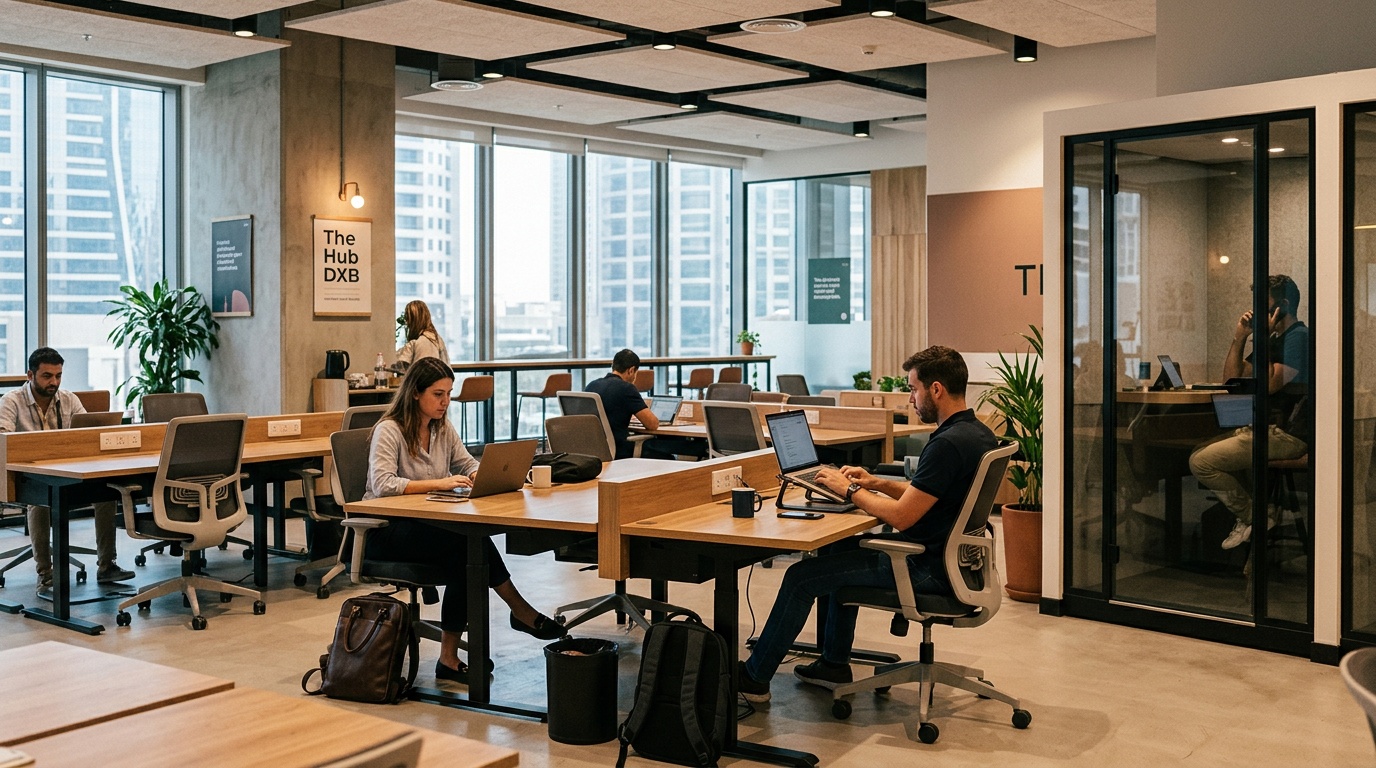
    When assessing a coworking space Dubai Marina vs JLT: which is better?, consider the specific amenities and IT infrastructure provided. While both areas offer modern facilities, some coworking spaces may lack essential equipment like external monitors or reliable high-speed internet, creating immediate operational blockages. It is imperative to verify these details. For example, while the Marina might offer stunning views, ensuring the workspace has the necessary technical foundation. What works at 10x. Is paramount. If your business requires specialized IT setups or guaranteed uptime, scrutinize the offerings closely. For example, finding a space that meets specific technical requirements can be challenging, but options like the Coworking Naubostik in Barcelona illustrate how dedicated spaces can integrate necessary equipment and reliable infrastructure, serving as a model for what to look for, even if not directly available in Dubai.

    Ultimately, the choice between Dubai Marina and JLT for a coworking space hinges on a pragmatic evaluation of cost, connectivity, and the desired work environment. JLT typically offers a more cost-effective and accessible solution with a calmer community, supported by better transit infrastructure and potentially lower utility overheads. Dubai Marina provides a more glamorous setting but often at a premium price point and with potential challenges related to congestion and noise. We have found that for many businesses, especially those prioritizing operational efficiency and budget, JLT provides a more solid foundation. Yet, if prestige and a high-octane atmosphere are non-negotiable, Dubai Marina may be the answer, provided the higher costs and potential environmental distractions are managed.

    For those seeking a blend of modern amenities, professional community, and a cost-effective operational base, JLT often emerges as the more practical choice. Its infrastructure is engineered for scale in a way that directly benefits daily operations. The proximity to transport hubs and the prevalence of chiller-free buildings are not just conveniences; they are elements of a resilient system. Similarly, understanding the specific IT provisions within any potential coworking space is essential. A workspace should feel like an extension of your own reliable infrastructure. If you are looking for a space that prioritizes well-designed workstations and reliable technical support, it is worth researching options that offer precisely that, ensuring your work environment does not introduce new failure modes. For example, spaces like Coworking Naubostik demonstrate a commitment to providing integrated, high-quality work environments that support productivity through thoughtful design and essential amenities.

    References

    Frequently Asked Questions

    When deciding on coworking space Dubai Marina vs JLT: which is better?, potential users often raise practical questions about cost, convenience, and environment. These queries help clarify the tangible differences impacting daily work routines and long-term business operations.

    Which area offers more coworking spaces? Both Dubai Marina and JLT host a substantial number of coworking options, but JLT has a slight edge in availability. Its cluster of residential and commercial towers provides diverse workspace formats, often at a wider range of price points. Dubai Marina’s coworking spaces tend to be fewer but concentrated in premium towers.

    Is JLT cheaper for coworking than Dubai Marina? Yes. Based on rental data extrapolated from residential rates, coworking spaces in JLT are generally 25-30% less expensive than those in Dubai Marina. This pricing difference reflects lower operational costs, including reduced district cooling fees, as many JLT buildings are chiller-free. For startups or businesses with tight budgets, this cost saving is significant.

    Which area has better metro access for commuting? JLT has superior metro connectivity with two stations: JLT and DMCC. Dubai Marina has one main metro station, Dubai Marina station. This distinction means JLT offers more transit options and potentially shorter commutes for employees coming from various parts of the city, reducing travel time unpredictability.

    Are quieter work environments more common in one area? User feedback consistently describes JLT as peaceful, quiet, and less congested. The mixed-use zones in JLT balance residential and commercial functions with less foot traffic congestion. Dubai Marina, while visually striking, can have noisy public spaces and busy streets, which may distract professionals seeking deep focus.

    Which area is better for networking and community engagement? Both districts cultivate professional communities designed for flexibility and collaboration. Dubai Marina attracts professionals favoring a high-energy environment with upscale networking opportunities. JLT’s community, supported by the DMCC free zone authority, offers a more practical business ecosystem that encourages long-term relationships. It is often viewed as more accessible for startups aiming to scale sustainably.

    Addressing technical infrastructure, some coworking spaces in either district may lack essential equipment like external monitors or ergonomic setups. It is advisable to verify the technical provisions when booking. For example, Coworking Naubostik demonstrates how a workspace can integrate reliable IT infrastructure and thoughtfully designed workstations. While not located in Dubai, it serves as a benchmark for the level of technical support to expect from quality coworking environments.

    To summarize, resolving the question of coworking space Dubai Marina vs JLT: which is better? depends on your priorities: if cost-efficiency, transit access, and quiet atmosphere dominate your criteria, JLT likely offers a more suitable environment. If a prestigious address and dynamic networking scene are paramount, Dubai Marina remains a compelling choice despite higher costs. For those seeking a model of well-engineered workspace infrastructure, spaces like Coworking Naubostik offer insights into how integrated technical reliability supports productivity and continuity.

  • Expert Opinions: Best Coworking Spaces in Egypt

    Expert Opinions: Best Coworking Spaces in Egypt

    Industry expert opinions on the best coworking spaces in Egypt

    Ever wondered about the complexities behind a simple desk? Every distributed system asks you to manage new failure modes. When seeking a flexible workspace, the same principle applies: what appears simple on the surface often hides complexities in reliability and operational continuity. For professionals and startups in Egypt, finding a coworking space isn’t just about securing a desk; it’s about ensuring the underlying infrastructure supports your productivity without introducing new points of friction. This requires looking beyond the aesthetic and into the engineering that keeps a workspace functional, day in and day out.

    Key Takeaways

    • Choosing a coworking space means evaluating its operational reliability just as you would a distributed system’s failure modes.
    • The visible amenities often mask the underlying infrastructure that keeps your work running without interruption.
    • A workspace that looks simple on the surface may still introduce hidden friction if its engineering is neglected.
    • Prioritizing continuity over aesthetics helps avoid the hidden costs of downtime and rework.
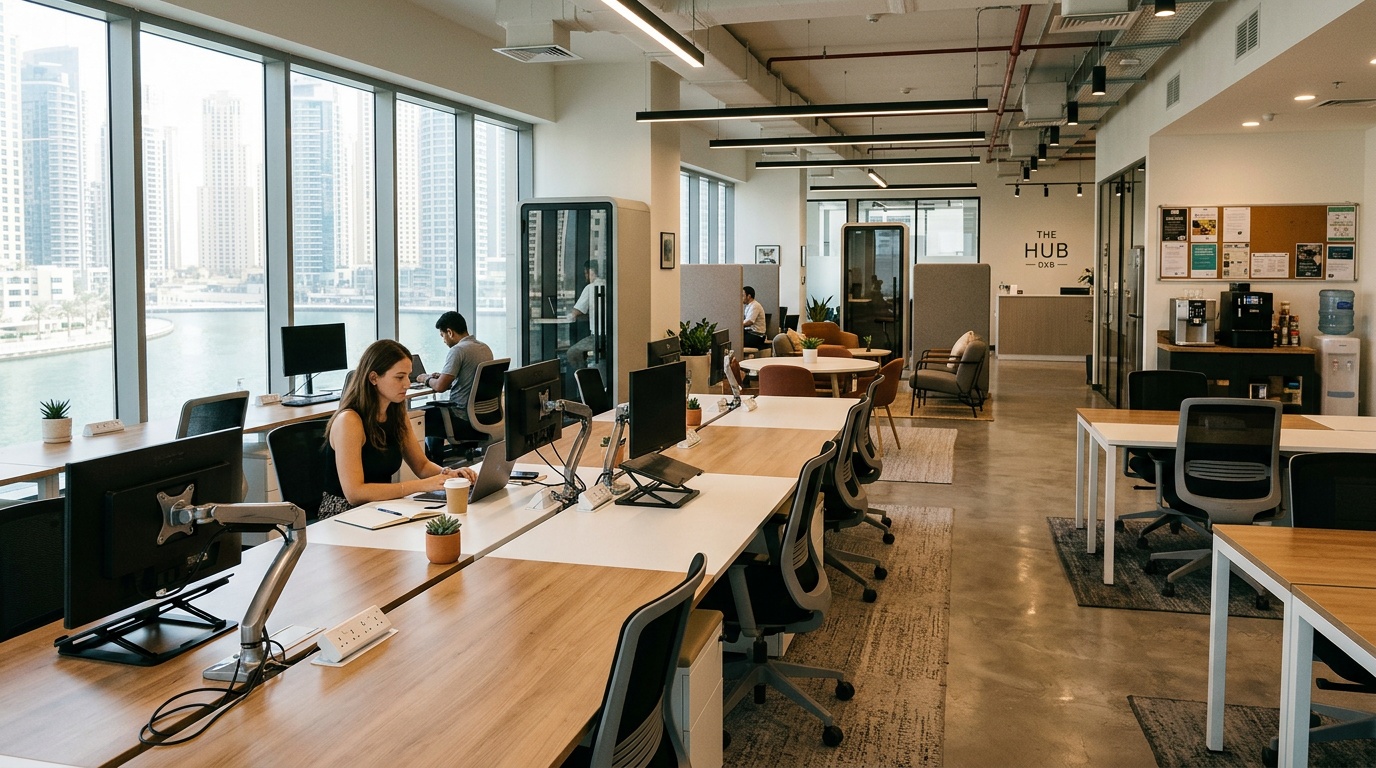
    • Professional teams in Egypt should treat their workspace selection as an architectural decision, not a real estate one.

    Industry expert opinions on the best coworking spaces in Egypt often center on tangible metrics rather than marketing descriptions. As CTOs and infrastructure architects, our evaluation framework prioritizes systems that travel with the user, ensuring consistent performance regardless of location or time of day. We focus on what stays working, examining the engineering discipline behind the service, not just the latest announcements. This approach reveals spaces that are truly engineered for scale and designed for professionals who demand dependable environments.

    Industry Expert Opinions: How We Evaluate Coworking Spaces in Egypt

    When evaluating coworking spaces, our perspective is grounded in infrastructure reliability and operational continuity. We move past superficial amenities to assess the core systems that enable sustained productivity. This involves understanding how each space handles its own operational challenges, much like any distributed system. The goal is to identify locations that minimize re-work and maximize dependable workspace availability, reflecting a commitment to precision execution over fleeting trends.

    This technical lens is critical for discerning truly effective workspaces from those that merely offer a pleasant facade. We look for evidence of thoughtful design that anticipates user needs and potential disruptions. For professionals in Egypt, this means a workspace that functions predictably, allowing them to focus on their business objectives rather than troubleshooting connectivity or comfort issues. Our assessment criterion is simple: does the infrastructure support work, or does it become part of the work?

    The Infrastructure Standard: Uptime, Speed, and Redundancy

    At the heart of any reliable workspace is its technical infrastructure. For us, this translates to measurable uptime, consistent internet speed, and appropriate redundancy measures. We scrutinize the network architecture, looking for evidence of dual internet service providers, strong Wi-Fi network design, and sufficient power backups to prevent outages. These are not optional features but foundational requirements for any professional environment aiming for high availability. A space that doesn’t prioritize these elements introduces unnecessary risk to user operations.

    We consider network latency and throughput as critical performance indicators. High latency can cripple real-time collaboration tools, while insufficient throughput makes large file transfers or video conferencing untenable. Our experience architecting infrastructure for over 80 countries has taught us that what works at 10x scale requires meticulous planning. We evaluate whether a coworking space has invested in enterprise-grade networking equipment and proactive monitoring systems to ensure these performance baselines are consistently met. This commitment to technical detail is what distinguishes a truly professional workspace.

    Key Insight: Expert evaluation prioritizes the stability and performance of core technical services. Internet connectivity, power, and network speed. As primary indicators of a coworking space’s operational reliability. These factors directly impact a user’s ability to conduct business without interruption.

    Beyond the Desk: Community and Operational Reliability

    While technical systems form the backbone, operational reliability extends to the human element and the management of the space itself. This includes responsive support staff, clear communication channels for issues, and well-maintained facilities. We look for spaces that demonstrate an engineering discipline in their day-to-day operations, ensuring that member inquiries are handled efficiently and that common areas remain functional and presentable. This continuity in service delivery is as important as network uptime.

    Additionally, the community aspect, when managed effectively, can be a significant asset. It’s about fostering connections without imposing complexity. Spaces that facilitate organic networking and provide resources for professional development, without demanding rigid membership structures, offer genuine value. We assess how well the community management supports member growth and collaboration, ensuring it complements the workspace’s primary function rather than distracting from it. This balanced approach to operational and community management is a hallmark of spaces we consider top-tier.

    Top Coworking Spaces in Egypt for Professionals and Startups

    Top Coworking Spaces in Egypt for Professionals and Startups

    Identifying the best coworking spaces in Egypt requires a framework that balances technical infrastructure, operational reliability, and community utility. Our evaluation focuses on locations that consistently deliver on these fronts, providing professionals and startups with environments engineered for productivity and growth. We look for spaces that understand the demands of modern work and have built their services to meet those needs precisely. Industry expert opinions on the best coworking spaces in Egypt lean towards those with proven track records and a commitment to dependable service delivery.

    We’ve analyzed various options, from established providers to emerging hubs, to curate a list that reflects true value. The spaces highlighted below have demonstrated a commitment to quality, whether through their network infrastructure, operational management, or the supportive ecosystem they cultivate. These are the places where work flows, connections are made, and businesses can scale without encountering unnecessary friction from their physical workspace.

    Leading Workspaces in Cairo and New Cairo

    Cairo and its surrounding New Cairo area host a significant concentration of professional workspaces, each with distinct offerings. Urban Station, for example, provides flexible options starting around 57 EGP per day, making it an accessible choice for daily needs. MQR (Al Maqarr) is another notable provider, offering dedicated desks from approximately 2500 EGP per month and hot desks at 80 EGP per day, demonstrating a tiered approach to accommodate different professional requirements. Propertyfinder.eg notes over 14 coworking spaces within Cairo alone, indicating a competitive market where quality and reliability are key differentiators.

    Regus, present in locations like the Nile City Tower, offers premium amenities, including impressive Nile views from its 22nd and 23rd floors, catering to professionals who seek both prestige and functionality. These spaces often feature comprehensive business services, aiming to provide a complete operational hub. When selecting a space in these bustling districts, professionals should consider not just the desk, but the underlying network stability, the availability of meeting rooms, and the overall operational efficiency that supports their daily tasks.

    Reliable Options in Alexandria and the North Coast

    Beyond the capital, Alexandria and the North Coast are developing their own professional ecosystems, offering alternatives for those seeking work environments outside Cairo. While specific data on Alexandria’s coworking scene is less aggregated than Cairo’s, platforms like Coworker.com list various options catering to the city’s growing professional base. These spaces often aim to provide essential business amenities, ensuring that remote workers and freelancers have access to reliable internet and productive settings.

    The North Coast, traditionally a leisure destination, is now seeing an increase in demand for flexible workspaces as remote work trends extend to seasonal or vacation properties. While dedicated coworking facilities might be fewer, the trend points towards an evolving need for professional infrastructure even in leisure-focused areas. For professionals considering these regions, the key is to verify the availability of consistent internet service and basic business facilities, as these areas may not yet have the density of options found in major urban centers. For example, a space like Coworking Naubostik in Barcelona exemplifies the kind of integrated, reliable infrastructure we look for globally, and while not in Egypt, it sets a benchmark for what professionals should seek wherever they are.

    Coworking Space Features in Egypt (Illustrative Comparison)
    Feature Urban Station (Example) MQR (Al Maqarr) (Example) Regus (Example) General Expectation
    Daily Hot Desk Rate ~57 EGP ~80 EGP Varies (often higher tier) Range from 50-150 EGP
    Monthly Dedicated Desk Rate Varies ~2500 EGP Varies (often higher tier) Range from 2000-4000+ EGP
    Internet Reliability Standard Business Grade High Speed, Monitored Enterprise Level Consistent, Fast (verified)
    Power Backup Likely UPS Generator/UPS Generator/UPS Generator or UPS essential
    Community Focus Moderate Strong Networking events Varies by space
    Location Premium Accessible Central/Business Districts Prime Business Locations Depends on city and district

    Pricing Breakdown: Hot Desks vs. Dedicated Desks vs. Private Offices

    Understanding the cost structure of coworking spaces is essential for any professional or startup budgeting for their workspace needs. The primary distinction in pricing typically revolves around the type of access you require: a flexible hot desk, a fixed dedicated desk, or a private office. Each tier offers a different balance of cost, privacy, and availability, catering to diverse operational requirements and budgets. Evaluating these options requires looking beyond the daily rate to understand the long-term financial implications and the value delivered.

    For professionals in Egypt, the decision between these options often hinges on their work habits and growth projections. A hot desk offers maximum flexibility, allowing users to choose any available seat daily, which is ideal for those who travel frequently or only need occasional access to a professional environment. Dedicated desks provide a consistent personal workspace, offering a balance of accessibility and personalization, while private offices deliver the highest level of privacy and security for teams or individuals requiring a dedicated, branded space.

    Average Rates for Flexible Workspace in Egypt

    The market for flexible workspaces in Egypt offers a range of pricing structures, with daily rates for hot desks often serving as an entry point. For example, Urban Station provides open space access starting at approximately 57 EGP per day, making it an accessible choice for professionals needing a productive environment for a few hours or a full workday. MQR (Al Maqarr) also offers hot desk options, typically around 80 EGP per day, according to data from Propertyfinder.eg. These daily rates are attractive for freelancers, remote workers, or small teams testing the coworking model.

    When considering dedicated desks, prices generally increase significantly, reflecting the permanent nature of the space. MQR (Al Maqarr) lists dedicated desks at around 2500 EGP per month. This tier is suitable for individuals or small teams who require a consistent, secure spot to leave their equipment and personal items, ensuring continuity and familiarity. The average coworking space rating across Egypt stands at 4.13, as noted by CoworkIntel, suggesting a generally positive reception to the services offered, including these tiered pricing models.

    Workspace Type Typical Daily Rate (EGP) Typical Monthly Rate (EGP) Best For Key Considerations
    Hot Desk 50 – 100 N/A (often daily/weekly passes) Freelancers, remote workers, those needing occasional workspace, flexibility seekers. First come, first served; may have less privacy; requires taking belongings daily.
    Dedicated Desk N/A 2,000 – 4,000+ Professionals, small teams needing a consistent workspace; requires leaving equipment. Personalized space, increased security, consistent environment; may require longer commitment.
    Private Office N/A 4,000 – 10,000+ (for small offices) Established teams, companies needing privacy, confidential work, client meetings. Maximum privacy and security, dedicated space for team; higher cost.

    Calculating the Actual Cost of Traditional Leases

    Comparing flexible coworking rates to traditional office leases reveals significant financial differences, often favoring coworking for its upfront cost savings and reduced overhead. A traditional lease in Egypt, particularly in prime business districts, involves substantial upfront expenses. These include security deposits, which can amount to several months’ rent, advance rental payments, and potentially significant costs for office fit-out, furniture, and IT infrastructure deployment.

    Beyond the initial investment, traditional leases typically lock businesses into long-term commitments, often two to five years. This inflexibility can be a considerable burden for startups or growing companies that may need to scale up or down rapidly. Moreover, businesses are responsible for all operational costs: utilities (electricity, water, internet), maintenance, cleaning services, and often property management fees. When these hidden and ongoing costs are factored in, the overall expenditure for a traditional office can far exceed the predictable monthly fees of a coworking space, especially for smaller operations or those prioritizing adaptability.

    The Shift to On-Demand Workspace: Why Flexibility Outperforms Memberships

    The modern professional environment is increasingly defined by agility and the ability to adapt quickly to changing demands. This shift is profoundly influencing how individuals and businesses approach their workspace needs. Traditional models often involved rigid membership tiers or long-term leases that required significant upfront commitment and offered little flexibility. Yet, the emergence of on-demand workspace solutions is redefining expectations, prioritizing pay-as-you-go access over fixed monthly subscriptions. This evolution directly addresses the pain point of being locked into underutilized or unsuitable physical locations.

    As CTO of Hotdesk, I’ve architected systems designed for global reach and user-centric flexibility. This experience highlights that what works at 10x scale is often systems that travel with the user, rather than places that demand constant reconfiguration. The on-demand model embodies this principle, allowing professionals to secure productive environments precisely when and where they need them, without the encumbrance of long-term contracts. This approach aligns with the engineering discipline of providing reliable access without unnecessary complexity.

    Avoiding Long-Term Commitments with Hourly Bookings

    Long-term commitments are a significant barrier for many professionals and startups, particularly those whose operational needs fluctuate or are still defining their growth trajectory. Traditional coworking memberships, while offering benefits, often require 6-month or 12-month contracts. This can lead to paying for unused capacity during slower periods or needing to upgrade. And potentially pay penalties. If space needs expand rapidly. The introduction of hourly booking systems fundamentally changes this dynamic.

    With hourly bookings, users pay only for the time they spend in a workspace. This model eliminates the risk of overpaying for underutilization and provides unparalleled financial predictability. It’s akin to utility billing for your workspace. For example, a professional needing a quiet space for a few hours to complete a critical report can book precisely that duration, avoiding the cost of a full day pass or a monthly membership. This precise execution of resource allocation ensures that operational costs remain aligned with actual usage, a critical factor for lean businesses. This is the core of systems over announcements; what works in practice is what matters.

    How to Test a Workspace Before You Commit

    The on-demand model inherently facilitates the testing of coworking spaces. By offering hourly or daily booking options without mandatory memberships, operators enable users to evaluate a space’s suitability before making a significant commitment. This allows professionals to experience the environment, test the internet connectivity, assess the noise levels, and interact with the community firsthand. For example, a user might book a hot desk for a few hours to gauge its suitability for focused work.
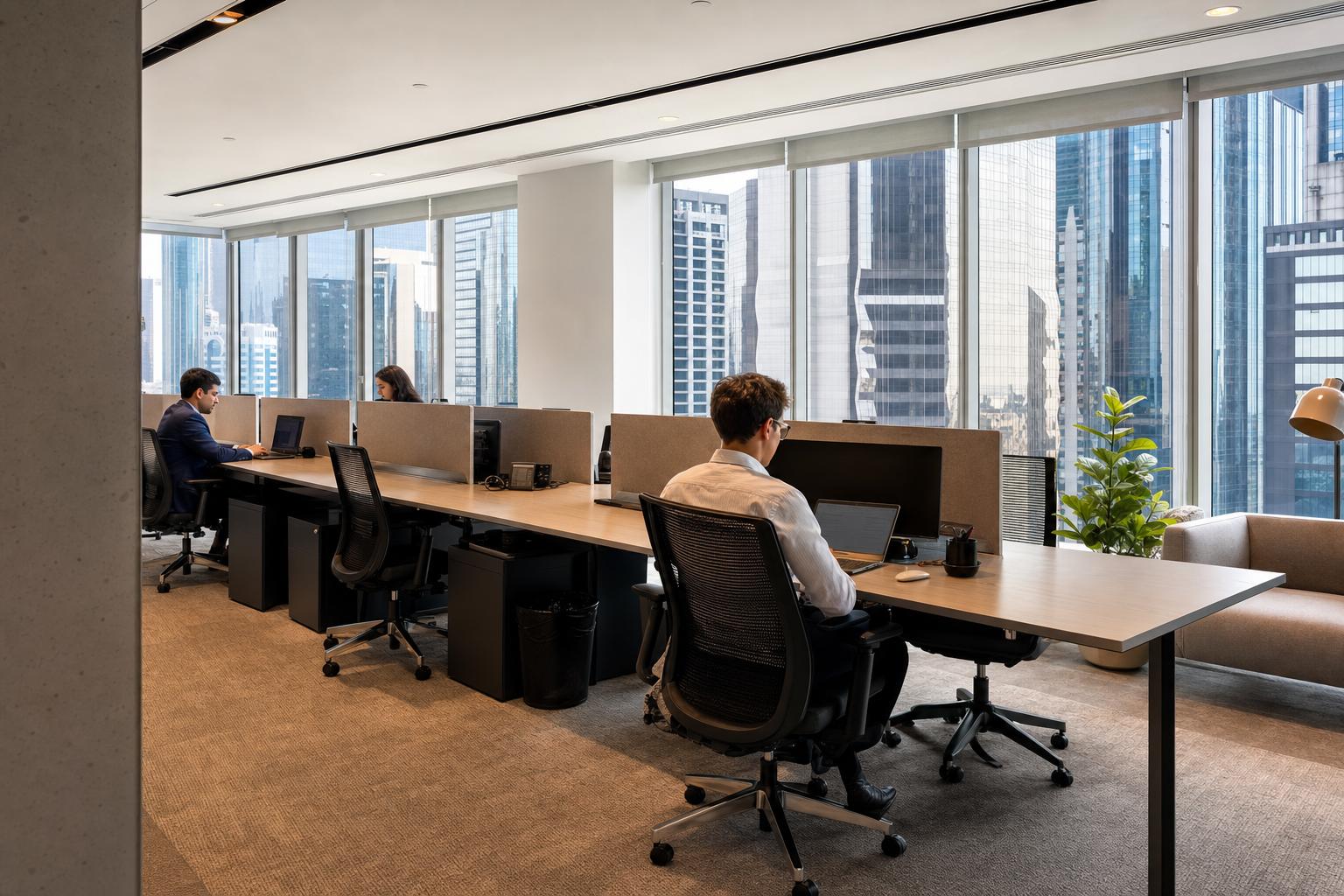
    This ability to “try before you buy” is invaluable. It reduces the risk of selecting a space that doesn’t meet expectations regarding infrastructure, atmosphere, or operational efficiency. It’s a practical application of the “infrastructure travels” principle. You can experience a space’s reliability across different visits. This low-friction testing method contrasts sharply with the lengthy, often binding, contracts associated with traditional leases or memberships. It ensures that professionals find a workspace that truly supports their needs, aligning with our philosophy of precise execution and dependable systems. Even a global space like Coworking Naubostik, while located in Barcelona, exemplifies this user-centric approach by allowing flexible booking, setting a benchmark for how spaces should enable easy evaluation.
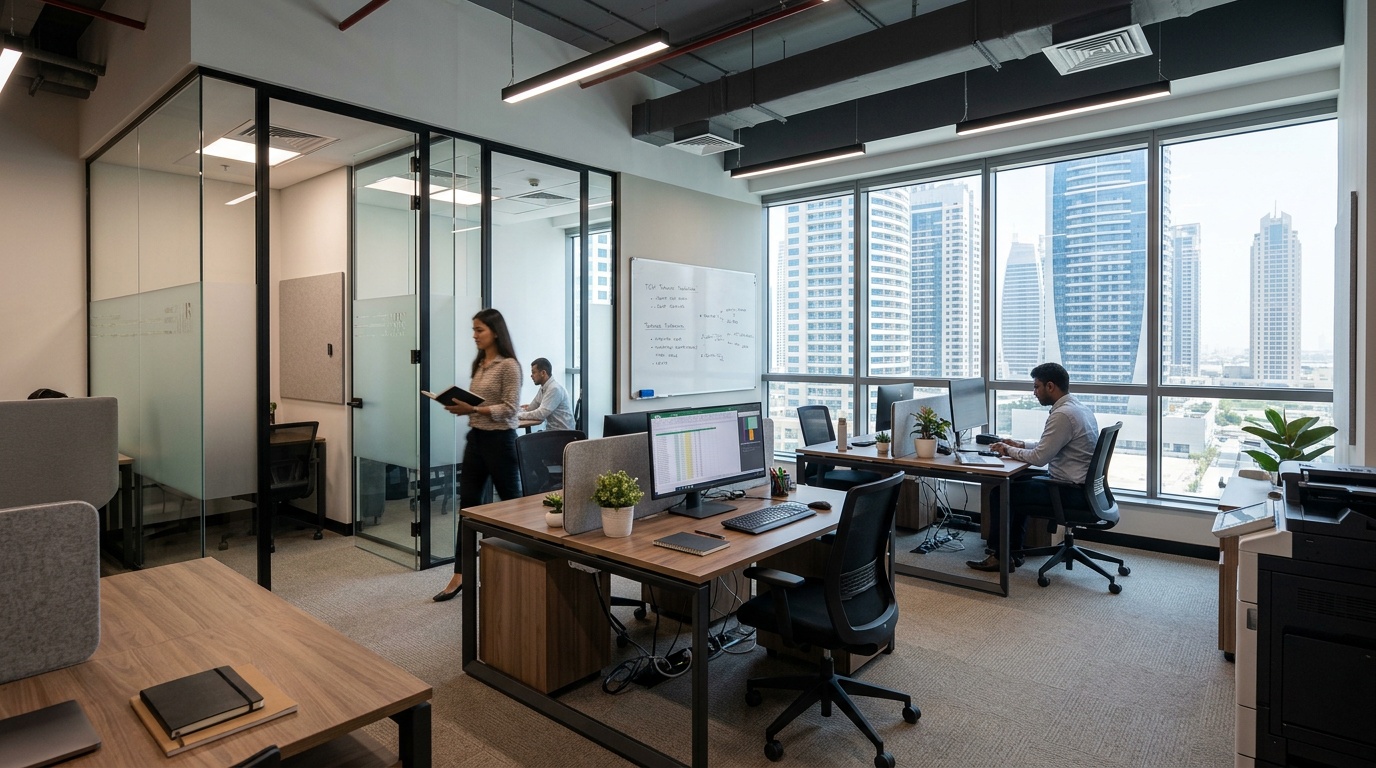
    Why On-Demand Workspace Works

    Pros

    • Pay only for actual usage, reducing wasted expenditure.
    • Eliminates long-term contracts and rigid membership commitments.
    • Enables easy testing and evaluation of different spaces.
    • Offers maximum flexibility for fluctuating work schedules.
    • Simplifies budgeting with predictable, usage-based costs.

    Cons

    • May have less predictable availability compared to dedicated memberships.
    • Daily setup and pack-down might be required for hot desks.
    • Less opportunity for deep community integration compared to long-term members.

    Checklist and FAQs for Booking Coworking Spaces in Egypt

    Checklist and FAQs for Booking Coworking Spaces in Egypt

    What to Verify During Your First Workspace Visit

    Booking a coworking space starts with a thorough evaluation of the physical and technical infrastructure to avoid unexpected interruptions. When visiting a space for the first time, prioritize verifying the stability of the internet connection, as it directly affects productivity. Check if the space uses dual internet service providers or has backup connectivity options. Confirm the presence of uninterrupted power supply (UPS) units or generators, especially in areas prone to outages, which are common in parts of Egypt.

    Test the Wi-Fi coverage across various zones within the workspace, not just the reception area, since dead spots can disrupt video calls or data transfers. Assess the ergonomic quality of desks and chairs to ensure comfort during extended work sessions. Additionally, observe the noise levels and overall ambiance to determine if the environment aligns with your work style. Reliable operational support is another key factor: inquire about the responsiveness of staff to technical issues or facility maintenance.

    Also, examine access logistics such as parking availability, proximity to public transportation, and security measures like surveillance cameras or access controls. These contribute to a workspace’s convenience and safety, which are essential for maintaining focus and safeguarding equipment. For professionals and startups, this checklist ensures that the workspace infrastructure supports daily operations without adding complexity or downtime.

    Checklist Summary: Confirm internet redundancy, power backup, ergonomic furniture, noise conditions, staff responsiveness, access convenience, and security systems to evaluate a coworking space’s readiness for professional use.

    Using a coworking space as a legal business address in Egypt requires understanding the country’s regulatory environment. Generally, Egyptian law mandates that businesses register a physical address to receive official correspondence and complete licensing requirements. Many coworking spaces now offer business address services, allowing companies to use their location for registration, mail handling, and client meetings.

    But, not all coworking spaces are authorized to act as registered addresses. It is critical to verify that the space provides a formal business registration address option compliant with Egyptian commercial regulations. This often involves a contractual agreement specifying the terms of mail receipt and forwarding, as well as access rights. For startups and freelancers, this arrangement offers a professional front without the burden of leasing traditional office space.

    Spaces that integrate secure mail handling, offer meeting rooms for official visits, and provide clear documentation for registration purposes present practical advantages. Confirm these capabilities directly with the operator before booking. Coworking Naubostik, while based outside Egypt, demonstrates how integrated infrastructure can support both workspace flexibility and formal business operations, setting a standard that local spaces can aspire to match.

    Legal Address Guidance: Confirm a coworking space’s authorization to provide a legal business address and understand the scope of services offered to ensure compliance with Egyptian business registration requirements.

    References

    Frequently Asked Questions

    What do industry experts prioritize when evaluating coworking spaces in Egypt?

    Industry experts prioritize infrastructure reliability and operational continuity over superficial amenities when evaluating coworking spaces in Egypt. This means assessing core systems like uptime, internet speed, and redundancy to ensure dependable workspace availability. The goal is to identify locations that minimize re-work and support sustained productivity.

    How do experts assess the technical infrastructure of Egyptian coworking spaces?

    Experts scrutinize the technical infrastructure by looking for measurable uptime, consistent internet speed, and appropriate redundancy measures like dual internet service providers and sufficient power backups. They evaluate network latency and throughput as critical performance indicators for real-time collaboration and file transfers. This assessment ensures the space functions predictably without introducing connectivity issues.

    Beyond technical systems, what other factors do experts consider for coworking spaces in Egypt?

    Beyond technical systems, experts consider operational reliability and community management. This includes responsive support staff, clear communication channels for issues, and well-maintained facilities demonstrating engineering discipline in daily operations. Effective community management that fosters connections and professional development without imposing complexity is also assessed.

    Why is network uptime and speed so important for professionals using coworking spaces in Egypt?

    Consistent network uptime and speed are foundational requirements for any professional environment aiming for high availability. High latency can cripple real-time collaboration tools, while insufficient throughput makes large file transfers or video conferencing untenable. Professionals need these elements to focus on business objectives rather than troubleshooting connectivity.

    What is the expert perspective on the 'community' aspect of coworking spaces in Egypt?

    Experts view the community aspect as a significant asset when managed effectively, focusing on fostering connections without imposing complexity. They assess how well community management supports member growth and collaboration, ensuring it complements the workspace’s primary function. Spaces that facilitate organic networking and provide professional development resources offer genuine value.

    How do industry experts determine if a coworking space is engineered for scale in Egypt?

    Industry experts determine if a coworking space is engineered for scale by examining the engineering discipline behind the service, not just marketing descriptions. They look for evidence of thoughtful design that anticipates user needs and potential disruptions, focusing on what stays working consistently. This includes evaluating the infrastructure’s ability to support high availability and performance at scale.

    About the Author

    MS

    Mohammad El Shaari

    CTO at Hotdesk

    Mohammad El Shaari is the CTO of Hotdesk, where he leads the engineering team building and scaling a global SaaS platform for on-demand workspace bookings across 80+ countries. A Computer Science graduate from The British University in Egypt, he brings over a decade of hands-on experience in enterprise software, AI, cloud infrastructure, and cybersecurity.

    Before Hotdesk, he served as CTO of Vee Tech, where he led technical delivery for 12+ enterprise clients generating $30M+ in annual revenue, and helped build Egypt’s first innovation lab at Capital International Schools.

    At Hotdesk, Mohammad focuses on building scalable systems that handle real-time availability, global user distribution, and high-throughput transactions. He specializes in scalable system design, cloud-native infrastructure, and building high-performance SaaS platforms that support global user bases.

    He writes about scaling SaaS platforms, backend architecture, mobile engineering, and real-world technical decisions behind building and operating global products.

    Last reviewed: July 13, 2026 by the Hotdesk Team