
addressing micromanagement in hybrid teams
The shift to hybrid work models promised flexibility and autonomy, yet for many, it has introduced a new kind of pressure: the feeling of constant surveillance. When teams split their time between home and office, the familiar dynamics of management are tested. Insecure or inexperienced leaders, often overwhelmed by the change, can fall back on outdated habits, leading to micromanagement that erodes trust and stifles productivity. Effectively addressing micromanagement in hybrid teams requires understanding its subtle manifestations and adopting management philosophies built for a distributed world. This isn’t about tracking keystrokes or demanding hourly updates; it’s about fostering an environment where people can do their best work, wherever they are.
Key Takeaways
- Hybrid work can trigger micromanagement when leaders lack confidence in remote supervision and fall back on outdated control habits.
- Trust is the foundation for managing distributed teams, so leaders should focus on outcomes rather than tracking every activity.
- Effective hybrid leadership requires letting go of constant oversight and creating space for autonomy and accountability.
- Micromanagement damages employee morale and productivity more deeply in hybrid settings, where the absence of physical presence amplifies feelings of surveillance.
This article explores the common pitfalls of hybrid management and offers practical strategies for leaders and teams to build a culture of trust, accountability, and genuine collaboration. We’ll look at what micromanagement truly looks like in this new era and contrast it with management approaches that actually support growth and performance.
What Micromanagement Looks Like in Hybrid Teams (and Why It’s Getting Worse)
The move to hybrid work has amplified existing management challenges and introduced new ones. For leaders accustomed to overseeing teams in a physical office, the increased distance can create a sense of unease. This discomfort can manifest as an urge to exert more control, leading to behaviors that, while perhaps well-intentioned, undermine the very flexibility hybrid work is meant to provide. The core issue is often a management style rooted in presenteeism. Valuing visible activity over tangible results. In a hybrid setting, this can translate into intrusive monitoring, frequent, unnecessary status checks, and a general lack of trust in employees’ ability to manage their own time and tasks.
The human cost of this approach is significant. Employees often report feeling undervalued, distrusted, and demotivated when subjected to micromanagement. According to a Learnit study, 61% of employees believe remote work limits their development opportunities, a sentiment that can be exacerbated by managers who focus on minute details rather than growth and performance. This creates an environment where people are less likely to innovate or take initiative, fearing scrutiny over every step they take. The friction of feeling constantly observed can quickly turn a flexible arrangement into a source of significant stress.
The Human Cost: What Employees Actually Experience
For employees navigating a hybrid work model, micromanagement isn’t just an annoyance; it’s a direct assault on their autonomy and sense of professional dignity. Imagine requesting to work from home to focus on a complex project, only to be bombarded with instant messages every hour asking for progress updates. Or consider the frustration of having your manager question short breaks or even monitor your bathroom breaks, as reported in some employee discussions. These behaviors signal a profound lack of trust, suggesting that the manager believes employees are either slacking off or incapable of self-management. This constant oversight can lead to burnout, increased anxiety, and a feeling of being constantly under a microscope. As one anonymous employee shared on Reddit, “I would enjoy a hybrid model significantly more if my team was actually all co-located”. This highlights how poor management dynamics, not just the structure, can ruin the experience, even when physical presence is involved.
This erosion of trust has a ripple effect. When employees don’t feel trusted, they are less likely to be engaged, creative, or willing to go the extra mile. They might start to disengage emotionally, focusing only on the tasks explicitly assigned and avoiding any proactive contributions that could draw unwanted attention. The promise of flexibility is lost, replaced by the anxiety of the next intrusive check-in or the fear of being reprimanded for perceived minor infractions. This can create a cycle where managers, seeing decreased proactive engagement, double down on control, further alienating their team and worsening the situation.
Signs Your Hybrid Team Is Slipping Into Micromanagement
Recognizing the early signs of micromanagement is key to addressing it before it becomes deeply ingrained. One of the most common indicators is an excessive number of mandatory check-in meetings or constant requests for status updates, far beyond what’s necessary for project coordination. Behavioral scientist Gleb Tsipursky, writing for Forbes, points out that managers often fall into this trap due to a lack of confidence in their team’s ability to perform without direct oversight. This can also include granular task supervision, where managers dictate precisely how a task should be completed rather than focusing on the desired outcome.
Other red flags include tracking employees’ time beyond what’s required for attendance, monitoring communication channels excessively, or making decisions that employees are capable of making themselves. A comment on The Enterprisers Project noted that sometimes, “the wrong people are in the wrong manager roles,” leading to these controlling behaviors. Employees might also notice a lack of delegation, with managers hoarding tasks or requiring approval for every minor decision. If team members feel they need to ask permission for things like taking a short break or stepping away from their desk for a few minutes, it’s a clear sign that control has overridden trust. The line between accountability and micromanagement can be fine, as one Reddit user noted, “It’s not micromanagement to ask someone to do their work,” but it becomes problematic when the oversight feels disproportionate to the task or the employee’s demonstrated capability.
Micromanagement vs. Outcome-Based Management: What Actually Works in Hybrid Work
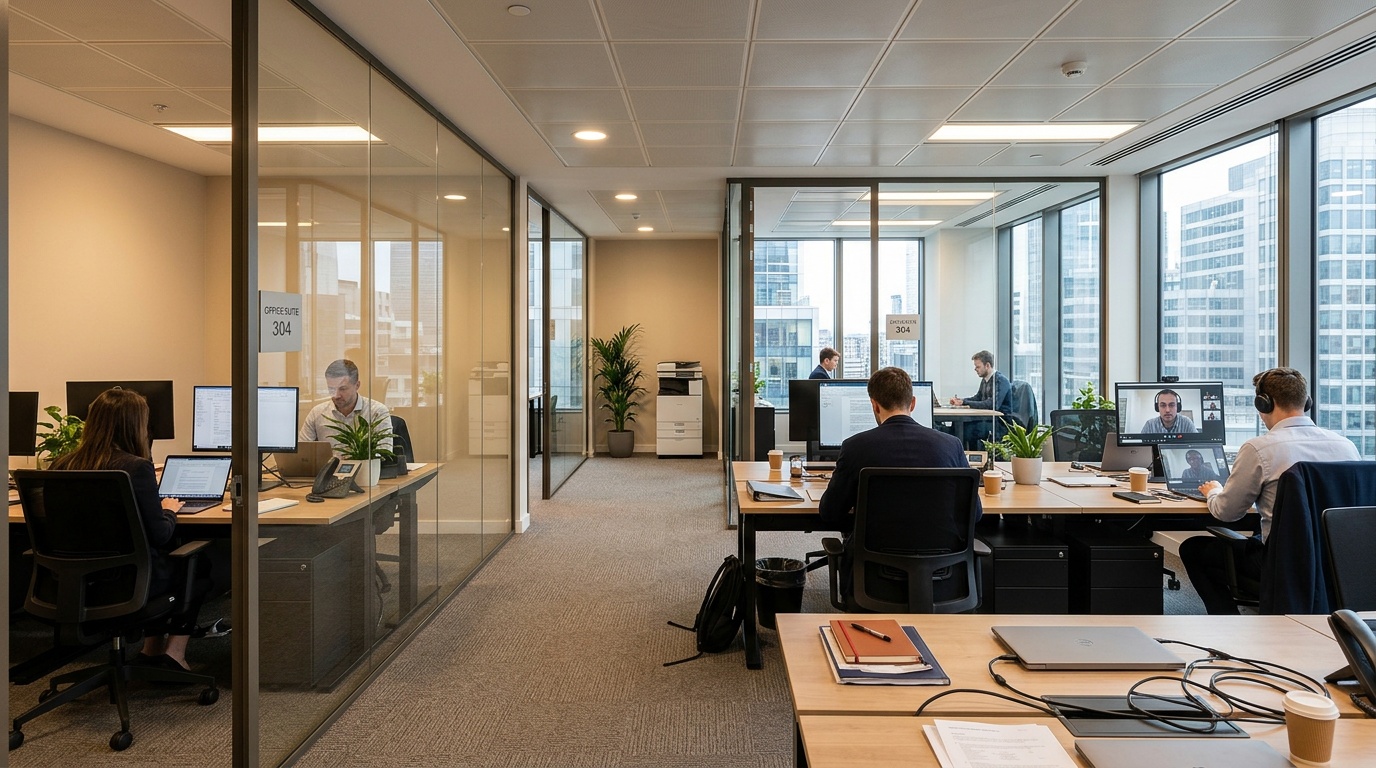
The fundamental difference between micromanagement and effective hybrid leadership lies in the underlying philosophy: control versus trust, and activity versus outcomes. Micromanagement operates on the premise that employees require constant supervision to ensure they are working. This approach is often driven by a manager’s anxiety or a lack of understanding of how to manage distributed teams. It leads to excessive check-ins, detailed task oversight, and a focus on the process rather than the result. In contrast, outcome-based management is built on trust. It assumes that employees are motivated professionals capable of managing their own time and tasks, provided they have clear objectives and support. This model prioritizes measurable results, clear communication of expectations, and empowering individuals to find the best ways to achieve their goals.
Adopting an outcome-based approach is not just about being more lenient; it’s about recognizing the realities of modern work. In a hybrid or remote setting, direct observation is limited. So, success must be measured by what is delivered. This shift requires managers to become adept at setting clear goals, defining success metrics, and providing constructive feedback. It fosters a culture where employees feel valued for their contributions, leading to increased engagement, innovation, and loyalty. The goal is to create an environment where people feel empowered to do their best work, rather than feeling constantly monitored and constrained.
The Shift From Hours Tracked to Outcomes Delivered
The traditional workplace often equated hours logged with productivity. In a hybrid model, this outdated paradigm becomes a significant obstacle. Micromanagers may insist on tracking every minute, demanding frequent status updates, or even monitoring online presence. This focus on “time spent” rather than “work accomplished” creates an environment ripe for anxiety and disengagement. Employees may feel compelled to appear busy, even if it means sacrificing deep work or taking on busywork to satisfy the manager’s need for visible activity. This approach fails to acknowledge that productivity isn’t linear and that different tasks require different amounts of focus and time.
Outcome-based management flips this perspective. It centers on defining clear objectives, key performance indicators (KPIs), and deliverables. Managers work with their teams to set ambitious yet achievable goals, then trust their team members to determine the most effective methods and schedules to meet them. This doesn’t mean abandoning accountability; it means re-framing it. Instead of tracking hours, managers track progress against agreed-upon milestones and evaluate performance based on the quality and impact of the work produced. This empowers employees, fosters a sense of ownership, and ultimately leads to higher quality results and a more motivated workforce. It’s about managing the ‘what’ and ‘why,’ not dictating the ‘how’ and ‘when’ in excessive detail.
Common Micromanagement Behaviors and Their Outcome-Based Alternatives
| Micromanagement Behavior | Outcome-Based Alternative |
|---|---|
| Requiring constant, real-time status updates (e.g., hourly check-ins) | Establish regular, scheduled check-ins (e.g., weekly team meetings, bi-weekly one-on-ones) focused on progress, blockers, and support needed. Use project management tools for asynchronous updates. |
| Dictating the exact method for completing tasks | Define clear project goals, desired outcomes, and quality standards. Enable employees to choose their own methods and tools to achieve these results. |
| Monitoring employees’ online activity or demanding constant availability | Focus on deliverables and responsiveness to essential communications. Trust employees to manage their work hours and breaks effectively, as long as they meet deadlines and are available for scheduled interactions. |
| Overly scrutinizing minor details or making small decisions for the team | Delegate decision-making authority where appropriate. Provide feedback on the final outcome and overall project, rather than getting bogged down in minor execution details. |
| Requiring approval for every step or minor deviation | Establish clear boundaries and escalation paths. Allow employees to manage their tasks within defined parameters, only requiring approval for significant strategic shifts or major roadblocks. |
| Frequent, unsolicited advice or “help” that undermines confidence | Offer support and coaching when requested or when an employee is clearly struggling with a defined blocker. Create an environment where asking for help is encouraged, not seen as a weakness. |
Structured Check-Ins That Build Trust Without Becoming Surveillance
The transition to hybrid work models often leaves managers feeling a degree of uncertainty about team progress and individual focus. This can lead to an impulse to increase the frequency or intensity of check-ins, inadvertently crossing the line from supportive oversight to intrusive surveillance. The goal of effective check-ins in a hybrid environment is to foster clarity, provide support, and ensure alignment on objectives, not to monitor every minute of an employee’s day. By framing these interactions around context and collaboration rather than control, managers can build a foundation of trust that is essential for sustainable productivity and employee well-being.
When check-ins are designed with intention, they become valuable opportunities for connection and problem-solving. Instead of simply asking “What did you do today?”, these conversations should explore “What challenges are you facing?”, “How can I support you?”, and “What progress have you made towards our shared goals?”. This approach shifts the focus from policing activity to enabling success. For example, a manager might start a check-in by asking about a team member’s priorities for the week and then offer resources or remove roadblocks that might impede their progress. This builds confidence and demonstrates that the manager is invested in the employee’s effectiveness, not just their presence.
Designing Check-Ins for Context, Not Control
To avoid the pitfalls of surveillance, managers must consciously design check-ins that prioritize context and collaboration. This means establishing a predictable cadence for these interactions, whether daily, weekly, or bi-weekly, depending on the team’s needs and project cycles. During these sessions, the agenda should be collaborative, allowing employees to share updates on their terms and highlight areas where they need assistance or input. Managers should actively listen and ask open-ended questions that encourage reflection and problem-solving, rather than directive questions that seek simple compliance.
The key is to differentiate between ‘checking up’ and ‘checking in’. ‘Checking up’ implies suspicion and a need to verify activity. ‘Checking in,’ on the other hand, signifies a desire to connect, understand, and offer support. This distinction is critical when addressing micromanagement in hybrid teams. For example, instead of demanding a list of completed tasks, a manager might ask, “What was the most interesting problem you solved this week?” or “What are you most proud of accomplishing?”. These questions invite narrative and insight, providing a richer understanding of an employee’s contribution and challenges without feeling like an interrogation. Implementing this mindset ensures that scheduled touchpoints strengthen relationships and improve workflow, rather than creating an atmosphere of constant monitoring.
A Manager’s Checklist: Are Your Check-Ins Helping or Hovering?
To help managers self-assess and refine their check-in practices, a simple checklist can be invaluable. This diagnostic tool helps distinguish between supportive engagement and micromanagement. Consider these questions for each check-in you conduct:
- Do I focus on outcomes and progress, or minute tasks and activities? (Outcome focus = good; Task focus = potential micromanagement)
- Am I asking open-ended questions to understand challenges, or yes/no questions to verify work? (Open-ended = collaborative; Yes/No = interrogative)
- Do I offer support and resources, or simply demand updates? (Offering support = empowering; Demanding updates = controlling)
- Is the frequency of my check-ins aligned with project needs and team autonomy, or driven by my own anxiety? (Needs-based = effective; Anxiety-driven = micromanagement)
- Do I allow space for the employee to share what’s important to them, or is it entirely my agenda? (Employee-led = trust; Manager-led = control)
- Do employees seem relaxed and engaged during our check-ins, or stressed and guarded? (Engaged = positive; Stressed = warning sign)
If the answers lean towards the latter part of each question, it’s a strong indication that check-ins might be veering into territory that feels like hovering rather than helping. Regularly reviewing these points can help managers maintain a healthy balance, ensuring their interactions foster trust and productivity rather than anxiety and resentment. This conscious effort is fundamental when addressing micromanagement in hybrid teams, turning potentially intrusive moments into opportunities for genuine connection and growth.
Making In-Office Days Mean Something: How Co-Location Scheduling Reduces Manager Anxiety
The hybrid work model presents a unique challenge: how to harness the benefits of both remote flexibility and in-person collaboration without falling into inefficient or frustrating patterns. Many teams struggle with mandated office days that feel purposeless, leading to a “pointless commute” where employees gather without clear objectives, diminishing morale and productivity. This often stems from managers’ underlying anxiety about visibility and connection in a distributed workforce. They may feel that simply having people in the same physical space, even if distributed across different days or tasks, is enough. But, this approach misses the opportunity to build deeper trust and foster stronger team cohesion.
A more effective strategy is to view in-office days not as mandatory attendance, but as intentional opportunities for co-location. This means teams deliberately schedule days when key members will be present in the same workspace, enabling focused collaboration, brainstorming, and relationship-building. Such planned proximity can significantly reduce a manager’s anxiety because it provides structured, high-value interaction time. It transforms the office from a place people are forced to go into a space they choose to be in for specific, productive purposes. This deliberate approach ensures that when people do come together, the time spent is meaningful and contributes directly to team goals and individual development.
The Pointless Commute: Why Mandated Office Days Backfire
Mandating specific days for employees to come into the office without a clear purpose often backfires. Employees may find themselves commuting only to sit on video calls with remote colleagues or work in isolation in an otherwise empty office. This experience can lead to significant frustration, as noted in employee discussions where individuals expressed a desire for their team to be “actually all co-located” when in the office. The commute itself becomes a burden without a commensurate reward in terms of collaboration or connection. This inefficiency can erode trust and goodwill, making employees question the value of the hybrid model and the leadership’s understanding of their needs.
When office days are not structured for meaningful interaction, they can feel like a step backward, negating the flexibility that hybrid work offers. Instead of fostering a sense of community, these poorly planned gatherings can highlight divisions and create a perception that leadership is out of touch with the realities of modern work. This can inadvertently increase manager anxiety, as they might perceive a lack of engagement or purpose in the office, leading them to double down on control mechanisms, thus exacerbating issues related to micromanagement. The goal should be to make in-office time a deliberate choice that enhances collaboration and team dynamics.
Co-Location as a Trust-Building Mechanism
Deliberate co-location, where teams or key project members coordinate to be in the same physical workspace on specific days, serves as a powerful trust-building mechanism. Unlike arbitrary mandates, intentional co-location allows for spontaneous conversations, collaborative problem-solving, and stronger interpersonal bonds that are harder to replicate remotely. When team members share physical space, they build a collective understanding and rapport that reinforces trust in each other’s capabilities and commitment. This shared presence creates a subtle but significant psychological effect, reminding everyone of their shared goals and mutual reliance.
For managers, knowing that their team members are intentionally gathering for productive collaboration can alleviate much of the anxiety associated with remote oversight. It provides a tangible way to foster team cohesion and ensure that critical in-person activities, such as strategic planning sessions or complex brainstorming, are executed effectively. This structured approach to physical presence demonstrates a thoughtful application of hybrid work principles. It acknowledges that while remote work offers flexibility, certain aspects of collaboration and connection are best facilitated through shared physical environments, thereby reducing the inclination for micromanagement by providing more organic opportunities for team alignment and support.
How Teams Use Hotdesk to Coordinate Deliberate In-Person Time
Hotdesk provides the necessary infrastructure to facilitate intentional co-location, transforming how hybrid teams coordinate their physical presence. Instead of relying on rigid, one-size-fits-all office mandates, teams can use the Hotdesk platform to book shared workspaces in various locations across cities or even countries. This allows team members to deliberately choose specific days to work from the same location, ensuring that when they gather, they are doing so with a shared purpose and the right colleagues present. This flexibility empowers teams to design their in-office days around project needs, team-building activities, or critical collaborative sessions.
Consider a scenario where a marketing team needs to brainstorm a new campaign. They can use Hotdesk to identify a suitable workspace in a central location and all book desks for that specific day. This guarantees that the core team members are together, fostering spontaneous idea generation and immediate feedback. For a distributed team, this means overcoming the logistical hurdles of finding and booking appropriate spaces without needing a fixed headquarters. This capability directly addresses the anxiety of managers by providing a structured, yet flexible, way to ensure purposeful in-person interaction. It supports the goal of addressing micromanagement in hybrid teams by enabling collaboration that builds trust and clarity, rather than relying on constant digital oversight.
When the Problem Is Systemic: Building Feedback Loops and Escalation Paths

While individual managers play a significant role in shaping team dynamics, addressing micromanagement in hybrid teams often requires looking beyond single-person fixes. When micromanagement becomes a pervasive issue, it suggests deeper organizational or systemic challenges. These might include inadequate manager training for remote environments, unclear company policies on performance evaluation, or a culture that inadvertently rewards control over autonomy. Relying solely on individual managers to correct course can be insufficient, especially if the underlying issues are embedded in the organizational structure or leadership’s overall approach to hybrid work. Recognizing micromanagement as a potential systemic failure is the first step toward implementing lasting solutions.
For employees, feeling trapped under a micromanaging boss without a clear path for resolution can be incredibly demoralizing. It creates a sense of powerlessness and can lead to disengagement, burnout, or even departures from the company. Organizations must so build strong systems that enable employees, provide avenues for constructive feedback, and ensure accountability at all levels. This involves establishing clear communication channels, fostering a culture of psychological safety where concerns can be raised without fear of reprisal, and equipping HR departments with the tools and training to handle such issues effectively. A systemic approach ensures that support is available and that the organization as a whole is committed to fostering a healthy work environment.
Why Individual Manager Fixes Aren’t Enough
While manager training on delegation, trust, and outcome-based management is invaluable, it doesn’t always solve the problem of systemic micromanagement. If an organization lacks clear performance metrics that align with hybrid work principles, or if promotion criteria still heavily favor visible “face time” over tangible results, managers may be incentivized to micromanage despite their best intentions. Also, a company culture that encourages constant oversight, perhaps driven by a fear of loss of control or a lack of confidence in remote employees, can create an environment where micromanagement is tacitly accepted or even expected. In such scenarios, individual managers are fighting against prevailing norms, making their efforts to foster autonomy significantly more challenging.
The issue extends to how accountability is perceived and enforced. If there are no mechanisms for upward feedback or for employees to report concerns about management style without fear of retaliation, then problematic behaviors can persist unchecked. The “wrong people in the wrong manager roles,” as noted in discussions on The Enterprisers Project, can perpetuate a cycle of distrust. When these systemic factors are present, individual managers, even those trained in better practices, may find their efforts insufficient. Addressing the root causes requires a commitment from leadership to redefine expectations, invest in comprehensive training, and implement policies that actively support a trust-based, outcome-oriented work culture across the entire organization.
Feedback Mechanisms That Surface Micromanagement Early
To effectively combat systemic micromanagement, organizations need to establish reliable feedback channels that can identify and address problematic behaviors early. Regular, anonymous employee surveys are a powerful tool. These surveys should specifically ask about management styles, trust levels, and the perceived autonomy employees experience. Questions about feeling overly supervised or whether feedback is constructive versus critical can provide early warnings. According to a Learnit study, 61% of employees feel remote work limits their development opportunities, and feedback mechanisms can help pinpoint if micromanagement is contributing to this sentiment.
Beyond surveys, implementing structured 360-degree feedback processes can offer a more comprehensive view, allowing peers and direct reports to provide input on a manager’s effectiveness. Crucially, these feedback systems must be coupled with clear action plans and follow-through from HR and senior leadership. When feedback is collected but not acted upon, it erodes trust further. Anonymous escalation channels, such as a dedicated ethics hotline or an ombudsman program, can provide a safe space for employees to report more serious concerns without fear of reprisal. These systems are not about policing managers but about creating an environment where open communication is encouraged and systemic issues can be identified and rectified before they cause significant damage to morale and productivity.
Feedback and Escalation Paths
Pros
- Identifies systemic issues beyond individual manager performance.
- Empowers employees by providing safe channels for concerns.
- Promotes a culture of transparency and accountability.
- Enables early intervention to prevent escalation of micromanagement.
- Supports continuous improvement in management practices.
Cons
- Requires significant organizational commitment and resources to implement effectively.
- Risk of feedback being ignored if not acted upon, leading to distrust.
- Potential for misuse or frivolous complaints if not managed carefully.
- May face resistance from managers who are not open to feedback.
- Anonymity features must be strong to ensure genuine safety for reporters.
What Employees Can Do: A Realistic Escalation Framework
When facing a persistently micromanaging manager, employees can take a structured, measured approach to address the situation. The first step is always documentation. Keep a detailed log of specific incidents, including dates, times, the behavior observed, its impact, and any witnesses. This factual record is essential for any formal complaint. Next, assess the situation: is this an isolated behavior, or part of a larger pattern? If it’s an isolated incident, a direct, calm conversation with the manager, focusing on the impact of their actions on your work and suggesting alternative approaches, might be effective. Frame it collaboratively, perhaps by saying, “I find it challenging to focus when I receive hourly check-ins; could we perhaps move to daily updates ultimately?”
If direct conversation is not feasible or doesn’t yield results, or if the micromanagement is systemic, it’s time to escalate. Consult your company’s HR department or a trusted senior leader. Present your documented evidence clearly and professionally. Focus on the impact on your productivity, well-being, and the team’s overall performance. If your company has an anonymous reporting system, this can be an option. It’s also worth noting that sometimes, collective action from a group of affected employees can carry more weight. But, it’s important to approach this strategically, focusing on shared work-related challenges rather than personal grievances. This systematic approach helps ensure that concerns are heard and addressed appropriately within the organizational framework, contributing to the broader goal of addressing micromanagement in hybrid teams.
FAQs: Addressing Micromanagement in Hybrid Teams
How do I know if I’m micromanaging my hybrid team?
Managers often fall into micromanaging habits due to anxiety about visibility in hybrid settings. Signs include excessively frequent check-ins, dictating how tasks must be done rather than focusing on outcomes, monitoring employees’ online activity beyond what’s necessary for coordination, or making decisions that your team members are capable of handling themselves. If your team members seem hesitant to take initiative, avoid asking questions, or appear stressed during interactions, it could indicate they feel overly scrutinized. As behavioral scientist Gleb Tsipursky notes, effective hybrid management focuses on trust and clear objectives, not constant oversight. Regularly asking for feedback from your team about your management style can also provide valuable insights.
What should an employee do if their manager micromanages them in a hybrid setup?
Employees experiencing micromanagement should first attempt to address it directly with their manager. This can involve a calm, factual conversation about how specific behaviors impact productivity and proposing alternative communication methods, such as scheduled updates instead of constant interruptions. If direct conversation isn’t possible or effective, employees should document specific instances of micromanagement, including dates, behaviors, and their impact. This documentation is important for escalating the issue. The next step typically involves approaching the Human Resources department or a trusted senior leader within the organization, presenting the documented concerns professionally and focusing on the impact on work quality and team effectiveness.
Can flexible workspace tools help reduce micromanagement?
Flexible workspace tools, like Hotdesk, can indirectly help reduce micromanagement by fostering trust and enabling intentional collaboration. When teams can easily book shared workspaces for specific co-location days, it shifts the focus from mere attendance to purposeful interaction. This deliberate coordination can alleviate manager anxiety about team connection and alignment, as they can see structured opportunities for in-person collaboration. By providing the infrastructure for teams to plan and execute meaningful face-to-face time, these tools support an outcome-based management approach, where the emphasis is on what gets accomplished during planned interactions rather than constant digital oversight. This structured flexibility helps build confidence and reduces the impulse for intrusive monitoring.
What’s the difference between accountability and micromanagement in remote work?
Accountability in remote work means ensuring employees are responsible for delivering on agreed-upon goals and objectives. It involves setting clear expectations, providing necessary resources, and evaluating performance based on outcomes. For example, checking in on project milestones or discussing deliverables is part of accountability. Micromanagement, conversely, is about excessive control over the process, not just the outcome. It involves dictating precisely how tasks should be performed, demanding constant updates on minor activities, and a lack of trust in the employee’s ability to manage their own work. While accountability empowers individuals to achieve results, micromanagement stifles autonomy and can lead to disengagement. A Reddit user aptly noted, “It’s not micromanagement to ask someone to do their work,” but it crosses the line when the oversight becomes intrusive and diminishes the employee’s sense of ownership and confidence.
References
Frequently Asked Questions
What is micromanagement in a hybrid work environment?
Micromanagement in hybrid teams involves excessive monitoring, frequent unnecessary status checks, and a lack of trust in employees’ ability to manage their own time and tasks. Managers who feel uneasy about the distance that hybrid work creates often fall back on controlling behaviors that undermine the flexibility this model is meant to provide.
Why do managers micromanage remote and hybrid employees?
Managers micromanage remote teams primarily due to anxiety about visibility and productivity in a less observable environment. Insecure or inexperienced leaders accustomed to physical office oversight often feel uncomfortable when they cannot directly see their team working, leading them to exert more control as a coping mechanism.
What are common signs of micromanagement in distributed teams?
Common signs include excessive mandatory check-in meetings, constant requests for status updates, granular task supervision, tracking employees’ time beyond attendance needs, and requiring approval for minor decisions. When employees feel they need permission for short breaks, or when managers dictate exactly how tasks should be done rather than focusing on outcomes, these are clear red flags.
How does micromanagement affect employee productivity and morale?
Micromanagement significantly decreases employee morale, reduces initiative, and can increase turnover rates in hybrid teams. Employees subjected to constant oversight often report feeling undervalued and distrusted, which leads to disengagement, burnout, and a reluctance to innovate or take proactive steps in their work.
How can leaders move away from presenteeism in hybrid work?
Leaders can move away from presenteeism by shifting their focus from visible activity to tangible results and outcomes. This means setting clear expectations, giving employees autonomy over their schedules, and measuring performance based on deliverables rather than hours logged or rapid responses on communication channels.
What management approaches work best for hybrid teams?
Management approaches built on trust, accountability, and genuine collaboration work best for hybrid teams. Successful leaders set clear goals, delegate effectively, provide resources for self-management, and create an environment where people feel confident taking ownership of their work without fear of constant scrutiny.
Can micromanagement cause employee burnout in hybrid settings?
Yes, micromanagement directly contributes to burnout by creating constant stress and anxiety through surveillance-like oversight in hybrid settings. When employees feel they are always being watched and judged on minor details rather than their actual contributions, the flexible arrangement becomes a source of significant pressure rather than a benefit.
Leave a Reply