
adapting to extreme weather as a traveling worker
Work is no longer confined to a single desk or a fixed office. For many, the freedom to move. To chase opportunities, explore new horizons, or simply find a better environment for focused work. Is paramount. Yet, this mobility introduces a variable that can swiftly disrupt even the most carefully planned itineraries: the weather. Extreme weather events, from sudden heatwaves to unexpected blizzards, are becoming more frequent and intense, posing significant challenges for those who work on the go. Adapting to extreme weather as a traveling worker means more than just checking a forecast; it requires a fundamental shift in how we prepare, plan, and maintain continuity.
Key Takeaways
- Traveling workers must embed weather resilience into their planning, not just glance at a forecast before heading out.
- Selecting workspaces with reliable climate control and backup power helps you stay productive when extreme weather hits.
- Extreme weather can cut off internet and transportation, so having multiple location options keeps your work moving.
- Building flexible schedules and using remote collaboration tools let you adapt quickly when conditions change.
As a founder, I’ve seen firsthand how the friction of constant resets can diminish productivity and create a sense of displacement. When systems don’t account for the realities of movement and external events, the individual is left to manage the fallout alone. This isn’t about avoiding discomfort, but about building resilience into our work lives, ensuring that a change in climate doesn’t necessitate a complete halt in progress. It’s about creating a framework where work can continue, reliably and comfortably, regardless of the conditions outside.
The Reality of Weather Disruptions for Traveling Workers
The traditional concept of work often assumed a stationary base, a predictable environment where daily commutes and office conditions remained constant. For traveling workers, but, this assumption is fundamentally challenged. The freedom to operate from anywhere comes with the inherent vulnerability to external environmental factors. Extreme weather events are no longer distant news reports; they are immediate, tangible disruptions that can impact travel plans, workspace availability, and personal well-being. This shift demands a new mindset, moving from a focus on stationary safety to a readiness for nomadic challenges. As recent data indicates, extreme weather events have increased in frequency, making preparedness not just advisable, but essential for anyone whose work involves regular movement across different regions.
When weather patterns shift dramatically, the itinerary of a traveling worker can quickly become obsolete. A planned meeting might be impossible to reach due to flooded roads, a flight could be grounded by a snowstorm, or a work session might be interrupted by a power outage caused by high winds. This unpredictability highlights a core truth: while we cannot control the weather, we can control our response and our infrastructure. The reliability of our work setup, our access to suitable environments, and our ability to pivot when plans are disrupted are far more important than the day-to-day fluctuations of the climate. Focusing on this underlying infrastructure of work continuity is key to maintaining productivity and a sense of stability, even amidst meteorological chaos.
The Shift from Stationary Safety to Nomadic Readiness
For decades, the professional world largely operated under the premise of a fixed location, where employees commuted to a central hub. Safety and productivity were often assumed within the controlled environment of an office. But, the rise of remote and hybrid work models has fundamentally altered this paradigm. Traveling workers, by definition, operate outside this predictable sphere. They are exposed to a wider range of environmental conditions and potential disruptions. This necessitates a transition from a mindset of stationary safety, where risks are minimized by proximity to known resources, to one of nomadic readiness. This readiness involves anticipating potential environmental challenges, understanding how they might impact work, and building a personal and professional framework that can withstand these external forces. It’s about recognizing that adaptability is no longer a soft skill but a core competency for sustained professional activity in a mobile world.
The core of nomadic readiness lies in acknowledging that the external environment is a significant factor in work performance and continuity. Unlike a traditional office that provides a controlled climate, reliable power, and stable internet, a traveling worker must actively seek these out. This means understanding that a beautiful vista might be accompanied by unreliable connectivity during a storm, or that a remote project site could be inaccessible due to extreme heat. Building this readiness involves developing a proactive approach to potential issues, rather than reacting to them once they occur. It requires a conscious effort to maintain access to essential resources and to have contingency plans in place, ensuring that the physical location and its environmental conditions do not dictate the success or failure of professional endeavors. This approach is fundamental to adapting to extreme weather as a traveling worker.
Why Infrastructure Matters More Than Itinerary
When planning work trips, the temptation is often to meticulously map out every meeting, every travel leg, and every project milestone. Creating a detailed itinerary. While a good itinerary is important, its fragility becomes apparent when confronted with the unpredictable force of extreme weather. A flight cancellation due to a hurricane or a road closure because of flash flooding can render an entire schedule moot. This is precisely why the underlying infrastructure supporting work continuity becomes paramount. This infrastructure includes reliable internet access, consistent power, comfortable and climate-controlled workspaces, and the flexibility to change plans without significant penalty. It’s the framework that allows work to proceed even when the original plan is disrupted.
For the traveling worker, this infrastructure isn’t just about convenience; it’s about maintaining productivity and professional obligations. Imagine a critical client call that needs to happen regardless of a blizzard outside. Without access to a secure, connected, and comfortable workspace, that call might be missed. This is where platforms offering flexible access to workspaces become essential. They provide the tangible infrastructure. A quiet room, stable Wi-Fi, climate control. That shields work from environmental disruptions. This focus on the ‘how’ and ‘where’ of working, rather than just the ‘when’ and ‘what,’ is what truly enables sustained performance. It’s the operational backbone that allows individuals to keep moving forward, adapting to extreme weather as a traveling worker by relying on dependable resources.
Preparing for Climate Shifts: Acclimatization and Packing Strategies

The human body and mind need time to adjust when transitioning between vastly different climates. Simply arriving in a new location with extreme temperatures without preparation can lead to discomfort, reduced cognitive function, and even health risks. Acclimatization is the process by which our bodies adapt to new environmental conditions, particularly temperature and altitude. For traveling workers, understanding the general timeframes for this adjustment and employing conscious techniques can significantly ease the transition. It’s not just about enduring the heat or cold, but about maintaining peak performance. The average healthy individual typically requires about two weeks to fully acclimatize to a new climate, according to Orlando Health, though this can vary based on individual health, the extremity of the climate shift, and the duration of exposure.
Beyond personal acclimatization, the right gear can make a substantial difference in your ability to work effectively and comfortably in varied weather. Packing smart means anticipating the conditions you’ll face and selecting items that offer versatility and protection. This isn’t about overpacking, but about strategic inclusion of items that address potential challenges. Whether you’re heading into scorching heat or biting cold, having the appropriate clothing, accessories, and even tech can mean the difference between a productive day and one spent battling the elements. This proactive approach to packing is a critical component of adapting to extreme weather as a traveling worker, ensuring you’re equipped for the task at hand, no matter the temperature.
Acclimatization Basics: Timeframes and Techniques for Adapting
Transitioning to a new climate, especially one with extreme temperatures, requires more than just arriving with a change of clothes. Our bodies have physiological responses to heat and cold that need time to recalibrate. For example, acclimatizing to heat involves increased sweating efficiency and improved cardiovascular adaptation, while adapting to cold involves metabolic adjustments and enhanced shivering responses. While a full acclimatization can take up to two weeks, as noted by Orlando Health, travelers can employ several techniques to aid this process. Starting with gradual exposure, even for short periods, can help prepare the body. Staying well-hydrated is paramount, particularly in hot climates, as it supports the body’s thermoregulation. Similarly, in cold environments, maintaining core body temperature through layers and avoiding prolonged exposure to extreme cold is essential. Consciously managing your body’s signals and adjusting your activity levels upon arrival can significantly mitigate the shock of a new climate.
Beyond the physiological, mental preparation plays a role. Understanding that you might not feel optimal immediately can reduce frustration. For those frequently traveling across climates, developing a personal routine that incorporates elements of acclimatization into the first few days of a trip can create a smoother experience. This might involve scheduling less demanding work in the initial days, prioritizing rest, and actively seeking environments that support adaptation, such as spaces with controlled temperatures. By treating acclimatization as an active process rather than a passive event, traveling workers can better manage the physical and mental demands of climate shifts. This mindful approach is a key strategy for anyone adapting to extreme weather as a traveling worker, ensuring that discomfort doesn’t derail professional commitments.
Essential Packing Lists for Hot, Cold, and Wet Climates
Packing strategically is fundamental to maintaining comfort and productivity when working across different climates. For hot and humid conditions, focus on lightweight, breathable fabrics like linen and moisture-wicking synthetics. Include wide-brimmed hats, sunglasses, and high SPF sunscreen to protect against sun exposure. Hydration is key, so consider a reusable water bottle. For cold climates, layering is your best strategy. Start with a moisture-wicking base layer, add an insulating middle layer (like fleece or down), and top with a windproof and waterproof outer shell. Don’t forget insulated gloves, a warm hat that covers your ears, and waterproof, insulated footwear. Thermal socks are a major improvement. For wet conditions, a durable, waterproof jacket with a hood and waterproof pants are essential, along with quick-drying footwear or waterproof boots. Consider packing quick-dry towels and waterproof bags or cases for electronics.
Work-Ready Essentials Checklist
- Hot Climates: Lightweight, breathable clothing; wide-brimmed hat; sunglasses; high SPF sunscreen; reusable water bottle; cooling towels (optional).
- Cold Climates: Moisture-wicking base layers; insulating mid-layers (fleece, down); waterproof/windproof outer shell; warm hat; insulated gloves; thermal socks; waterproof boots.
- Wet Climates: Waterproof jacket with hood; waterproof pants; quick-drying footwear or waterproof boots; waterproof bags for electronics.
- Universal: Portable power bank; travel adapter; compact first-aid kit; any necessary personal medications.
Beyond the obvious clothing choices, several universal items can significantly improve your experience when adapting to extreme weather as a traveling worker. A portable power bank is invaluable for keeping devices charged, especially if power outages are a risk. A good quality travel adapter ensures you can plug in anywhere. A compact first-aid kit is a practical necessity for minor injuries. For those who rely on specific tools or instruments for their work, ensuring they are protected from temperature extremes or moisture is also critical. Thinking ahead about these details ensures that your gear supports, rather than hinders, your ability to work effectively, regardless of the weather. This preparedness is a hallmark of a seasoned traveling professional.
Recognizing and Responding to Health Risks from Extreme Temperatures
Working in environments with extreme temperatures presents significant health challenges that traveling professionals must be prepared to face. The body’s ability to regulate its internal temperature can be overwhelmed by prolonged exposure to intense heat or biting cold, leading to a range of conditions from mild discomfort to life-threatening emergencies. Understanding these risks is the first step in adapting to extreme weather as a traveling worker. Heat stress, including heat exhaustion and heatstroke, is a leading cause of weather-related workplace incidents, as noted by OSHA. Conversely, cold stress can lead to hypothermia and frostbite, severely impairing physical and cognitive function. Proactive recognition of symptoms and immediate, appropriate responses are paramount for personal safety and sustained productivity.
The transition between climates, especially when traveling across continents or different geographical zones, can exacerbate these risks. Jet lag combined with rapid temperature changes can put additional strain on the body, making individuals more susceptible to heat-related or cold-related illnesses. It is essential for traveling workers to educate themselves on the specific symptoms associated with different temperature extremes and to know how to respond effectively. This includes understanding basic first aid for heat or cold exposure and recognizing when professional medical attention is required. Also, awareness of employer guidelines and local safety protocols can provide a critical safety net, ensuring that workplace policies align with environmental realities and prioritize employee well-being.
Identifying and Treating Heat Stress and Dehydration
Heat stress occurs when the body is exposed to excessive heat, causing its temperature to rise to dangerous levels. Symptoms can range from heavy sweating, thirst, and muscle cramps (heat cramps) to dizziness, nausea, and a rapid pulse (heat exhaustion). If left untreated, heat exhaustion can progress to heatstroke, a medical emergency characterized by a high body temperature (103°F or higher), hot, red, dry or damp skin, and confusion or loss of consciousness. Dehydration, a common precursor or component of heat stress, occurs when the body loses more fluid than it takes in, impairing its ability to cool itself. Prompt recognition is key: if you or a colleague show signs of heat exhaustion, move to a cooler place, loosen clothing, sip cool water, and apply cool, wet cloths. For suspected heatstroke, call emergency services immediately and begin cooling measures while waiting for help.
Preventing heat stress and dehydration involves consistent hydration, taking regular breaks in cool or shaded areas, wearing lightweight and light-colored clothing, and avoiding strenuous activity during the hottest parts of the day. For traveling workers, this means being vigilant about fluid intake, even when not feeling thirsty, and being aware of the environmental conditions upon arrival. Understanding the local climate and its typical intensity is part of effective preparation. For example, the humid heat of Southeast Asia can feel more oppressive than dry desert heat, requiring different hydration strategies and cooling methods. Educating yourself on these nuances can significantly reduce the risk of succumbing to heat-related illnesses while on assignment.
Cold Stress Symptoms and Immediate Safety Responses
Working in cold environments poses its own set of health risks, collectively known as cold stress. Mild cold stress can manifest as shivering, numbness, and pale skin. More severe conditions include hypothermia, where the body’s core temperature drops dangerously low, leading to confusion, slurred speech, drowsiness, and loss of coordination. Frostbite, which occurs when skin and underlying tissues freeze, typically affects extremities like fingers, toes, ears, and the nose, causing them to become numb, white, or grayish-yellow and hard. Immediate safety responses are critical. If someone shows signs of hypothermia, move them to a warm place, remove wet clothing, and provide dry layers or blankets. For frostbite, gently rewarm the affected area with lukewarm water, avoiding direct heat or rubbing. In both cases, seek medical attention, especially if symptoms are severe or persistent.
Preventing cold stress involves dressing in layers to trap body heat, wearing waterproof and windproof outer garments, protecting extremities with hats, gloves, and insulated footwear, and staying dry. Traveling workers should be mindful of the wind chill factor, which can make ambient temperatures feel much colder than they are. Taking frequent breaks indoors to warm up, staying hydrated (though avoiding alcohol and excessive caffeine, which can affect body temperature regulation), and eating regular meals to maintain energy levels are also important strategies. Recognizing that cold can impair judgment and motor skills means not pushing personal limits and always having a plan for safe shelter and warmth. This preparedness is a key element for anyone adapting to extreme weather as a traveling worker.
Understanding Employer Guidelines for Extreme Conditions
Many organizations have established protocols for managing work during extreme weather events to ensure employee safety and operational continuity. These guidelines often detail acceptable temperature ranges for outdoor work, mandated break times in heated or cooled spaces, requirements for personal protective equipment (PPE), and procedures for suspending operations when conditions become too hazardous. For traveling workers, understanding these guidelines before a trip is essential. This might involve requesting an employee handbook addendum or speaking with an HR representative about company policies specific to the destinations they will visit. Adherence to these directives is not merely a matter of compliance but a fundamental aspect of personal safety and professional responsibility.
| Symptom/Condition | Heat Stress (e.g., Heat Exhaustion) | Heat Stroke (Medical Emergency) | Cold Stress (e.g., Mild Hypothermia) | Severe Hypothermia |
|---|---|---|---|---|
| Primary Cause | Body overheating, dehydration | Body core temperature dangerously high | Body losing heat faster than it can produce | Body core temperature critically low |
| Key Symptoms | Heavy sweating, thirst, muscle cramps, dizziness, nausea, weak pulse | High body temperature (103°F+), hot/red/dry skin, confusion, loss of consciousness, rapid pulse | Shivering, numbness, pale skin, fatigue, poor coordination | Confusion, slurred speech, drowsiness, loss of consciousness, weak pulse, shallow breathing |
| Immediate Response | Move to cool place, loosen clothing, sip cool water, cool compresses | Call emergency services; cool person aggressively with water, ice packs, cool cloths | Move to warm place, remove wet clothing, add dry layers/blankets | Call emergency services; warm person gradually (avoid direct heat), monitor breathing |
| Prevention Focus | Hydration, shade, appropriate clothing, pace activity | Recognize early signs of heat exhaustion, seek immediate help | Layering, staying dry, protection from wind, warming breaks | Recognize early signs of mild hypothermia, seek immediate help |
When external conditions exceed the parameters outlined by employer guidelines, it is the worker’s responsibility to report the situation and, if necessary, cease activity. This proactive communication ensures that safety standards are upheld and that potential risks are mitigated before they lead to incidents. For those working independently or as freelancers, developing personal safety thresholds based on recommendations from health authorities like the CDC or OSHA is equally important. Establishing these personal boundaries and having a clear plan for how to react when they are threatened is a important part of adapting to extreme weather as a traveling worker.
Securing Reliable Workspace and Maintaining Continuity During Storms
Extreme weather events, particularly storms, can wreak havoc on travel plans and disrupt the availability of traditional workspaces. When unexpected weather strikes, the ability to find a safe, functional, and climate-controlled environment becomes paramount for maintaining productivity. This goes beyond simply finding shelter; it means securing a space that offers reliable power, stable internet connectivity, and a conducive atmosphere for focused work. The unpredictability of weather-related disruptions, from flight cancellations to localized power outages, underscores the need for flexible and accessible workspace solutions. For traveling workers, having a strategy for securing such spaces can mean the difference between halting all progress and continuing operations with minimal interruption.
The core challenge lies in the fact that standard work arrangements often fail when faced with the chaos of severe weather. A hotel room might lose power, a public café could be inaccessible due to flooding, or a pre-booked office space might be damaged. This is where the concept of workspace continuity becomes critical. It’s about having a plan and the tools to implement it when original arrangements are compromised. Flexible booking platforms are designed precisely for these scenarios, offering on-demand access to a network of professional workspaces. These platforms enable traveling workers to quickly find and book alternative locations with the necessary amenities, ensuring that work can continue effectively, regardless of the meteorological conditions outside.
Criteria for Choosing Weather-Resilient Workspaces
When selecting a workspace, especially in regions prone to extreme weather, several key criteria should be considered to ensure resilience and reliability. First and foremost is the availability of backup power. Generators or uninterruptible power supply (UPS) systems are essential for maintaining connectivity and operational capacity during outages, which are common during storms. Secondly, stable and high-speed internet connectivity is non-negotiable. Look for workspaces that explicitly mention redundant internet connections or demonstrate a track record of consistent service, even during adverse conditions. Climate control is another significant factor; ensure the space offers reliable heating and air conditioning to maintain a comfortable working temperature, irrespective of external heatwaves or cold snaps.
Beyond these technical requirements, consider the physical location and accessibility. Is the workspace situated in an area less prone to flooding or severe wind damage? Are there multiple access routes, in case one is blocked by debris or emergency services? The building’s construction and maintenance also play a role; well-maintained facilities are generally better equipped to withstand extreme weather. Finally, look for spaces that offer flexible booking terms. This adaptability allows you to extend your stay or switch locations easily if weather events cause prolonged disruptions, providing the necessary agility to keep your work on track. These factors collectively contribute to identifying workspaces that offer true continuity.
Using Flexible Booking Platforms for Immediate Alternatives
In moments of weather-induced disruption, the ability to rapidly secure a suitable alternative workspace is a significant advantage. This is where flexible booking platforms shine. Instead of relying on pre-existing, potentially compromised arrangements, these platforms provide access to a distributed network of professional workspaces that can be booked on demand, often within minutes. A traveling worker facing a sudden flight cancellation or a power outage at their primary location can use such a platform to quickly locate and reserve a desk, private office, or meeting room in a nearby area that remains operational. This immediate access ensures that work does not grind to a halt, allowing for continued client meetings, project work, or administrative tasks.
The convenience of these platforms lies in their user-friendly interfaces and real-time availability information. Users can typically filter workspaces by location, amenities (like Wi-Fi speed, private offices, meeting rooms), and booking duration, making it easy to find exactly what is needed, when it is needed. This capability is particularly valuable when adapting to extreme weather as a traveling worker, as it transforms potential downtime into productive time. The flexibility offered by booking by the hour, day, or week provides a cost-effective solution, allowing users to pay only for the workspace they require, avoiding long-term commitments that might become impractical due to unforeseen weather events.
Turning Transit Delays into Structured Downtime
When extreme weather leads to transit delays, such as flight groundings or road closures, the initial reaction might be frustration and a sense of lost productivity. But, with the right approach and resources, these unavoidable delays can be transformed into periods of structured downtime, allowing for tasks that don’t require a full office setup or high-intensity focus. This includes administrative tasks, email management, research, planning, or even professional development through online courses. The key is to have contingency plans and readily accessible tools that enable productive work from almost anywhere.
Pros of Weather-Resilient Workspace Solutions
- Ensures continuity of work during weather disruptions.
- Provides access to reliable power and high-speed internet.
- Offers climate-controlled environments for comfort and focus.
- Flexible booking terms adapt to unpredictable schedules.
- Professional setting supports productivity and client interactions.
Considerations for Weather-Related Workspace Challenges
- Potential for last-minute price increases in high-demand areas.
- Availability can be limited immediately after a widespread event.
- Reliance on third-party infrastructure means interconnected risks.
- Requires proactive planning and digital tools for immediate access.
Having a reliable mobile hotspot, a charged laptop, and access to cloud-based work tools are fundamental. Also, identifying potential nearby workspaces via flexible booking platforms before a delay even occurs can be a strategic advantage. If a flight is canceled, instead of waiting aimlessly at an airport, a traveling worker can book a quiet workspace at a location near the airport or their original destination, allowing them to address emails, prepare for rescheduled meetings, or organize their upcoming tasks. This proactive mindset, coupled with the right infrastructure, turns potential lost days into opportunities for focused work, ensuring that adapting to extreme weather as a traveling worker is a manageable challenge rather than an insurmountable obstacle.
Managing Travel Disruptions: Insurance, Alerts, and Backup Plans
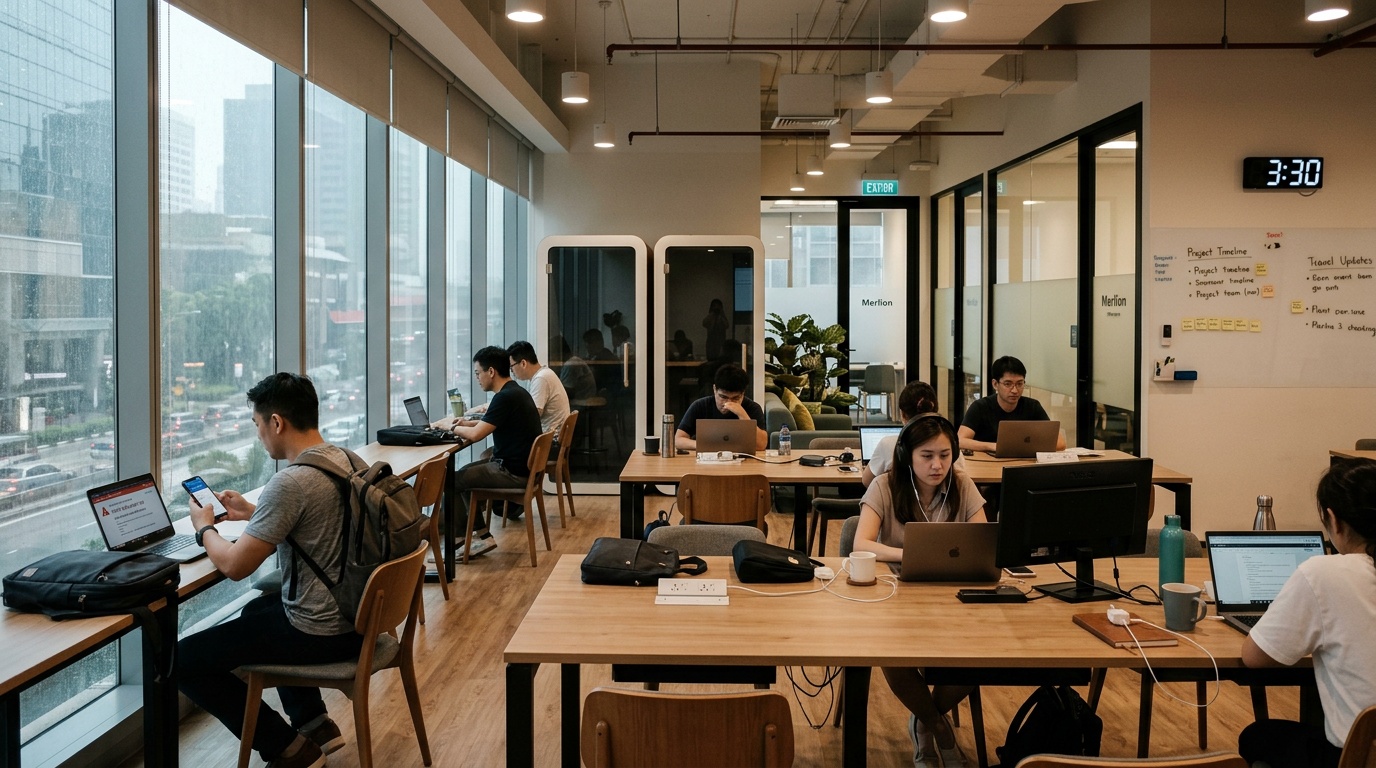
The nature of modern work often involves movement, a dynamic that can be severely impacted by the unpredictable forces of extreme weather. For traveling professionals, staying productive and safe during such events requires a comprehensive strategy that extends beyond immediate work needs. It encompasses proactive monitoring of environmental threats, agile navigation of travel changes, and a clear understanding of financial safety nets. This proactive approach transforms potential chaos into manageable challenges, ensuring that professional obligations can be met even when original plans are disrupted by meteorological events. Adapting to extreme weather as a traveling worker means building a comprehensive system of preparedness.
While we cannot prevent a hurricane or a blizzard, we can prepare for their impact on our work and travel. This involves using technology for early warnings, developing flexible responses to logistical hurdles like flight cancellations, and securing appropriate insurance to mitigate financial risks. A well-thought-out plan for these disruptions is not just about convenience; it’s about professional resilience and maintaining continuity in an increasingly unpredictable world. The following strategies and tools can help traveling workers stay ahead of the curve.
Digital Tools and Apps for Proactive Weather Monitoring
Staying informed about impending weather events is the first line of defense for any traveling worker. A wealth of digital tools and mobile applications are available to provide real-time weather alerts and detailed forecasts. Services like NOAA’s Weather Radar, AccuWeather, and The Weather Channel offer highly accurate, location-specific information, often with the ability to set up custom alerts for severe weather warnings in areas you plan to visit or are currently in. Many airline and travel booking apps also integrate flight status updates that automatically flag weather-related delays or cancellations, providing a consolidated view of travel disruptions. Beyond weather, apps like FlightAware or FlightStats can offer granular details on flight paths and potential delays, allowing for more informed decision-making when weather conditions are volatile.
For comprehensive travel risk management, specialized platforms can aggregate weather data, flight information, and even geopolitical advisories into a single dashboard. These tools are invaluable for understanding the broader context of potential disruptions. For example, a sudden severe thunderstorm warning in your destination city might prompt you to check if your connecting flight is at risk or if your booked workspace has backup power. By integrating these digital resources into your pre-trip planning and daily routine while traveling, you can anticipate potential issues, adjust itineraries proactively, and minimize the impact of adverse weather on your work and schedule. This constant awareness is a cornerstone of adapting to extreme weather as a traveling worker.
Navigating Flight Cancellations and Route Changes
Flight cancellations and significant route changes due to extreme weather are common occurrences that can derail work plans. When faced with such a situation, the immediate priority is to understand your options and act swiftly. Airlines typically have policies in place to rebook passengers on the next available flight, often waiving change fees. It is advisable to contact the airline directly or use their mobile app to manage your booking. Simultaneously, assess the impact on your schedule and any critical meetings or deadlines. If a direct rebooking doesn’t meet your needs, explore alternative routes, consider different airports, or even look into other modes of transportation if feasible and safe.
For traveling workers, especially those with tight schedules, having a flexible workspace solution is key. If you are stranded or your destination becomes inaccessible due to weather, being able to book a temporary workspace at an airport lounge, a nearby hotel business center, or a co-working space can allow you to continue working. Many co-working platforms offer on-demand bookings, providing immediate access to a professional environment with reliable connectivity. This ability to pivot and secure a functional workspace quickly can turn a frustrating delay into a productive segment of your day, maintaining momentum despite external disruptions. This adaptability is a hallmark of successfully adapting to extreme weather as a traveling worker.
Travel Disruption Checklist
- Monitor Alerts: Set up severe weather alerts for your destination and transit points via reliable weather apps (e.g., NOAA, AccuWeather).
- Check Flight Status: Regularly monitor flight status through airline apps or sites like FlightAware, especially when weather is adverse.
- Know Airline Policies: Familiarize yourself with your airline’s policies on rebooking, refunds, and compensation for weather-related disruptions.
- Alternative Transport: Have backup transportation options in mind, should flights or trains be canceled (e.g., rental cars, ride-sharing services).
- Workspace Contingency: Identify potential nearby co-working spaces or business centers accessible via flexible booking platforms in case of long delays or cancellations.
- Insurance Review: Understand the coverage provided by your travel insurance for weather-related events.
- Communication: Inform clients, colleagues, or your team about potential delays and your revised work plan as soon as possible.
Evaluating Travel Insurance for Weather-Related Events
Travel insurance can serve as a critical financial safety net when extreme weather disrupts travel plans. When evaluating policies, it’s important to look for coverage specifically addressing weather-related events. This typically includes trip cancellation or interruption due to severe weather that makes your destination uninhabitable or impassable, or that grounds your flight. Policies may also cover costs associated with flight delays, such as meals and accommodation, if the delay exceeds a specified number of hours. Some comprehensive policies might also extend to covering non-refundable expenses if you have to cancel your trip due to a covered weather event impacting your departure point or destination.
When purchasing insurance, carefully read the policy’s terms and conditions. Pay close attention to definitions of ‘severe weather’ and any exclusions, such as events that were already forecast at the time of booking. Understand the claims process, including what documentation is required (e.g., airline cancellation notices, receipts for expenses). For traveling workers, ensuring that the policy covers business-related travel and potential loss of income due to unforeseen disruptions can provide significant peace of mind. While insurance does not prevent disruptions, it significantly mitigates the financial consequences, allowing you to focus on re-planning and continuing your work when faced with challenging weather conditions.
Frequently Asked Questions about Weather Disruptions
What if my travel insurance policy doesn’t cover weather-related cancellations?
If your insurance policy has limited or no coverage for weather events, review your airline’s contract of carriage for their policies on cancellations and delays. You may be entitled to rebooking or a refund directly from the airline. Additionally, consider alternative arrangements, such as booking flexible workspaces, to maintain productivity even if financial compensation is not available.
How can I ensure I have reliable internet access during weather disruptions?
When seeking alternative workspaces during disruptions, prioritize locations that explicitly state they have backup power and redundant internet connections. Mobile hotspots can also be a lifesaver, but ensure your mobile plan offers sufficient data and reliable service in the area.
Should I always book flexible workspaces when traveling to areas prone to extreme weather?
While not always necessary, having a plan to access flexible workspaces can provide significant peace of mind and operational continuity. It’s particularly advisable if your work requires constant connectivity or if you are traveling during seasons known for extreme weather. Researching nearby options before your trip can save valuable time if a disruption occurs.
References
Frequently Asked Questions
How do traveling workers adapt to extreme weather conditions?
Adapting to extreme weather as a traveling worker requires building a flexible framework that prioritizes reliable infrastructure over rigid itineraries. This means securing backup internet options, identifying climate-controlled workspaces, and developing contingency plans before disruptions hit, so work continues regardless of conditions outside.
Is it legal to make employees work during severe weather?
Workplace safety laws in most jurisdictions require employers to provide reasonable accommodations during severe weather, though specific obligations vary by region. For traveling workers, employers should factor environmental risks into their duty of care and equip staff with resources to find safe, functional workspaces during extreme conditions.
What should remote workers pack for unexpected weather events?
Essential gear for weather-related disruptions includes portable power banks, a mobile hotspot for backup connectivity, layered clothing for temperature swings, and waterproof bags for electronics. Traveling workers benefit from packing light but deliberately, choosing items that solve real continuity problems rather than comfort preferences.
How can digital nomads maintain productivity during storms and power outages?
Maintaining productivity during storms starts with having multiple connectivity and power backup options identified before severe weather arrives. Booking workspace access through platforms that verify power reliability and internet speeds, downloading critical files for offline access, and communicating proactively with clients about potential delays all keep work moving forward.
What is nomadic readiness and why does it matter for mobile professionals?
Nomadic readiness describes the mindset of anticipating environmental challenges and building systems that withstand them rather than reacting after disruption occurs. This concept replaces the old assumption of a controlled office environment with active planning around power, connectivity, and workspace access, which I see as essential for anyone working across multiple locations.
Should traveling workers prioritize itinerary planning or infrastructure access?
Infrastructure access matters more than itinerary planning because a detailed schedule becomes useless the moment weather cancels a flight or closes a road. Building reliable access to backup internet, flexible workspace bookings, and alternative transportation creates a foundation that keeps work moving forward even when original plans fall apart completely.
How do you prepare for extreme weather when traveling for work?
Preparing for extreme weather on work trips means researching destination-specific risks, mapping backup workspaces before arrival, and establishing clear communication protocols with clients or team members. Traveling workers who treat weather planning as part of their standard trip preparation, rather than an afterthought, maintain better continuity and professional reliability during disruptions.
Leave a Reply