
Which is better for a small team: a 6-person meeting room or a private office?
6-Person Meeting Room vs. Private Office: What Works for Small Teams
The answer depends on whether your team needs structured collaboration or sustained focus. A 6-person meeting room works best for project-based teams with external meetings and flexible schedules. A private office suits teams that require consistent privacy, deep work, and dedicated equipment storage.
The Core Distinction
Meeting rooms serve defined sessions with clear start and end times. You book, meet, and move on. Private offices function as operational bases where teams settle, store materials, and maintain ongoing workflows. One optimizes structured interaction. The other supports continuous presence.
6-Person Meeting Room: Built for Sessions
A 6-person meeting room provides presentation technology, collaborative furniture, and booking flexibility. These spaces handle client presentations, team syncs, and brainstorming sessions. At Regus Watford Croxley, meeting rooms include video conferencing and whiteboard access.
Private Office: Your Team’s Base
A private office offers enclosed workspace for 4 to 6 people, with lockable storage and consistent access. Teams can customize layouts, secure confidential materials, and maintain workflow continuity. The space becomes yours for the duration of your agreement.
When Meeting Rooms Work: Project-Based Teams
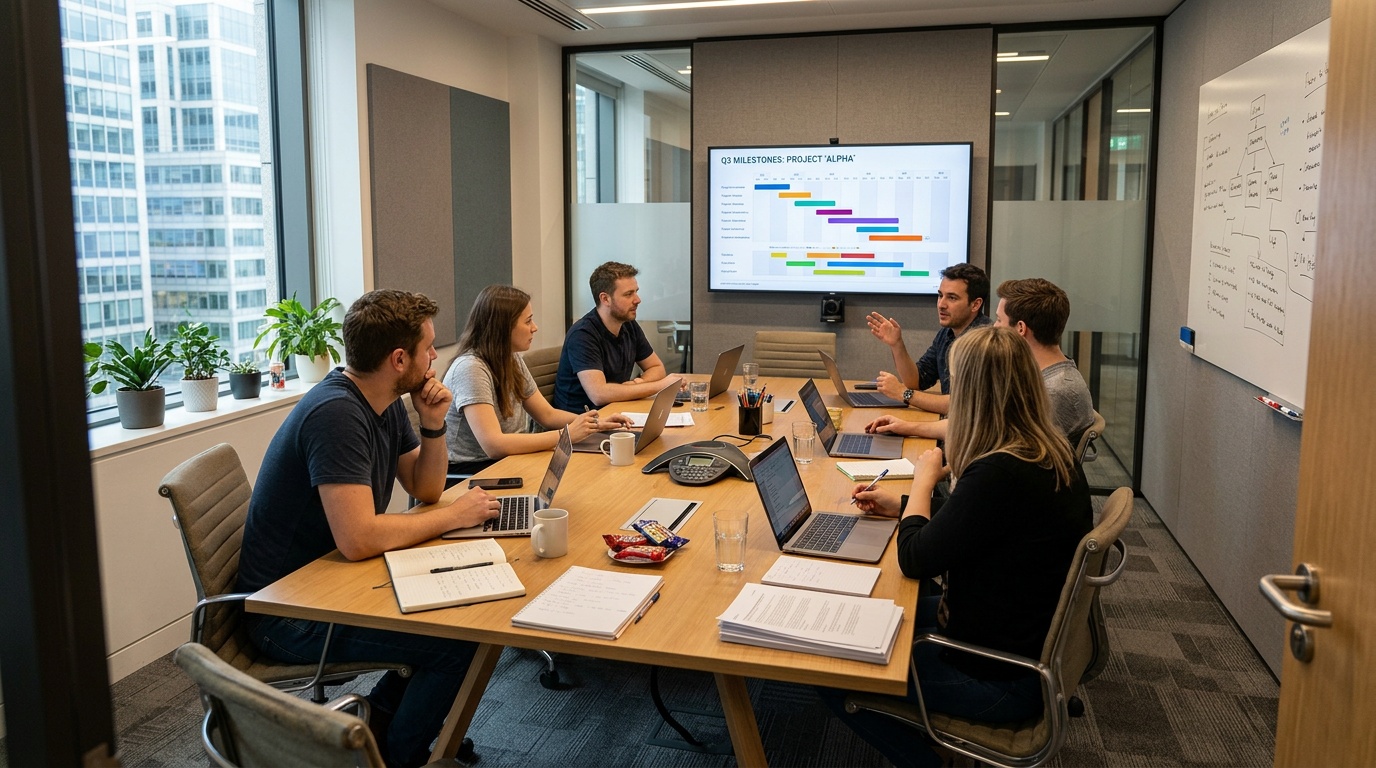
Best Scenarios for Meeting Rooms
Meeting rooms suit teams that are mostly remote but need periodic in-person collaboration. Project milestones, client presentations, and cross-department meetings fit this approach. You pay only for time used, which keeps costs controlled for teams that don’t need daily office presence.
Pros
- Pay-per-use pricing model
- Professional presentation environment
- Advanced audiovisual equipment included
- No long-term commitment required
Cons
- No storage for team materials
- Booking availability constraints
- Limited customization options
- Room reset required for each session
Flexibility That Scales
Meeting rooms adapt to fluctuating team sizes and changing project demands. When a client meeting requires more seats, or a strategy session needs a smaller room, you adjust quickly. This helps you avoid paying for unused space while maintaining access to professional settings. Regus Watford Croxley offers multiple room configurations to match specific meeting requirements.
When Private Offices Win: Deep Work Teams
Privacy and Security Control
Private offices provide lockable doors, secure storage, and confidential conversation space that meeting rooms can’t consistently match. Teams handling sensitive client data, financial information, or proprietary development work need privacy that isn’t dependent on booking availability. You control access, which reduces interruptions and accidental exposure during sensitive discussions.
Sustained Focus Without Interruption
Consistency reduces cognitive load. Private offices remove the mental friction of adapting to new spaces, helping teams go deeper into complex projects. Familiarity lets you skip the reorientation phase and get straight to work.
Pros
- Complete privacy and security control
- Dedicated storage for equipment and files
- Customizable layout and furniture arrangement
- Consistent environment supports team familiarity
Cons
- Higher fixed monthly costs
- Less flexibility when team size changes
- Longer commitment periods are common
- Potential isolation from the wider coworking community
Building Shared Presence
A dedicated office creates ownership that strengthens team bonds. People develop shared routines, personalize their setup, and build informal communication patterns that support collaboration. This continuity avoids the social reset that comes with temporary spaces.
Workflow Integration: Matching Space to Work Patterns
Continuity Over Constant Setup
Every new space demands reorientation. You adjust to lighting, acoustics, and layout while rebuilding focus. Teams that switch locations often lose momentum through repeated setup and readjustment. Consistent workspace reduces this drag.
Aligning Space with Team Flow
Your workspace should match work patterns, not override them. Teams with daily collaboration needs often benefit from private offices that support ongoing interaction. Project-based teams with periodic, intensive sessions can do well with meeting rooms that scale up or down.
Decision Framework for Small Teams
Choose meeting rooms when your team operates remotely most days, needs flexible scheduling, and prioritizes cost control. Choose private offices when confidentiality matters, deep work dominates the calendar, and team cohesion improves with a shared base. Use real usage patterns as your guide.
The Final Decision: Cost, Culture, and Real Usage
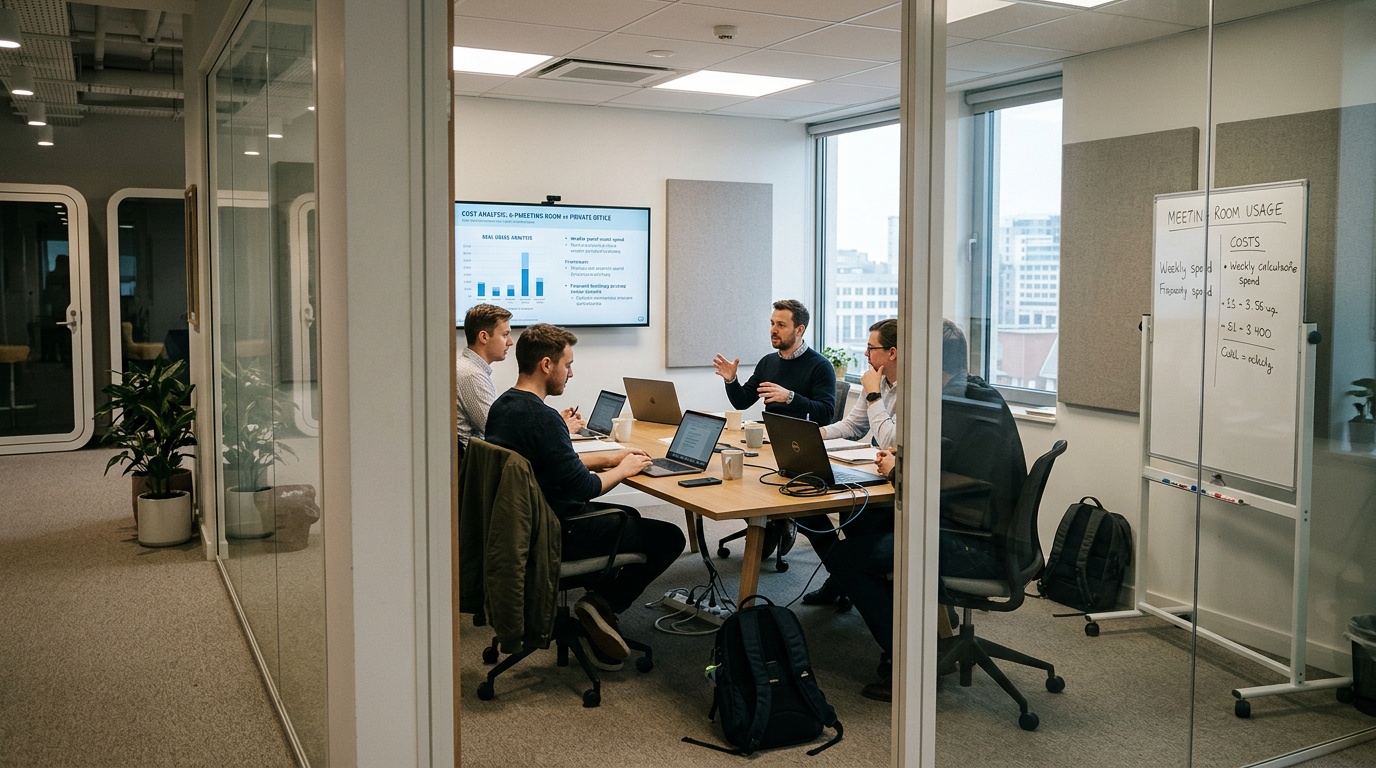
Real Cost Analysis
Meeting rooms look cheaper at $50 to $80 per session, but frequent use adds up. A team booking three sessions per week spends $600 to $960 per month without storage or consistent setup. Private offices often run $800 to $1,500 per month with extended access, storage, and environment control. Run the math based on how your team actually meets.
Cultural Fit and How Teams Work
Remote-first teams with strong digital communication can work well with periodic meeting room access. Co-located teams that rely on daily interaction tend to benefit from private office stability. Consider whether your team builds trust through scheduled touchpoints or through day-to-day proximity.
Decision Rule: If you can’t predict workspace needs three weeks in advance, choose meeting rooms. If your team needs the same setup every day, a private office usually wins.
Planning for Growth and Change
Scaling with Team Growth
Meeting rooms scale quickly as teams expand or contract. You add participants to a booking or reserve a larger room without renegotiating agreements. Private offices can require lease changes or moves when teams outgrow current setups. Consider your six-month growth plan when choosing.
The Hybrid Approach
Many teams use both. Keep a small private office for day-to-day operations and book larger meeting rooms for client presentations or all-hands sessions. This gives you consistency plus presentation flexibility, but means managing two workspace setups.
Technology and Equipment Needs
Private offices support custom technology setups that meeting rooms usually can’t accommodate. Specialized monitors, development gear, or industry-specific tools often need dedicated space. Meeting rooms offer standardized technology for most presentations but limit customization.
It comes down to how your team works week to week. If you need privacy, focus, and storage, a private office delivers. If you need flexibility and a professional place to meet when it matters, meeting rooms keep things lean.
Frequently Asked Questions
What's the ideal size for a 6-person meeting room?
A 6-person meeting room is designed to comfortably accommodate six individuals with collaborative furniture and presentation technology. The exact dimensions can vary, but the focus is on providing a functional space for client presentations, team syncs, and brainstorming sessions. These rooms are optimized for structured interaction.
How much space does a private office for a small team typically offer?
A private office for a small team typically provides an enclosed workspace designed for 4 to 6 people. This dedicated space includes lockable storage and consistent access, allowing teams to customize their layout and maintain workflow continuity. It becomes your team’s operational base for the duration of your agreement.
What's the main distinction between a 6-person meeting room and a private office?
The core distinction lies in their purpose: meeting rooms are for structured, defined sessions with clear start and end times. Private offices, conversely, serve as continuous operational bases where teams can settle, store materials, and maintain ongoing workflows. One supports structured interaction, the other supports continuous presence and deep work.
When should my small team opt for a 6-person meeting room?
Your small team should opt for a 6-person meeting room when you primarily work remotely but need periodic in-person collaboration. It’s ideal for project-based work, client presentations, or cross-department meetings that require a professional setting. This pay-per-use model helps control costs for teams not needing daily office presence.
When is a private office a better choice for a small team?
A private office is a better choice when your small team requires consistent privacy, deep work, and dedicated equipment storage. It provides secure, lockable space for confidential conversations and sensitive data handling. This consistent environment supports sustained focus and operational stability for your team.
How do the costs compare between a meeting room and a private office for a small team?
While meeting rooms appear cheaper per session, frequent bookings can quickly add up, potentially costing $600 to $960 monthly without dedicated storage. Private offices often start around $800 per month, offering a fixed cost for consistent access, privacy, and storage. Your team’s actual usage patterns should guide this financial decision.
Can a private office help build team cohesion?
Absolutely. A private office fosters a sense of ownership and stability, which strengthens team bonds. It allows for shared routines, personalized setups, and informal communication patterns that support collaboration. This continuity avoids the social reset of temporary spaces, giving relationships time to grow and deepen.
Leave a Reply