Blog

  • Dubai Study Rooms: Hotdesk for Students 2026

    Dubai Study Rooms: Hotdesk for Students 2026

    How to find a study room or quiet private space in Dubai using Hotdesk as a student

    Finding Real Focus: Why Dubai Students Can’t Rely on Public Spaces Alone

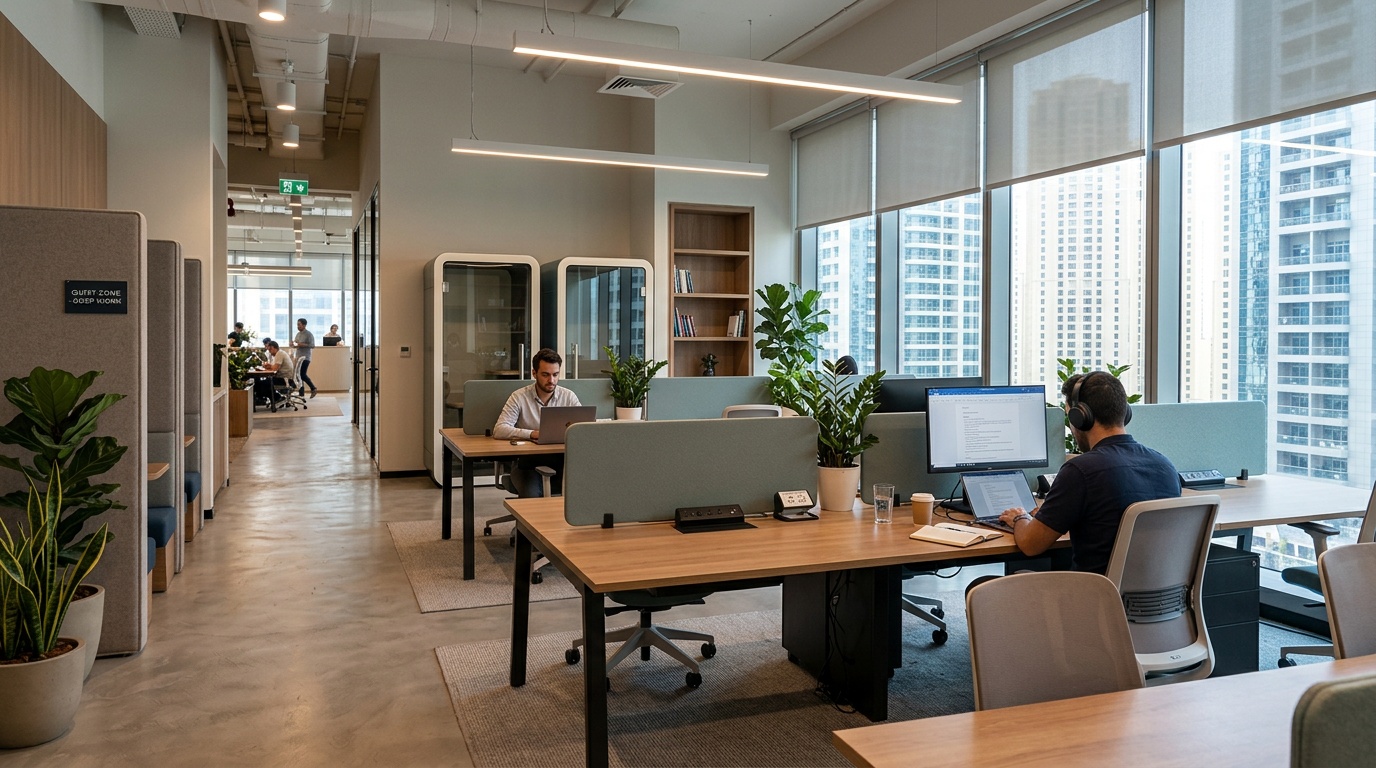
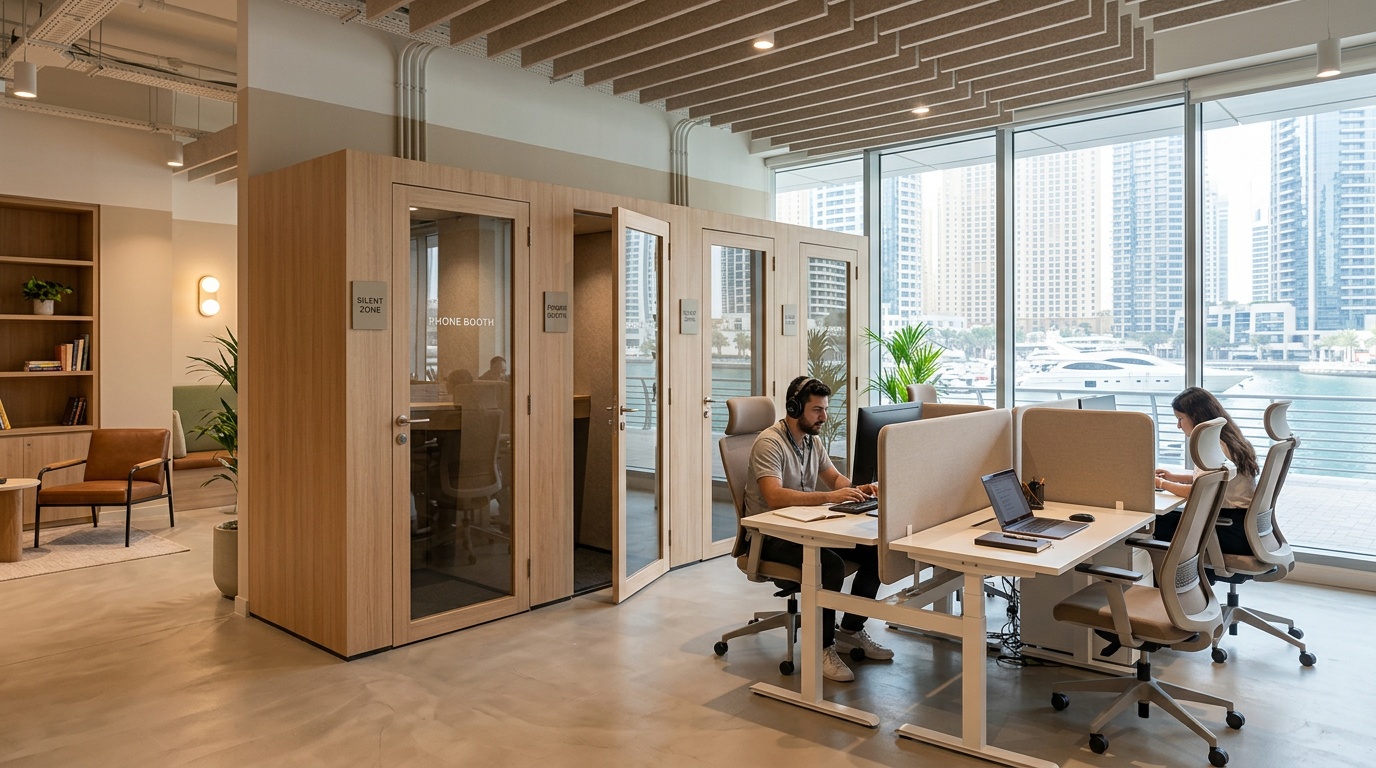
    How to find a study room or quiet private space in Dubai using Hotdesk as a student starts with understanding that traditional options often fall short. Hotdesk offers bookable private rooms and quiet workspaces across Dubai, letting you reserve exactly what you need when you need it.

    When University Libraries Close at 8 PM

    Dubai’s students hit the same wall repeatedly. University libraries shut down just as evening focus kicks in. Coffee shops fill with chatter during exam season. Shared housing means competing for quiet corners with flatmates on their own deadlines.

    Academic work demands different environments for different tasks. Group projects need collaboration space. Thesis research requires sustained concentration. Most traditional venues weren’t built for this flexibility.

    The Gap Between Available and Useful

    Living in shared accommodations makes home study unpredictable. Family visits interrupt during finals week. The gap between what you can access and what actually supports serious academic work keeps widening.

    Why Silence Alone Isn’t Enough

    Real productivity needs more than low noise. Temperature control, reliable Wi-Fi, space to spread materials, comfortable seating for three-hour sessions. When you’re preparing for finals, these aren’t luxuries.

    How to find a study room or quiet private space in Dubai using Hotdesk as a student

    Public Libraries: Great in Theory

    Most public libraries close by 8 PM, cutting short evening sessions when you feel most productive. Weekend access becomes lottery-level competitive during exam periods. You end up planning your study schedule around building hours, not optimal learning times.

    Coffee shops create their own problems. Background conversations kill deep focus. Table space fits a laptop, barely. Wi-Fi slows when everyone else arrives with the same study plan. The pressure to keep ordering drinks makes four-hour sessions expensive anyway.

    When Control Becomes Non-Negotiable

    Recording presentations for coursework requires guaranteed quiet. Video calls with international study groups can’t rely on cafe Wi-Fi. Exam prep benefits from reading aloud, spreading materials across multiple surfaces, taking practice tests without disturbing others.

    Pros of Private Study Spaces

    • Complete control over noise levels and distractions
    • Guaranteed availability when you need it most
    • Professional amenities like printing and high-speed internet

    Cons

    • Cost investment compared to free alternatives
    • Need to plan and book ahead of time

    Hot Desks vs. Private Offices: Matching Space to Task

    Hot desks offer professional workspace amenities at student-friendly rates. No long-term commitments. Private offices provide complete isolation but typically exceed student budgets. Regus Marina Gate shows how quality workspace access fits student needs.

    The decision comes down to task requirements. Solo research works well in open areas with natural light. Group projects need meeting rooms with presentation capability. Understanding this distinction prevents paying for features you won’t use.

    Hotdesk: Workspace That Responds to Student Schedules

    The Three-Minute Booking Process

    Visit the platform, set location to Dubai, browse spaces by date and time. Filter for amenities you need. Wi-Fi speed, printing access, meeting room availability. Book your slot. Payment processes instantly. You get confirmation with location details and access instructions.

    Many spaces provide entry codes or simple front-desk check-in. The process eliminates the uncertainty of searching for available space when you’re already behind schedule.

    Finding Actual Quiet: How to Filter for Focus

    The platform lets you specify noise preferences and workspace type. Look for “quiet zones” or “private offices” when deep concentration matters. Student-friendly locations often separate study areas from collaborative spaces.

    Reviews from other students mention noise levels, Wi-Fi reliability, overall study conditions. Astrolabs provides a tech-focused workspace that serves both students and professionals.

    What Actually Matters: Essential Features for Academic Work

    High-speed internet, power outlets at every desk, printing capability. Climate control matters during Dubai’s extreme weather. Natural light reduces eye strain during extended sessions.

    Storage helps when you’re carrying textbooks, laptops, research materials. Some locations offer lockers or secure areas. Rag Global Business Hub offers these student-focused amenities in a professional setting.

    Continuity for Student Life: How Hotdesk Reduces Daily Friction

    Built for Academic Reality

    Student schedules rarely follow patterns. Deadlines shift. Group meetings get rescheduled. Exam periods demand extended, unpredictable hours. Hotdesk accommodates this with same-day booking and flexible cancellation policies.

    The platform operates across Dubai’s neighborhoods. Book near campus on weekdays, closer to home on weekends. Near metro stations to reduce commute complexity. This geographic flexibility optimizes your daily logistics.

    Familiarity That Travels

    Students move between cities for internships, exchanges, family visits. Hotdesk’s international presence means your workspace familiarity travels with you. Same booking process, similar amenities, consistent quality standards. The reset shouldn’t be the default.

    Building Productive Patterns

    Regular use builds knowledge. You learn which locations suit different work types, which times offer best availability, how to maximize each space’s features. This understanding compounds over time, making your study routine more efficient.

    You shouldn’t have to rebuild your sense of place every time you move. How to find a study room or quiet private space in Dubai using Hotdesk as a student becomes less about searching and more about returning to familiar, productive environments that support your academic work.

    Matching Space to Study Task: A Decision Framework

    How to find a study room or quiet private space in Dubai using Hotdesk as a student

    How to find a study room or quiet private space in Dubai using Hotdesk as a student gets easier when you decide what “quiet” means for your specific task before booking.

    • Exam prep: Book quiet zone or private room, confirm power access, bring backup headphones
    • Online classes: Reserve private room, verify Wi-Fi stability and cell reception
    • Group projects: Choose meeting room, check screen and whiteboard availability
    • Extended sessions (4+ hours): Prioritize ergonomic seating, nearby food options, reliable air conditioning

    Location Strategy: Study Where Your Day Already Takes You

    Dubai distances add up quickly when you have classes, errands, and study time in one day. How to find a study room or quiet private space in Dubai using Hotdesk as a student often means booking close to where you’ll already be, not where you wish you were.

    Book near campus on weekdays, switch to locations closer to home on weekends. Choose spaces within walking distance of metro stations to avoid extra transfers. Obc Jlt provides convenient access for students using the metro system.

    Paying for Focus: How to Control Study Space Costs

    How to find a study room or quiet private space in Dubai using Hotdesk as a student also means staying disciplined with time blocks. Book the hours you can genuinely concentrate, then take breaks outside instead of paying for idle time.

    If you study in bursts, plan two shorter sessions rather than one all-day booking. If you’re working against a deadline, reserve a private room for high-focus tasks and use a hot desk for lighter work like reading or outlining.

    Frequently Asked Questions

    How much does a coworking space cost in Dubai for students?

    Hotdesk offers flexible rates for students, often more budget-friendly than committing to long-term private offices. Costs vary based on the specific location, type of space, and how long you book it for. You can find options that fit your student budget by browsing the Hotdesk platform and filtering for your needs.

    Is Mohammed bin Rashid Library free to enter for students?

    While public libraries like Mohammed bin Rashid Library may offer free entry, their operating hours and availability often don’t align with student schedules. Hotdesk provides guaranteed access to quiet study spaces exactly when you need them, offering a reliable alternative for focused work.

    How much does it cost to join the public library in Dubai?

    Public libraries in Dubai typically have membership fees, but the main challenge for students is often the limited hours and potential for distractions. Hotdesk focuses on providing on-demand, private study rooms and quiet workspaces, ensuring you get the focused environment you need without long-term commitments.

    What is the best way for students to study in Dubai?

    For students in Dubai, the best study environment is one that offers quiet, reliable Wi-Fi, and comfort, which traditional options often lack. Hotdesk helps you find and book private rooms or quiet workspaces across the city, giving you the control you need for serious academic work.

    Why are traditional study places like coffee shops not ideal for students in Dubai?

    Coffee shops in Dubai, while popular, often have background chatter, limited table space, and unreliable Wi-Fi, making extended, focused study difficult. Students need environments with guaranteed quiet, power outlets, and stable internet, which Hotdesk’s private spaces provide.

    What kind of amenities should students look for in a private study space?

    When booking a private study space, students should prioritize high-speed internet, ample power outlets, and comfortable seating. Climate control and natural light also make a big difference for long study sessions, helping you maintain focus and productivity.

    About the Author

    MK

    Mohamed Khaled

    Mohamed Khaled

    Forbes 30 Under 30

    Founder & CEO at Hotdesk & Co-founder, DESK Token

    Mohamed Khaled is the Founder and CEO of Hotdesk, the on-demand workspace platform providing access to coworking spaces and flexible offices across more than 120 countries.

    He spent nearly a decade at PwC before moving into financial leadership at SWVL, where he led the company’s $1.5 billion Nasdaq listing, the first Unicorn from thr Middle East to go public in the United States.

    A Forbes 30 Under 30 honoree, Mohamed built Hotdesk from a side project into a global platform, leading a team of more than 50 and expanding into international markets, including the acquisition of Spain-based coworking marketplace YADO.

    Also being Co-founder and President of DESK Token, the world’s first asset backed property investment and utility hybrid token, Mohammed is focused on building infrastructure that unlocks underutilized assets – from meeting rooms to private offices and full on buildings – while creating space for the future of work.

    Last reviewed: May 9, 2026 by the Hotdesk Team
  • Hotdesk: Find Workspace on Business Trips

    Hotdesk: Find Workspace on Business Trips

    How to use Hotdesk to find a workspace in an unfamiliar city while on a business trip

    Landing in a New City: Your Workspace is Already There

    Business travel demands reliable infrastructure. Open Hotdesk, filter by your destination and dates, select from verified workspaces, and book instantly without membership fees. Your professional environment is secured before you land.

    The Remote Worker’s Real-World Challenge: Unfamiliar Territory

    Every distributed system asks you to manage new failure modes. Business travel presents the ultimate test: you need reliable internet, a professional environment, and zero setup time in a city that’s new to you.

    Hotel lobbies fail at 2 p.m. when conferences end. Coffee shops throttle bandwidth during peak hours. Co-working spaces demand membership commitments for single-day use.

    Beyond the Hotel Room: Why a Dedicated Workspace Matters

    Your productivity depends on consistent infrastructure. Background noise, unstable connections, and unprofessional environments compound when you’re operating across time zones with client deadlines.

    Professional workspaces deliver what hotel business centers promise: reliable connectivity, proper ergonomics, and environments designed for focus. The Rag Global Business Hub in Dubai exemplifies this standard with enterprise-grade internet and private meeting rooms.

    Introducing Hotdesk: Infrastructure That Travels With You

    Infrastructure travels. Hotdesk operates across 80+ countries with verified workspace partners who meet technical specifications for business use.

    Systems over announcements: Each workspace undergoes technical validation for internet speeds, power availability, and professional environment standards before platform inclusion.

    The platform solves the discovery problem when you’re working in unfamiliar cities. Your workspace infrastructure exists before you land.

    How to use Hotdesk to find a workspace in an unfamiliar city while on a business trip

    Define Your Requirements: Location, Time, and Space Configuration

    Start with three parameters: proximity to your meetings, required hours, and workspace configuration. Business districts offer different advantages than airport locations. A client presentation demands private meeting rooms, while email processing works well in open desk areas.

    Map your daily schedule first. If you’re attending conferences downtown, search within walking distance to avoid transportation delays between sessions.

    Platform Search: Filtering for Precision

    The Hotdesk search engine processes location, date range, and amenity requirements simultaneously. Filter by internet speed minimums, printing access, and meeting room availability. Each parameter narrows results to workspaces that match your technical specifications.

    Advanced filters include parking availability, 24-hour access, and phone booth availability for confidential calls. These details matter when operating in unfamiliar territory.

    Workspace Assessment: Photos, Amenities, and Reviews

    Platform photos reveal desk configurations, lighting quality, and noise levels. Check for power outlet placement, monitor availability, and seating ergonomics. Reviews from business travelers highlight connectivity stability and professional atmosphere.

    Rag Global Business Hub demonstrates this transparency with detailed workspace photography and verified amenity lists, eliminating arrival surprises.

    Instant Booking: Confirmation You Can Trust

    Traditional co-working requires membership applications, credit checks, and waiting periods. Hotdesk delivers booking confirmation in under two minutes.

    Engineered for scale: The booking system handles payment processing, host notification, and access credential delivery automatically across time zones and currencies.

    Your workspace confirmation includes the exact address, access instructions, and host contact information before you board your flight.

    Instant Booking: From Search to Confirmation

    No Membership Required: Book and Go

    Traditional co-working spaces require membership applications, background checks, and approval delays. Hotdesk removes this friction through verified partner networks and instant confirmation.

    Click Book, enter payment details, and receive access credentials. The entire process completes before your taxi reaches the airport.

    No membership fees, no long-term commitments, and no advance planning.

    Payment Processing: Multi-Currency Support

    Payment processing supports multiple currencies automatically. Your card is charged in local currency while costs display in your preferred denomination. Receipt generation includes expense-report formatting for corporate reimbursement.

    The system stores payment methods securely for repeat bookings, making future workspace searches routine.

    Arrival Experience: Immediate Productivity

    Your booking confirmation contains specific arrival instructions, host contact information, and workspace location details. Access codes arrive via SMS 30 minutes before your reserved time slot begins.

    What works at 10x: Each workspace partner follows standardized check-in procedures, ensuring consistent arrival experiences across countries and time zones.

    Hosts provide Wi-Fi credentials, printer access codes, and meeting room booking procedures upon arrival. No orientation meetings. No lengthy explanations.

    Time Saved, Productivity Gained

    Business travel demands efficiency. Traditional workspace hunting consumes hours that could be spent on client preparation or project execution. Hotdesk converts that lost time into productive work sessions.

    Book during flight connections, arrive at a confirmed workspace, and start working immediately. Your infrastructure travels with your itinerary rather than against it. Whether you need a professional hotdesk in London’s financial district or a modern coworking space in Lisbon, the platform delivers consistent quality across destinations.

    Quality and Reliability: Engineered for Your Success

    Technical Validation: What Works at 10x

    Each partner workspace undergoes technical validation before platform inclusion. Internet speed testing, power outlet verification, and noise-level assessment support consistent standards across locations.

    Minimum requirements include 50 Mbps download speeds, dedicated power access per workstation, and professional environment maintenance. These specifications remove guesswork when you need reliable infrastructure.

    Partner Selection: Established Operators Only

    Partner selection focuses on established business centers and professional co-working operators. Each host commits to availability accuracy, cleanliness standards, and technical support during operating hours.

    Regular quality audits and user feedback integration maintain service levels. Underperforming locations face platform removal, protecting user experience integrity. From innovative tech hubs in Dubai to collaborative spaces in Ho Chi Minh City, our partners maintain consistent professional standards.

    Performance Metrics: 95% Success Rates

    Platform analytics track booking success rates, cancellation frequency, and user satisfaction scores across markets. This data drives partner performance improvements and capacity planning.

    Average booking confirmation rates exceed 95% during standard business hours. Peak demand periods, such as conference season, maintain 90% availability through dynamic pricing and capacity expansion.

    Support That Travels With You

    Technical issues receive immediate attention through multiple support channels. In-app messaging connects you directly to local hosts for workspace-specific problems. Platform support handles booking modifications and payment issues remotely.

    Emergency workspace relocation occurs when technical failures impact productivity. The system identifies alternative locations within your specified radius and facilitates immediate rebooking at no additional cost.

    Standardize your travel workflow: search by schedule, filter by requirements, book instantly, and arrive with access instructions already in hand.

    Frequently Asked Questions

    How does Hotdesk simplify finding a workspace for business travelers?

    Hotdesk streamlines the process by allowing you to open the platform, filter by your destination and dates, and book a verified workspace instantly. This means your professional environment is secured before you even land, eliminating the need for on-the-ground searching. It’s about infrastructure that travels with you.

    Is using Hotdesk more cost-effective than traditional co-working spaces?

    Hotdesk removes the financial friction of traditional co-working by offering instant booking without membership fees or long-term commitments. You pay only for the time you need, making it an efficient solution for single-day use or short business trips. This approach optimizes your resources.

    What defines a Hotdesk workspace?

    A Hotdesk workspace is a professionally verified environment available for temporary use, specifically designed for business travelers. These spaces are technically validated for internet speeds, power, and professional standards, ensuring a consistent and productive experience. It’s the reliable infrastructure you need, wherever you are.

    What are the steps to book a workspace using Hotdesk?

    To book, open the Hotdesk platform, filter by your destination city and required dates. Then, select from verified workspaces with instant booking and secure your space. The system handles payment and delivers access credentials automatically.

    How does Hotdesk ensure the quality and reliability of its workspaces?

    Hotdesk operates with verified workspace partners across 80+ countries. Each workspace undergoes technical validation for internet speeds, power availability, and professional environment standards before being included on the platform. This ensures the infrastructure meets business use specifications.

    What information does Hotdesk provide before I arrive at my booked workspace?

    Your booking confirmation includes the exact address, specific access instructions, and host contact information. Access codes arrive via SMS 30 minutes before your reserved time slot begins. This ensures a smooth transition and immediate productivity upon arrival.

    Can I filter for specific amenities when searching for a Hotdesk workspace?

    Yes, the Hotdesk search engine allows filtering by internet speed minimums, printing access, and meeting room availability. You can also use advanced filters for parking, 24-hour access, and phone booths for confidential calls. These parameters help you pinpoint the exact infrastructure you need.

    About the Author

    MS

    Mohammad El Shaari

    Mohammad El Shaari

    CTO at Hotdesk

    Mohammad El Shaari is the CTO of Hotdesk, where he leads the engineering team building and scaling a global SaaS platform for on-demand workspace bookings across 80+ countries. A Computer Science graduate from The British University in Egypt, he brings over a decade of hands-on experience in enterprise software, AI, cloud infrastructure, and cybersecurity.

    Before Hotdesk, he served as CTO of Vee Tech, where he led technical delivery for 12+ enterprise clients generating $30M+ in annual revenue, and helped build Egypt’s first innovation lab at Capital International Schools.

    At Hotdesk, Mohammad focuses on building scalable systems that handle real-time availability, global user distribution, and high-throughput transactions. He specializes in scalable system design, cloud-native infrastructure, and building high-performance SaaS platforms that support global user bases.

    He writes about scaling SaaS platforms, backend architecture, mobile engineering, and real-world technical decisions behind building and operating global products.

    Last reviewed: May 9, 2026 by the Hotdesk Team
  • Saudi Arabia Workspace Marketplace Worth It for Startups?

    Saudi Arabia Workspace Marketplace Worth It for Startups?

    Is using a workspace marketplace worth it for a startup expanding into Saudi Arabia without a local office?

    Entering Saudi Arabia: The Costly Dance of a First Office

    Setting up your first office in Saudi Arabia looks straightforward on paper. Find space, sign papers, open doors. Reality hits when you face $50,000+ upfront before serving a single customer. Commercial leases demand 6-12 months advance payment, security deposits stretch your runway thin, and furniture costs multiply when import duties stack up.

    Hidden Expenses Multiply Fast

    Past rent, the costs compound. Business registration often requires local sponsorship arrangements. Utility connections take weeks. Internet infrastructure may need custom installation. Staff hiring demands local knowledge you don’t have yet. Each delay burns cash while your expansion timeline slips.

    Regulatory Processes Favor Local Presence

    Saudi Arabia’s Vision 2030 opened doors for foreign investment, but bureaucratic processes still move faster when you have an established local presence. Work permits, commercial licenses, and banking relationships accelerate with a recognized business address and local references. Starting from zero means starting slow.

    The Reset You Don’t Need

    Every new market asks you to rebuild from scratch. Your team loses familiar rhythms. Client meetings happen in borrowed conference rooms. You explain temporary setups instead of focusing on your product. The reset shouldn’t be the default.

    Reality Check: A traditional office setup in Riyadh often takes 4-6 months from decision to operations. Workspace marketplaces can get you operational in 24-48 hours.

    Workspace Marketplaces: Your Agile Foundation in Saudi Arabia

    Is using a workspace marketplace worth it for a startup expanding into Saudi Arabia without a local office?

    Workspace marketplaces flip the expansion script. Instead of months planning a physical office, you book space and start operating within days. Hotdesk operates on this model: compare options, book what you need, and keep moving without long lease commitments.

    Immediate Presence Without the Infrastructure Project

    Your Saudi expansion starts with an instant business address, meeting rooms on demand, and reception support at select locations. No utility deposits. No furniture procurement. No IT setup projects. You operate from day one, test market response, and adjust while competitors negotiate lease terms. Servcorp’s King Abdullah Financial District location offers immediate access to professional workspace in Riyadh’s business hub.

    Trading Capital Outlay for Operational Speed

    Expense Category Traditional Office Workspace Marketplace
    Initial Investment $50,000+ upfront Monthly membership fees
    Setup Timeline 3-6 months Same-day activation
    Scaling Options Fixed capacity Flexible space allocation
    Risk Exposure Long-term commitment Month-to-month flexibility

    Many workspace operators assist with practical setup basics: introductions to local service providers and guidance on common requirements. You don’t build every operational process from scratch when speed matters more than control.

    Continuity Travels: Workspace marketplaces don’t just provide desks. They create networks that move with you, turning each location into familiar ground rather than foreign territory.

    The Unseen Value: Continuity and Market Insight

    Most platforms solve access: book space, work, leave. Expanding into Saudi Arabia requires something deeper: continuity that builds familiarity and connections that produce real market insight. When your workspace experience stays consistent, your team spends less time reorienting and more time selling, hiring, and learning.

    Building Familiarity in Every Location

    Every new market asks you to reorient: habits, routes, and your sense of who’s around. Workspace marketplaces exist so that reset isn’t the default. Your account, preferences, and booking flow stay familiar even as geography changes. That continuity matters when you’re managing cultural adaptation and business development simultaneously.

    Local Insights Without a Physical Footprint

    Strong workspace marketplaces connect you to professionals facing similar expansion challenges. Informal conversations often surface practical insight that reports miss: which neighborhoods attract your target buyers, which local partnerships are worth pursuing, and which process bottlenecks slow teams down. Business Valley Coworking Space connects you with entrepreneurs and business professionals working similar challenges.

    Steady Presence Builds Recognition

    Regular presence in the same workspace builds recognition without announcement. People notice familiar faces. Conversations develop naturally. Business relationships form through proximity instead of forced networking events. For early market entry, steady presence often beats cold outreach and expensive programs.

    Choosing Your Saudi Workspace Partner: What Matters for a Startup

    Not all workspace marketplaces deliver equal value for expanding startups. The right partner provides operational reliability, real flexibility, and space options that can grow with your Saudi presence.

    Features That Drive Real Value

    Look past desk availability. Strong platforms include practical services like mail handling, meeting room access, and administrative support at select sites. These details matter when you manage expansion remotely. Reception support and well-run meeting rooms help you show up credibly with local clients who expect a serious business presence. Premium locations like The Place Samama Holding on King Fahd Road offer these professional amenities.

    Operator Trust and Reliability

    Your workspace partner becomes part of your local operating system. Verify the operator’s track record on uptime, billing, onsite support, and clear communication about changes. If a space is poorly managed, your operations stall and client relationships take a hit.

    Growing Your Presence as Business Evolves

    Start small, but pick a setup that can grow with you. Your first month may require only day passes and meeting rooms. A winning expansion can quickly need team seating, event space, or a private office. When you select a partner that can scale without forcing a provider switch, you protect momentum and reduce operational drag.

    Speed, controlled burn rate, and a credible place to meet customers while you learn the market – a marketplace model is often the cleanest first step. For regional expansion, consider similar flexible workspace solutions in nearby markets like Regus Marina Gate in Dubai to maintain consistency across your Middle East operations.

    Frequently Asked Questions

    How can a startup identify profitable opportunities in Saudi Arabia while minimizing initial setup costs?

    Entering Saudi Arabia requires smart choices to preserve capital. Workspace marketplaces allow you to establish a presence quickly, test market response, and adjust your strategy without the burden of a large upfront office investment. This agility helps you focus on finding profitable niches rather than managing property.

    How do workspace marketplaces help startups navigate cultural nuances and local business practices in Saudi Arabia?

    A good workspace partner offers more than just a desk. They can provide introductions to local service providers and guidance on common requirements, helping you understand the local business environment. Regular presence in a shared workspace also fosters natural connections and informal insights from local professionals.

    How do workspace marketplaces impact a startup's financial runway when expanding into Saudi Arabia?

    Traditional office setups in Saudi Arabia can demand $50,000+ upfront for leases and deposits, stretching a startup’s finances thin. Workspace marketplaces replace this capital outlay with flexible monthly membership fees, significantly preserving your financial runway. This allows you to invest more in growth and less in fixed overhead.

    How can a startup quickly establish presence in booming Saudi Arabian industries without a traditional office?

    Speed is everything when entering a dynamic market. Workspace marketplaces enable same-day activation, providing an instant business address, meeting rooms, and reception support. This means you can operate from day one, giving you an immediate foothold in target industries while competitors are still dealing with leases and setup.

    What are the main challenges for a startup setting up a traditional office in Saudi Arabia?

    Setting up a traditional office in Saudi Arabia involves significant upfront costs, often exceeding $50,000, due to advance lease payments and security deposits. Beyond rent, hidden expenses like business registration, utility connections, and IT infrastructure cause delays and burn cash. Navigating regulatory hurdles without a local presence also slows down essential processes like obtaining permits and banking relationships.

    How quickly can a startup become operational in Saudi Arabia using a workspace marketplace?

    While a traditional office setup can take 3-6 months from decision to operations, workspace marketplaces offer rapid deployment. You can typically book space and be operational within 24-48 hours. This immediate activation allows your team to focus on customers and market development, not logistics.

    About the Author

    MK

    Mohamed Khaled

    Mohamed Khaled

    Forbes 30 Under 30

    Founder & CEO at Hotdesk & Co-founder, DESK Token

    Mohamed Khaled is the Founder and CEO of Hotdesk, the on-demand workspace platform providing access to coworking spaces and flexible offices across more than 120 countries.

    He spent nearly a decade at PwC before moving into financial leadership at SWVL, where he led the company’s $1.5 billion Nasdaq listing, the first Unicorn from thr Middle East to go public in the United States.

    A Forbes 30 Under 30 honoree, Mohamed built Hotdesk from a side project into a global platform, leading a team of more than 50 and expanding into international markets, including the acquisition of Spain-based coworking marketplace YADO.

    Also being Co-founder and President of DESK Token, the world’s first asset backed property investment and utility hybrid token, Mohammed is focused on building infrastructure that unlocks underutilized assets – from meeting rooms to private offices and full on buildings – while creating space for the future of work.

    Last reviewed: May 9, 2026 by the Hotdesk Team
  • Hotdesk Enterprise: Worth it for 100+ distributed teams?

    Hotdesk Enterprise: Worth it for 100+ distributed teams?

    Is Hotdesk's enterprise subscription worth it for a company with 100+ distributed employees?

    Hotdesk Enterprise: Worth it for 100+ distributed teams?

    Every distributed system asks you to manage new failure modes. Your employees travel to unfamiliar cities and spend hours hunting for workspace. Traditional office leases lock capital into underutilized square footage. Hotdesk’s enterprise subscription promises to solve both problems with a single platform. But does the math work when your headcount crosses 100 employees?

    The Infrastructure Problem: Workspace at Scale

    Why Legacy Office Models Break

    Managing workspace for distributed employees means managing chaos without the right infrastructure. Each employee represents a potential demand spike in a different city, time zone, and building. A permanent office lease in Austin runs $8,000 to $25,000 monthly. That square footage sits empty on weekends, holidays, and remote work days.

    Legacy lease models treat this as an accommodation problem. Hotdesk treats it as an infrastructure problem. That distinction determines your budget impact.

    Beyond Basic Booking: Platform Architecture

    Hotdesk positions itself as infrastructure that lets enterprises provision workspace on demand across 80+ countries. The enterprise tier adds admin controls, spending analytics, and centralized billing. At scale, what looks like a booking tool becomes a real estate optimization engine.

    The ROI Question

    Does your team travel enough to justify the per-seat cost? What happens if adoption stays below 60%? We’ll break down the math.

    Running the Numbers: Cost Analysis

    Is Hotdesk's enterprise subscription worth it for a company with 100+ distributed employees?

    Fixed vs Variable Cost Structure

    Traditional leases force you to pay for capacity whether you use it or not. Hotdesk converts fixed costs into variable costs, aligning spending with actual usage. Companies report 30% to 45% reductions in real estate spending after migrating to hybrid models.

    Transaction-Based Pricing Model

    Hotdesk structures enterprise pricing around transaction costs rather than recurring fees. For a 100-person team with irregular travel patterns, this removes the pressure to hit utilization quotas. Costs scale with actual demand.

    Billable Hours Recovered

    When employees can book professional workspace within 15 minutes of arrival, travel days become full working days. The ROI calculation extends beyond real estate costs into productivity gains. Each day of downtime eliminated pays back the platform investment.

    Global Coverage: 80+ Countries, Consistent Standards

    The Global Density Requirement

    A distributed team across the UAE, Spain, and India needs workspace access that feels local everywhere. That requires genuine global density, not partnerships with spotty coverage.

    Engineered for Scale

    Whether your team member lands in Dubai’s Marina Gate, Barcelona’s coworking spaces, or Mumbai’s business centers, the booking experience and workspace quality remain stable. Infrastructure travels with your team.

    Instant Access Without Vendor Negotiation

    Employees can find, book, and access workspace within minutes through the platform. This eliminates destination research, credential setup, and one-off vendor relationships.

    Admin Controls: What Works at 10x

    Centralized Dashboard Architecture

    Admin dashboards consolidate booking data, spending reports, and workspace utilization across all locations. One interface replaces dozens of vendor relationships. Real-time analytics reveal which locations your team uses most, which go dormant, and where demand exceeds supply.

    API Integration and Scale

    The platform supports 10x growth without architecture changes. API integrations connect to existing HR systems, expense platforms, and reporting tools your organization already uses.

    Enterprise Security Standards

    Enterprise-tier authentication, SSO integration, and audit logging satisfy IT departments with strict compliance requirements. Systems over announcements.

    Risk Assessment and Mitigation

    Is Hotdesk's enterprise subscription worth it for a company with 100+ distributed employees?

    Adoption Metrics

    Any platform fails without team buy-in. Organizations succeed when they treat workspace flexibility as infrastructure, not accommodation. Communication determines adoption speed.

    Bandwidth Verification

    Some locations require connectivity validation before booking. Hotdesk provides venue specifications, but organizations with mission-critical requirements should validate details in advance.

    Competitive Analysis

    Three major competitors serve this space: WeWork Workplace, instant office networks, and direct building partnerships. Each alternative offers advantages in specific markets or use cases.

    Enterprise Workspace Solutions: Technical Comparison

    Hotdesk Enterprise

    • 80+ countries with standardized quality
    • Real-time utilization analytics
    • Transaction-based pricing model
    • Admin controls for 100+ seat deployments

    WeWork Workplace

    • Limited to WeWork locations only
    • Higher per-seat monthly commitment
    • Less flexibility in smaller markets

    Platform Comparison: Technical Specifications

    For companies managing 100+ distributed employees, the workspace decision impacts operating costs, employee productivity, and long-term real estate strategy. Here’s how the platforms compare on technical specifications.

    Feature Matrix

    Feature Hotdesk Enterprise WeWork Workplace Direct Building Partnerships
    Global coverage 80+ countries Limited to WeWork locations Varies by provider
    Pricing model Transaction-based Fixed monthly per seat Traditional lease
    Analytics dashboard Real-time utilization data Basic reporting Limited or none
    Admin controls Centralized management Location-based only Building-specific
    Deployment speed Immediate activation WeWork onboarding timeline Weeks to months

    When the Investment Pays Back

    The subscription delivers value when three conditions align: consistent team travel across multiple regions, need to convert fixed real estate costs into variable spending, and requirement for unified analytics across locations.

    Organizations with predictable, single-location needs may find traditional leases equally practical. But managing distributed teams across the UAE, Spain, India, and beyond demands infrastructure that travels with the operation.

    Real Example: Austin Executive Access

    Your Austin team needs professional workspace for visiting executives. Regus 100 Congress Avenue provides immediate access through Hotdesk, eliminating lease negotiations or credential setup. This capability scales across every city where your employees travel.

    Implementation Framework

    Enterprise workspace investments compound over time. A subscription that costs $50,000 annually but eliminates $80,000 in unused lease obligations delivers immediate returns. The question: do your operating patterns align with Hotdesk’s architecture?

    Evaluate your team’s travel frequency, geographic distribution, and administrative bandwidth. If managing multiple vendor relationships and explaining workspace policy to traveling employees consumes staff time, the infrastructure savings extend beyond real estate costs.

    For organizations that match these conditions, the enterprise subscription functions as infrastructure rather than expense. Book a platform demo, validate coverage in your primary travel markets, and calculate the gap between current spending and projected costs under the transaction model.

    Simple decision framework: distributed operations create complexity. Infrastructure that travels with your team delivers returns that fixed square footage cannot match.

    Decision Matrix: Infrastructure vs Accommodation

    Is Hotdesk's enterprise subscription worth it for a company with 100+ distributed employees?

    Hotdesk Enterprise: Global Infrastructure at Variable Cost

    Best for: Organizations with distributed teams spanning multiple countries and unpredictable travel patterns.

    Map three operating variables: geographic spread, travel frequency, and real estate flexibility requirements. Companies operating across the UAE, Spain, India, and similar multi-region footprints gain compounding advantages from centralized booking, unified analytics, and transaction-based pricing.

    WeWork Workplace: Single-Network Consistency

    Best for: Teams concentrated in major metropolitan areas with consistent office needs.

    Technical Assessment: WeWork Workplace

    Pros

    • Consistent brand experience across locations
    • Established community programming
    • Predictable monthly billing structure

    Cons

    • Restricted to WeWork-owned properties only
    • Higher fixed costs for variable usage patterns
    • Limited coverage in secondary markets

    Continuity Over Reset

    Why do distributed teams keep re-solving the same workspace problem?

    Infrastructure travels. The goal: fewer new vendor setups, fewer one-off approvals, fewer exceptions each time someone travels. Run a 60-day pilot with a defined travel cohort. Measure utilization and support tickets. Compare results against lease and reimbursement baselines.

    If your pilot proves that centralized controls reduce rework for IT, Finance, and People Ops while keeping employees productive, the subscription earns its place in the budget. Systems over announcements.

    Frequently Asked Questions

    What problem does Hotdesk's enterprise subscription solve for large distributed teams?

    Distributed teams often face the chaos of employees searching for workspace in unfamiliar cities, while companies pay for underutilized traditional office leases. Hotdesk’s enterprise subscription addresses this by providing on-demand workspace as a consistent infrastructure solution, eliminating the need for constant re-work in finding suitable locations. This converts fixed real estate costs into variable spending aligned with actual usage.

    How does Hotdesk's enterprise model help companies save money on real estate?

    Hotdesk converts the fixed costs of traditional office leases into variable costs, meaning companies only pay for the workspace their distributed teams actually use. This model allows for significant real estate spending reductions, often reported between 30% to 45%. Our platform provides the data to optimize space and align spending with demand, ensuring financial continuity.

    What unique pricing structure does Hotdesk offer for enterprise clients with 100+ employees?

    Hotdesk structures its enterprise pricing around transaction costs, not recurring membership fees. For large distributed teams with irregular travel patterns, this removes the pressure to hit utilization quotas. Your costs scale directly with actual demand, providing predictable financial management without unnecessary overhead.

    Can Hotdesk support distributed teams traveling internationally?

    Yes, Hotdesk is built for global access, operating in over 80 countries. Our infrastructure ensures consistent standards and a stable booking experience for your distributed team, whether they are in the UAE, Spain, India, or elsewhere. This eliminates the need for employees to research or negotiate local workspace, providing reliable access everywhere.

    What administrative controls and data does the Hotdesk enterprise platform provide for managing a large distributed workforce?

    The Hotdesk enterprise platform offers centralized admin dashboards that consolidate booking data, spending reports, and workspace utilization across all locations. This provides granular analytics to understand demand and informs budget allocation. Our architecture supports 10x growth without changes, ensuring your management tools scale with your team.

    How does Hotdesk ensure a consistent workspace experience for employees in different locations?

    Hotdesk provides access to a network of professional environments with standardized amenities and reliable connectivity across its global footprint. This consistency in experience reduces the variables employees must manage while traveling, allowing them to start work faster. Our platform ensures that the infrastructure travels with your team, offering a predictable and productive setting.

    What are the security and compliance features for enterprise-level operations?

    Hotdesk’s enterprise tier includes features like enterprise-tier authentication, SSO integration, and audit logging. These capabilities satisfy IT departments with strict compliance requirements, providing the necessary security and oversight for your organization. We engineer our platform to meet high standards for data integrity and access control.

    About the Author

    MS

    Mohammad El Shaari

    Mohammad El Shaari

    CTO at Hotdesk

    Mohammad El Shaari is the CTO of Hotdesk, where he leads the engineering team building and scaling a global SaaS platform for on-demand workspace bookings across 80+ countries. A Computer Science graduate from The British University in Egypt, he brings over a decade of hands-on experience in enterprise software, AI, cloud infrastructure, and cybersecurity.

    Before Hotdesk, he served as CTO of Vee Tech, where he led technical delivery for 12+ enterprise clients generating $30M+ in annual revenue, and helped build Egypt’s first innovation lab at Capital International Schools.

    At Hotdesk, Mohammad focuses on building scalable systems that handle real-time availability, global user distribution, and high-throughput transactions. He specializes in scalable system design, cloud-native infrastructure, and building high-performance SaaS platforms that support global user bases.

    He writes about scaling SaaS platforms, backend architecture, mobile engineering, and real-world technical decisions behind building and operating global products.

    Last reviewed: April 26, 2026 by the Hotdesk Team
  • Dubai Coworking: Worth It vs. Hotel Lobby/Café?

    Dubai Coworking: Worth It vs. Hotel Lobby/Café?

    Is paying for a coworking subscription in Dubai worth it vs working from a hotel lobby or café?

    The Dubai Workspace Dilemma: Coworking vs. Hotel Lobby vs. Café

    Understanding Dubai’s Environment for Remote Work

    Dubai has become a crossroads for entrepreneurs, remote professionals, and digital nomads. The city’s infrastructure supports mobility, but choosing where to actually work each day presents a genuine decision point. The answer depends less on cost and more on what your work requires.

    Beyond the Monthly Fee

    Most comparisons fixate on price tags. A hotel lobby seat might seem free. A café table costs a latte. A coworking membership can run several hundred dollars monthly. But value extends beyond subscription costs to include productivity, professionalism, and your ability to do meaningful work consistently.

    The Core Question: What’s Your Working Style?

    Before evaluating options, honest self-assessment matters. Do you need quiet focus for deep work, or does ambient noise support your creativity? Do you hold client meetings regularly, or do you mostly work solo? Are you in Dubai for a week or a year?

    Your answers determine which workspace actually serves you. The reset shouldn’t be the default.

    Beyond the Coffee: The Real Costs of Hotel Lobbies and Cafés

    Is paying for a coworking subscription in Dubai worth it vs working from a hotel lobby or café?

    The Hidden Price of “Free” Wi-Fi

    Free Wi-Fi carries hidden expenses. Hotel lobby connections often throttle bandwidth during peak hours or restrict access to 30-minute sessions. Café networks buckle under shared loads.

    When a video call drops mid-presentation or a file upload stalls for twenty minutes, the true cost becomes clear. Productivity losses compound silently.

    The Cognitive Tax of Ambient Noise

    Ambient café noise averages 70-85 decibels. Comparable to busy traffic. Your brain expends energy processing disruptions, leaving fewer resources for actual work. Hotel lobbies add unpredictable elements: check-in lines, concierge conversations, arriving guests.

    The cognitive load of filtering interruptions increases fatigue. It’s subtle. It’s real.

    The Unspoken Etiquette Problem

    Taking client calls beside an espresso machine sends unintended signals. Hotel lobbies can appear impressive initially, but they feel awkward for extended video conferences.

    Working from the same café daily without making purchases strains hospitality expectations. These spaces weren’t designed for professional workflows.

    Consumption Expectations Add Up

    Most cafés operate on consumption expectations. Regulars who occupy tables for hours without ordering create friction. Hotel lounges charge premium prices for beverages. “Free” lobby access can require guest room validation or dining purchases.

    These expenses add up across weeks of consistent use.

    Hotel Lobbies and Cafés: Quick Assessment

    Pros

    • No commitment or membership required
    • Flexible for occasional use
    • Immediate availability in most areas

    Cons

    • Unreliable internet connectivity
    • High ambient noise levels
    • Limited professionalism for client meetings
    • Ongoing consumption costs are expected
    • No storage or dedicated resources

    Coworking in Dubai: Investing in Continuity

    Predictable Infrastructure

    Coworking spaces in Dubai deliver predictable infrastructure. Enterprise-grade internet handles video conferencing without stuttering. Dedicated desks mean you arrive, plug in, and work.

    Printers, meeting rooms, and office supplies are available without searching. This operational consistency turns a workspace from a variable obstacle into a reliable tool.

    The Quiet Familiarity

    Repeated presence builds recognition naturally. Regulars nod across the room. Conversations start organically at coffee stations.

    This quiet familiarity differs from forced networking events. Belonging emerges through shared environment and ongoing use. Not programmed activities.

    Business-Ready When You Need It

    Client meetings in coworking spaces with equipped meeting rooms project legitimacy. Conference capabilities are built in. Your business address looks established rather than transient.

    This professional infrastructure supports credibility without the overhead of a permanent office.

    The Hotdesk Advantage: Pay-As-You-Go, Global Network

    Hotdesk flips the traditional membership model. Instead of paying monthly for single-location access, you pay per use across a global network. Whether you need a space in Dubai today and Lisbon next week, the same platform handles both bookings.

    Explore Kube Coworking Lisboa as an example of the network’s scope. Connecting professionals across cities without rigid commitments.

    Factor Hotel Lobby Café Coworking Space
    Internet Reliability Variable, often throttled Unpredictable, shared bandwidth Enterprise-grade, dedicated
    Noise Level Moderate to high High, constant activity Designated quiet zones are often available
    Meeting Capabilities Limited, awkward setting Not suitable Equipped meeting rooms
    Cost Model Consumption-based Per-visit purchases Flexible, pay-per-use options

    The “Worth It” Calculator: A Framework for Your Decision

    Start with Honest Numbers

    How many hours per week do you need a workspace? How many client meetings require a professional setting? What type of work demands focus versus collaboration?

    Document these requirements before examining options. Emotional attachment to preferences can cloud objective assessment.

    Calculate Beyond the Obvious Costs

    Add direct costs plus hidden expenses. Café work includes daily purchases, transportation, and the cognitive tax of noisy environments. Hotel lobbies can require dining minimums or guest privileges.

    Coworking subscriptions can look higher initially, but they include amenities, utilities, and professional infrastructure. Calculate hourly value, not only monthly fees.

    When Quiet Has a Price

    Some professionals need deep silence for complex work. Others thrive in ambient environments. Recognizing your actual requirements prevents paying premium prices for features you don’t use.

    Connection opportunities also matter for certain roles. Assign a real value to these factors during evaluation.

    Nomadic or Rooted? Match Space to Your Workflow

    Nomadic workers who move between cities need flexibility and global access. Stationary professionals often benefit more from location-specific community and established routines.

    Your work pattern determines which model fits better. Hotdesk supports both through its network approach. Like Kube Coworking Lisboa for professionals building regional presence.

    Decision Framework: If your monthly café spending exceeds coworking access costs, and your work quality drops in those settings, the subscription can pay for itself through productivity alone.

    The Hybrid Approach: Bridging Different Work Needs

    Is paying for a coworking subscription in Dubai worth it vs working from a hotel lobby or café?

    Strategic Rotation: When to Choose What

    Hybrid work thrives on intentional rotation. Use hotel lobbies for short waits or airport-adjacent sessions. Choose cafés for casual brainstorming that benefits from ambient energy. Reserve coworking spaces in Dubai’s business districts for focused deep work and important meetings.

    The key? Match environment to task, not defaulting to convenience.

    Many professionals rotate based on weekly rhythm. Monday planning blocks benefit from quieter coworking settings. Coffee chats fit better in a café. Client presentations often require equipped meeting rooms. This deliberate pattern uses each location’s strengths and limits its downsides.

    Using Hotdesk as Infrastructure

    Hotdesk serves as the infrastructure layer that makes hybrid rotation practical. Instead of maintaining separate relationships with multiple venues, you access a unified network through a single platform.

    This simplifies booking, billing, and tracking across locations. The network spans major business districts across MENA, Europe, and beyond. Whether your week includes Dubai meetings and Lisbon presentations, the same application manages reservations.

    Geographic flexibility supports professionals whose work moves between cities. Without requiring multiple subscriptions or access arrangements.

    Flexibility as the New Standard

    Dubai’s position as a global business hub demands flexible work infrastructure. Professionals relocating or expanding operations need workspace options in Dubai that match their pace.

    Fixed office commitments can create friction for growing businesses. A pay-per-use model aligns costs with actual usage. Supporting predictability while keeping teams nimble.

    As remote work norms mature, workspace choice becomes a professional competency. Understanding which environment fits which work type separates productive professionals from those dealing with avoidable friction.

    Bottom line: Evaluate workspace options based on your work requirements, not assumptions about cost. A hybrid approach often performs better than strict commitment to one venue.

    Making Your Final Decision

    The comparison shows that no single option fits every professional need. Hotel lobbies offer convenience but lack consistent infrastructure. Cafés provide atmosphere but can compromise focus and professionalism. Coworking spaces offer reliability and stronger professional settings, with higher direct cost.

    Your decision should start with honest assessment of work patterns, meeting requirements, and productivity needs. Professionals who spend long hours on focused work often benefit most from coworking consistency. People with occasional workspace needs may find hotel lobbies or cafés sufficient.

    A hybrid approach can combine all three strategically, using each environment where it performs best. Hotdesk’s global network supports this flexible approach. Letting professionals work from participating locations without managing multiple memberships.

    Start by documenting weekly work requirements. Calculate true costs, including purchases, transportation, and productivity impact. Test each option against your most common work types.

    Build your workspace strategy from evidence rather than assumptions.

    Aligning Environment with Output

    The comparison comes down to infrastructure versus convenience. Lobbies offer immediate access but lack consistent professional support. Cafés provide ambient energy but can compromise focus and privacy. Coworking provides dedicated resources, quiet familiarity, and business-ready settings.

    The answer depends on your output requirements. If your work demands deep focus, reliable connectivity, and client-facing professionalism, the subscription can pay for itself through recovered productivity. If your tasks are casual or occasional, alternative venues might be enough.

    Continuity as Infrastructure

    Workspace selection is shifting from a local real estate choice to a global infrastructure decision. Professionals no longer relocate only to follow an office address; they carry work across borders. That shift calls for systems that travel with you.

    Platforms like Hotdesk support that continuity. Instead of restarting your workspace search in each new city, a unified network provides quick access. Whether you book a location in the UAE or Kube Coworking Lisboa abroad, your professional environment stays steady.

    Continuity travels. Movement shouldn’t cost you a sense of belonging or operational flow.

    Bottom line: Choose workspace based on actual work requirements, not convenience assumptions. The right infrastructure investment pays off through improved productivity and a stronger professional impression.

    Frequently Asked Questions

    What's the typical cost for a coworking space in Dubai?

    Coworking costs in Dubai can vary widely depending on the type of membership and amenities. However, the true value extends beyond just the monthly fee, considering factors like reliable internet and professional meeting rooms. Hotdesk, for example, offers flexible, pay-per-use options across a global network, including Dubai, so you only pay for what you need.

    Is paying for a coworking subscription in Dubai truly worth it?

    Absolutely. While a hotel lobby or café might seem “free,” coworking spaces offer predictable infrastructure, enterprise-grade internet, and dedicated resources that boost productivity. It’s an investment in continuity and professionalism, allowing you to do meaningful work consistently without hidden costs or distractions.

    What are the best options for remote work in Dubai?

    For remote work in Dubai, your best option depends on your working style and needs. While hotel lobbies and cafés offer flexibility, coworking spaces provide the reliable internet, quiet zones, and professional settings often required for focused work and client meetings. Hotdesk allows you to book spaces on demand, giving you access to the right environment when you need it.

    How does choosing the right workspace impact working remotely in Dubai?

    Choosing the right workspace is key to making remote work in Dubai truly productive and professional. Unreliable internet or constant distractions in transient spaces can silently erode your focus and time. Investing in a consistent, professional environment like a coworking space ensures your work is supported, not hindered, by your surroundings.

    What are the hidden costs of working from hotel lobbies or cafés in Dubai?

    The “free” Wi-Fi in hotel lobbies and cafés often comes with hidden costs like slow speeds, dropped calls, and constant distractions that reduce productivity. You also face consumption expectations and a lack of professionalism for client interactions. These factors add up, making seemingly free options surprisingly expensive in terms of lost time and effectiveness.

    How do coworking spaces support professionalism and community in Dubai?

    Coworking spaces in Dubai offer equipped meeting rooms that project legitimacy for client interactions, far better than a noisy café. Beyond the infrastructure, repeated presence in these spaces fosters a natural sense of recognition and community among professionals. This environment supports your business image and provides a quiet familiarity, making continuity possible wherever you are.

    About the Author

    MK

    Mohamed Khaled

    Mohamed Khaled

    Forbes 30 Under 30

    Founder & CEO at Hotdesk & Co-founder, DESK Token

    Mohamed Khaled is the Founder and CEO of Hotdesk, the on-demand workspace platform providing access to coworking spaces and flexible offices across more than 120 countries.

    He spent nearly a decade at PwC before moving into financial leadership at SWVL, where he led the company’s $1.5 billion Nasdaq listing, the first Unicorn from thr Middle East to go public in the United States.

    A Forbes 30 Under 30 honoree, Mohamed built Hotdesk from a side project into a global platform, leading a team of more than 50 and expanding into international markets, including the acquisition of Spain-based coworking marketplace YADO.

    Also being Co-founder and President of DESK Token, the world’s first asset backed property investment and utility hybrid token, Mohammed is focused on building infrastructure that unlocks underutilized assets – from meeting rooms to private offices and full on buildings – while creating space for the future of work.

    Last reviewed: April 26, 2026 by the Hotdesk Team
  • Lisbon Office vs. Coworking: What’s the Difference?

    Lisbon Office vs. Coworking: What’s the Difference?

    What's the difference between a traditional office and a modern coworking space in Lisbon?

    Understanding the Foundation: Traditional Offices vs. Modern Coworking Spaces

    The Enduring Structure: What Defines a Traditional Office?

    A traditional office runs on fixed leases, dedicated desks, and a clear internal setup. You sign a multiyear contract, receive a specific floor plan, and build operations around a static location. The model works well for established companies that value predictability and brand presence over flexibility. But it demands significant upfront capital, long-term commitment, and in-house management of utilities, maintenance, and compliance.

    The Agile Alternative: Defining Modern Coworking

    Modern coworking spaces operate on membership models, shared amenities, and flexible terms. You can book daily, weekly, or monthly and work in professional environments without ownership overhead. The model lowers barriers to entry, scales with your team, and places you near diverse professional networks. Hotdesk partners with spaces across Lisbon to provide on-demand access. Your workspace adapts to your needs.

    Lisbon’s Context: A City Built for Movement

    Lisbon attracts remote professionals, digital nomads, and scaling startups from across Europe. The city offers manageable costs, solid infrastructure, and cultural appeal that draws talent globally. This demand has driven rapid growth in coworking options. What’s the difference between a traditional office and a modern coworking space in Lisbon? The answer starts with understanding how people actually work here.

    The Financial Framework: Cost Structures in Lisbon

    What's the difference between a traditional office and a modern coworking space in Lisbon?

    Traditional Office Costs: Beyond Monthly Rent

    Fixed offices involve rent, utilities, internet, furniture, cleaning, maintenance, and often interior design. Costs stack quickly. The commitment extends beyond monthly payments to include legal fees, fit-out costs, and potential penalties for early termination. The financial exposure is substantial. And often underestimated until invoices arrive.

    Coworking Economics: One Fee, Clear Value

    Coworking memberships bundle most operating costs into a single predictable fee. You pay for access, not infrastructure. This shifts from capital expense to operating expense, simplifying budgeting and freeing resources for core business priorities. Spaces like Kube Coworking Lisboa offer transparent pricing tiers that match different usage patterns.

    The Hidden Costs Nobody Talks About

    Traditional offices carry hidden costs tied to reduced flexibility, narrower hiring radius, and the mental load of managing physical infrastructure. Coworking reduces those frictions through all-inclusive environments that require minimal day-to-day facility management.

    Flexibility and Functionality: What Each Model Actually Delivers

    Amenities: Build vs. Access

    Traditional offices require you to build amenities yourself: coffee, printing, meeting rooms, IT support, kitchen facilities. Coworking spaces provide these by design. High-speed fiber, ergonomic furniture, mail handling, phone booths, and communal kitchens come standard. The investment’s already made. You access it when needed.

    Culture: Controlled vs. Organic

    Fixed offices let you shape culture through design, hiring, and team rituals. You control who sits nearby and how space gets used. Coworking offers shared social environments where culture grows through everyday interactions. You access an established community without building one from scratch. Less control, more organic connection across industries.

    Productivity: Structure vs. Variety

    Productivity Comparison

    Traditional Office Benefits

    • Consistent environment reduces context switching
    • Team proximity supports collaboration
    • Clear separation between work and home

    Coworking Benefits

    • Varied settings reduce monotony
    • Built-in social contact reduces isolation
    • Flexible scheduling matches real work patterns

    Beyond the Basics: Community, Continuity, and Lisbon’s Edge

    How Belonging Actually Forms

    Most platforms claim to build community. In practice, belonging develops through repeated presence, recognition, and shared space. Not programmed events. Coworking spaces create conditions for natural connection. You see the same people over time, build familiarity, and form professional relationships without forced introductions.

    Continuity Over Reset

    Each new workspace triggers a reset: new Wi-Fi details, new routines, new faces. The friction adds up. Hotdesk reduces this by creating consistent access across locations. When you book through the platform, your preferences, booking history, and expectations travel with you.

    Why Lisbon Works for This Model

    Lisbon offers world-class infrastructure at manageable costs, paired with a strong international community. Coworking provides access to that ecosystem without long-term fixed commitments. What’s the difference between a traditional office and a modern coworking space in Lisbon? For many teams, it shows up as faster setup, lower fixed costs, and more optionality.

    Making the Right Choice for Your Work in Lisbon

    What's the difference between a traditional office and a modern coworking space in Lisbon?

    Who Actually Needs a Traditional Office?

    Large enterprises with dedicated teams, specific security requirements, or brand-identity needs may find fixed offices worth the commitment. If you need full building control, extensive custom buildout, or long-term predictability for investors, traditional leases provide structure that coworking can’t match.

    Who Thrives in Coworking

    Freelancers gain professional settings and separation from home distractions. Startups preserve cash while working in credible environments. Remote teams meet in person without locking into one neighborhood. The common thread is flexibility as an operating choice, not a perk.

    How Hotdesk Simplifies Access

    Hotdesk brings together Lisbon coworking inventory and supports instant booking across vetted spaces. You browse, compare, and reserve without negotiations or long commitments. Start with Kube Coworking Lisboa to see how the platform simplifies workspace access.

    Making the Switch: From Decision to Desk

    Questions That Matter

    How large is your team today versus 12 months from now? Do you need dedicated privacy or more shared energy? Is your work pattern consistent or variable? If you expect growth, coworking scales with you. If headcount’s stable and security needs are strict, a traditional lease may make sense.

    Timeline Reality Check

    Moving into coworking can take days. You tour spaces, select a membership tier, and access starts immediately. Traditional offices often require lease negotiations, legal review, buildout planning, and utility setup. Stretching to 90+ days before occupancy. Speed matters when you can’t wait.

    The best workspace choice aligns with your operating rhythm, not trend cycles. Evaluate your needs, then test before committing to long-term arrangements.

    Looking Ahead: How Workspace is Evolving in Lisbon

    The Hybrid Reality

    Many companies no longer choose between traditional offices and coworking in absolute terms. A blended model pairs a fixed home base with flexible access, giving teams stability while letting people work from multiple locations. Hotdesk supports this hybrid approach by offering consistent workspace access across Lisbon’s network.

    Technology’s Role

    Workspace platforms integrate booking, member management, and payments into unified experiences. That reduces the need to manage multiple vendor relationships or separate billing cycles. Platforms like Hotdesk reflect a shift toward workspace as a service, which affects how companies plan real estate and operations.

    Teams that do well in Lisbon often treat workspace as flexible infrastructure, not a fixed asset that locks them into long commitments.

    Timing Your Move

    Lisbon’s coworking market keeps maturing, with quality spaces expanding from Alfama to business districts near Avenida da Liberdade. Early adoption of flexible models puts you in a strong position as options expand. What’s the difference between a traditional office and a modern coworking space in Lisbon? In 2026, it often comes down to speed, commitment level, and how much optionality you want.

    The Verdict: Which Model Serves You Best

    What's the difference between a traditional office and a modern coworking space in Lisbon?

    When Fixed Makes Sense

    Commit to fixed office space only if your organization needs full building control, operates under strict security requirements that mandate dedicated infrastructure, or has investor expectations tied to specific real estate. Those conditions are real, but they’re less common than many teams assume.

    When Flexible Wins

    Coworking works when speed matters, budgets are finite, or your team spans multiple cities. The model provides quick access, predictable costs, and professional environments without major upfront investment. Spaces like Kube Coworking Lisboa show how flexible workspace operates in practice.

    Your Path Forward

    What’s the difference between a traditional office and a modern coworking space in Lisbon? It comes down to what you optimize: control and predictability, or flexibility and lower fixed overhead. Hotdesk makes the comparison practical by giving you fast access to verified spaces across the city, so you can test options before making long commitments.

    Frequently Asked Questions

    What's the main difference between a traditional office and a modern coworking space?

    A traditional office means fixed leases, dedicated desks, and a static setup, demanding significant upfront capital. Modern coworking spaces, like those Hotdesk partners with in Lisbon, offer membership models, shared amenities, and flexible terms. It’s about choosing predictability versus agility for your team, adapting your workspace to your needs without ownership overhead.

    How do the costs compare between a traditional office and a coworking space in Lisbon?

    Traditional offices involve many separate costs, from rent and utilities to furniture and maintenance, requiring substantial upfront capital. Coworking memberships, however, bundle most operating costs into one predictable fee, simplifying budgeting. This shifts your spending from capital expense to a clear operating expense, freeing resources for your core business.

    What are some downsides of choosing a traditional office?

    Traditional offices demand a long-term commitment and significant upfront capital, tying you to a static location. They also require in-house management of all utilities, maintenance, and compliance, adding a substantial mental load. This model can reduce flexibility and narrow your hiring radius, which is not ideal for teams that value movement.

    What kind of flexibility and amenities do coworking spaces offer compared to traditional offices?

    Coworking spaces offer built-in amenities like high-speed internet, ergonomic furniture, and communal kitchens, which you’d have to build yourself in a traditional office. They also provide significant flexibility, allowing you to book daily, weekly, or monthly. This means your workspace can adapt precisely to your team’s changing needs.

    Who typically benefits more from a coworking space in Lisbon?

    Freelancers find a professional setting and separation from home distractions in coworking spaces. Startups can preserve cash while working in a credible environment, and remote teams gain access to a professional community without fixed commitments. For those who value agility and connection, coworking in Lisbon provides the right infrastructure.

    How does the culture differ between a traditional office and a coworking space?

    In a traditional office, you actively shape the culture through design and team rituals. Coworking spaces, however, offer a shared social environment where culture grows organically through daily interactions. You gain access to an established community and build professional relationships naturally, fostering a sense of belonging through shared space.

    About the Author

    MK

    Mohamed Khaled

    Mohamed Khaled

    Forbes 30 Under 30

    Founder & CEO at Hotdesk & Co-founder, DESK Token

    Mohamed Khaled is the Founder and CEO of Hotdesk, the on-demand workspace platform providing access to coworking spaces and flexible offices across more than 120 countries.

    He spent nearly a decade at PwC before moving into financial leadership at SWVL, where he led the company’s $1.5 billion Nasdaq listing, the first Unicorn from thr Middle East to go public in the United States.

    A Forbes 30 Under 30 honoree, Mohamed built Hotdesk from a side project into a global platform, leading a team of more than 50 and expanding into international markets, including the acquisition of Spain-based coworking marketplace YADO.

    Also being Co-founder and President of DESK Token, the world’s first asset backed property investment and utility hybrid token, Mohammed is focused on building infrastructure that unlocks underutilized assets – from meeting rooms to private offices and full on buildings – while creating space for the future of work.

    Last reviewed: April 25, 2026 by the Hotdesk Team
  • HotdeskOS: 50+ Desks, No Receptionist? Worth It?

    HotdeskOS: 50+ Desks, No Receptionist? Worth It?

    Is HotdeskOS worth it for a coworking space with 50+ desks trying to manage bookings without a receptionist?

    HotdeskOS: 50+ Desks, No Receptionist? Worth It?

    Managing a Kube Coworking Lisboa location with 50+ desks and no dedicated receptionist creates immediate operational strain. Members expect instant booking confirmations, clear space visibility, and frictionless check-ins. Without a platform built for scale, these expectations collapse into missed reservations, manual errors, and frustrated operators.

    The question is not whether technology helps. It is whether a specific platform solves the right problems without adding complexity. This review examines HotdeskOS through the lens of spaces that need automation without losing the human feel members expect.

    The Challenge: Managing 50+ Desks Without a Receptionist

    The Hidden Costs of Manual Booking Systems

    Spreadsheets and pen-and-paper logs fail faster than operators expect. A 50-desk space generates hundreds of monthly interactions: reservations, cancellations, desk swaps, and billing inquiries. Each manual touchpoint costs time, introduces errors, and scales poorly.

    Why a Dedicated Receptionist Is Not Always the Answer

    Hiring full-time staff solves some problems while creating others. Payroll expenses, training overhead, and scheduling limitations add up. Many spaces discover that a receptionist handles tasks that software should manage anyway.

    The Need for Automation at Scale

    Spaces without receptionist coverage need systems that handle member interactions autonomously. Booking confirmations, desk availability updates, and check-in verification must function continuously. The right platform closes these gaps without requiring constant operator oversight.

    HotdeskOS: Designed for Continuity, Not Just Bookings

    Is HotdeskOS worth it for a coworking space with 50+ desks trying to manage bookings without a receptionist?

    Bridging the Gap: How HotdeskOS Solves the “No Receptionist” Problem

    HotdeskOS treats self-service as a feature, not a compromise. The platform automates desk allocation, membership management, and payment processing across multiple locations. Operators gain control without constant intervention.

    Self-Service That Members Will Actually Use

    Members reserve desks, meeting rooms, and day passes through a mobile app or web portal. Instant confirmation and 24/7 availability replace receptionist dependency entirely. The experience feels staffed even when it is not.

    Automating the Operator Workflow: From Listings to Revenue

    The platform handles onboarding, invoicing, and occupancy tracking automatically. Operators configure listings once, then monitor performance through a centralized dashboard. This shift from reactive management to strategic oversight defines the HotdeskOS operator experience.

    Beyond the Basics: HotdeskOS Features Tailored for Scale and Efficiency

    Real-Time Availability and Instant Booking

    Live desk status prevents double bookings and confusion. Members see confirmed availability immediately, book with one tap, and receive automated reminders. No manual reconciliation is required.

    Smart Resource Allocation for 50+ Desks

    Allocation rules assign desks based on membership tier, booking history, or floor preferences. Usage patterns help improve desk turnover over time.

    Member Experience: From Discovery to Daily Use

    Members can discover spaces, compare amenities, and complete bookings without operator involvement. QR-code check-ins verify presence and can trigger billing in real time.

    Operator Dashboard: Clarity Over Clutter

    Occupancy trends, revenue reports, and member engagement metrics appear in a single interface. Operators can identify underused zones, adjust pricing, and manage renewals without juggling multiple tools.

    The HotdeskOS Advantage: What Competitors Often Miss

    HotdeskOS prioritizes continuity rather than treating it as a secondary benefit. Most booking platforms focus on transactions; HotdeskOS tracks member relationships across locations, preserving context from a first booking to ongoing engagement.

    Capability HotdeskOS Basic Booking Tools
    Multi-location management Single dashboard Separate logins
    Scalability beyond 50 desks Built in Limited or add-on
    Operator automation Invoicing, reminders, and analytics Booking only

    Is HotdeskOS Worth It? A Cost-Benefit Analysis for Your Space

    Is HotdeskOS worth it for a coworking space with 50+ desks trying to manage bookings without a receptionist?

    Quantifying the ROI: Time Saved and Revenue Gained

    Many operators recover subscription costs within months through reduced staffing needs and improved desk utilization. A 55-desk location operating without a receptionist can reduce salary expense while capturing revenue from members who previously abandoned bookings due to friction. Is HotdeskOS worth it for a coworking space with 50+ desks trying to manage bookings without a receptionist? It often is, once you measure hours saved and bookings recovered.

    Long-Term Value: Flexibility and Growth

    HotdeskOS can scale without platform migrations. Adding locations or desks can remain straightforward. The infrastructure supports growth without accumulating operational debt.

    Making the Decision: Next Steps With HotdeskOS

    Spaces evaluating HotdeskOS should request a personalized demo and trial period. Testing the platform with real member workflows reveals fit before commitment. Operators ready to explore can discover HotdeskOS options directly and begin assessment immediately.

    Implementation Considerations: Getting Started Without Disruption

    Deploying HotdeskOS typically takes about two weeks for initial configuration. The platform can integrate with existing calendar systems, payment processors, and access-control hardware. Operators receive onboarding support, including data-migration assistance, workflow mapping, and staff training materials.

    The system supports phased rollouts. Spaces can enable features incrementally, allowing members to adapt gradually. This approach reduces friction during the transition period and preserves operational continuity.

    Member Retention and Engagement: Measuring What Matters

    HotdeskOS tracks member engagement through booking frequency, session duration, and renewal rates. Operators can access these metrics through the dashboard, enabling data-driven decisions about pricing, amenities, and service improvements.

    Member satisfaction often correlates with platform usability. In many spaces, a smoother booking experience reduces drop-off, especially in moments when members previously abandoned reservations due to complexity.

    Technical Integration: API Access and Third-Party Compatibility

    HotdeskOS provides REST API access for custom integrations. Operators can connect the platform with existing CRM systems, accounting software, and building-management tools. This flexibility helps reduce vendor lock-in and supports diverse operational setups.

    The system can synchronize data automatically. Calendar updates, booking changes, and payment confirmations can propagate across connected systems within seconds. Near real-time consistency helps reduce discrepancies that can plague manual coordination.

    The Verdict: Operational Fit Determines Value

    HotdeskOS can deliver clear advantages for spaces managing 50+ desks without dedicated receptionist coverage. The platform automates routine tasks, reduces manual errors, and scales without proportional cost increases. Is HotdeskOS worth it for a coworking space with 50+ desks trying to manage bookings without a receptionist? The answer depends on operator priorities and current bottlenecks.

    Spaces prioritizing automation, member experience, and operational efficiency often find strong value. Teams comfortable with manual management or operating below scale thresholds may find the investment unnecessary. Evaluate requirements against demonstrated capabilities before committing.
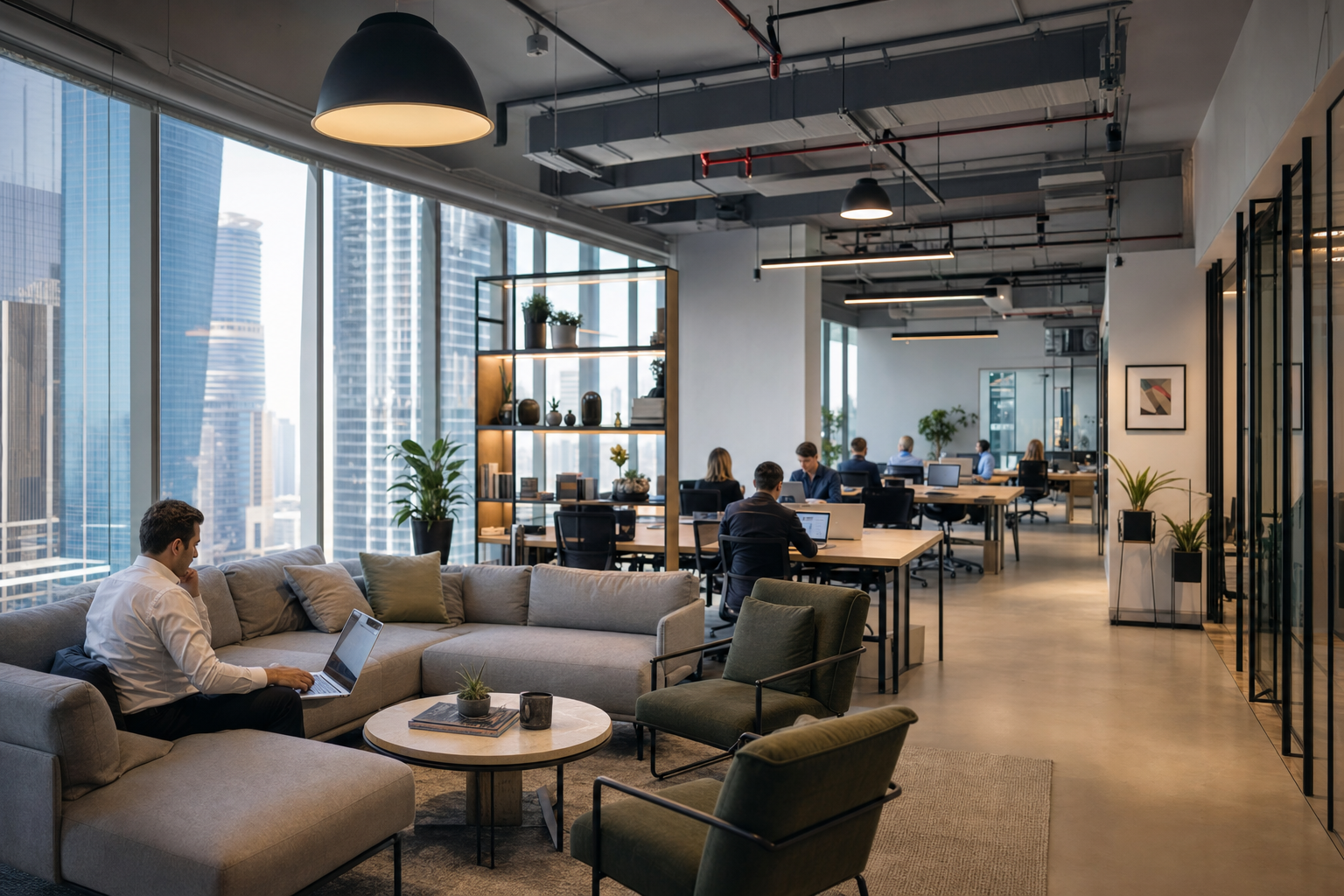
    HotdeskOS performs best in environments where member volume exceeds what one receptionist can reasonably handle. The platform fits best when operational complexity outgrows manual processes.

    Explore HotdeskOS Capabilities

    Evaluating HotdeskOS for Your Space

    Pros

    • Reduces staffing overhead for high-volume spaces
    • Automates booking, check-in, and billing workflows
    • Scales without platform upgrades
    • Provides real-time occupancy and revenue analytics
    • Supports multi-location management from a single dashboard

    Cons

    • Requires initial configuration and a learning period
    • May exceed needs for smaller spaces under 30 desks
    • Depends on reliable internet connectivity for member access

    Operators can explore HotdeskOS options for their specific location and request implementation guidance aligned with operational requirements.

    The Future Outlook: Why HotdeskOS Positions Operators for What Comes Next

    Workspace management is shifting from reactive booking systems toward predictive infrastructure. HotdeskOS supports this transition by bringing data into day-to-day operations rather than adding analytics as an afterthought.

    Organizations across MENA and Europe are reconsidering their real estate strategies. Shorter lease terms, distributed teams, and hybrid arrangements demand platforms that adapt without requiring wholesale replacements. HotdeskOS supports this by treating every booking as a data point that can inform future decisions.

    The platform supports trends such as micro-lease arrangements, pay-per-use billing models, and on-demand amenity access. These capabilities can stay inactive until operators need them, which helps keep day-to-day operations simpler.

    Member expectations evolve continuously. New coworking members expect app-native interactions, instant confirmations, and seamless payments. HotdeskOS delivers these basics while leaving room for deeper personalization as the platform evolves.

    Is HotdeskOS worth it for a coworking space with 50+ desks trying to manage bookings without a receptionist? The forward-looking perspective matters, especially if your volume is rising and your processes are already stretched.

    The infrastructure choices made today shape operational flexibility tomorrow. HotdeskOS provides a foundation that can grow alongside member bases, location portfolios, and service offerings without requiring repeated migrations or manual exports.

    Strategic Recommendation: The Final Verdict

    HotdeskOS earns its position as a substantive solution for spaces managing 50+ desks without dedicated receptionist coverage. The platform addresses real operational gaps rather than adding features that create busywork.

    Operators should consider HotdeskOS when manual processes create bottlenecks that limit growth. When member volume exceeds staff capacity, the platform can pay for itself through recovered hours and captured revenue. Spaces below these thresholds may find simpler tools sufficient.

    The decision framework is straightforward: if administrative tasks consume time that should go toward member experience and space development, automation becomes necessary. Is HotdeskOS worth it for a coworking space with 50+ desks trying to manage bookings without a receptionist? If those bottlenecks already exist, the answer is often yes.

    Requesting a personalized assessment can show whether the platform aligns with specific operational goals. The trial period exists for evaluation, allowing operators to validate fit before commitment.

    Those ready to move forward can explore HotdeskOS through an actual workspace and begin the implementation conversation with concrete data rather than assumptions.

    About the Author

    MK

    Mohamed Khaled

    Mohamed Khaled

    Forbes 30 Under 30

    Founder & CEO at Hotdesk & Co-founder, DESK Token

    Mohamed Khaled is the Founder and CEO of Hotdesk, the on-demand workspace platform providing access to coworking spaces and flexible offices across more than 120 countries.

    He spent nearly a decade at PwC before moving into financial leadership at SWVL, where he led the company’s $1.5 billion Nasdaq listing, the first Unicorn from thr Middle East to go public in the United States.

    A Forbes 30 Under 30 honoree, Mohamed built Hotdesk from a side project into a global platform, leading a team of more than 50 and expanding into international markets, including the acquisition of Spain-based coworking marketplace YADO.

    Also being Co-founder and President of DESK Token, the world’s first asset backed property investment and utility hybrid token, Mohammed is focused on building infrastructure that unlocks underutilized assets – from meeting rooms to private offices and full on buildings – while creating space for the future of work.

    Last reviewed: April 25, 2026 by the Hotdesk Team
  • Lisbon Coworking: Private Office vs. Hot Desk Amenities

    Lisbon Coworking: Private Office vs. Hot Desk Amenities

    Which Lisbon coworking space offers better amenities: private offices or hot desks?

    Lisbon Coworking: Private Office vs. Hot Desk Amenities

    Which Lisbon Coworking Space Offers Better Amenities: Private Offices or Hot Desks?

    Understanding Your Core Workspace Needs

    Every distributed system asks you to manage new failure modes. Coworking in Lisbon follows the same logic. Your workspace configuration determines what breaks, what scales, and what you spend maintaining.

    Before evaluating amenities, identify what actually fails in your current setup: distractions, missing equipment, or unreliable internet. The answer determines which workspace type serves you better.

    The “Why” Behind the Amenity Debate

    The question assumes amenities drive the decision. They don’t. Value does.

    Private offices bundle stability, security, and focused environments at higher costs. Hot desks offer flexibility, affordability, and community access at lower price points. Neither wins universally. It depends on your workflow pattern.

    Infrastructure travels with your workflow. The workspace that serves you best matches how your team actually operates, not how marketing describes it.

    What Hotdesk Brings to the Table

    Hotdesk aggregates workspace data across 80+ countries. That coverage surfaces patterns: which amenities correlate with retention, which configurations scale, and how Lisbon spaces compare with global benchmarks.

    You get verified availability across private offices and hot desks. The infrastructure travels with you; configuration demands drop when your platform handles discovery, comparison, and reservations in one interface.

    Consider Kube Coworking Lisboa. The space balances focused work environments with collaborative zones. The type of hybrid configuration that performs well across different team sizes and project types.

    Deconstructing Lisbon’s Coworking Amenities: A Tale of Two Workspaces

    Which Lisbon coworking space offers better amenities: private offices or hot desks?

    The Private Office Advantage: Focus, Security, and Exclusivity

    Enclosed spaces deliver predictable acoustics, lockable storage, and dedicated infrastructure comparable to corporate private office setups across Portugal. Your equipment stays in place. Your conversations stay private.

    Teams sharing an office develop spatial memory of their environment, which reduces cognitive load and supports sustained focus.

    Hot Desks in Lisbon: Flexibility, Affordability, and Community

    Open-plan desks cost less and introduce you to more people. Short-term projects benefit from flexible coworking passes that let you rotate environments and refresh context.

    Recurring work prefers consistent setups that eliminate reconfiguration time.

    Beyond the Basics: Essential Amenities for Productivity

    Reliable internet determines whether a space functions. Redundant network paths reduce downtime during ISP failures. Beyond connectivity, ask about meeting room availability, printing access, and kitchen facilities.

    These vary significantly between locations and can affect daily operations more than surface aesthetics.

    Amenities serve workflows. Match the workspace to how your work actually moves.

    Amenity Comparison

    Amenity Private Office Hot Desk
    Acoustic privacy High Limited
    Storage security Dedicated Shared lockers
    Configuration control Full Minimal
    Monthly cost Higher Lower
    Team scalability Fixed capacity Flexible

    Making the Strategic Choice: When to Opt for a Private Office vs. a Hot Desk

    Scenario Planning: Matching Workspace to Your Workflow and Goals

    Your optimal choice depends on task patterns. Long-duration focused work suits private offices. Short collaborative sessions with varied participants favor hot desks. Most teams use both, but the ratio matters.

    Choosing Between Workspace Types

    Private Office

    • Predictable environment for deep work
    • Storage security for sensitive materials
    • Acoustic control for calls and concentration

    Hot Desk

    • Lower cost per seat
    • Network expansion opportunities
    • Flexibility to relocate as needs change

    The Hotdesk Solution: Bridging the Gap with Instant Access

    Hotdesk supports both configurations through a unified interface. You can book private offices for teams requiring stability and hot desks for individuals requiring flexibility. The platform manages availability, pricing, and terms across Lisbon locations.

    Spaces like Kube Coworking Lisboa show how hybrid configurations can serve mixed team needs. You set the ratio based on your workflow, not marketing claims.

    Understanding Total Cost of Ownership for Private Offices

    Private office rates in Lisbon typically run 2-4x hot desk pricing. But the sticker price can mislead. Enclosed spaces often require longer commitment periods. Commonly 6-12-month contracts. Early termination can trigger penalties.

    You may absorb setup costs when customization matters. Maintenance can fall on you for damage beyond normal wear.

    The True Price of Flexibility: What Hot Desks Might Cost You

    Hot desks can run month to month but still create hidden expenses. Unreserved seating can mean arriving without a spot during peak hours. Noise distractions extend task completion times.

    Communal equipment can create scheduling friction. The hourly cost of interruptions can exceed the monthly rate difference.

    Calculate your actual cost per productive hour, not per calendar day. A cheaper desk that costs two extra hours daily can cost more than a pricier option that supports focused work.

    Navigating the “Invisible” Amenities: Support, Community, and Culture

    Reception services, IT support response times, and community events at coworking spaces throughout Portugal rarely appear in pricing comparisons. These can shape your day-to-day experience more than square footage.

    Spaces like Kube Coworking Lisboa often include concierge support and organized networking. Items that compound in value as your Lisbon presence grows.

    Your Brain on Workspace: Avoiding Decision Traps

    People can overestimate the benefits of control and underestimate the value of flexibility. Research on anchoring suggests that first price impressions can skew how value gets assessed.

    Many teams prefer familiar setups even when alternatives perform better. Test spaces with real work, not first impressions.

    The Strategic Recommendation

    Neither workspace type wins in every case. Align the configuration with how your work actually moves. Start with hot desk flexibility. Move to private offices when patterns demand it.

    Hotdesk provides the infrastructure to switch without friction.

    Frequently Asked Questions

    What does 'hot desk' mean in a coworking space?

    A hot desk is a flexible workspace where you don’t have a permanently assigned spot. You choose an available desk each time you arrive, offering affordability and the chance to meet new people. This setup works well for short-term projects or when you need varied environments.

    What are the key differences between private offices and hot desks in Lisbon coworking?

    Private offices offer dedicated, enclosed spaces with high acoustic privacy and secure storage, ideal for focused work. Hot desks provide flexibility and community access in open-plan areas at a lower cost. The choice depends on your workflow patterns and need for stability versus adaptability.

    When should a team choose a private office instead of a hot desk in Lisbon?

    A team should opt for a private office when deep, focused work is required, or when handling sensitive materials that need secure storage. Private offices provide predictable acoustics for calls and consistent environments that reduce cognitive load. This setup ensures stability for sustained concentration.

    What essential amenities should I look for in a Lisbon coworking space?

    Beyond surface aesthetics, reliable internet with redundant network paths is critical to prevent downtime. Also check for meeting room availability, printing access, and kitchen facilities. These practical amenities directly impact daily operations and productivity.

    How much does a hot desk typically cost compared to a private office in Lisbon?

    Hot desk pricing is generally lower and often offers month-to-month flexibility. Private office rates in Lisbon usually run 2-4 times higher than hot desk pricing. Private offices also often require longer commitment periods, like 6-12 month contracts.

    How can Hotdesk help me find the right coworking space in Lisbon?

    Hotdesk aggregates workspace data and verified availability across private offices and hot desks in Lisbon. Our platform handles discovery, comparison, and reservations in one interface. This means you can easily find and book the workspace that matches your workflow patterns.

    Are there specific areas to consider or avoid when selecting a coworking space in Lisbon?

    When selecting a coworking space, focus on locations that align with your commute and client access needs. While the article doesn’t list specific areas to avoid, consider factors like local distractions or unreliable public transport. Prioritize areas that support your team’s actual operational flow.

    About the Author

    MS

    Mohammad El Shaari

    Mohammad El Shaari

    CTO at Hotdesk

    Mohammad El Shaari is the CTO of Hotdesk, where he leads the engineering team building and scaling a global SaaS platform for on-demand workspace bookings across 80+ countries. A Computer Science graduate from The British University in Egypt, he brings over a decade of hands-on experience in enterprise software, AI, cloud infrastructure, and cybersecurity.

    Before Hotdesk, he served as CTO of Vee Tech, where he led technical delivery for 12+ enterprise clients generating $30M+ in annual revenue, and helped build Egypt’s first innovation lab at Capital International Schools.

    At Hotdesk, Mohammad focuses on building scalable systems that handle real-time availability, global user distribution, and high-throughput transactions. He specializes in scalable system design, cloud-native infrastructure, and building high-performance SaaS platforms that support global user bases.

    He writes about scaling SaaS platforms, backend architecture, mobile engineering, and real-world technical decisions behind building and operating global products.

    Last reviewed: April 25, 2026 by the Hotdesk Team
  • HotdeskONE: Worth It for 200-Person Hybrid?

    HotdeskONE: Worth It for 200-Person Hybrid?

    Is HotdeskONE worth it for a 200-person company trying to manage a hybrid work policy?

    HotdeskONE: Worth It for a 200-Person Hybrid Team?

    Understanding Hot Desking for Your 200-Person Hybrid Team

    What Is Hot Desking and Why Does It Matter Now?

    Hot desking replaces assigned seating with shared, bookable desks, whether in a corporate office or coworking spaces in London. Employees choose where they sit based on daily needs rather than fixed ownership. For hybrid teams splitting time between home and office, this model eliminates the absurdity of empty desks alongside frustrated workers hunting for space.

    The Reality for Mid-Sized Companies

    A 200-person organization faces unique coordination challenges. Some teams collaborate in person three days each week, while others meet once a month. Predicting headcount becomes nearly impossible when schedules shift constantly. Traditional assigned seating either leaves desks vacant or creates last-minute scrambles.

    The Daily Desk Hunt

    Without visibility into available space, employees waste time searching for a place to work. Teams lose momentum before the day begins. Leadership watches real estate costs climb while utilization stays unpredictable.

    Key Insight: HotdeskONE turns unpredictable workspace demand into manageable, data-backed desk allocation for organizations of your size.

    Core Advantages for 200 Employees

    Is HotdeskONE worth it for a 200-person company trying to manage a hybrid work policy?

    Real Estate That Actually Works

    Companies routinely overestimate office space needs. HotdeskONE provides real-time visibility into actual usage. You pay for what your workforce needs rather than theoretical maximum occupancy. Data highlights underused zones and peak-demand periods.

    Employee Experience: No More Daily Reset

    Hybrid work succeeds when the office remains functional. HotdeskONE lets employees secure preferred desks, preserve personal setups, and maintain workflow consistency. Your people don’t start from scratch each morning.

    Team Coordination Made Simple

    Cross-functional projects require timely interaction. HotdeskONE helps teams coordinate office days, book adjacent spaces, and ensure key contributors sit near one another when collaboration matters most.

    Scaling Without the Headaches

    Adding 20 employees or opening a new location requires no office redesign. HotdeskONE scales desk inventory quickly, supporting growth without renegotiating leases or reconfiguring floor plans.

    Investment Considerations

    Pros

    • Measurable reduction in wasted square footage
    • Reduced desk-search friction
    • Improved employee satisfaction scores
    • Real-time occupancy intelligence
    • Flexible scaling without lease renegotiations

    Cons

    • Initial adoption requires change management
    • Requires consistent booking compliance
    • May require workspace policy adjustments

    Employee Adoption: Overcoming Resistance

    Some staff resist giving up assigned desks. HotdeskONE supports the transition through intuitive mobile booking, preference settings, and reliable access to familiar areas. A gradual rollout builds confidence without disruption.

    Maintaining Clean, Functional Spaces

    Shared desks raise hygiene concerns. HotdeskONE supports cleaning workflows with automated notifications and desk-release steps, helping teams maintain consistent hygiene standards.

    Preventing “Desk Hoarding”

    Without enforcement, popular desks stay booked indefinitely. The platform supports booking limits, availability rules, and usage reporting to promote fair access across employees.

    When Systems Fail

    Poorly implemented hot desking creates resentment. HotdeskONE reduces bottlenecks with live availability views, check-in confirmations, and vacancy notifications.

    Challenge Without HotdeskONE With HotdeskONE
    Desk availability visibility Low Real-time maps
    Cleaning coordination Manual scheduling Automated workflows
    Hoarding prevention Policy reliance System rules and reporting
    Space analytics Estimates only Usage dashboards

    HotdeskONE’s Unique Value for Your Organization

    Infrastructure for Workplace Continuity

    HotdeskONE replaces fragmented desk management with unified infrastructure. Booking, occupancy tracking, cleaning coordination, and access control run in a single platform rather than separate systems.

    Network Access for Mobile Teams

    Does your workforce span multiple locations? HotdeskONE aggregates workspace inventory across properties. Teams traveling between locations, such as those using flexible workspaces in Dubai, get a consistent booking experience. The Work Project Midtown is a premium workspace partner in this network, with day passes and flexible terms that match many hybrid policies.

    Facilities Management Made Clear

    Facilities teams get a command-center view of occupancy. Admins can configure desk zones, set booking windows, manage permissions, and generate utilization reports without outside consultants.

    Understanding Your Office’s Actual Usage

    Heat maps show which zones draw the most traffic. Utilization trends guide lease decisions, renovation priorities, and seating plans. Leadership makes real estate choices based on evidence rather than assumptions.

    Bottom Line: Is HotdeskONE worth it for a 200-person company trying to manage a hybrid work policy? If you want measurable workspace ROI, a more predictable employee experience, and desk operations that scale, the case is practical. The platform turns hybrid chaos into continuity.

    Making the Decision

    Is HotdeskONE worth it for a 200-person company trying to manage a hybrid work policy?

    Who Benefits Most

    HotdeskONE delivers the most value for 200-person organizations facing real space uncertainty. If your office has variable daily attendance, frequent cross-team collaboration needs, or real estate costs that feel out of proportion to utilization, the platform targets those pain points. Companies with stable headcounts and fixed team structures may find the investment harder to justify.

    Implementation That Works

    Adoption works best with a phased rollout rather than an abrupt mandate. Start with voluntary booking for one floor or department. Gather feedback on friction points. Adjust booking windows and zone permissions based on actual usage. Expand to full deployment once the team learns the routine.

    Key Insight: Organizations that invest in change management during the first month often see higher booking compliance than teams that begin with strict enforcement.

    The Final Assessment

    Strategic Investment Analysis

    Is HotdeskONE worth it for a 200-person company trying to manage a hybrid work policy? It depends on priorities. If reducing real estate waste, cutting desk-search friction, and giving employees a consistent office experience matter, the platform can justify its cost through operational efficiency and better decisions.

    For organizations still testing hybrid terms, HotdeskONE gives room to experiment without committing to permanent desk configurations. You learn what your workforce needs before signing longer-term real estate agreements.

    A Premium Alternative

    Some organizations prefer outsourced workspace management through premium partners. The Work Project Midtown offers turnkey flexibility for teams that need central locations without internal facilities management. Day passes and month-to-month arrangements. Like those available at Cloudworks Sant Joan in Barcelona. Fit organizations testing new markets or planning short-term team gatherings.

    Your Next Steps

    Start with real occupancy data. Audit desk utilization across a typical month. Identify peak days, collaboration-heavy periods, and underused zones. That evidence helps you decide whether the platform addresses real inefficiency or whether your current hybrid model already runs well.

    If the data shows volatility, schedule a demonstration focused on your floor plan. Ask for references from similar-sized organizations. Test the mobile booking flow before committing to a rollout.

    Is HotdeskONE worth it for a 200-person company trying to manage a hybrid work policy? The best signal is whether the system fades into the background: people book space quickly, arrive to a ready desk, and focus on work instead of logistics.

    Frequently Asked Questions

    How does HotdeskONE help a 200-person company save on office space?

    HotdeskONE provides real-time visibility into actual office usage, showing you exactly which spaces are being used and when. This allows your 200-person company to pay for the space your workforce truly needs, rather than overestimating occupancy. It turns underused zones into strategic assets, guiding smarter real estate decisions based on evidence.

    What makes HotdeskONE different from just any desk booking system?

    HotdeskONE offers more than just booking, it’s a unified infrastructure for continuity. It integrates booking, occupancy tracking, cleaning coordination, and access control into one platform. This means your operations run smoothly, replacing fragmented management with a single, clear system.

    How does HotdeskONE ensure employees actually use the system and don't resist hot desking?

    We understand resistance to change. HotdeskONE supports adoption through intuitive mobile booking, allowing employees to secure preferred desks and maintain their workflow consistency. Features like preference settings and reliable access to familiar areas build confidence, making the transition smoother and more appealing.

    Can HotdeskONE help our hybrid teams collaborate better in the office?

    Absolutely. HotdeskONE helps teams coordinate their office days, allowing them to book adjacent spaces when collaboration is key. This ensures key contributors can sit near one another, fostering timely interaction for cross-functional projects. It supports your culture by making in-person collaboration intentional and easy.

    What kind of data does HotdeskONE provide to help manage our workspace?

    HotdeskONE provides data-driven insights through usage dashboards and heat maps. You can see which zones draw the most traffic and understand utilization trends. This evidence guides lease decisions, renovation priorities, and seating plans, moving leadership beyond assumptions.

    Is HotdeskONE only for a single office, or can it manage multiple locations?

    HotdeskONE is designed for scalability and flexibility, managing workspace inventory across multiple properties. If your workforce spans different locations, it provides a consistent booking experience, whether in Hong Kong or Dubai. This supports your growth without needing office redesigns or lease renegotiations.

    How does HotdeskONE address concerns about shared desk hygiene and fair access?

    HotdeskONE supports cleaning workflows with automated notifications and desk-release steps, helping teams keep hygiene standards consistent. For fair access, the platform supports booking limits, availability rules, and usage reporting. This prevents “desk hoarding” and ensures everyone has a chance to secure a preferred spot.

    About the Author

    MK

    Mohamed Khaled

    Mohamed Khaled

    Forbes 30 Under 30

    Founder & CEO at Hotdesk & Co-founder, DESK Token

    Mohamed Khaled is the Founder and CEO of Hotdesk, the on-demand workspace platform providing access to coworking spaces and flexible offices across more than 120 countries.

    He spent nearly a decade at PwC before moving into financial leadership at SWVL, where he led the company’s $1.5 billion Nasdaq listing, the first Unicorn from thr Middle East to go public in the United States.

    A Forbes 30 Under 30 honoree, Mohamed built Hotdesk from a side project into a global platform, leading a team of more than 50 and expanding into international markets, including the acquisition of Spain-based coworking marketplace YADO.

    Also being Co-founder and President of DESK Token, the world’s first asset backed property investment and utility hybrid token, Mohammed is focused on building infrastructure that unlocks underutilized assets – from meeting rooms to private offices and full on buildings – while creating space for the future of work.

    Last reviewed: April 25, 2026 by the Hotdesk Team
  • Hotdesk DIFC Address: Worth It for Freelancers?

    Hotdesk DIFC Address: Worth It for Freelancers?

    Is a virtual office on Hotdesk worth it for a freelancer who needs a DIFC business address?

    Why Freelancers Need a DIFC Business Address

    What Is a Virtual Office?

    A virtual office gives you a professional address, mail handling, and phone services without physical workspace. You get a prestigious location for registration while working from anywhere.

    Why DIFC Addresses Matter

    The Dubai International Financial Centre operates as a self-regulated free zone with its own legal system. A DIFC address signals credibility to international clients who recognize this regulatory distinction.

    For freelancers competing against established agencies, this address functions as instant legitimacy.

    DIFC Registration Benefits

    Companies registered in DIFC benefit from zero corporate tax for 50 years, 100% foreign ownership, and streamlined visa processes (subject to eligibility). Clients perceive DIFC-registered businesses as financially stable and operationally serious.

    That perception opens doors that a home address cannot.

    Key Insight: A virtual office at Rag Global Business Hub delivers address credibility without full-time physical tenancy overhead.

    Virtual Office vs Hot Desking: Which Makes Sense?

    Is a virtual office on Hotdesk worth it for a freelancer who needs a DIFC business address?

    What You Get With a Virtual Office

    Hotdesk’s virtual office includes a registered business address, mail collection, and optional meeting room access. You maintain a professional presence without daily commuting.

    The address appears on invoices, your website, and legal documents.

    Hot Desking: Physical Space When You Need It

    Hot desking offers on-demand access to physical workstations across Hotdesk’s global network. You reserve a desk when needed and book meeting rooms around other professionals.

    This works for freelancers who need occasional workspace variety or client meeting space.

    Direct Feature Comparison

    Feature Virtual Office Hot Desking
    Business address Yes No
    Physical desk access Limited/optional On-demand
    Meeting rooms Sometimes included Bookable
    Mail handling Included Not included
    Client credibility High Moderate

    Cost-Benefit Analysis: What’s The Real ROI?

    True Cost Breakdown

    Pricing ranges from $200 to $500 per month for basic packages. Add-ons include mail forwarding fees, meeting-room hourly rates, and setup charges.

    Factor in time spent on admin work if mail handling requires coordination.

    Measuring Address Value

    Tangible returns: smoother vendor onboarding for enterprise clients and clearer banking conversations. Intangible returns: improved client perception, stronger negotiating position, and confidence during procurement checks.

    Results vary based on your client mix and industry.

    ROI Calculation for Freelancers

    Calculate break-even by dividing annual costs by your hourly rate. If you recover two billable hours monthly through better terms or faster procurement approval, the spend justifies itself.

    Track new client wins where your business address played a measurable role.

    When The Investment Pays Off

    Winning an enterprise client that requires vendor registration. Expanding into Middle Eastern markets. Setting up a UAE entity that needs a recognizable business address.

    Value drops if your current clients never verify addresses and your work rarely involves procurement checks.

    Virtual Office ROI Verdict

    Pros

    • Stronger credibility with enterprise clients
    • Access to DIFC-related structuring options, subject to eligibility
    • Mail handling and meeting facilities
    • Work from any location

    Cons

    • Ongoing monthly costs ($200-$500)
    • No dedicated physical workspace
    • Less organic networking than daily office routine
    • Add-on services increase total spend

    Hotdesk’s Engineering Advantage

    Infrastructure That Travels

    Hotdesk operates across 80+ countries with consistent performance at scale. The same system handles your bookings, access, and account identity.

    You avoid rework during growth phases. Booking changes, network access, and credential checks work without repeated setup.

    Single Account, Global Access

    Hotdesk centralizes workspace access through one account and credential flow. Instead of managing multiple vendor relationships, you access the broader network with one login.

    This reduces admin overhead and simplifies expense tracking for tight budgets.

    Operational Reliability

    Reliable booking, clear pricing, and consistent service delivery matter more than feature announcements. Hotdesk focuses on operational continuity so your DIFC address stays active without constant supervision.

    This matters during high-stakes moments like client presentations or contract negotiations.

    Platform vs Directory

    Hotdesk operates as a platform operator, not a directory. That translates to clearer quality standards, direct support channels, and accountability when issues appear.

    For freelancers who depend on a business address for daily operations, consistency affects professional reputation.

    Bottom Line: For freelancers who need a DIFC address, Rag Global Business Hub provides address legitimacy, mail handling, and meeting facilities aligned with professional operations.

    When a Hotdesk Virtual Office Makes Sense

    Is a virtual office on Hotdesk worth it for a freelancer who needs a DIFC business address?

    Worth depends on three factors: where your clients are located, what your contracts require, and your growth plan. A DIFC business address through Hotdesk matters most when client onboarding includes address verification or when you sell into Middle Eastern markets.

    From an infrastructure perspective, reliability means avoiding repeated admin work, not adding complexity.

    The Rag Global Business Hub shows what a practical virtual office setup looks like. Beyond the address, you get mail handling, meeting-room access, and support that reduces daily administration.

    If enterprise contracts or cross-border expansion are part of your plan, a DIFC virtual office through Hotdesk provides legitimacy and systems that travel with your business. If your work is local and referral-based with no compliance checks, you may not see clear returns.

    It’s usually worth it when a DIFC address directly removes friction in procurement, onboarding, or payments.

    Positioning for Growth

    Your virtual office decision should match where your business is heading, not only where it stands today. DIFC continues to attract financial services, tech companies, and consulting firms.

    A presence helps with partnerships and client trust as those organizations scale.

    Consider whether your service offerings could expand into DIFC-adjacent sectors. Legal, accounting, and compliance engagements often involve address verification during onboarding.

    The UAE government has signaled continued investment in the DIFC as a global financial hub through 2040. Registering earlier puts you ahead of competitors who wait until demand increases.

    Strategic Takeaway: Virtual offices make sense when your plan includes regional expansion, enterprise client acquisition, or services in regulated categories. For local-only operations, the investment may not justify returns.

    Review costs and usage quarterly. Hotdesk scales with your business by adding locations and services as needs change.

    A DIFC address acts as a foundation for broader regional presence as freelance income grows.

    If you’re buying it to reduce rework in onboarding, compliance checks, and client confidence, you’re paying for continuity more than a mailing label.

    Frequently Asked Questions

    What are the disadvantages of a virtual office?

    While a virtual office offers many benefits, it does come with ongoing costs and doesn’t provide a dedicated physical workspace for daily use. You might also miss out on the organic networking that happens in a traditional office environment. Add-on services, like extensive meeting room bookings or mail forwarding, can also increase your total spend.

    Is a virtual office legal in Dubai?

    Yes, a virtual office is legal in Dubai and widely accepted for business registration, especially within free zones like DIFC. It provides a legitimate professional address for your company to operate and comply with local regulations. This allows you to maintain a professional presence without needing a physical office.

    What is the difference between a virtual business address and a virtual office?

    A virtual business address primarily gives you a professional location for registration and correspondence. A full virtual office package, like Hotdesk’s offering, typically includes that address plus services such as mail collection, and often optional access to meeting rooms. It’s about getting more than just a mailing point, it’s about a complete professional presence.

    Will banks accept a virtual address for a DIFC business?

    Banks often accept a virtual address, especially for businesses registered in reputable free zones like DIFC. The acceptance depends on your specific business setup, compliance with banking regulations, and the bank’s internal policies. A DIFC address can often provide a clearer path to local banking conversations due to its perceived credibility.

    Does the IRS accept a virtual address for business?

    For US-based entities, the IRS generally requires a physical street address for business registration, not a P.O. Box. A legitimate virtual office address, which is a physical street address, is often accepted for many IRS purposes. However, it’s always best to confirm directly with the IRS or a tax professional for your specific business needs and entity type.

    Is a DIFC virtual office on Hotdesk worth it for a freelancer?

    For a freelancer, a DIFC virtual office on Hotdesk can be worth it if you target enterprise clients or plan to expand into Middle Eastern markets. It provides instant credibility and a professional address that can open doors that a home address might not. The value comes from smoother client onboarding and a stronger negotiating posture, making the investment pay off in new opportunities.

    How does Hotdesk simplify getting a DIFC virtual office?

    Hotdesk simplifies getting a DIFC virtual office by centralizing your access and account identity through a single platform. This means you avoid rework when managing your services, from booking meeting rooms to handling mail. The platform focuses on operational continuity, ensuring your professional address and related services remain active without constant supervision.

    About the Author

    MS

    Mohammad El Shaari

    Mohammad El Shaari

    CTO at Hotdesk

    Mohammad El Shaari is the CTO of Hotdesk, where he leads the engineering team building and scaling a global SaaS platform for on-demand workspace bookings across 80+ countries. A Computer Science graduate from The British University in Egypt, he brings over a decade of hands-on experience in enterprise software, AI, cloud infrastructure, and cybersecurity.

    Before Hotdesk, he served as CTO of Vee Tech, where he led technical delivery for 12+ enterprise clients generating $30M+ in annual revenue, and helped build Egypt’s first innovation lab at Capital International Schools.

    At Hotdesk, Mohammad focuses on building scalable systems that handle real-time availability, global user distribution, and high-throughput transactions. He specializes in scalable system design, cloud-native infrastructure, and building high-performance SaaS platforms that support global user bases.

    He writes about scaling SaaS platforms, backend architecture, mobile engineering, and real-world technical decisions behind building and operating global products.

    Last reviewed: April 25, 2026 by the Hotdesk Team