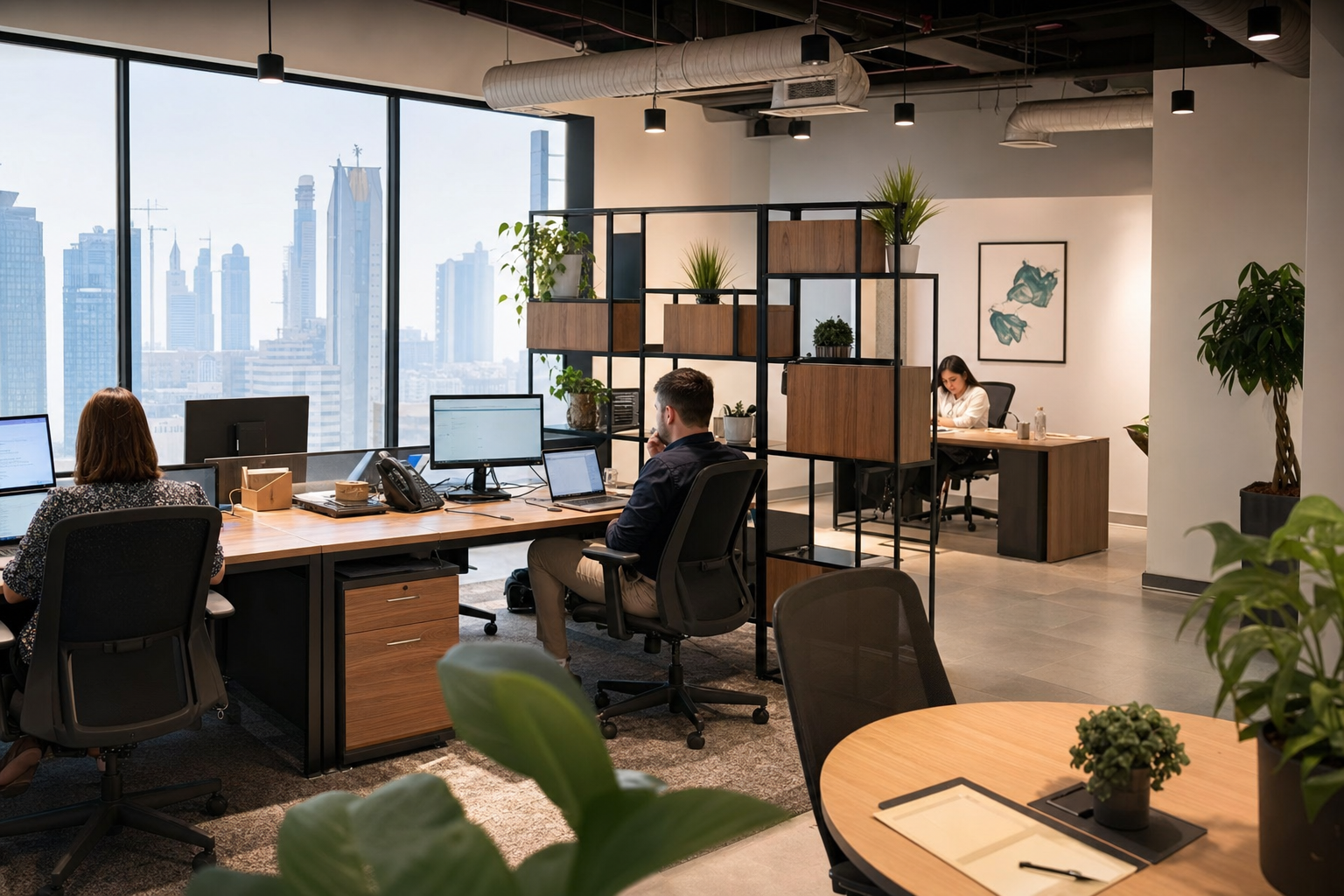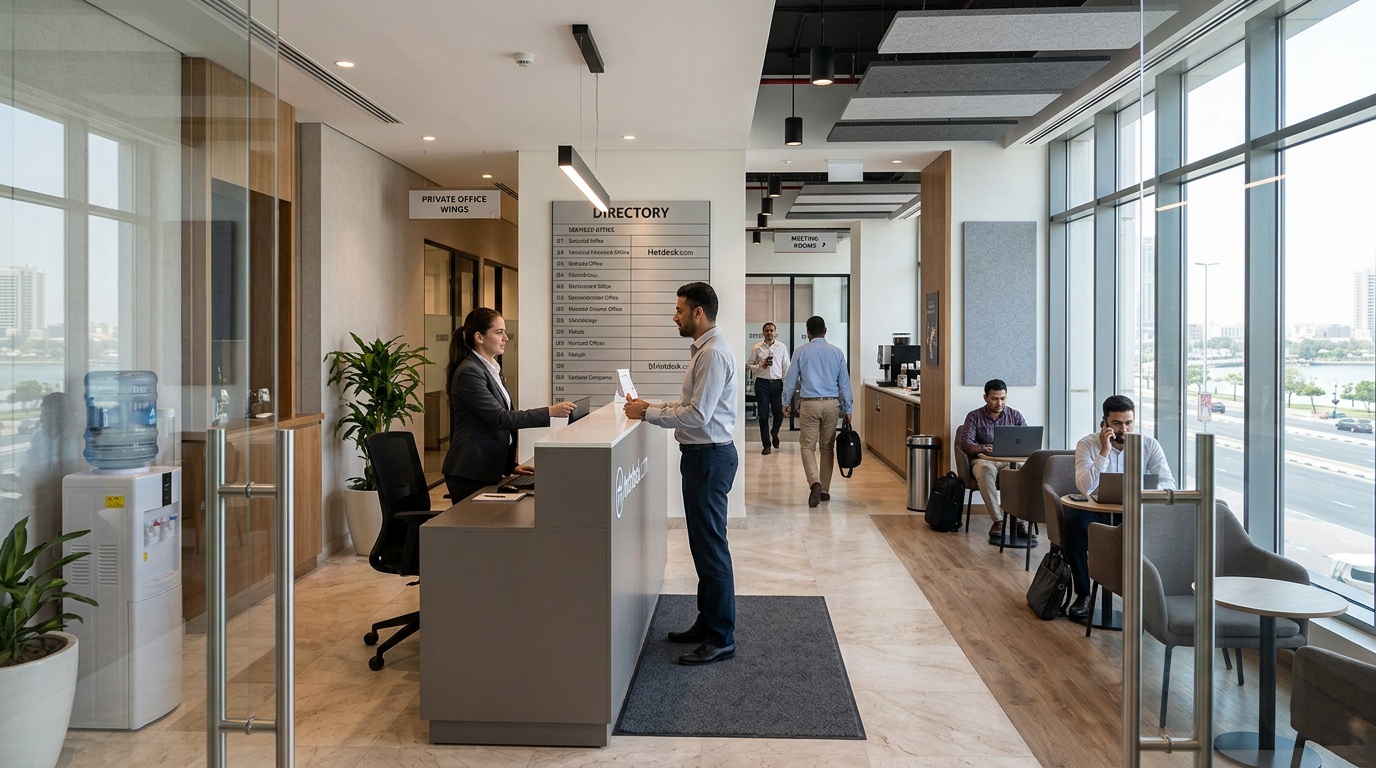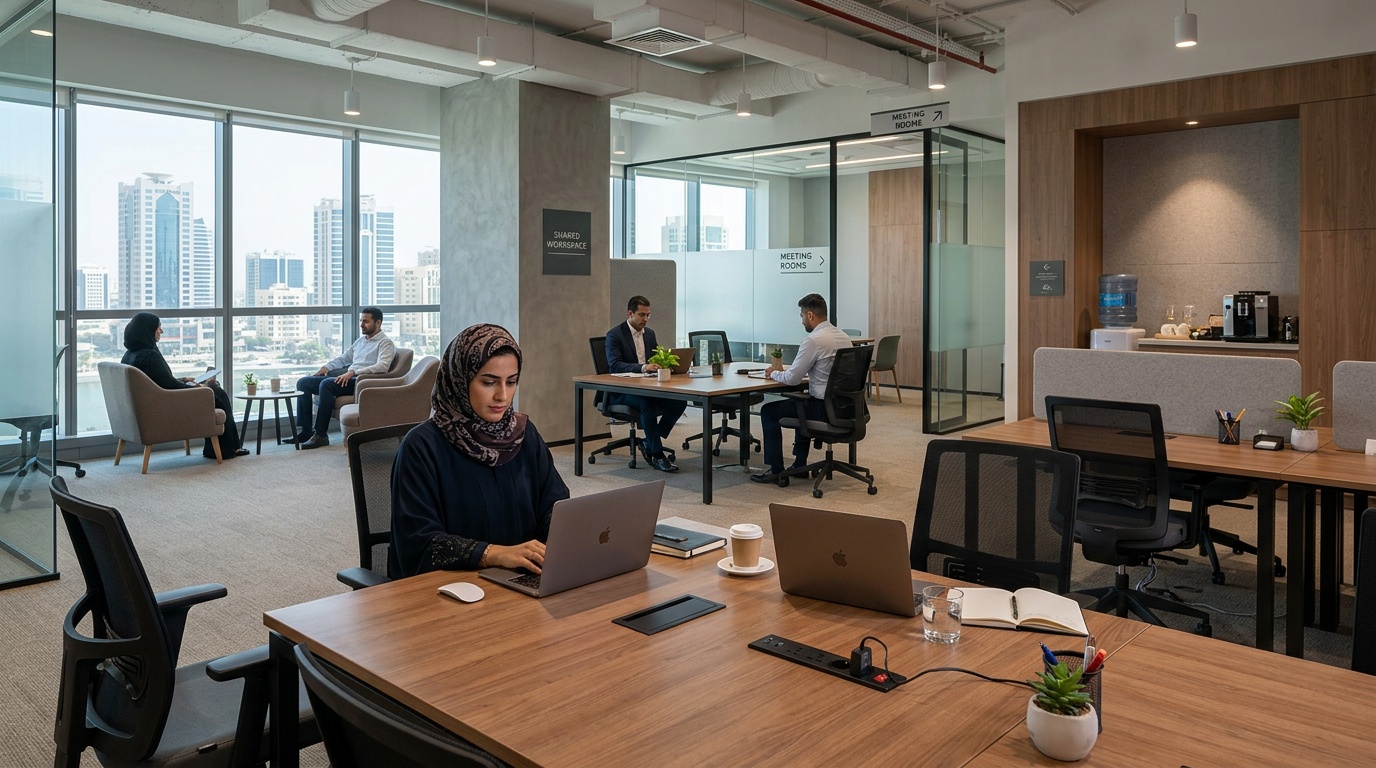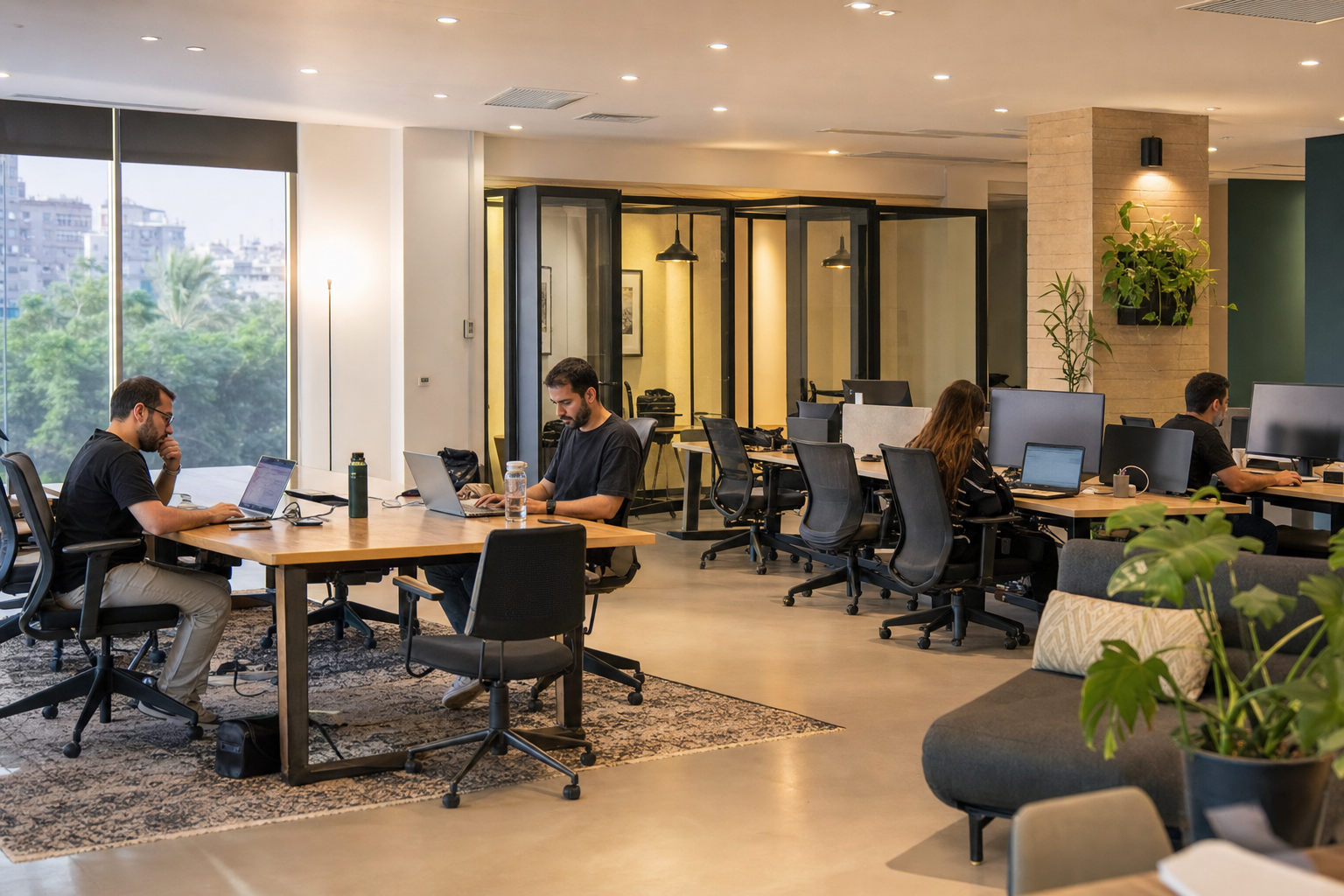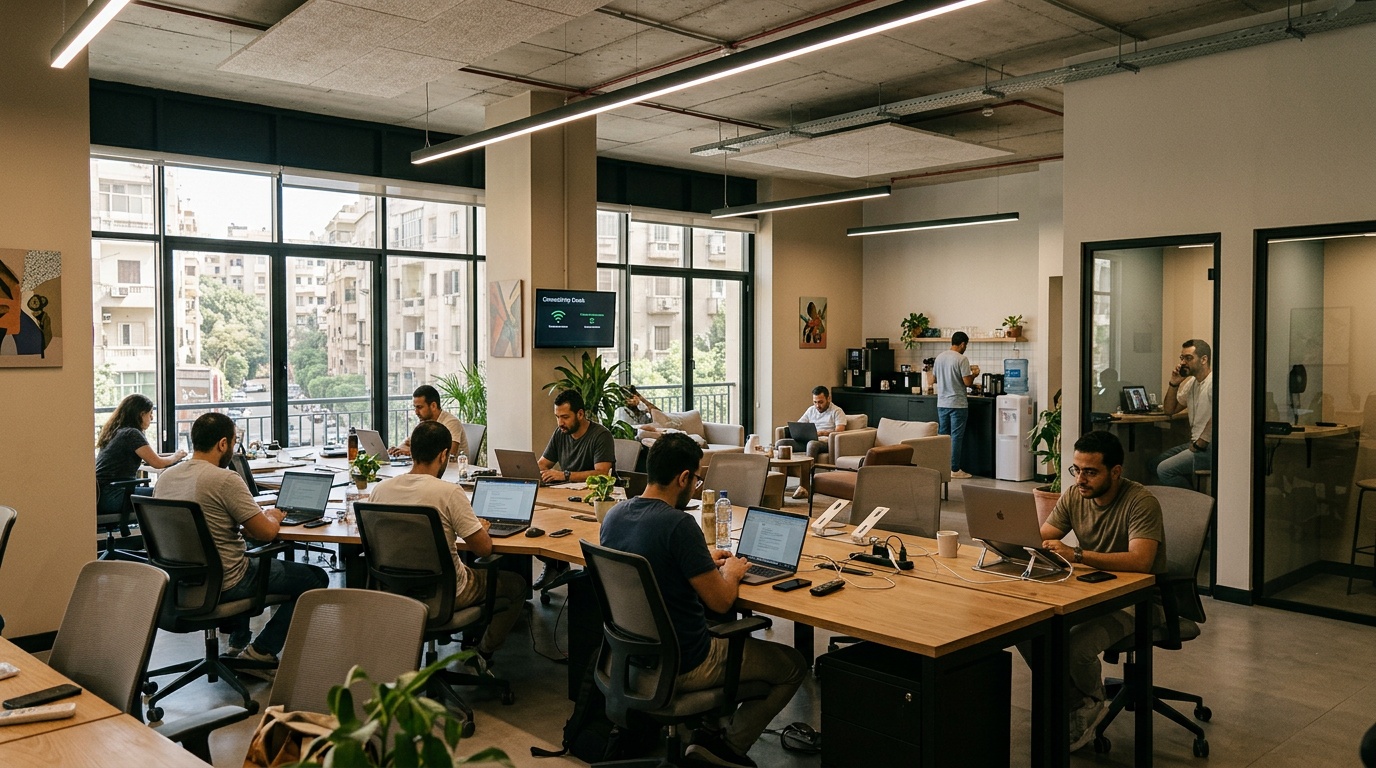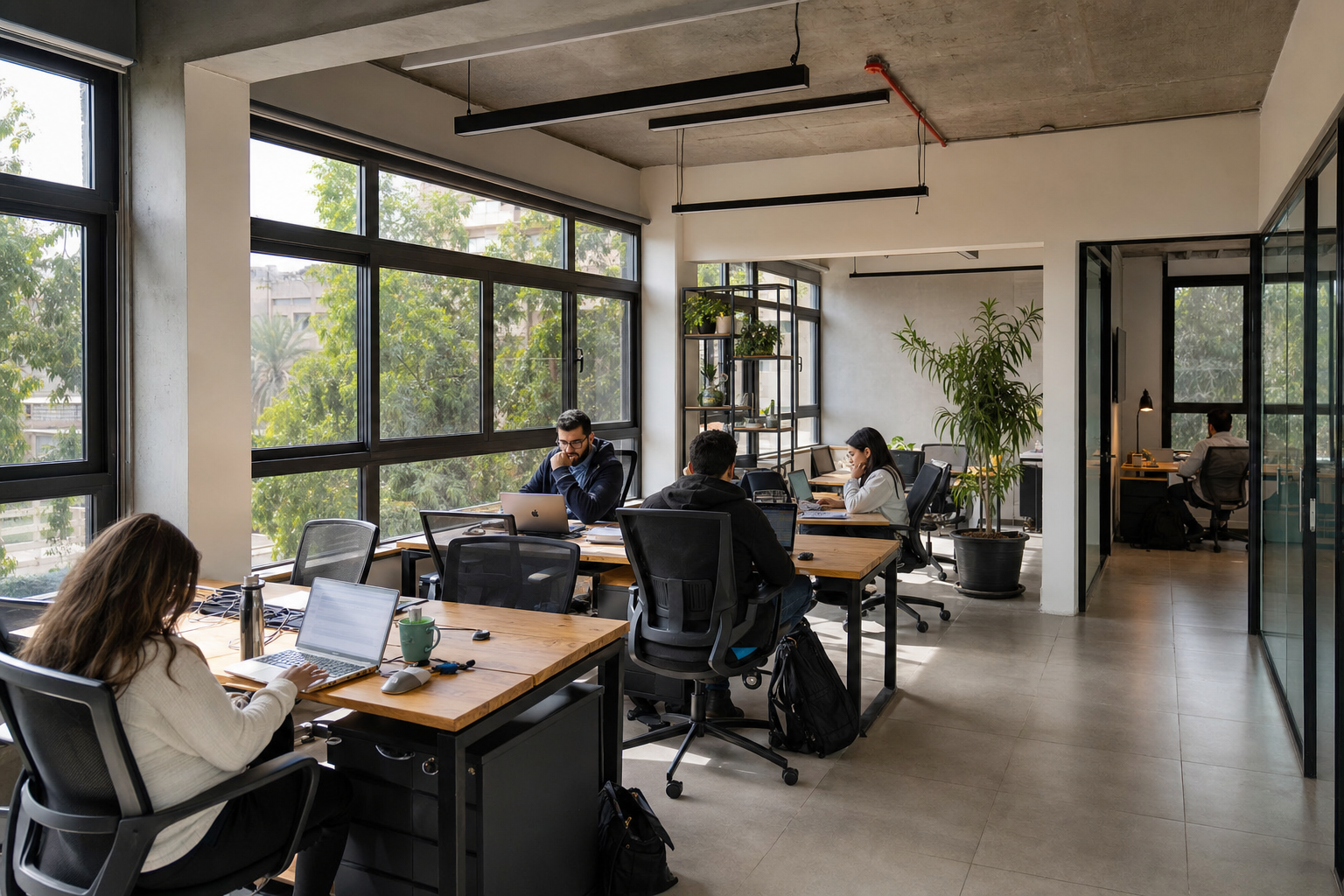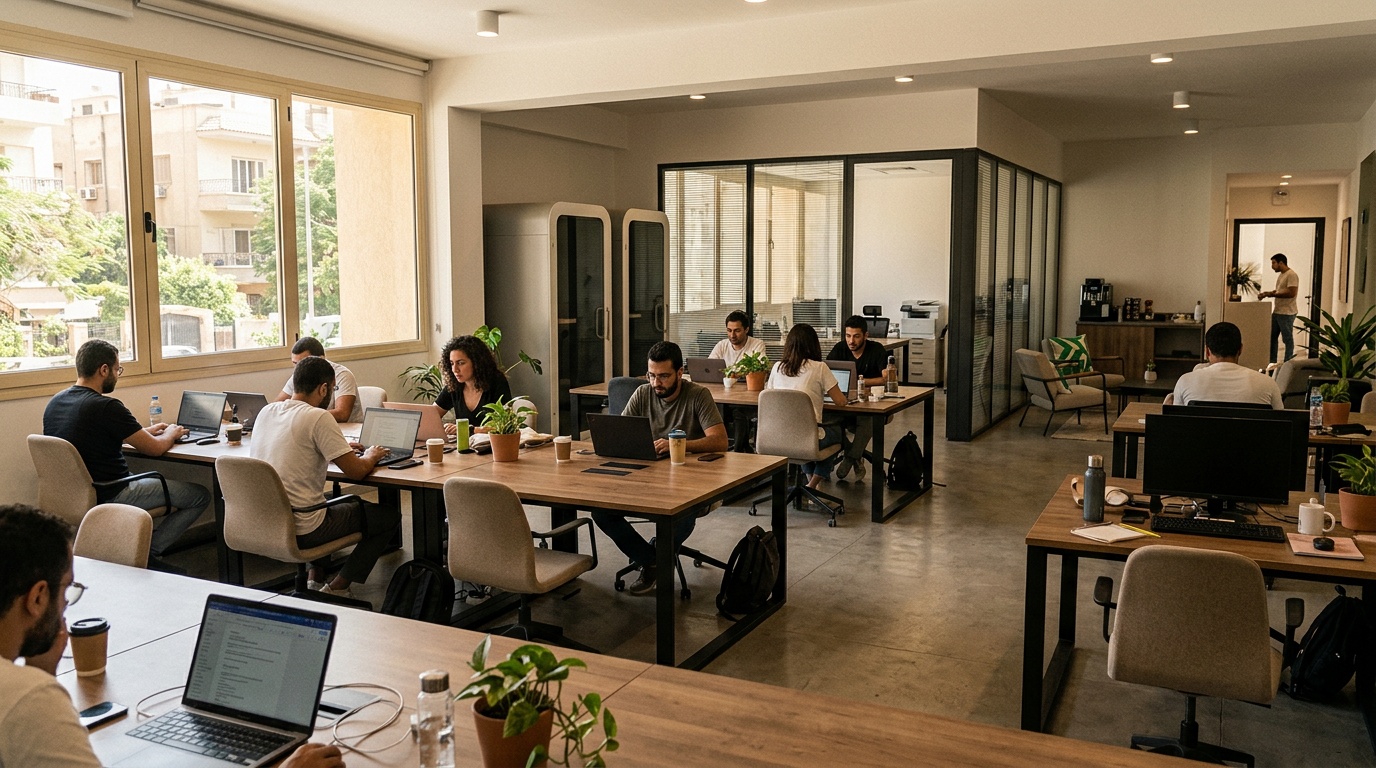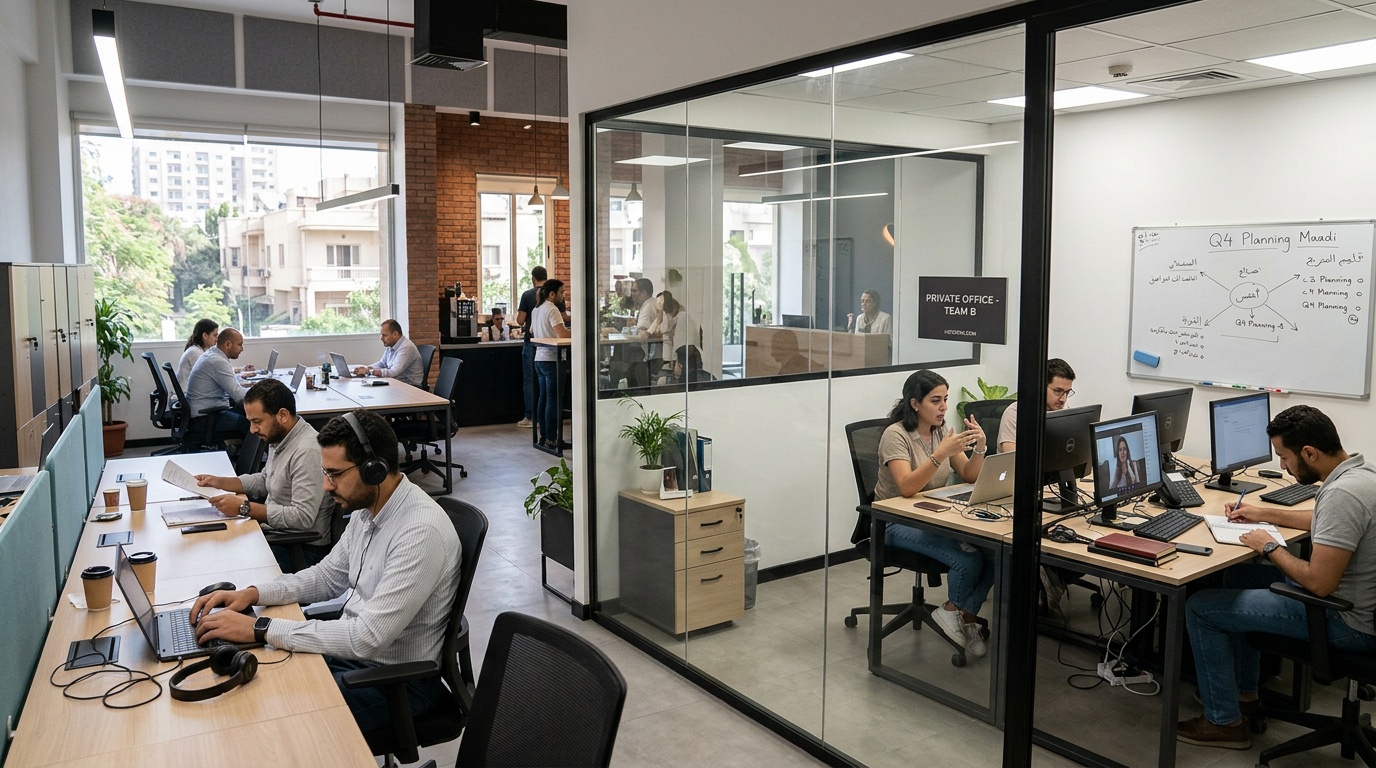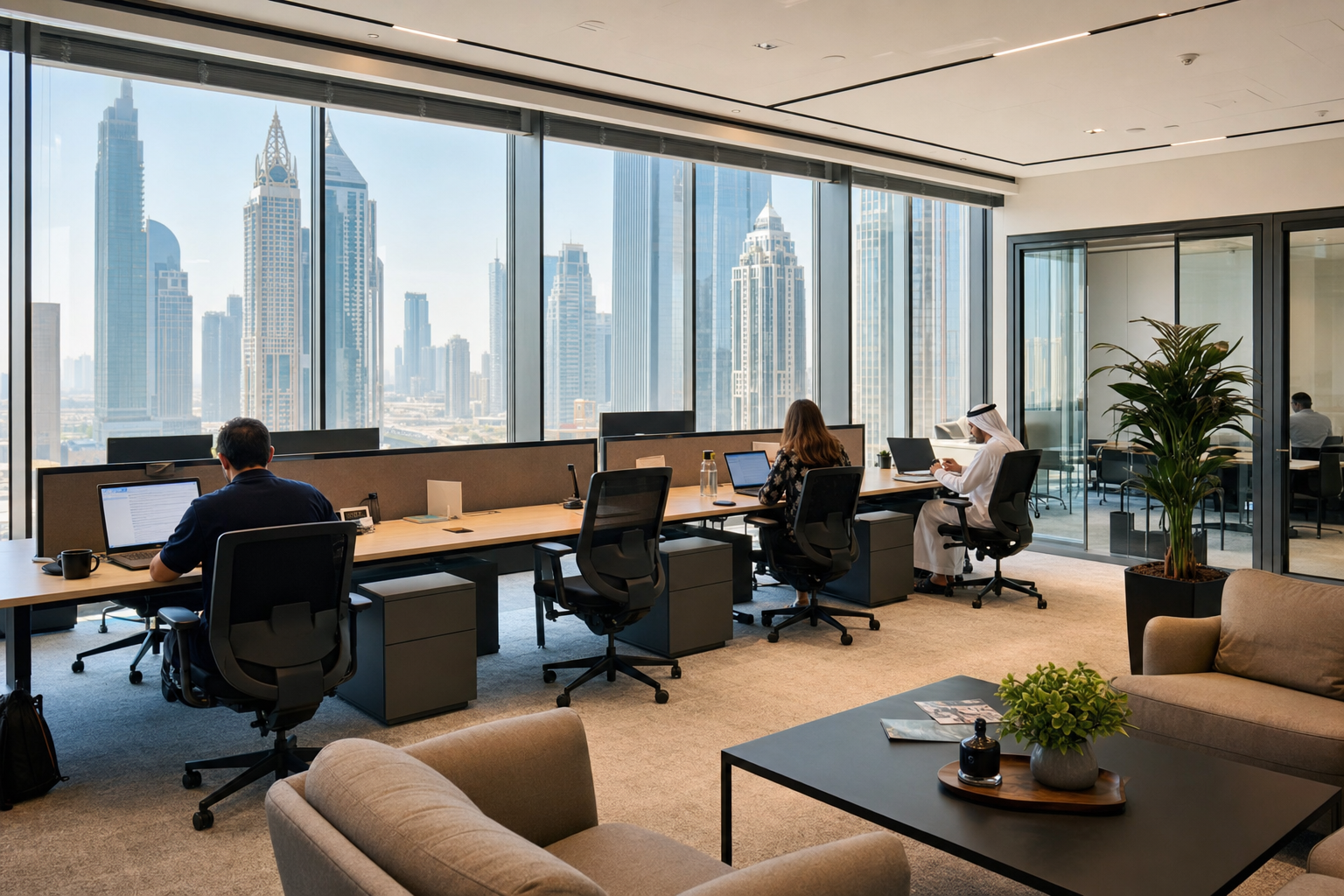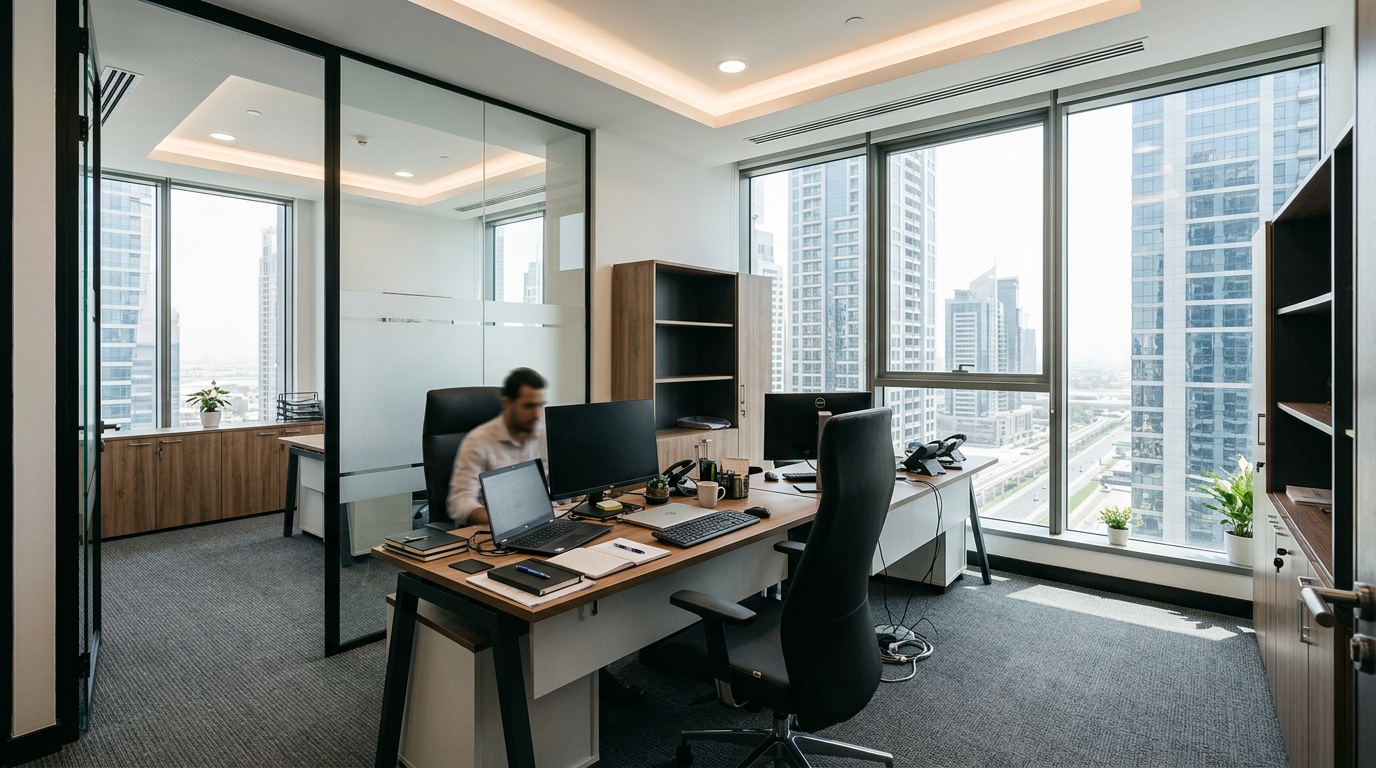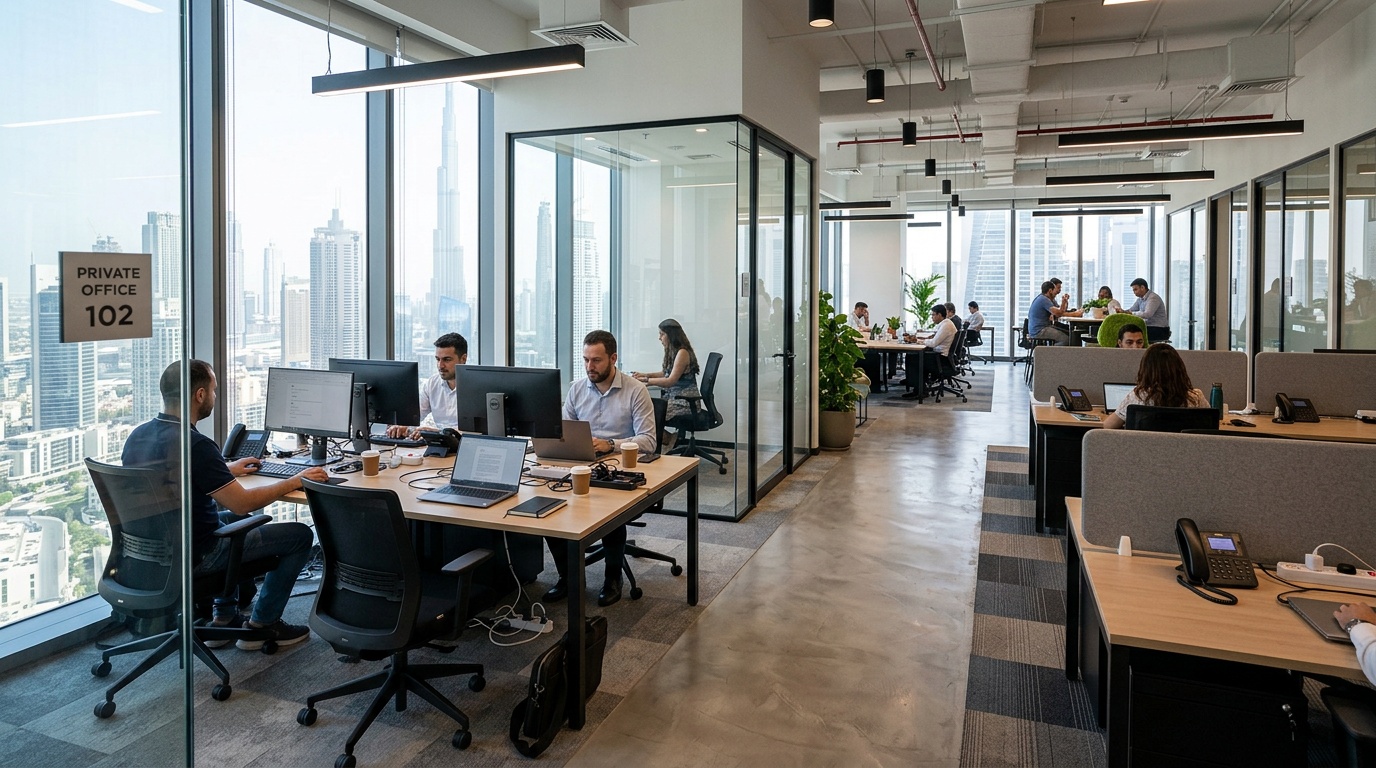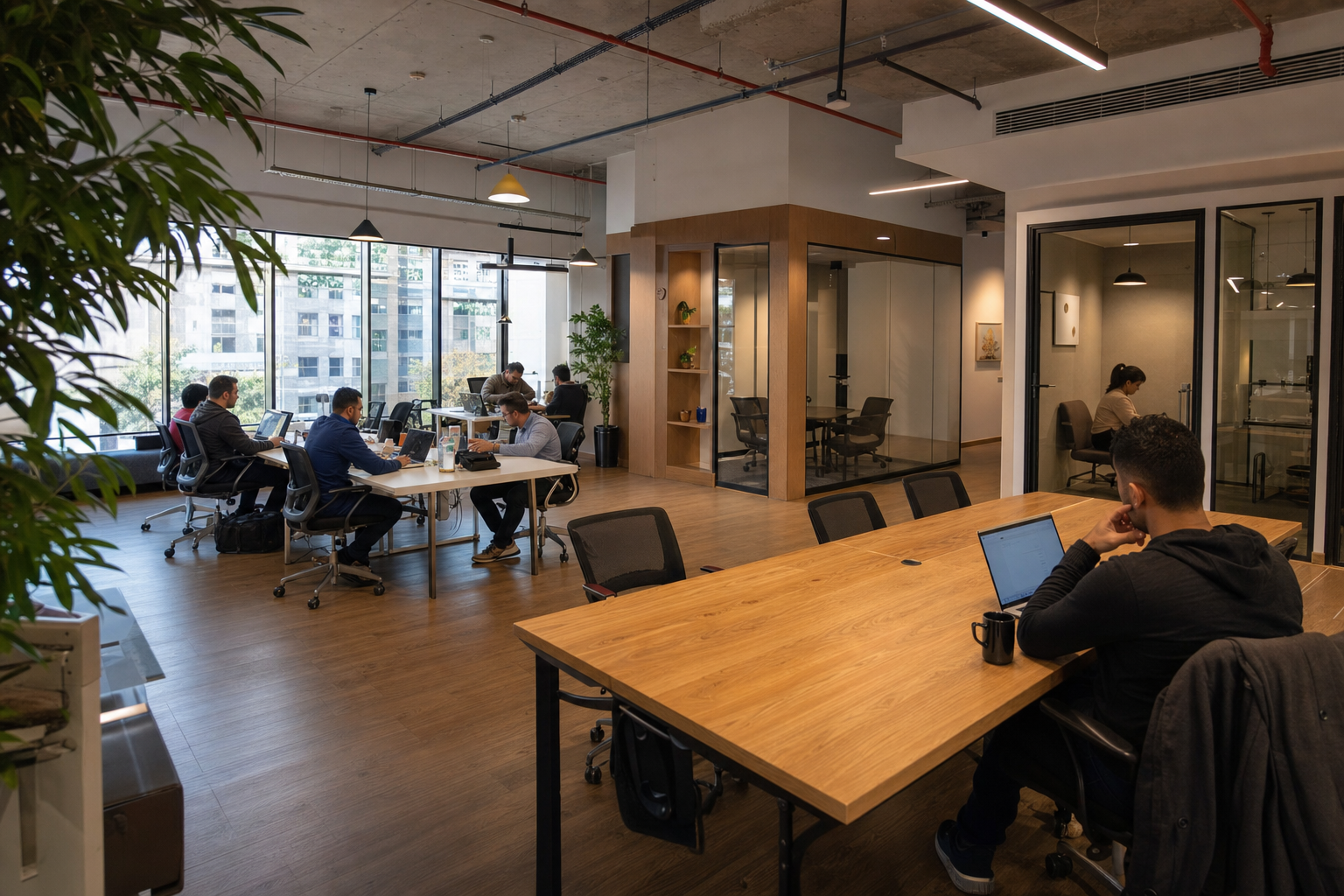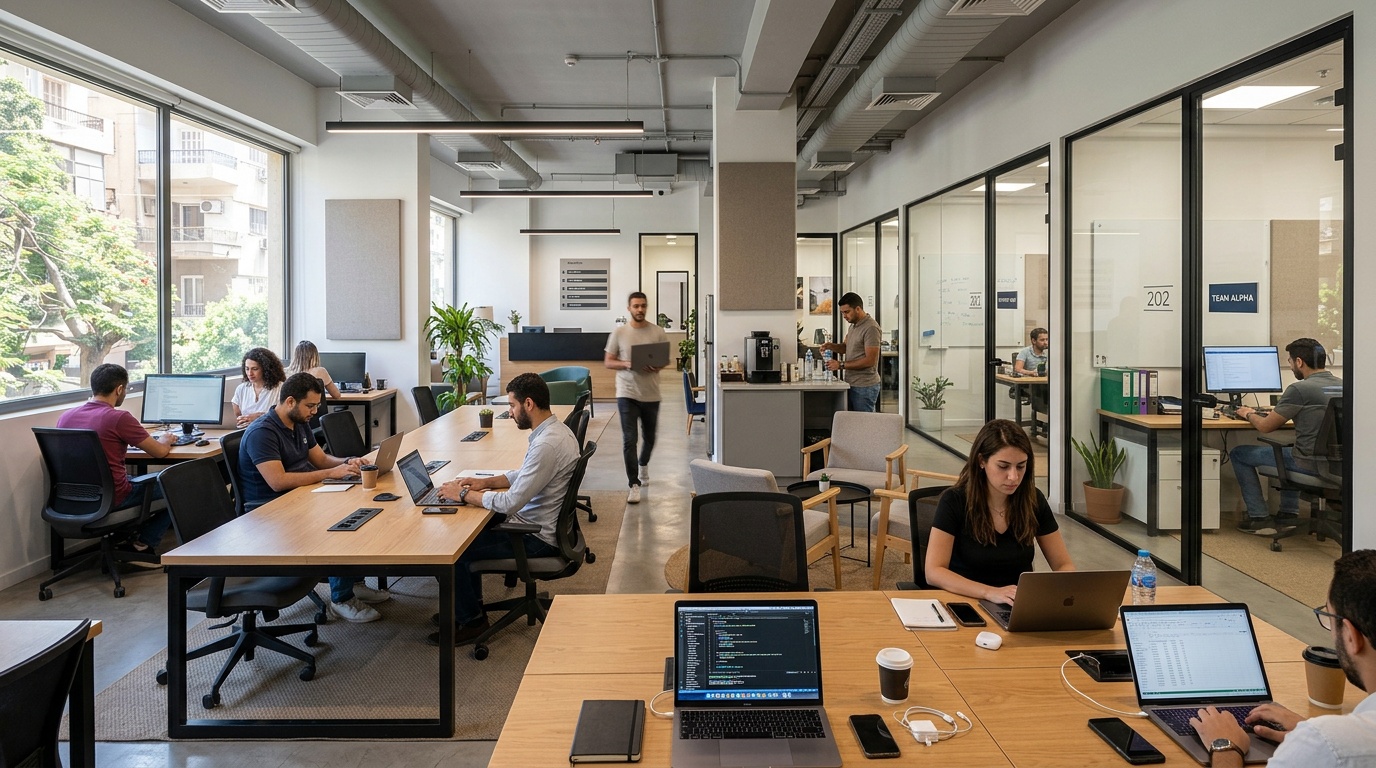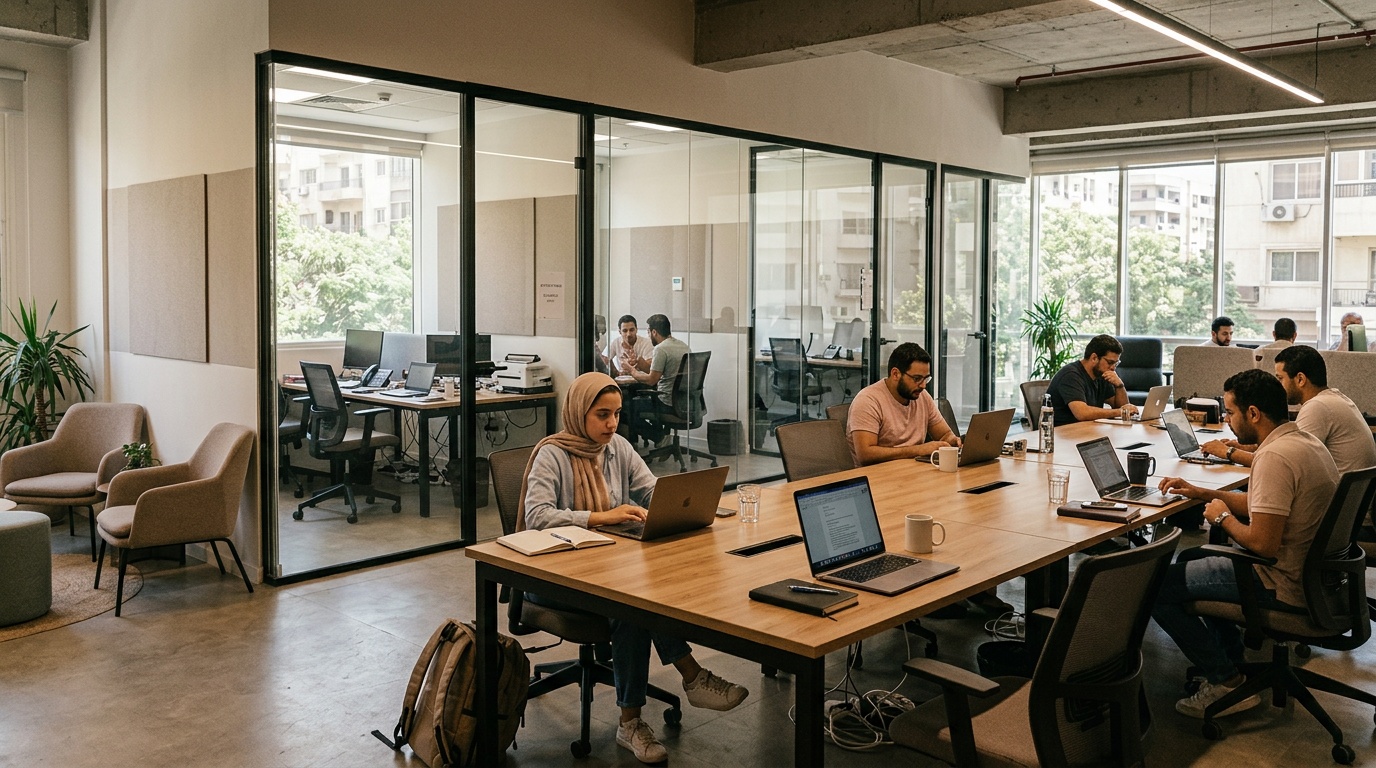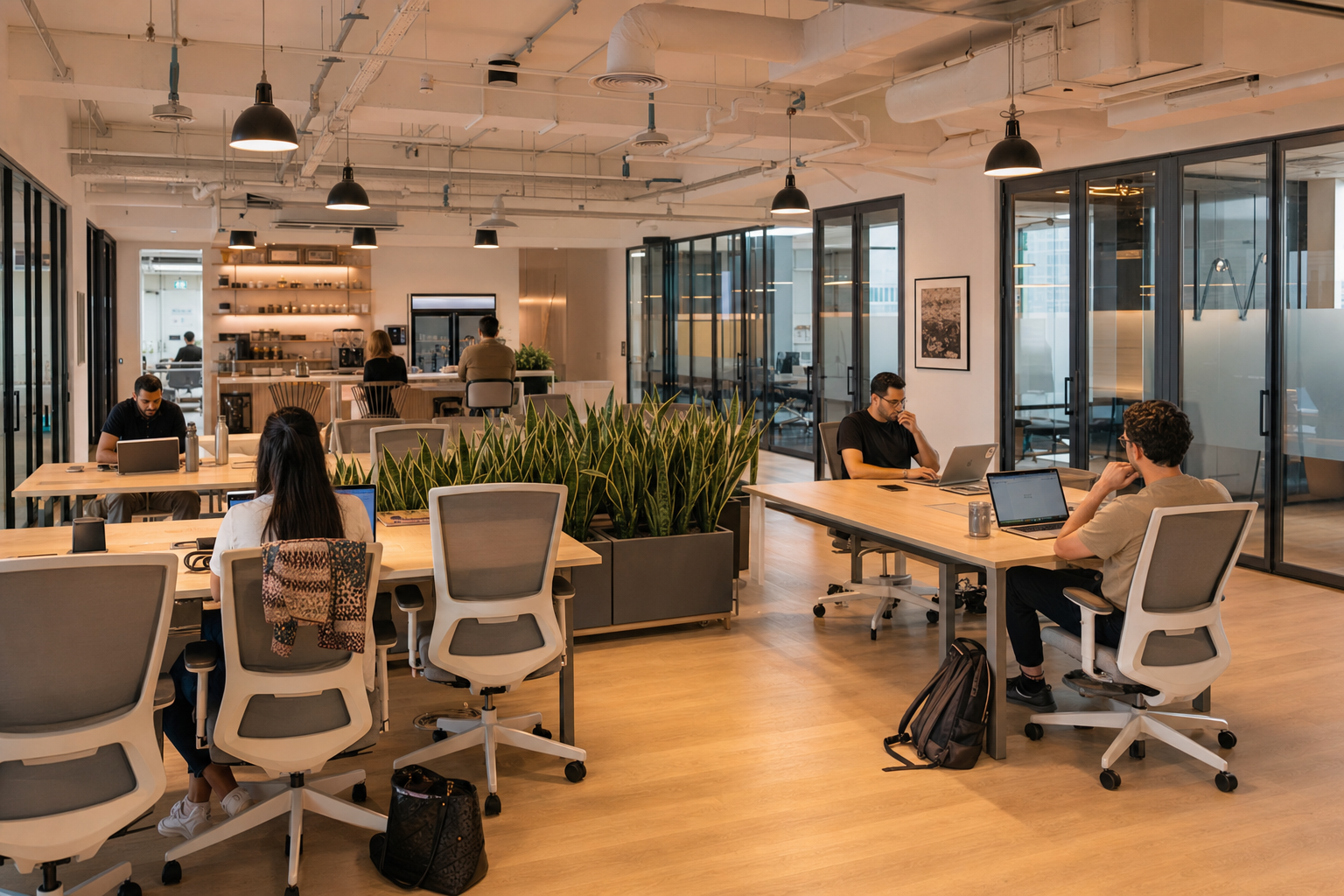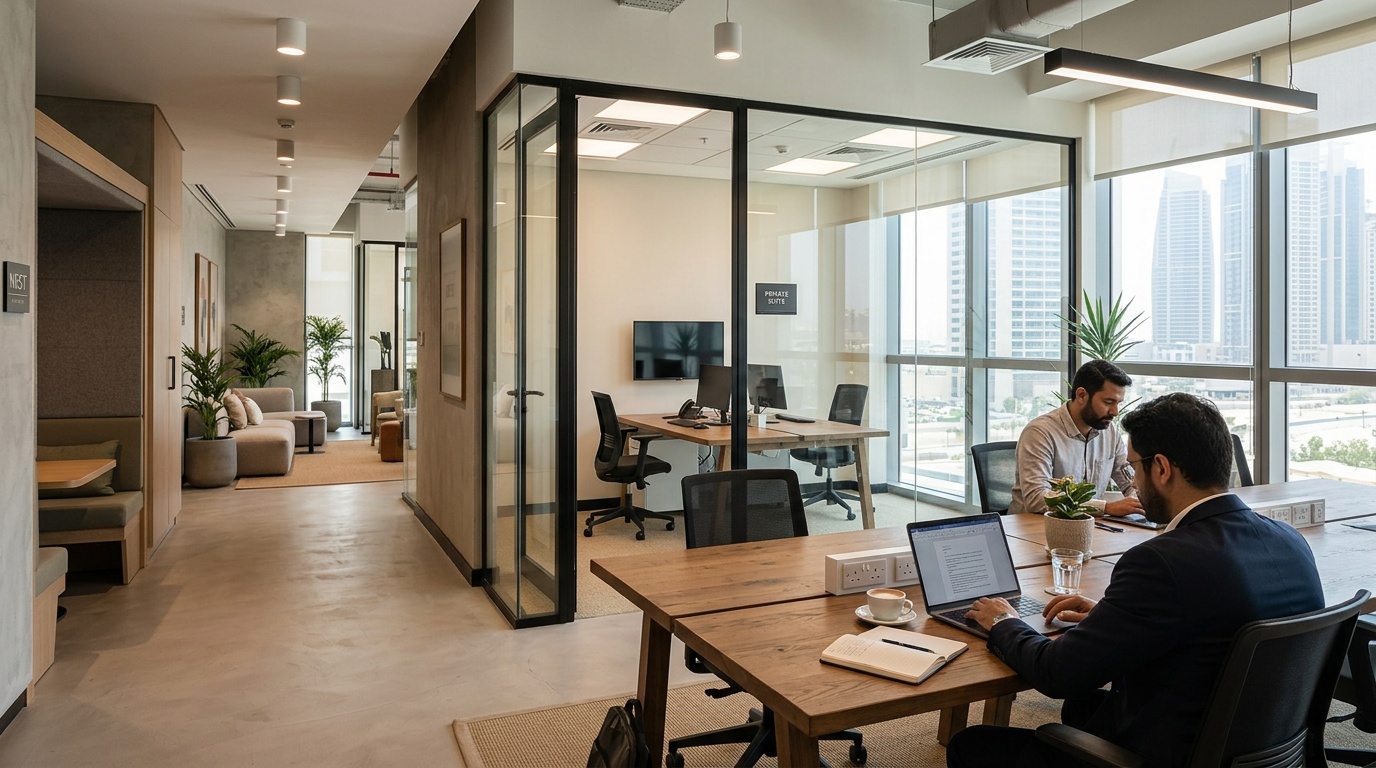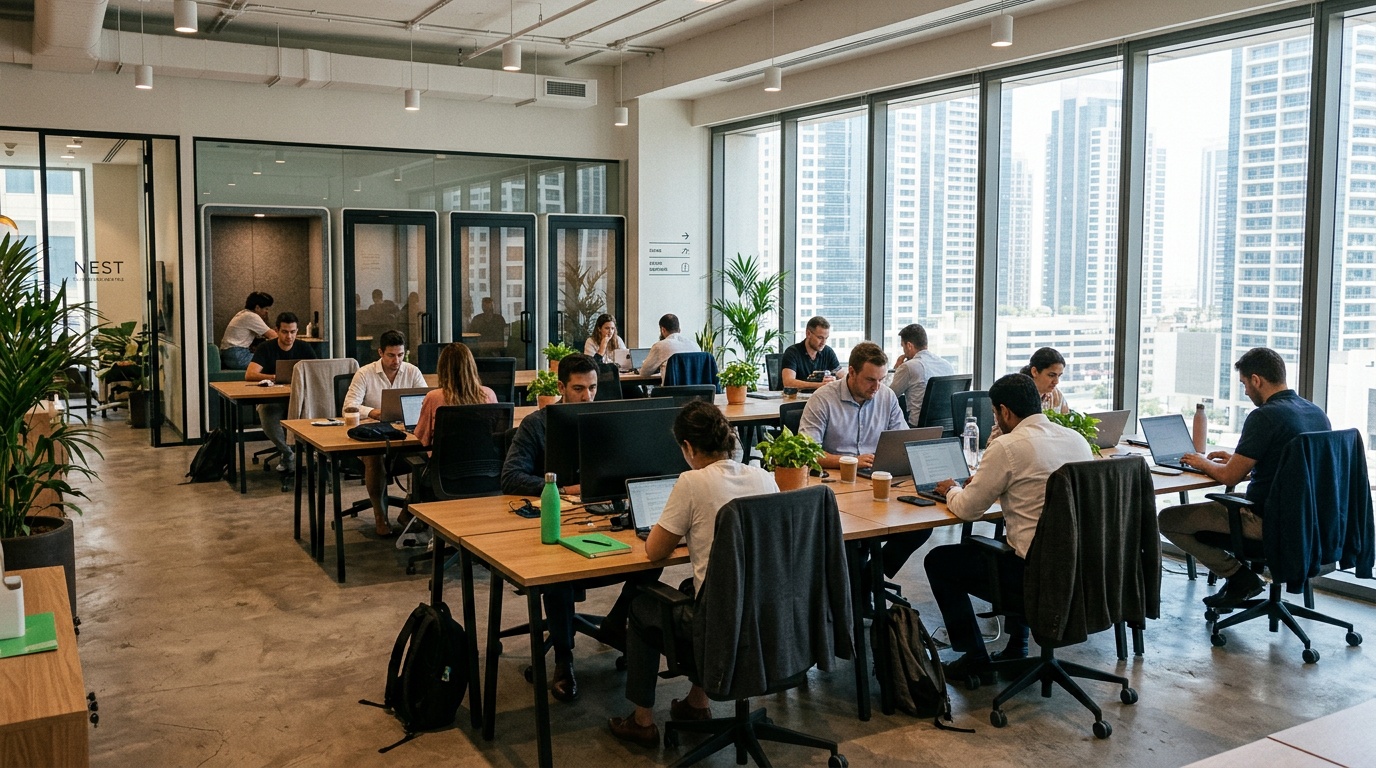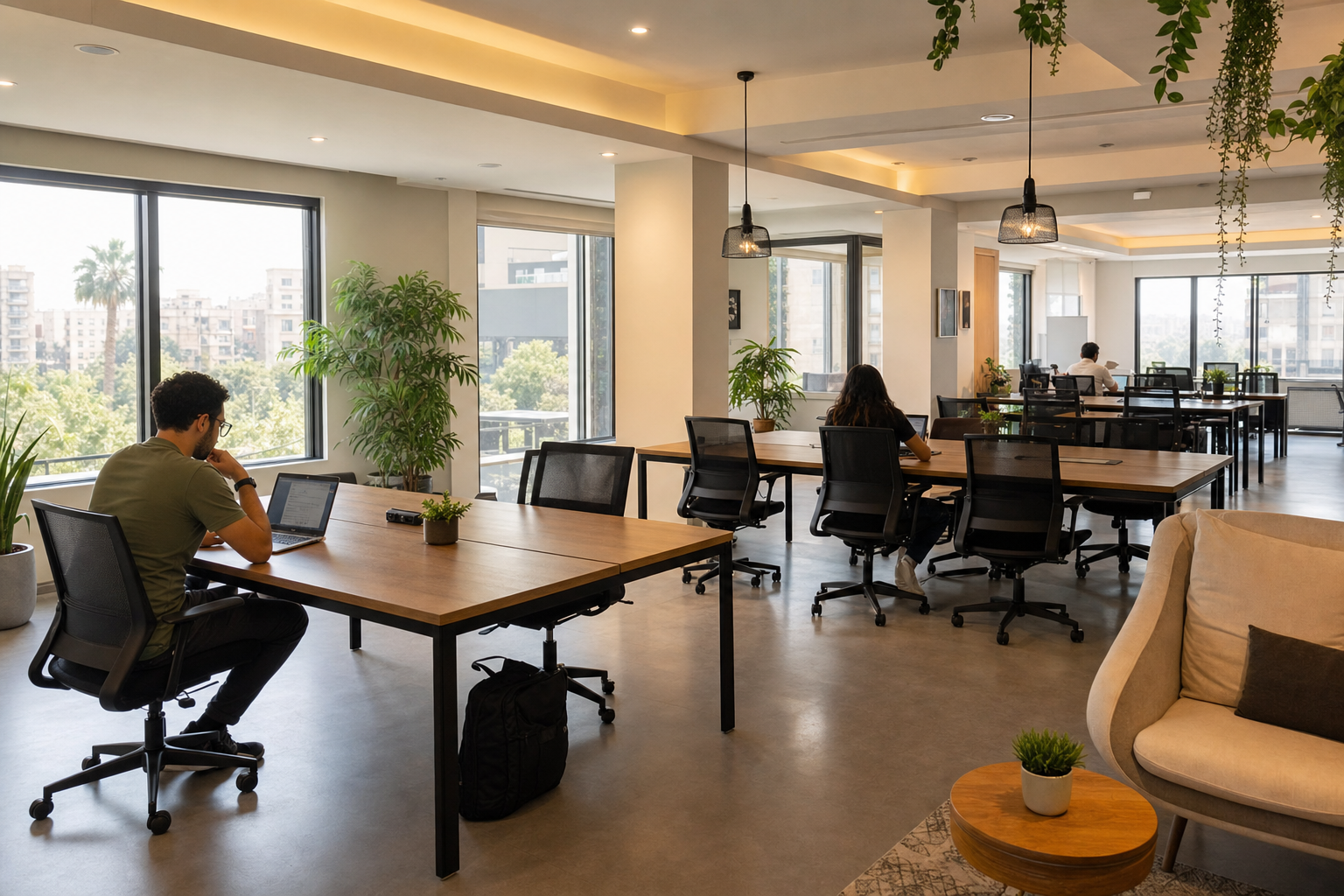
Looking for a quiet coworking space in Maadi for focused work.
Every distributed system asks you to manage new failure modes, and the modern workspace is no different. As we increasingly rely on flexible and remote work models, the promise of productivity often clashes with the reality of shared environments. The quest for a productive space isn’t just about finding a desk; it’s about finding an environment that supports deep concentration. For many professionals, especially those seeking a quiet coworking space in Maadi for focused work, the noise factor is the primary obstacle.
Key Takeaways
- Noise is a failure mode in distributed work systems, and quiet coworking spaces act as fault-tolerant design to eliminate interruptions.
- Finding a productive desk in Maadi means prioritizing environments that prevent the re-work caused by constant distractions.
- Sustained focus depends on more than just a chair and table, it requires an infrastructure built to support deep concentration without context-switching.
- Flexible work models introduce new failure points, and a quiet zone in Maadi is the resilience countermeasure that keeps professionals in flow.
My own experience, architecting systems that span continents and building infrastructure for diverse enterprise needs, has taught me that reliability isn’t about avoiding all potential issues, but about designing systems that gracefully handle them and, ideally, prevent common disruptions. In the context of coworking, this means understanding the subtle yet significant impact of your surroundings on your cognitive output. It’s about systems that travel with you, not places that demand constant reconfiguration due to their inherent design flaws. This article explores what truly constitutes a focus-conducive workspace, particularly within the unique setting of Maadi.
Why Quiet Matters: The Real Cost of Noise in Shared Workspaces
Noise in a shared workspace isn’t just an annoyance; it’s a direct impediment to cognitive performance and can lead to significant productivity losses.
How Distractions Derail Deep Work: Concentration Loss and Task-Switching
True deep work, the kind that drives innovation and complex problem-solving, requires sustained focus. When ambient noise levels rise, whether from chatter, phone calls, or background music, our ability to maintain this concentration erodes rapidly. This isn’t just about being annoyed; it’s about the cognitive load introduced by constant interruptions. Each distraction forces a mental reset, a process known as task-switching, which incurs a time and energy cost. Studies consistently show that even brief interruptions can take over 20 minutes to recover from, leading to a significant drop in output quality and quantity.
From an infrastructure perspective, think of your focus like a stable network connection. When noise levels fluctuate unpredictably, your mental ‘bandwidth’ is constantly being diverted to process irrelevant auditory information. This diverts resources from the task at hand, making complex thinking feel more taxing and less effective. For professionals looking for a quiet coworking space in Maadi for focused work, understanding this dynamic is the first step in identifying spaces that truly support their workflow.
The Difference Between Coworking Noise and Focused-Work Environments
Many coworking spaces are designed with collaboration and community in mind, which often translates to a lively, sometimes boisterous, atmosphere. This is excellent for networking or brainstorming sessions. But it is fundamentally different from an environment engineered for solitary, deep concentration. A focused-work environment prioritizes minimizing auditory distractions. This means dedicated quiet zones, sound-dampening materials, and clear policies on noise levels. It’s about creating an intentional calm, not just hoping for it.
The distinction lies in the underlying design philosophy. A collaborative space might feature open-plan layouts and communal areas designed to encourage interaction. A space built for focus, on the other hand, will incorporate elements like private phone booths, soundproofed meeting rooms, and designated ‘silent’ areas. This deliberate segregation of activities ensures that individuals engaged in demanding cognitive tasks are not constantly exposed to the ambient sounds of social interaction or casual conversation. This precision in design is what separates a productive sanctuary from a distracting hub.
Why Maadi’s Residential Layout Creates Both Opportunity and Risk for Quiet Seekers
Maadi, with its tree-lined streets and predominantly residential character, offers a unique potential for quiet workspaces compared to more commercially dense districts. This inherent calmness in the neighborhood can translate into quieter coworking environments. The lower baseline traffic noise and fewer large-scale commercial operations mean that the ambient soundscape is generally more subdued. This is a significant advantage for anyone seeking a peaceful atmosphere for concentration.
But the residential nature also presents risks. Some coworking spaces might be located within converted residential buildings or in areas with less stringent commercial zoning. This can lead to unpredictable noise from neighbors, street activity, or even building infrastructure not designed for commercial use. Furthermore, the definition of ‘quiet’ can vary greatly. A space that seems quiet during off-peak hours might become surprisingly noisy when community events are hosted or when different zones are not clearly delineated. Therefore, while Maadi’s layout offers a promising foundation for quiet work, careful evaluation of specific spaces is still essential.
5 Criteria for Finding a Truly Quiet Coworking Space in Maadi
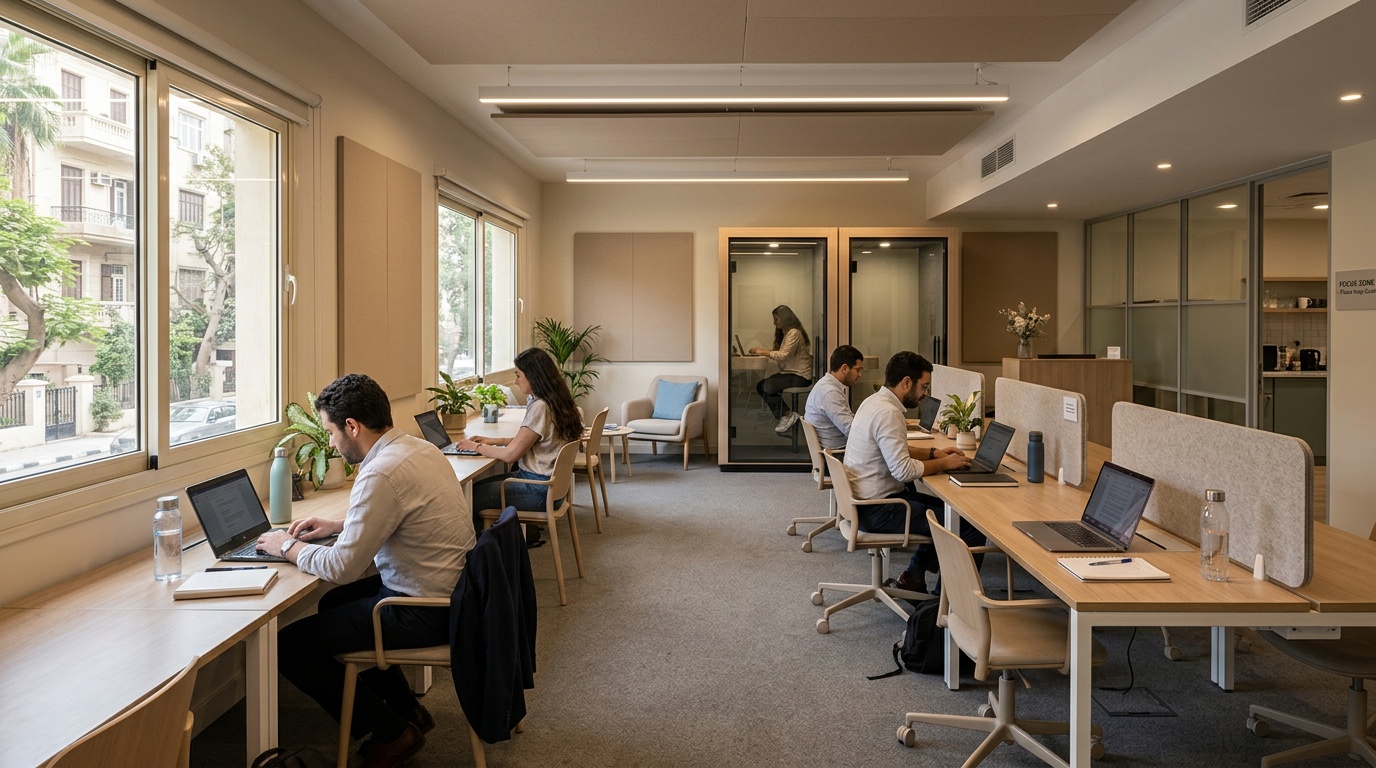
When you are looking for a quiet coworking space in Maadi for focused work, it’s easy to be overwhelmed by general amenities. However, specific criteria can help you cut through the noise, literally. My experience in architecting global infrastructure has shown me that attention to detail in design and operational policy directly impacts system reliability and user experience. The same principle applies to choosing a workspace. Focusing on these five key areas will help you identify a location that genuinely supports deep work.
Noise Policies and Enforcement (Written Rules vs. Culture)
The most critical factor for a quiet workspace is not just the physical structure, but the established culture and explicit policies regarding noise. Look for spaces that have clear, written guidelines for noise levels, especially in designated quiet zones. More importantly, observe how these policies are enforced. A space with a strict ‘no talking’ policy in its silent areas, actively managed by staff, will provide a far more conducive environment than one where rules are loosely applied or ignored. This is akin to system governance; clear rules are important, but the enforcement mechanism determines their effectiveness.
Ask about their approach to managing noise. Do they have staff who monitor quiet zones? What are the procedures for addressing noise disturbances? Some spaces might use visual cues, like colored lights, to indicate quiet zones. Understanding the commitment to maintaining a low-noise atmosphere is paramount. This goes beyond marketing claims; it requires an operational discipline that prioritizes focus for its members, ensuring that the environment remains predictable and calm, which is essential for sustained concentration.
Physical Design: Soundproofing, Quiet Zones, Phone Booths, and Layout
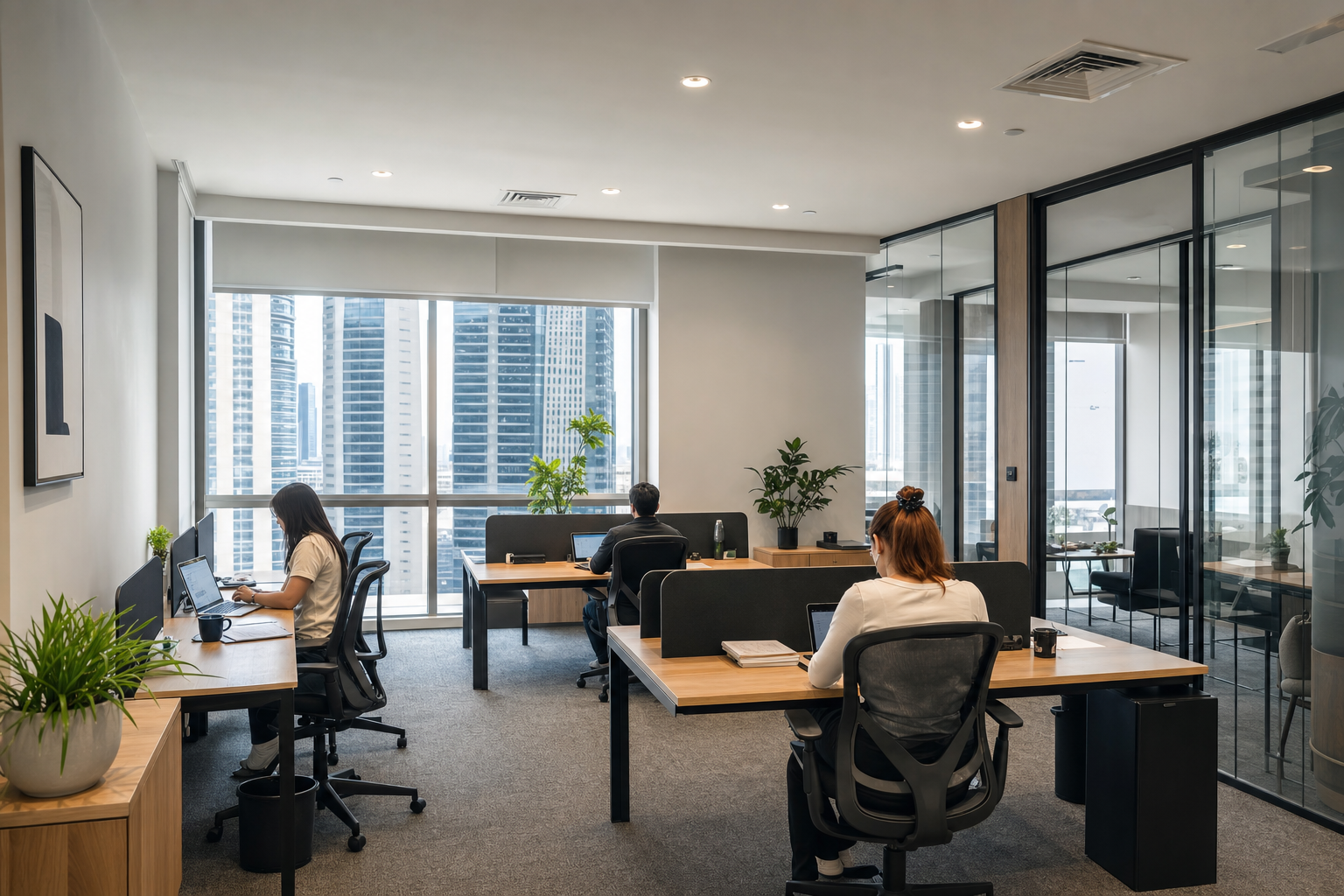
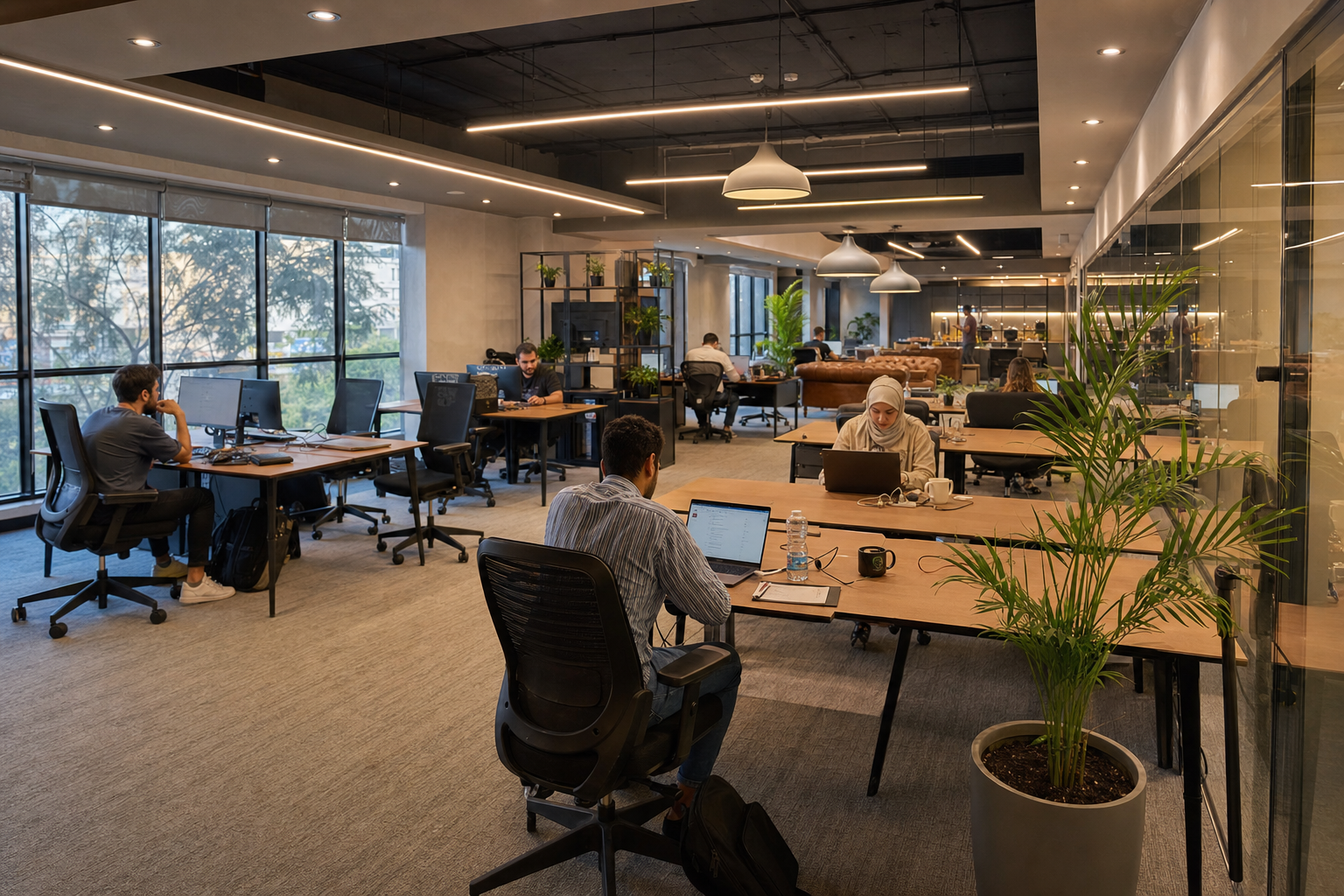
The physical architecture of a coworking space plays a significant role in its acoustic properties. Spaces designed with focus in mind incorporate specific features. This includes soundproofing materials in walls, floors, and ceilings to absorb or block external noise. Look for clearly demarcating quiet zones, often separated from communal areas by glass partitions or walls. The availability and number of private phone booths or small, sound-insulated rooms are also key indicators. These provide essential spaces for private calls or focused tasks without disturbing others.
Consider the overall layout. An open-plan design, while popular, can amplify noise. A well-designed space will strategically place desks, common areas, and quiet zones to create natural buffers. For example, placing a library-style quiet zone away from the entrance or cafe area is a common strategy. When evaluating potential spaces, pay attention to the materials used. Carpeting, acoustic panels, and dense furniture can all contribute to a quieter atmosphere. A space engineered for scale and focus will have considered these acoustic details.
Amenities That Support Focus: Ergonomic Seating, Reliable WiFi, Power Outlets, Natural Light
Beyond noise reduction, a truly productive workspace provides amenities that enable sustained work without distraction. Ergonomic seating is essential for comfort during long work sessions, preventing physical strain that can detract from mental focus. Reliable, high-speed WiFi is non-negotiable; a slow or unstable connection is a direct impediment to productivity, especially for remote workers. Ample, accessible power outlets ensure your devices stay charged, preventing the anxiety of a dying battery.
Natural light is also a significant factor. Exposure to daylight has been linked to improved mood, reduced eye strain, and better sleep patterns, all of which contribute to improved cognitive function and sustained focus. When assessing spaces, check for good lighting, comfortable seating arrangements, and the availability of amenities that remove friction from your workday. These elements, combined with a quiet environment, create a comprehensive ecosystem for deep work. While not directly related to acoustics, these support features are critical for maintaining productivity throughout the day.
For example, when considering options, one might look at the availability of private offices or dedicated quiet desks. Spaces like Coworking Naubostik, though located elsewhere, serve as an example of a well-designed space that understands the need for varied work environments. The principle of offering distinct zones for different types of work. Collaborative, private, and silent. Is what Hotdesk advocates for globally. Identifying these features in Maadi’s local offerings is key to finding your ideal focus zone.
Quiet Coworking Spaces in Maadi: A Focused Work Comparison
When you’re looking for a quiet coworking space in Maadi for focused work, navigating the options requires a specific lens. My background in architecting resilient infrastructure across 80+ countries has taught me that the effectiveness of any system depends on its ability to meet precise operational requirements. For professionals seeking deep concentration, this means evaluating coworking spaces not just on their general appeal, but on their specific capacity to minimize distractions and support sustained cognitive effort. While many spaces tout flexibility and community, few are truly engineered for quiet productivity.
This section examines several coworking spaces in Maadi, critically assessing their suitability for focused work. We move beyond generic descriptions to offer a comparative analysis based on factors that directly impact concentration: noise policies, the availability of quiet zones and private spaces, and the overall environment conducive to deep work. Understanding these distinctions is key to finding a workspace where your workflow remains uninterrupted, ensuring that your time spent working is as productive as possible.
The Nest, MQR Spaces, Espaces, Kapitalize, Qdysk. Plus lesser-known gems
Maadi offers a growing selection of coworking options, each with its own character and operational focus. Spaces like The Nest often aim for a community feel, which can sometimes lean towards a more social atmosphere. MQR Spaces and Espaces might offer more structured environments, potentially with better-defined quiet areas. Kapitalize and Qdysk, along with other emerging venues, present varying degrees of focus on dedicated quiet zones and private work environments. The challenge for users is discerning which of these truly prioritize silence over social interaction.
When evaluating these venues, it’s important to look beyond their general descriptions. My experience building systems for enterprise clients revealed that the devil is in the details of execution and policy. A space might claim to be quiet, but without clear operational protocols and physical design elements to support it, that claim can fall short. We must consider the practical implications for deep work, such as the actual presence and accessibility of sound-dampened areas or private call booths.
Noise Policy, Phone Booth Count, Private Offices, and Noise Rating for Each
To identify the best spaces for concentration, we need specific data points. A strong noise policy, clearly communicated and enforced, is paramount. This includes rules about phone calls in open areas and maintaining silence in designated zones. The number of available phone booths or small, sound-insulated rooms directly correlates with a space’s ability to accommodate private conversations or focused tasks without disruption. Similarly, the availability of private offices provides a guaranteed quiet sanctuary for those needing consistent solitude.
We can assign a qualitative noise rating based on these factors. A space with a strict ‘silent zone’ policy, numerous private booths, and a layout minimizing open-plan noise would receive a high rating for focus. Conversely, a space with limited quiet areas, few private rooms, and a general atmosphere encouraging interaction would score lower. My approach to system design prioritizes clear metrics and observable performance; the same applies here to evaluating workspace quality. For instance, Coworking Naubostik in Barcelona, while not in Maadi, exemplifies a well-structured approach by offering distinct zones for different work styles, a principle that should guide our local search.
Pricing Overview: Day Passes, Monthly Memberships, Hourly Rates (from $)
Understanding the pricing structure is essential for aligning your workspace needs with your budget. Most coworking spaces offer a range of options, from flexible day passes for occasional use to monthly memberships for dedicated users. Hourly rates might also be available for very short-term needs, such as a few hours of focused work. The cost can vary significantly based on the amenities offered, the type of space (hot desk, dedicated desk, private office), and the included services like meeting room access or printing.
When comparing prices, it’s important to look beyond the sticker price and consider the value provided, particularly concerning quiet and focus. A slightly higher price for a space with proven soundproofing, ample private rooms, and a culture that respects deep work is often a better investment than a cheaper option that delivers constant distractions. For those looking for a quiet coworking space in Maadi for focused work, the ability to book a private office for a day or secure a membership that guarantees a quiet zone can justify a premium. This ensures that your workspace investment directly supports your productivity goals, much like investing in reliable infrastructure prevents costly downtime.
Maadi Coworking Space Comparison for Focused Work
| Space Name | Primary Focus | Quiet Zones | Phone Booths | Private Offices | Noise Rating (Focus) | Day Pass (Est. $) | Monthly Hot Desk (Est. $) |
|---|---|---|---|---|---|---|---|
| The Nest | Community, Networking | Limited | Few | Limited | Low | $10 – $15 | $150 – $200 |
| MQR Spaces | Professional, Flexible | Designated Areas | Moderate | Available | Medium | $12 – $18 | $170 – $220 |
| Espaces | Collaboration, Events | Some | Moderate | Available | Medium-Low | $15 – $20 | $180 – $250 |
| Kapitalize | Productivity, Business | Dedicated Quiet Area | Several | Available | High | $15 – $20 | $200 – $280 |
| Qdysk | Modern, Tech-Forward | Well-Defined Zones | Numerous | Available | High | $18 – $25 | $220 – $300 |
Note: Pricing is estimated and subject to change. ‘Noise Rating (Focus)’ is a qualitative assessment based on available information and common user feedback regarding noise levels and quiet zone effectiveness.
How to Test a Space for Focus Before You Commit
Committing to a coworking space without a thorough evaluation is akin to deploying a new system without rigorous testing; it can lead to unexpected failures and diminished returns. When your primary objective is finding a quiet coworking space in Maadi for focused work, a proactive testing strategy is indispensable. My experience building and scaling complex systems has ingrained in me the principle that real-world performance is the ultimate arbiter of design. This means going beyond marketing claims and assessing a space’s actual capacity to support your concentration.
The goal is to gather actionable data points that confirm a space’s suitability for deep work. This involves understanding not just the advertised features, but the lived experience of working there. By employing a structured approach to testing, you can make an informed decision, ensuring your chosen workspace actively contributes to your productivity rather than detracting from it. This methodical evaluation mirrors the process of stress-testing infrastructure to identify potential weak points before they impact operations.
The Day Pass Trial Strategy: What to Check in Your First Hour
The day pass is your most valuable tool for evaluating a coworking space. During your first hour, focus on observable elements that directly impact your ability to concentrate. Listen to the ambient noise levels. Are conversations easily audible from your desk? Are there frequent phone calls or loud group discussions? Note the proximity of different zones. Is the quiet area adjacent to a high-traffic zone? Assess the availability and quality of essential amenities like WiFi speed, power outlet access, and comfortable seating.
Also, observe the general atmosphere. Does it feel calm and conducive to work, or energetic and distracting? Pay attention to the staff’s interaction with members regarding noise. A space that actively manages disturbances is far more valuable than one that overlooks them. This initial assessment should cover the core requirements for a focused work environment, providing immediate feedback on whether the space aligns with your needs. It’s about validating the system’s performance under typical operating conditions.
Signs of a Noisy Space (Crowd Energy, Event Schedule, and Lack of Zoning)
Certain indicators can signal that a space may not be ideal for deep work. An overwhelming sense of ‘crowd energy’. A general buzz that feels more like a social hub than a workspace. Is a primary sign. Look for spaces that host frequent events, especially during typical work hours, as these can introduce significant noise and distraction. A lack of clear zoning, where collaborative areas, meeting rooms, and quiet zones are not distinctly separated or are too close to each other, is another red flag.
Consider the acoustics of the main work areas. Are there hard surfaces everywhere, leading to echo and sound amplification? Does the space feel open and airy, which often means sound travels easily? If the space lacks dedicated quiet rooms or soundproof booths, or if these are consistently occupied, it suggests a lower priority placed on individual focus. Identifying these patterns helps you avoid spaces that might be popular but fundamentally unsuitable for sustained concentration.
Questions to Ask the Host Before Booking
Engaging with the space’s management provides critical insights. Ask about their specific noise policies, particularly for designated quiet areas. Inquire about the enforcement mechanisms for these policies. Understanding the average occupancy during peak hours can give you an idea of potential noise levels. If you plan to take calls, ask about the availability, number, and booking process for phone booths or private meeting rooms. Clarify the WiFi service level agreement (SLA) to ensure reliable connectivity.
For those seeking a quiet coworking space in Maadi for focused work, also ask about the typical demographic of users. A space catering primarily to freelancers needing quiet work might differ significantly from one hosting frequent team meetups or workshops. Asking directly about their commitment to providing a focus-conducive environment will reveal their operational priorities. This due diligence mirrors the technical vetting process for system components, ensuring you select a partner that meets your performance criteria.
Key Insight: A coworking space’s commitment to quiet work is best judged by its tangible features (soundproofing, private rooms) and its operational policies (enforcement of noise rules). A thorough day pass trial, combined with direct questions to management, is your most effective method for validating these aspects before committing to a membership.
Why Maadi Is a Smart Base for Focused Remote Work
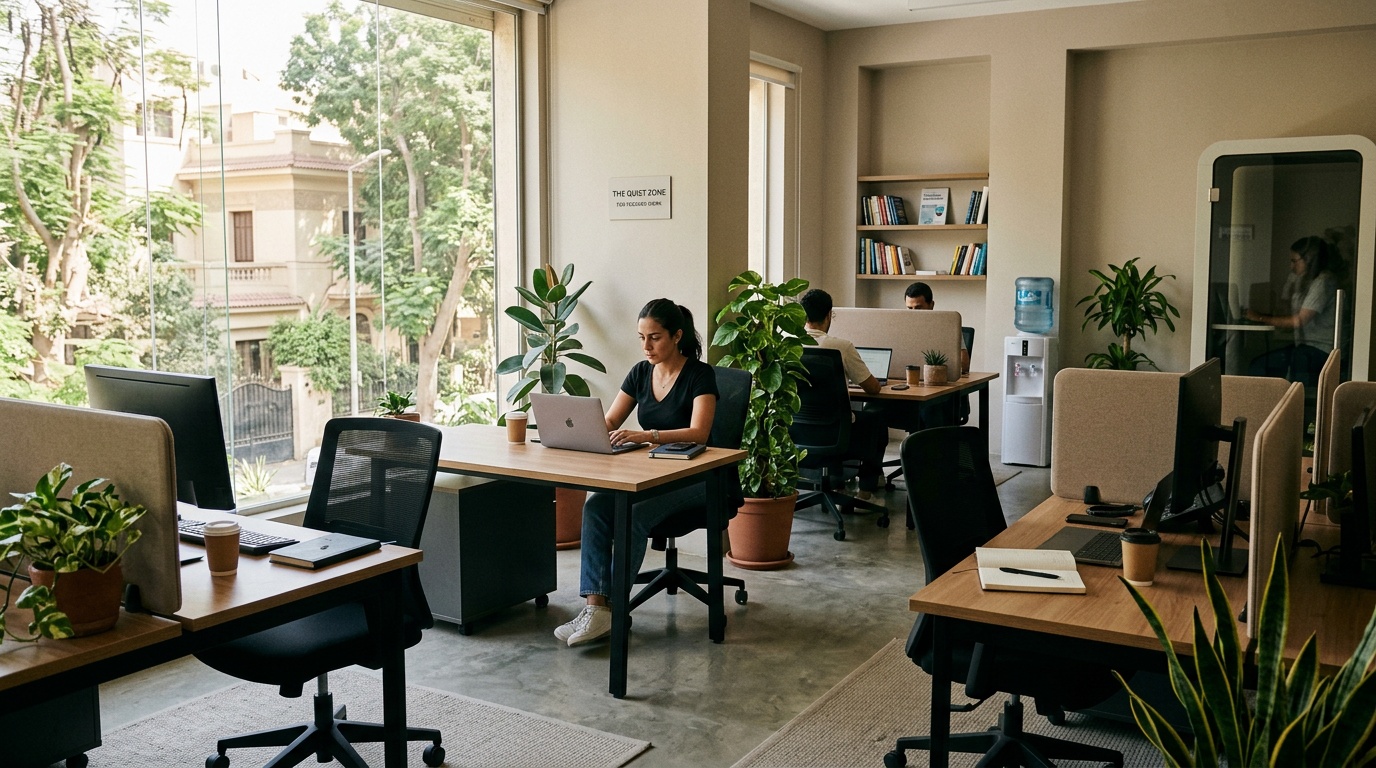
When searching for a quiet coworking space in Maadi for focused work, the choice of location itself is a foundational element of your productivity strategy. My work in architecting global infrastructure has shown me that the reliability and efficiency of any system hinge on its environmental context. Similarly, your remote work setup benefits immensely from a base location that minimizes inherent distractions and maximizes access to supportive amenities. Maadi, with its distinct character within Cairo, offers a compelling case for professionals prioritizing concentration and a calm working atmosphere.
This district provides an environment that often feels removed from the central city’s relentless pace, fostering a sense of calm that can translate directly into improved focus. Understanding Maadi’s unique advantages. Its infrastructure, its atmosphere, and its strategic position. Is key to unlocking its potential as a prime location for deep, uninterrupted work, setting the stage for how you might select a coworking space within it.
Location Advantages: Calm Streets, Metro Proximity (Maadi Station), Food Options
Maadi’s reputation as one of Cairo’s greener, more residential areas is its primary draw for those seeking tranquility. The wide, tree-lined streets inherently reduce ambient noise compared to more commercialized or densely populated districts. This calmer streetscape means less traffic noise and a generally more subdued background hum, creating a more peaceful environment that extends to the coworking spaces located within it. This foundational quiet is a significant asset for anyone looking for a quiet coworking space in Maadi for focused work.
Furthermore, Maadi boasts excellent connectivity, particularly with the presence of the Maadi Metro station. This provides convenient access to other parts of Cairo without needing to rely solely on personal vehicles, reducing commute stress and time. This accessibility ensures that while you can find a quiet haven, you remain connected to the city’s broader network. The district also offers a diverse range of food options, from local eateries to international cuisine, providing convenient and varied choices for work breaks without requiring extensive travel, supporting sustained presence in the area.
Comparison with Other Cairo Districts (Zamalek, New Cairo) for Quiet Work
When considering Cairo’s districts for focused work, Maadi stands apart from areas like Zamalek or New Cairo. Zamalek, while offering cultural attractions and a certain charm, is a densely populated island district prone to traffic congestion and a higher baseline noise level due to its commercial and residential mix. Finding consistently quiet work environments can be more challenging there, as the general atmosphere is more active and less geared towards sustained, solitary concentration.
New Cairo, on the other hand, is characterized by its vastness and modern infrastructure, often housing large corporate offices and expansive residential compounds. While it offers ample space and modern amenities, its sheer scale can lead to longer commutes between different zones, and the commercial centers can be quite busy. Maadi strikes a unique balance: it offers a more intimate, established, and inherently quieter residential feel, coupled with practical urban conveniences like the Metro. This makes it a more practical and peaceful choice for professionals whose work demands a low-distraction environment, unlike the often more chaotic or spread-out nature of other districts.
Cairo Districts: Suitability for Focused Remote Work
| District | General Atmosphere | Ambient Noise Level | Connectivity | Ideal For | Quiet Work Focus Rating |
|---|---|---|---|---|---|
| Maadi | Residential, Calm, Green | Low to Moderate | Good (Metro, Roads) | Deep Work, Quiet Coworking | High |
| Zamalek | Cultural, Bustling, Mixed-Use | Moderate to High | Moderate (Traffic Congestion) | Social, Creative, Short Stays | Medium-Low |
| New Cairo | Modern, Sprawling, Commercial | Moderate (Varies by Zone) | Good (Roads, but Vast) | Corporate, Long-Term Residents | Medium |
Note: ‘Quiet Work Focus Rating’ is a qualitative assessment based on typical characteristics of each district regarding noise, distractions, and environment conducive to concentration.
Safety and Residential Vibe. Ideal for Long Work Sessions
The residential vibe of Maadi contributes significantly to its suitability for extended work sessions. Unlike areas dominated by commercial activity, Maadi often feels safer and more settled, fostering a sense of security that allows for longer periods of focus without the underlying anxiety that can sometimes accompany working in busier, less predictable environments. This established neighborhood feel is conducive to deep, sustained concentration.
This sense of community and relative calm makes it an ideal base for remote workers who need to establish a routine and dedicate long hours to complex tasks. Whether you are utilizing a coworking space, a quiet cafe, or a home office within Maadi, the surrounding environment supports this prolonged engagement. It’s a district that feels designed for living and working deliberately, offering a stable backdrop for productivity that systems engineered for scale often require. A consistent, reliable environment.
References
Frequently Asked Questions
Ever wondered what makes a coworking space truly quiet for focused work?
A truly quiet coworking space minimizes auditory distractions through intentional design and clear noise policies. This means spaces incorporate sound-dampening materials and often have designated silent zones to support deep concentration, preventing re-work caused by interruptions.
How does noise in a shared workspace impact my ability to do deep work?
Noise in a shared workspace directly impedes cognitive performance by causing concentration loss and forcing task-switching. Each distraction requires a mental reset, costing significant time and energy, much like a fluctuating network connection disrupts system stability.
Why is Maadi a good location for finding a quiet coworking space, and what are the potential downsides?
Maadi’s predominantly residential character and tree-lined streets offer a naturally quieter neighborhood baseline compared to commercial districts. However, some spaces might face noise from residential neighbors or building infrastructure not designed for commercial use, requiring careful evaluation of specific locations.
What are the most important criteria for selecting a quiet coworking space in Maadi for focused work?
When selecting a quiet coworking space in Maadi for focused work, prioritize clear noise policies and their enforcement, alongside physical design elements that minimize sound. Also consider the neighborhood’s general quietness and the community’s culture regarding noise to ensure continuity of focus.
How do noise policies and their enforcement differ between collaborative and focus-oriented coworking spaces?
Collaborative coworking spaces often have a lively atmosphere suitable for interaction, while spaces designed for focus engineer calm by minimizing auditory distractions. A focus-conducive environment will have explicit written guidelines on noise levels and active enforcement to prevent disruptions to deep work.
What is the real cost of distractions in a coworking environment?
Distractions in a coworking environment lead to concentration loss and task-switching, which can take over 20 minutes to recover from. This constant mental reset diverts cognitive resources, significantly reducing output quality and quantity, much like system errors require costly re-work.