Regus Abu Dhabi: What You Actually Get for the Price
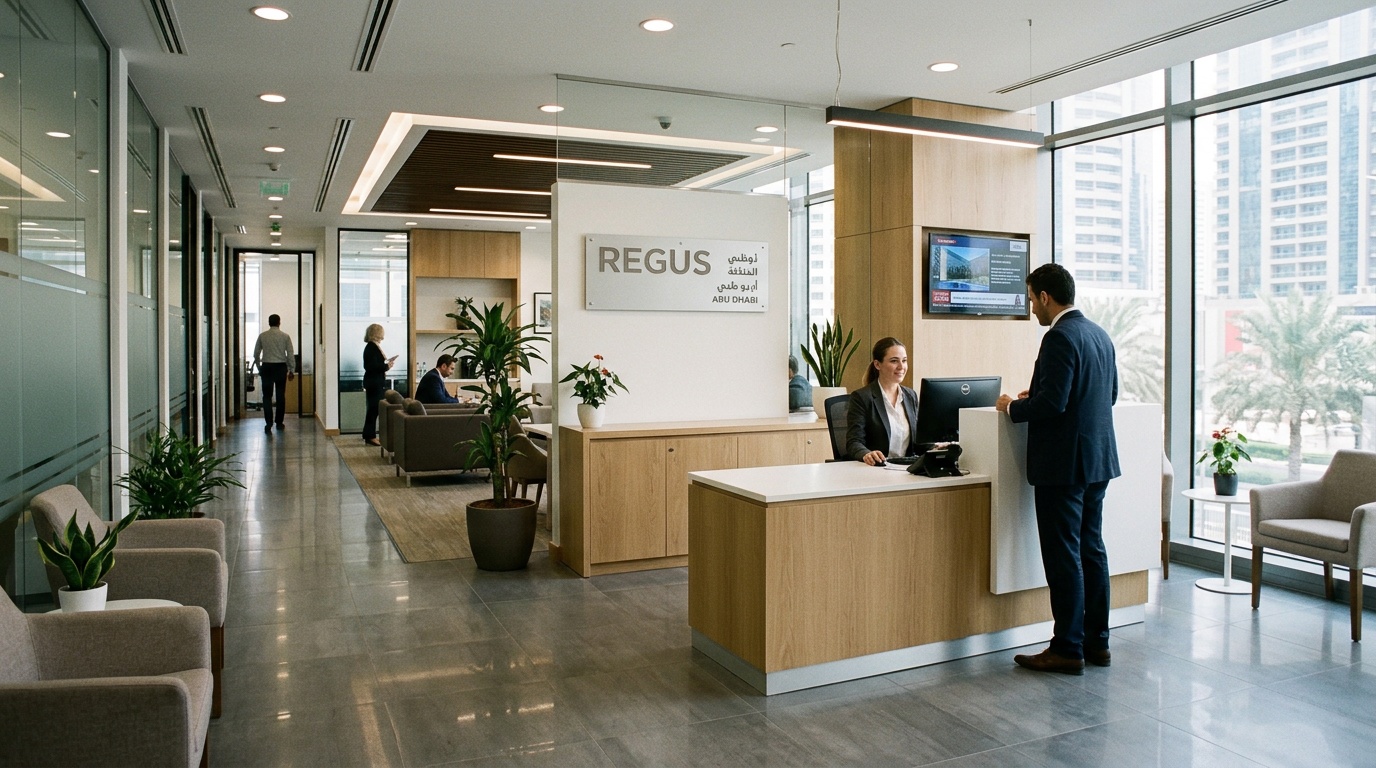
When you search for workspace in the capital, Regus Abu Dhabi appears across nearly every business district. The brand operates 28 locations throughout the city, from the central business corridor on Corniche Road to satellite hubs in Al Raha Beach and Yas Island. That breadth means you are never far from a Regus center, but the experience varies noticeably by building. Some locations occupy premium floors in grade-A towers with water views; others sit inside shared business centers where the signage and reception are shared with other tenants.
The Full List of Regus Locations in Abu Dhabi
| Location Name | Area | Workspace Types Available | Notable Features |
|---|---|---|---|
| Regus Abu Dhabi Downtown | Corniche Road | Private Office, Coworking, Meeting Room, Virtual Office | Waterfront views, near Etihad Towers |
| Regus Al Raha Beach | Al Raha Beach | Private Office, Coworking, Meeting Room, Virtual Office | Newer building, ample parking |
| Regus Yas Island | Yas Island | Private Office, Meeting Room, Virtual Office | Near Yas Marina, leisure district access |
| Regus Airport Road | Airport Road | Private Office, Coworking, Virtual Office | Convenient to Abu Dhabi International |
| Regus Al Maryah Island | Al Maryah Island | Private Office, Coworking, Meeting Room, Virtual Office | Financial district, luxury retail nearby |
| Regus Khalifa City | Khalifa City | Private Office, Virtual Office | Residential area, quieter setting |
| Regus Mohammed Bin Zayed City | MBZ City | Private Office, Coworking, Virtual Office | Growing business corridor |
| Regus Al Ain | Al Ain | Private Office, Meeting Room, Virtual Office | Garden city location, separate from Abu Dhabi island |
Each location offers a slightly different mix of workspace types. The downtown and Al Maryah Island centers are the most comprehensive, with coworking, private offices, meeting rooms, and virtual office plans all under one roof. Outlying centers like Khalifa City and MBZ City tend to focus on private offices and virtual addresses, with fewer drop-in coworking seats available. If you need daily coworking access, the downtown or Al Raha Beach locations give you the most flexibility.
Types of Workspace Available: Private Offices, Coworking, Meeting Rooms, Virtual Offices
Regus Abu Dhabi divides its product line into four main categories. Private offices are fully furnished, lockable rooms with a door, a desk, and network access, rented by the month or longer. Coworking is open-plan seating available by the hour, day, or month. Meeting rooms come in several sizes and are bookable by the hour. Virtual offices provide a business address, mail handling, and occasional access to meeting rooms or coworking space. Each category serves a different need, but the pricing structure and membership requirements differ significantly across them, which we cover in the next section.
Amenities That Matter and a Few That Don’t
Amenities That Matter
- Reliable high-speed WiFi with dedicated business-grade bandwidth
- Secure building access with 24/7 entry at most centers
- On-site reception and mail handling for virtual office clients
- Meeting rooms with AV equipment and video conferencing
- Cleaning and maintenance included in monthly rates
Amenities That Don’t Move the Needle
- Branded signage on a shared floor (rarely visible to clients)
- Complimentary tea and coffee (standard everywhere)
- Printing credits that expire monthly
- Access to a “global network” that requires separate booking fees
The amenities that actually affect your day-to-day experience are bandwidth, entry hours, and the condition of the furniture. Most Regus Abu Dhabi centers meet a consistent baseline, but older locations in downtown buildings may show more wear than newer ones on Al Maryah Island. The virtual office benefit of a professional address is genuine, but the mail forwarding and phone answering services vary by center and plan level. Check the specific center amenities on the Regus site before committing.
How Much Does Regus Abu Dhabi Cost? A Transparent Pricing Breakdown
Pricing for Regus Abu Dhabi is rarely posted in plain view. Most rates require filling out a quote form or speaking to a sales representative. Based on published data from Regus official pages, the following ranges apply for standard plans. These are starting prices and can increase based on location, contract length, and demand.
Per-Hour, Per-Day, and Per-Month Rates for Each Workspace Type
| Workspace Type | Per Hour | Per Day | Per Month (Starting) |
|---|---|---|---|
| Coworking (open plan) | AED 21 per person | AED 169 per person | AED 700+ per person |
| Private Office | Not offered hourly | AED 36 per person (day pass) | AED 1,500+ per person |
| Day Office (private room) | Not offered hourly | AED 459 per person | Not offered monthly |
| Meeting Room | AED 59+ per hour | AED 350+ per half day | Not offered monthly |
| Virtual Office / Business Address | Not applicable | AED 10 per day | AED 200+ per month |
These rates come directly from Regus pricing pages for Abu Dhabi. The per-hour coworking rate of AED 21 is the cheapest entry point, but it requires a membership or a registered account. The day office rate of AED 459 is substantially higher than a coworking day pass and is best suited for private calls or confidential work. Monthly private office rates vary widely by center size and floor level. A center on Al Maryah Island may cost 40 percent more than a comparable office in Khalifa City.
Hidden Fees and What They Actually Cover
The listed rates above are starting points. Regus Abu Dhabi charges additional fees that are not always disclosed upfront. A standard membership fee applies for coworking and virtual office plans, typically AED 100 to AED 200 per month. Meeting room bookings require a minimum spend commitment on some plans. Printing and scanning are often metered separately, with per-page charges that add up fast for heavy users. Parking is not always included; downtown centers charge daily or monthly parking fees that can reach AED 500 per month. Cancellation terms for monthly private offices usually require 30 to 60 days written notice, and early exit penalties apply. Always request a full fee schedule before signing any agreement.
Total Cost Example: A Week at Regus vs. an On-Demand Alternative
Consider a freelancer who needs workspace five days a week, seven hours per day. At Regus Abu Dhabi, buying five coworking day passes costs AED 845 (5 x AED 169). Adding a monthly coworking membership at AED 100 brings the week to AED 945 before any printing or parking. The same freelancer using an on-demand platform like Hotdesk can book a coworking seat at partner locations across Abu Dhabi for AED 80 to AED 120 per day, with no membership fee and no minimum commitment. Five days on Hotdesk costs AED 400 to AED 600, saving AED 345 to AED 545 per week. For the same budget as one week at Regus, you can work for nearly two weeks on Hotdesk. That difference compounds quickly for anyone who moves between neighborhoods or travels frequently. Hotdesk also lists Regus locations globally, including Regus 501 Congress Avenue in Austin, giving you access to Regus spaces without the long-term membership structure. For professionals who value flexibility over a fixed desk, the on-demand model delivers more days for the same dirhams.
Booking a Workspace at Regus Abu Dhabi: What to Expect (and What Might Surprise You)
Navigating the booking process for a workspace can sometimes feel like a labyrinth. Regus offers several avenues for securing space, aiming for accessibility. Whether you prefer to click through an app, browse a website, or speak with someone directly, the options are there. However, the flexibility and clarity of these methods can vary, and understanding the underlying membership structures is key to avoiding unexpected hurdles.
Step-by-Step Booking Guide: Online, App, Phone, Walk-In
Initiating a booking with Regus typically starts online through their official website or mobile application. Potential users can search for available locations, view workspace types, and check general availability. The online portal usually guides you through selecting a specific center, the type of space needed (private office, coworking day pass, meeting room), and the desired duration. For meeting rooms or day offices, you might see immediate pricing and availability. For private offices or coworking memberships, the process often transitions to a request for a quote or a direct contact with the sales team. Some users might find the app more streamlined for quick bookings like coworking passes. If digital channels feel less direct, calling the Regus customer service or the specific center directly can provide personalized assistance, though response times can differ. Walk-ins are generally not recommended for securing immediate workspace, as availability is best confirmed in advance.
Membership Requirements and the Fine Print
Regus operates on a tiered system that often requires some form of commitment, even for seemingly flexible options. While a coworking day pass can be purchased without a long-term contract, accessing regular coworking or virtual office services usually necessitates a monthly membership. These memberships come with specific terms regarding usage hours, included amenities, and cancellation policies. For instance, virtual office plans provide a business address and mail handling, but any access to meeting rooms or day offices requires separate booking and often incurs additional fees beyond the monthly subscription. Private offices typically involve longer-term commitments, often with a standard 30- to 60-day notice period for termination. It’s essential to scrutinize the fine print for details on contract durations, early termination penalties, and any recurring administrative fees that might not be immediately apparent in the advertised rates. Understanding these requirements upfront prevents surprises and ensures the chosen plan aligns with your actual needs.
What Users Actually Say: Trustpilot and Real Feedback
Real user experiences often paint a clearer picture than marketing materials. Online reviews, such as those found on Trustpilot and other user-generated content platforms, reveal a mixed sentiment regarding Regus services. Many users commend the brand’s extensive global network and the convenience of having a professional address and meeting rooms available in prime locations like Abu Dhabi. The availability of private offices and the general upkeep of many centers are frequently highlighted positively. However, recurring criticisms point to unexpected charges, a perceived lack of flexibility in some contracts, and inconsistent service quality across different locations. Some feedback suggests that while the advertised prices seem competitive, the total cost can escalate with additional fees for services like printing, parking, or exceeding included usage minutes. Users often advise thoroughly checking specific center details and contract terms before committing, particularly concerning the ease of cancellation and the true cost of amenities.
Pros
- Extensive network of locations globally and within Abu Dhabi.
- Professional business address and mail handling services available.
- Private offices offer dedicated, secure workspace.
- Meeting rooms can be booked by the hour for flexibility.
- App and online booking available for convenience.
Cons
- Pricing transparency can be an issue, with potential hidden fees.
- Membership requirements can lead to long-term commitments.
- Service and amenity quality can vary significantly by location.
- Cancellation policies may involve penalties or extended notice periods.
- Access to global network often requires separate booking fees.
The Regus Abu Dhabi Blind Spots Competitors Won’t Mention
While established providers like Regus offer a familiar framework for business accommodation, their traditional models can sometimes overlook the evolving needs of modern professionals and businesses. The assumption that long-term leases or fixed memberships are the default solution doesn’t always align with the fluid nature of work today. This can lead to significant unspoken costs beyond the listed rental price, particularly if your work requires mobility or fluctuating office space needs.
Why Long-Term Leases Aren’t the Only Option. And When They Still Make Sense
For businesses with highly stable teams and predictable growth trajectories, a long-term lease on a private office can indeed be a sound investment. These agreements often provide the most cost-effective rate per square foot and ensure consistent branding and operational control within a dedicated space. Companies requiring a significant physical presence for a large, permanent staff, or those needing specialized infrastructure that cannot be easily replicated, may find the security of a long-term lease invaluable. However, for the growing segment of the workforce that operates remotely, travels frequently, or experiences project-based demands, locking into a long-term commitment presents considerable risk. The market shifts, project scopes change, and team sizes fluctuate, making rigid, long-term arrangements a potential financial burden rather than an asset.
The Hidden Friction of Starting Over: Reset Costs Beyond the Lease
Every time a professional or a team transitions to a new workspace provider, especially one with a different operational model, there’s an inherent cost of reset. This isn’t just about finding a new address or signing a new contract. It includes the time spent re-orienting to new facilities, re-establishing network connections, and re-learning the booking and support systems. For individuals, it means the quiet friction of not recognizing faces, losing the established rhythm of a familiar environment, and the mental energy expended on adaptation. These are the softer, yet significant, costs that traditional workspace models, which often require new memberships or leases for each distinct location or service, can perpetuate. The continuity that comes from a platform designed to travel with you is often overlooked in favor of static, location-bound solutions.
How On-Demand Platforms Like Hotdesk Solve the Continuity Problem Regus Ignores
Platforms like Hotdesk address this friction by providing a layer of continuity across a vast network of workspaces. Instead of requiring a new membership for every location, an on-demand model allows professionals to access diverse spaces. From coworking areas to private offices and meeting rooms. Across multiple cities and providers, all managed through a single account. This approach eliminates the need to re-learn disparate booking systems or re-establish credentials in each new environment. It ensures that the familiar interface and payment structure remain consistent, regardless of where you choose to work. This preserves the sense of belonging and operational ease that is often lost when starting over, offering a practical solution for individuals and teams who move more than traditional systems expect. For example, if you’re working on a project in Austin, you might book Regus 501 Congress Avenue through Hotdesk, maintaining your consistent workflow and access model. This continuity is central to enabling productive work, wherever your projects take you.
The Cost of Starting Over
Beyond the monthly rent or membership fee, consider the less obvious costs associated with frequent workspace changes. These include the time spent researching new providers, negotiating contracts, setting up new access credentials, and the mental overhead of adapting to unfamiliar environments and support staff. On-demand platforms are designed to minimize this friction, offering a consistent user experience across a widely distributed network.
Beyond Regus: Is an On-Demand Workspace Platform Better for Your Situation?
The decision between a traditional workspace provider like Regus Abu Dhabi and a flexible, on-demand platform hinges on understanding your specific operational needs and financial priorities. While Regus offers a well-established network, its model often assumes a degree of permanence that doesn’t align with the fluid realities of modern business. For many, the true cost extends beyond monthly fees to include the friction of adaptation and the loss of continuity when moving between locations or services. Examining your own work patterns and growth plans is key to choosing a solution that truly supports, rather than constrains, your productivity.
When Regus Makes Sense and When It Doesn’t
Regus can be a suitable choice for businesses with predictable needs and a desire for a consistent, branded physical presence in specific locations. Companies requiring dedicated private offices for stable teams, those who value the administrative support of a front desk over many years, or individuals who prefer a single, familiar point of contact for all their workspace needs might find value. The 28 locations across Abu Dhabi mean you can often find a center conveniently located to your home or clients. However, Regus often becomes less ideal when flexibility is paramount. If your team size fluctuates, your projects demand work in diverse geographic areas, or you prefer not to be tied to long-term contracts and their associated cancellation clauses, the Regus model may prove restrictive and more costly than necessary when considering the total expense of adapting to its structure.
Regus vs. Hotdesk: A Side-by-Side Comparison of Flexibility, Pricing, and Convenience
The core difference lies in the approach to access and commitment. Regus primarily offers fixed memberships and leases, with pricing structures that can become complex when factoring in various amenities and location tiers. While they offer day passes, a consistent, affordable daily rate across many locations without a membership is less common. Hotdesk, conversely, operates on a pay-as-you-go, on-demand model. You access a vast network of spaces, including coworking areas, private offices, and meeting rooms from various providers, often at a lower daily or hourly rate than Regus’s equivalent offers, and critically, without requiring a long-term membership for each type of space. This means you pay only for what you use, when you use it. For instance, if your team needs a meeting room for a few hours in one district and then individual coworking desks in another neighborhood the next day, Hotdesk aggregates these options seamlessly. Regus’s strength is its ubiquity; Hotdesk’s is its adaptability, offering a more cost-effective and fluid solution for professionals who move frequently or have variable workspace requirements.
| Feature | Regus Abu Dhabi | Hotdesk (On-Demand Model) |
|---|---|---|
| Commitment Level | Typically requires monthly memberships or long-term leases for private offices. | Pay-as-you-go, no long-term commitments required for most spaces. |
| Pricing Structure | Monthly fees, hourly/daily rates for specific services, variable by location and plan. Can include hidden fees for amenities. | Transparent per-hour/per-day rates. All-inclusive pricing for booked slots. |
| Flexibility | Limited; often requires specific contracts for different space types or locations. | High; access diverse spaces (coworking, offices, meeting rooms) across a wide network. |
| Network Access | Access to Regus centers globally, but often requires separate membership or fees for different tiers. | Access to a broad network of independent and branded spaces, managed through one platform. |
| Continuity | Requires re-establishing terms and familiarity at each new Regus location. | Consistent platform and payment, regardless of the physical workspace chosen. |
| Best For | Stable teams needing dedicated, branded offices long-term; predictable usage patterns. | Freelancers, remote workers, startups, and flexible teams needing variable space and locations. |
How to Choose the Right Workspace in Abu Dhabi: A Practical Approach
Selecting a workspace provider in Abu Dhabi requires a clear assessment of your operational tempo. Start by quantifying your needs: How many people require space? What is the typical duration of your work sessions? Do you need a permanent address, or is flexibility more important? For individuals or small teams who frequently shift locations for client meetings, project sites, or personal convenience, an on-demand platform like Hotdesk offers superior cost-efficiency and ease of use. You can book a desk at a coworking space in Reem Island one day, and a private office near Al Bateen the next, all within the same app, avoiding the commitment and potential overspending associated with fixed contracts. Consider the total cost of ownership: look beyond advertised rates to include potential membership fees, parking, printing, and the time cost of managing multiple accounts or contracts. If your business model thrives on agility, an on-demand solution provides the necessary infrastructure without the burden of long-term obligations. For example, a user might book the Regus 501 Congress Avenue in Austin through Hotdesk for a consistent experience while traveling, demonstrating the platform’s ability to offer continuity across diverse locations and providers.
Your Workspace Decision Framework
Ask yourself these questions:
- Do you need a physical presence daily? If yes, for how many people and for how long? (Consider Regus private offices for long-term stability, Hotdesk for flexible daily bookings.)
- Do your location needs change frequently? If you work across different neighborhoods or cities, an on-demand platform offers better value.
- What is your budget tolerance for unused space? Fixed leases mean paying for space even when empty. On-demand means paying only for occupied time.
- How important is administrative overhead? Regus offers more integrated services, while on-demand platforms simplify booking and payment across many providers.
- What is your growth trajectory? Rapidly scaling teams benefit from the flexibility of on-demand solutions that can scale up or down quickly without lease renegotiations.
By answering these, you can align your choice with your actual work requirements, ensuring your workspace solution actively supports your business goals.
Leave a Reply